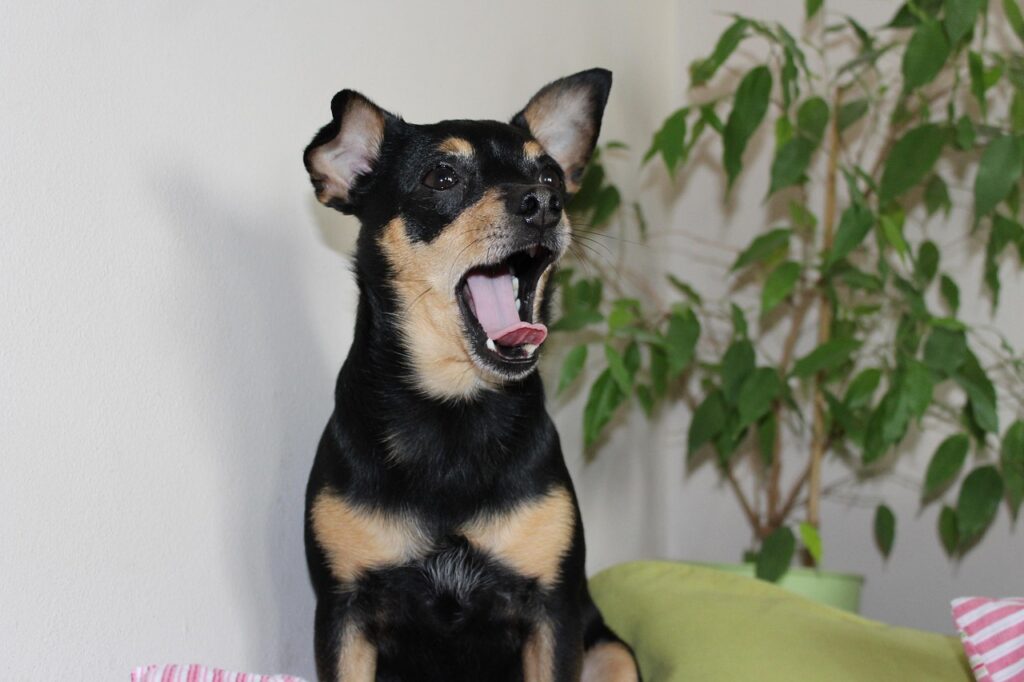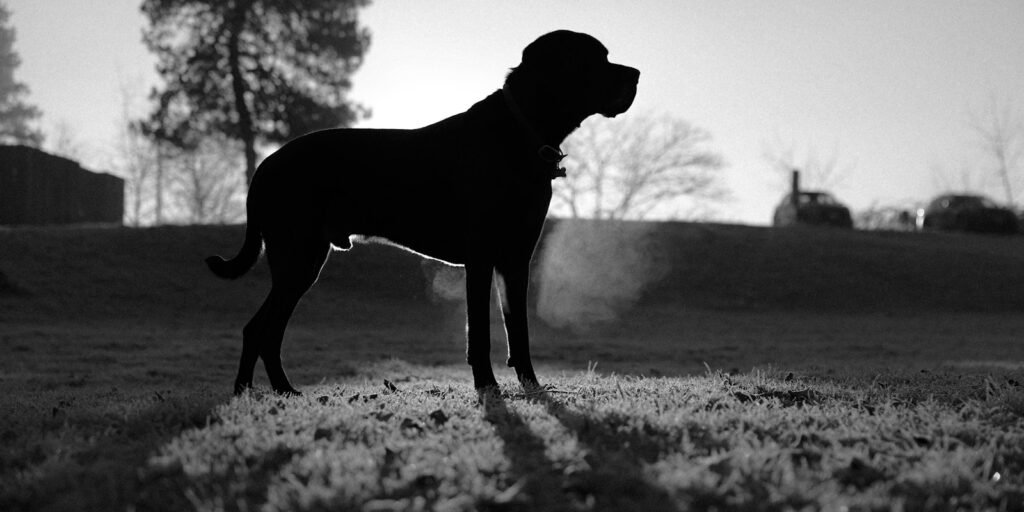

Big dogs loom large in our imaginations: loyal guardians, goofy couch companions, working partners with hearts to match their size. Yet for many families, there’s a less Instagram‑friendly truth that hits a few weeks after bringing a large breed puppy home – the carpets suddenly become a battleground. Some big dogs seem almost wired to miss the memo on bathroom etiquette, despite patient owners, vet advice, and mountains of training treats. Scientists are now probing why certain large breeds are so notoriously slow to housebreak, uncovering a complex mix of genetics, growth rates, temperament, and human expectations. What they’re finding doesn’t just explain ruined rugs; it challenges how we think about “stubborn” dogs and what responsibility really looks like when we breed animals for size, strength, or looks instead of trainability.
The Hidden Clues: Why Some Big Dogs Struggle From Day One
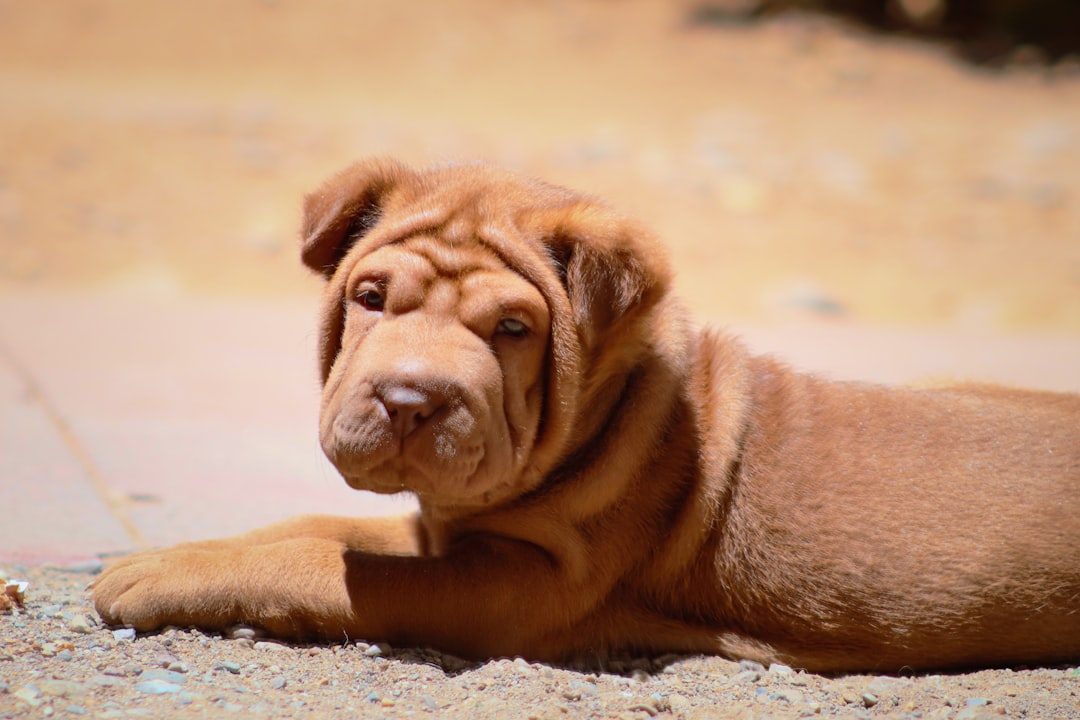
It’s tempting to call a slow-to-housebreak dog “dumb” or “stubborn,” but research in canine cognition and behavior paints a more nuanced picture. Large breeds typically grow faster physically than they mature neurologically, meaning you can have a puppy with the bladder capacity of a small tank but the impulse control of a toddler. Studies on puppy development suggest that the timeline for gaining reliable bladder and bowel control can vary wildly between individuals and breeds, sometimes stretching well past the age when owners expect perfection. Add in factors like indoor flooring, lack of predictable routines, or inconsistent cues, and what looks like defiance is often just confusion. When a dog weighs eighty pounds and leaves a puddle the size of a dinner plate, it’s easy to forget they may still be developmentally “a kid.”
Veterinary behaviorists also point to subtle health and stress signals that owners often miss in these breeds. Rapid growth can create joint discomfort that discourages frequent movement, so the dog simply doesn’t want to get up and go outside in time. Some large breeds are also predisposed to urinary tract issues, digestive sensitivity, or anxiety, any of which can disrupt house training. In homes where punishment is used after accidents, dogs may learn to hide evidence instead of learning where to go, compounding the problem. The result is a perfect storm where biology, environment, and human impatience collide, and big dogs end up unfairly labeled as .
From Ancient Guardians to Modern Giants: How Breeding Shaped Behavior
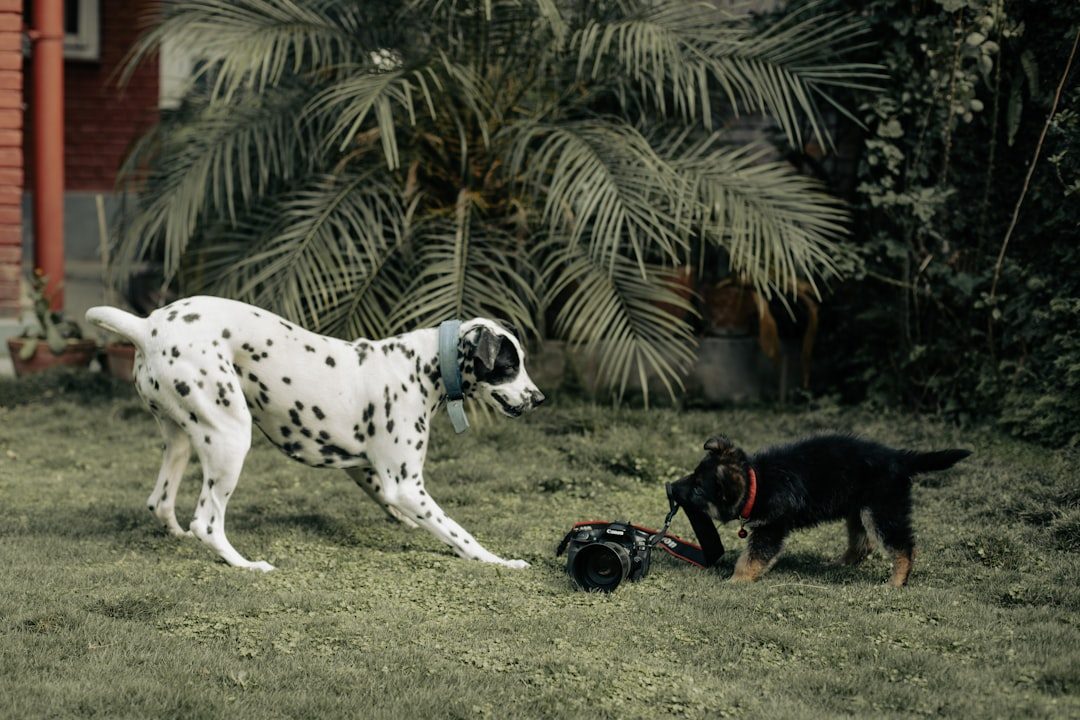
The story of hard-to-housebreak big dogs actually starts centuries ago, long before puppy pads and enzyme cleaners existed. Many giant breeds were developed to guard estates, livestock, or people, working outside or in barns where precise indoor toilet habits simply didn’t matter. When your job is to drive off wolves or watch over cattle in all weather, nobody cares if you pee at the edge of the field rather than wait politely for a designated patch of grass. As these breeds moved from farms and fortresses into suburban living rooms, owners inherited bodies and instincts shaped for a very different lifestyle. That mismatch can show up most dramatically in something as mundane – but consequential – as house training.
Selective breeding for size, power, or a specific look can also indirectly influence trainability. If breeders prioritize appearance or sheer mass over temperament and learning ability, traits like sensitivity to human cues or eagerness to please can get diluted. Some large breeds now carry a legacy of independence or low reactivity that made them excellent solitary guardians but slower to respond to subtle training signals indoors. Modern families often expect these dogs to transition seamlessly into tight urban or apartment spaces with rigid toilet expectations. The historical purpose of the breed rarely makes it into the adoption conversation, but it still shapes every accident on your living room floor.
The Science of Size: Brains, Bladders, and Timing
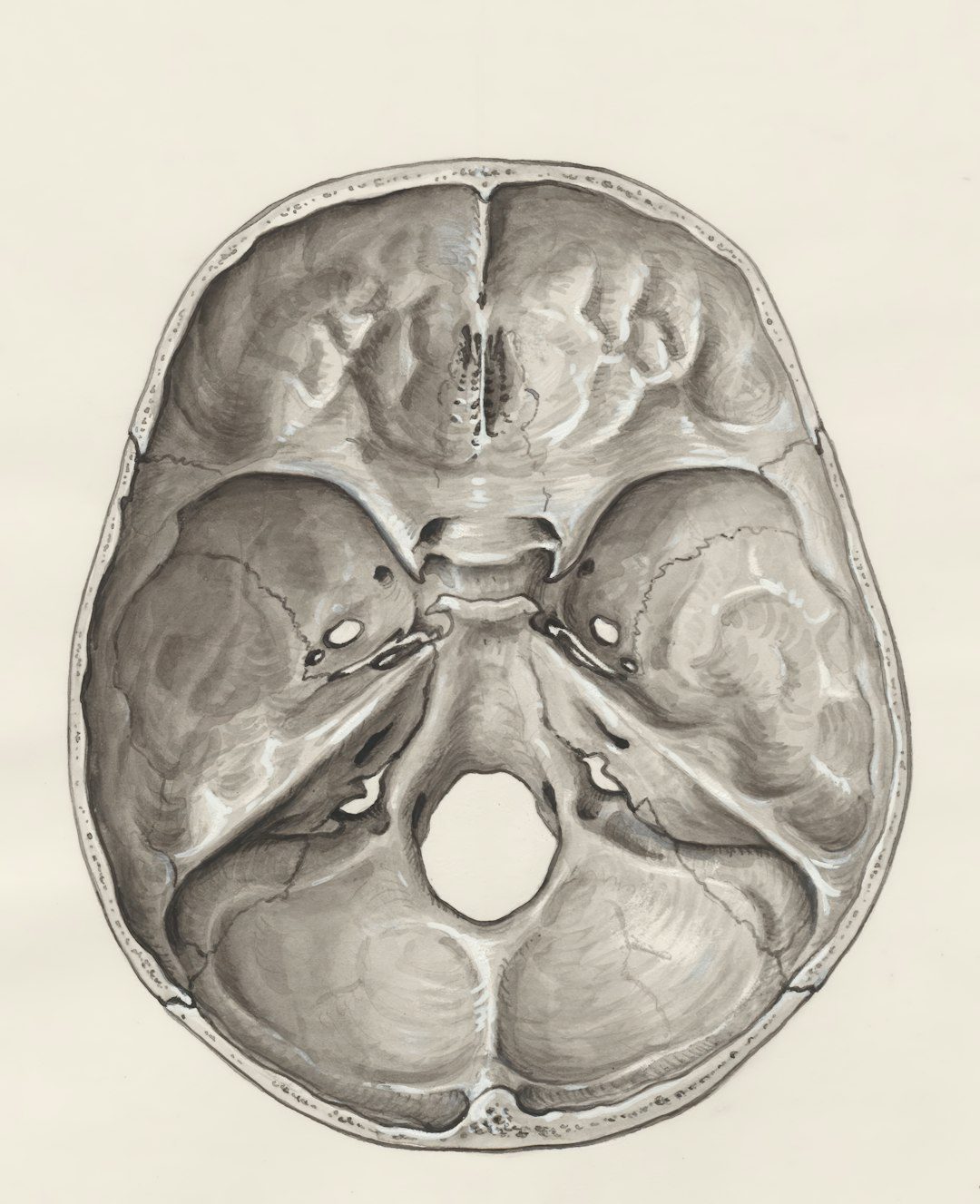
One of the most striking scientific findings about dog breeds is that body size and brain structure do not scale neatly together. Larger dogs often have different brain organization patterns, including regions associated with motivation, fear, and social processing that may respond differently to training. Researchers studying learning speed and impulse control in dogs have found that breed size and historical function can predict how quickly a dog picks up new rules. Housebreaking is, at its core, a complex chain of learning: sensing internal signals, holding them, seeking permission, and associating specific locations with relief and reward. For some big breeds, that chain takes much longer to become automatic.
On the physiological side, growth plates and internal organs in large-breed puppies are under intense development pressure during the first year. Their bladders may technically be able to hold large volumes, but the neural pathways coordinating control are still fine-tuning. Many trainers recommend that big puppies be let out more frequently than their size might suggest, because waiting too long almost guarantees failure. When owners mistakenly interpret a larger body as “more mature,” they lengthen the intervals and inadvertently create habits of indoor elimination. This gap between appearance and internal readiness is a key reason so many big dogs develop reputations as impossible to housebreak.
Why It Matters: Beyond Stained Carpets and Frayed Nerves
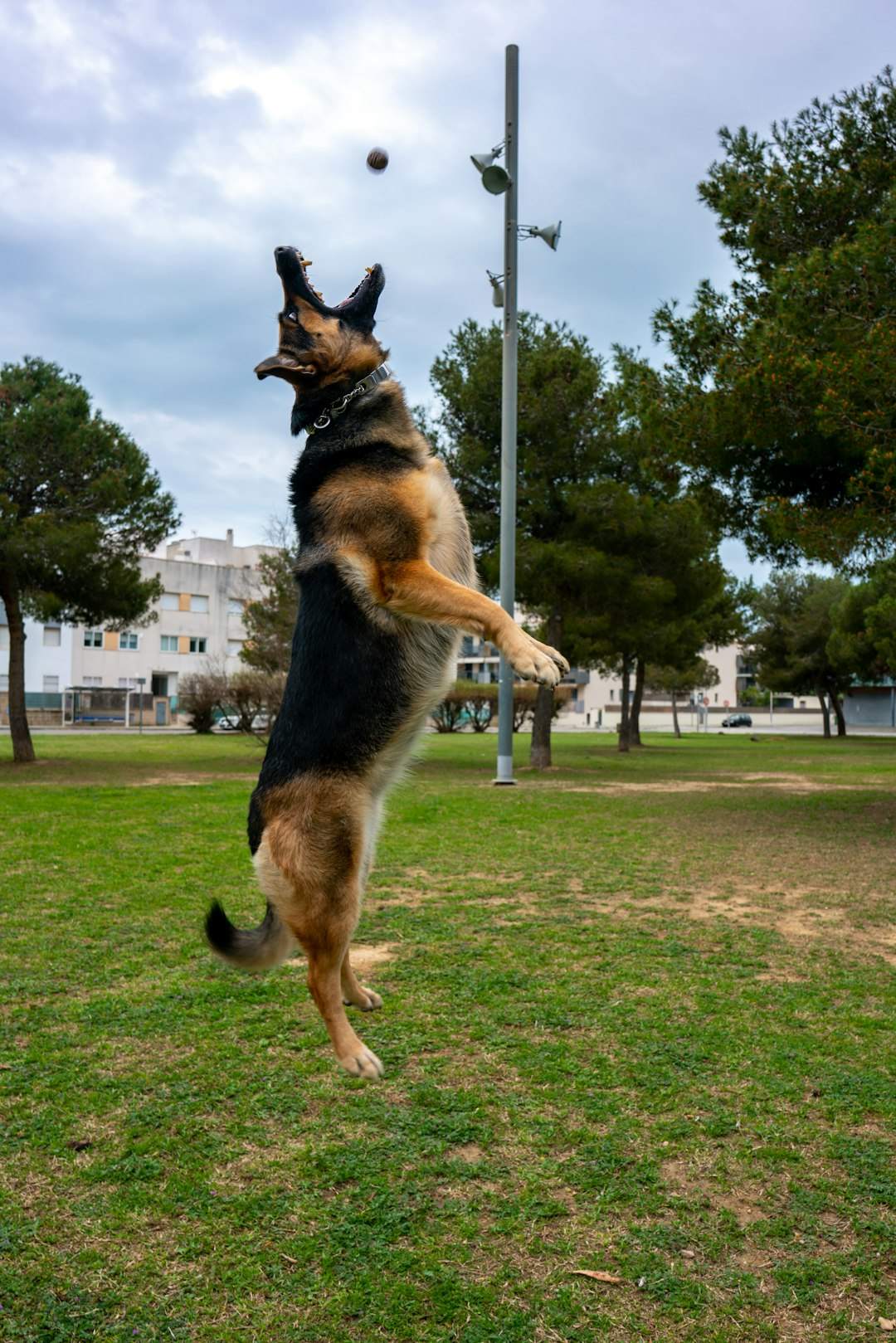
At first glance, house training might seem like a minor domestic annoyance, but for large dogs it can be a life-changing barrier. Shelters report that one of the most common reasons big dogs are surrendered is “behavior problems,” and repeated indoor accidents rank high among those complaints. When a hundred‑pound dog is still having frequent accidents at ten or twelve months, families with kids, landlords, or limited patience often feel overwhelmed. That frustration can spill into harsh training methods, damaged human–animal bonds, and in some cases, relinquishment or euthanasia. A problem that started as neurodevelopmental timing or unrealistic expectations ends up determining whether a dog keeps its home.
There’s also a quieter scientific and ethical dimension. If certain breeds are known to be especially challenging to housebreak, yet continue to be bred without transparent disclosure or selection for improved trainability, we are effectively designing dogs for failure in modern environments. Understanding the science behind their struggles forces us to confront questions about responsible breeding and ownership. Are we matching dogs to homes based on temperament and learning style, or just on looks and social trends? In a world where pet ownership is linked to mental health, community life, and even physical well‑being, the stakes of getting this right go far beyond the laundry bill.
Inside the “Impossible” Breeds: Shared Patterns, Not Simple Stereotypes
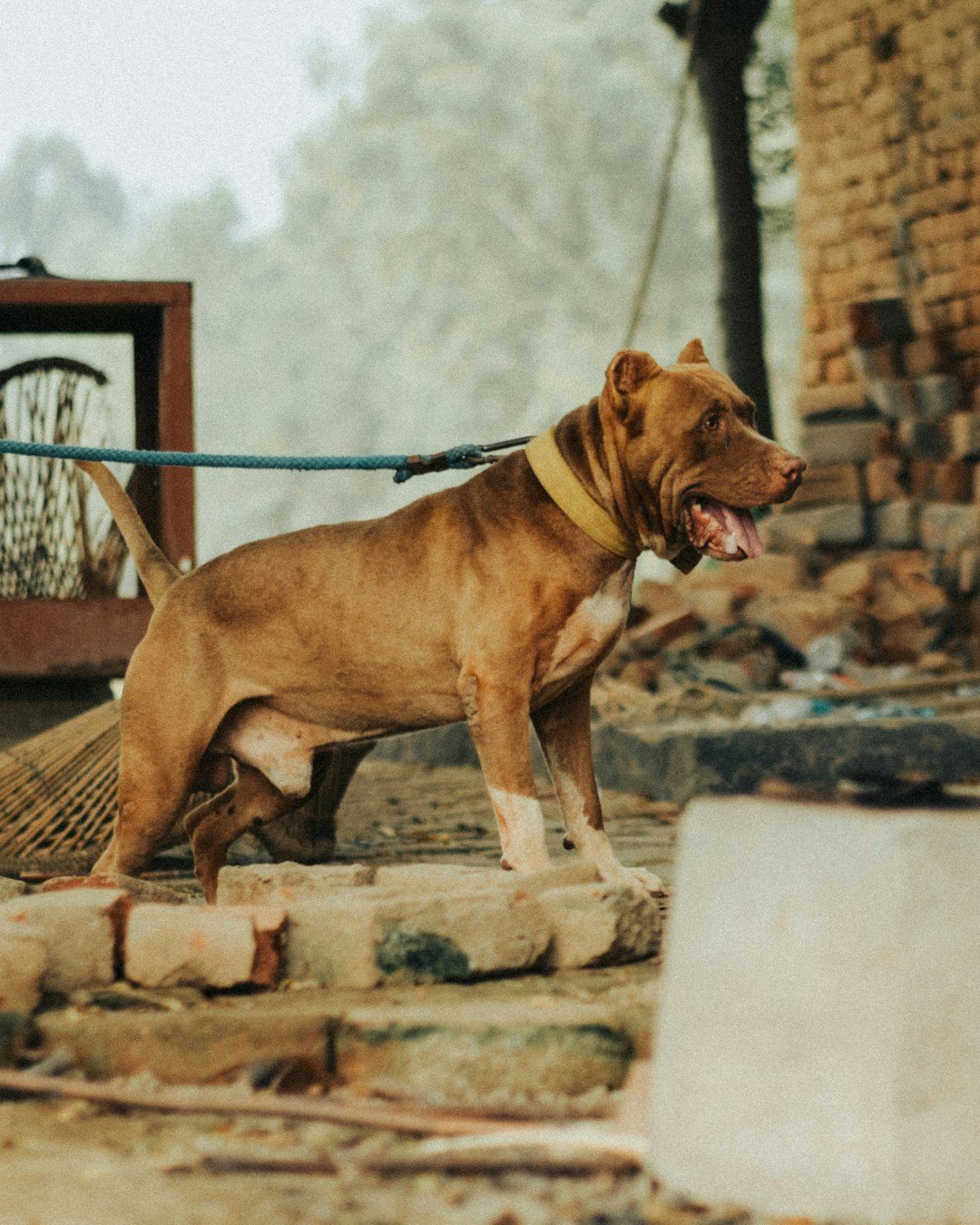
When trainers whisper about the “hardest” big dogs to housebreak, they are usually not talking about a single villainous breed but a cluster that shares certain traits. Many of the usual suspects are giant guardian or working types that mature slowly, think independently, and are not hard‑wired to check in constantly with humans. Others are energetic, socially exuberant dogs whose excitement routinely overrides bodily awareness, so they only notice they need to go when it is already urgent. In scientific terms, these dogs often have high arousal, low frustration tolerance, and a lower baseline sensitivity to subtle owner signals. Put that cocktail into a small apartment and the outcome is predictable.
Yet it is crucial not to treat those breed reputations as destiny. Within every so‑called impossible breed, there are individuals who housebreak quickly and cleanly, often because of three key advantages: consistent early routines, calm and patient owners, and genetically laid‑back temperaments. Studies in behavioral genetics suggest that even within a single breed, the range of learning ability and impulse control can be huge. Labeling an entire breed as untrainable can become a self‑fulfilling prophecy, leading people to give up earlier or skip the foundation work that would actually help. The science points instead to a pattern: certain combinations of size, history, and temperament raise the difficulty level, but do not seal a dog’s fate.
What the Data Really Shows: Patterns of Failure and Success
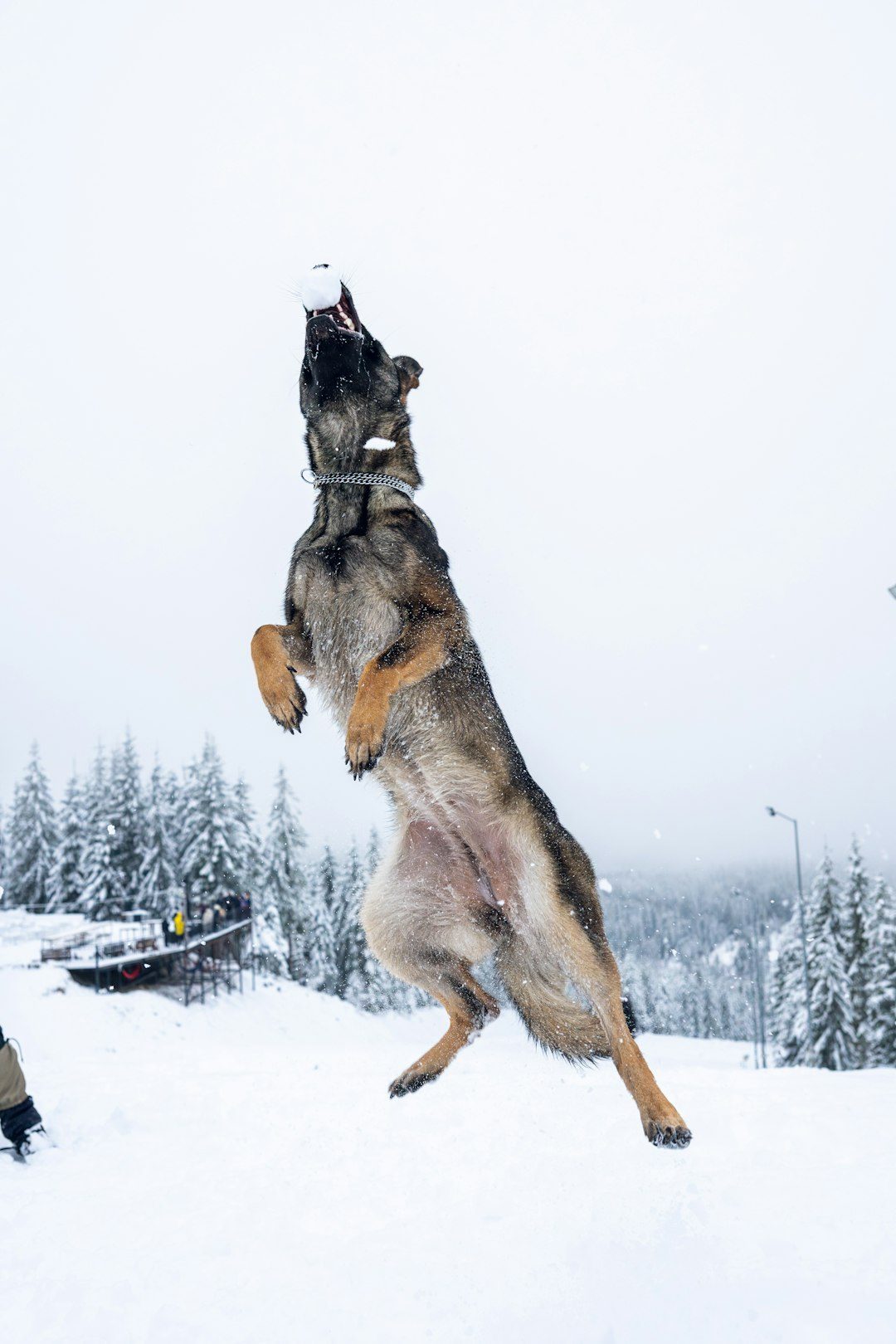
Large‑scale surveys of dog owners and shelter intake records paint a sobering picture of how often big dogs run into house training trouble. In many datasets, big and giant breeds are overrepresented among dogs returned or surrendered for elimination issues compared with smaller dogs. When researchers dig into the details, a few recurring themes stand out. Owners of large dogs are more likely to delay neutering and to allow outdoor unsupervised time earlier, which can complicate learning precise toilet locations. Many also underestimate how long it can take for a large‑breed adolescent to reach full behavioral maturity, expecting adult reliability months too soon.
On the positive side, case studies from veterinary behavior clinics and training schools show that with structured, science‑based protocols, even notoriously slow breeds can become reliably housebroken. Successful approaches tend to share several components: meticulous supervision, frequent outdoor trips tied to meals and play, high‑value rewards for correct behavior, and zero punishment for mistakes. Data suggest that dogs exposed to consistent routines and gentle handling in the first four to six months are far more likely to succeed, regardless of breed. The take‑home message from the numbers is less about singling out villains and more about recognizing how easily big dogs fall through the cracks when people underestimate the challenge.
The Future Landscape: Tech, Genetics, and Rethinking “Good Dogs”

As our understanding of canine behavior deepens, the future of managing hard‑to‑housebreak big dogs is likely to look very different from the trial‑and‑error past. Wearable tech for pets is already tracking movement, heart rate, and activity patterns, and developers are experimenting with sensors that detect pre‑elimination behavior and send alerts to owners. Imagine your phone buzzing because your giant adolescent dog just started pacing in a specific pattern that, according to its own data profile, predicts a bathroom need in the next few minutes. For owners of breeds that seem to “forget” until the last second, that kind of early warning could be transformative. Smart indoor grass systems and odor‑neutralizing materials are also making it easier to create training setups in high‑rise homes.
On the genetics side, researchers are mapping links between breed clusters, brain traits, and learning styles with increasing precision. In time, it may be possible to select breeding lines of historically difficult big dogs not only for hip health and conformation, but also for trainability and impulse control. That raises both exciting opportunities and serious ethical questions. Should we be reshaping ancient guardian breeds for modern apartment life, or focusing instead on guiding people toward dogs whose instincts already fit their realities? As cities grow and living spaces shrink worldwide, our answers will determine whether giant dogs remain fringe companions or become truly integrated urban family members.
How You Can Make a Difference: Smarter Choices, Kinder Expectations
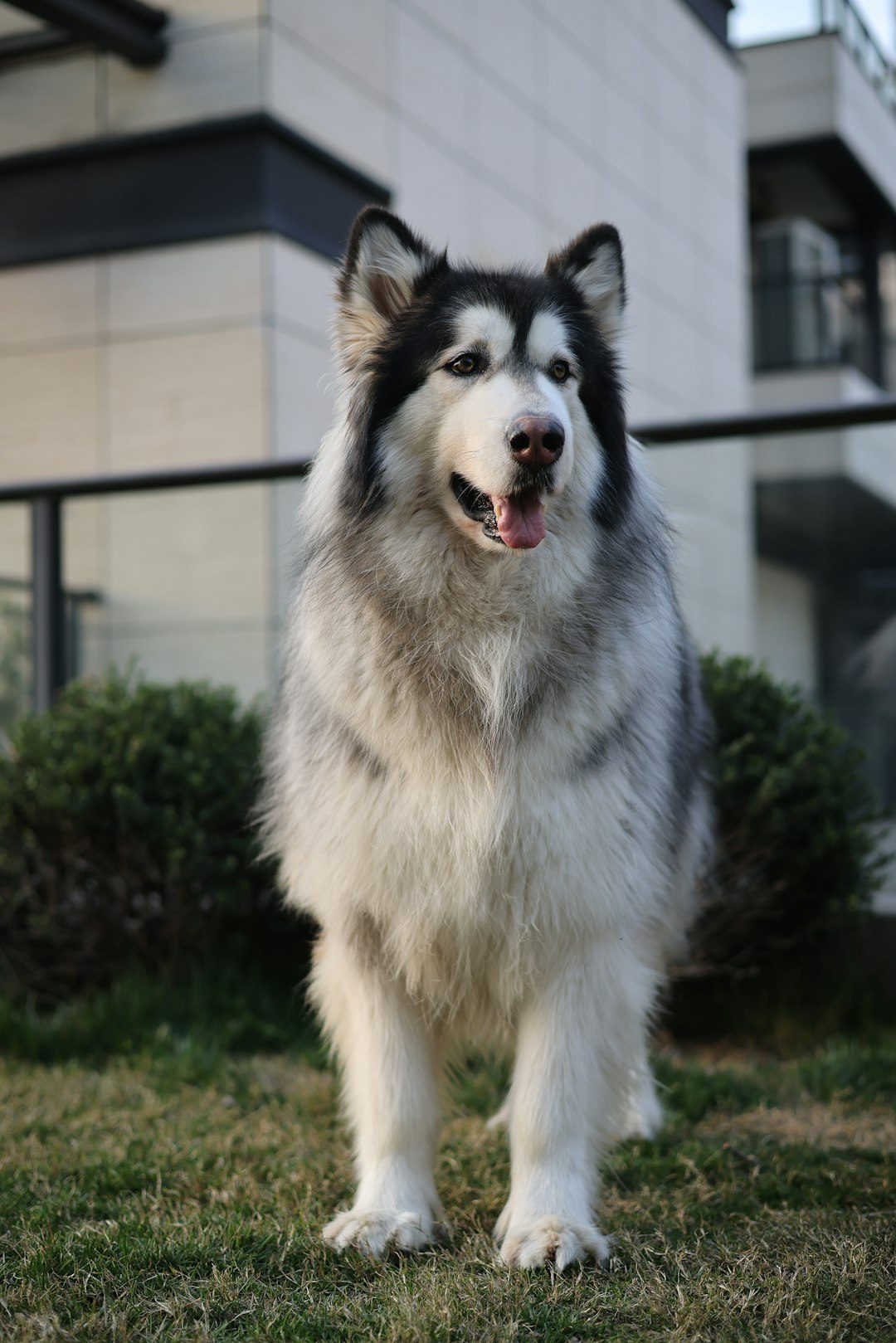
For readers who love big dogs – or are thinking about living with one – the most powerful actions are surprisingly simple. First, research breed history and typical development timelines before you commit; a dog bred for solitary guarding is rarely plug‑and‑play for a studio apartment. Second, plan for an extended house training window, especially through the first year, building in more outdoor breaks than you think you need. That might mean organizing work schedules, asking for help from neighbors, or hiring a dog walker, not as a luxury but as a basic welfare measure for a large, slow‑maturing breed. The earlier you assume it will be easy, the harder it tends to become.
Supporting science‑based training and responsible breeding also matters. You can choose trainers who emphasize positive reinforcement and who understand big‑breed development, rather than relying on quick‑fix punishment methods that often backfire. You can favor breeders and rescues that are honest about a breed’s challenges and that invest in early socialization and routine building. Even sharing accurate information with friends or online communities helps chip away at myths that label certain breeds as hopeless. In the end, the fate of those “impossible to housebreak” giants is less about their biology and more about whether we are willing to meet them where science says they truly are.
Suhail Ahmed is a passionate digital professional and nature enthusiast with over 8 years of experience in content strategy, SEO, web development, and digital operations. Alongside his freelance journey, Suhail actively contributes to nature and wildlife platforms like Discover Wildlife, where he channels his curiosity for the planet into engaging, educational storytelling.
With a strong background in managing digital ecosystems — from ecommerce stores and WordPress websites to social media and automation — Suhail merges technical precision with creative insight. His content reflects a rare balance: SEO-friendly yet deeply human, data-informed yet emotionally resonant.
Driven by a love for discovery and storytelling, Suhail believes in using digital platforms to amplify causes that matter — especially those protecting Earth’s biodiversity and inspiring sustainable living. Whether he’s managing online projects or crafting wildlife content, his goal remains the same: to inform, inspire, and leave a positive digital footprint.