
For most of human history, the Earth has seemed full of doors to somewhere else. Steam-filled caverns, toxic lakes, roaring pits of fire and bottomless chasms were not just geographic oddities; they were read as messages from the underworld. Today, archaeologists, volcanologists, and wildlife biologists are revisiting those so‑called “” with sensors, drones, and high‑speed cameras – and finding that the reality is stranger and more intricate than the myths. In many of these places, raptors and other predators still hunt, glide, and circle in ways that eerily mirror ancient stories of demons and soul‑stealing birds. The old fear of crossing a threshold is giving way to a new kind of curiosity: what do these sites reveal about how humans, landscapes, and hunters have evolved together?
Hades’ Breath at Avernus: Toxic Lake on the Edge of the Underworld
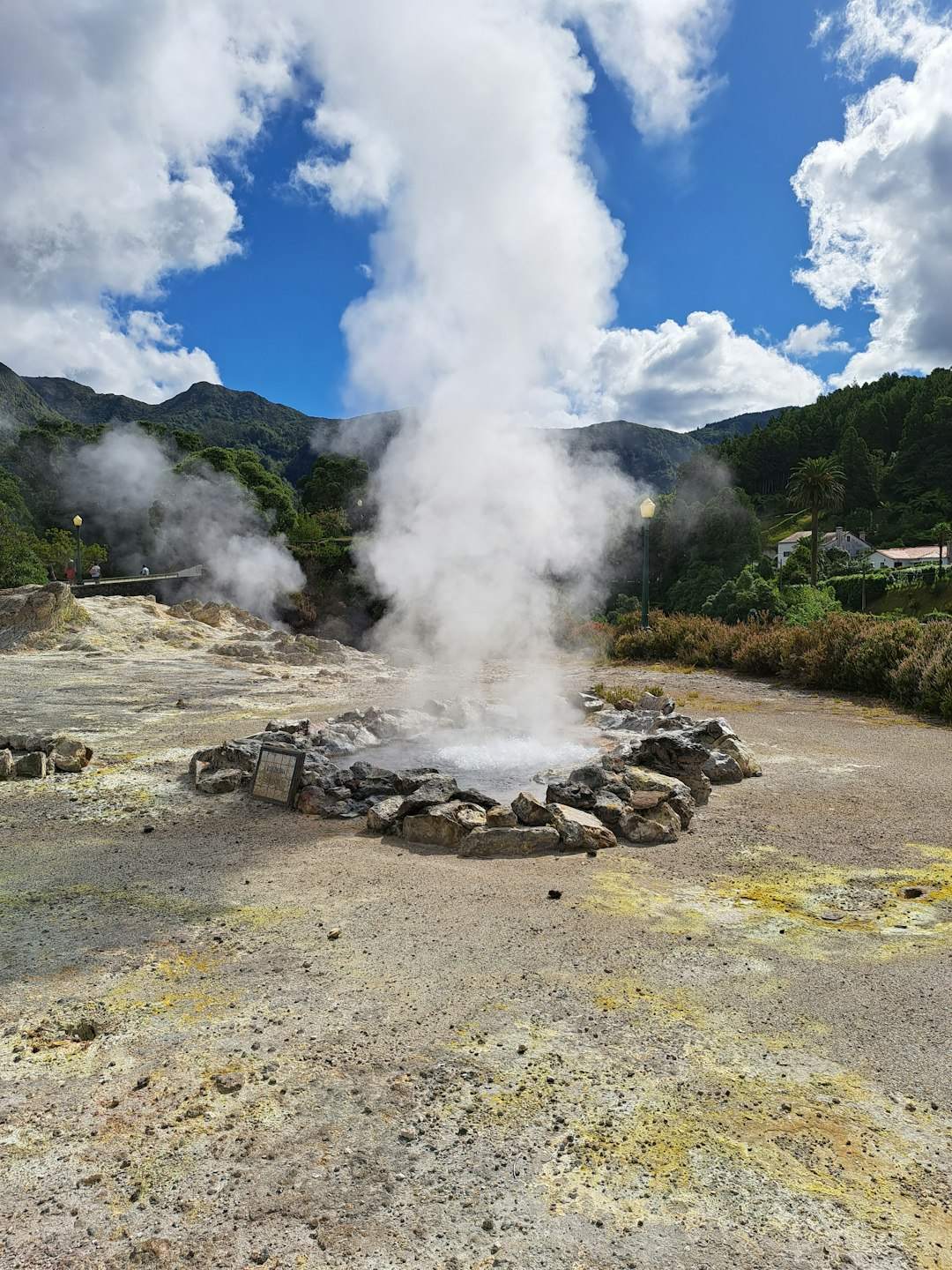
In southern Italy, Lake Avernus once carried a reputation so dark that Roman authors described it as a yawning mouth of Hades. The lake sits inside a volcanic crater near Naples, and in antiquity its frequent mist and occasional foul odor were blamed on the exhalations of the dead. Today, gas sensors and water sampling tell a different story: pockets of volcanic carbon dioxide and sulfur compounds rise from vents on the lakebed, sometimes pooling in low-lying air. For ancient people who watched birds abruptly drop from the sky when they passed through these invisible clouds, the conclusion that this was a gate to the underworld was not just superstition; it was a reasonable interpretation of lethal, unseen forces.
Modern biologists now come to Avernus to ask a different question: how do local raptors navigate a landscape laced with invisible toxins? Field observations suggest that birds of prey skirt certain sections of the crater, possibly guided by micro‑wind patterns or subtle discomfort triggered by low oxygen. In a way, they are still “reading” the lake, just as augurs and priests once did, though their survival depends on instinct rather than ritual. For scientists, Avernus becomes a natural lab for studying how predators map invisible danger and adapt their hunting routes in territories that humans once condemned as cursed.
Pluto’s Gate at Hierapolis: Deadly Fumes and Sacrificial Birds
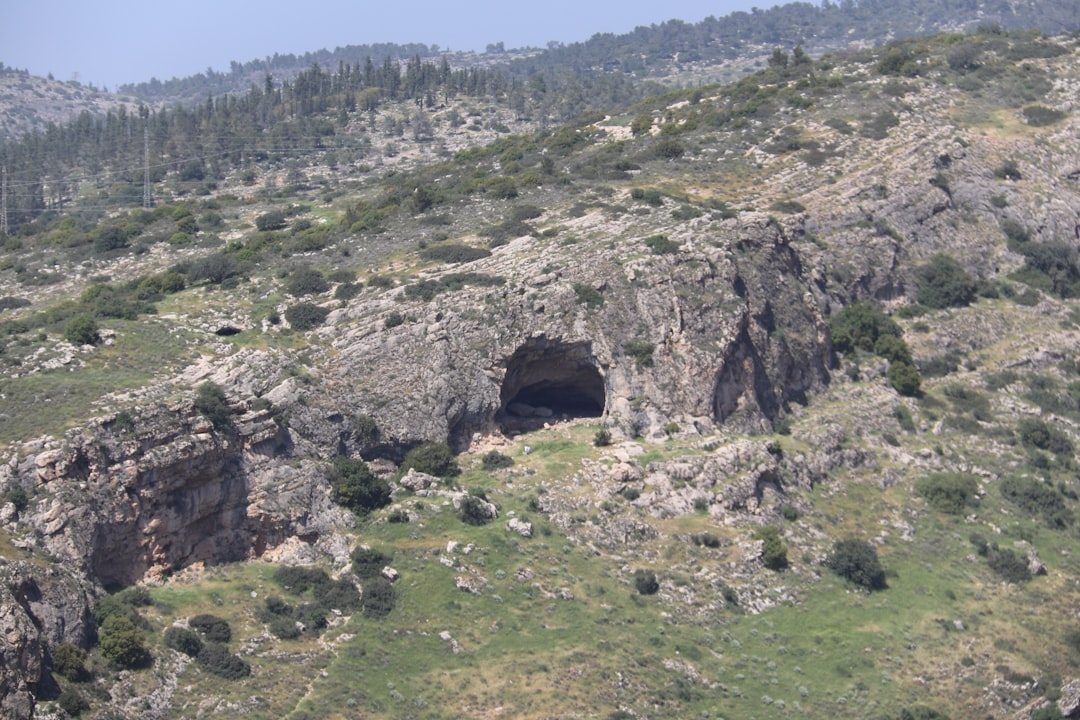
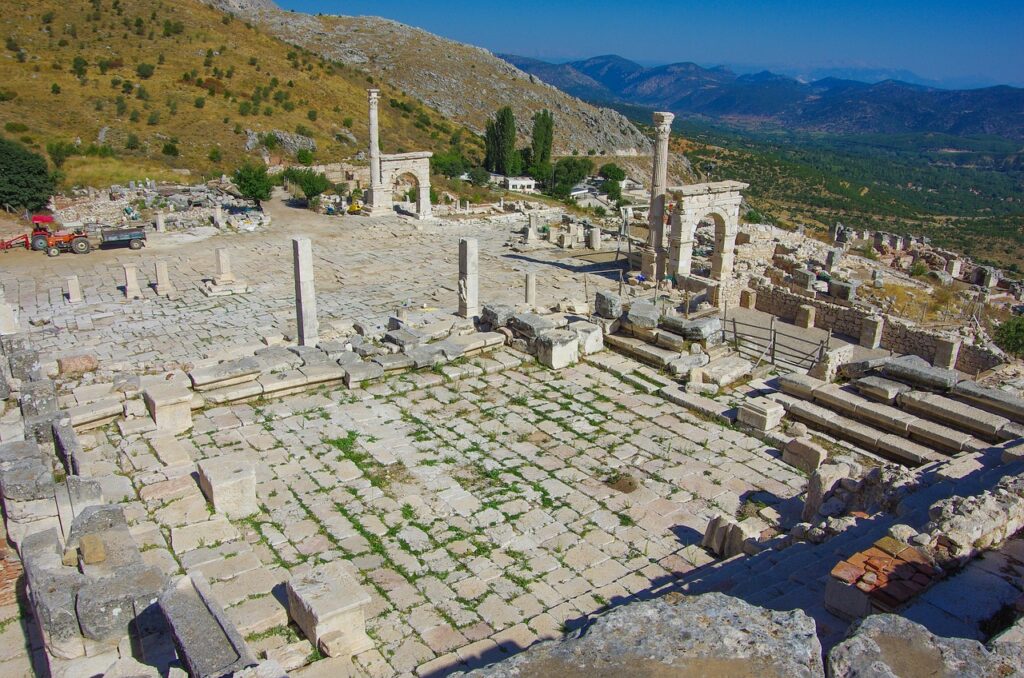
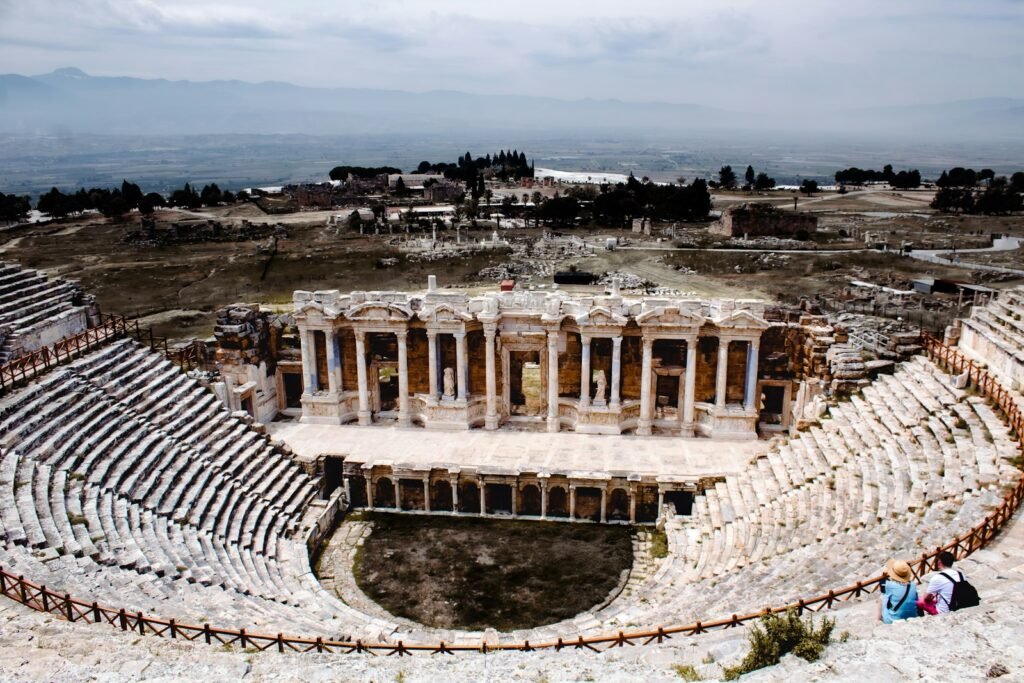
On a hillside in modern‑day Turkey, the ancient city of Hierapolis hosted one of the most feared openings to the underworld: the Ploutonion, or Pluto’s Gate. Historical accounts describe priests leading livestock into a small grotto, where the animals collapsed while the men somehow survived, reinforcing the idea that divine forces were at work. Geological surveys in the last decade have confirmed that the grotto sits atop a focused vent of volcanic carbon dioxide that can pool close to the ground. Humans standing upright could breathe above the densest gas layer, while low‑slung animals were overwhelmed at nose level, recreating the illusion of selective divine punishment.
What makes this site particularly fascinating to modern ethologists is the role of birds. Ancient writers mentioned small animals and birds dying near the entrance, a detail that aligns with experiments showing that high bursts of volcanic gas are especially lethal to small, high‑metabolism creatures. Raptors observed today in the wider valley mostly avoid flying too low over the vent opening, instead circling in thermal updrafts generated by nearby hot springs. The same thermals that once carried the scent of “hell” now ferry kestrels and eagles, turning a feared threshold into an aerial highway where modern hunting techniques – soaring, stooping dives, and rapid scan‑and‑glide patrols – play out above a place where sacrifices once met their end.
Hekla and the Fire-Breathing Sky: Volcanic Gates and Circling Hunters

Iceland’s Mount Hekla has been called everything from the chimney of hell to a prison for witches, thanks to its explosive eruptions and eerie, snow‑striped slopes. Medieval Europeans imagined souls streaming from its crater, while ash clouds turned day into twilight and scattered livestock across darkened fields. Volcanologists now parse each eruption with seismometers and satellite imagery, revealing complex magma plumbing instead of demonic tempers. Yet in the skies around Hekla and neighboring ridges, the story of fear and fire now overlaps with one of resilience and adaptation.
Local raptors – particularly gyrfalcons and merlins – use the rugged lava fields and cliff edges around Icelandic volcanoes as nesting and hunting grounds. When the volcano is quiet, they exploit the broken terrain to ambush ptarmigan and waterfowl, launching low, fast pursuits that echo the classic “terrain masking” techniques human military pilots later borrowed. During periods of ash fall or gas release, many birds temporarily abandon the area, sensing what instruments confirm: shifts in air quality and prey availability. Observing how raptors reoccupy these landscapes after eruptions helps scientists understand how predators respond to abrupt habitat disruption, a question that matters as more ecosystems face wildfire, pollution, and rapid climate swings.
Masaya’s “Mouth of Hell”: Lava Lakes, Smoke Plumes, and High-Altitude Scouts
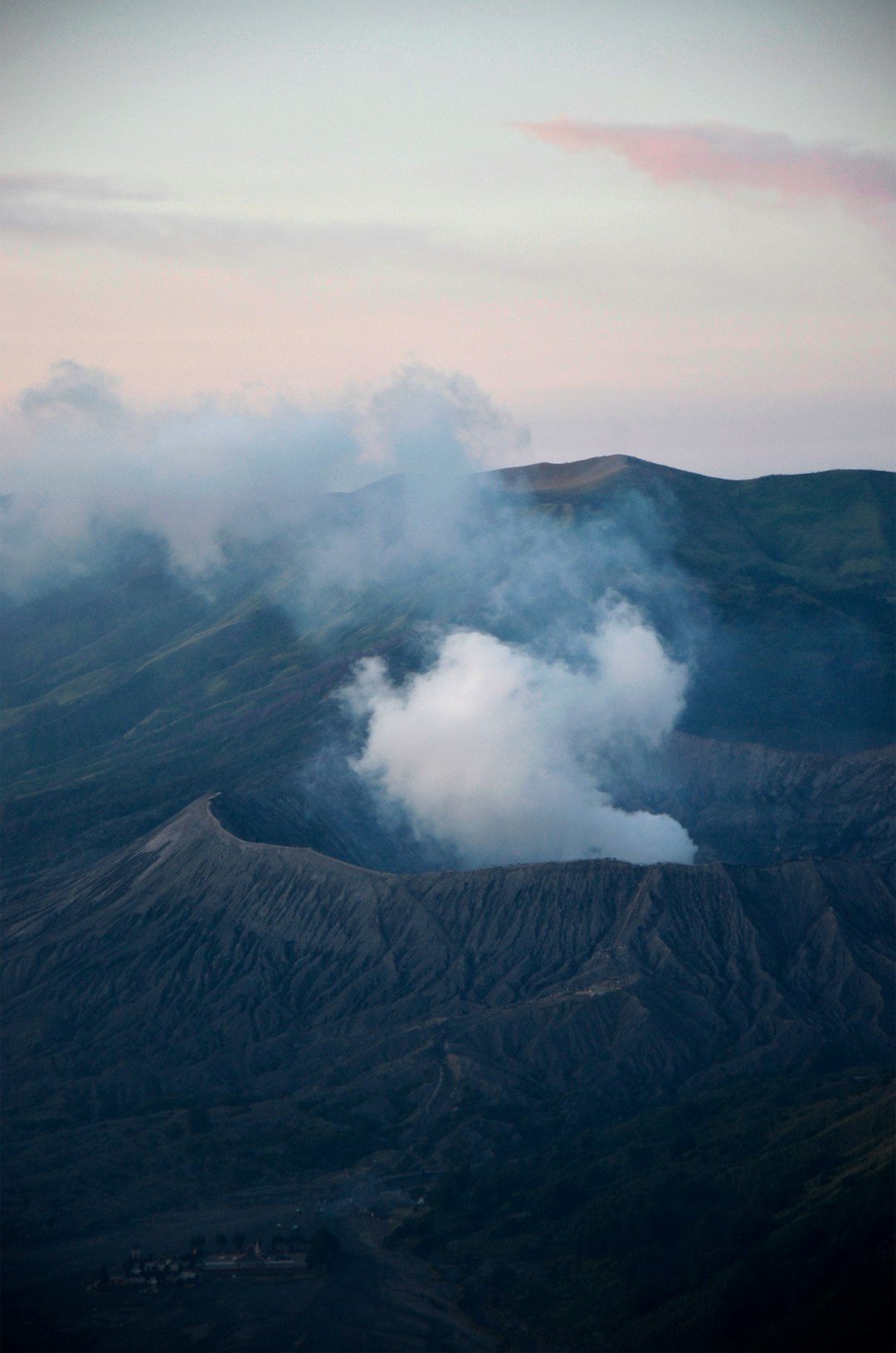
In Nicaragua, the Masaya volcano has long been feared as a literal mouth of hell, its glowing lava lake framed by rising plumes that once terrified Spanish colonizers and Indigenous communities alike. Historical records describe rituals to placate whatever forces lived under the lava, blending Christian and local cosmologies around a single blazing hole. Today, drones fly over that same crater carrying gas sensors and thermal cameras, mapping sulfur dioxide emissions and tracking subtle changes in lava movement. The crater is still deadly at close range, but the narrative has shifted from divine wrath to high‑resolution observation.
Above this churning cauldron, raptors take advantage of exactly what makes Masaya so ominous: heat and updrafts. Black vultures, hawks, and sometimes peregrine falcons can be seen spiraling on thermal columns created by the hot crater, using these invisible elevators to gain height with minimal energy. From there, they fan out over the surrounding dry forest and fields to hunt rodents, small birds, and carrion, turning the feared “gate” into a launching pad for precision hunting. For behavioral ecologists, Masaya demonstrates how predators harness turbulent air, mirroring ancient myths of spirits rising from the deep while quietly revealing the physics behind their flight strategies.
Why It Matters: From Mythic Underworlds to Predator Science
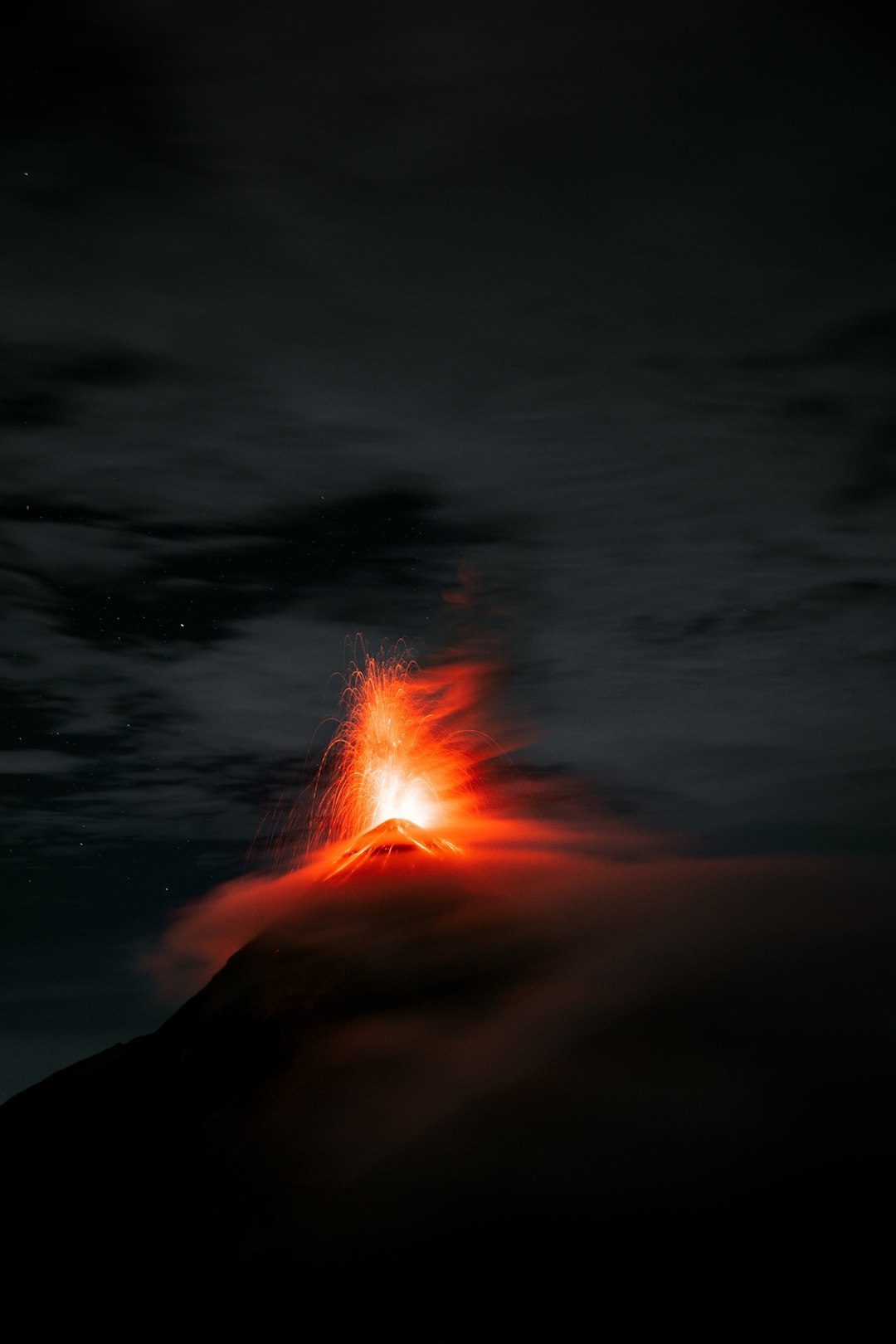
At first glance, stories about might seem like quaint superstitions, interesting mainly to historians and mythographers. But these places are also living ecosystems where predators, especially raptors, test their limits against unstable ground, toxic gases, and abrupt weather shifts. Comparing ancient descriptions of dying animals and ominous birds with modern ecological data lets scientists reconstruct long‑term environmental patterns around volcanoes and geothermal fields. It also highlights a deeper pattern: humans have always watched predators closely at the edge of danger, treating them as barometers of risk and messengers – whether from gods, spirits, or simply the land itself.
By revisiting legendary hellmouths with GPS trackers, gas sensors, and high‑speed cameras, researchers can link mythic accounts to concrete biological and geological processes. For example, places where “no bird could fly” often turn out to be zones of heavy gas concentration, while “demon birds” circling overhead are simply vultures or eagles capitalizing on rising air and exposed carcasses. Understanding this helps modern conservationists explain why protecting raptors is not just about saving charismatic species but also about preserving key indicators of ecosystem health. In a time when more than half of raptor species worldwide are believed to be declining, the lessons hidden in these haunted landscapes feel far more urgent than their legends suggest.
The Hidden Clues: Ancient Hunting Techniques in Modern Raptors
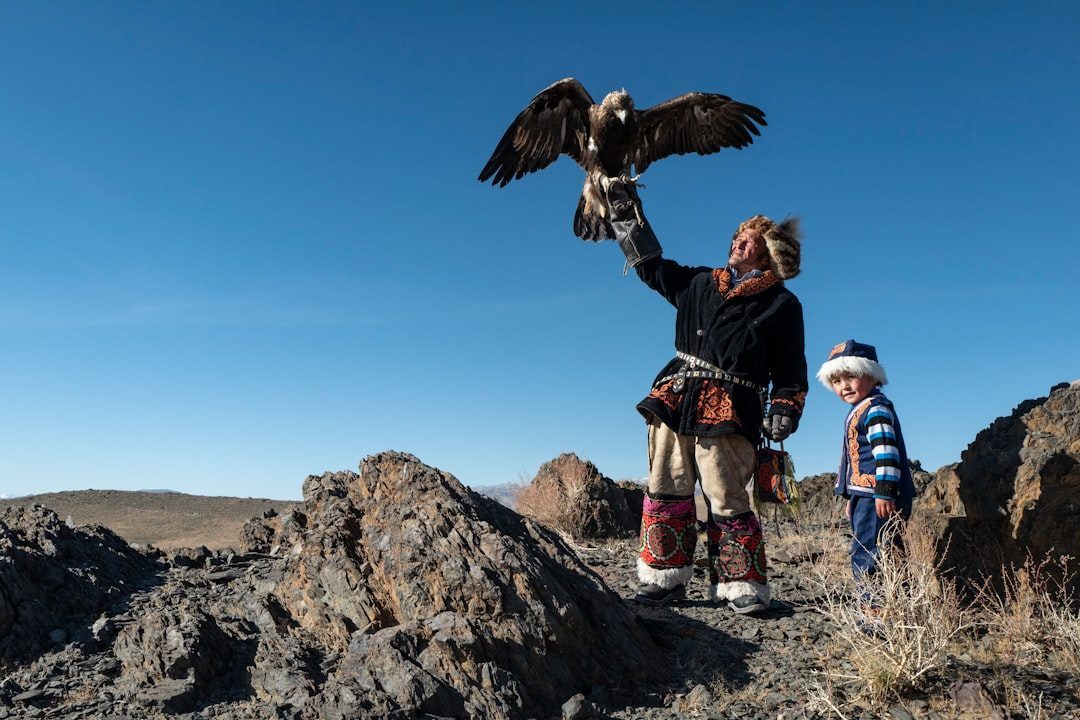
One of the most surprising threads running through hell‑gate stories is how closely they track real predator behavior, especially when it comes to hunting tactics. Ancient texts speak of birds that waited motionless on cliff edges, then fell like spears on unsuspecting animals crossing perilous ground. Modern high‑speed footage of falcons and hawks near cliffs, volcanic gorges, and geothermal valleys shows the same sequence: patient perching, rapid target lock, and a sudden stoop that can reach motorway speeds. In some sites once tagged as cursed, such as cliffs near crater lakes or fumarole fields, the broken terrain forces prey into predictable routes, creating natural killing corridors.
Scientists now classify these behaviors into recognizable strategies that echo the toolkits of human hunters. Common techniques include:
- Ambush hunting from concealed perches near choke points, such as narrow passes or crater rims.
- Exploiting thermal updrafts to expand search radius with minimal energy, then diving when prey is spotted below.
- Cooperative scanning, where multiple raptors occupy different altitudes or perches, increasing detection chances.
Ancient observers might have seen these coordinated patterns and imagined invisible commanders directing flocks of underworld agents. Today, the same patterns help biologists model energy budgets, territory size, and how predators respond when those volcanic thermal “tools” change with shifting climate and activity.
Global Perspectives: From Mediterranean Hellmouths to Desert Craters
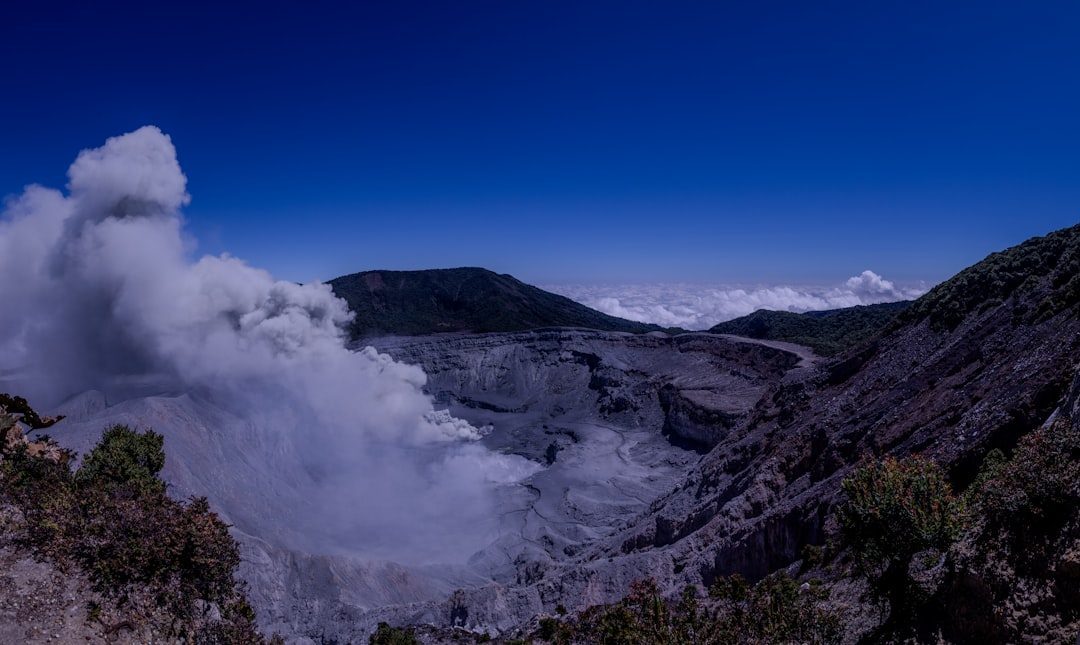
Although Europe and the Near East gave us some of the best‑known , similar stories cluster around active zones on nearly every continent. In parts of East Africa, for instance, corrosive crater lakes and sulfur vents became sites of local taboos, in part because livestock and birds died there without obvious cause. Modern surveys show that these lakes can reach extreme acidity and emit suffocating gases, especially at night when cool air traps fumes near the ground. Raptors and scavenging storks will often feed on carcasses at the safer edges but avoid the inner plumes, sketching out an invisible danger zone that elders once marked with myth instead of GPS coordinates.
In arid regions of Central Asia and the Middle East, large sinkholes, burning gas craters, and collapsing mine pits have taken on hellish reputations for more contemporary reasons. Flocks of migrating raptors occasionally collide with these hazards, especially when night lighting or unexpected fumes disorient them, offering a stark reminder that even top predators are vulnerable in engineered hellscapes. The contrast between ancient volcanic hellmouths and modern industrial ones lets scientists compare how predators adapt – or fail to adapt – to natural versus human‑made extremes. Each site becomes a different chapter in a global story about how we interpret deadly thresholds and how wildlife navigates them with a mix of instinct, learned behavior, and sometimes fatal miscalculations.
From Ancient Tools to Modern Science: Reading Raptors Like Oracles
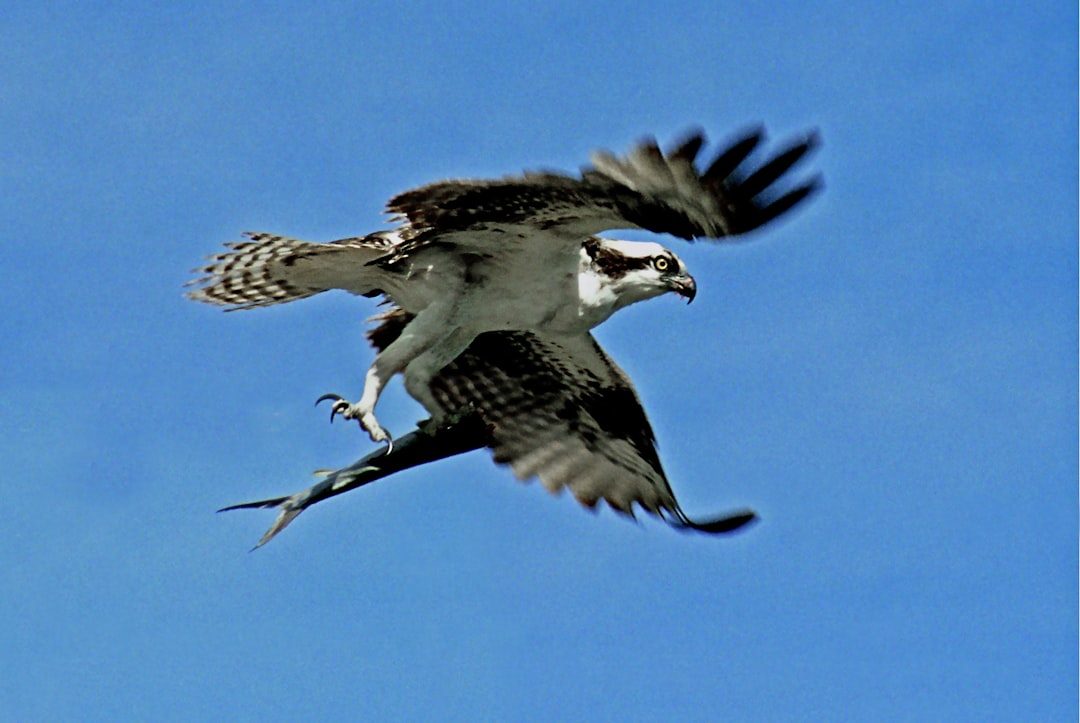
Long before anyone carried a field notebook, people treated raptors as living instruments for divining fate, especially near ominous landscapes. The direction of a hawk’s flight above a smoky chasm or the sudden absence of vultures over a volcano could sway decisions about war, travel, or ritual. While the interpretive framework was spiritual, the practice itself was a form of applied natural history, built on careful, generational observation. Today, the same attention to predator movement is repurposed with satellite tags and machine‑learning models, turning those ancient “omens” into data streams about air currents, habitat quality, and prey dynamics.
For example, tagging raptors around geothermal fields now helps scientists map fine‑scale wind structures that would be hard to capture with fixed instruments alone. Abrupt changes in flight patterns can signal new gas emissions or shifts in prey distribution days before humans notice them directly. In that sense, raptors remain oracles of a kind, translating invisible physical changes into visible movement. The big difference is that instead of reading meanings into their paths, modern researchers read measurements – angles, speeds, dive rates – that can feed into hazard maps and conservation plans rather than prophecies.
The Future Landscape: Technologies, Threats, and Shifting Gates
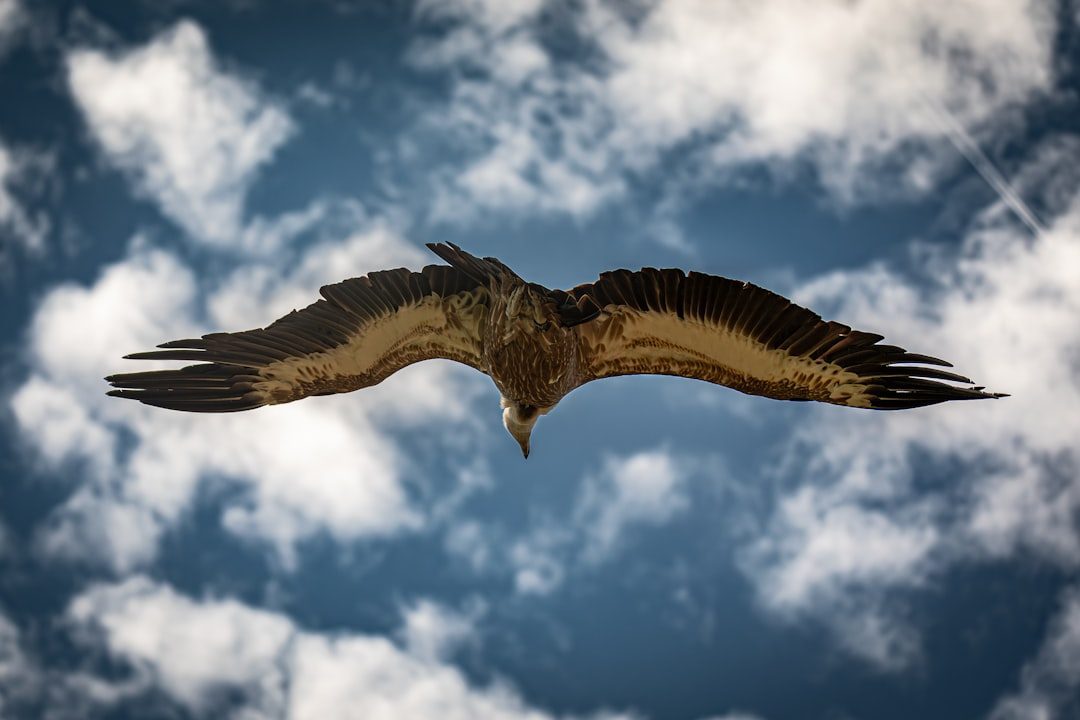
Looking ahead, the old are becoming hubs for some of the most innovative monitoring projects on the planet. Lightweight bio‑loggers now ride on the backs of falcons and eagles that hunt around volcanoes and toxic lakes, recording altitude, acceleration, and even basic physiological stress signals. Combined with satellite imaging of thermal hotspots and gas plumes, these data could help forecast hazardous emissions not just for wildlife but for nearby towns and cities. At the same time, tourism development around spectacular craters risks crowding nesting sites and disrupting flight paths that raptors have used for generations.
Global warming adds another twist, altering wind patterns, snow lines, and vegetation near these extreme environments, which in turn shifts where prey can live and where predators can hunt. Conservationists are starting to argue that protecting key raptor corridors around volcanic and geothermal zones is as important as safeguarding the craters themselves. If successful, such efforts would turn some of the world’s most feared places into refuges where both data and biodiversity are rich. The question is whether policy can keep pace with the speed at which landscapes – and the myths we attach to them – are changing.
Call to Action: Watching the Skies Above the Gates
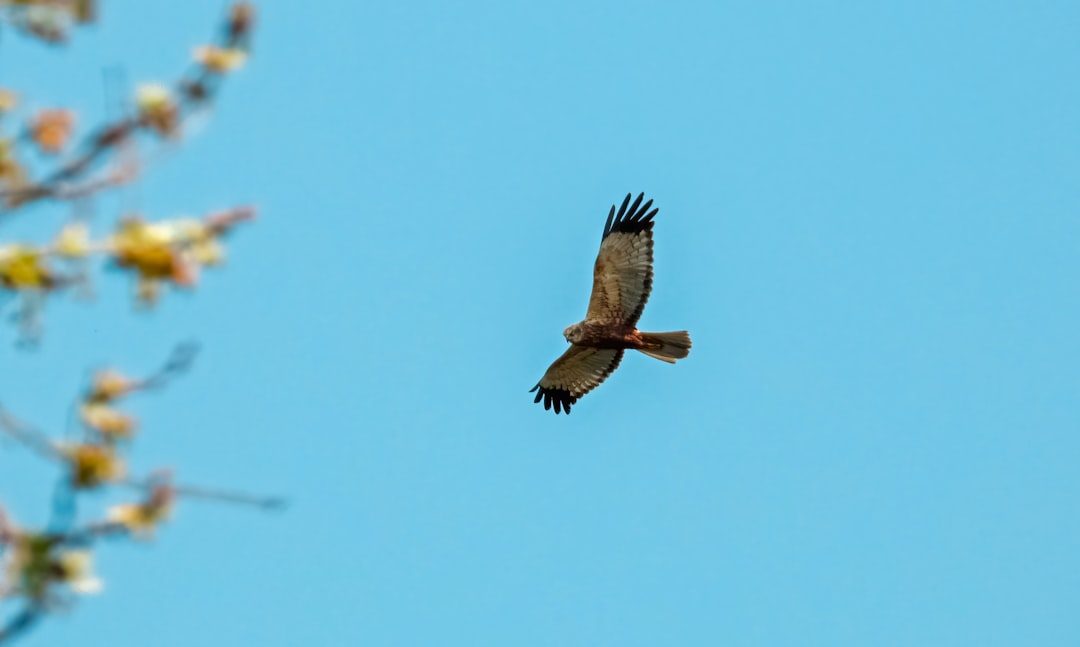
For readers, engaging with these ancient does not require a trek to a fuming crater ledge. Paying attention to local raptors – hawks on highway poles, vultures circling above fields, falcons streaking through cities – builds the same observational muscles that ancient people honed at the edge of volcanic pits. Supporting organizations that monitor raptor populations, especially those working near active geological sites, helps keep both ecological and hazard data flowing. Even simple choices, like reducing rodenticide use or supporting habitat protection around cliffs and ridges, can have outsized effects on predators that rely on clean prey and safe nesting sites.
Anyone fascinated by the overlap of myth, geology, and animal behavior can also follow emerging research from volcano observatories, conservation groups, and bird‑tracking projects, many of which now share maps and findings openly. The stories of hellmouths are not relics; they are rough drafts of the science we are still writing, where every circling vulture or stooping falcon adds another line of evidence. By valuing these hunters as both cultural touchstones and living sensors, we give ourselves a better chance of understanding – and surviving – the extreme edges of our world.
Suhail Ahmed is a passionate digital professional and nature enthusiast with over 8 years of experience in content strategy, SEO, web development, and digital operations. Alongside his freelance journey, Suhail actively contributes to nature and wildlife platforms like Discover Wildlife, where he channels his curiosity for the planet into engaging, educational storytelling.
With a strong background in managing digital ecosystems — from ecommerce stores and WordPress websites to social media and automation — Suhail merges technical precision with creative insight. His content reflects a rare balance: SEO-friendly yet deeply human, data-informed yet emotionally resonant.
Driven by a love for discovery and storytelling, Suhail believes in using digital platforms to amplify causes that matter — especially those protecting Earth’s biodiversity and inspiring sustainable living. Whether he’s managing online projects or crafting wildlife content, his goal remains the same: to inform, inspire, and leave a positive digital footprint.