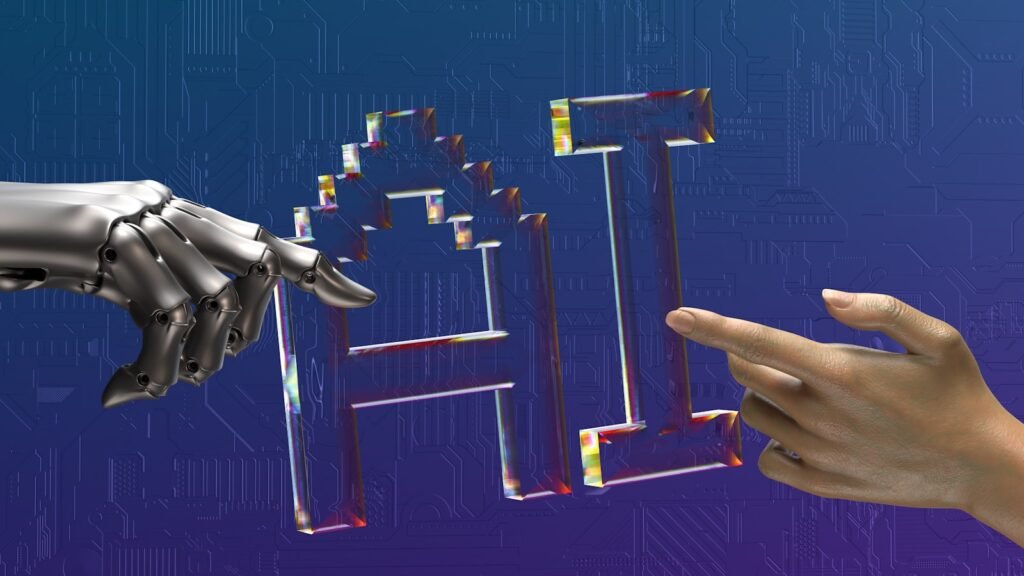

Not so long ago, forgetting a fact meant either living without it or working to recall it; now, it means glancing at your phone or asking a chatbot. In classrooms, offices, and even around the dinner table, artificial intelligence is increasingly becoming the first – and sometimes only – source of answers. This shift is astonishingly convenient, but it raises an unsettling question: what happens to human memory and critical thinking when we barely need to use them anymore. Cognitive scientists worry we may be training our brains to default to automation, much like muscles that atrophy when never used. At the same time, some researchers argue that offloading routine thinking can free us for deeper, more creative reasoning, if we learn to wield AI with care.
The Hidden Clues: Subtle Signs Our Minds Are Changing

Walk into a college library today and you might notice how few students actually open books; many sit with multiple AI tabs ready to summarize, explain, and even write for them. Teachers report students who can produce polished essays but struggle to explain their own arguments when pressed in conversation. Psychologists call this gap between performance and understanding an illusion of competence, and AI tools make it remarkably easy to appear knowledgeable without truly grasping the material. The more we lean on automated explanations, the less practice we get at building mental models, wrestling with ambiguity, or tolerating the discomfort of not knowing right away. Over time, that lack of friction may be quietly reshaping how comfortable we are with deep, effortful thought.
There are smaller clues in everyday life, too, that suggest our internal mental maps are being outsourced. Fewer people memorize phone numbers, directions, or even recipes, relying instead on digital reminders and instant retrieval. When AI offers step-by-step instructions for almost every task, from fixing a leaky sink to preparing a presentation, we may skip the intermediate step of understanding why something works. The brain tends to optimize for efficiency, and if the shortest route to a solution is typing a prompt, it will learn to favor that route. What looks like harmless convenience can, over years, nudge our habits away from slow thinking and toward surface-level answers.
From Memory Palaces to Machine Prompts: How We Got Here

Humans have always offloaded memory to tools, from ancient storytelling and song to written scrolls and printed books. Philosophers in ancient Greece already worried that writing would weaken our ability to remember, much like people today worry about AI; in a sense, the current panic has a long lineage. What is new is not the idea of external memory, but the speed, scale, and personalization of AI systems that can respond to us in natural language. Instead of static pages, we now have interactive agents that adapt to our queries, preferences, and even our weaknesses. That intimacy makes AI feel less like a library and more like a thinking partner – sometimes blurring the line between our ideas and machine output.
Historically, each wave of cognitive technology – printing presses, calculators, search engines – has reshaped what we consider basic mental skills. Once, being educated meant memorizing long texts; later, it meant knowing how to look things up and synthesize information. With AI, the bar may shift again, away from retrieving facts and toward asking the right questions and checking the reliability of generated answers. Yet during these transitions, there is often a messy in-between period where society embraces the new tools before developing norms and safeguards. That is roughly where we are now with AI and cognition: using it enthusiastically, while research on its long-term mental effects is still catching up.
Digital Amnesia: When the Brain Learns Not to Store
Neuroscientists describe memory as a use-it-or-lose-it system: neural connections that are repeatedly activated strengthen, while those that lie dormant weaken over time. When we constantly delegate recall to AI, we train our brains that storing detailed information is less necessary, a phenomenon sometimes called digital amnesia. Studies on web search and GPS already show that people remember less about information they can easily look up and rely less on spatial memory when navigation tools guide every turn. AI extends this pattern to more abstract domains – concepts, arguments, even creative ideas – because it can regenerate them on demand with a simple prompt. The risk is not that we forget everything, but that we remember only the prompt and not the underlying knowledge.
This kind of selective forgetting changes the texture of our lives in ways that are easy to overlook. Think about how shared memories form the glue of friendships, families, and cultures; when we outsource those memories to digital systems, we chip away at that common mental ground. Personal diaries become AI-generated summaries, childhood stories are auto-labeled and stored in clouds, and group decisions may be shaped by machine recommendations rather than collective reflection. Over decades, societies could drift into a state where deep, shared memory is rarer, replaced by personalized feeds and tailored outputs. That may feel efficient, but it also makes us more dependent on platforms to tell us who we were and what matters.
Critical Thinking on Autopilot: The New Cognitive Trap
Critical thinking has always been hard work: weighing evidence, spotting inconsistencies, examining our own biases. AI tools promise to help with that by summarizing research, comparing viewpoints, and even evaluating arguments, but they can just as easily become cognitive autopilot. When a chatbot confidently presents an answer in complete, fluent prose, many users assume it must be correct or at least close, even when it quietly fabricates sources or mixes truth with error. If we stop habitually checking, cross-referencing, and playing devil’s advocate, our critical muscles weaken. Over time, we risk confusing readability with reliability, and that is a dangerous confusion in a world awash with information.
One particularly subtle shift is the way AI can narrow the range of perspectives we see without us noticing. Personalized systems adapt to our prior questions and preferences, making it more likely we are shown answers that align with what we already half-believe. That makes it harder to encounter the productive friction of dissenting ideas, which is where critical thinking often starts. In classrooms, some students now skip the messy draft stage and jump straight to AI-polished text, missing the cognitive workout of revising their own flawed arguments. What looks like boosted productivity can, underneath, be a quiet erosion of the skills we most need in a complex, polarized world.
Why It Matters: More Than Just Forgetfulness
The erosion of memory and critical thinking is not just a personal issue; it touches democracy, innovation, and even our ability to respond to crises. Democracies depend on citizens who can weigh claims, detect manipulation, and remember enough history to recognize repeated mistakes. If large numbers of people increasingly accept AI-generated talking points without scrutiny, public debates risk becoming performances of machine-shaped opinion rather than human deliberation. Innovation, too, relies on deep domain understanding and the ability to connect distant ideas, both of which require robust mental models built over time. A culture that constantly reaches for quick AI answers may inadvertently discourage the slow, sometimes frustrating exploration that drives breakthroughs.
There is also an ethical dimension: AI systems are trained on data that reflects existing inequalities and blind spots, which can seep into their outputs in subtle ways. If we grow too comfortable deferring judgment to these systems, we risk amplifying those biases without fully realizing it. In medicine, law, hiring, and education, the difference between a thoughtful human check and blind trust can alter lives. The capacity to pause, question, and reason independently is a safeguard, a kind of cognitive firewall. Letting that firewall decay in the name of convenience is a gamble with stakes far beyond our individual ability to recall trivia.
Between Crutch and Catalyst: Rethinking AI as a Cognitive Tool
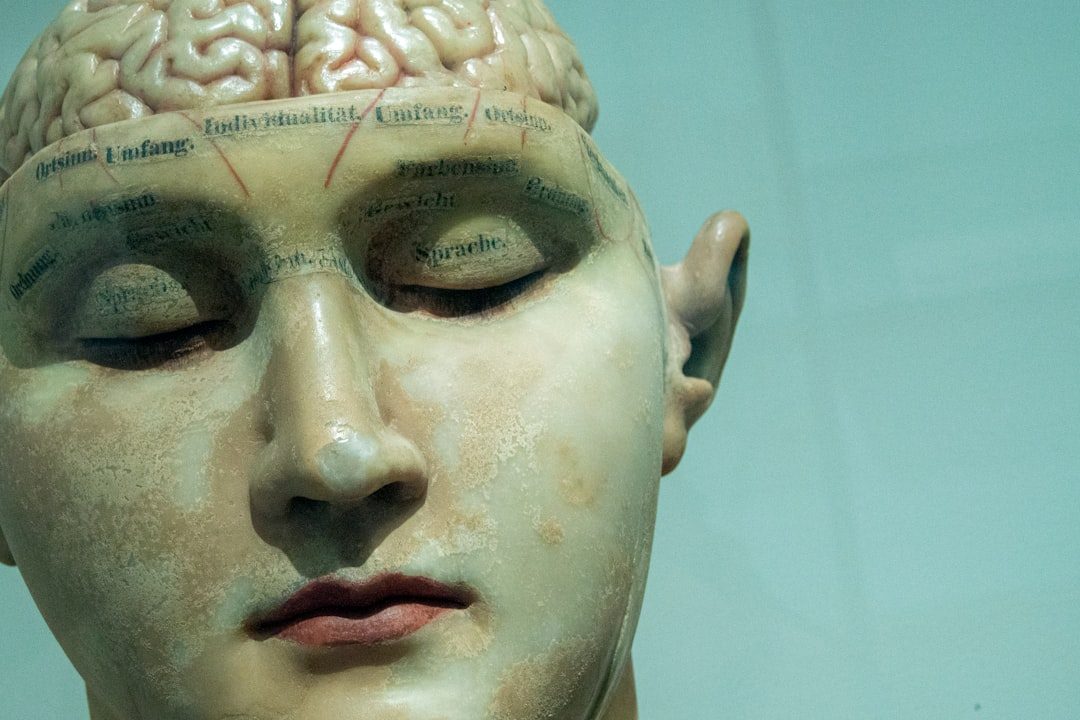
Despite the risks, it would be a mistake to frame AI purely as a villain in the story of human cognition. Used deliberately, it can serve as a catalyst for deeper thinking rather than a crutch that replaces it. For example, scientists already use AI to sift through vast datasets, then apply their expertise to interpret surprising patterns that machines flag. Writers and researchers can employ AI to surface counterarguments they might have missed, turning the system into a structured sparring partner rather than a ghostwriter. In this mode, the human remains firmly in charge of meaning-making, while the machine handles some of the heavy lifting.
The key is intentional design and use: educational tools that prompt students to explain why an answer is correct, not just deliver it; workplace systems that show uncertainty and sources, encouraging users to probe further. Imagine AI tutors that ask, “What do you think and why?” before offering an explanation, nudging learners to articulate their own reasoning first. That kind of scaffolding can keep memory and critical thinking active, rather than letting them idle in the background. The central question becomes not whether AI will reshape our minds, but whether we will shape it in ways that strengthen, instead of supplant, our core cognitive capacities.
The Future Landscape: Cognitive Offloading in an AI-Saturated World
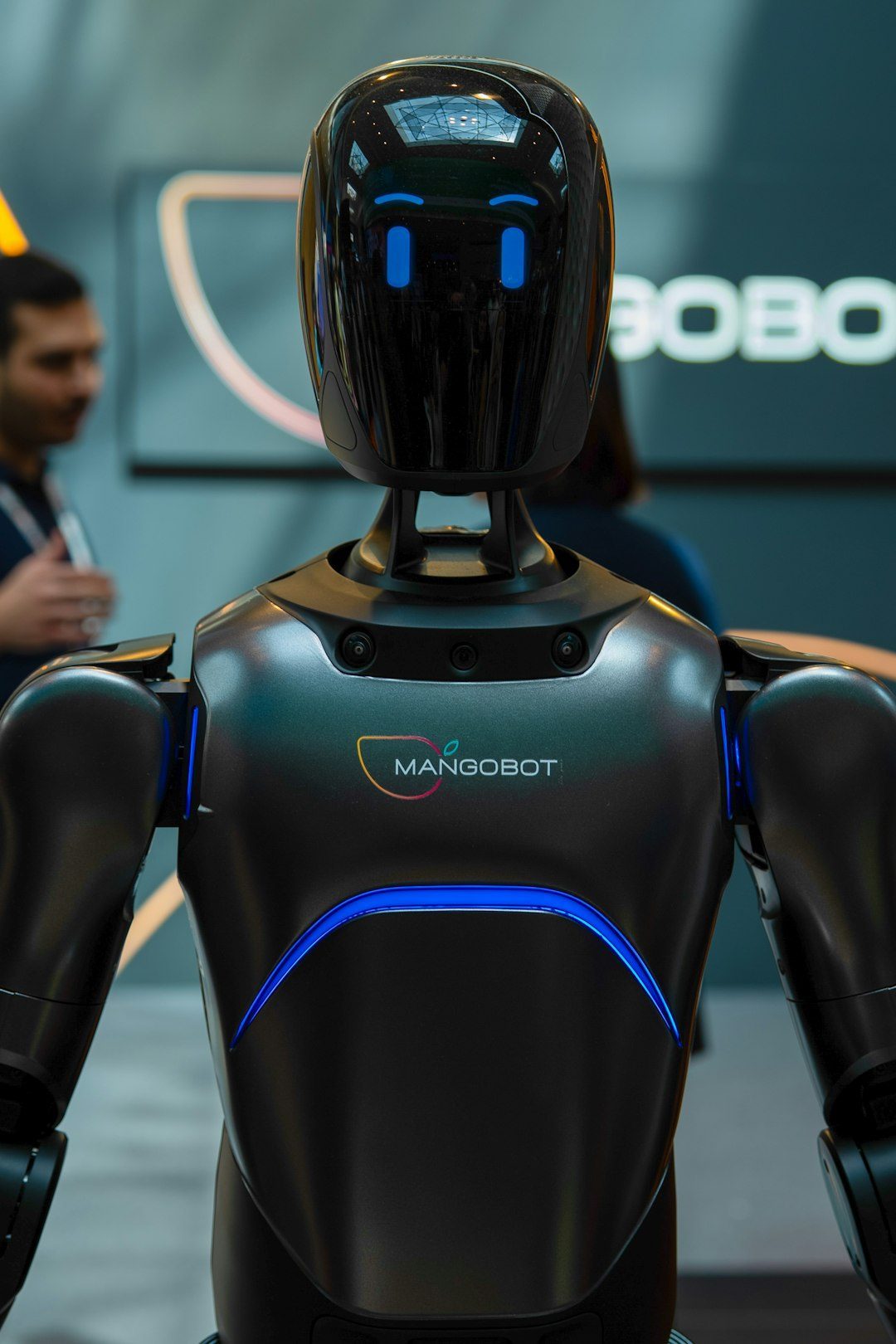
Looking ahead, AI is likely to become even more embedded in daily life, moving from phones and laptops into glasses, ear buds, cars, and home devices that are always listening and ready to assist. Real-time translation, instant summarization of meetings, and predictive suggestions could make it feel almost unnecessary to remember details or think several steps ahead. Some experts foresee tools that anticipate what you need to know before you even ask, based on patterns in your behavior and context. That level of frictionless support could make traditional studying, memorizing, or planning feel quaint, like using a paper map. The more invisible the technology becomes, the easier it is to forget it is there – and forget how to operate without it.
There are also emerging technologies explicitly aimed at augmenting cognition, from brain-computer interfaces to neurostimulation devices being explored in labs and early startups. These raise profound questions about what it means to think for ourselves if external systems can nudge attention, memory, or decision-making directly. At a societal level, we may see a widening gap between those who cultivate strong mental habits alongside AI and those who become largely dependent on its guidance. Policy debates will increasingly revolve around education standards, transparency requirements, and safeguards to preserve human agency. The choices we make in the next decade about how and where AI shows up in our cognitive lives will echo for generations.
Keeping Our Minds in the Loop: Practical Ways to Push Back
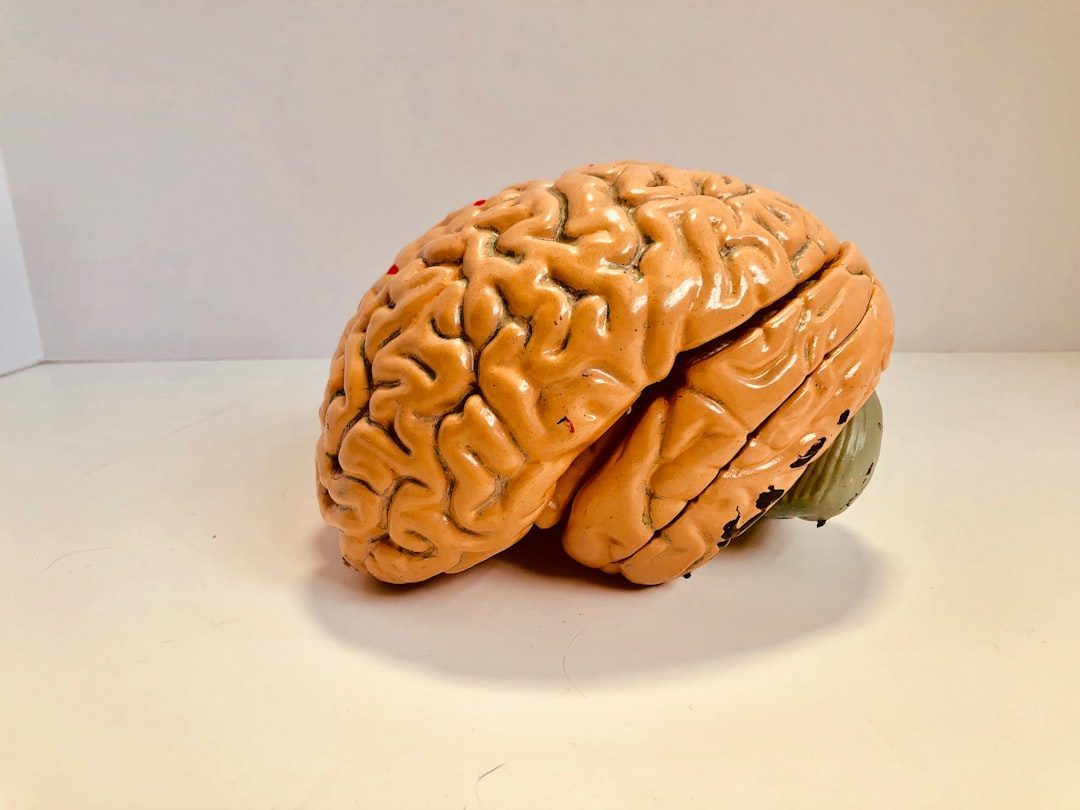
For all the complexity of the science, some of the most powerful responses are surprisingly simple and personal. One step is to treat AI answers like a first draft rather than a final verdict: read them, then actively compare with at least one other source, especially on important topics. Another is to deliberately reserve certain domains for your own brain, such as memorizing a handful of phone numbers, learning routes without GPS, or regularly recalling key concepts without prompts. In study or work, you can try formulating your own explanation, argument, or solution before consulting AI, then use the tool to challenge or refine what you already built. These small practices act like mental exercise, keeping memory and reasoning engaged.
At a broader level, supporting educational approaches that emphasize questioning, skepticism, and media literacy is crucial. Parents, teachers, and mentors can model “thinking out loud” when using AI, showing how to interrogate outputs instead of passively accepting them. You might talk with friends or colleagues about when you choose not to use AI and why, normalizing the idea that refusing convenience can sometimes be a strength. Organizations and institutions can push for AI systems that display uncertainty and encourage user reflection, rather than aiming for seamless invisibility. The goal is not to reject these tools, but to stay awake while using them – keeping our own minds firmly in the loop.
Suhail Ahmed is a passionate digital professional and nature enthusiast with over 8 years of experience in content strategy, SEO, web development, and digital operations. Alongside his freelance journey, Suhail actively contributes to nature and wildlife platforms like Discover Wildlife, where he channels his curiosity for the planet into engaging, educational storytelling.
With a strong background in managing digital ecosystems — from ecommerce stores and WordPress websites to social media and automation — Suhail merges technical precision with creative insight. His content reflects a rare balance: SEO-friendly yet deeply human, data-informed yet emotionally resonant.
Driven by a love for discovery and storytelling, Suhail believes in using digital platforms to amplify causes that matter — especially those protecting Earth’s biodiversity and inspiring sustainable living. Whether he’s managing online projects or crafting wildlife content, his goal remains the same: to inform, inspire, and leave a positive digital footprint.