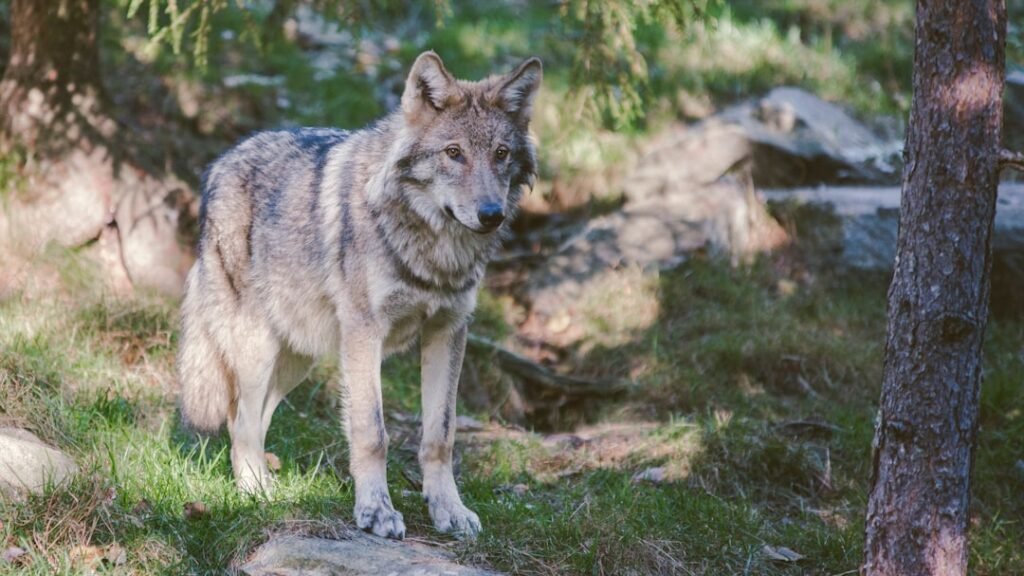
Nature has a remarkable way of bouncing back when given the chance. You might think extinction stories dominate headlines, but across America, remarkable comeback tales are unfolding in forests, plains, and wetlands. These aren’t just feel-good stories. They represent some of the most successful conservation efforts in human history.
From the depths of near-extinction to thriving populations, nine extraordinary American animals have proven that with dedication, science, and cooperation, we can reverse even the most dire situations. Their journeys will surprise you, inspire you, and remind you that wildlife can be incredibly resilient when we provide the support they need.
Black-Footed Ferret: The Prairie’s Masked Marvel
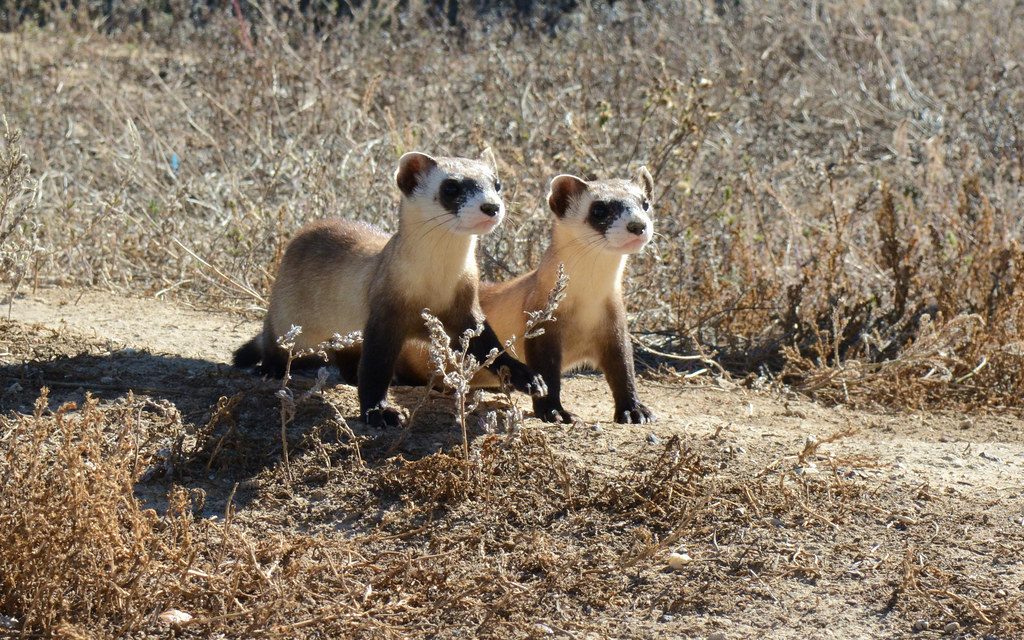
You’re looking at one of conservation’s greatest comeback stories. Once thought to be extinct, after the species was rediscovered in Wyoming in 1981, concerted efforts by numerous partners have given black-footed ferrets a second chance for survival. Captive breeding, reintroductions, habitat protection, and cloning have helped restore them to over 300 animals in the wild.
Antonia, a cloned black-footed ferret, has successfully given birth to two healthy offspring after mating with Urchin, a 3-year-old male black-footed ferret at Smithsonian’s NZCBI. This marks the first time a cloned U.S. endangered species has produced offspring, showcasing a critical step forward in using cloning to enhance genetic diversity in conservation efforts. Think about that for a moment. We’ve reached a point where cutting-edge cloning technology helps save entire species.
For the first time in almost 30 years, Arizona Game and Fish Department (AZGFD) biologists performed a re-introduction of ten endangered black-footed ferrets to the once-flourishing Aubrey Valley/Double O Ranch area, attempting to re-populate the only active recovery spot in Arizona. The ferret kits were captively bred at one of six sites across the country, including the Phoenix Zoo. These small victories add up to big hope.
California Condor: Giants of the Sky Return
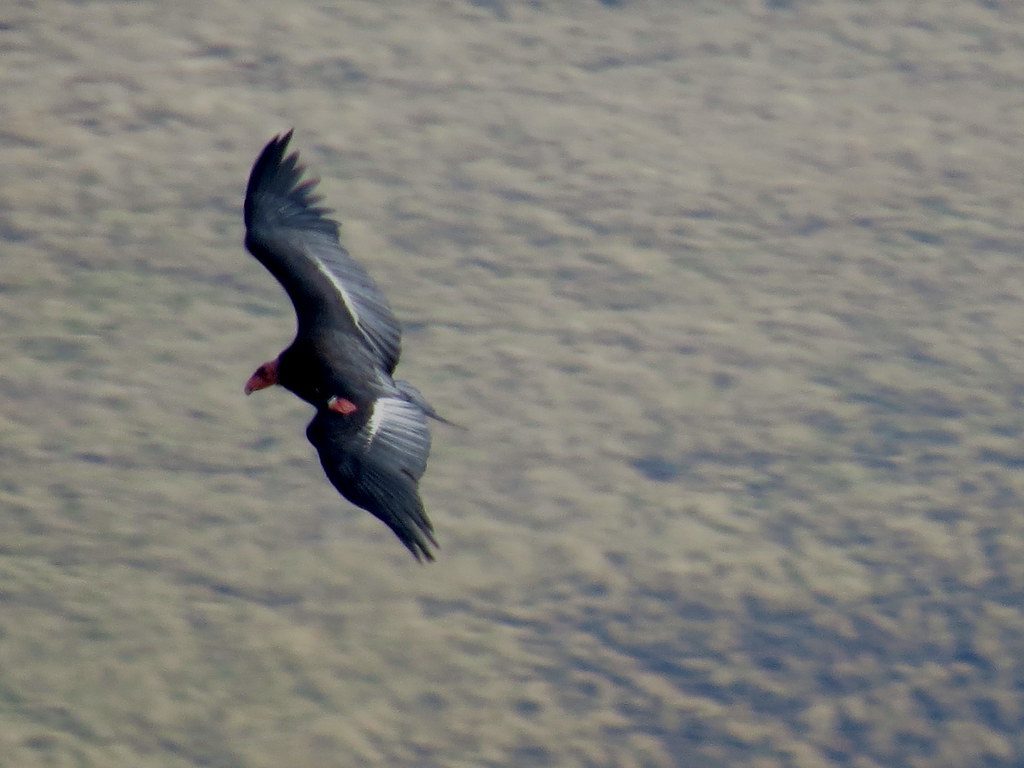
By 1987, only 27 condors survived in the wild, in an effort, to avoid extinction of the species, the Service and partners began to capture the remaining wild condors. Five years later, all remaining wild condors were in captivity and a captive breeding program to save the species was underway. Today, the Service, and its public and private partners, have grown the total wild free-flying condor population to more than 300 condors.
Imagine watching North America’s largest land bird soar overhead with a wingspan approaching ten feet. Thanks to intensive captive breeding programs and habitat conservation, the condor population has rebounded to over 500 individuals today. Ongoing efforts focus on monitoring and protecting nesting sites to ensure the continued recovery of this critically endangered species. These majestic scavengers now grace California skies once again.
In 2004, the Recovery Program reached an important milestone with the first successful chick hatched in the wild. In 2008, another major milestone was reach when more condors were flying free in the wild than in captivity for the first time since the program began. Their recovery proves that even species reduced to double digits can thrive again.
Gray Wolf: Reclaiming Lost Territory
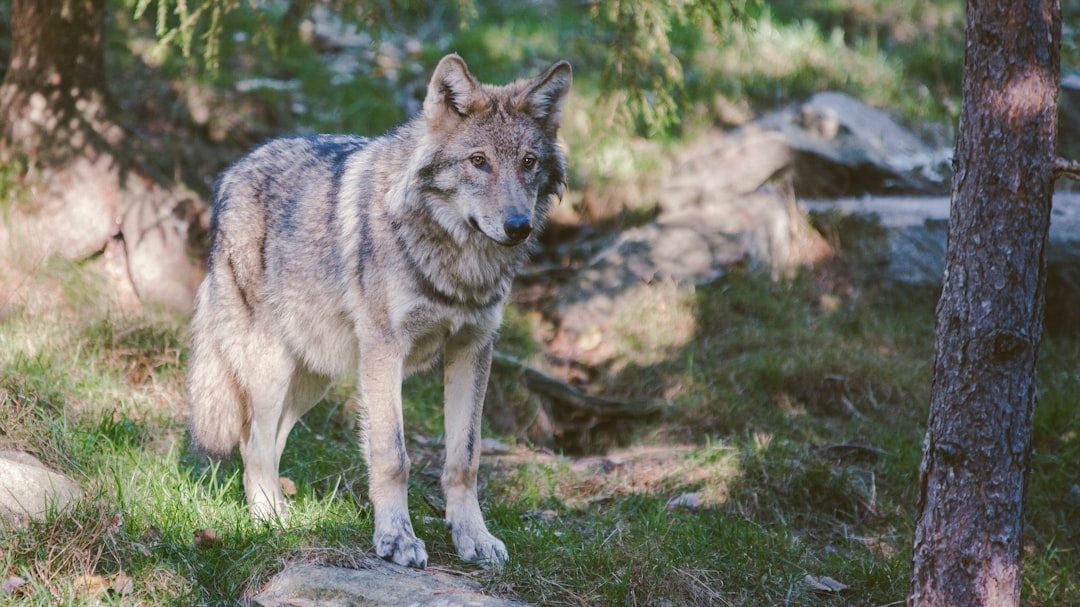
The gray wolf, an iconic species of the American West, had all but disappeared from landscape in the lower 48 states by the early 20th century. Now it roams free in nine states and is stable and healthy throughout its current range. This constitutes one of the greatest comebacks for an animal in U.S. conservation history.
A century later, the comeback of the gray wolf is gaining momentum. Environmentalists call the recovery a breathtaking success, similar to the comeback of other species once near extinction, like the California condor. California’s wolf population has grown sixfold in just five years, showing how quickly nature can rebound.
Probably the best-known wolf recovery effort was the reintroduction of gray wolves into Yellowstone National Park in 1995. Some studies indicate that in pristine areas such as Yellowstone, the establishment of healthy wolf packs has had a positive cascading effect on the ecosystem. These effects to pristine areas, which may still be unfolding and are being studied, appear to include keeping elk from overgrazing along exposed river banks where they are vulnerable to wolf predation, leading to regrowth of riparian vegetation, an increase in beaver colonies, and the resulting positive habitat changes that beaver dams provide to a host of wildlife species.
Bald Eagle: America’s Symbol Soars Again
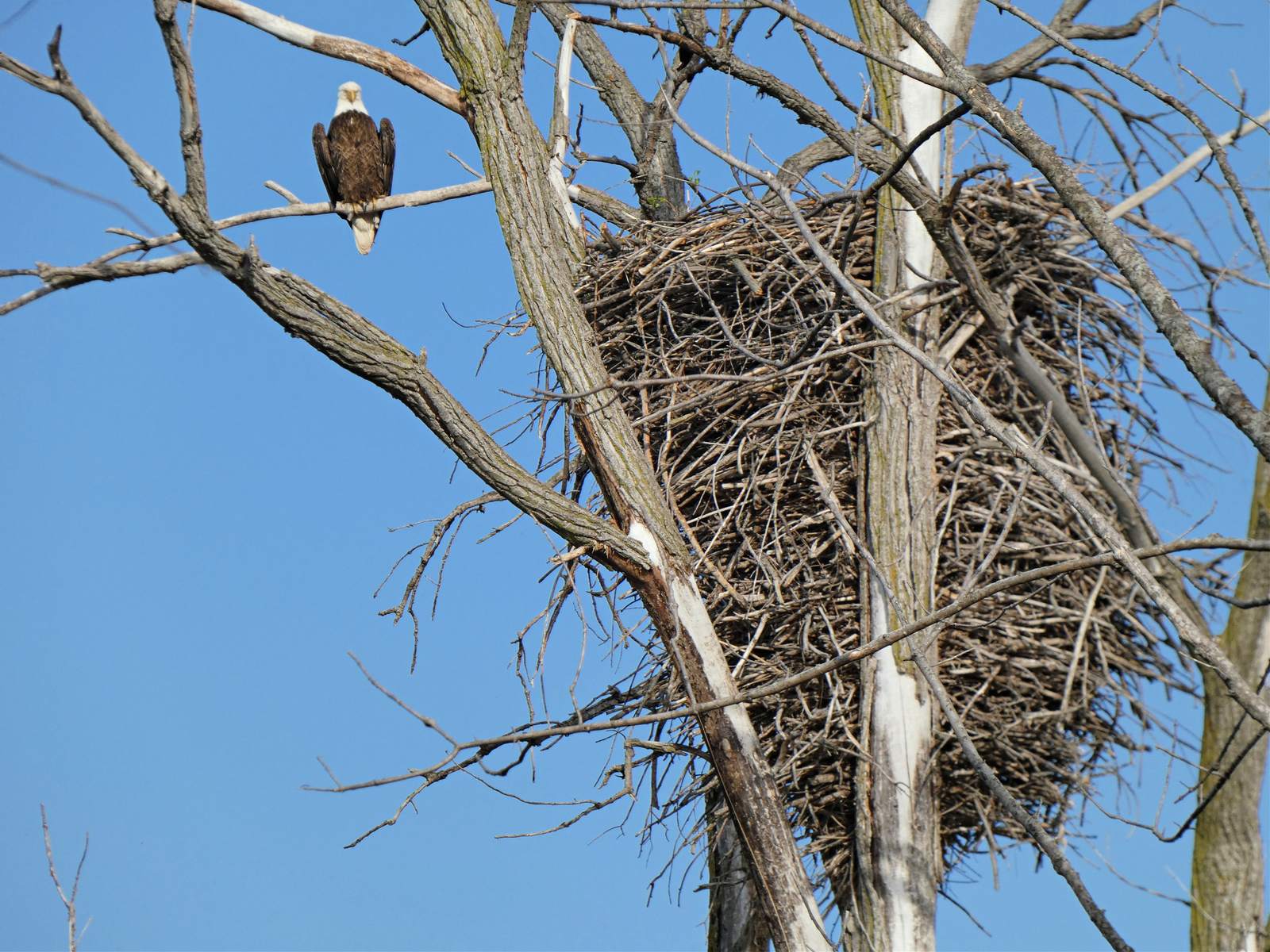
One of the most well-known conservation success stories of the ESA is the national bird of the United States, the bald eagle. Over the past 50 years, the bald eagle population has rapidly increased, and their species success story highlights the power of combining resources and increasing empathy for wildlife around the world.
Bald eagles have been spotted nesting in Toronto for the first time in recorded history, marking a significant milestone for wildlife in the city. The nest, discovered by a local resident, has been confirmed by the Toronto and Region Conservation Authority (TRCA). This pair of eagles is raising two eaglets, which have been observed to be healthy and developing well. Their return to previously vacant territories shows how far they’ve come.
Historically, bald eagles were common in North America but faced near-extinction in the 1950s due to hunting and the use of the pesticide DDT. Conservation efforts, including the banning of DDT and habitat restoration, have played a crucial role in their comeback. Sometimes the solution is surprisingly straightforward once we understand the problem.
American Alligator: Swampland Success Story
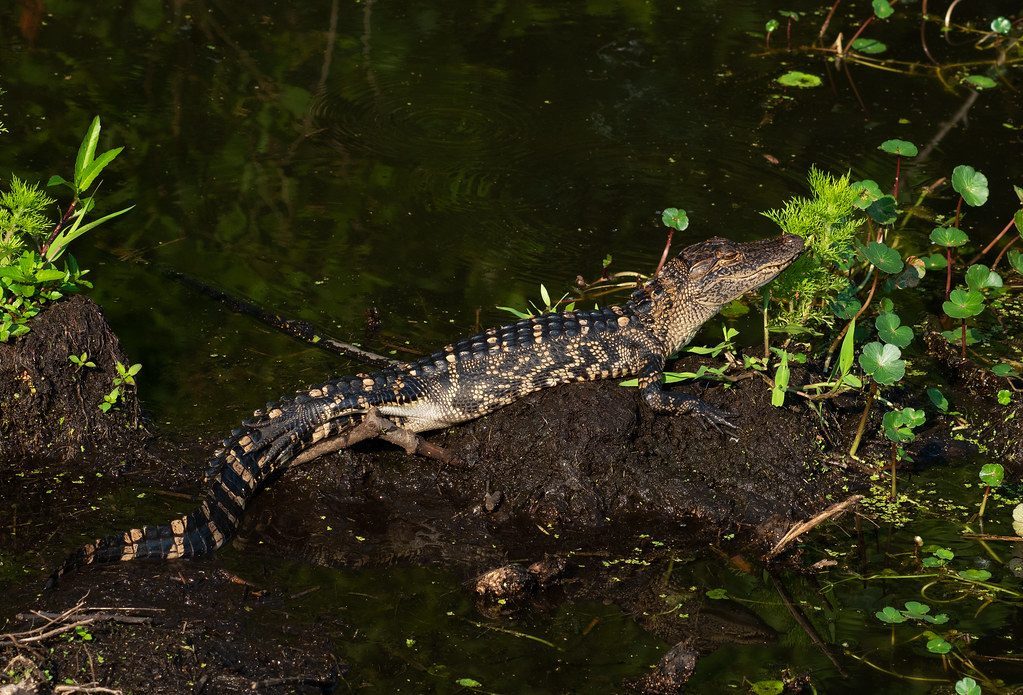
The continued growth of the American alligator population remains a shining success story of how land protections granted by the ESA serve as a catalyst for rapid species recovery. These apex predators went from critically endangered to thriving populations across the Southeast.
What makes the alligator’s recovery particularly impressive is how quickly it happened. Once protected habitat was established and hunting regulations enforced, alligator populations rebounded so successfully that they became a model for other species recovery programs. They’ve transformed from a species on the brink to one that actually helps maintain healthy wetland ecosystems.
You can now spot American alligators throughout Florida, Louisiana, and other southeastern states where they play crucial roles as both predators and ecosystem engineers. Their burrows provide refugia for other species during dry seasons, demonstrating how one species’ recovery benefits entire ecological communities.
Red-Cockaded Woodpecker: Forest Phoenix
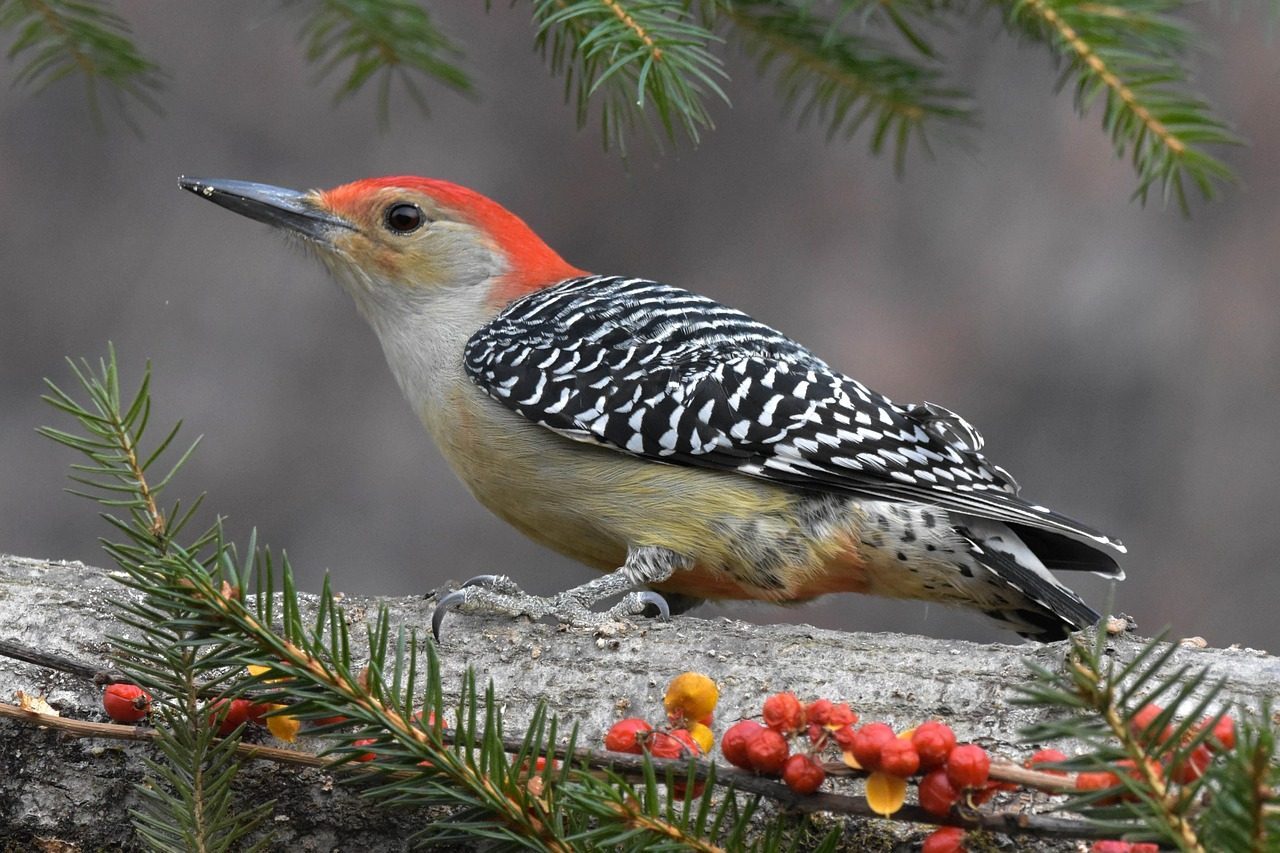
One of our favorite animal comeback stories has been the red-cockaded woodpecker, an iconic species native to southeastern U.S. pine forests. Just a few months ago, the bird passed a major recovery milestone. After dipping as low as 1,470 nest clusters in the 1970s, the RCW has rebounded to over 7,800 today – a recovery big enough to justify downlisting the bird from endangered to threatened status.
This small woodpecker with distinctive black and white stripes requires very specific habitat: mature pine forests with trees old enough for cavity excavation. Apache trout, Arizona’s state fish, have recovered enough territory to graduate from the endangered species list entirely, while red-cockaded woodpeckers, now present from Virginia to Texas, were downlisted from endangered to threatened. Their recovery required extensive forest management and artificial nest box programs.
The woodpecker’s story shows how understanding specific habitat needs leads to successful conservation. Forest managers learned to maintain the open, park-like pine forests these birds prefer, creating a win-win situation for both wildlife and sustainable forestry practices.
Trumpeter Swan: Voices of the Wetlands
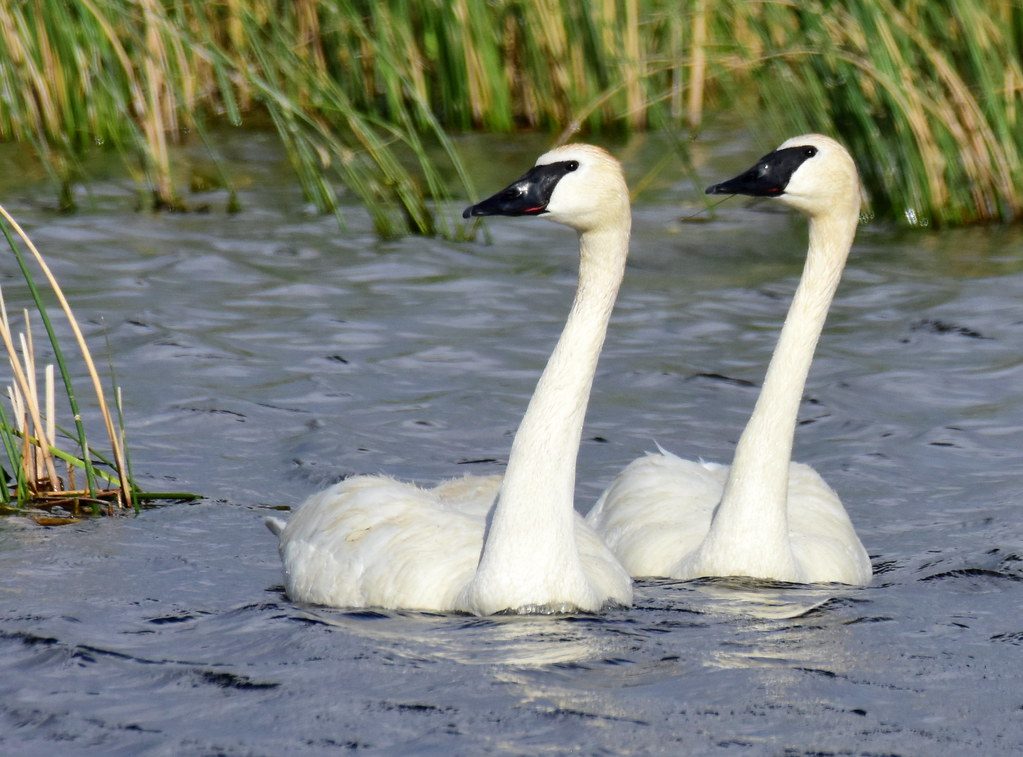
With males weighing in at over 26 pounds on average, North America’s largest native waterfowl species requires an open-water “runway” of at least 100 yards to build up enough speed to get airborne. Once found across most of North America, the trumpeter swan declined rapidly as civilization expanded westward and markets demanded long feathers to adorn fashionable hats and writing quills. The species is also particularly sensitive to lead poisoning from consuming lead shot.
By the 1930s, fewer than 100 trumpeter swans survived south of Canada. Aggressive conservation efforts, including protection from hunting and disturbance, have helped recover the species in parts of the Northwest. Their haunting calls now echo across restored wetlands where silence once reigned.
More recent reintroduction efforts have helped bring the trumpeter swan back to several midwestern states, including Minnesota, Iowa, Wisconsin, Michigan, and Ohio. It now numbers nearly 20,000 individuals and has achieved significant population recovery, though it was never federally listed under the Endangered Species Act.
American Bison: Thunder Across the Plains
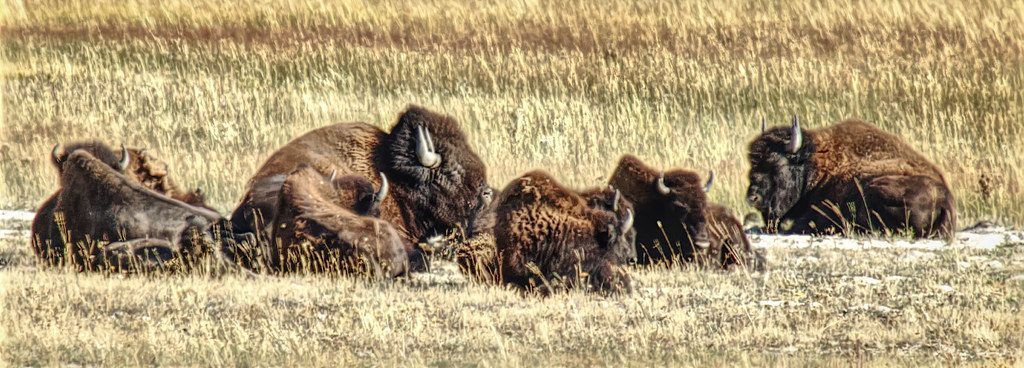
Among these success stories, the resurgence of the bison population stands out as a testament to the power of concerted conservation initiatives. These massive grazers once numbered in millions before dropping to fewer than a thousand individuals by the late 1800s.
The historic Tribal Buffalo Lifeways Collaboration was officially chartered in June. Through this Tribal-led initiative, WWF and partners recognize the intrinsic value of bison restoration on Native lands, not only for cultural and spiritual rejuvenation but also for ecological restoration and economic development. This partnership approach honors both conservation science and indigenous wisdom.
Today’s bison herds represent more than wildlife recovery. They embody cultural restoration for Native American tribes and demonstrate how large herbivores help maintain grassland ecosystems. Their grazing patterns create habitat diversity that benefits countless other prairie species, from birds to butterflies.
Chinook Salmon: Rivers Come Alive
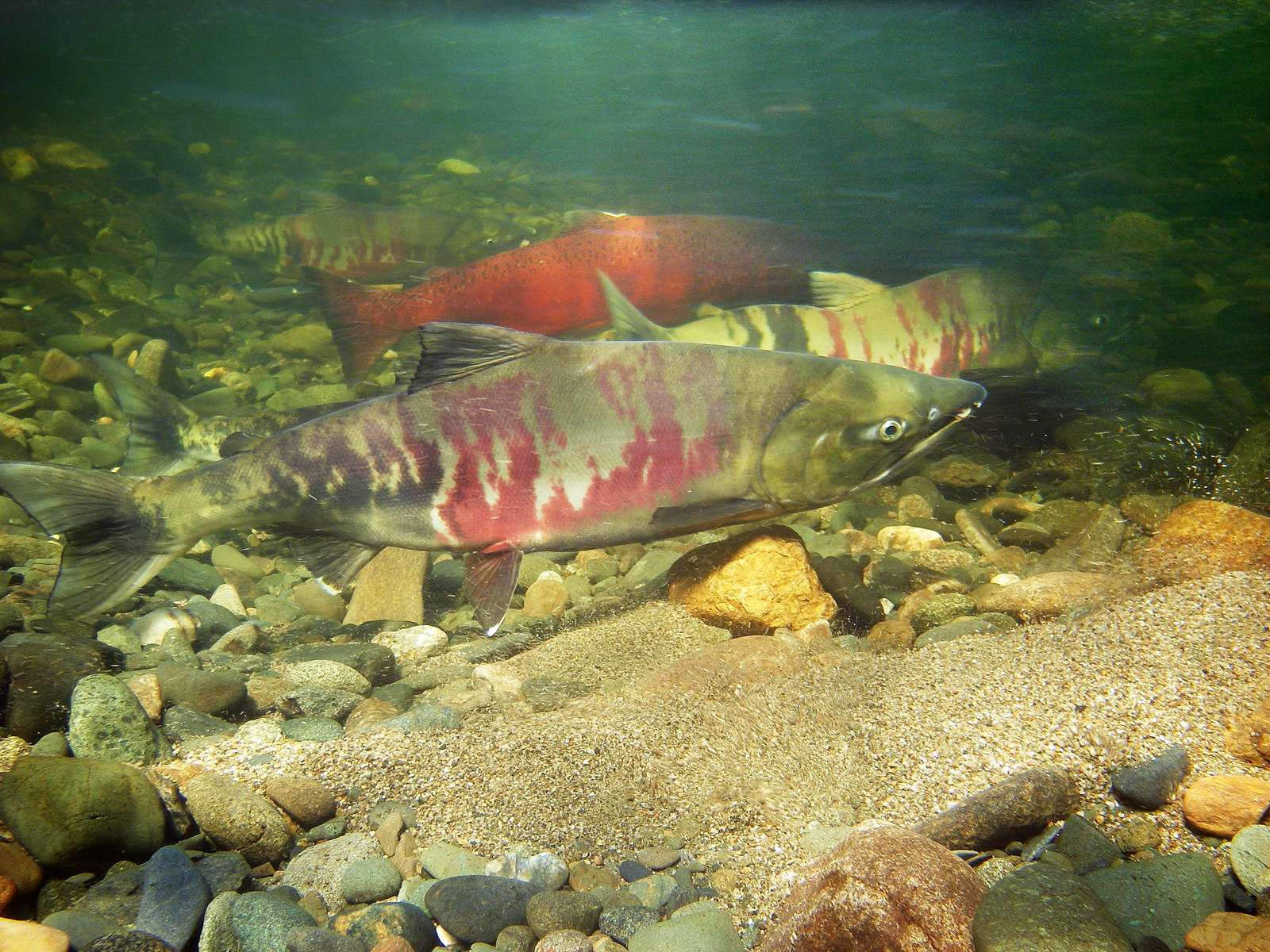
Just weeks after the removal of four dams from California’s Klamath River, biologists spotted Chinook salmon spawning in the river’s upper reaches for the first time in a century. By November hundreds of salmon were wriggling into their historical home waters of southern Oregon, 200 river miles from the ocean.
This rapid response shows how quickly fish populations can recover when barriers are removed. The salmon didn’t wait around. They immediately began exploring newly accessible habitat, following ancient instincts that had been blocked for generations.
Dam removal represents one of the most effective conservation tools for anadromous fish. These salmon now have access to pristine spawning grounds their ancestors knew, creating opportunities for genetic diversity and population resilience that seemed impossible just months ago. Their recovery highlights how bold infrastructure changes can yield immediate conservation benefits.
Nature’s capacity for recovery continues to amaze scientists and conservationists worldwide. These nine American animals prove that extinction doesn’t have to be forever when we combine scientific knowledge, political will, and genuine commitment to sharing our landscapes with wildlife. Their stories remind us that conservation works, species can bounce back from incredible odds, and the wild places we protect today will echo with life for generations to come.
What strikes you most about these remarkable recoveries? Share your thoughts about which success story surprised you the most.