The American wilderness harbors creatures with abilities so extraordinary, they seem almost supernatural. From the frozen forests of Alaska to the scorching deserts of the Southwest, animals have evolved mind-bending adaptations that would make any superhero envious. These remarkable survival strategies have been perfected over thousands of years, allowing wildlife to thrive in some of the planet’s most challenging environments.
You might think you know about wildlife adaptations, yet the creatures living right in North America possess secrets that could revolutionize our understanding of biology itself. Let’s dive into the hidden world of these incredible animals and discover the amazing ways they’ve learned to survive against all odds.
The Mountain Goat’s Gravity-Defying Hooves
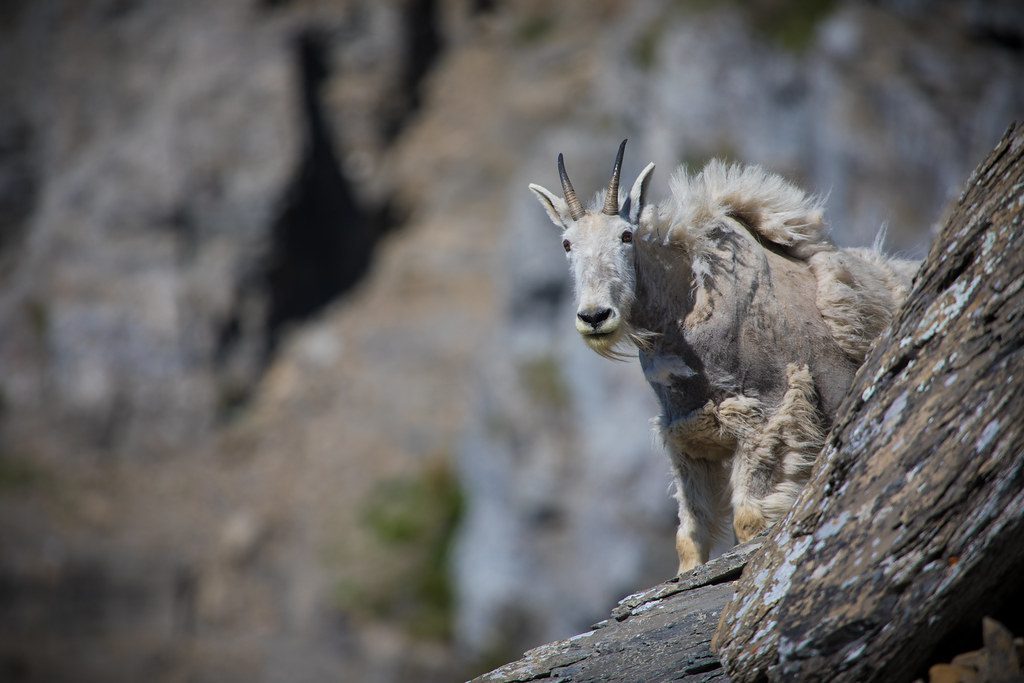
Mountain goats are excellent climbers and can travel further across steep rocks than most animals and humans, thanks to their toes. The hoof on each foot has a bony outer shell and a spongy concave footpad that acts like a suction cup. The toes spread, allowing the animal to move around the mountains with ease. The mountain goat’s feet are well-suited for climbing steep, rocky slopes with pitches exceeding 60°, with inner pads that provide traction and cloven hooves that can spread apart. The tips of their feet have sharp dewclaws that keep them from slipping.
Mountain goats can leap up to 12 feet and pull themselves from one ledge to the other using their front feet. This incredible feat becomes even more impressive when you realize they’re performing these acrobatics thousands of feet above ground on near-vertical cliff faces where a single misstep would be fatal.
The Wood Frog’s Freeze-and-Thaw Resurrection
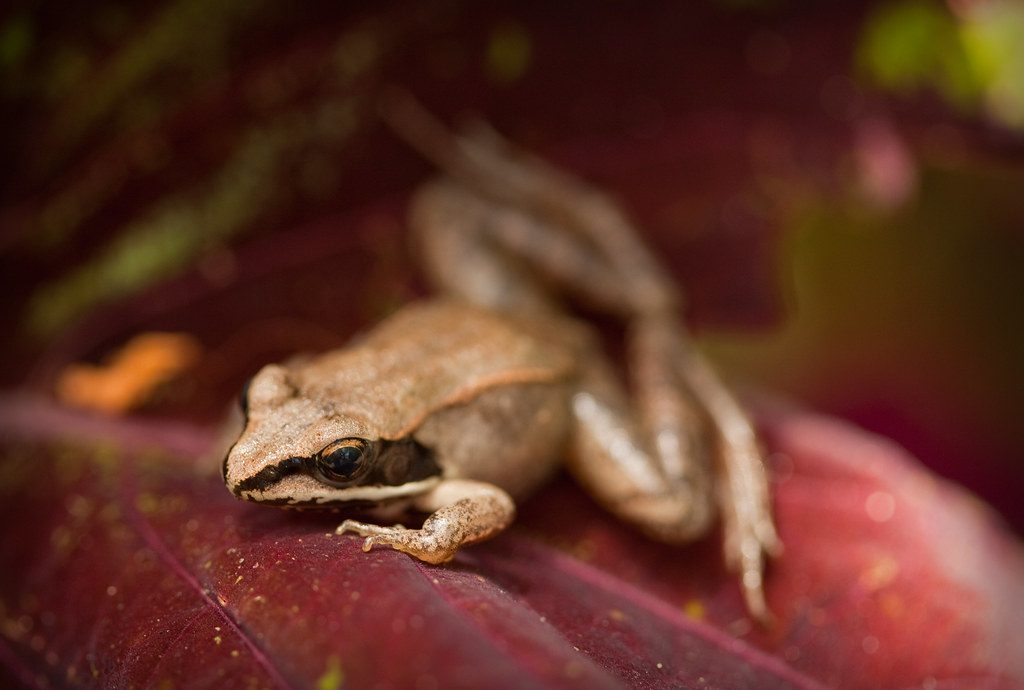
While most frogs in northern climates survive winters by hibernating deep underwater in lakes and streams, wood frogs have adapted to hibernate among the leaf litter on the forest floor. So instead of keeping warm, wood frogs freeze themselves. But wood frogs have adapted to remain frozen for up to eight months of the year. Wood frogs have special proteins in their blood that causes it to freeze first. At the same time, their livers produce glucose, a syrupy sugar that fills the cells. This syrup prevents the inside of the cell from freezing and binds water molecules to prevent dehydration. The water outside the cells, however, still freezes, turning the frogs into icy stone.
When spring arrives, these seemingly lifeless creatures miraculously return to life, hopping away as if nothing happened. This biological antifreeze system represents one of nature’s most extraordinary survival mechanisms.
The American Beaver’s Underwater Breathing System
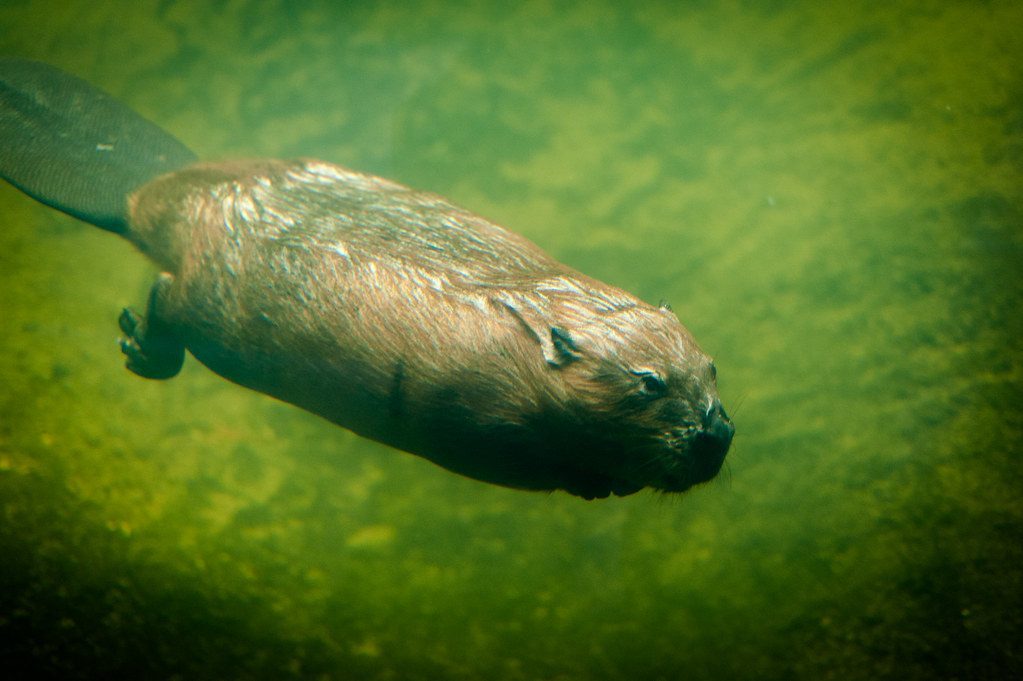
When beavers dive, their heart and metabolic rates slow down, allowing them to stay underwater for up to 15 minutes. In wetlands and along small streams, beavers build stick-and-mud dams and lodges, often significantly altering the environment. The North American beaver is a master builder, famous for its dam-making skills that transform landscapes and create thriving wetlands. By slowing down rivers and creating ponds, these “ecosystem engineers” support a wide range of wildlife, from frogs and fish to birds and moose.
These remarkable engineers possess transparent eyelids that function like built-in swimming goggles, allowing them to see clearly underwater while protecting their eyes. Their incredible ability to hold their breath for such extended periods makes them one of nature’s most accomplished aquatic architects.
The Polar Bear’s Heat Conservation Mastery
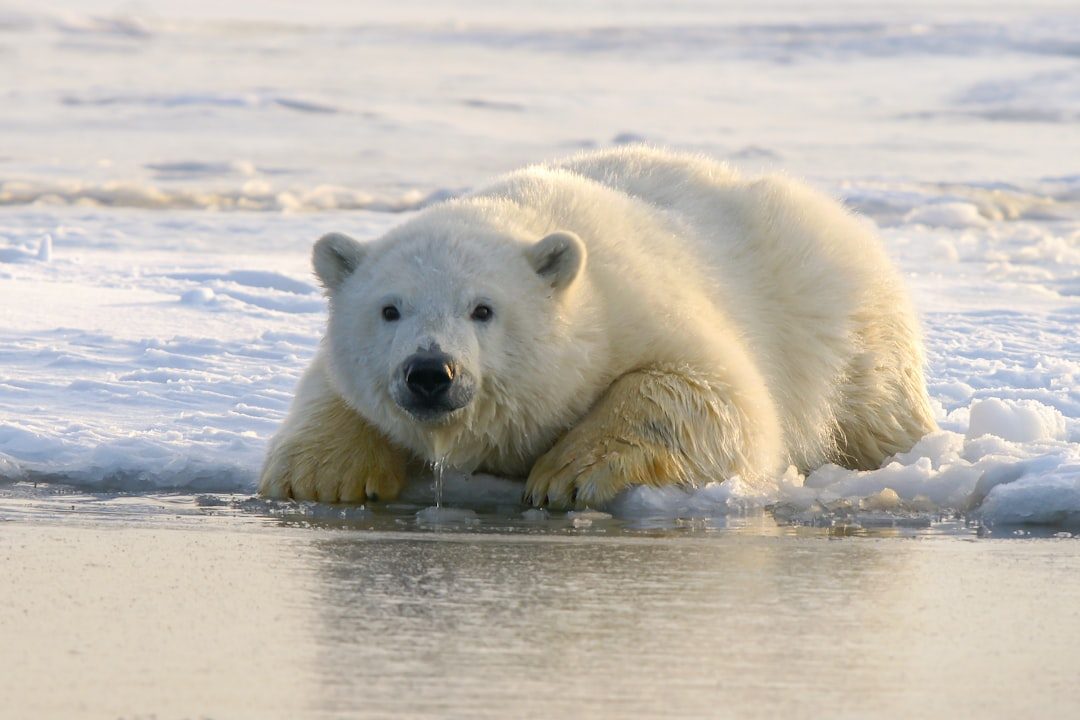
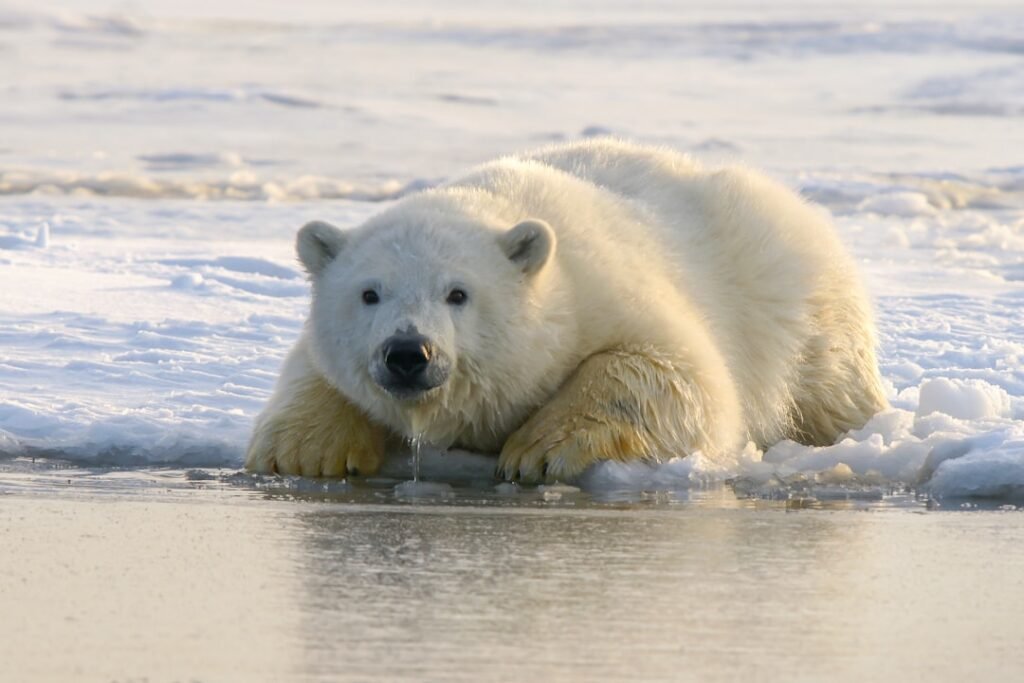
Firstly, growing to roughly the same size as the Kodiak, this magnificent variety of ursine represents one of the two largest species of bear on earth. It has also, rather understandably, evolved to fill a highly specific ecological niche, given the unique nature of its environment. Polar bears possess hollow fur that traps warm air close to their skin, creating an incredibly effective insulation system. Beneath their white coat lies black skin that absorbs every available ray of sunlight for warmth.
Their massive paws work like snowshoes, distributing their weight across ice and snow while providing incredible traction. These bears can swim for hours in frigid Arctic waters, with their waterproof fur and thick blubber layer keeping them warm in temperatures that would kill most mammals within minutes.
The Virginia Opossum’s Death-Defying Defense
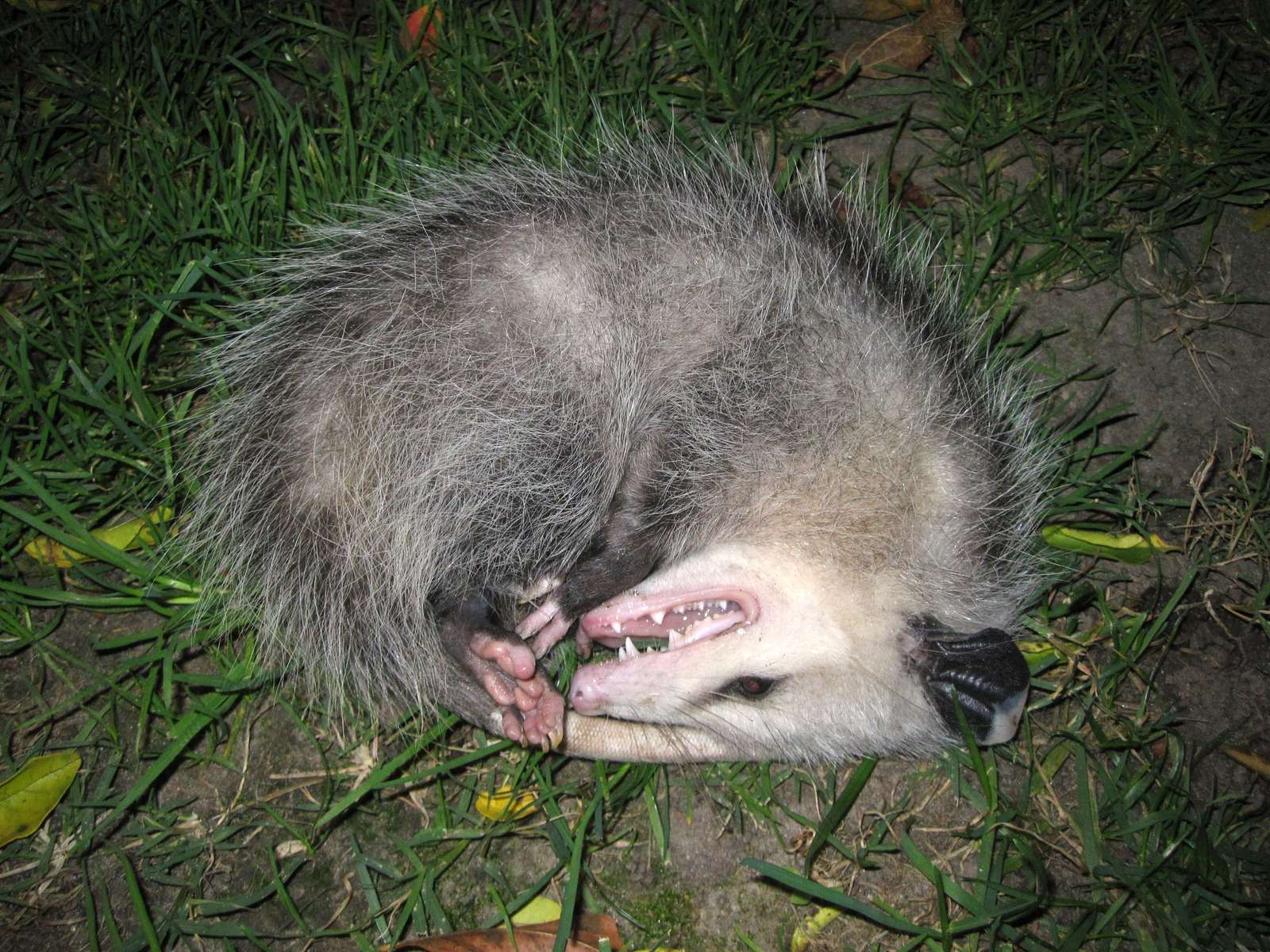
Moreover, the species has particularly unspecialized biology, flexible diet, and an impressive reproductive strategy. This makes it a successful colonizer and adapter to diverse locations and conditions. When threatened, opossums enter a catatonic state so convincing that predators lose interest and wander away. Their heart rate drops dramatically, breathing becomes barely perceptible, and they emit a foul smell to complete the illusion of death.
This incredible adaptation goes beyond simple acting. Their immune system has evolved to resist venoms from snakes, making them one of the few mammals that can survive bites from deadly serpents like rattlesnakes and cottonmouths. This natural immunity allows them to expand into territories where other animals fear to tread.
The Cougar’s Lightning-Fast Strike Ability
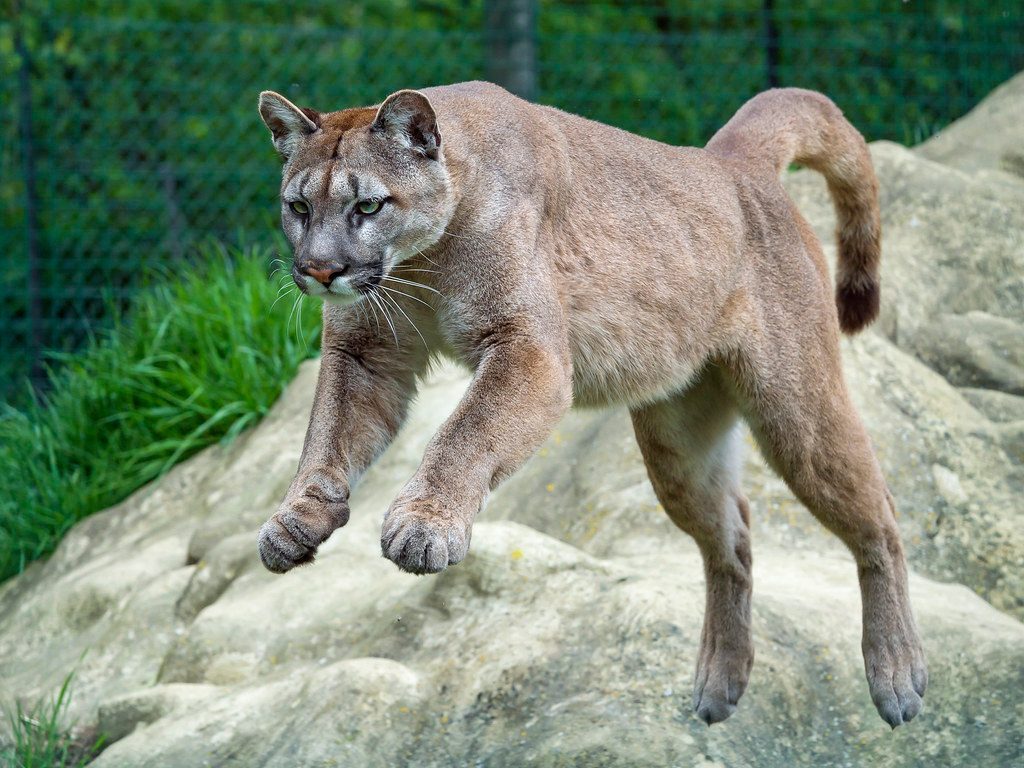
This physique also allows the Cougar some of the greatest leaping and short-sprint ability of any animal. It is able to jump as high as 18 ft (5.5 m) in one bound, and also as far as 40-45 ft (12-14 m) horizontally. The top running speed of the animal also ranges between 40-50 mph (64-80 kph), but they are best capable of short, powerful sprints rather than long chases.
These silent hunters possess retractable claws that stay razor-sharp by remaining sheathed when not in use. Their exceptional night vision, enhanced by a reflective layer in their eyes called the tapetum lucidum, allows them to hunt effectively in complete darkness when prey animals are most vulnerable.
The American Bison’s Desert Survival Strategy
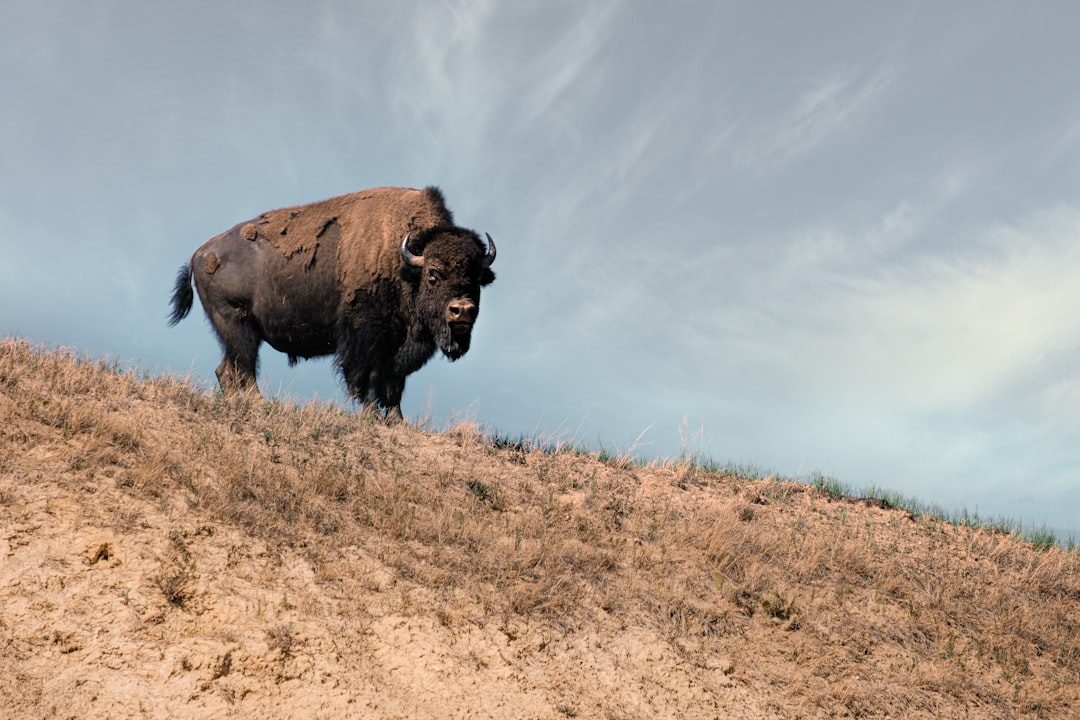
These animals are surprisingly agile, capable of running up to 35 miles per hour and crossing rivers with ease. They may look like lumbering tanks, but their speed and resilience have helped them endure. Maybe the most iconic animal of the American prairie, the American buffalo, once roamed throughout the central plains. Bison once covered the Great Plains and were critically important to Native-American societies in the Central U.S. They became nearly extinct in the 19th century, but have made a recent resurgence in the Great Plains.
Despite their massive size, bison have evolved an incredible ability to detect weather changes up to three days in advance. Their thick winter coats can withstand temperatures as low as negative forty degrees Fahrenheit, while their powerful shoulders allow them to plow through snowdrifts taller than a person.
The Pronghorn’s Marathon Running Machine
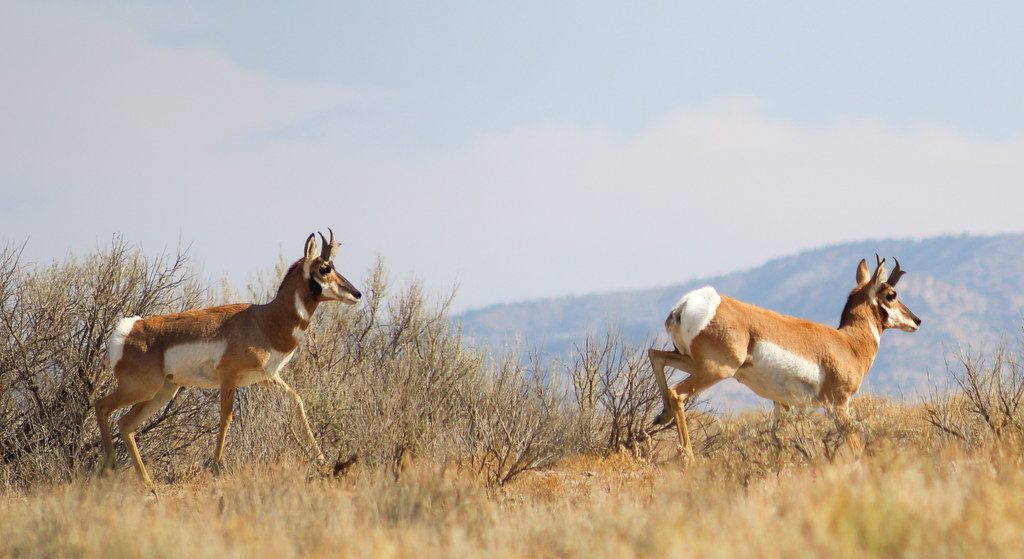
Grasslands support a variety of small mammals and larger grazers like bison, whereas the Rocky Mountains are home to species like mountain lions and bighorn sheep. Pronghorns can sustain speeds of forty-five miles per hour for extended distances, making them the fastest land animal in North America. Their oversized lungs and heart pump oxygen efficiently throughout their body during these incredible sprints.
Their eyes are positioned to provide nearly 360-degree vision, allowing them to spot predators from miles away across the open prairie. This combination of exceptional vision and unmatched endurance makes them nearly impossible for predators to catch in their natural habitat.
The Arctic Fox’s Seasonal Transformation
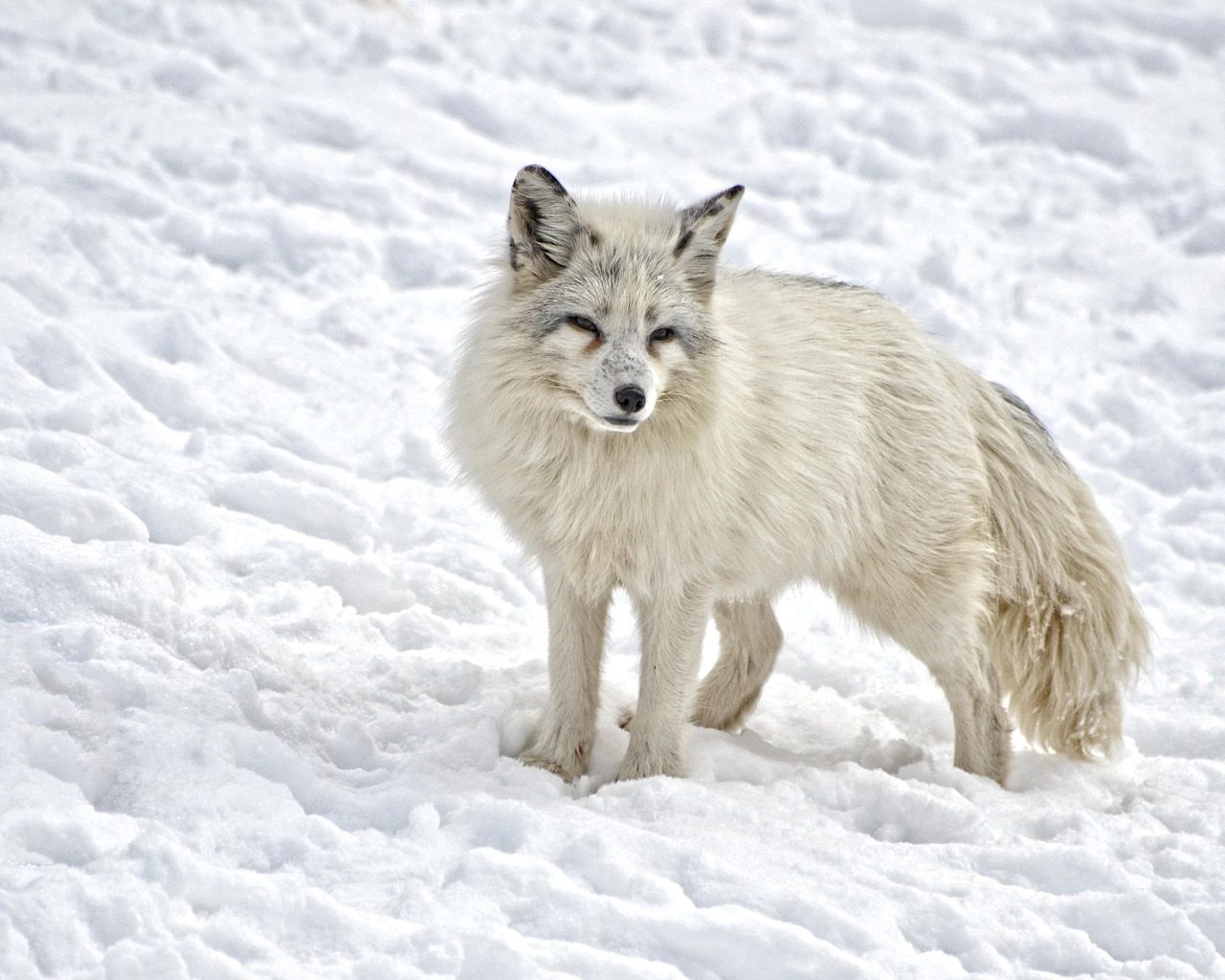
Arctic foxes undergo one of nature’s most dramatic seasonal makeovers, completely changing their coat color from summer brown to winter white. Their fur grows so thick in winter that they can remain comfortable in temperatures approaching sixty degrees below zero. Their circular ears minimize heat loss while their furry paws act like natural snowshoes.
These remarkable hunters can hear rodents moving beneath up to three feet of snow, then dive headfirst through the snow to capture their prey. Their incredible hearing allows them to survive in an environment where food sources remain hidden beneath snow for most of the year.
Conclusion
These incredible adaptations remind us that nature’s creativity knows no bounds. Each animal has developed extraordinary abilities through millions of years of evolution, creating living examples of biological engineering that continue to inspire scientists and researchers worldwide. From the mountain goat’s suction-cup hooves to the wood frog’s resurrection powers, these creatures prove that the American wilderness holds secrets we’re only beginning to understand.
The next time you venture into the great outdoors, remember that you’re sharing space with some of the planet’s most ingeniously adapted survivors. What other amazing abilities might be hiding in your own backyard?