You wake up every day as part of something extraordinary. Life surrounds us in countless forms, from the tiniest bacteria to the largest whales, yet one of humanity’s greatest mysteries remains hidden in deep time. How did it all begin? How did non-living matter transform into the first spark of life on our planet?
Scientists have been piecing together this remarkable puzzle for decades, uncovering evidence from the earliest rocks, the deepest ocean trenches, and the most ancient fossilized remnants. These discoveries paint a fascinating picture of Earth’s transformation from a hostile, molten world into the biological paradise we know today. Each clue brings us closer to understanding our origins and perhaps our place in the universe.
Ready to dive into the most mind-blowing revelations about life’s beginnings? Let’s explore the evidence that’s rewriting our understanding of how life took its first breath on Earth.
Earth Was Ready for Life Earlier Than Anyone Expected
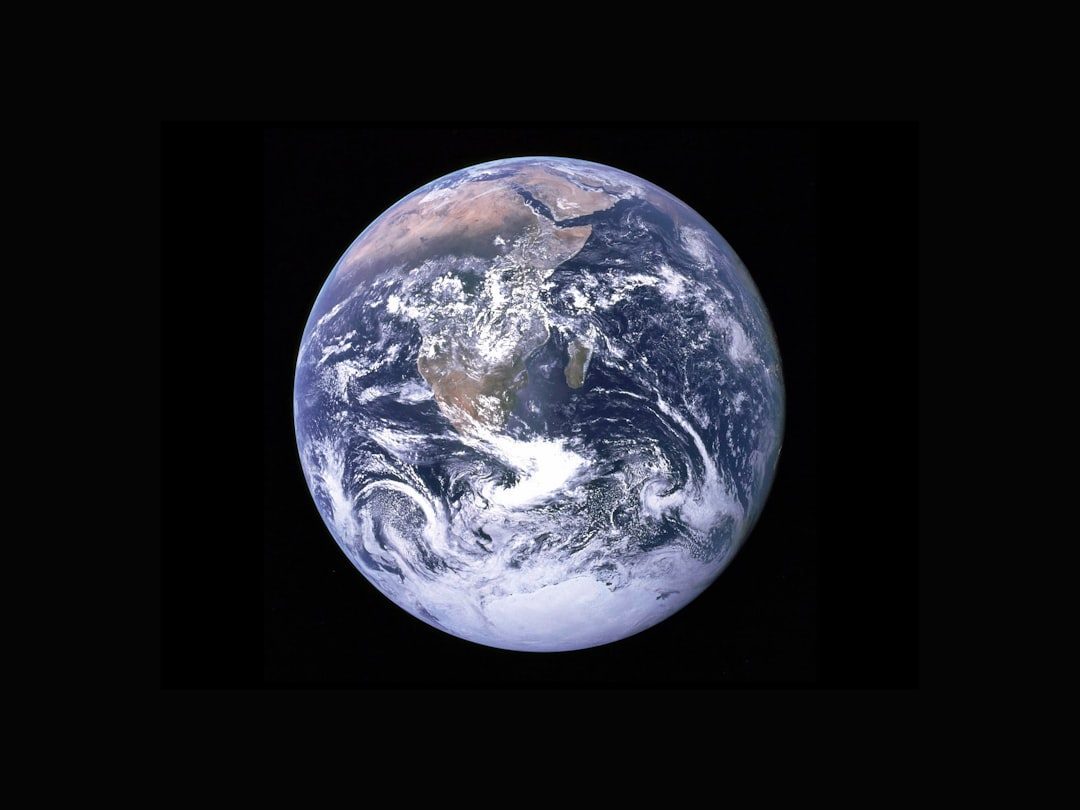
Think Earth needed billions of years to cool down before life could emerge? Think again. Scientists think that by 4.3 billion years ago, Earth may have developed conditions suitable to support life. This means our planet became habitable surprisingly quickly after its formation around 4.54 billion years ago.
Using this method, Bell et al. (2015) suggest that microorganisms could have been around as early as 4.1 billion years ago. This would mean that Life was already underway by the end of the Hadean Epoch, just a few million years after the formation of the Earth about 4.54 billion years ago. The speed of this transition from barren rock to living world challenges everything we thought we knew about life’s timeline.
The Last Universal Common Ancestor Was More Complex Than Imagined
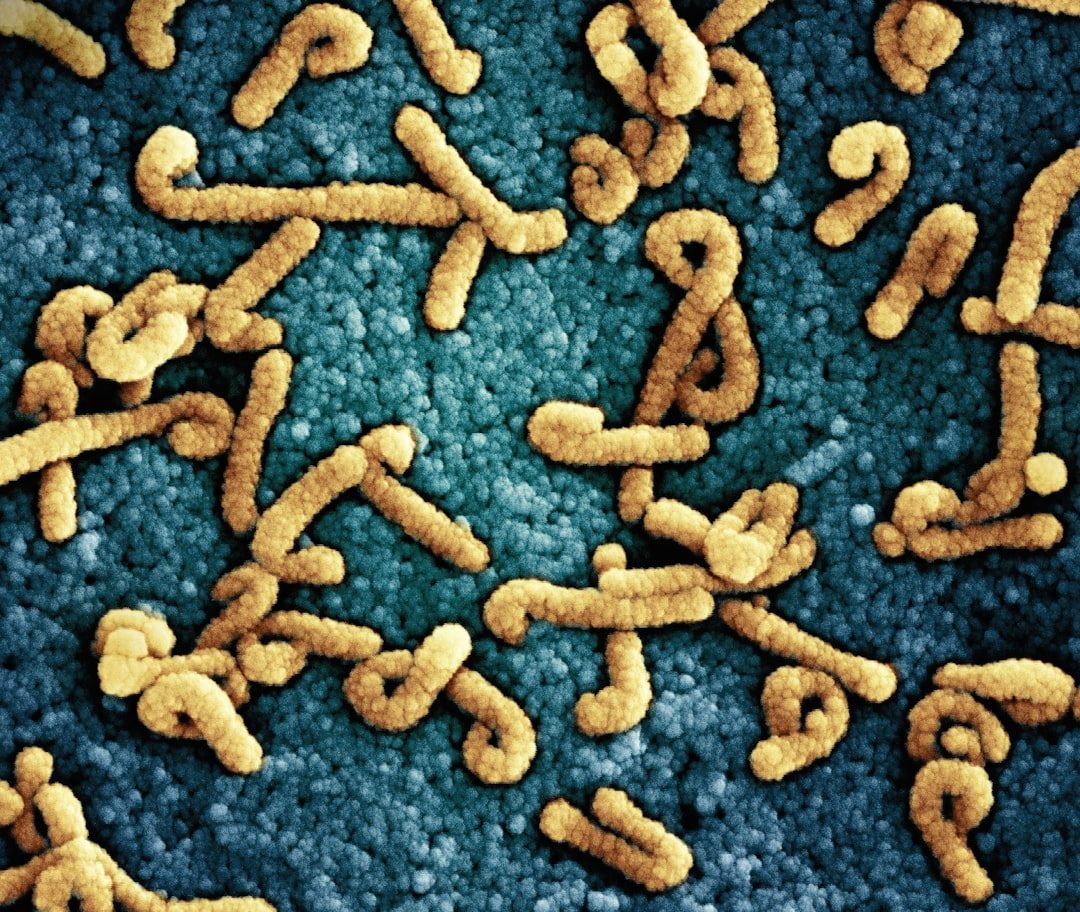
Integration of phylogenetics, comparative genomics and palaeobiological approaches suggests that the last universal common ancestor lived about 4.2 billion years ago and was a complex prokaryote-grade anaerobic acetogen that was part of an ecosystem. LUCA wasn’t some primitive blob struggling to survive.
Recent research reveals that LUCA does not appear to have been a simple, primitive, hyperthermophilic prokaryote but rather a complex community of protoeukaryotes with a RNA genome, adapted to a broad range of moderate temperatures, genetically redundant, morphologically and metabolically diverse. This discovery completely upends the traditional view of early life as simple and basic.
RNA Ruled Before DNA Took Over
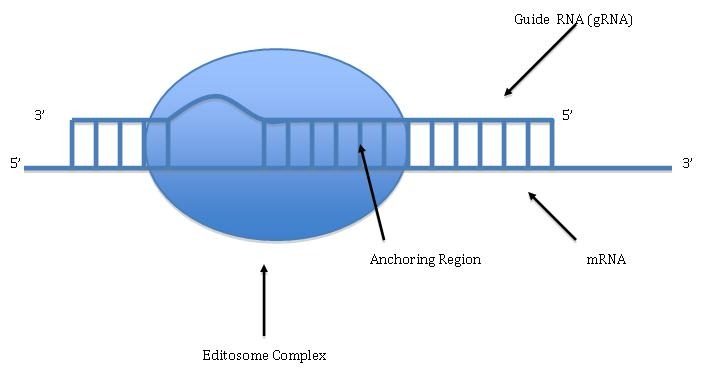
You might assume DNA has always been life’s blueprint, yet evidence points to a fascinating predecessor. Based on these observations, we solidify the consensus that RNA evolved before coded proteins and DNA genomes, such that the biosphere began with an RNA core where much of the translation apparatus and related RNA architecture arose before RNA transcription and DNA replication.
Its genetic material was most likely DNA, so that it lived after the RNA world. This means LUCA represents a transitional phase when life had already moved beyond the RNA world but still retained many RNA-based processes. The RNA world hypothesis explains how self-replicating molecules could have kickstarted life without needing the complex machinery we see today.
Stromatolites Are Earth’s Oldest Living Monuments
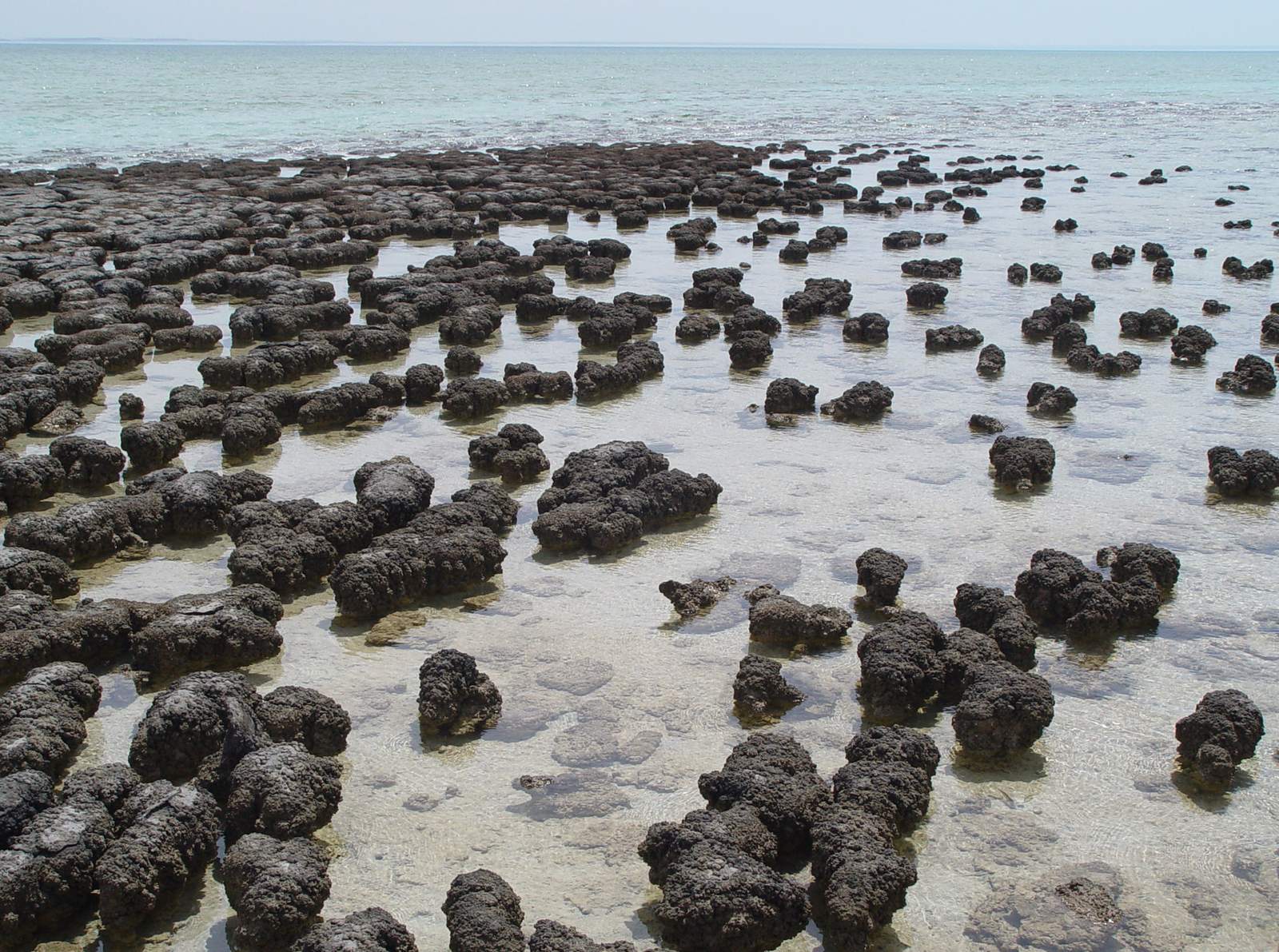
Imagine structures built by living organisms that have survived for over three billion years. The oldest known fossils, in fact, are cyanobacteria from Archaean rocks of western Australia, dated 3.5 billion years old. These aren’t just any fossils – they’re stromatolites, layered mounds created by ancient microbial communities.
The significance of stromatolites is that not only do they provide obvious evidence of ancient life that is visible with the unaided eye, but that they are complex ecosystems. This indicates that, as long as 3.7 billion years ago, microbial life was already diverse. These living rock formations demonstrate that life didn’t just exist – it was already thriving in sophisticated communities.
Cyanobacteria Terraformed Earth for Future Life
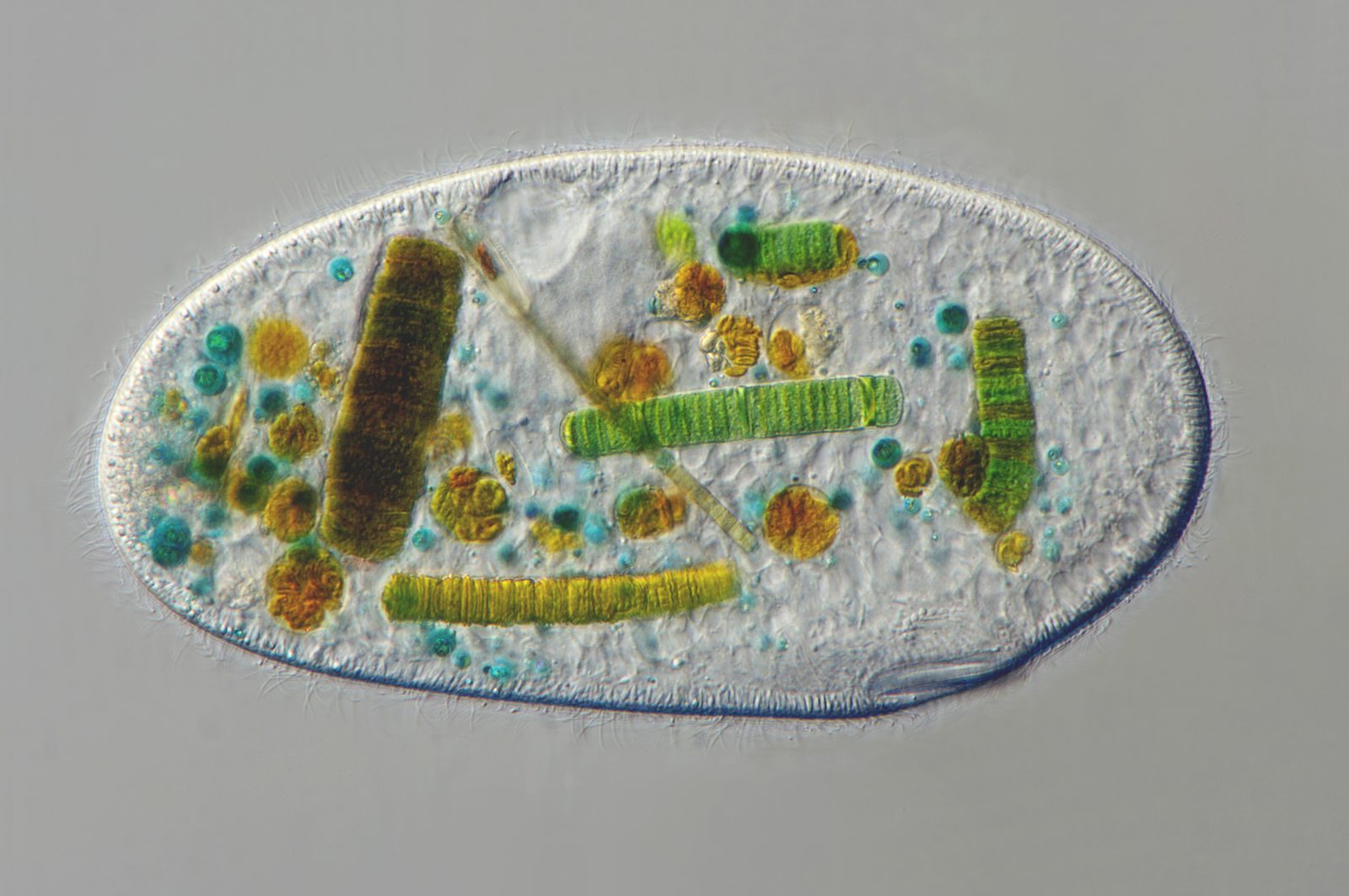
Long before humans dreamed of terraforming other planets, ancient bacteria were reshaping Earth’s entire atmosphere. They became Earth’s first photo-synthesizers, making food using water and the Sun’s energy, and releasing oxygen as a result. This catalyzed a sudden, dramatic rise in oxygen, making the environment less hospitable for other microbes that could not tolerate oxygen.
Since cyanobacteria are photosynthetic, they raised the oxygen levels in the atmosphere from virtually no free oxygen to around 1-2%, effectively terraforming the Earth and making it habitable for their descendants. This massive environmental change, known as the Great Oxidation Event, was one of the most dramatic transformations in Earth’s history.
Life May Have Arrived From Space
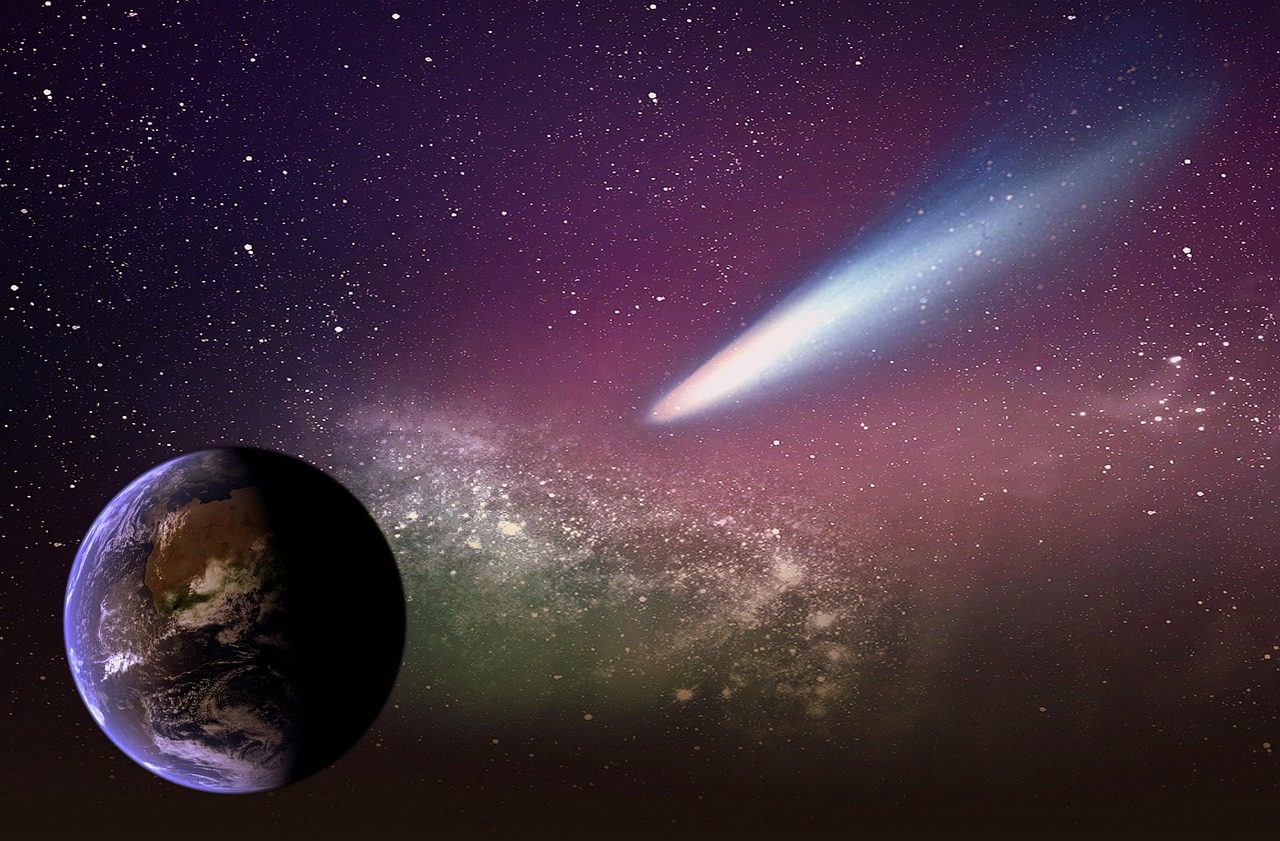
Could life’s building blocks have rained down from the cosmos? Some scientists think that some of the molecules important to life may be produced outside the Earth. Instead, they suggest that these ingredients came from meteorites or comets. This theory, called panspermia, suggests that space delivered some of life’s essential components.
Organic molecules on the early Earth could have had either terrestrial origins, with organic molecule synthesis driven by impact shocks or by other energy sources, such as ultraviolet light, redox coupling, or electrical discharges; or extraterrestrial origins (pseudo-panspermia), with organic molecules formed in interstellar dust clouds raining down on to the planet. Whether homegrown or imported from space, life’s ingredients found their way to Earth through multiple pathways.
Hydrothermal Vents Might Not Be Life’s Birthplace
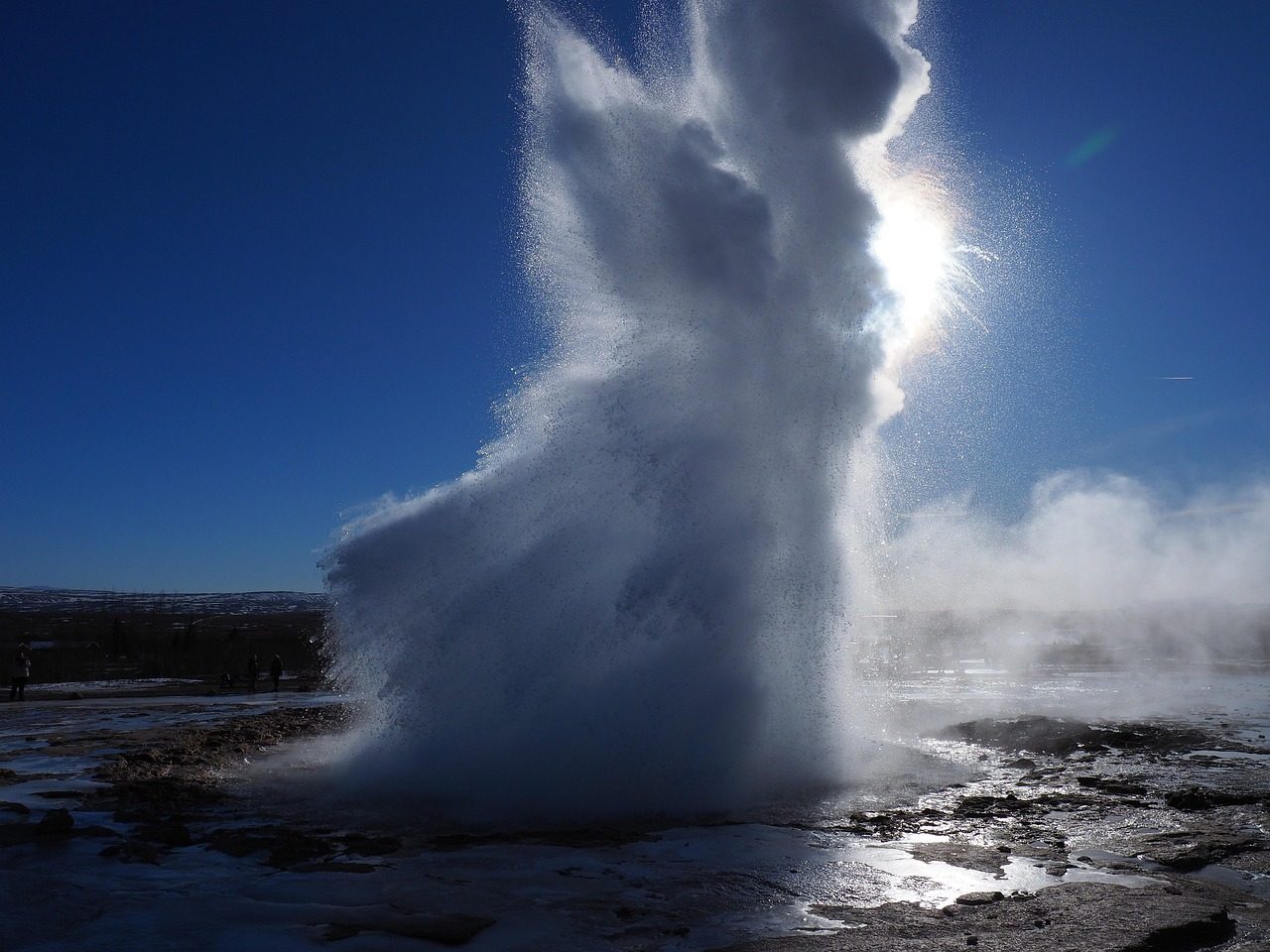
Popular science often points to deep-sea hydrothermal vents as life’s nursery, yet cutting-edge research challenges this assumption. No evidence has ever emerged for any prebiotically plausible chemical reactions that could occur in a deep-ocean hydrothermal vent environment that might lead to the synthesis of the building blocks of RNA (nucleotides), proteins (amino acids) or cell membranes (lipids).
If you look at the chemistry that takes you from simple starting materials up to nucleotides and RNA, there are multiple steps in there that require UV radiation from the sun to drive the reactions. This suggests that life’s chemical foundations needed sunlight to form, pointing to shallow ponds or surface environments rather than the dark depths of the ocean floor.
Ancient Metabolism Worked Without Modern Energy Sources
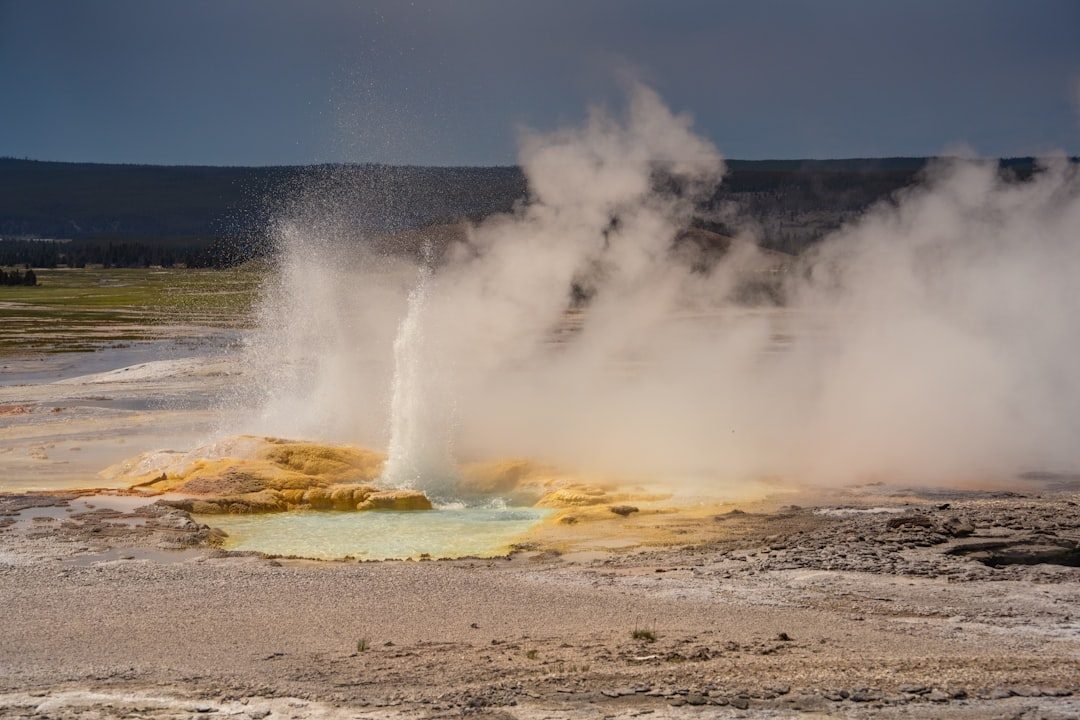
How did the first living things power their chemical reactions without the sophisticated energy systems we see today? For each reaction, they calculated the changes in free energy, which determines if a reaction can go forward without other external sources of energy. What is fascinating is that many of these reactions were independent of external influences like adenosine triphosphate, a universal source of energy in living cells.
On the early Earth, H₂ could have been the electron donor. In 2020, a team of collaborators showed that this reaction could spontaneously occur and be fuelled by environmental conditions similar to deep-sea alkaline hydrothermal vents in the early ocean. This reveals that early life found ingenious ways to harvest energy from simple environmental chemistry.
Volcanic Glass Helped Assemble Life’s Building Blocks
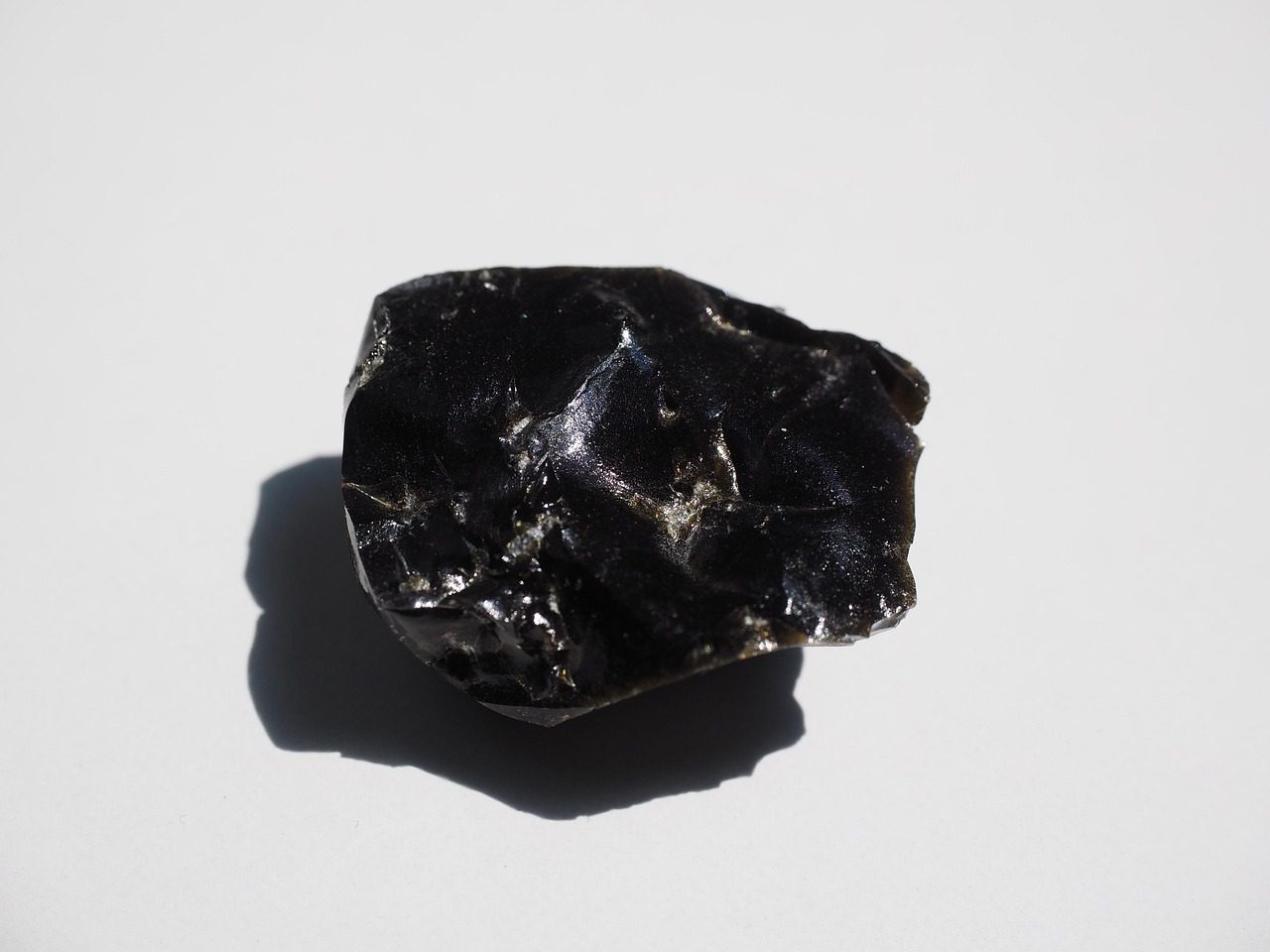
Volcanic glass was present on the early Earth, thanks to frequent meteorite impacts coupled with a high volcanic activity. The nucleotides used in the study are also believed to have been present at that time in Earth’s history. Volcanic rocks could have facilitated the chemical reactions that assembled nucleotides into RNA chains.
This discovery shows how Earth’s violent early environment, rather than hindering life’s emergence, actually provided the tools and conditions necessary for complex molecules to form. The same forces that made early Earth seem hostile – volcanic activity and meteorite impacts – may have been life’s greatest allies.
LUCA Already Had Antiviral Defense Systems
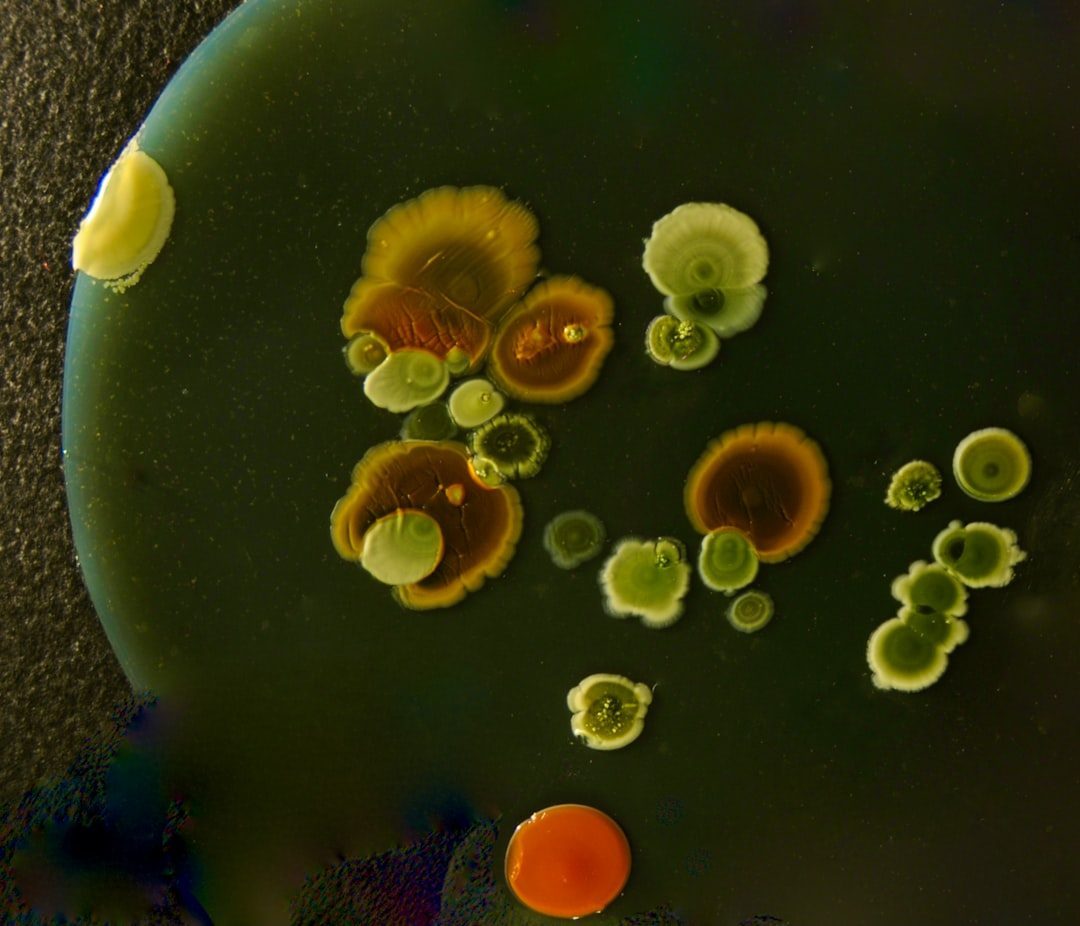
Even Earth’s most ancient common ancestor was engaged in biological warfare. The absence of Cas1 and Cas2 may suggest LUCA encoded an early Cas system with the means to deliver an RNA-based immune response by cutting (Cas6/Cas3) and binding (CSM/Cas10) RNA, but lacking the full immune-system-site CRISPR. This is consistent with the idea that cellular life was already involved in an arms race with viruses at the time of LUCA.
This means that by roughly 4.2 billion years ago, life had already developed sophisticated defense mechanisms against viral attacks. The eternal struggle between life and viruses began almost as soon as cellular life emerged, shaping evolution from the very beginning.
Life’s Genetic Code Is Nearly Universal for Good Reason
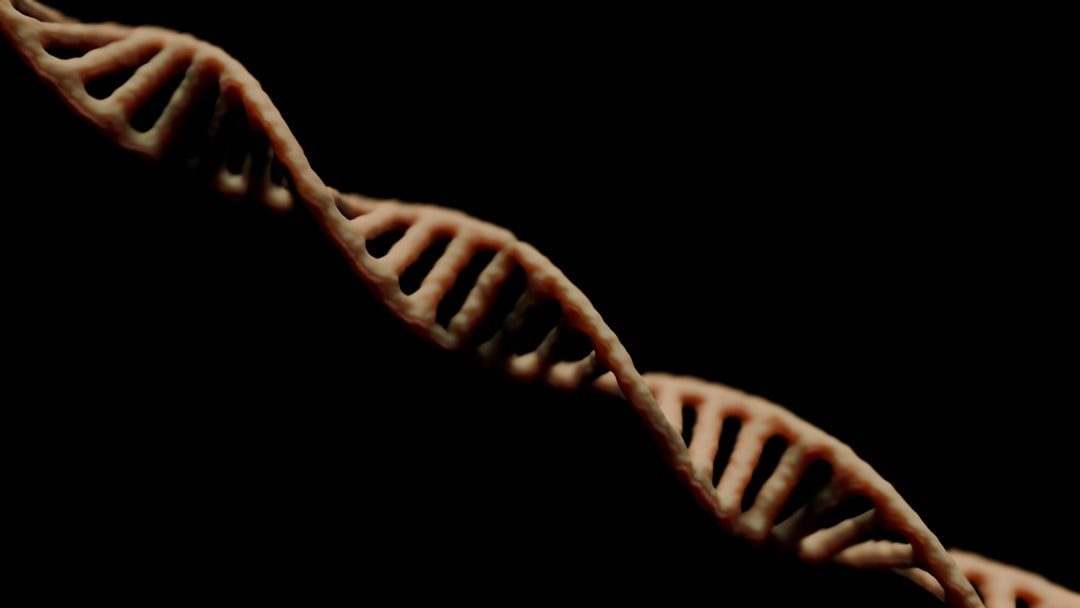
Why do virtually all living things use the same genetic code to translate DNA into proteins? Numerous proteins are found in all organisms, serving as enzymes carrying out core functions like DNA replication. The fact that only one such set of enzymes exists is convincing evidence of a single ancestry.
Comparative genomics has demonstrated the existence of three RNA molecules and 34 ribosomal proteins common to all living organisms and also therefore to LUCA. Given their complexity, these molecules could only have appeared after a long period of evolution. This shared molecular machinery across all life forms provides powerful evidence that everything alive today descended from a single ancient lineage.
The Origin of Life Required Multiple Perfect Conditions Simultaneously
Creating life from non-living matter wasn’t just about having the right ingredients – it required everything to come together at exactly the right place and time. In particular, the latest findings from origins-of-life research suggest that distinct geochemical scenarios need to be linked together in the right sequence to produce the building blocks of life simultaneously in the same place. To give just one example, compounds of iron and cyanide (ferrocyanides) have been found to be crucial for producing the nucleotide building blocks of RNA.
As presented here, decades of OoL research have shown that the OoL was a gradual evolutionary process involving a continuum of intermediates between inanimate matter and the first cells. Life’s emergence wasn’t a single magical moment but rather a series of chemical steps that built upon each other, each creating conditions that made the next step possible.
Conclusion
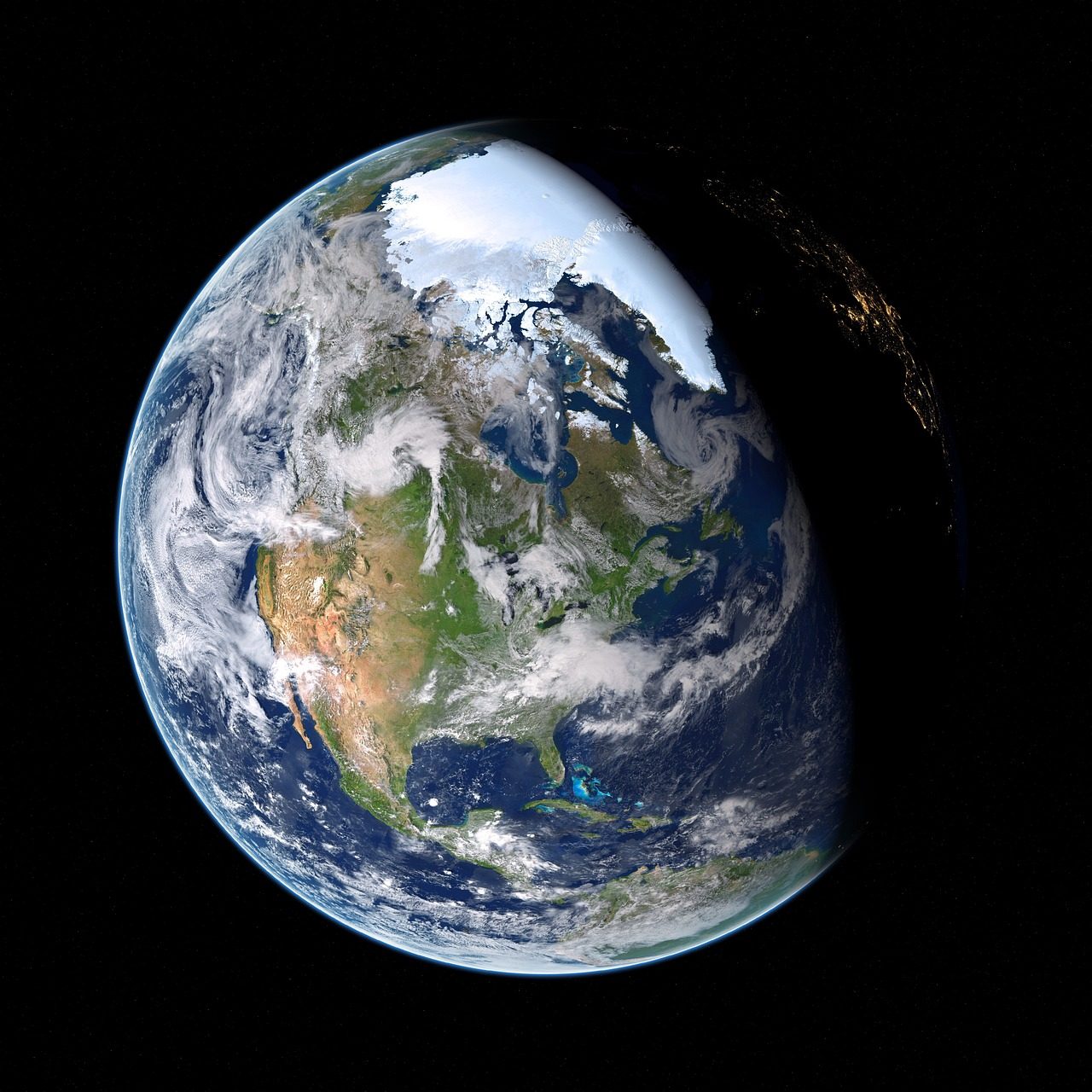
The story of life’s origins on Earth reads like the most incredible adventure novel ever written – except it’s all true. From the surprisingly early appearance of conditions suitable for life to the complex communities that LUCA represented, each discovery challenges our assumptions about how life began. We now know that ancient cyanobacteria literally terraformed our planet, that RNA preceded DNA as life’s information storage system, and that even our most distant ancestors were already fighting sophisticated battles against viruses.
Perhaps most remarkably, the evidence suggests that life emerged not through a single miraculous event, but through a gradual process of chemical evolution where each step created the conditions for the next. The same violent forces that made early Earth seem uninhabitable – volcanic eruptions, meteorite impacts, and extreme chemistry – may have actually provided the energy and materials life needed to emerge. What strikes you most about these revelations? Share your thoughts on which of these facts surprised you the most.