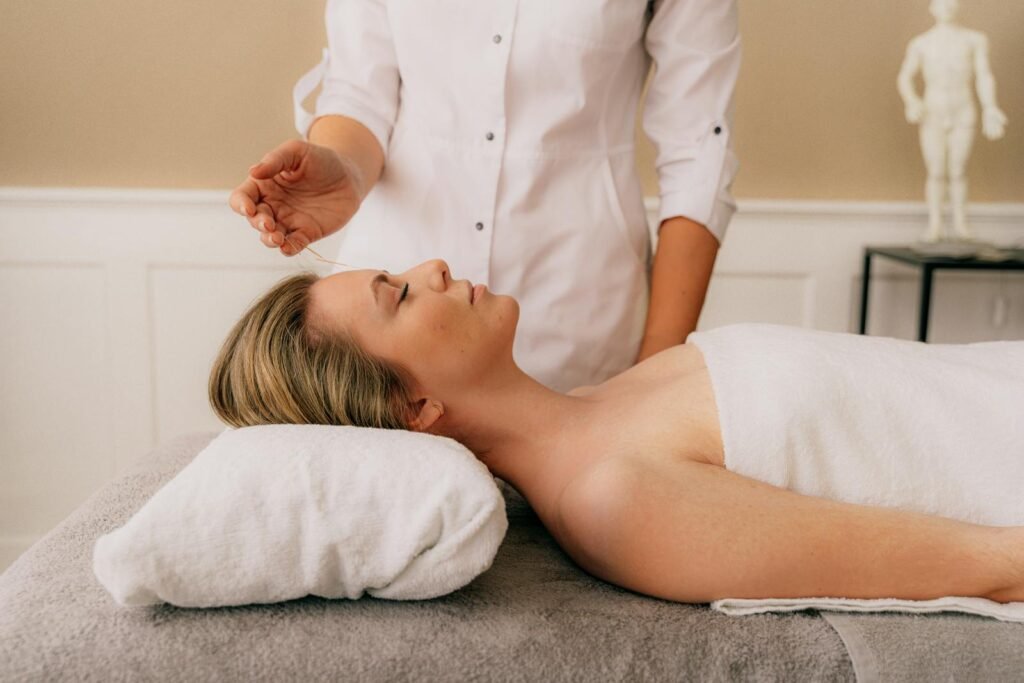

We tend to think of healing as a miracle that happens to us, not a process engineered by us, cell by cell, minute by minute. Yet the body is constantly patching, cleaning, and upgrading itself with a precision that would shame most factory floors. Scientists are now mapping these repair systems in high definition, from the instant a cut forms to the months when tissue quietly remodels in the background. The mystery is no longer whether the body can heal, but why it sometimes heals better, faster, or smarter – and how we can help. That tension between vulnerability and resilience is the story unfolding in every bruise, every sore throat, and every bone that mends.
The First Surge: Inflammation Is the Opening Act, Not the Villain
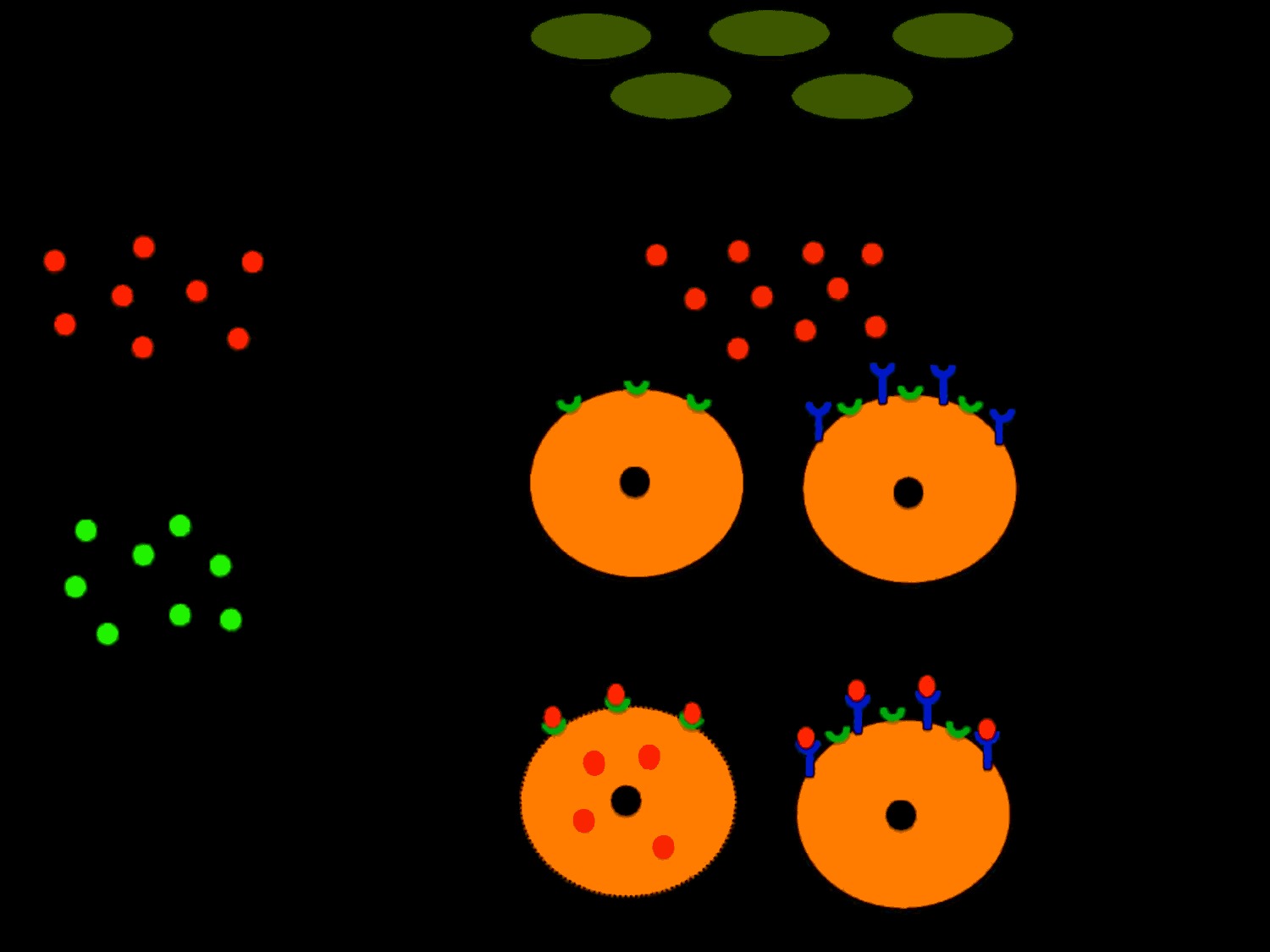
What if the redness, heat, and swelling you dread are actually your body’s smartest triage team arriving right on time? Inflammation is the signal flare and the scaffold, drawing in first-responder cells, sealing breaches with clots, and sterilizing the zone so repair can proceed without sabotage.
Neutrophils and macrophages behave like a cleanup-and-security crew, devouring debris and bacteria while broadcasting chemical messages that summon reinforcements. This short, sharp phase also cues blood vessels to widen, pulling in oxygen and nutrients the way a town opens all roads for emergency vehicles.
Problems begin when that opening act refuses to leave the stage – chronic inflammation can fray tissues and slow repair, like sirens that never switch off. Cooling an injury has its place, but over-suppressing inflammation too early can muffle the very signals that launch healing, which is why balance, not blanket suppression, is the point. Think of swelling as a temporary construction zone: inconvenient, sometimes uncomfortable, but crucial to getting the rebuild right.
Rebuild Crew On Call: Stem Cells, Fibroblasts, and Growth Signals
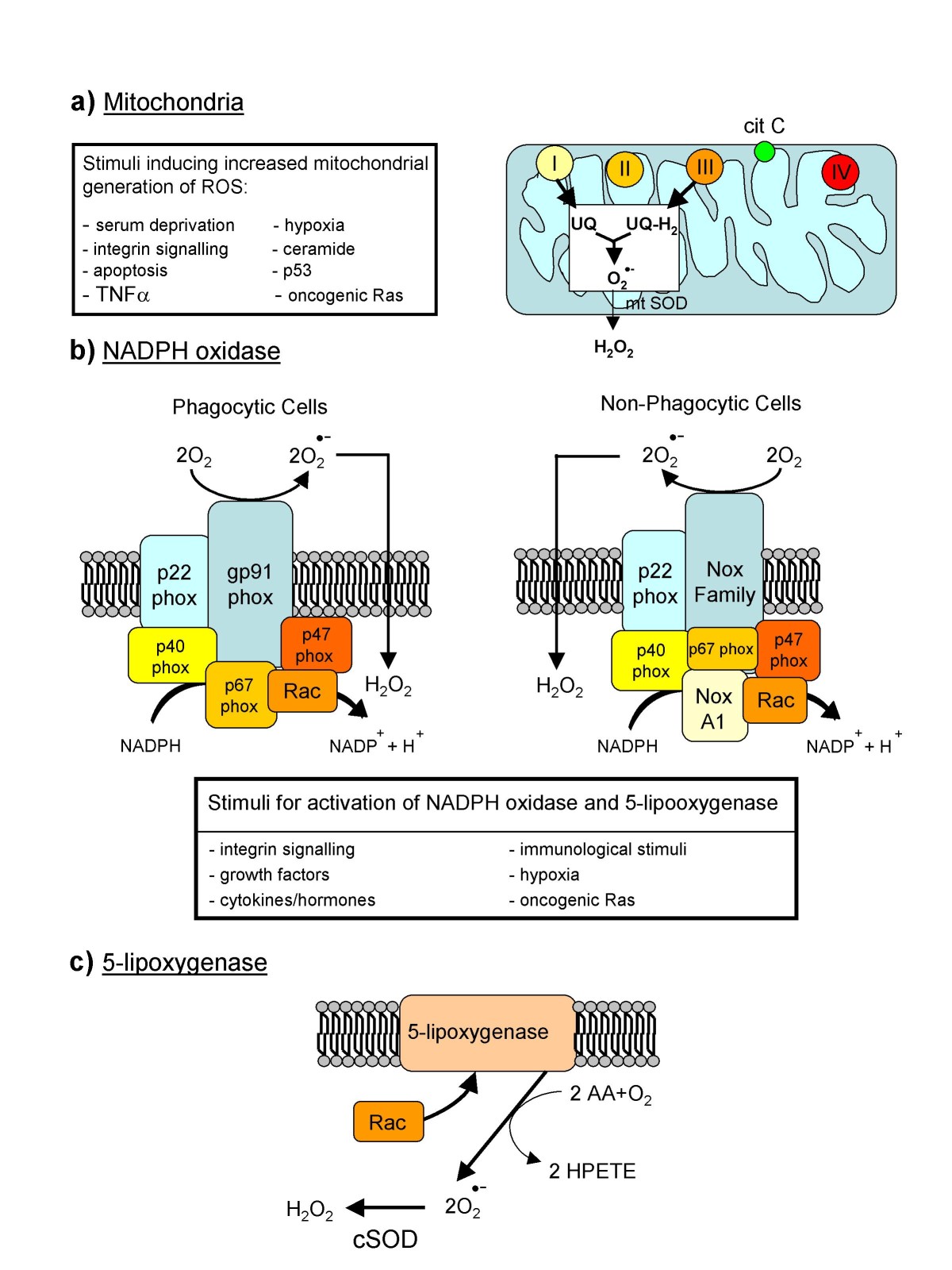
Once the smoke clears, the rebuild team clocks in: stem cells divide, fibroblasts stitch collagen, and microscopic vessels sprout like new side streets to feed a growing neighborhood. This is the moment the body chooses materials and layout, deciding whether to rush a patch or invest in a durable fix.
In skin, fibroblasts lay down collagen in tidy ropes, and then enzymes snip and reorganize those ropes so the tissue flexes instead of cracking – scar maturation is less a stamp and more a months-long edit. In muscle, satellite cells wake from dormancy to fuse into new fibers, guided by growth cues that rise during deep sleep and after gentle, progressive movement.
Here’s a grounded truth I learned the unglamorous way: I once nicked a knuckle opening a can, and it healed faster when I kept it clean, lightly moving, and well-fed than when I tried to “tough it out.” Protein supplies bricks, vitamin C helps mortar the collagen, and a calm nervous system keeps the foreman focused. The body is not asking for magic; it’s asking for materials, oxygen, and time.
Microbial Allies: Your Microbiome Co‑Authors Recovery
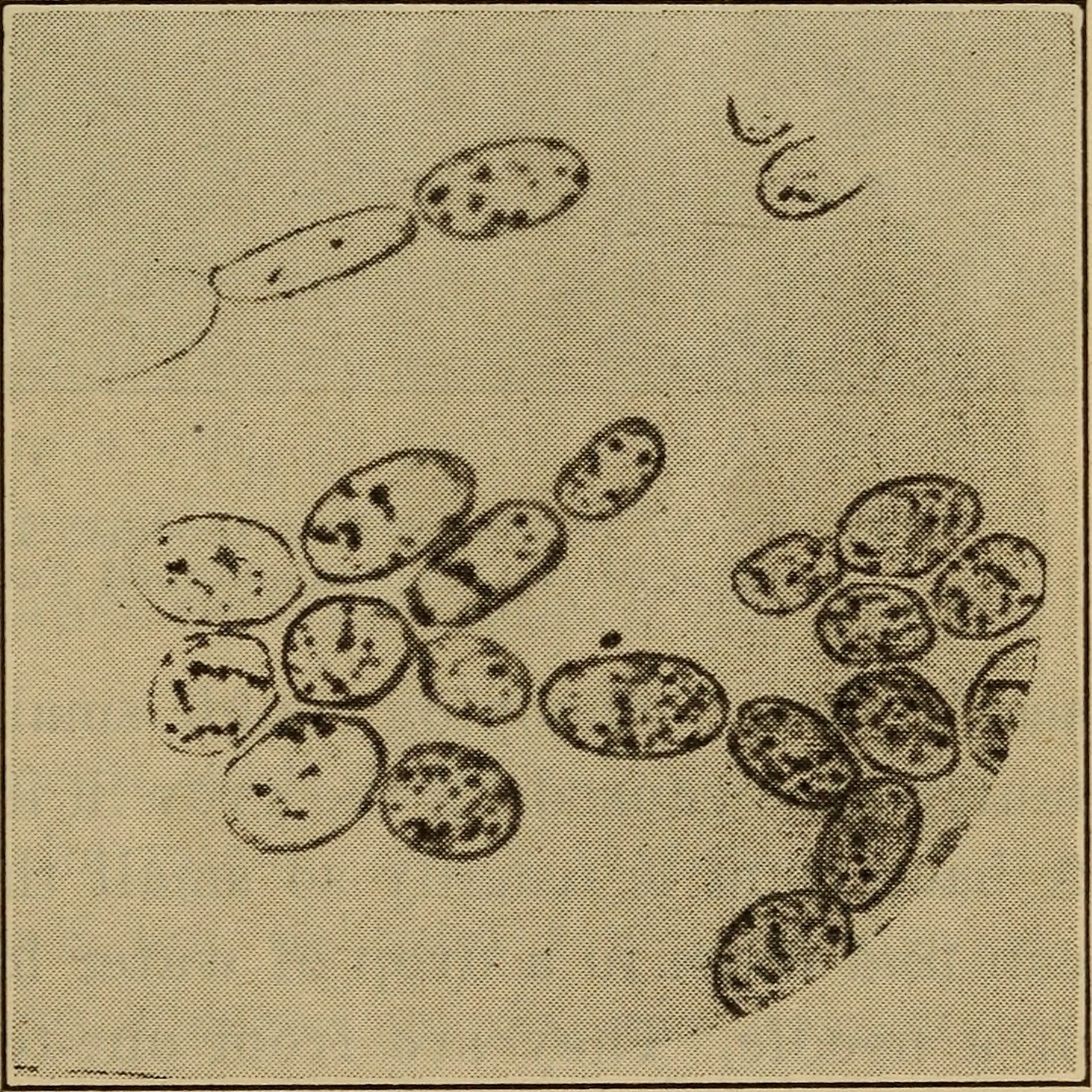
Healing is not a solo act; your native microbes act like quiet neighbors who keep the block safe and supply helpful goods. On the skin, friendly bacteria compete with troublemakers for space and food, while in the gut, microbial metabolites help tune immune cells so they fight hard but not recklessly.
When illness or strong antibiotics scramble that ecosystem, the immune system can become jumpy or sluggish, and wounds may stall like a project with the wrong contractor. Fiber-rich foods, fermented staples, and a bit of dirt-under-the-fingernails living can nudge the community back toward stability, which often shows up as calmer inflammation and more orderly repair.
Researchers are now exploring targeted live biotherapeutics and postbiotics – using specific strains or their molecules as repair accelerators – an approach that tries to whisper to immunity rather than shout at it. The moral is simple: the microbiome is less a passenger and more a co‑author, and good co‑authors need steady nourishment and a stable plot.
Clockwork Healing: Sleep, Stress, and the Rhythm of Repair
Recovery runs on time, and your internal clocks are the foremen tapping their watches. Immune cells patrol differently across the day, growth signals surge during deep sleep, and tissues respond to injury with a rhythm that resembles shift work done right.
Short nights and chronic stress flatten those peaks and valleys, as if the crew shows up late, underfed, and arguing. Elevated stress hormones can delay wound closure and alter collagen layout, producing repairs that are functional but less refined, the difference between a rushed patch and a careful renovation.
Why it matters: habits that seem small – consistent bedtimes, morning light, short afternoon walks – often repay with sharper immune coordination and fewer repair detours. I think of it as giving your cells a schedule they can trust. You don’t have to be perfect; you just need to be regular enough that the orchestra knows when to cue the strings.
Lasting Upgrades: Memory, Remodeling, and the Second Chance Effect
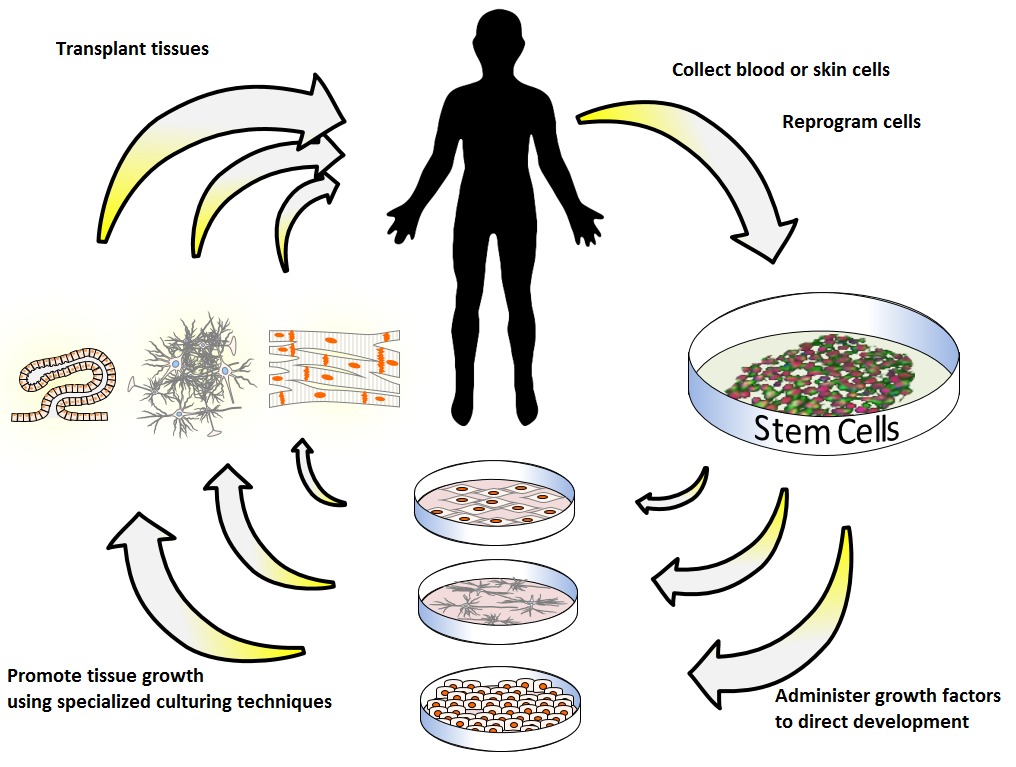
Healing does not stop when the bandage comes off; it pivots into a long game of refinement and memory. Bones obey load, thickening along stress lines like adaptive architecture, and skin softens scars over months as collagen is trimmed, braided, and realigned.
Meanwhile, the immune system files away patterns from each battle – trained innate cells react faster next time, and adaptive cells keep a memory library ready for repeat offenders. Vaccination leverages this principle, turning chaos into a planned drill so recovery begins before damage stacks up.
The future is already edging into the clinic: bioelectric dressings that nudge cell migration, smart bandages that sense infection chemistry, senolytic strategies that clear tired cells so fresh ones can lead, and gene-edited skin grafts built to resist common pathogens. Yet technology will not replace fundamentals; it will amplify them when we feed the process with sleep, movement, and nutrition. Your takeaway is practical and hopeful – keep wounds clean, move what you safely can, prioritize protein and colorful plants, manage stress in bite-size ways, and stay current on routine care – because every small choice tilts the blueprint toward a better rebuild. If your body offered you a second chance upgrade after every setback, wouldn’t you want to help write the plans?
Suhail Ahmed is a passionate digital professional and nature enthusiast with over 8 years of experience in content strategy, SEO, web development, and digital operations. Alongside his freelance journey, Suhail actively contributes to nature and wildlife platforms like Discover Wildlife, where he channels his curiosity for the planet into engaging, educational storytelling.
With a strong background in managing digital ecosystems — from ecommerce stores and WordPress websites to social media and automation — Suhail merges technical precision with creative insight. His content reflects a rare balance: SEO-friendly yet deeply human, data-informed yet emotionally resonant.
Driven by a love for discovery and storytelling, Suhail believes in using digital platforms to amplify causes that matter — especially those protecting Earth’s biodiversity and inspiring sustainable living. Whether he’s managing online projects or crafting wildlife content, his goal remains the same: to inform, inspire, and leave a positive digital footprint.