
Every birthday candle is a data point: a reminder that biology runs on clocks we’re only beginning to read. Across labs and lifetimes, researchers now see aging not as a single tide, but as many currents pushing in the same direction. The mystery isn’t whether – it’s why these cellular systems fray in concert, and how some can be slowed or rerouted. The story is dramatic because the stakes are intimate: memory, mobility, dignity, and time itself. As new discoveries collide with old assumptions, we’re discovering that the body’s wear and tear is less a fate and more a network of choices biology makes under pressure.
Genomic Instability: The Hidden Clues in Broken DNA
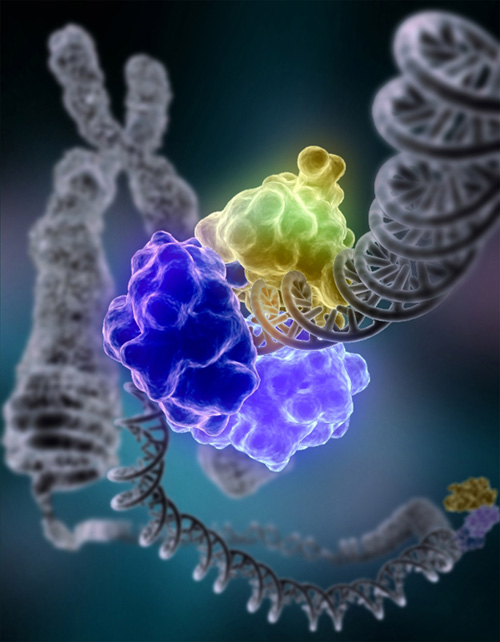
What if every sunrise etched a tiny scratch in your DNA? Cells are constantly repairing dam from normal metabolism, sunlight, and environmental exposures, and while the repair crews are fast, they’re not perfect. Over decades, small mistakes add up – point mutations, broken strands, rearrangements – like typos in a manuscript that slowly blur the story. The result is genomic instability, a rising background hiss that can derail healthy cell function and push tissues toward dysfunction.
I still remember interviewing a geneticist who compared the genome to a library during earthquake season: most books stay on the shelves, but a few keep falling. In aging tissues, those fallen “books” can silence essential genes or activate harmful ones, and the patchwork fixes can create mosaic patterns within a single organ. This steadily expanding noise doesn’t cause every -related change, but it primes the system for nearly all of them.
Telomere Attrition: The Fuse That Shortens
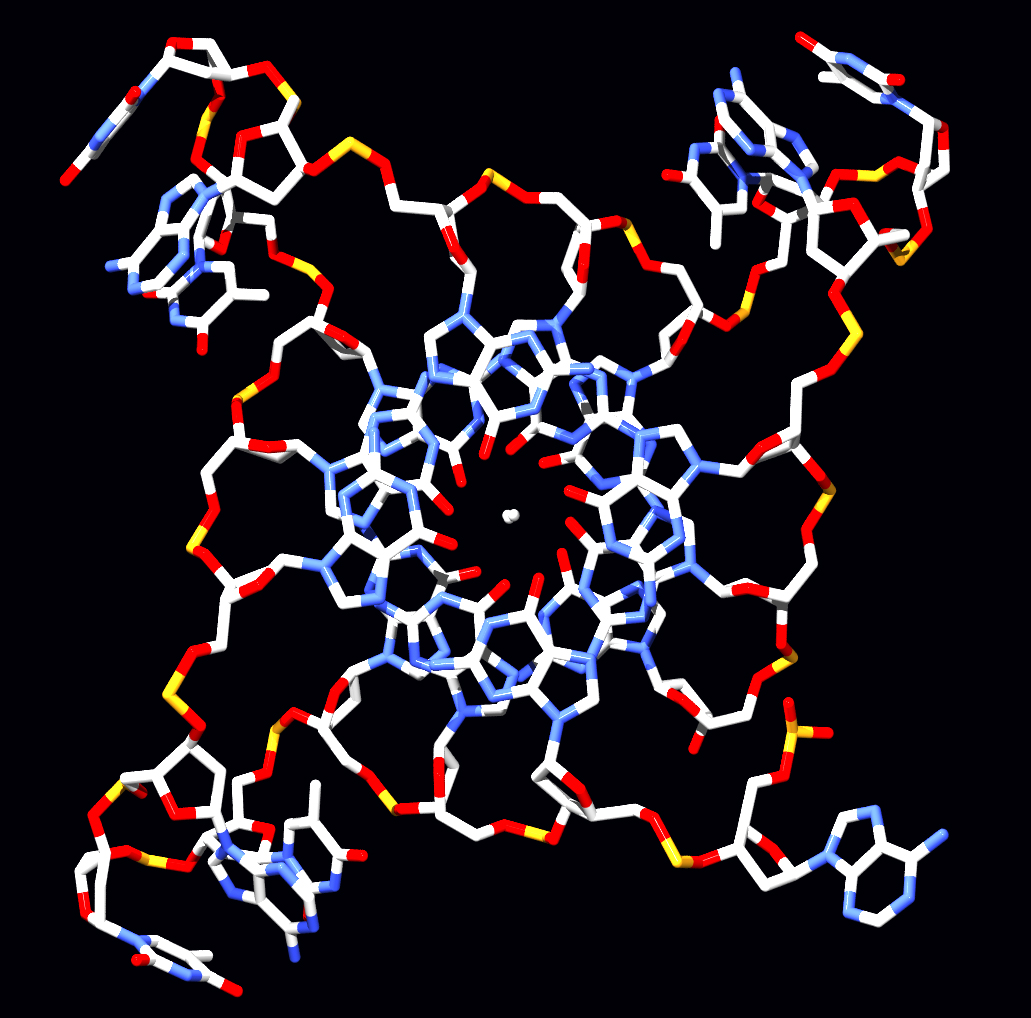
Telomeres – those protective caps at chromosome ends – act like the plastic tips on shoelaces, preventing fraying during cell division. Each time a cell divides, telomeres shrink a little, and when they grow too short, the cell gets the signal to retire from the cycle. That brake protects us from runaway growth, but it also limits renewal in tissues that need constant upkeep, from skin to blood.
Telomerase, the enzyme that rebuilds telomeres, gives stem cells and certain immune cells more runway, yet it’s tightly controlled because too much activity can tilt toward cancer. Stress, inflammation, and lifestyle factors can nudge the shortening process along, which helps explain why biological can drift from calendar . Think of telomeres as a fuse you want to burn slowly – never fully extinguished, never wildly rekindled.
Epigenetic Drift: The Code Above the Code
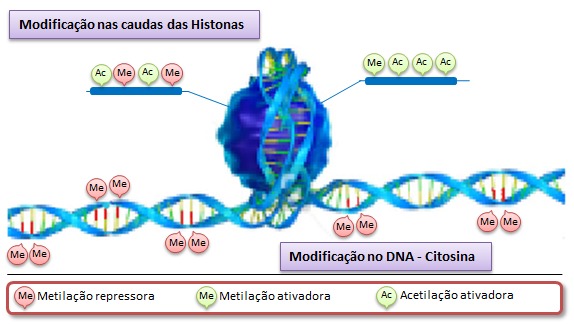
Even when the DNA letters stay the same, the body changes the punctuation. Epigenetic marks – chemical tags on DNA and the proteins that pack it – tell genes when to speak up or stay quiet. With , that pattern erodes: some genes get stuck on low, others flicker at the wrong moment, and the once-crisp architecture of chromatin loosens.
Scientists can now read this drift with astonishing precision using epigenetic “clocks” that track biological more closely than birthdays do. The tantalizing twist is that epigenetic marks are, in principle, reversible; tweak the orchestra’s conductor and the music can improve. But the same levers that might rejuvenate cells can also stir up instability, so the field moves carefully, aiming for tune-ups rather than risky rewrites.
Mitochondrial Dysfunction: Power, Sparks, and Slowdowns
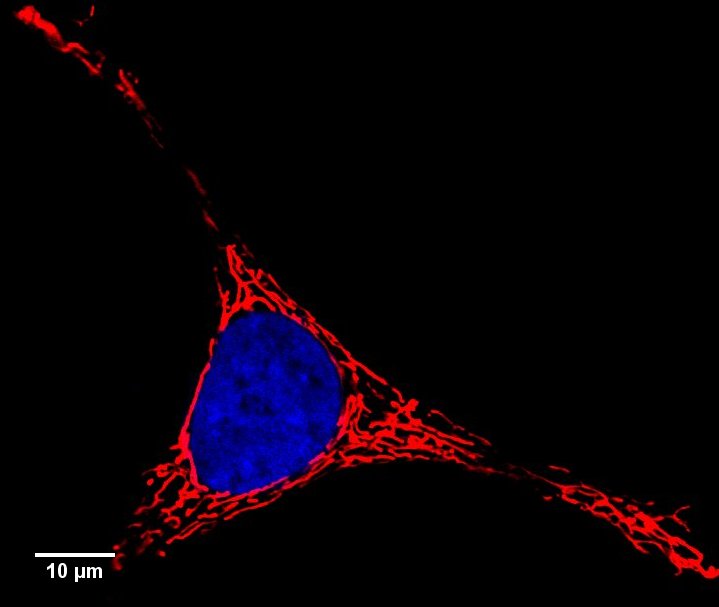
Mitochondria are the power stations of the cell, and with time their turbines run less cleanly. Tiny mutations in mitochondrial DNA, a slowdown in quality-control processes, and a decline in mitophagy – the recycling of faulty power units – leave cells with sputtering engines. That inefficiency spills reactive byproducts that can dam proteins and lipids, feeding a loop of stress.
Organs with high energy demand feel it first: heart, brain, muscle. The experience can be subtle in early years – a little less stamina, a longer recovery – then more obvious as reserves shrink. When the lights dim in the cell’s power grid, systems designed for peak performance start working on emergency mode, and the bill arrives as fatigue, frailty, or cognitive slip.
Loss of Proteostasis: When Cellular Housekeeping Falls Behind
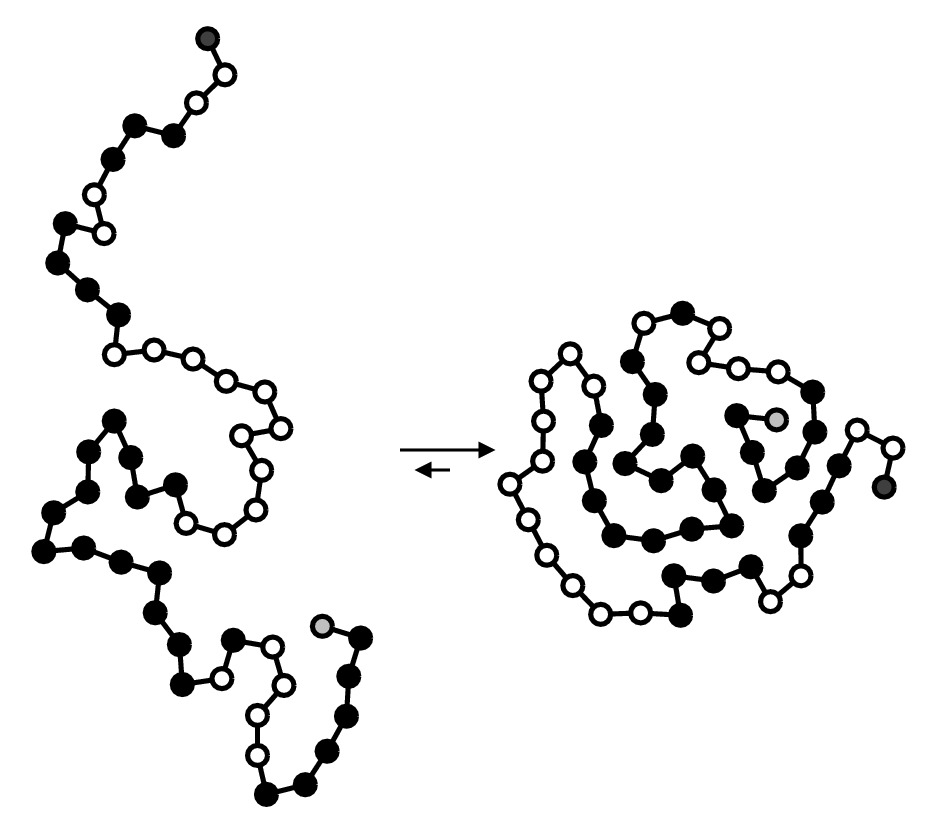
Proteins must fold into precise shapes to work, and the cell invests heavily in chaperones and disposal systems to keep its inventory clean. With , that housekeeping falls behind: misfolded proteins linger, clump, and sometimes form stubborn aggregates. The proteasome and autophagy pathways – our microscopic recycling lines – slow down, and errors that once disappeared now accumulate.
You can picture a busy kitchen at the end of a long service: dishes stack, counters clutter, and even a great chef struggles. In the body, that clutter interferes with signaling, stresses neurons and muscle fibers, and makes repair jobs longer and costlier. The longer the backlog lasts, the more it invites further mess, a feedback loop that turns maintenance into tri.
Cellular Senescence and the SASP: Why It Matters When Cells Stop Dividing
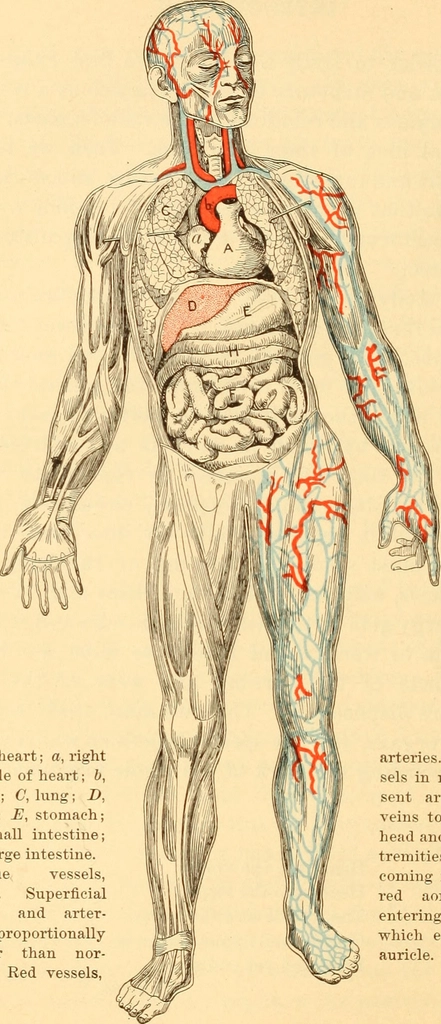
Senescent cells are survivors that choose stasis over danger: they stop dividing in response to stress or dam. In the short term, that decision can help with wound healing and cancer prevention, but with , these cells accumulate and begin secreting a storm of signals called the senescence-associated secretory phenotype. Those signals stir chronic, low-grade inflammation that frays nearby tissues and confuses immune patrols.
Why it matters is simple and sweeping: one stubborn cell can sour its neighborhood. Animal studies show that clearing senescent cells can improve physical function and even extend healthy span, a finding now inspiring careful human trials. If we learn to coach these cells into a quieter retirement – or escort them out humanely – we could defuse a major spark in the aging network.
Stem Cell Exhaustion: Global Perspectives on the Body’s Repair Crews
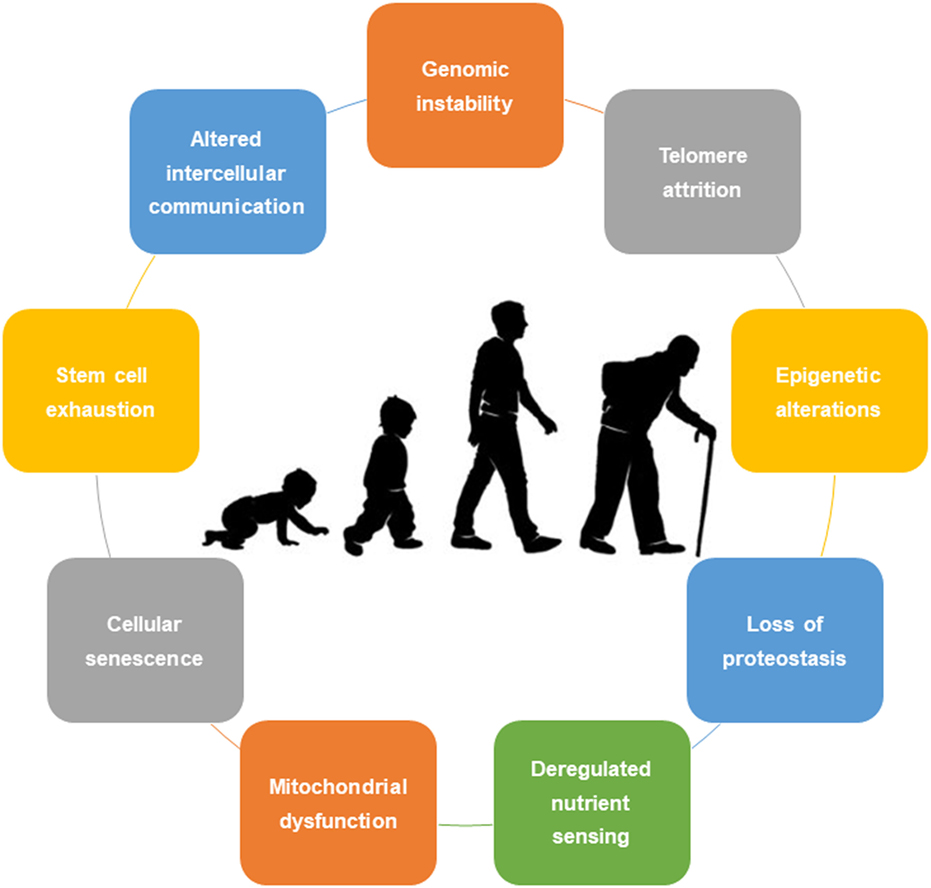
Every organ relies on stem cells to replace the old with the new, but those crews tire and their instructions blur with . Blood-forming stem cells skew their production, muscle satellite cells answer calls more slowly, and the niches that nurture them lose supportive signals. The result is thinner tissues, slower healing, and a rising risk that errors slip through inspection.
Zoom out to a global view and the implications are stark: as populations , diminished regenerative capacity becomes a shared public-health challenge. Slower recovery after illness, longer rehab times, and higher vulnerability to infections all trace back to repair systems running near empty. Protecting and revitalizing these crews isn’t just a lab goal – it’s a societal necessity.
Altered Intercellular Communication: Crosstalk Gone Noisy
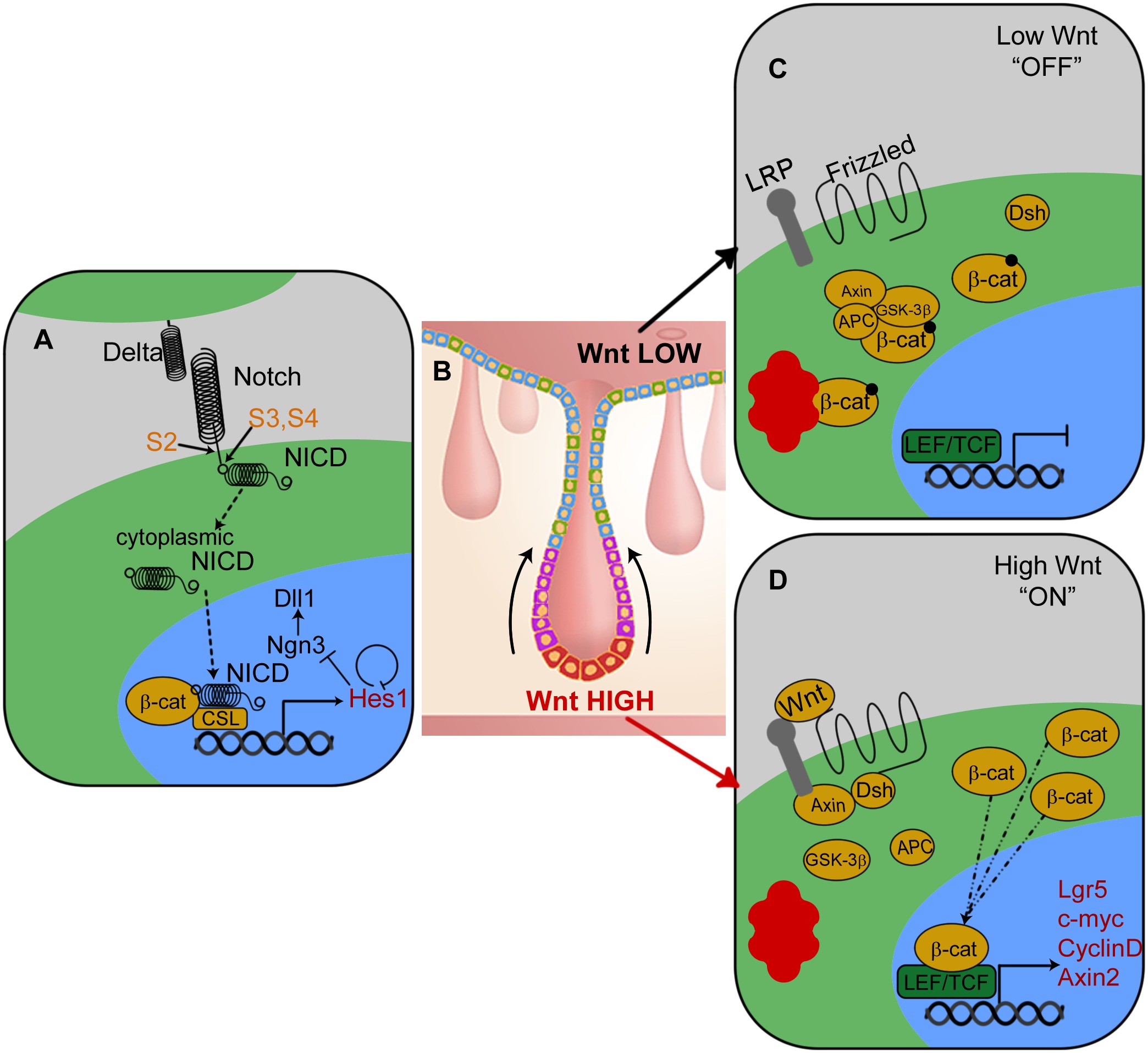
Aging isn’t only about what happens inside cells; it’s also about the messs they send and receive. Hormonal rhythms flatten, immune alarms ring too often, and inflammatory cues drift from helpful to harmful. Even the microbiome – the bustling community of microbes in our gut – shifts with , nudging metabolism and immunity in new directions.
When the network’s chatter turns noisy, coordination fails: blood vessels stiffen, neurons misfire, and repairs mis-time their arrival. This is the subtle tyranny of miscommunication, where every system is slightly off-beat. Restoring cleaner signals – through better sleep, movement, and targeted therapies – can quiet the static and help tissues hear themselves again.
Deregulated Nutrient Sensing: The Future Landscape and Your Next Moves
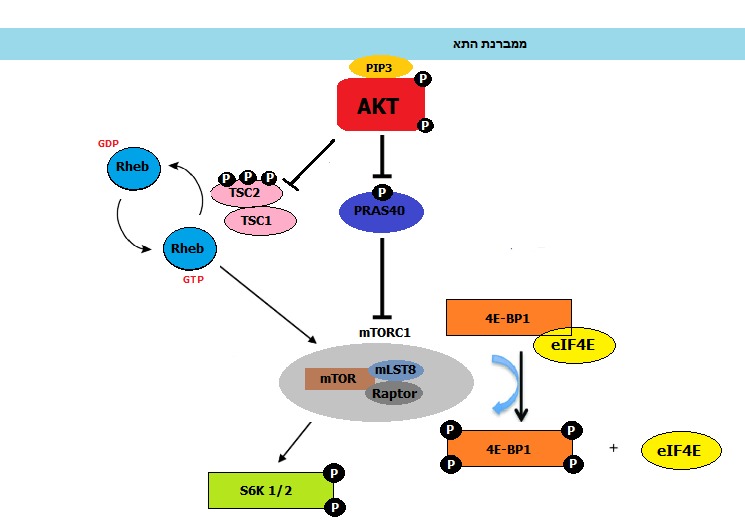
Cells constantly read the nutrient room – insulin and IGF-1 signaling, mTOR’s growth cues, AMPK’s energy alarms, and the sirtuin family’s stress reports. With , that sensing drifts: growth pathways stay on when they should idle, and repair pathways nap when they should wake. Tweaking these dials is one of the most promising frontiers, with strategies that include moderate caloric restraint, time-restricted eating, strength training, and endurance exercise to recalibrate the system.
On the horizon, researchers are testing compounds that gently nudge these pathways toward repair over excess growth, aiming for safer, smarter tune-ups rather than blunt hammers. For now, you can act like your own systems engineer: prioritize sleep, lift something heavy a few times a week, eat a fiber-rich, minimally processed diet, and leave regular gaps between meals unless your clinician advises otherwise. If you’re curious, consider joining a longitudinal study or donating anonymized health data so scientists can refine epigenetic clocks and biomarker panels.
Support policies that make evidence-based prevention accessible, from safe walking spaces to vaccinations that reduce inflammatory hits. Aging will remain universal, but how we experience it is negotiable – and that negotiation starts with daily choices, informed by science, and scaled by community. If our cells are listening for better signals, what mess will you send them today?