

Light is our most familiar mystery: we count on it every second, yet it keeps surprising us with hidden rules and dramatic twists. From ancient sun dials to modern telescopes that see galaxies being born, every breakthrough has sharpened how we underst, not as paint on reality but as a code our brains decode. Today, researchers probe wavelengths beyond human sight, and engineers sculpt light like a material, bending it around chips, art, and buildings. The stakes are real, from health and sleep to safer streets and cleaner energy, and the science is moving fast. Let’s step into the spectrum and see what we’ve been missing.
The Hidden Clues: Color Lives in the Brain
Color isn’t glued to objects; it emerges from how our eyes and brain interpret light. Surfaces reflect a mix of wavelengths, but your brain performs instant calculus – comparing across the scene – to keep a banana looking yellow at noon and at dusk. This built-in correction, called color constancy, is usually helpful, yet it also enables those viral illusions where a dress flips between blue and white depending on what you assume about the lighting.
Think of color as a story your brain tells about the light that’s available and the materials it hits. Change the illumination, and the story can change even if the object doesn’t. That’s why museums tune their lights and why retailers obsess over illumination; the same fabric can feel luxurious or flat with a small spectral tweak.
From Ancient Tools to Modern Science: Separating White into Rainbows
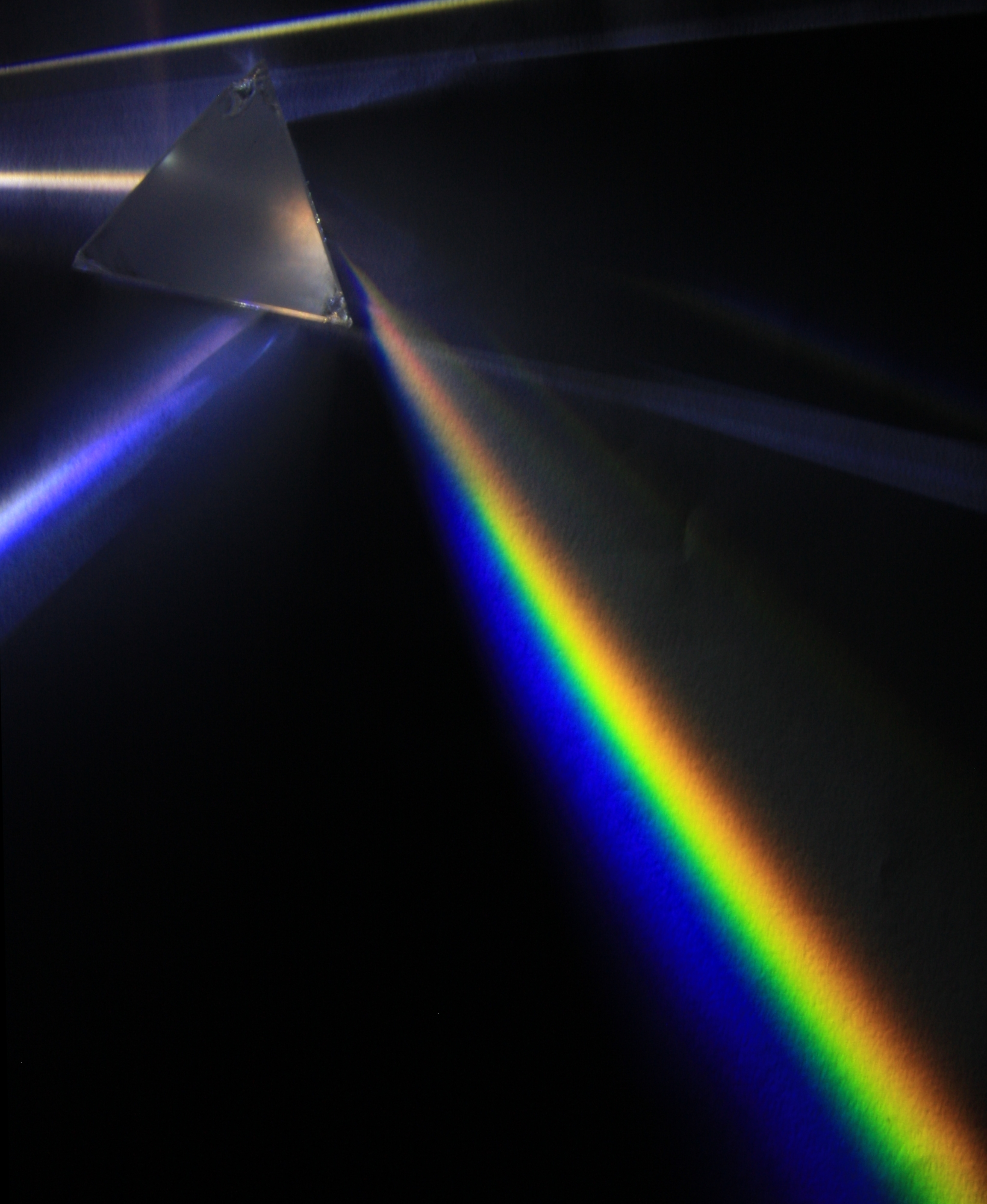
Long before lasers, people used prisms and droplets to split white light into a fan of hues, a clue that white is a mixture, not a single thing. When a beam passes from air into glass, it bends, and shorter wavelengths bend a bit more than longer ones, so violet spreads one way and red another. That simple separation powers everything from spectroscopy labs to weather forecasts.
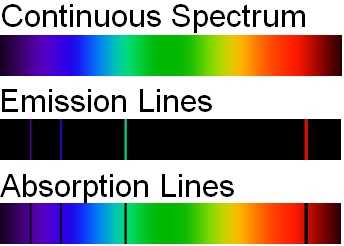
In modern instruments, we don’t just admire the rainbow – we measure it with precision. Spectrometers read the fingerprint of materials by their reflected or emitted wavelengths, letting scientists detect pollutants, map crops, and analyze distant stars. A rainbow, it turns out, is both beautiful and diagnostic.
Light Is Two Things at Once: Wave and Particle

Light ripples like a wave, interfering and diffracting; it also arrives as packets of energy called photons. The energy of each photon depends on its frequency, which is why ultraviolet can trigger sunburn while red light is gentler on skin. In labs, single-photon experiments show interference patterns that seem to require a crowd, yet one particle at a time builds the same picture.
This duality isn’t a bug; it’s a feature that fuels technologies. Cameras rely on photons, fiber optics rely on waves, and quantum communication leans on the strange rules in between. When you dim a room until colors fade, you’re feeling the frontier where wave trains become countable blips.
Colors That Aren’t There: Metamers and Visual Illusions
Different light mixtures can produce the same perceived color, a phenomenon called metamerism. Your monitor uses just three primaries to fake thousands of hues, and your eye signs off because three cone types compress the world’s spectra into a manageable code. That compression is efficient, but it opens the door to tricks.
Two shirts that match under office LEDs can clash outdoors, because the illuminations don’t excite the cones in the same way. Color scientists solve this with standardized color spaces and spectral measurements that go beyond the eye’s shortcuts. In other words, sometimes you need math to keep the rainbow honest.
The Sky’s Palette Is Physics in Motion

Why is the daytime sky blue and sunsets fiery? Tiny molecules in the air scatter shorter wavelengths more strongly, steering bluish light toward your eyes from every direction. At sunrise and sunset, sunlight skims a longer path through the atmosphere, losing more blue and letting reds and oranges dominate.
Particles from dust or pollution change the recipe, sometimes muting midday blue or dialing up dramatic twilights. The sky is also slightly polarized, a subtle orientation of light waves that insects use like a compass. If you’ve worn polarized sunglasses and watched reflections vanish, you’ve used the same physics to declutter the view.
Nature’s Structural Colors Beat Pigment at Its Own Game
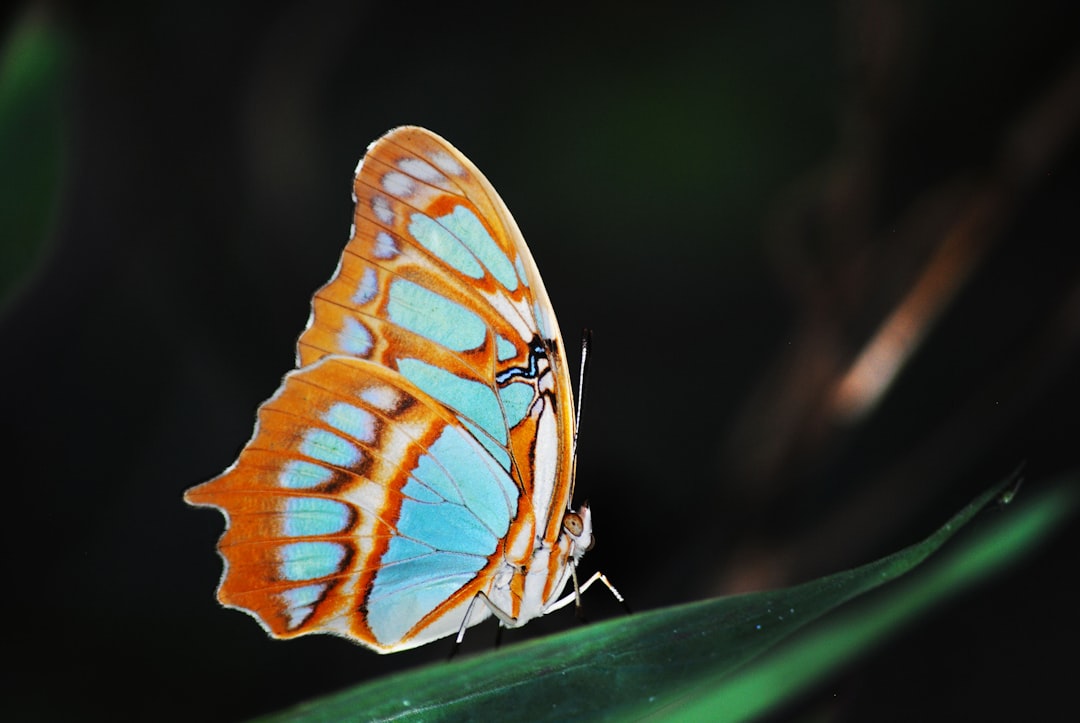
Some of the brightest colors in nature contain no dye at all. Butterfly wings, beetle shells, and peacock feathers create vivid hues by arranging microscopic structures that interfere with light, amplifying some wavelengths while canceling others. The result can be brighter than paint and can shimmer with angle.
Engineers copy these tricks to make durable, fade-resistant colors without chemical pigments. From anti-counterfeit patterns to energy-saving coatings that reflect heat, structural color turns geometry into a palette. Hold a soap bubble or a CD at a slant, and you can see the same physics flexing in your hand.
Global Perspectives: Not All Eyes See the Same Rainbow
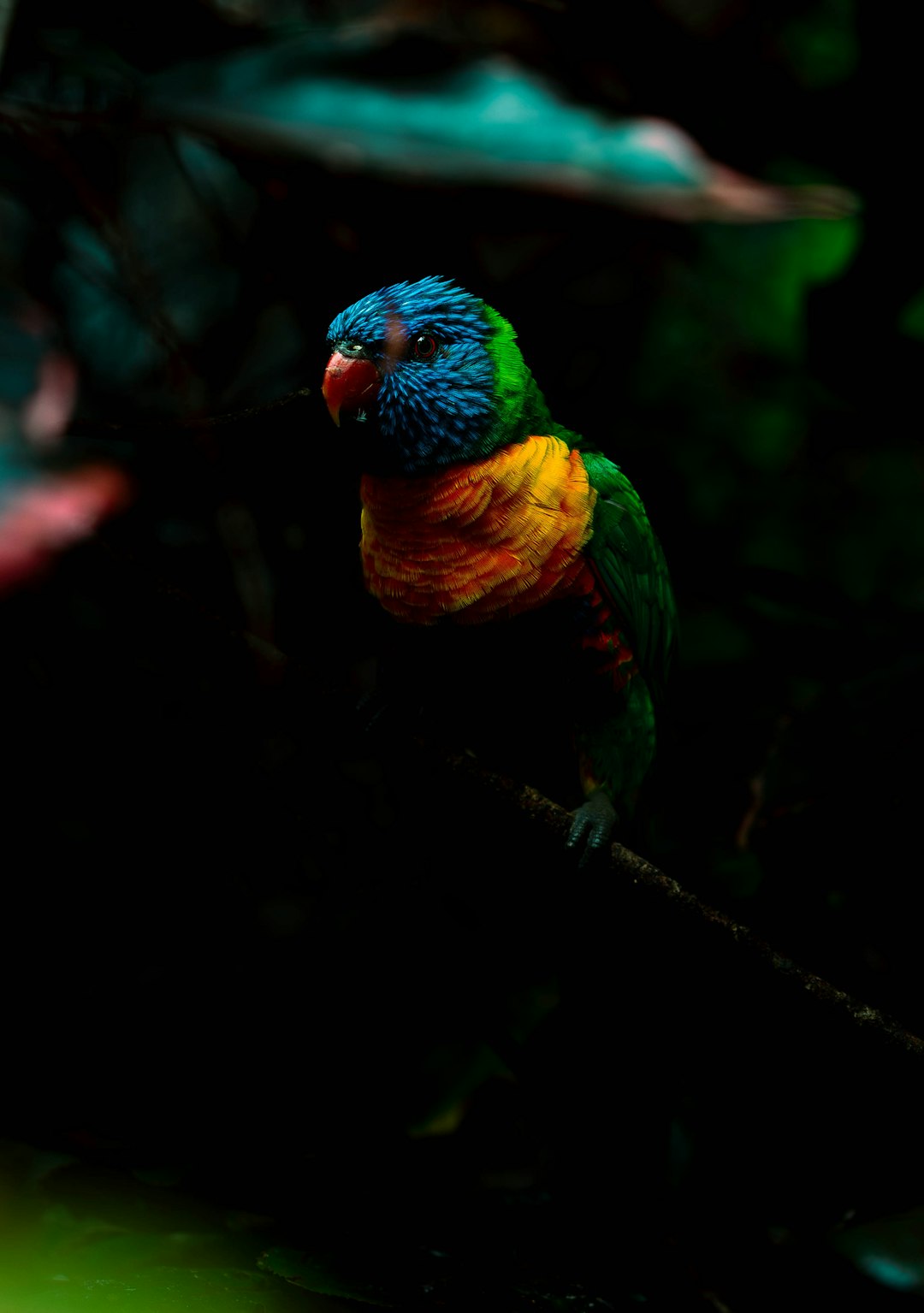
Humans typically have three kinds of cone photoreceptors, but that’s not a universal standard. Birds often carry a fourth cone, expanding sensitivity into ultraviolet; some insects lean heavily on UV to find flowers, and certain fish shift tuning to suit deep water. The mantis shrimp packs a dozen or more receptor types, trading our fine-grained comparisons for rapid spectral checks.
Even among humans, differences matter: color-vision deficiencies change how maps, signals, and websites read in the real world. Designers increasingly test palettes for accessibility and add patterns or text cues so meaning doesn’t ride on hue alone. The rainbow isn’t only physical; it’s personal and cultural.
Light Shapes Health: From Color Temperature to Circadian Timing
Blue-enriched light in the morning is a strong cue for waking systems, while warmer, dimmer light helps the body settle at night. That’s why many phones and laptops shift their displays in the evening and why hospitals and schools are experimenting with dynamic lighting. The goal is to sync indoor environments with the rhythms our biology expects from the sky.
Poorly timed light exposure can nudge sleep, mood, and alertness off course, especially for shift workers and travelers. Smart lighting doesn’t just aim for pretty rooms; it aims for better physiology with careful spectra and timing. Color, in this context, becomes a daily health tool rather than decoration.
Why It Matters: The Spectrum Is an Information Network
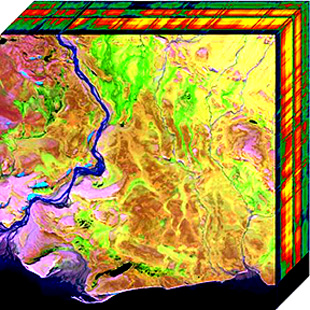
Light is how we move information and understand the world, is the shorthand our brains use to read that information quickly. Fiber-optic networks ferry data as pulses of different wavelengths, while satellites map forests, oceans, and cities by their spectral signatures. Compared with older, single-band measurements, modern multispectral and hyperspectral views reveal subtle changes in crops, coral reefs, and even urban heat.
In my own notebook from a desert field trip, a “nothing special” gray patch turned out – under a handheld spectrometer – to be a mineral seam that told a bigger geologic story. That’s the jump from guessing by eye to measuring by light. When the subject is climate, water, or food, that jump has obvious stakes.
The Future Landscape: Metasurfaces, Quantum Dots, and Spectral AI
Researchers are building metasurfaces – ultrathin patterns that steer light’s phase and polarization – to make cameras flatter and lenses smarter. Displays are switching to quantum-dot and microLED technologies for intense, precise color with better energy use and longer lifetimes. Meanwhile, perovskite materials promise efficient light emission and detection across custom wavelengths.
On the sensing side, compact spectrometers and polarization cameras are edging into phones, drones, and cars, feeding algorithms that can classify materials and conditions in real time. Expect AI models trained on spectral data to spot plant stress, dangerous glare, or counterfeit goods faster than a human ever could. The challenge will be balancing power, privacy, and standardization so this new color literacy benefits everyone.
Conclusion: Tune Your World to the Right Light

Start small: adjust evening screens and lamps to warmer tones, and let real daylight into your mornings when you can. If you choose lighting, look beyond brightness and consider the spectrum – what it will do to paint, plants, and people’s sleep. Walk outside and notice how a cloud or a wall changes colors around you; it’s practice for seeing the hidden variables.
Support institutions that measure the world by light, from local observatories and science museums to community projects that track light pollution. If you’re a creator or decision-maker, test your colors for accessibility and clarity under different illuminations. In a world increasingly guided by the spectrum, will you let light happen to you – or learn to read and shape it?
Suhail Ahmed is a passionate digital professional and nature enthusiast with over 8 years of experience in content strategy, SEO, web development, and digital operations. Alongside his freelance journey, Suhail actively contributes to nature and wildlife platforms like Discover Wildlife, where he channels his curiosity for the planet into engaging, educational storytelling.
With a strong background in managing digital ecosystems — from ecommerce stores and WordPress websites to social media and automation — Suhail merges technical precision with creative insight. His content reflects a rare balance: SEO-friendly yet deeply human, data-informed yet emotionally resonant.
Driven by a love for discovery and storytelling, Suhail believes in using digital platforms to amplify causes that matter — especially those protecting Earth’s biodiversity and inspiring sustainable living. Whether he’s managing online projects or crafting wildlife content, his goal remains the same: to inform, inspire, and leave a positive digital footprint.