On Florida’s lower Gulf Coast, an ancient kingdom rose not from stone or brick but from mountains of shell, engineered shorelines, and tidal geometry. The Calusa transformed estuaries into cities, turning oyster and clam into architecture, policy, and power. Their story reads like a mystery thriller: a non-farming people who built a complex state, repelled intruders, and left behind a landscape-sized archive hidden in mangroves and mud. Today, archaeologists are decoding that archive with new tools, revealing a civilization that mastered water rather than land. The result reframes what we think a city can be and how a society can thrive in a world ruled by tides.
The Hidden Clues
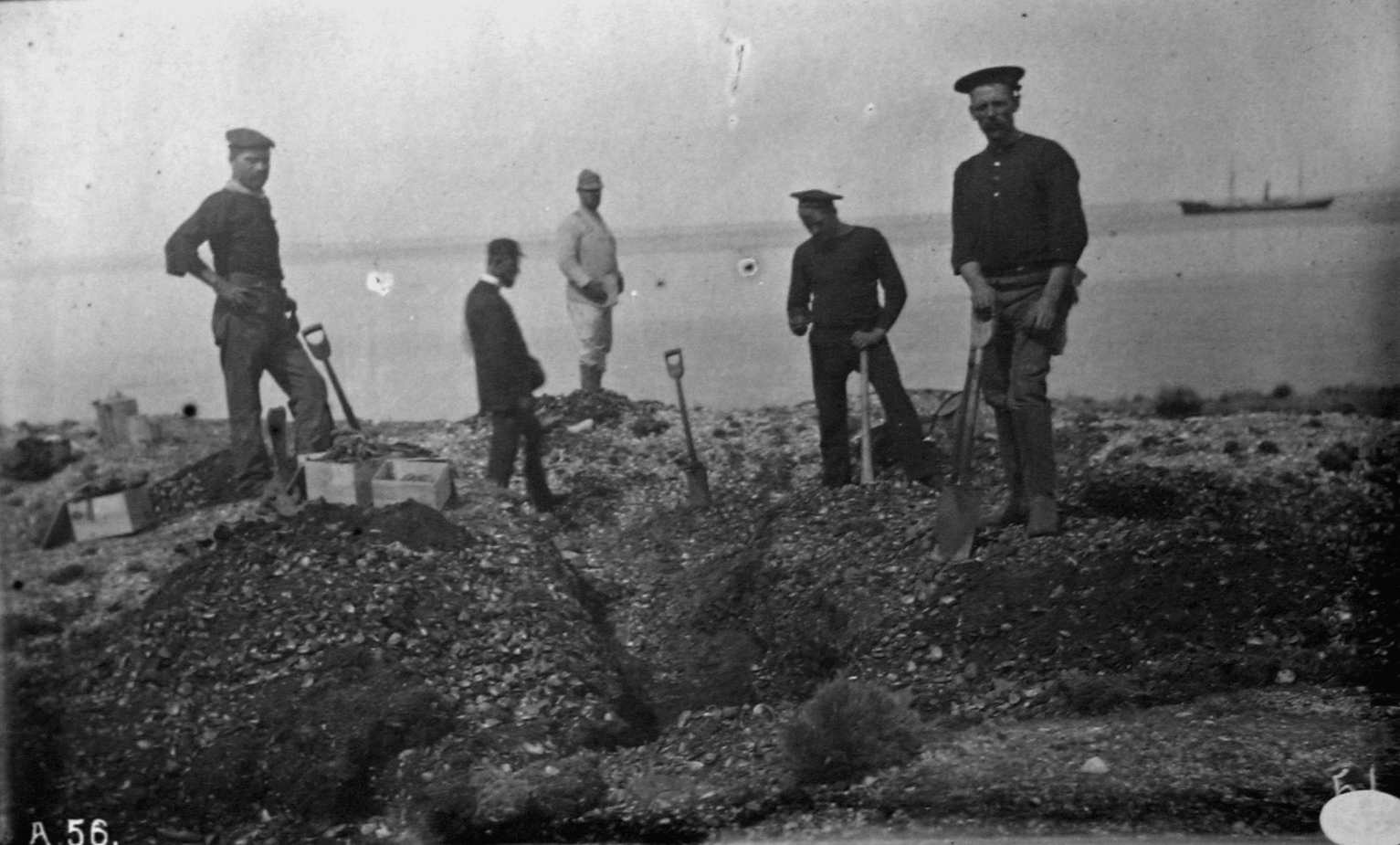
The first surprise is scale: the Calusa didn’t leave small kitchen refuse but earthworks of shell that rise like white ridgelines above the flats. These ridges are living documents, packed with fish bones, pottery, charcoal, and microscopic grains that record storms, feasts, and daily meals. When you step onto one of these mounds, the ground crunches faintly, and the view suddenly widens over the bay like a balcony designed for watching the weather.
Inside the mounds, cores pulled up by researchers read like cross sections of time, each layer a paragraph about diet, ritual, and rising or falling seas. Buried wood survives in oxygen-poor pockets, preserving carved objects and building timbers that rarely endure in coastal climates. Together, these hidden clues point to a society that scaled up shell not just as trash, but as a deliberate construction material and an archive of rule.
A Kingdom on Water: Mound Key and the Estuary Cities
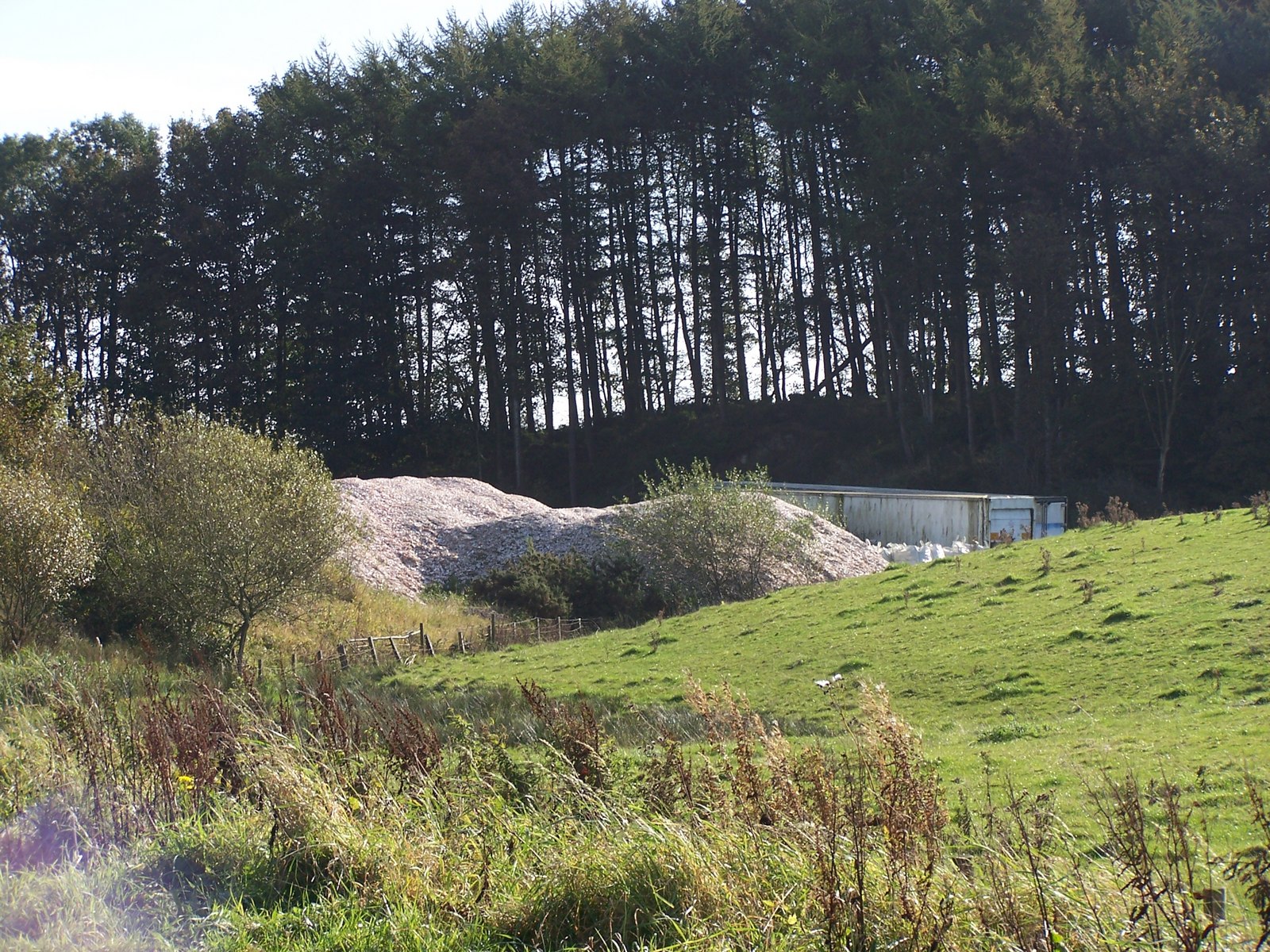
At the heart of the Calusa world, Mound Key stands in Estero Bay, a shell-built island laced with canals and elevated platforms. Archaeologists interpret its axial canal and flanking mounds as the footprint of a political and ceremonial center that managed territory across much of southwest Florida. Sixteenth‑century Spaniards attempted to establish a presence here, a terse acknowledgment that real power already lived on the water.
Other hubs, such as the Pineland complex on Pine Island, show neighborhoods of shell architecture arranged along navigable channels. Causeways stitched across shallows created reliable movement even when storms tore at the coastline. This was urban planning for a tidal city, where oars, currents, and social authority moved together.
From Ancient Tools to Modern Science
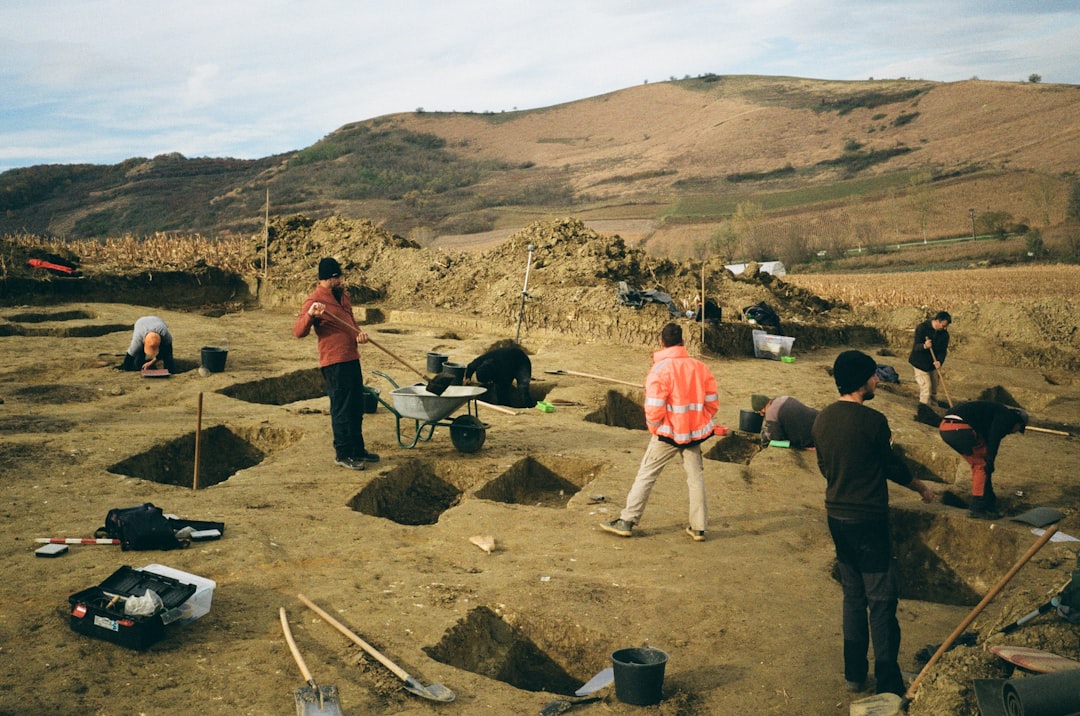
Calusa artisans turned shell into chisels, gouges, and hammers, then used them to shape wood for platforms, pilings, and canoes. Bone points and nets targeted mullet, pinfish, and larger catches, while pottery helped process oils and stews that powered daily life. The toolkit tells a simple truth: the sea was the field, and fishing was the harvest.
Modern science adds resolution that field notes alone can’t capture. Drone photogrammetry maps mounded skylines, LiDAR peels back mangroves to reveal canal grids, and ground‑penetrating radar sketches buried walls without a shovel. Stable‑isotope studies from fish bones track seasonal gathering, while radiocarbon dates bracket construction episodes from the late first millennium through the colonial era.
Engineering with Shell: Architecture that Reshaped the Coast
Shell was the steel and concrete of the Calusa world, stacked into terraces for houses and ceremony, and packed into levees that tamed brackish swales. On Mound Key and other sites, rectangular basins known as watercourts appear to have stored live fish, turning tidal pulses into dependable food reservoirs. The effect was controlled scarcity: the Calusa bent time, buffering the feast‑and‑famine rhythm of coastal life.
Canals functioned as civic infrastructure, guiding traffic, marking boundaries, and likely serving as stagecraft for power. Elevated plazas funneled breezes and lifted elite dwellings above insects and storm splash. When hurricanes slammed the coast, shell mass absorbed punishment, then became the material for repair.
Global Perspectives
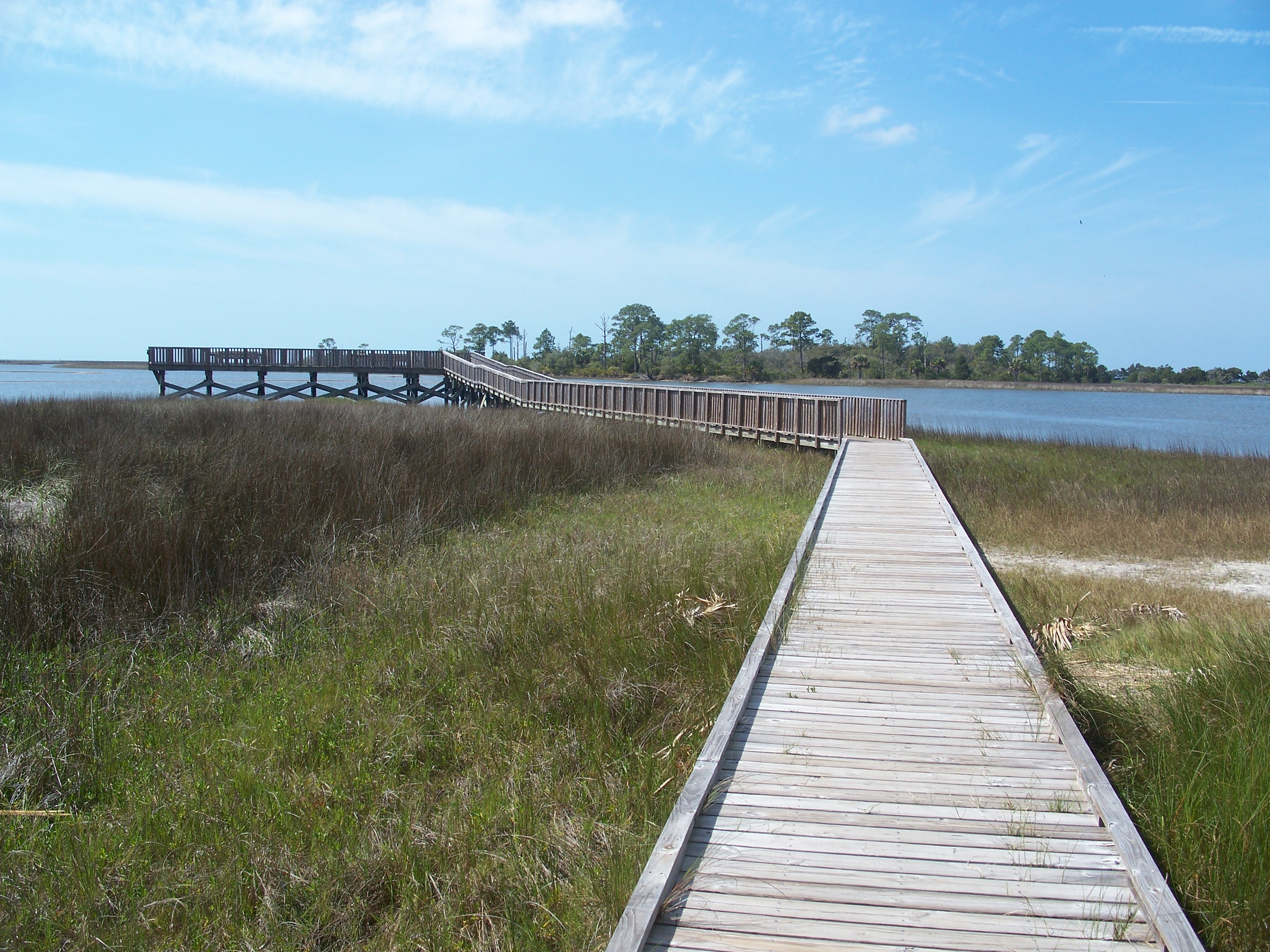
Middens appear worldwide – from the Jomon of Japan to the Danish coasts – but the Calusa pushed the concept toward urban landscape, not mere refuse. Few places show shellworks as city‑sized earthworks with canals, fish pens, and platform architecture integrated into one hydraulic plan. In that sense, southwest Florida stands closer to the engineered water gardens of parts of Oceania than to simple dump piles.
The comparison matters because it widens our definition of what counts as a city. The Calusa built density without streets and plazas paved in stone, instead paving with navigable water and elevated shell. In our era of coastal mega‑regions, this ancient blueprint feels startlingly current.
Why It Matters
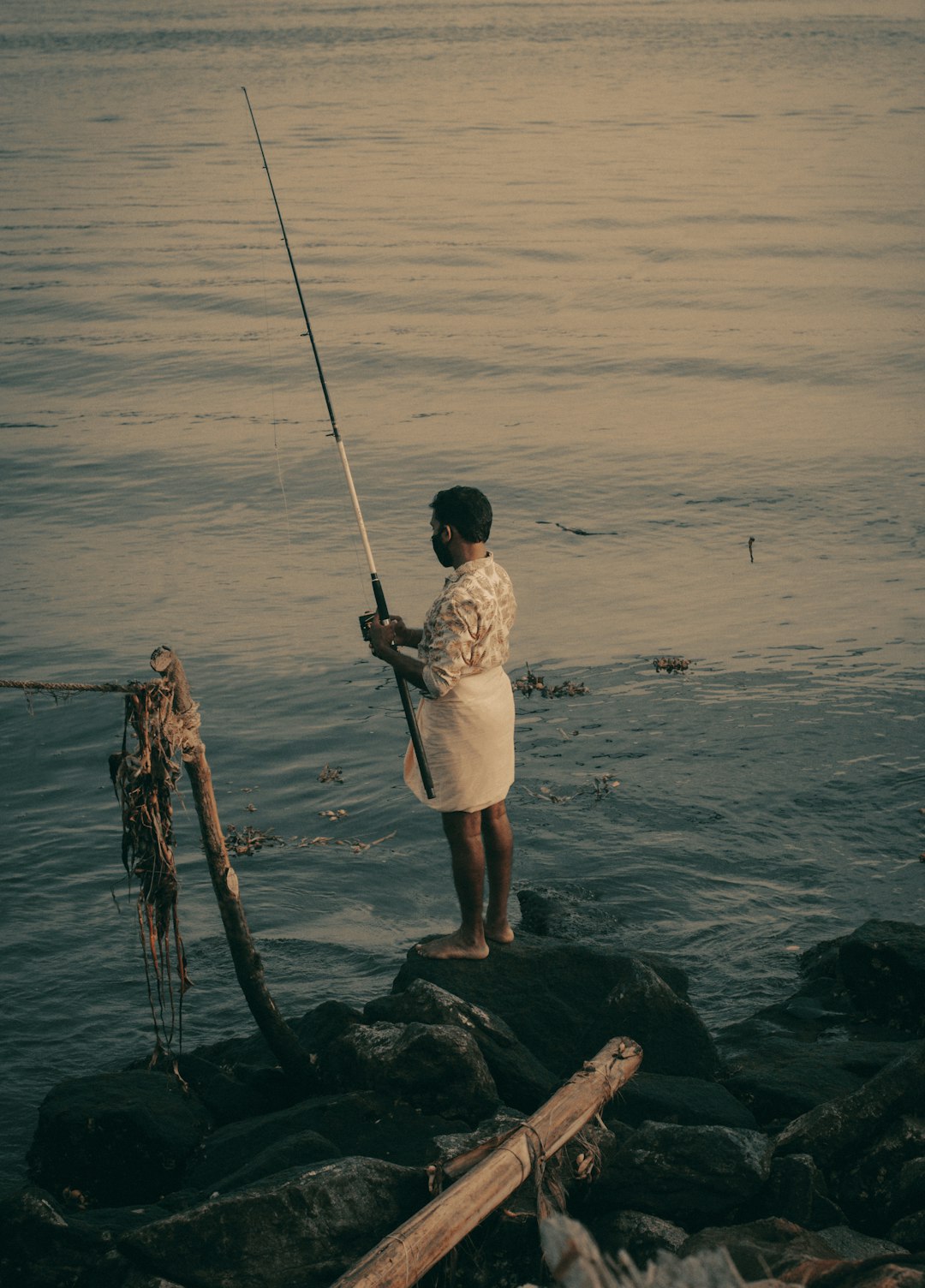
The Calusa dismantle a stubborn myth that agriculture is a prerequisite for political complexity. Here was a kingdom powered by fisheries, rituals, and hydrology, not by maize fields stretching to the horizon. Their system turned ecological knowledge into governance, making tides, habitats, and migration seasons part of civic scheduling.
That reframe has scientific heft and policy resonance. It suggests that complex societies can grow from rich commons when technology, storage, and social rules click into place. It also expands the archive for human innovation beyond farmed landscapes to include seascapes and estuaries.
The Future Landscape
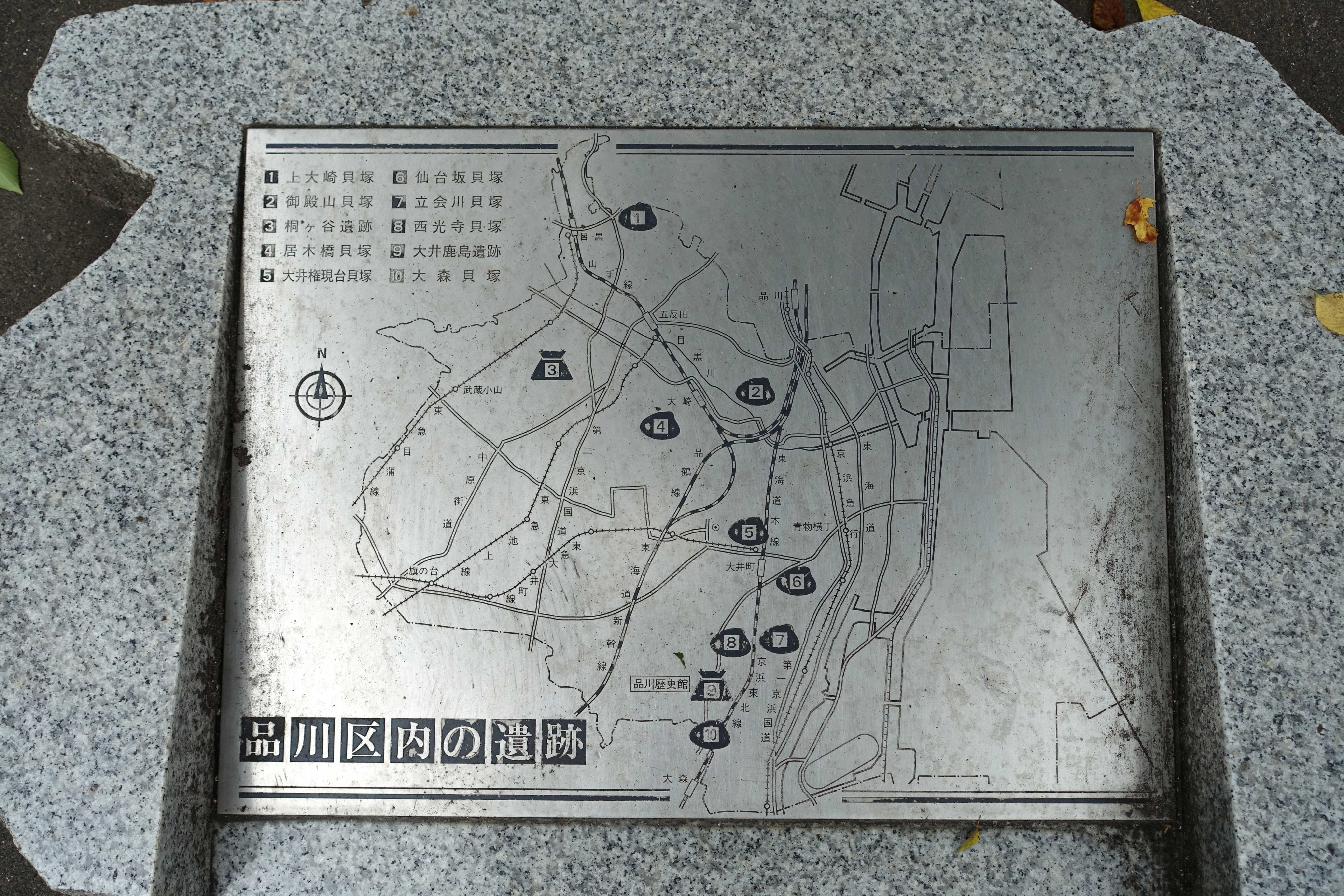
Time is now a sharper adversary than any rival chief: sea‑level rise, stronger storms, and shoreline development are erasing layers before they can be read. Erosion bites the toes of mounds, while boat wakes and looting scar fragile faces. Some features may vanish within a human lifetime if monitoring and protection fail.
New technologies offer a counterpunch. Environmental DNA can detect past species in sediments, emergency LiDAR can scan sites before storms, and 3D models let communities visit vulnerable places virtually while limiting foot traffic. The challenge will be marrying speed with care, and science with the voices of Indigenous communities who carry living knowledge of coastal Florida.
Conclusion
Start local: visit museum exhibits dedicated to the Calusa, and when you do, think of the mounds not as heaps but as architecture with memory. Support archaeological research programs that train students to document waterworks, canals, and fish pens before they fade. If you’re on the water, throttle down near shell islands and keep wakes low to protect shorelines.
Volunteer for coastal cleanups that remove debris from mangrove fringes where artifacts and eco‑archives are most exposed. Advocate for site protection and funding through state parks and research centers, and seek out programs that integrate Indigenous perspectives into stewardship. Small actions compound, much like shells, until they become structure.
Sources:
- Florida Museum of Natural History, University of Florida – Calusa culture overview and research archives.
- Randell Research Center, University of Florida – Pineland site studies and coastal archaeology reports.