
The technology landscape is evolving at breakneck speed, and we’re standing at the edge of something extraordinary. Our baker’s dozen of technology trends shaping 2025 underscores the vast potential of emerging technologies and the need for strategic alignment in an AI-powered future. The United Nations has designated 2025 the International Year of Quantum Science and Technology, celebrating 100 years since the initial development of quantum mechanics.
The Top 10 Emerging Technologies of 2025, developed in collaboration with Frontiers, highlights 10 innovations with the potential to reshape industries and societies. In areas from AI to nanotechnology and energy, the technologies in the report are set to deliver impact in the next three to five years. These technologies aren’t just theoretical concepts anymore; they’re becoming the building blocks of tomorrow’s reality. So let’s dive in and explore these revolutionary innovations that are about to change everything.
#17 Artificial Intelligence Integration Across All Sectors
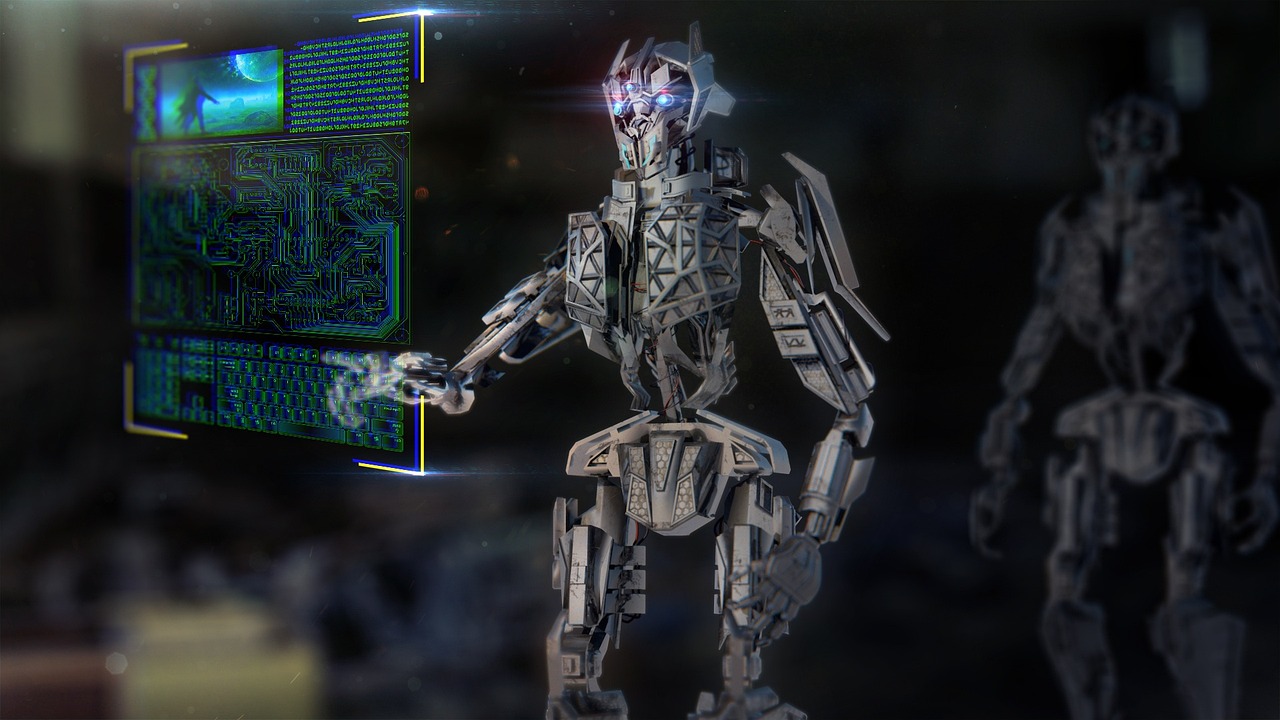
Tech Trends 2025 reveals the extent to which AI is being woven into the fabric of our lives. We’ll eventually think of AI in the same way that we think of HTTP or electricity. The transformation happening right now is unlike anything we’ve seen before. Honestly, it’s fascinating to watch how AI has moved from being a buzzword to becoming as essential as running water.
AI is a widely applicable, general-purpose technology with use cases in every industry and business function – and thus lots of innovation and interest – and it is scaling rapidly across the business landscape. AI is a widely applicable, general-purpose technology with use cases in every industry and business function – and thus lots of innovation and interest – and it is scaling rapidly across the business landscape. The real magic happens when we stop thinking about using AI and simply experience a world where it makes everything work smarter. From healthcare diagnostics to financial modeling, AI isn’t just improving existing processes; it’s completely reimagining them.
#16 Quantum Computing Breakthroughs
Our research indicates this is already happening; quantum computing companies are experiencing significant revenue growth, with industry reports suggesting strong market expansion expected to continue through 2025. Our fourth annual Quantum Technology Monitor report shows that surging investment and faster-than-expected innovation could propel the quantum market to $100 billion in a decade. The numbers speak for themselves, though what truly excites me is the shift from theoretical possibility to practical application.
In 2024, the QT industry saw a shift from growing quantum bits (qubits) to stabilizing qubits – and that marks a turning point. It signals to mission-critical industries that QT could soon become a safe and reliable component of their technology infrastructure. Think of it like the moment when personal computers moved from research labs into actual offices. We’re witnessing that same pivotal transformation with quantum technology right now, making it ready for real-world deployment across industries.
#15 Advanced Robotics and Autonomous Systems
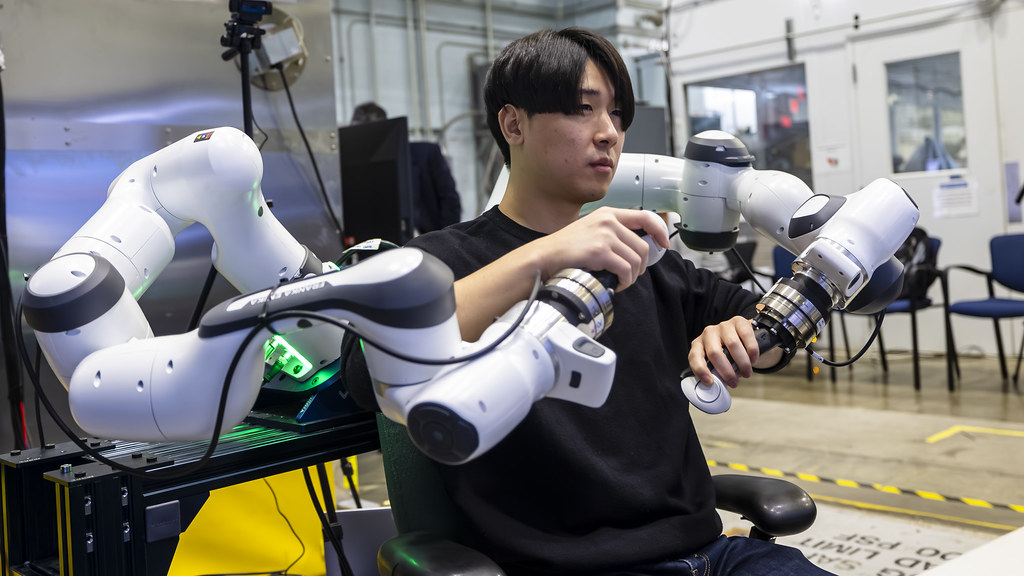
At MIT, researchers under the leadership of Daniela Rus at the Computer Science and Artificial Intelligence Laboratory (CSAIL) are reportedly working on advanced robotic systems designed to perform complex household tasks. The breakthrough here isn’t just mechanical dexterity; it’s the ability to learn and adapt without constant programming.
These robots use machine learning techniques to generalize tasks, meaning they do not need to be programmed for each specific action. This generalization capability allows robots to perform various household chores with minimal human intervention. What strikes me most is how this mirrors human learning patterns. Just as we learn to wash dishes and then apply similar techniques to cleaning other objects, these robots are developing that same intuitive understanding. The implications for manufacturing, healthcare, and domestic life are staggering.
#14 Agentic AI and Autonomous Decision-Making
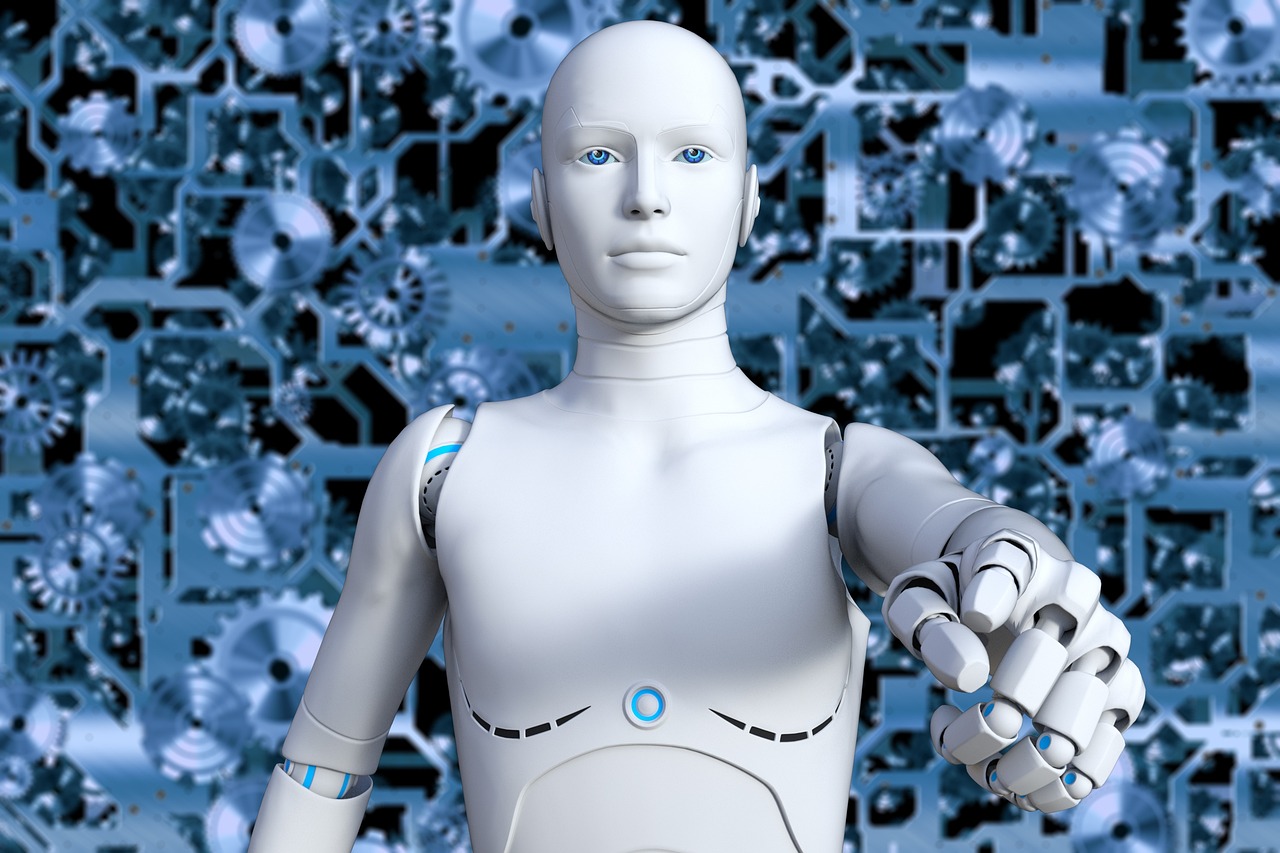
In 2025, attention is shifting to “agentic” AI – models and systems capable of making autonomous decisions. Gartner identifies AI agents as a key trend for the year ahead, while industry surveys suggest that AI agents are increasingly viewed as a key trend in data and AI by business executives for 2025. This isn’t just about better chatbots; we’re talking about AI systems that can take initiative and solve problems independently.
The advance of AI agents is the immediate top-line story. At full potential, they’ll run complete processes and workflows. Picture an AI agent that doesn’t just answer customer service questions, but proactively identifies potential issues, coordinates with multiple departments, and implements solutions before problems escalate. I think we’re moving toward a future where AI agents become trusted colleagues rather than just sophisticated tools.
#13 Structural Battery Composites

Where lithium-ion batteries are solid structures that need their own space, structural battery composites (SBCs) are a weight-bearing material – like carbon fibre or epoxy resin – that can also store electrical energy. This technology could make electric vehicles lighter and more efficient and could also be applied to aircraft, as potential applications include fuselages. This innovation completely reimagines how we think about energy storage.
Instead of carrying batteries as dead weight, vehicles and aircraft can actually use their structural components to store power. The elegance of this solution reminds me of how nature often combines multiple functions in a single system. When applied to electric aircraft, this technology could finally make long-distance electric flight commercially viable, revolutionizing both aviation and environmental sustainability.
#12 AI-Generated Content Watermarking
In an era of deepfakes and synthetic media, this technology is a welcome addition. It adds invisible tags to AI-generated content, which makes it easier to identify what’s real and what isn’t, and as a result will help fight misinformation and improve trust online. The timing couldn’t be more crucial as synthetic content becomes increasingly sophisticated and harder to detect.
At the level of pixels, which human eyes can’t resolve, but computers can … you write a signature into the image that says ‘Hi, I’m from AI’. A number of leading tech companies are increasingly integrating watermarking. What fascinates me about this approach is its subtlety. Rather than creating obvious markers that could be easily removed, these invisible signatures work at a level that preserves the content’s integrity while maintaining transparency about its origin.
#11 Spatial Computing and Mixed Reality
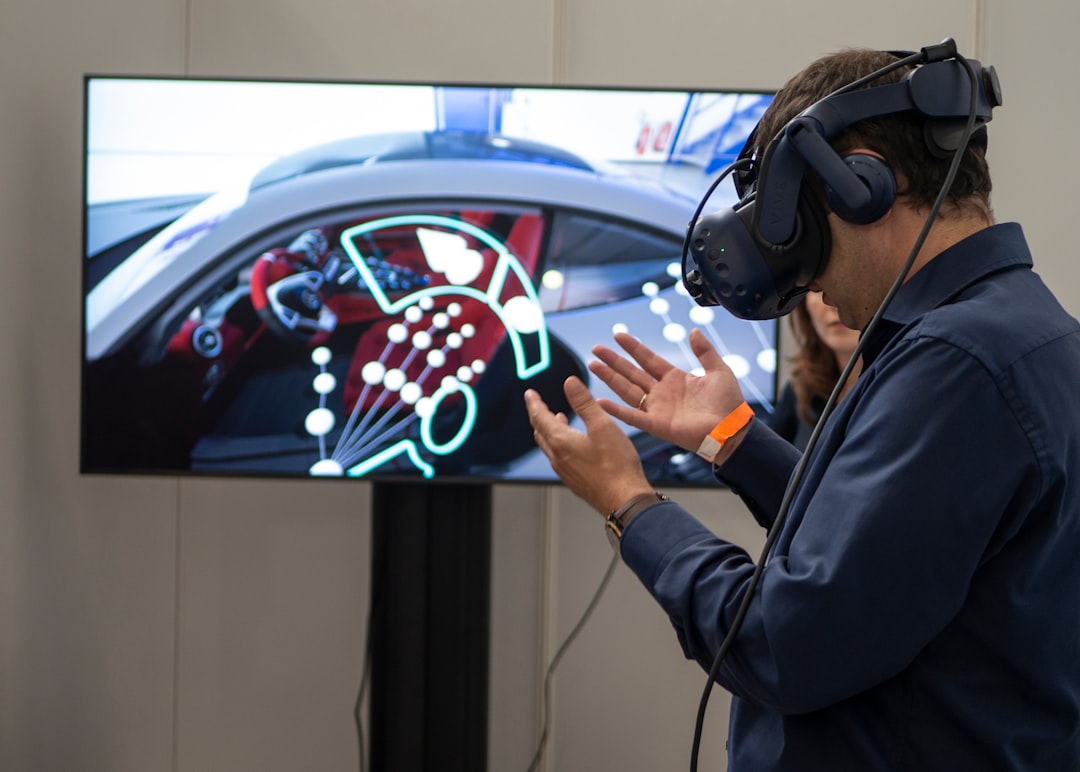
The history of IT has been a steady evolution of pioneering innovations in interaction, information, and computation, which together serve as the three enduring eternities of modern computing · What is the future of spatial computing? With real-time simulations as just the start, new, exciting use cases can reshape industries ranging from health care to entertainment. We’re witnessing the birth of computing that exists in three-dimensional space rather than confined to screens.
Experts point to a wide range of emerging trends, including spatial computing – technology that bridges the physical and digital worlds with solutions like the Ray-Ban Meta collection of smart glass – and solar geoengineering. The real breakthrough comes when digital information seamlessly integrates with physical environments. Imagine surgeons operating with real-time patient data overlaid directly onto their field of view, or architects designing buildings by manipulating virtual structures in actual construction sites.
#10 Nuclear Energy Renaissance
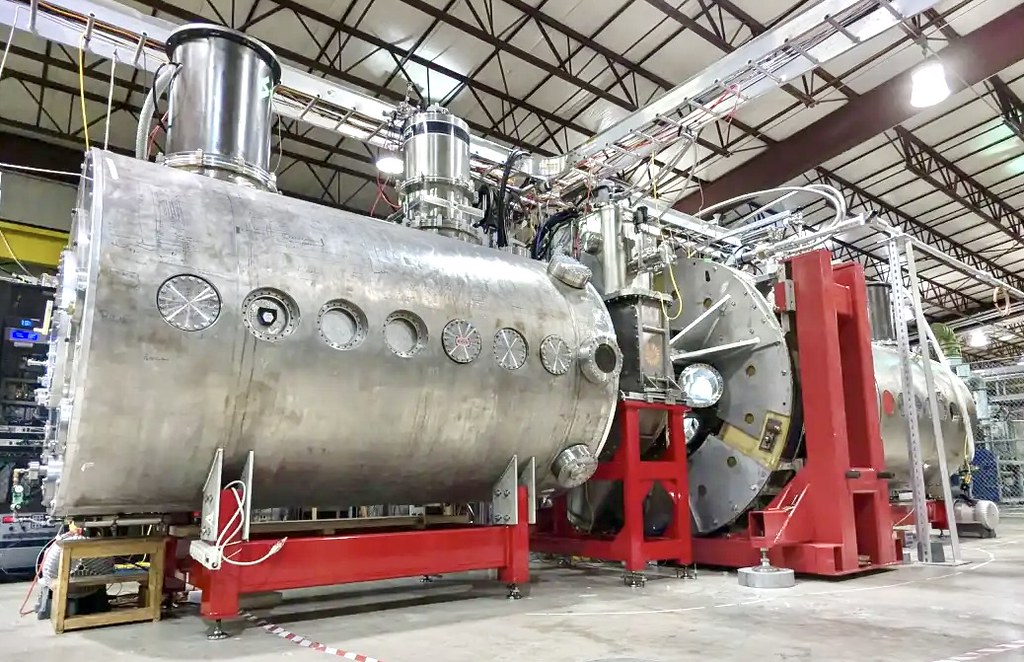
However, Jorge Camacho highlights that other contenders will emerge in the race for clean energy, such as nuclear power. By 2025, nuclear energy could see a resurgence, driven by support from “Big Tech” and the growing adoption of small modular reactors (SMRs). The nuclear comeback story is being written by technology giants who need massive amounts of clean energy for their data centers and AI operations.
Small modular reactors represent a fascinating departure from traditional nuclear power plants. They’re safer, more flexible, and can be deployed in locations where massive nuclear facilities wouldn’t be practical. This shift toward smaller, distributed nuclear power mirrors the broader trend we’ve seen in computing, where centralized mainframes gave way to distributed networks of smaller, more efficient systems.
#9 Bioengineering and Synthetic Biology
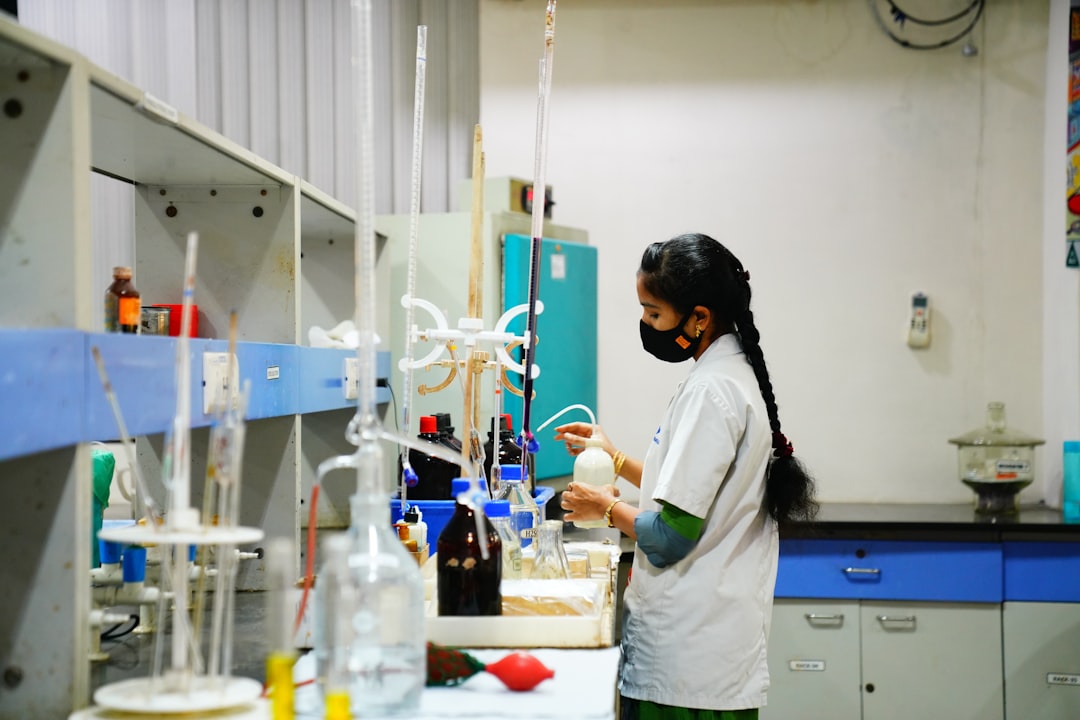
Based on expert nominations and rigorous foresight evaluation, the report spans from structural battery composites and engineered living therapeutics to osmotic power and AI-generated content watermarking. Consider, for example, combinations of AI with biological systems or the role of new materials in advancing clean energy. The convergence of biology and technology is creating possibilities that sound like science fiction but are rapidly becoming reality.
Engineered living therapeutics represent a paradigm shift in medicine, where we’re literally programming biological systems to treat diseases. These aren’t just medications; they’re living, adaptive treatments that can respond to changing conditions in the body. The potential to combine this with AI for personalized medicine creates a future where treatments evolve alongside the patient’s needs.
#8 Next-Generation Semiconductors
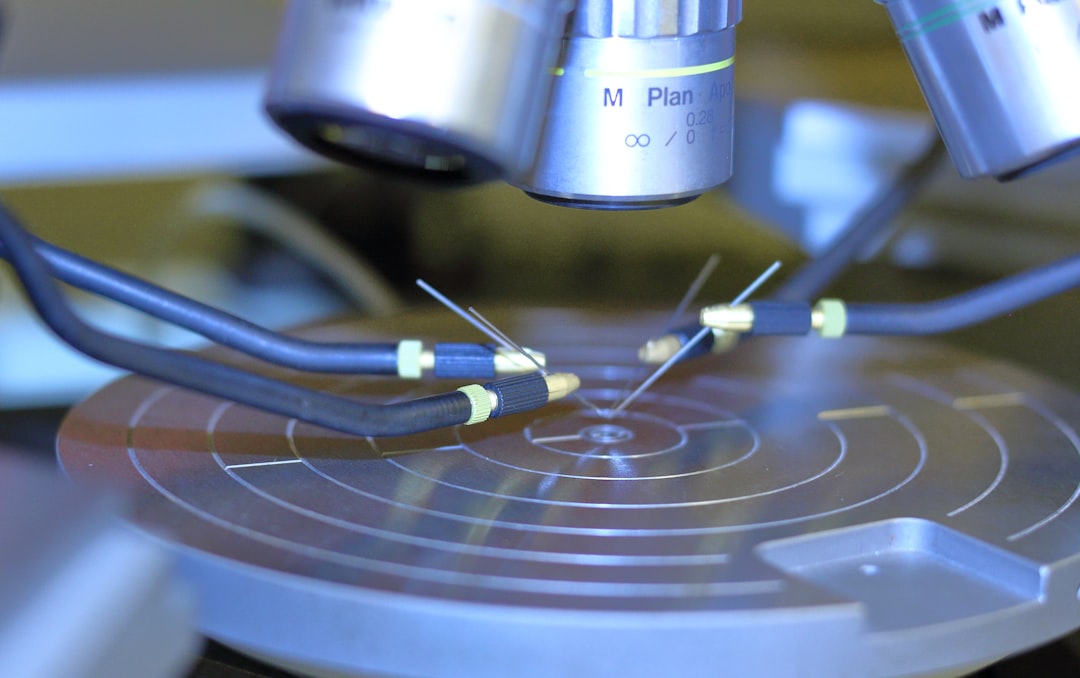
The agentic AI and application-specific semiconductors trends have been added since last year’s publication. Application-specific semiconductors are becoming crucial as we move beyond general-purpose computing toward specialized chips designed for specific AI workloads. This isn’t just about faster processors; it’s about fundamentally rethinking how we design computing hardware.
These specialized chips are optimized for particular tasks like machine learning inference, quantum operations, or real-time data processing. Think of it as the difference between a Swiss Army knife and a precision surgical instrument. While general-purpose chips can handle many tasks adequately, these specialized semiconductors excel at specific functions with unprecedented efficiency and speed.
#7 Sustainable Energy and Climate Technologies
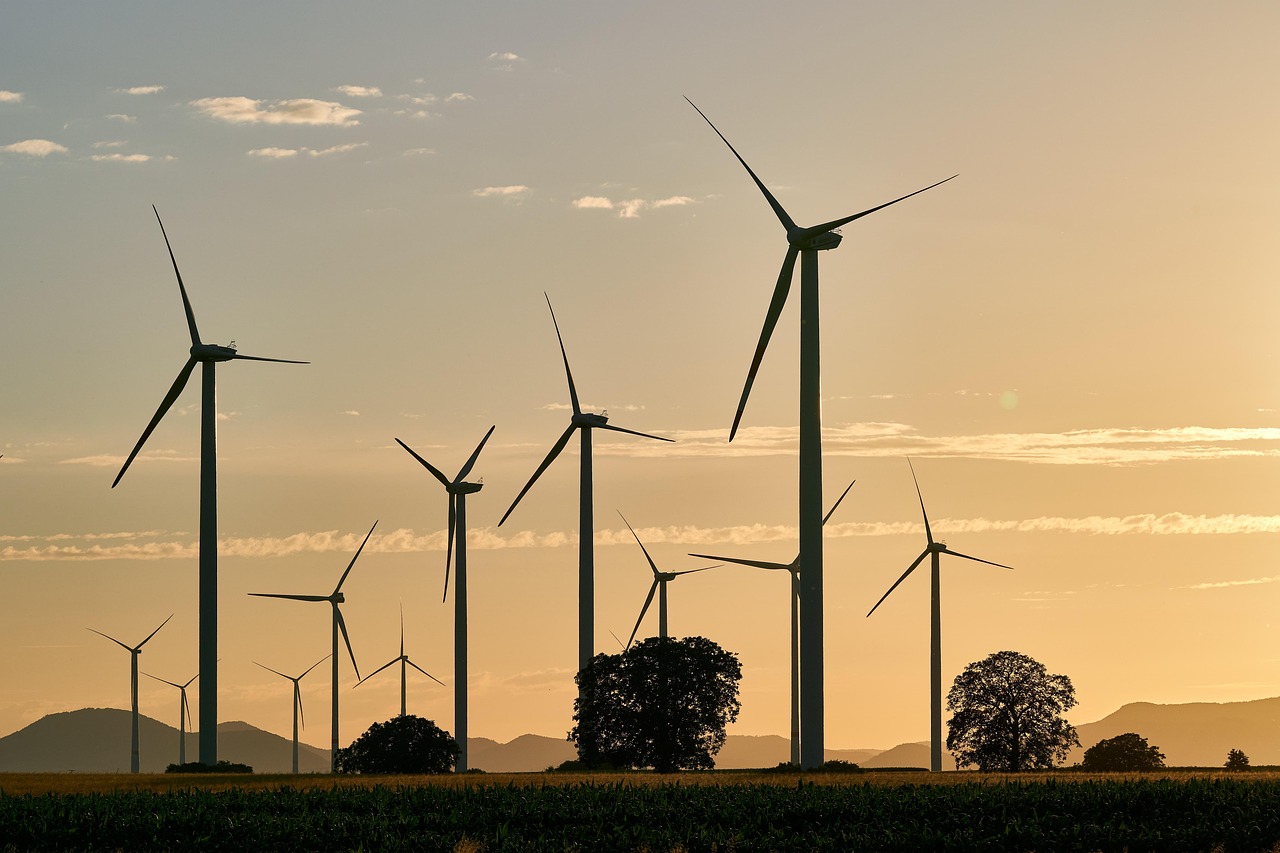
Two separate trends from last year, electrification and renewables and climate technologies beyond electrification, have been combined into a single trend: future of energy and sustainability technologies. The integration of these technologies reflects a broader understanding that solving climate challenges requires a holistic approach rather than isolated solutions.
The two trends with the highest levels of equity investment, the future of energy and sustainability technologies and the future of mobility, declined overall in 2023, but the former bounced back in 2024. What excites me about this rebound is that it demonstrates investor confidence in long-term sustainability solutions. We’re seeing technologies like advanced solar cells, next-generation wind turbines, and revolutionary battery storage systems converging to create an entirely new energy ecosystem.
#6 Brain-Computer Interfaces
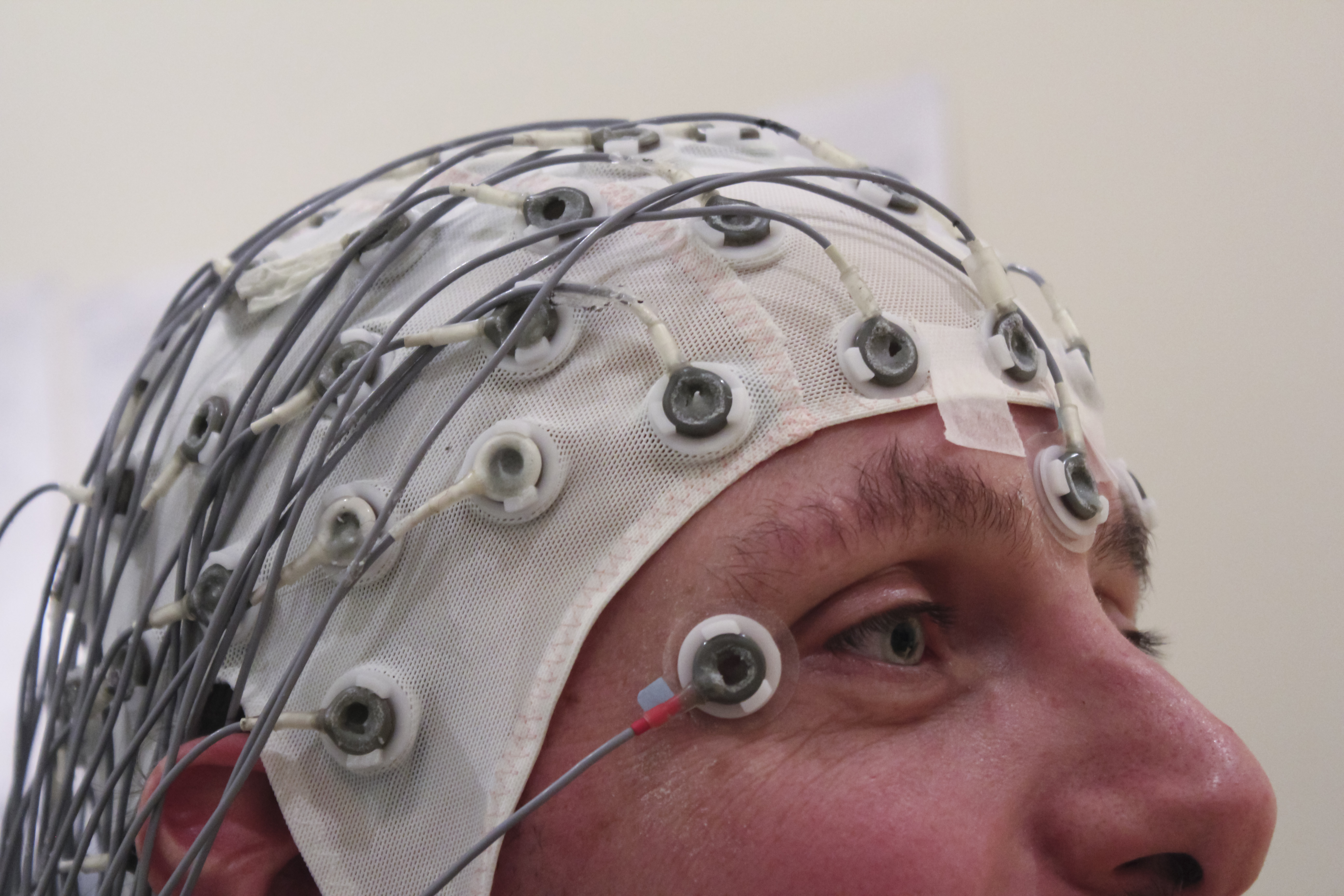
By 2035, artificial superintelligence, quantum computing, brain–computer interfaces, polyfunctional robots will transform every sector. Among the standout trends: artificial superintelligence, quantum computing, brain–computer interfaces, polyfunctional robots, and space mining. Brain-computer interfaces are moving from experimental research to practical applications faster than most people realize.
Chinese startup StairMed manufactures invasive brain-computer interface (BCI) technologies and neural implants. They restore motor functions, monitor neurological disorders, and support sensory rehabilitation. The therapeutic applications are already showing remarkable results for patients with paralysis, depression, and other neurological conditions. Yet what truly captures my imagination is the potential for healthy individuals to enhance their cognitive abilities and directly interface with digital systems through thought alone.
#5 Space Technologies and Commercial Space Economy
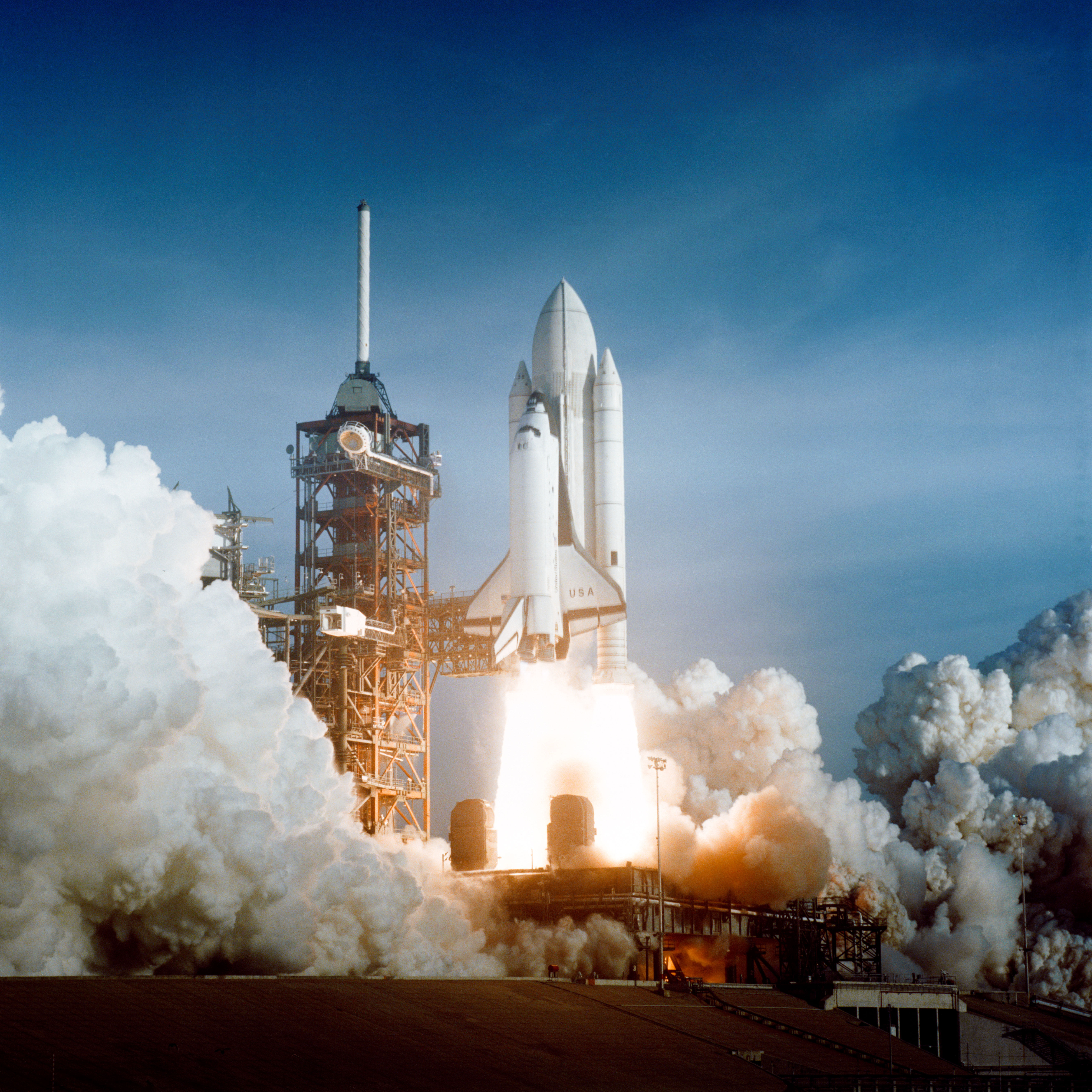
Space technology is accelerating, with private companies launching satellites, exploring lunar missions, and advancing space tourism. The commercialization of space is expanding humanity’s reach beyond Earth, creating new opportunities for scientific discovery and commercial ventures. The space economy is no longer about government agencies and billion-dollar missions; it’s becoming accessible to private companies and entrepreneurs.
Space technology is not just limited to exploration but also includes innovations in satellite communications, Earth monitoring, and space-based data services. As new trends in technology emerge, the role of private sector companies in space exploration will continue to grow. I find it remarkable how quickly space has transformed from an exclusive domain to a thriving commercial ecosystem. From asteroid mining to orbital manufacturing, we’re witnessing the birth of entirely new industries beyond Earth’s atmosphere.
#4 Osmotic Power Generation

Osmotic power represents one of the most intriguing renewable energy technologies emerging in 2025. This technology harnesses the energy created when fresh water meets salt water, generating electricity through natural processes that occur wherever rivers meet oceans. Unlike solar or wind power, osmotic energy provides consistent, predictable power generation regardless of weather conditions.
The beauty of osmotic power lies in its abundance and reliability. Every river delta and coastal region becomes a potential power plant, offering a truly distributed energy solution. Early pilot projects are demonstrating the viability of this technology, and I believe we’ll see significant scaling in the coming years as materials science advances make the membranes more efficient and cost-effective.
#3 Digital Therapeutics and Precision Medicine

In parallel, the global digital therapeutics market is forecast to experience substantial growth, with various industry analyses projecting significant expansion through 2030. Further, the COVID-19 pandemic accelerated the adoption of digital therapeutics. Digital therapeutics represent a fundamental shift from one-size-fits-all treatments to personalized, data-driven healthcare interventions.
AI-driven healthcare is revolutionizing the medical field by enabling predictive diagnostics, personalized treatments, and robotic surgeries. By analyzing vast amounts of medical data, AI can assist in early disease detection, reducing human error and improving patient outcomes. These aren’t just apps that remind you to take medication; they’re sophisticated treatment platforms that adapt based on real-time patient data. The convergence of AI, wearable sensors, and genomic data is creating treatment experiences that are uniquely tailored to each individual’s biology and lifestyle.
#2 Quantum Sensors and Navigation Systems
Notable advances over the past year include NASA’s first demonstration of an ultracold quantum sensor in space; Q-CTRL’s use of quantum magnetometers to navigate GPS-denied environments; QuantumDiamonds’ launch of a diamond-based microscopy tool for semiconductor failure analysis; and SandboxAQ’s introduction of AQNav, a real-time, AI-driven quantum navigation system. Notable advances over the past year include NASA’s first demonstration of an ultracold quantum sensor in space; Q-CTRL’s use of quantum magnetometers to navigate GPS-denied environments; QuantumDiamonds’ launch of a diamond-based microscopy tool for semiconductor failure analysis; and SandboxAQ’s introduction of AQNav, a real-time, AI-driven quantum navigation system.
These quantum sensors operate with sensitivity levels that seemed impossible just a few years ago. They can detect the smallest magnetic fields, gravitational variations, and even trace amounts of substances. The navigation applications are particularly compelling, offering alternatives to GPS that work in environments where satellite signals are blocked or jammed. This technology could revolutionize everything from autonomous vehicles to medical imaging.
#1 Post-Quantum Cryptography
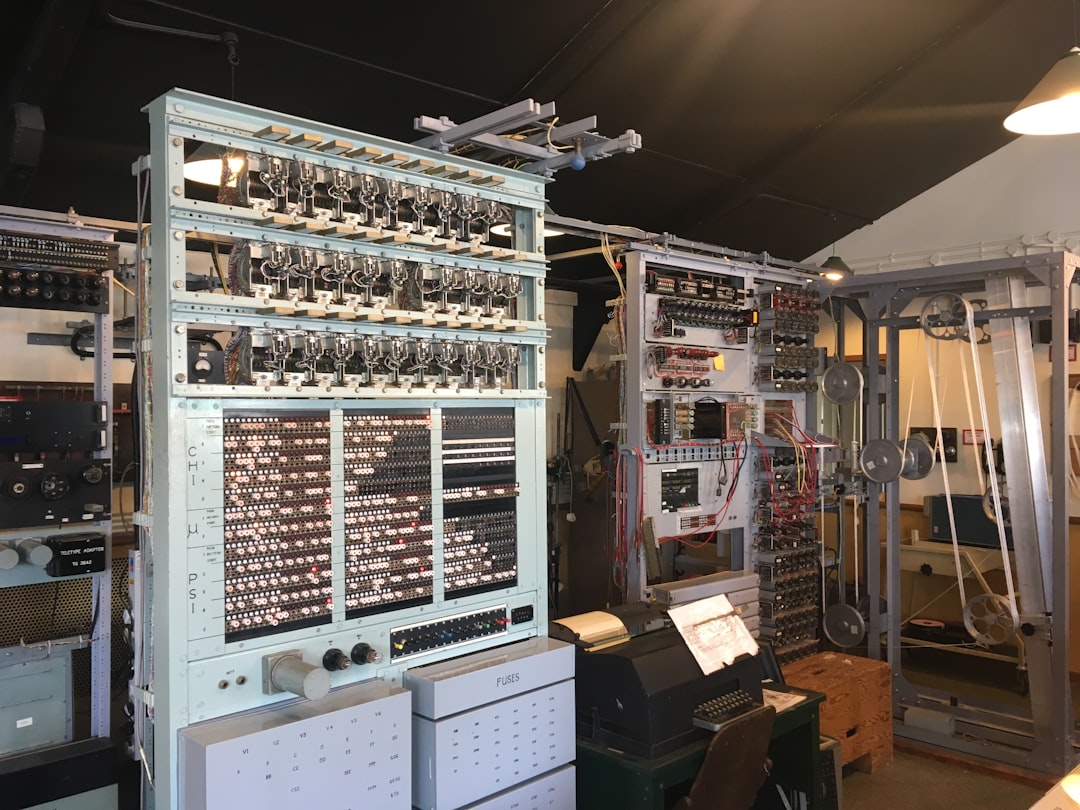
Quantum computers are likely to pose a severe threat to today’s encryption practices. Updating encryption has never been more urgent. This isn’t a distant future concern; it’s an immediate priority that organizations must address now. The current encryption methods that protect everything from banking transactions to government communications will become vulnerable once large-scale quantum computers become operational.
Quantum poses risks to current encryption methods but offers solutions too, like quantum key distribution (QKD). Organizations must pivot fast to quantum-safe systems or face critical vulnerabilities. What makes this particularly urgent is that sensitive data encrypted today could be stored by adversaries and decrypted later when quantum computers become powerful enough. The race to implement quantum-resistant encryption represents one of the most critical technology transitions of our time, affecting virtually every digital system we rely on.
Conclusion
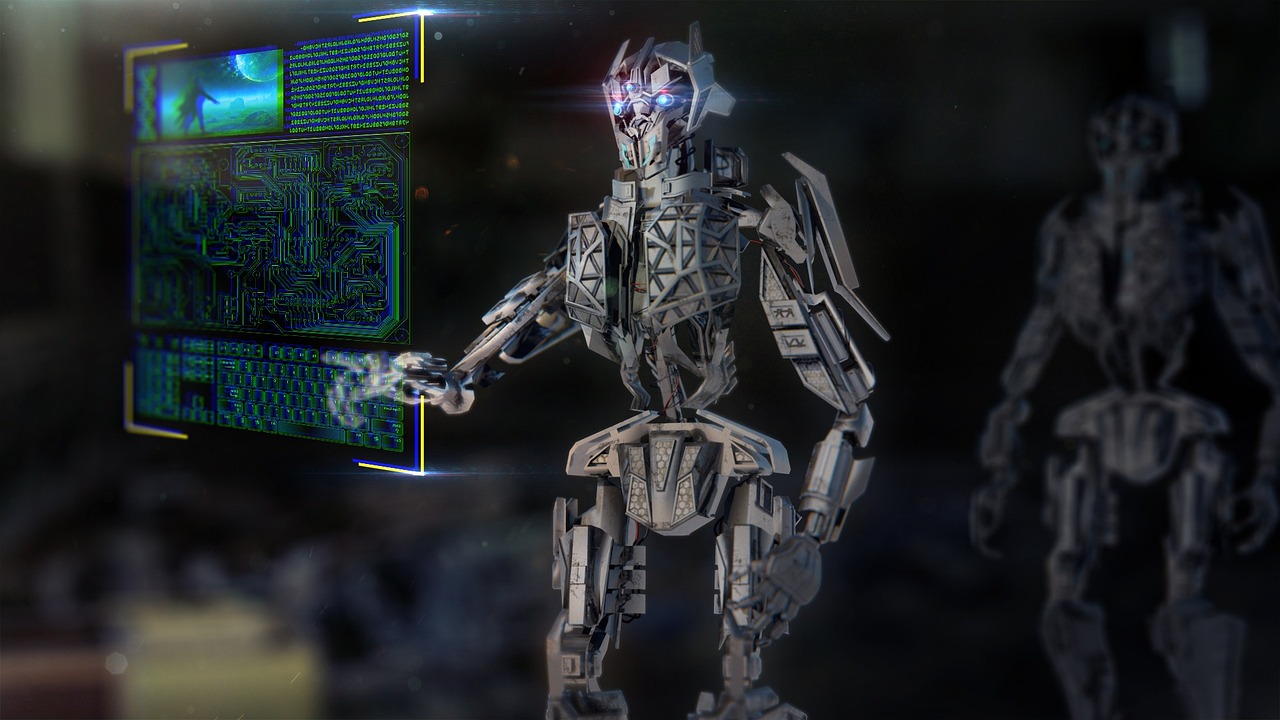
These seventeen technologies represent more than just incremental improvements; they’re the building blocks of a fundamentally transformed world. As we navigate the future, one truth emerges: the story of quantum computing and robotics is not one of competition but of complementarity. In the end, these technologies together form the dual engines of progress, propelling humanity toward a future where imagination meets reality.
The convergence of these innovations promises to solve some of humanity’s greatest challenges while creating opportunities we can barely imagine. From quantum-enhanced drug discovery to AI-powered climate solutions, we’re witnessing the dawn of an era where technology truly serves human potential. What fascinates me most is how these technologies will interact with each other, creating synergies that amplify their individual impacts exponentially.
What do you think about these emerging technologies? Which ones do you believe will have the most profound impact on your daily life? Tell us in the comments.
Hi, I’m Andrew, and I come from India. Experienced content specialist with a passion for writing. My forte includes health and wellness, Travel, Animals, and Nature. A nature nomad, I am obsessed with mountains and love high-altitude trekking. I have been on several Himalayan treks in India including the Everest Base Camp in Nepal, a profound experience.