Step into the tropical lowlands of what’s now Mexico, Guatemala, Belize, and Honduras, and you’re walking into a laboratory where ancient engineers solved hard problems with elegant solutions. The Maya didn’t have metal tools, wheeled transport, or draft animals, yet they built cities that breathed with the seasons and the sky. Their answers to water scarcity, heat, and mobility feel startlingly current as today’s cities face drought, flooding, and extreme weather. What’s emerging from new surveys and careful excavation is a portrait of a civilization that engineered not just monuments, but systems. The story is less about mystery and more about measurable ingenuity – and that makes it even more compelling.
The Hidden Clues: Reservoirs That Made Cities Possible
Many Maya capitals rose far from big rivers, so water security was everything. Engineers carved reservoirs into limestone bedrock and lined them with polished lime plaster, creating waterproof basins that could hold months of rain. Some basins included sediment traps and filtration systems using sand and gravel, clarifying water before it reached the main pool. In a region where dry seasons can be punishing, this turned rainfall into a dependable urban lifeline.
Walking the edges of a drained reservoir, you can still see the careful sloping that steered runoff into inlets while keeping mud at bay. It’s a reminder that the most crucial infrastructure isn’t always towering; sometimes it’s a quiet basin doing steady work while the city sleeps.
From Ancient Tools to Modern Science: Pressure in Stone Aqueducts
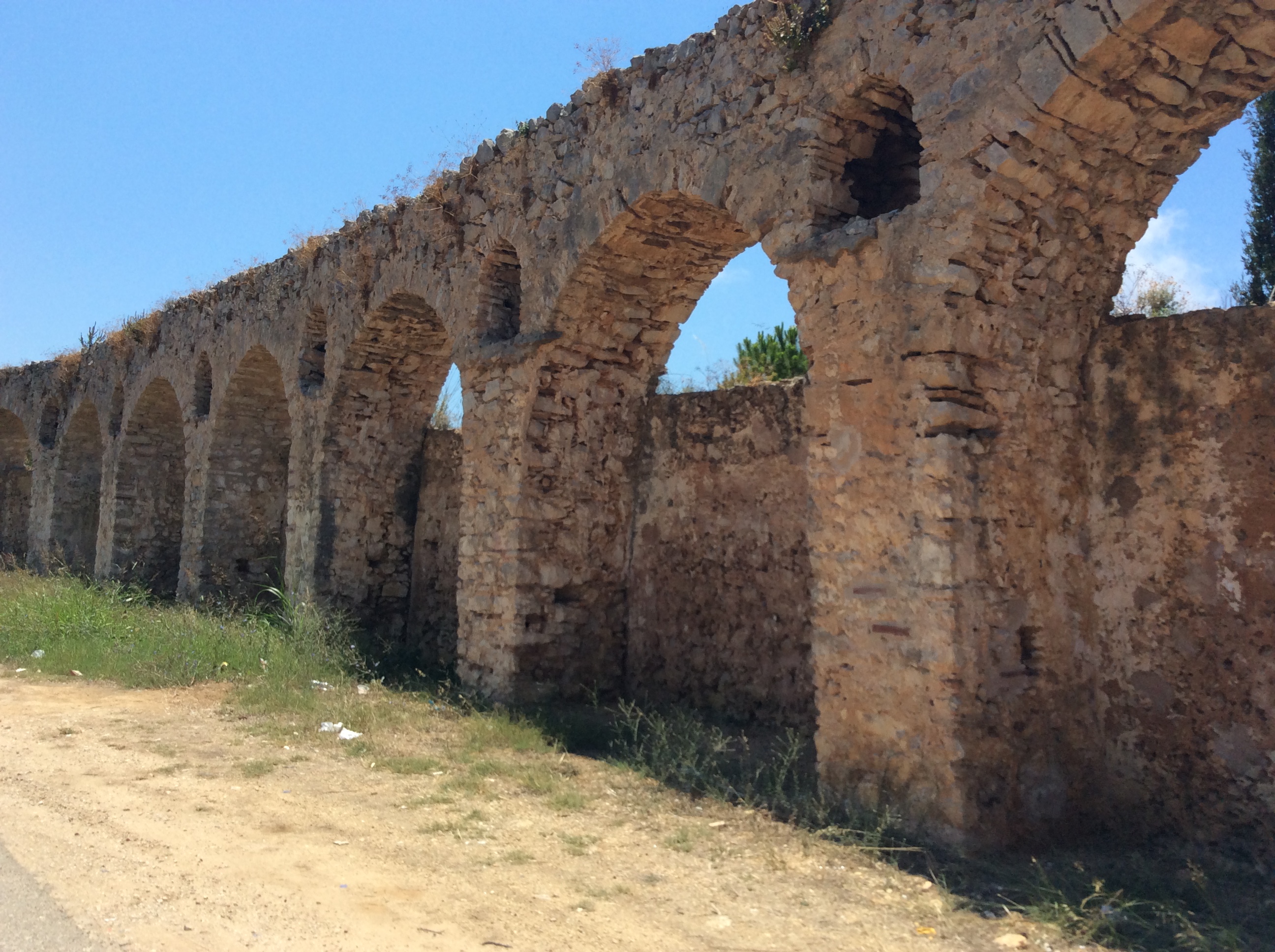
At select hill-foot cities, Maya engineers built covered channels that narrowed and dropped, creating water pressure without metal pipes or pumps. One system may have produced enough force to drive water upward, possibly as a fountain or to move flows across uneven terrain. The principle is straightforward physics – constrict the channel and increase the gradient – but applying it with cut stone and clay seals took nerve and precision. It’s the kind of solution that feels both austere and audacious.
I still find the idea thrilling: a stone-encased conduit humming with pressurized water under jungle shade. It shows how far careful observation and iterative craft can go, even without industrial-age tools.
White Roads in the Jungle: Mapping the Sacbeob Network
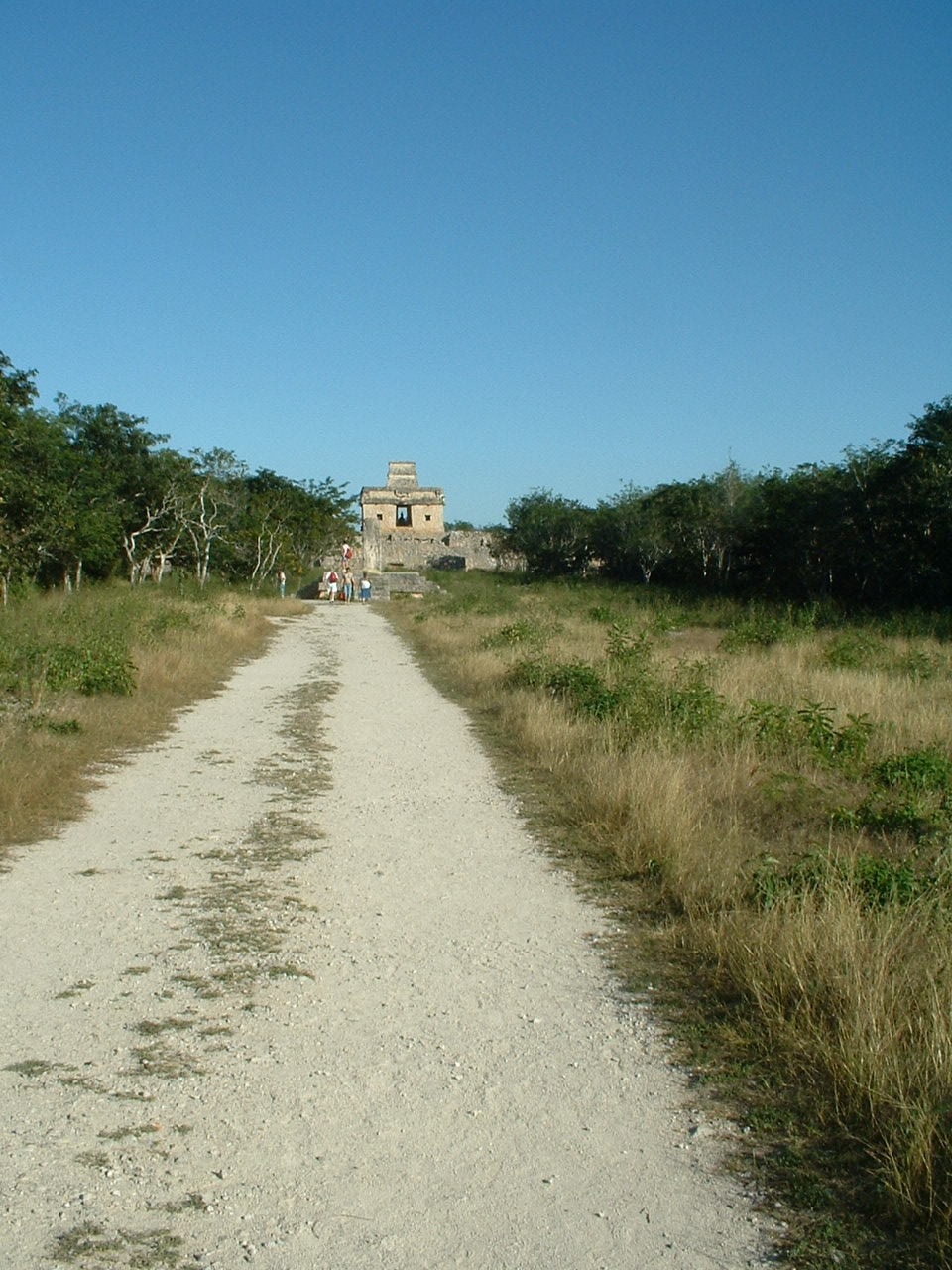
Maya roadways, known as sacbeob, were gleaming ribbons of lime-plastered fill that ran arrow-straight across swamps and forests. Their bright surfaces reflected moonlight, guiding night travelers and messengers long before street lamps. Engineers stabilized boggy ground with stacked stone and then capped the routes with hard, reflective plaster, creating reliable, fast links between neighborhoods, temples, and satellite towns. The visual drama was matched by geometry: many causeways hold to remarkably straight alignments over challenging ground.
These roads weren’t just paths; they were statements of connection and control. When modern mapping reveals new segments, you get the sense of a nervous system lighting up, showing how information, goods, and people pulsed through a sprawling urban world.
Skies as Blueprint: Observatories and Calendar Engineering
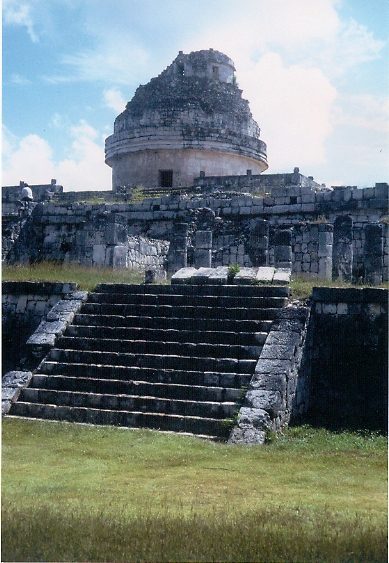
Maya cities wove astronomy into their bones, using building alignments to track the sun, Venus, and seasonal markers. Special complexes marked sunrise points on solstices and equinoxes, turning plazas into calendars you could walk through. That knowledge helped schedule planting, harvesting, and civic rites with a confidence grounded in repeated observation. Architecture became a timekeeping instrument the size of a neighborhood.
Stand on one platform at dawn and you can watch the horizon become a ruler. It’s a practical kind of cosmology – less mysticism, more measurement – and it kept farmers and rulers on the same seasonal page.
Materials Mastery: Lime, Stucco, and Maya Blue
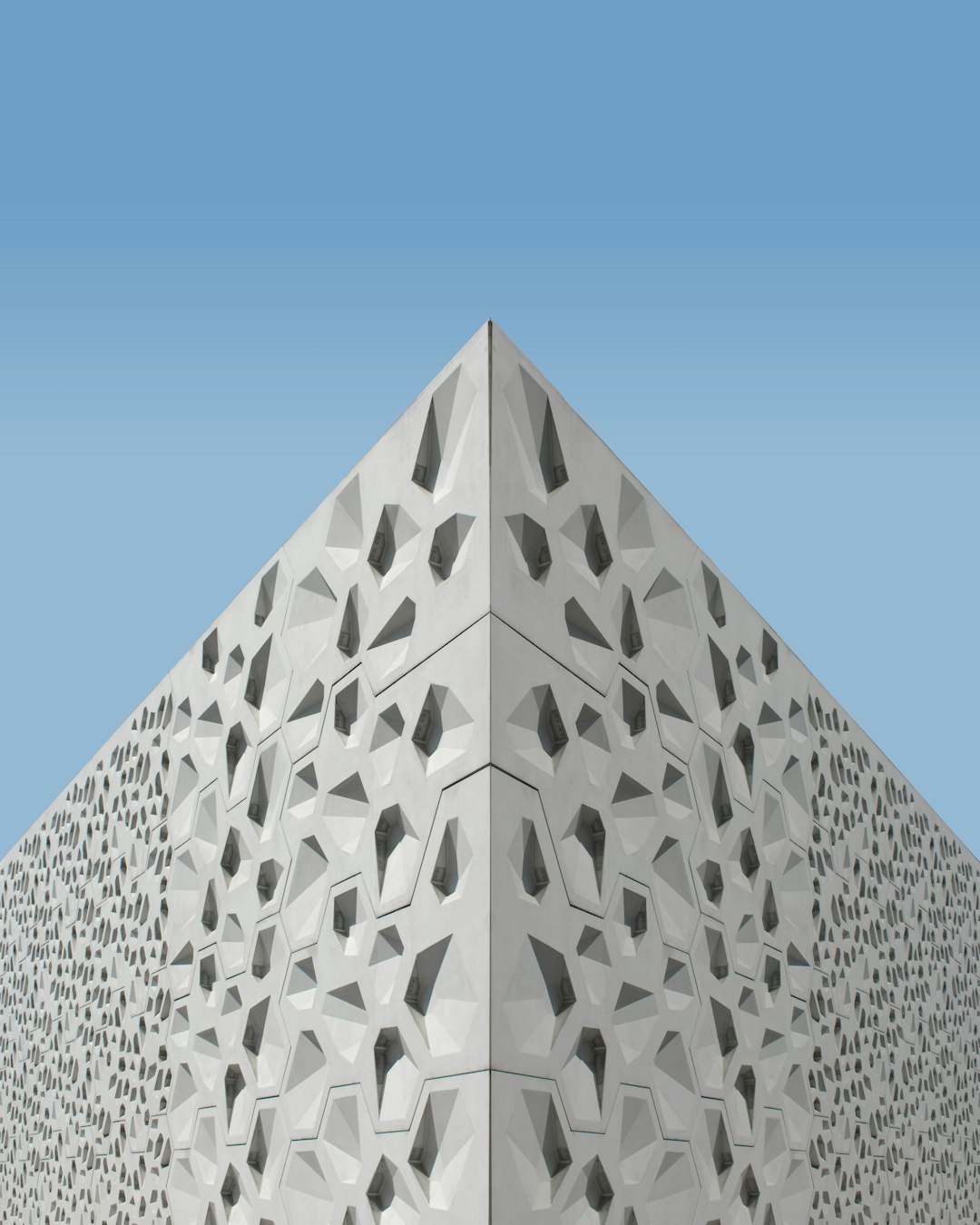
The Maya turned limestone into a toolbox: mortar, plaster, and the smooth surfaces that still catch light after centuries. Producing high-quality lime required hot, well-managed kilns and steady supplies of fuel, a logistical feat scaled to entire cities. With this material, builders laid corbelled vaults, sealed reservoirs, and paved roads, all while finishing facades in brilliant white. They also created a famously resilient pigment by combining plant dyes with specific clays, locking color into murals that resist mold and time.
It’s materials science by experiment and patience, tested across storms and heat. When you see a stucco mask weather-scarred yet still crisp, you’re looking at engineering that survived the rainforest’s constant assault.
Green Infrastructure: Terraces, Wetland Fields, and Forest Gardens
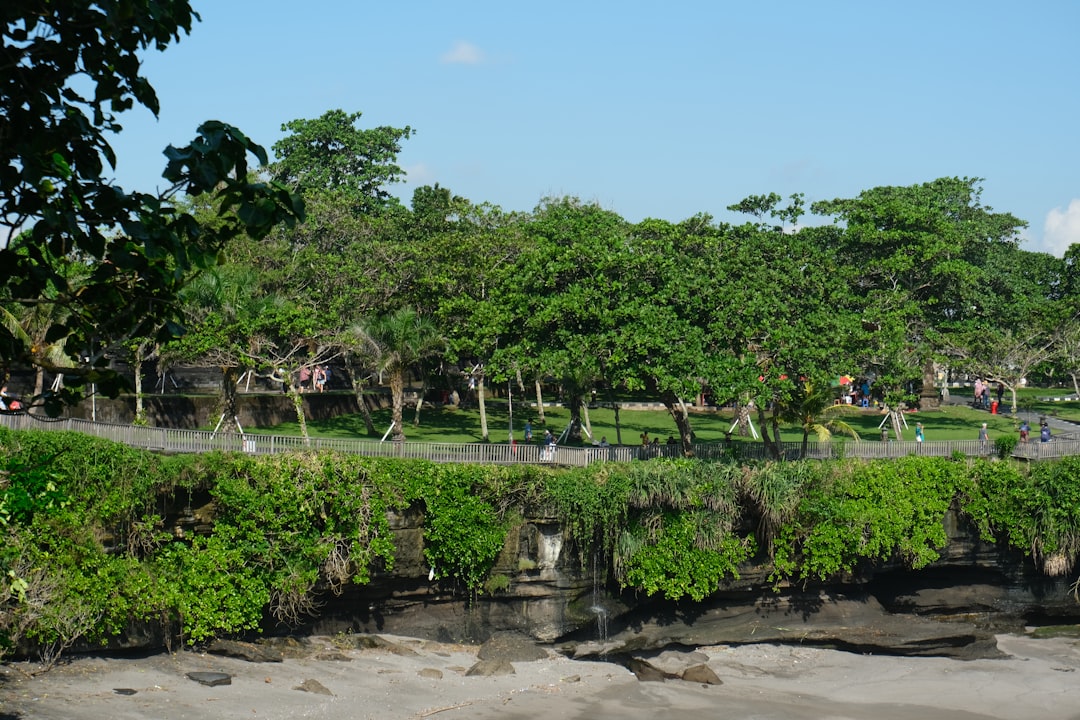
Instead of forcing the land to submit, Maya farmers engineered it to cooperate. Hillsides were terraced to slow erosion and sink rainfall, while low wetlands were shaped into raised fields laced with canals that managed flood and drought. Around homes, people tended diverse forest gardens with fruit trees, medicinal plants, and soil-improving species that buffered heat and fed families. The result was a patchwork that blended food production with ecological resilience.
We talk today about nature-based solutions; the Maya lived them. Their landscapes acted like giant sponges, tempering extremes while delivering steady yields – even when the weather zigged and zagged.
The Mathematics of Power: Zero, Base‑Twenty, and Measurement
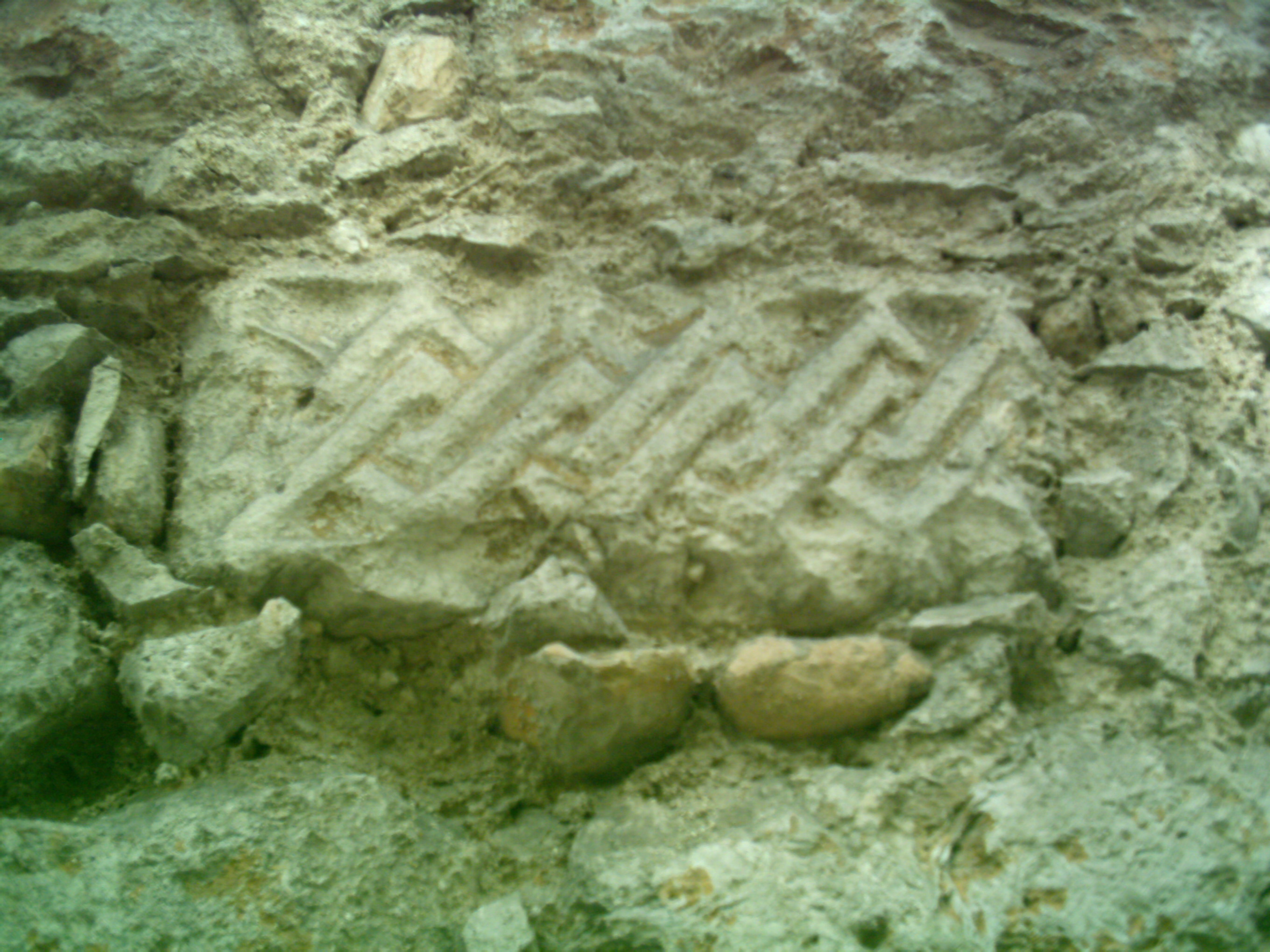
Maya mathematicians used a place-value system with a true zero, a conceptual leap that supercharged calendars and record-keeping. In practice, that meant architects could plan long baselines, modular room sizes, and stepped platforms with consistent ratios. Builders likely used cords, sightlines, and leveling tools that exploited water and gravity, translating numbers into straight walls and reliable slopes. The outcome was repeatable geometry, not guesswork.
When you see the tight symmetry of a plaza or the predictable rise of terrace steps, you’re seeing math embedded in stone. It’s not abstract; it dictates how people move, gather, and see the sky.
Why It Matters: Engineering for a Changing Climate
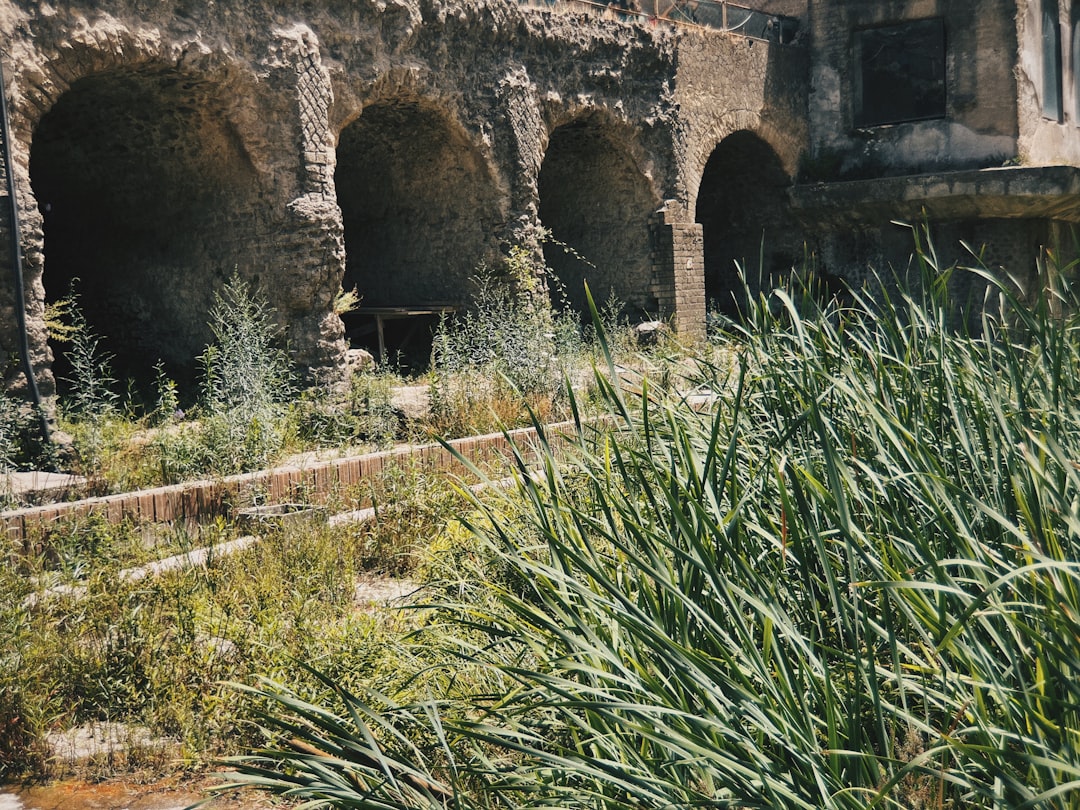
Urban droughts, flash floods, and heat are pressing issues in the twenty-first century, and the Maya tackled versions of all three. Their reservoirs stored seasonal surpluses without long aqueducts, their reflective plasters cooled plazas, and their green mosaics absorbed water and shaded homes. Compared with heavy concrete fixes, these approaches used local materials and distributed risk across many small systems rather than a few vulnerable ones. That redundancy is exactly what modern planners crave when infrastructure is stressed.
The takeaway isn’t nostalgia; it’s pragmatism. In places where budgets are tight or terrain is tough, Maya-style combinations of water storage, cool surfaces, and living corridors offer tested templates worth adapting.
The Future Landscape: What New Tech Will Reveal

Airborne laser mapping is peeling back the forest canopy to expose entire neighborhoods, road grids, and defensive walls in astonishing detail. Sediment cores from reservoirs preserve chemical fingerprints of past water quality, fuel use, and drought, turning ancient infrastructure into climate archives. Microarchaeology – think plaster chemistry, pollen grains, and isotopes – shows how materials were sourced and how far supply networks reached. Together, these tools are pushing the story from speculation to measurement.
What excites me most is the collaboration with local communities, who safeguard sites and add living knowledge about plants, soils, and water. The next big discoveries may be less about single monuments and more about systems mapped across whole regions.
Conclusion: Simple Ways to Engage

Support museums and community-led heritage groups that steward Maya sites and artifacts; they’re the front line of research and protection. If you travel, choose certified guides, stay on marked paths, and never buy antiquities – looting erases data engineers and archaeologists need. Teachers and parents can fold this history into science lessons about water, materials, and measurement, making engineering feel human and local. At home, advocate for shade trees, reflective surfaces, and rain capture where you live; small changes scale, just as they did in the Maya lowlands.
And if you’re curious, dig into open lectures and field reports that explain the methods behind the headlines. What piece of ancient problem-solving will inspire your next modern fix?