
It arrives like a whisper: you step into a hallway you’ve never seen and somehow everything feels uncannily familiar. Déjà vu is at once ordinary and eerie, a brief shiver in our sense of reality that most of us recognize but few can explain. For decades, scientists treated it as a curiosity; today, it’s a powerful clue to how memory, perception, and prediction cooperate inside the brain. The mystery is giving way to a story about timing, circuitry, and the brain’s relentless habit of guessing the future. That shiver, it turns out, is the mind doing quality control.
The Hidden Clues

What if the strangest part of déjà vu isn’t the feeling of familiarity, but the fact that you know the feeling is misplaced? That double awareness – this feels known, yet I know it isn’t – signals that two memory systems are briefly out of sync. Surveys across countries consistently find the vast majority of people report at least one episode in their lives, and many notice it peaks in the teens and twenties. Episodes flare for seconds, then vanish, leaving a vivid aftertaste that’s hard to describe and even harder to prove. That fleeting profile gives researchers a narrow window into a fast internal conversation between memory and attention.
On a reporting trip, I once walked into a conference hotel and felt a sudden wave of “I’ve been here.” The carpet pattern echoed a museum lobby from years earlier, the lighting hit the same warm amber, and the reception desk sat at the identical angle. I knew I’d never visited this hotel, but my brain clearly wanted to say otherwise. That conflict – certainty versus sensation – captures the essence of déjà vu. It’s not a glitch so much as a false alarm, a sign that the brain’s familiarity detector fired without a matching source. The moment was jarring, yes, but also oddly reassuring: my internal editor was wide awake.
Inside the Brain’s Reality Check
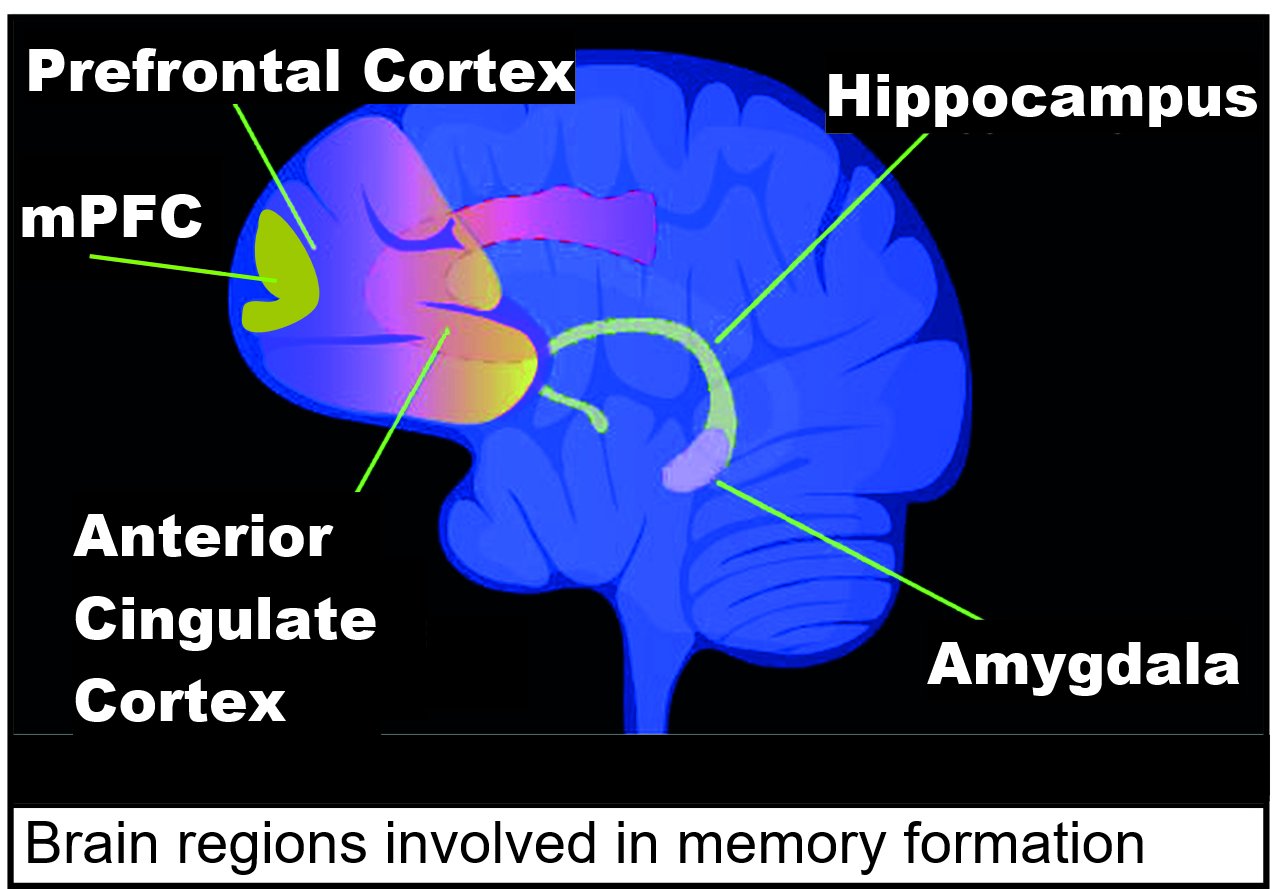
Memory researchers often describe two partners at work: a relatively fast familiarity process and a slower, detail-rich recollection process. The medial temporal lobe – especially the parahippocampal and entorhinal regions – helps register whether something feels familiar, while the hippocampus binds specific details into a retrievable episode. When the familiarity signal surges but the hippocampus can’t supply details, the prefrontal cortex steps in like a fact-checker, flagging the mismatch. That flag is what we consciously experience as déjà vu: a felt familiarity accompanied by the meta-cognition that it’s wrong here. In healthy brains, that system resolves the error almost immediately.
Support for this circuit-level view comes from rare opportunities to record directly from the brain. During clinical monitoring for epilepsy, brief electrical stimulation in parts of the medial temporal lobe can provoke sensations akin to déjà vu, underscoring that this network carries the relevant code. Functional imaging in healthy volunteers, meanwhile, points to prefrontal regions lighting up when people detect memory conflicts. Put simply, the brain has an internal alarm that says “this seems known” and a supervisor that replies “prove it.” Déjà vu is the moment the supervisor wins, and we learn something about how trust in memory is earned, not given.
Memory Mismatch: Familiarity Without Details
The most widely supported explanation frames déjà vu as a memory mismatch event. Our brains are excellent at extracting the gist – the spatial layout of a room, the rhythm of a conversation, the arrangement of faces at a table – even when the exact scene is brand new. When the gist strongly resembles a past experience, the familiarity system can trigger even if the hippocampus hasn’t encoded today’s scene before. The dissonance between a strong familiarity “yes” and a recollection “no” is felt as déjà vu. It’s a false positive, but it reflects a system designed for speed and efficiency rather than courtroom-level certainty.
Experiments that plant misleading familiarity – using lists of related words or virtual spaces that share hidden structure – reliably increase déjà vu reports. People feel sure they’ve been there, while also recognizing they haven’t, revealing that the brain can separate the feeling of knowing from actual memory content. That separation is not a flaw; it’s an adaptive feature that allows rapid decisions in a noisy world. The price for speed is the occasional phantom of recognition. Déjà vu is the receipt for that trade.
Triggers in Everyday Life

Everyday life hands the brain countless setups for a false-familiarity hit. Spatial geometry is a big one: a café with the same doorway-window-counter triangle as a place you visited years ago can set the stage. Lighting and soundscapes act like cues, too – soft jazz, clinking glass, and late-afternoon sun can combine into a template your brain has seen before. Even quick, unconscious glimpses can prime the system, a split-second preview that readies familiarity before you fully attend to the scene. When attention catches up, you get the odd sense of recognition without a source.
Physiological state matters as well. Fatigue, stress, and mild sleep debt nudge the brain toward shortcuts, making the familiarity system a bit more trigger happy. Travel – especially rapid changes in environment – can raise the odds by flooding you with similar-but-not-identical contexts. While déjà vu can occur in certain seizure disorders, in healthy people it’s usually benign, more a curiosity than a warning. If anything, frequent episodes during stressful periods hint that your brain is working harder than usual to keep its predictions and memories aligned.
From Ancient Curiosity to Modern Science
Long before brain scanners, philosophers and early psychologists puzzled over the feeling that the present can echo a past we can’t name. The term déjà vu was coined in 1876, but took hold in English usage in the early twentieth century, and case reports became the primary data. With the rise of cognitive neuroscience, the mystery moved from diaries to labs, where the focus shifted from describing the feeling to mapping its machinery. Virtual reality scenes, cleverly structured word lists, and image sequences now let researchers induce controlled, déjà-vu-like states in volunteers. The trick is not to “fake” the phenomenon, but to push the familiarity and recollection systems into temporary disagreement.
Meanwhile, clinical neurology opened a complementary window. Patients undergoing evaluation for temporal lobe epilepsy allowed scientists to observe, and occasionally evoke, déjà-vu sensations with pinpoint electrical stimulation. Those cases linked the feeling to the medial temporal network that supports memory. When these strands – behavioral experiments, neuroimaging, and clinical observations – are woven together, a consistent picture emerges. Déjà vu is not supernatural; it’s a natural consequence of how the brain balances speed, prediction, and verification. The wonder doesn’t vanish with the explanation – it just becomes more interesting.
Why It Matters

Déjà vu might sound trivial, but it illuminates how we police our own memories. In an era when confidence can masquerade as accuracy, the brain’s ability to flag a familiar-but-wrong sensation is a crucial safeguard. Understanding that mechanism helps explain why people can feel utterly sure about events that never happened and, just as important, how they can detect that something’s off. It has practical implications for eyewitness testimony, where the feeling of knowing can outrun the facts, and for education, where familiarity with concepts can trick learners into overestimating mastery. The phenomenon sits at the crossroads of memory, metacognition, and judgment.
There’s a broader scientific lesson here, too. The same prediction-and-check architecture that produces déjà vu underlies a host of mental shortcuts we rely on daily. When those shortcuts err, the brain’s error monitors step in, creating conscious signals that help us recalibrate. Studying these brief signals gives researchers a humane, noninvasive way to probe internal quality control. In other words, a second of strangeness can teach us a lot about how we stay oriented in a complex world.
The Future Landscape
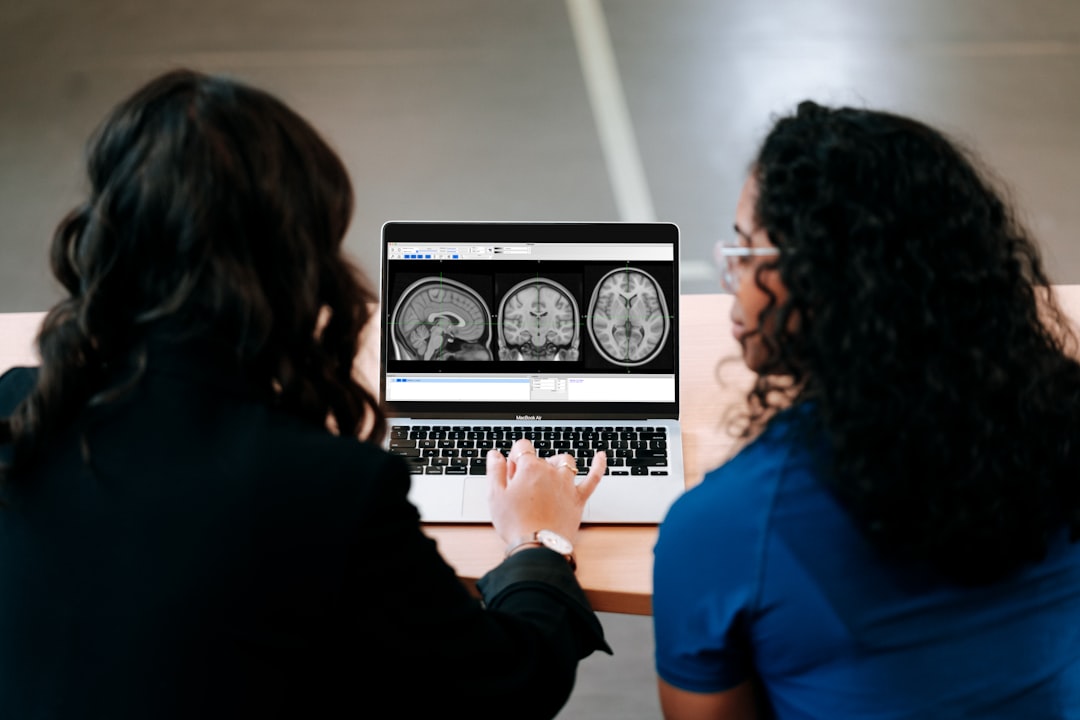
What comes next is a tighter link between naturalistic experiments and precise brain measurements. Virtual reality paired with eye tracking can recreate life’s near-misses – rooms that rhyme with rooms, conversations that mirror conversations – while EEG or intracranial recordings capture timing to the millisecond. Machine learning can then map the exact sequence: a rising familiarity signal, a search for details, and the prefrontal “hold on” response. Noninvasive brain stimulation may even let scientists nudge the system, testing how attention, fatigue, or expectation shift the odds of a false alarm. The goal is explanation, not manipulation, but the tools are finally catching up to the question.
Clinically, the payoff could be early warnings for certain memory and seizure disorders, where déjà-vu-like sensations cluster or change character. Ethically, more sensitive measures of internal states will demand clear guardrails around privacy and consent, especially if consumer devices start chasing similar signals. On the scientific front, comparing human memory’s quality-control signals with those in artificial systems could inspire safer, more reliable AI. If we can teach machines to doubt their own false familiarity, they might avoid very human kinds of error. That’s a future where a fleeting feeling becomes a blueprint for better judgment.
Conclusion
If déjà vu visits you, try treating it as data rather than drama. Make a quick mental note of the context – layout, lighting, sounds – and see if a plausible source comes to mind later. Guard the basics that stabilize memory systems: steady sleep, regular meals, movement, and breaks from stress when you can manage them. Consider keeping a brief journal of episodes; patterns often reveal themselves only after a handful of entries. Most importantly, support rigorous brain research through reputable science organizations or by participating in carefully vetted studies, because understanding these small mysteries helps us navigate the bigger ones of memory and reality. Have you noticed what sets yours off?
Suhail Ahmed is a passionate digital professional and nature enthusiast with over 8 years of experience in content strategy, SEO, web development, and digital operations. Alongside his freelance journey, Suhail actively contributes to nature and wildlife platforms like Discover Wildlife, where he channels his curiosity for the planet into engaging, educational storytelling.
With a strong background in managing digital ecosystems — from ecommerce stores and WordPress websites to social media and automation — Suhail merges technical precision with creative insight. His content reflects a rare balance: SEO-friendly yet deeply human, data-informed yet emotionally resonant.
Driven by a love for discovery and storytelling, Suhail believes in using digital platforms to amplify causes that matter — especially those protecting Earth’s biodiversity and inspiring sustainable living. Whether he’s managing online projects or crafting wildlife content, his goal remains the same: to inform, inspire, and leave a positive digital footprint.