
You’ve probably noticed it before – some people seem to radiate positivity no matter what life throws at them. They bounce back from setbacks, see opportunities where others see obstacles, and maintain an unshakeable belief that things will work out. Meanwhile, others approach situations with caution, expecting the worst and feeling vindicated when challenges arise.
This natural tendency toward optimism or pessimism isn’t just about personality quirks or life experiences. It’s actually rooted deep within your brain and your genes. Recent research has uncovered fascinating insights about why your outlook on life might be so different from your neighbor’s, and the answers are more complex than you might expect. Let’s dive into the science behind what makes you tick.
Your Brain Is Literally Wired for Optimism or Pessimism

Your outlook on life isn’t just a mental habit – it’s physically embedded in your brain structure. Research suggests that optimistic and pessimistic thoughts may show some patterns of brain lateralization, though this relationship is complex and not absolute. Some studies have found associations between optimism and certain left hemisphere activity, while pessimism may be linked with some right hemisphere processes.
Some research has suggested associations between positive attitudes and certain left-hemisphere activity, while negative outlooks may involve some right-hemisphere processes, though these relationships are not straightforward or absolute.
The right hemisphere mediation of a watchful and inhibitive mode weaves a sense of insecurity that generates and supports pessimistic thought patterns. Conversely, the left hemisphere mediation of an active mode and the positive feedback it receives through its motor dexterity breed a sense of confidence in one’s ability to manage life’s challenges, and optimism about the future.
The Key Brain Regions That Shape Your Outlook
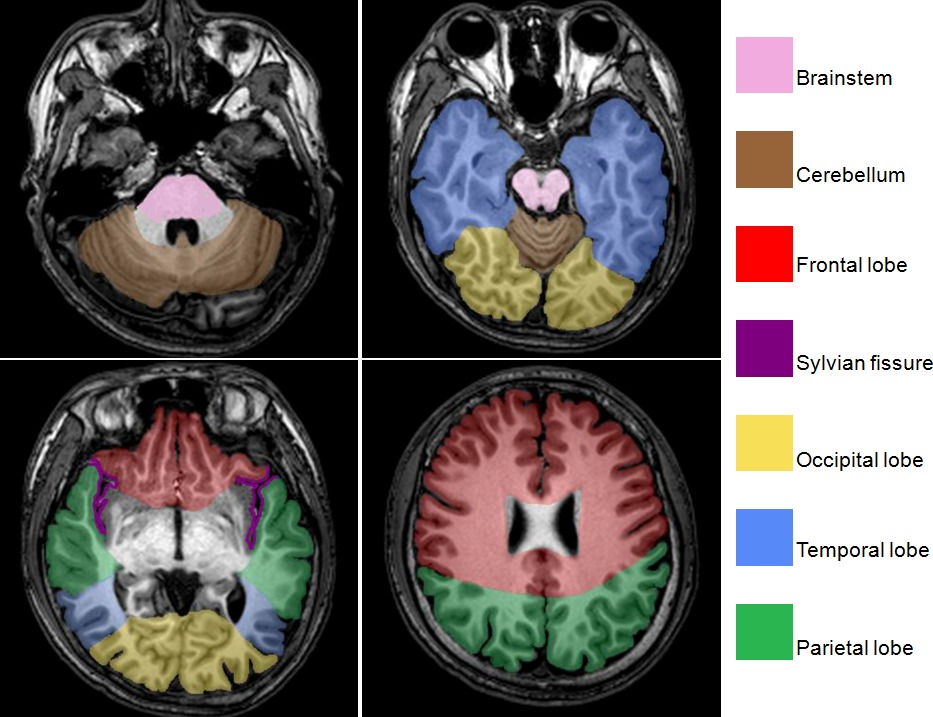
Scientists have identified specific brain areas that play crucial roles in determining whether you lean optimistic or pessimistic. Two key brain areas were linked to optimism: the anterior cingulate cortex, involved in imagining the future and processing of self-referential information; and the inferior frontal gyrus, involved in response inhibition and processing relevant cues.
When participants imagined positive future events relative to negative ones, enhanced activation was detected in the rostral anterior cingulate and amygdala, which are the same brain areas that seem to malfunction in depression. Activation of the rostral anterior cingulate was correlated with trait optimism, with more optimistic participants showing greater activity in this region when imagining future positive events.
The prominence of the ventromedial prefrontal cortex indicates that this region likely contributes to the neural mechanisms of optimism, possibly due to its role in self-referential processing and evaluation. This suggests your brain’s ability to process information about yourself directly influences how positive or negative your worldview becomes.
Genetics Play a Surprising Role in Your Natural Optimism
Your genes significantly influence whether you’re naturally optimistic or pessimistic. Additive genetic factors explained 36% of the variation in optimism, with the remainder being due to non-shared environmental influences. This means roughly one-third of your optimistic or pessimistic tendencies are inherited from your parents.
Researchers believe the genetic basis for optimism could be rooted in the hormone oxytocin, also called the love hormone. Certain variants of the OXTR gene that produces the oxytocin receptor are associated with increased optimism. Individuals with the GG genotype were found to be more empathetic and optimistic. Carriers of the A allele were found to have a higher risk for negative mood states.
However, genetics isn’t destiny. There is a genetic basis for these resources, but the OXTR gene does not explain most of these resources. The more you study genes, the more you realize that many factors influence their expression. Your environment and experiences continue to shape how these genetic predispositions manifest throughout your life.
Optimism and Pessimism Are Actually Separate Systems
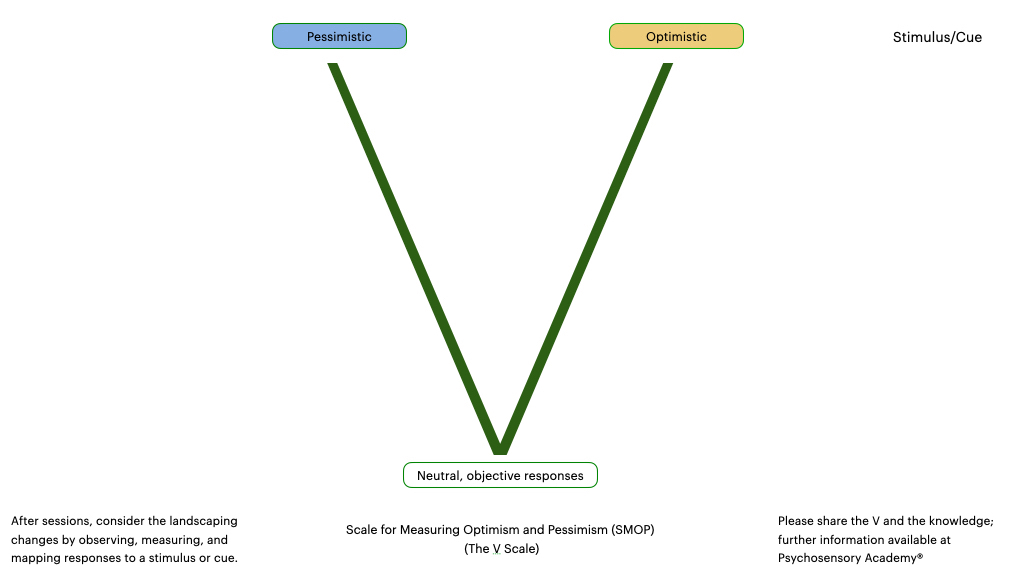
Contrary to what you might think, optimism and pessimism aren’t simply opposite ends of the same scale. Distinct genetic influences on optimism and pessimism were found. Both optimism bias and pessimism also showed genetic variance distinct from all effects of personality, and from each other.
Optimism and pessimism are subject to shared genetic influences but also to independent genetic influences, thus supporting the notion that optimism and pessimism are distinct traits, not simply two sides of the same coin. Optimism and pessimism are at least partially biologically distinct, resulting in two distinct psychological tendencies.
This means you could theoretically be both highly optimistic about certain aspects of life while simultaneously pessimistic about others. Your brain processes positive and negative expectations through different neural pathways, making it possible to hold seemingly contradictory outlooks simultaneously.
Your Childhood Environment Shapes Your Adult Optimism

Perceived parental warmth when adolescents were 14 years promoted more adolescent self-competence at 18 years but only in the context of lower maternal authoritarianism in the family climate. The way your parents raised you has lasting effects on how optimistic you become as an adult.
Parental optimism is strongly and positively connected with youth psychological well-being. Parents’ optimistic tendencies act as a model for young people, so youths growing up with such parents also learn to adopt positive attitudes in adversities and thus have higher levels of well-being.
High levels of parental optimism buffered children against poor parenting; at low levels of parental optimism, positive parenting was more strongly related to child peer competence. Children exposed to optimistic parents, on average, tend to develop similar kinds of optimistic attitudes themselves and benefit from the superior coping mechanisms, physical health, well-being, and social relationships that characterize optimistic people.
How Optimists and Pessimists Process the Future Differently

Your brain processes future events in fundamentally different ways depending on your optimistic or pessimistic tendencies. Optimists exhibit similar brain activity when thinking about the future. When optimists think about future events, their neural activity patterns are in fact mutually similar. Pessimists’ patterns, on the other hand, showed much more diversity.
There is a more pronounced difference in neural patterns when thinking about positive events or negative events in optimists than in pessimists. Optimistic individuals typically process negative scenarios in a more abstract and psychologically distant manner, thus mitigating the emotional impact of such scenarios.
While the past is constrained, the future is open to interpretation, allowing people to distance themselves from possible negative events and move closer toward positive ones. This suggests that optimists have developed better mental strategies for managing their emotional responses to potential challenges.
The Role of Stress Response in Shaping Your Outlook

Your body’s stress response system significantly influences whether you develop optimistic or pessimistic tendencies. There are two major genetic variations of the serotonin transporter gene: the LL version can absorb and recycle serotonin quickly and the SL version is a slow-paced gene, giving the carrier a weakness for depression. As pessimism is frequently the result of fear and anxiety, people with the SL version experience increased activation of their amygdala or the fear-control centre. They were quicker to locate the position of dangerous objects or scary scenes.
Anxiety and stress has been largely linked to pessimism and depression, so babies receiving poor maternal care have less stress-regulating receptors in the brain meaning that it takes them a longer time to get over the experienced trauma. The argument goes that having a good environment before puberty will likely exert the strongest effect on instinctive behaviours like having a positive mindset.
Age and Life Experience Influence Your Natural Tendencies

Adults tend to be more optimistic than younger people. As you grow older, your experience also increases, which may lead you to a more positive outlook on life. This suggests that optimism can actually develop and strengthen over time through accumulated positive experiences and learned coping strategies.
Whether environmental or genetic influences play a greater role in optimism varies depending on the individual and the two factors correlate in a complicated relationship. The optimism we experience is evenly divided between our genes and the environment, but we can choose how we face the environment since our decisions in these environments would also change our situational disposition and our genetic expressions.
Why Balance Between Optimism and Pessimism Matters

Our survival and wellness require a balance between optimism and pessimism. Undue pessimism makes life miserable; however, excessive optimism can lead to dangerously risky behaviors. Both outlooks serve important evolutionary functions for human survival and decision-making.
The behavioral activation system regulates appetitive, positive-incentive motivation, and is manifested in approach behaviors toward potentially rewarding stimuli. The behavioral inhibition system is sensitive to aversive cues, and regulates avoidance/withdrawal behaviors from potentially harmful stimuli.
Optimism isn’t an unquestioned good. Extreme optimism might not always be a good thing because we might not plan for the future as well as we should. Pessimism may be a useful ‘positive’ trait in some situations; there’s evidence that some people can be defensive pessimists, which can actually help them better prepare for the future.
Conclusion

Your natural tendency toward optimism or pessimism isn’t simply a choice or a learned behavior – it’s a complex interplay of genetics, brain structure, childhood experiences, and environmental factors. While roughly one-third of your outlook is determined by your genes, the remaining two-thirds is shaped by your experiences and choices.
Understanding these differences can help you appreciate why you and others see the world so differently. Whether you’re naturally optimistic or pessimistic, both perspectives offer valuable contributions to human survival and success. The key is finding the right balance for your situation and recognizing that your outlook, while influenced by biology, isn’t set in stone.
What do you think shapes your own outlook more – your genes or your experiences? Tell us in the comments.