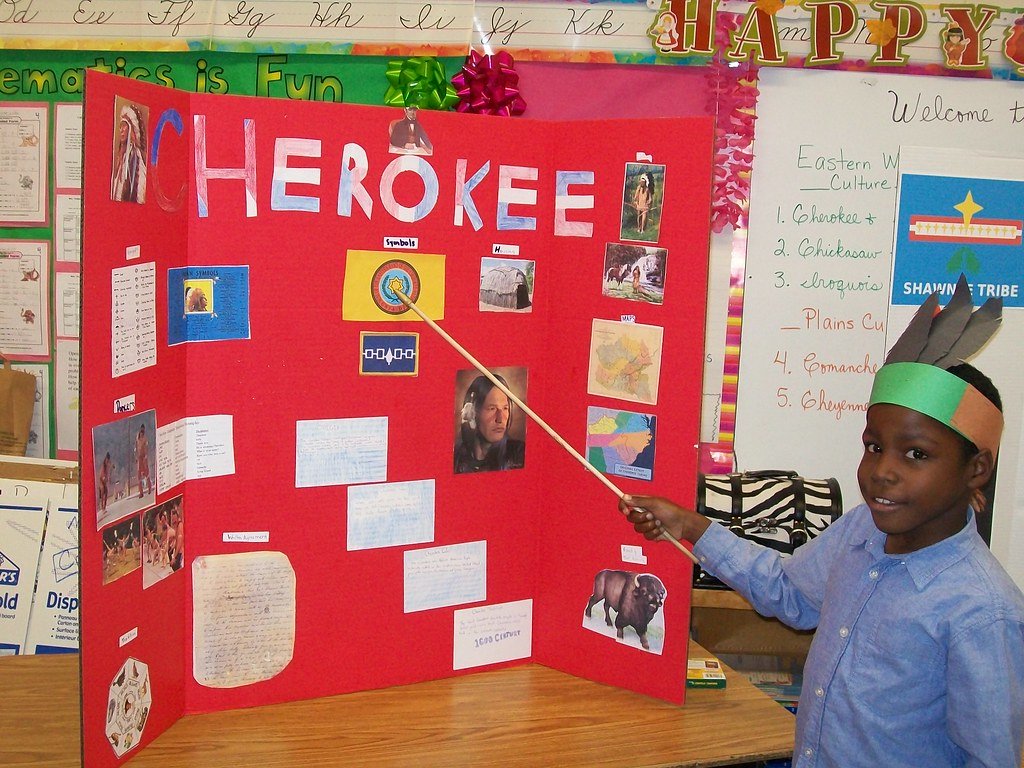
You probably know the Cherokee as one of America’s most famous Native American tribes, yet their story holds fascinating details that might surprise you. From their ancient origins in the Great Lakes region to their incredible resilience in the face of forced removal, the Cherokee people have maintained their rich cultural identity for thousands of years. Their journey through history includes remarkable achievements, devastating losses, and an unwavering commitment to preserving their heritage for future generations.
Let’s explore some truly captivating aspects of Cherokee culture and history that showcase why this nation remains one of the most significant Indigenous groups in North America today.
They Created the First Native American Written Language
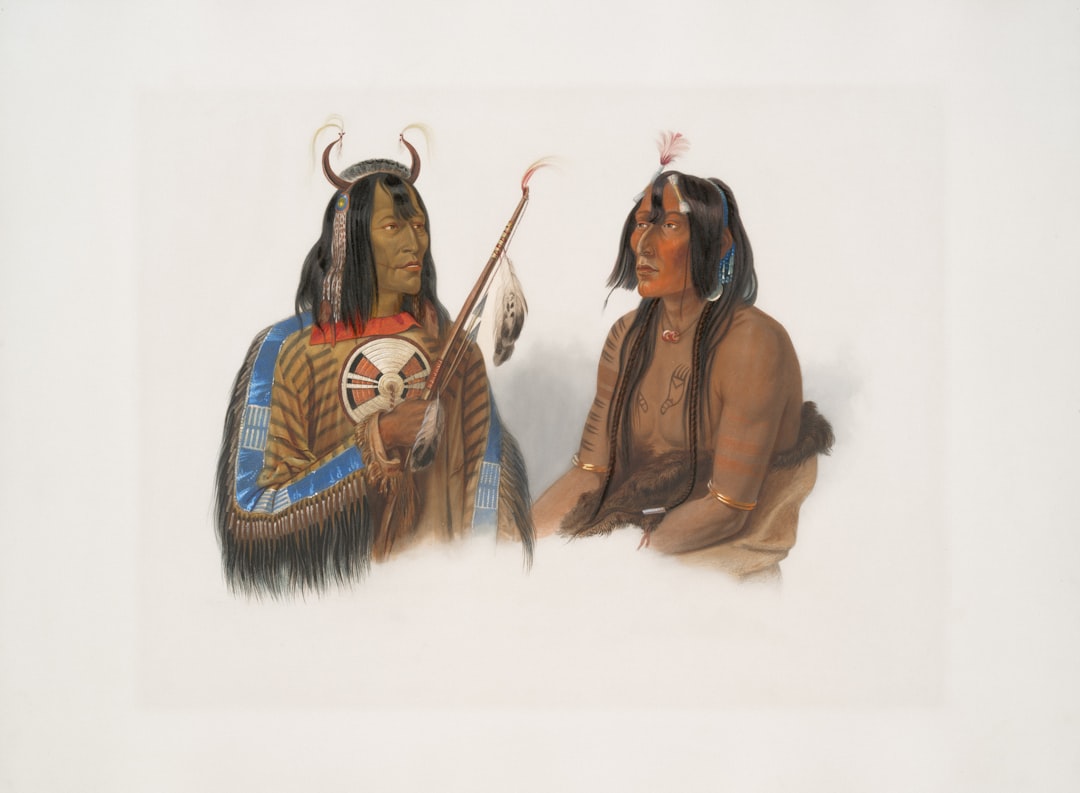
The Cherokee syllabary, developed in 1821 by Sequoyah, is among the most remarkable achievements in linguistic history. Sequoyah was illiterate until he created his own writing system, making his accomplishment even more extraordinary. Impressed by the “talking leaves” of European written languages around 1809, he began working to create a writing system for Cherokee. After attempting to create a character for each word, he realized this would be too difficult and eventually created characters to represent syllables.
His system contains 85 characters, with each symbol representing a syllable rather than a single phoneme. Once Cherokee speakers learned these 85 syllabics, they could immediately read and write, because the syllabics corresponded exactly to the sound of spoken words. Within a quarter-century, the Cherokee Nation achieved a literacy rate of almost 100%, surpassing that of surrounding European-American settlers. As many as 90 percent of Cherokee were literate by the 1830s.
Their Society Was Built on Seven Sacred Clans
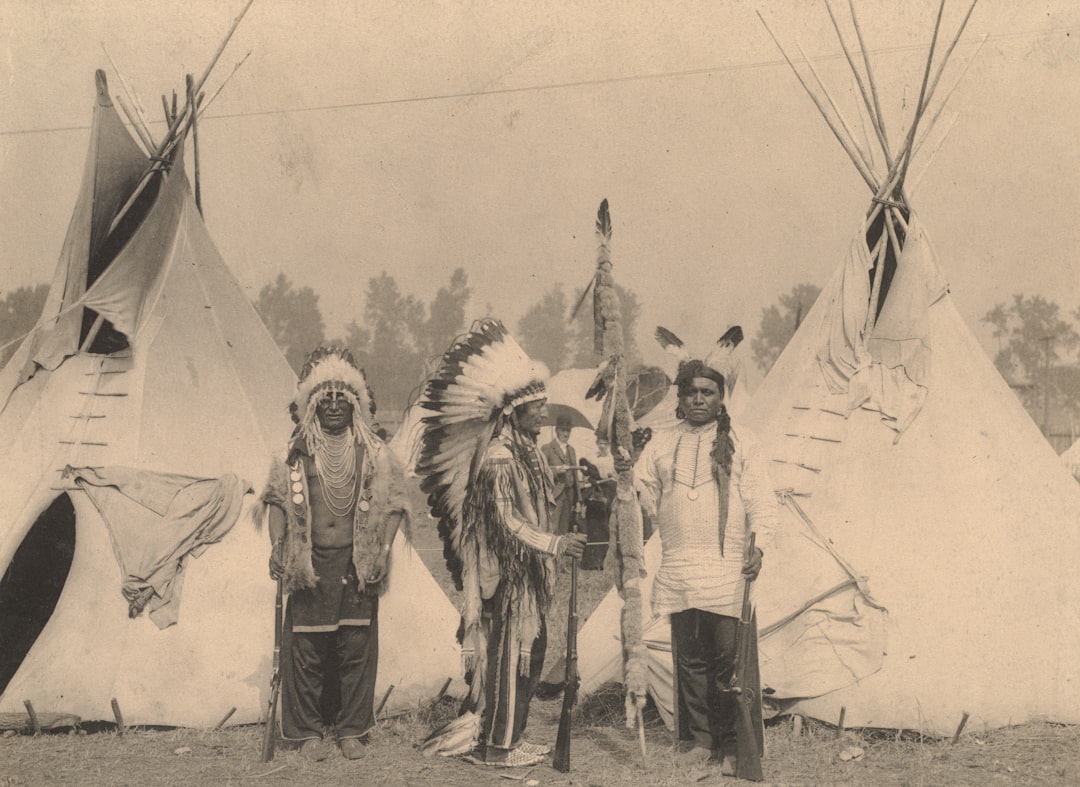
Since the 17th century until present times, there are 7 sacred clans. Clans are hereditary and matrilineal. Cherokee children belong to their mother’s clan and the information and name of the clan are used to identify Cherokee throughout their lives. There are rules clan members must obey. Two members of the same clan are considered brothers and sisters and strictly forbidden to marry within their own clan.
Council Houses had seven sides, providing the same number of sections, so that each clan had a place for its representatives within the governmental structure. The seven sections of seats surrounded the sacred fire. From ancient times to today, the number seven has been sacred to the Cherokee. The basic arrangement of Cherokee social, religious and political life was structured into seven clans.
Women Held Extraordinary Power in Cherokee Society
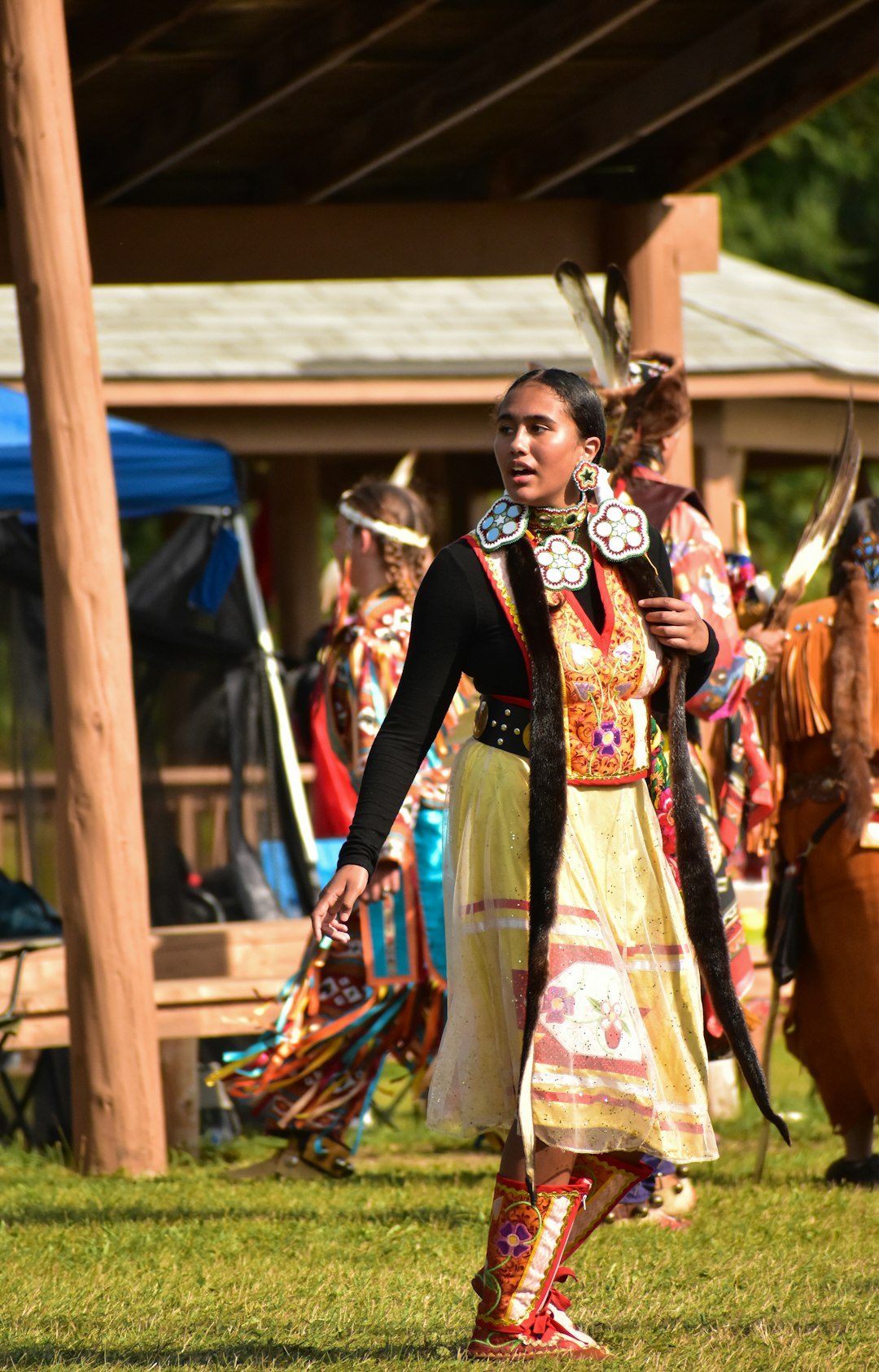
Cherokee society is traditionally a matrilineal kinship system, in which property and social status have historically descended through the women’s line. To traditional Cherokees, a child is considered born into their mother’s family and clan. Traditional Cherokee society was matrilineal where women were heads of their households and custodians of the land. As life-givers, women were celebrated, enjoyed a respected position in society and were collectively considered as “clan mothers”.
Women owned land and property including homes, which were inherited from mother to daughter. Women had autonomy and worked as producers/farmers, owned their own homes and fields and had significant political and economic power. The Cherokee are a matriarchal society. Plainly put: the clan mother can trump the chief, women choose HER mate based on HIS cooking skills, and a man knew he was divorced if all his things were outside when he got home.
They Survived One of America’s Most Devastating Forced Removals
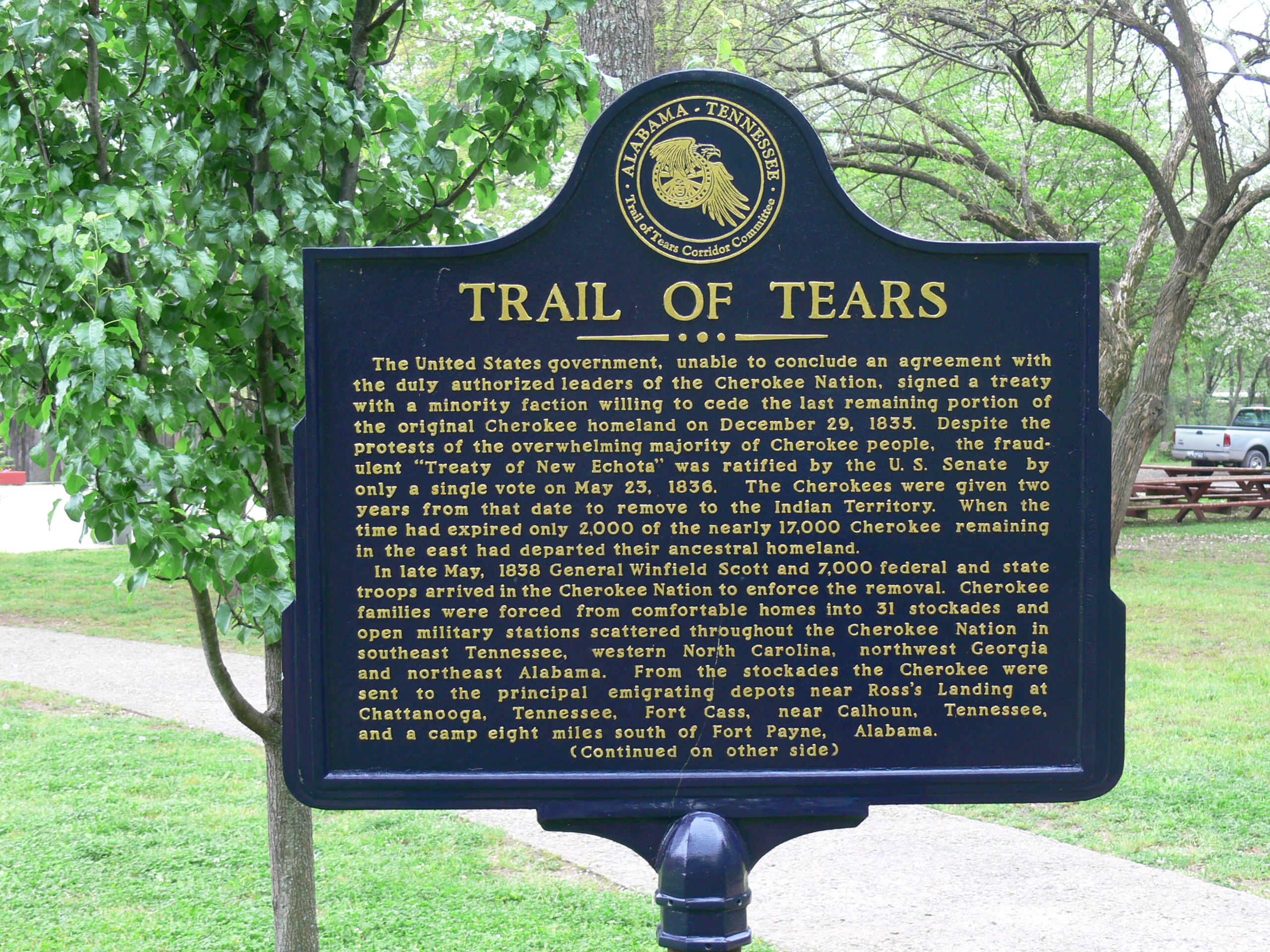
The Cherokee Trail of Tears resulted from enforcement of the Treaty of New Echota under the Indian Removal Act of 1830. About 60,000 people of the “Five Civilized Tribes” were forcibly removed between 1830 and 1850. Cherokee, Muscogee, Seminole, Chickasaw, and Choctaw nations were forcibly removed from their ancestral homelands in the Southeastern United States to Indian Territory west of the Mississippi River.
16,000 Cherokees were gathered, dispossessed and made to walk six months, 1,200 miles west. Roughly 4,000 Cherokees died, succumbing to hunger, disease, exposure, or exhaustion. In the Cherokee language, the event is called nu na da ul tsun yi (‘the place where they cried’) or nu na hi du na tlo hi lu i (‘the trail where they cried’). Along with other Cherokees who escaped removal or came back, the group established the Eastern Band of Cherokee Indians.
Their Language Connects Them to Ancient Northern Roots
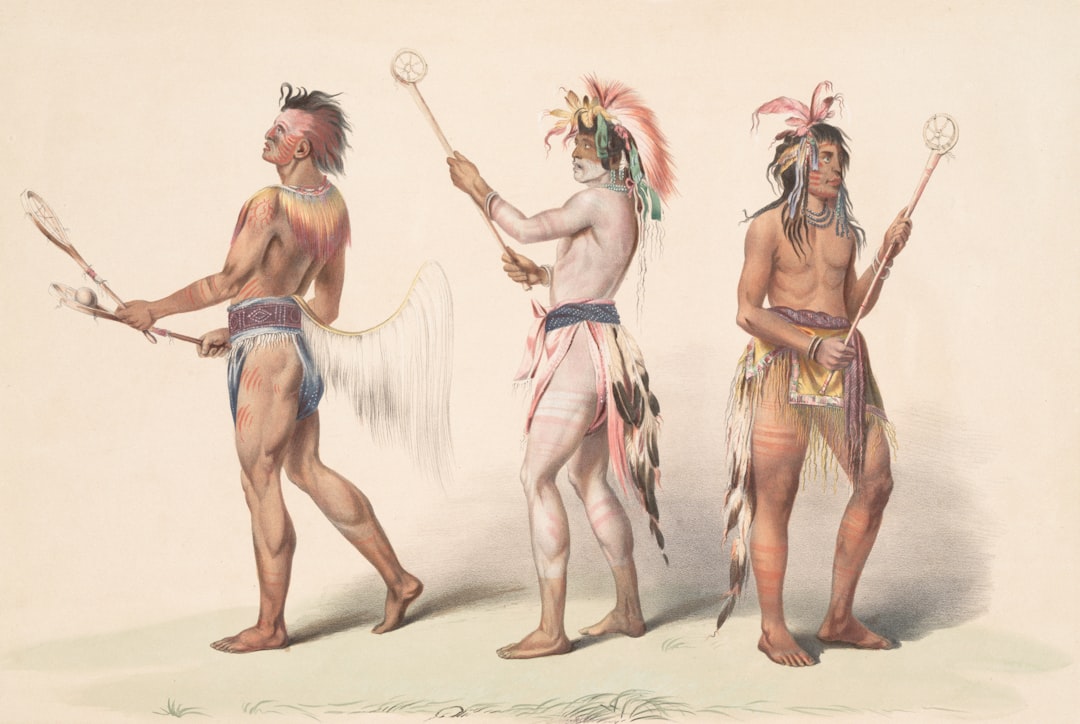
The Cherokee language is part of the Iroquoian language group. Most Iroquoian-speaking people lived near the Great Lakes, leading historians to believe the Cherokee migrated south from that region. They eventually settled in the mountains of North Georgia, eastern Tennessee, and Western North Carolina. The Cherokee migrated to the southern Appalachian Mountain region over 5,000 years ago from the Great Lakes area. They are closely related to the Mohawk and Huron tribes from the modern day New York region.
The name Cherokee comes from a Muskogean word that means “speakers of another language”. The Cherokee called themselves the Ani-Yunwiya, meaning “principal people”. The term “Cherokee” may come from another Indigenous language and may refer to “people who live in the mountains” or “people who speak a different language.” Many members of the group prefer to be called Keetoowah or Aniyunwiya.
They Were Known as One of the “Five Civilized Tribes”
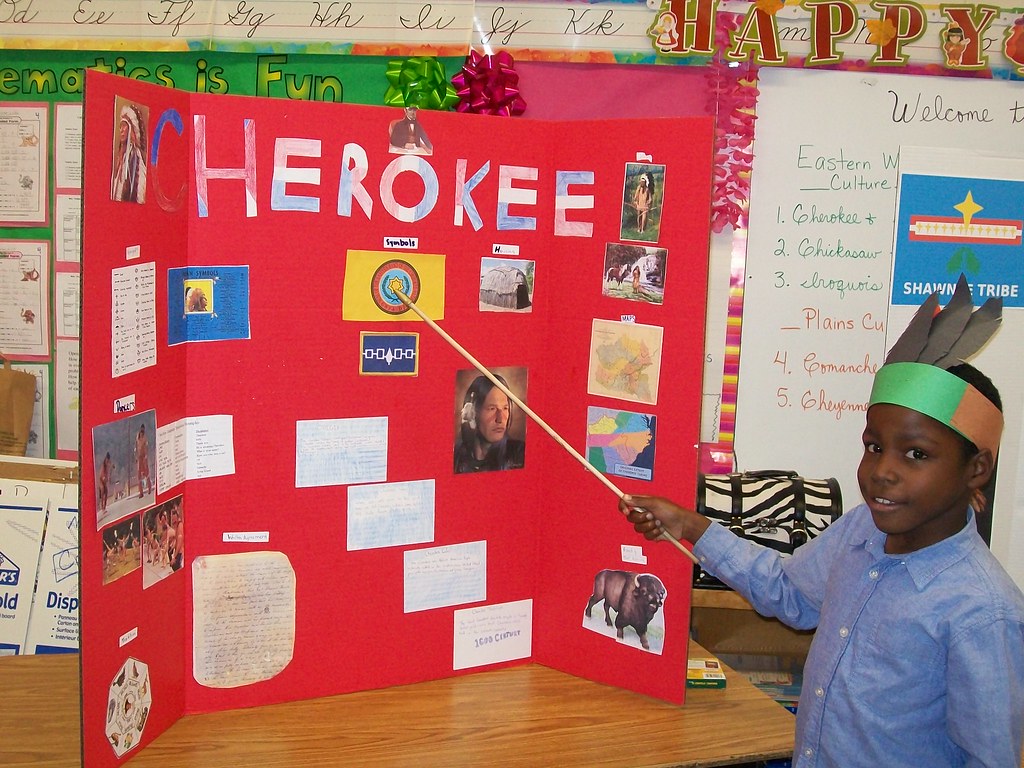
The Cherokees were quick to adapt many material elements of European culture to their own society, a characteristic that led to their designation as one of the “Five Civilized Tribes”. After 1800 the Cherokee were remarkable for their assimilation of American settler culture. The tribal nation formed a government modeled on that of the United States. They established a constitutional government with a senate, a house of representatives, and an elected chief. They had a written language devised by Sequoyah. They valued education and often maintained schools for their children.
In 1844, the Cherokee Advocate, printed in both Cherokee and English languages, became the first newspaper in Indian Territory. Soon, the Cherokee’s educational system of 144 elementary schools and two higher education institutes rivaled all others. Many white settlements paid tuition to have their children attend Cherokee schools. In Indian Territory, the Cherokee rebuilt a democratic form of government, churches, schools, newspapers and businesses. A new constitution was adopted in 1839. Tahlequah, the new Cherokee capital, became a hub of business activity.
Their Spiritual Beliefs Connected Three Worlds
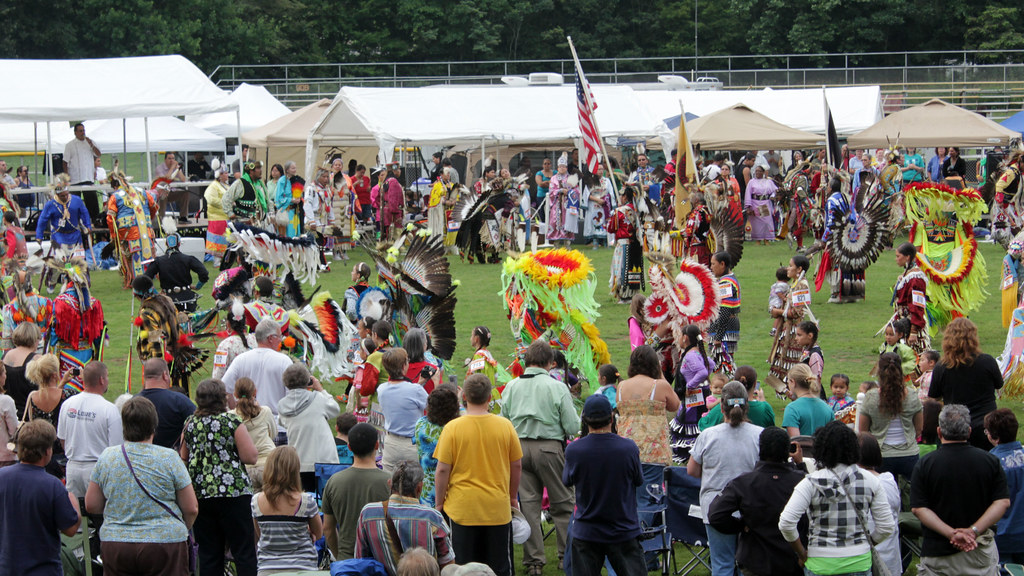
The basis of Cherokee religion was the belief that the universe is composed of three connected worlds – the Upper World, Middle World, and Under World. The Middle World was thought to be where all living beings and spirits resided; the Upper World was where spirits of ancestors and animals lived; and the Under World was where bad spirits lived. Cherokee people regarded the spiritual and physical world as one and the same, believing that plants, animals, rivers, and mountains had spiritual powers. Rather than trying to rule over nature, the tribe believed it was their duty to be environmental stewards to maintain Earth’s balance and harmony.
The Cherokee were a religious people who believed in spirits. They performed ceremonies to ask the spirits to help them. They would have special ceremonies before going to battle, leaving on a hunt, and when trying to heal sick people. The largest of their celebrations was called the Green Corn Ceremony which thanked the spirits for their harvest of corn.
They Are Currently America’s Largest Tribal Nation

They are the largest tribe in the United States. There are more than 300,000 tribal members. With more than 300,000 tribal members dedicated to preserving their rich cultural heritage and history, the Cherokee Nation is the largest of the 567 federally recognized tribes in the US.
At the beginning of the twenty-first century there were between ten thousand and fifteen thousand Native Cherokee speakers. The number of tribe members able to read and write in the Sequoyahian syllabary was growing. The Cherokee syllabary survives in print and digital media geared towards approximately 1,500 Cherokee speakers. It has more content and literature than any other Native American language. In 2008, the Cherokee nation initiated a plan to increase fluency among its population. There are immersion programs for children in schools, and Cherokee courses are offered at various Oklahoma and North Carolina universities.
The Cherokee people’s story is one of incredible resilience, innovation, and cultural preservation. From Sequoyah’s groundbreaking syllabary to their sophisticated matrilineal society, from surviving the Trail of Tears to becoming America’s largest tribal nation today, the Cherokee have consistently demonstrated their ability to adapt while maintaining their core identity. Their seven sacred clans, spiritual connection to nature, and commitment to education continue to shape their communities across multiple states.
What makes their journey even more remarkable is how they’ve transformed tragedy into strength, using their written language and cultural traditions to ensure their heritage survives for future generations. What do you think about their incredible resilience? Tell us in the comments.