
It’s not your imagination: that flutter before a big presentation or the knots that arrive with bad news are neural signals, not poetry. Scientists now speak of the gut’s “second brain,” a sprawling network that doesn’t just digest lunch – it negotiates with your mood, memory, and immune defenses. The mystery is how signals from a dark, coiled organ shape thoughts that feel so bright and immediate. The answer is a web of nerves, hormones, and microbial whispers, and it’s changing how medicine thinks about mind and body. Here are ten discoveries that reveal how the second brain works – and why it matters to your day, your decisions, and quite possibly your future health.
The Hidden Clues: Most of Your Serotonin Lives in the Gut
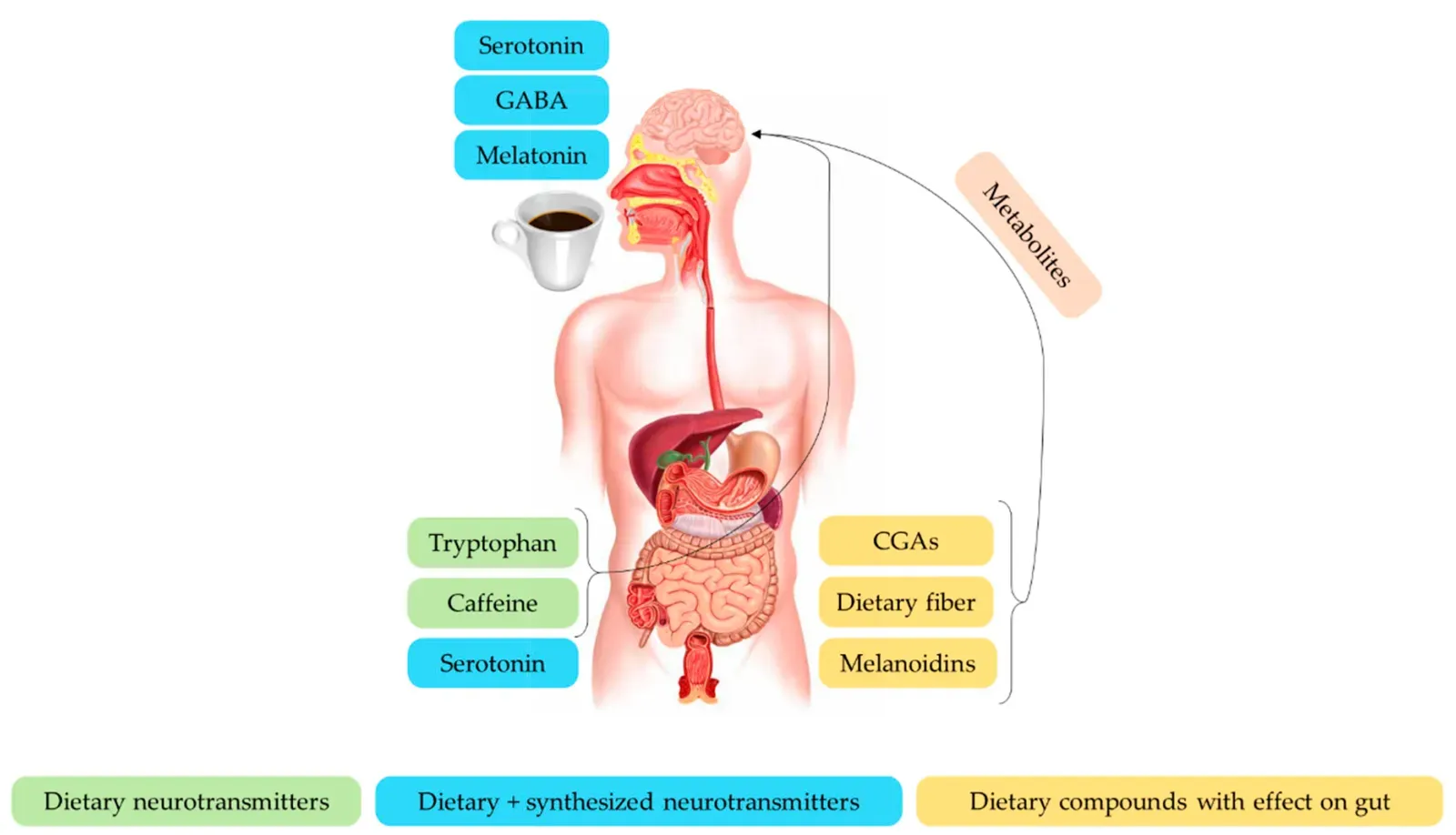
What if the majority of a “brain chemical” isn’t in your head at all? Roughly about nine-tenths of the body’s serotonin is made by enterochromaffin cells lining the gut, where it choreographs motility, sensation, and immune signaling. Those cells even “listen” to gut microbes and mechanical stretch, adjusting serotonin release like a dimmer switch.
Serotonin in the bloodstream doesn’t cross into the brain, but it changes the way the gut talks to the nervous system, shaping appetite, pain, and stress responsiveness. That means a rumbling stomach can be a real broadcast, not background noise.
A Nervous System of Its Own: Reflexes That Run Without You
The enteric nervous system (ENS) contains hundreds of millions of neurons and a vast mesh of glial cells, forming a control network embedded from esophagus to colon. It can coordinate peristaltic waves, fluid balance, and secretion without waiting for the brain’s permission. In lab settings, isolated segments of intestine keep generating rhythmic contractions, a reminder that the gut’s circuitry is wired for autonomy.
Enteric glia aren’t passive scaffolding; they regulate neurotransmission, inflammation, and barrier integrity. When these reflex loops misfire, people feel it as cramping, urgency, or pain – evidence of a system that’s powerful enough to help or to hinder, all on its own.
Two-Way Traffic on the Vagus Highway
Think of the vagus nerve as the fiber-optic line between your gut and your limbic circuitry. Most of its fibers are afferent – signals traveling upward – carrying information about nutrients, stretch, and inflammation. When those messages reach the brainstem, they ripple outward to stress centers, reward circuits, and even regions involved in memory.
Stimulating the vagus can calm sympathetic “fight-or-flight” responses, and clinical devices already use this pathway for epilepsy and depression. The second brain doesn’t just file status updates; it co-authors your emotional headlines.
Microbes Make Messengers: Chemistry From the Crowd
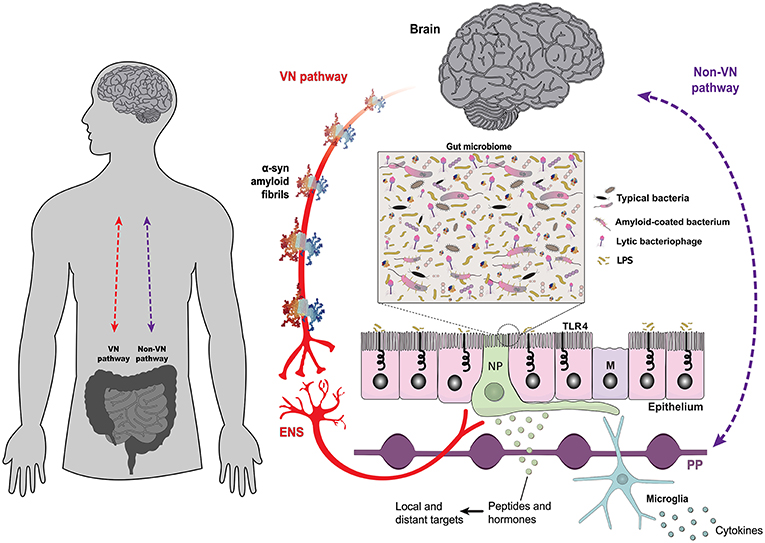
Trillions of gut microbes manufacture short-chain fatty acids, bile-acid derivatives, and amino-acid metabolites that tune neural communication. Butyrate, for example, is a microbial metabolite that can alter gene expression in gut cells and support the barrier that keeps inflammation at bay. Other bacterial pathways influence GABA, tryptophan, and dopamine metabolism – biochemistry that tweaks how the enteric circuits fire and how the vagus carries the news.
When microbial communities lose diversity, the chemical orchestra goes off-key, nudging the gut toward hypersensitivity and the brain toward low mood. The punchline is simple and startling: tiny chemists in the colon help set your stress thermostat.
From Ancient Remedies to Modern Science

Fermented foods and fiber-rich staples sat at the center of traditional diets long before anyone named the microbiome. Today, controlled trials and mechanistic studies are catching up, showing how dietary fibers feed beneficial microbes that, in turn, shape enteric signaling and immunity. I still remember interviewing a clinician who compared kefir and sauerkraut to “training wheels” for the second brain – hardly a cure-all, but often a practical starting point.
Modern tools – gnotobiotic animal models, organoids, and metabolomics – reveal how specific foods change microbial metabolites within days. It’s not folklore anymore; it’s fast biology with levers you can pull at the grocery store.
Global Perspectives: Diets, Diversity, and the Microbial Mosaic

Across cultures, staple foods create distinct microbial fingerprints, from high-fiber pulses to seaweed and fermented cassava. Populations eating minimally processed plants tend to harbor richer microbial diversity, a trait linked to resilient gut-brain signaling and lower inflammatory tone. Migration studies show that when diets westernize, microbial diversity often shrinks within a generation.
This isn’t about one “superfood” but about patterns – fiber variety, fermented items, and fewer ultra-processed additives. The second brain thrives on microbial pluralism, and diversity on the plate fuels diversity in the gut.
Early Warnings in the Gut: Clues to Whole-Body Disease
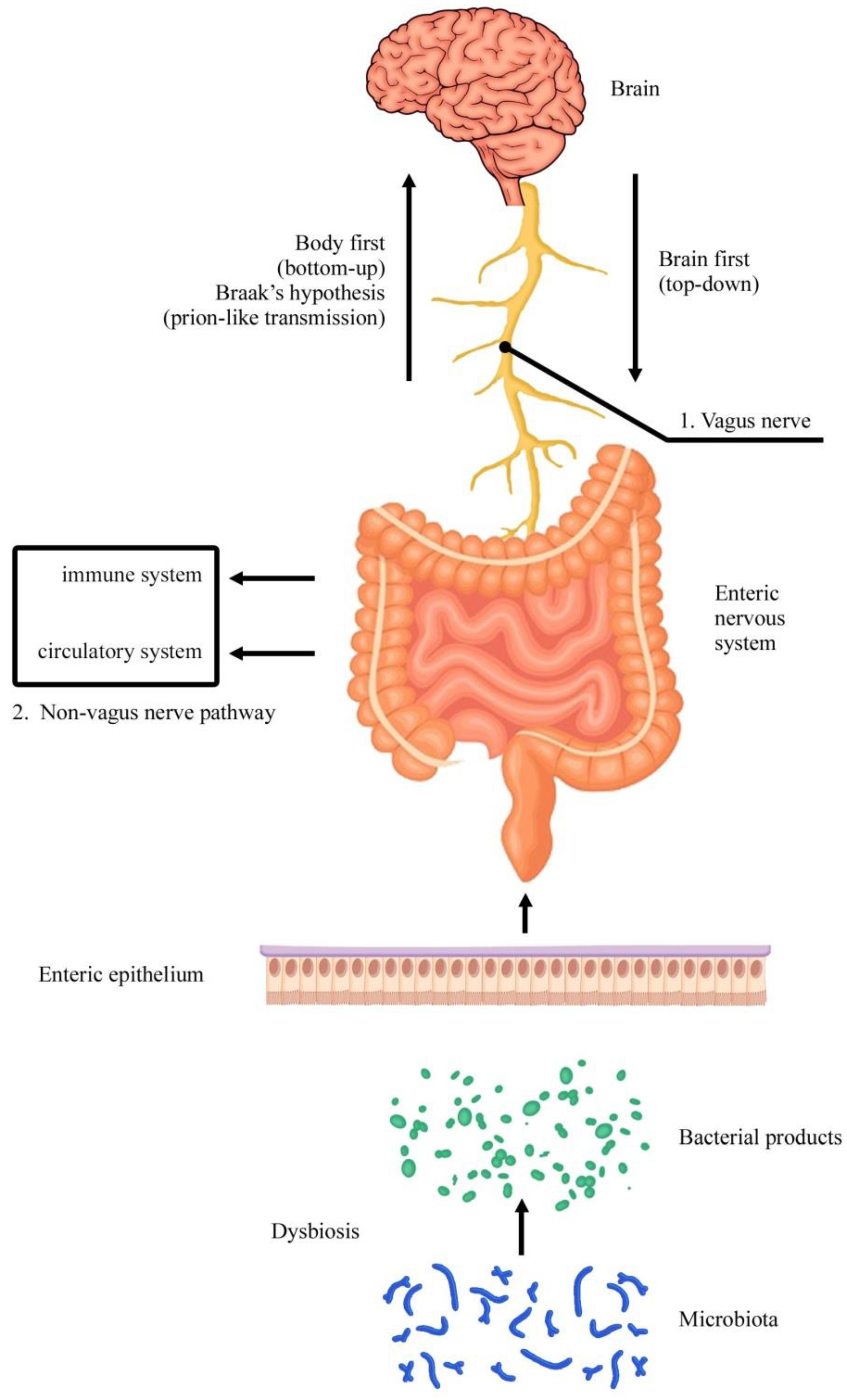
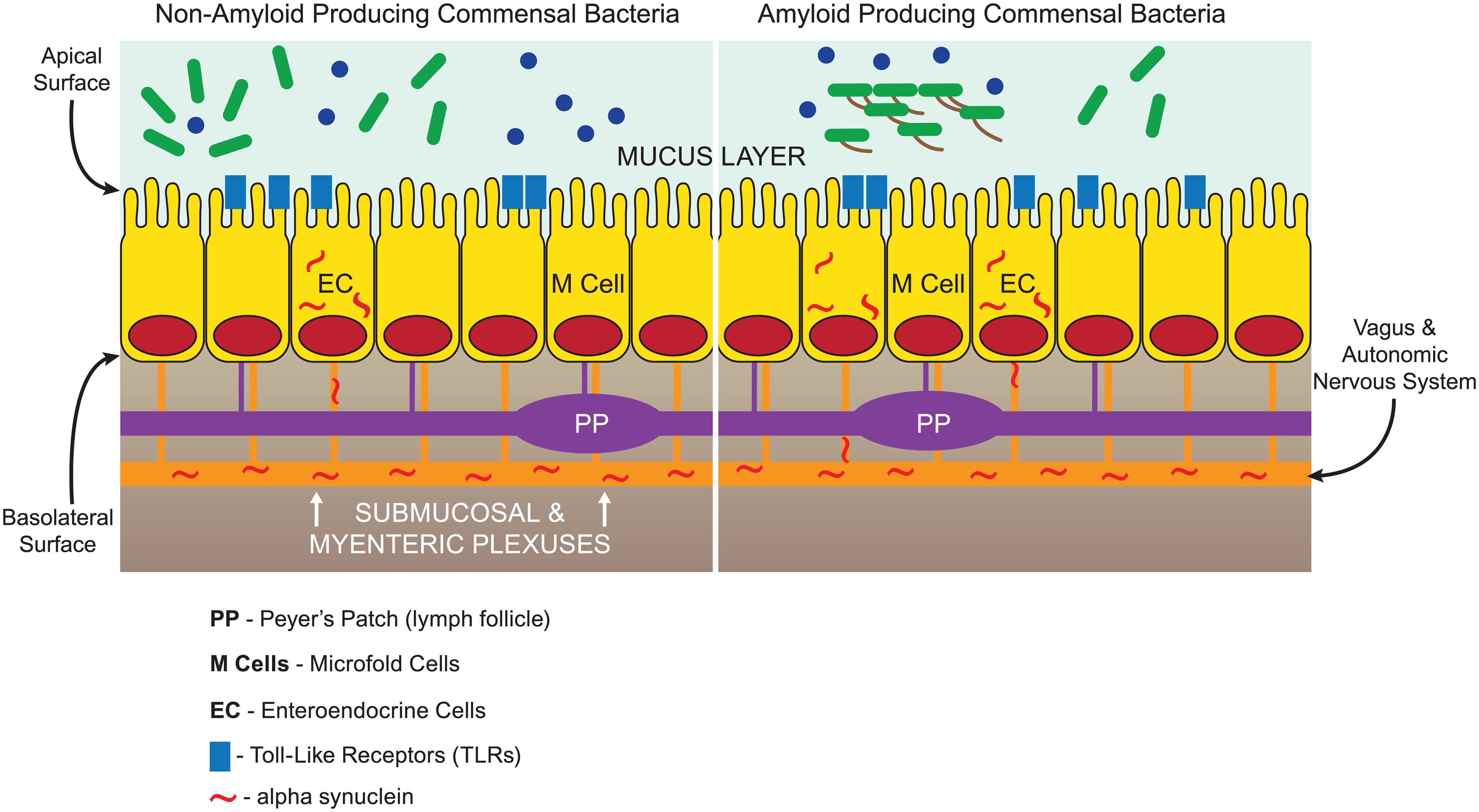
Constipation and subtle changes in gut motility can precede neurological diagnoses by years, hinting that misfolded proteins and immune changes may start in the intestine. In metabolic diseases, the gut barrier can grow leaky under stress, allowing microbial fragments to stoke chronic inflammation that feeds insulin resistance. In autoimmune conditions, altered gut communities can confuse immune cells that patrol both intestine and brain.
None of this means the gut causes every illness, but the second brain often records the first tremors. For clinicians, those signals are becoming a prompt to look both above and below the diaphragm.
Food, Stress, and Sleep: Everyday Levers With Outsized Effects

High-fiber plants, legumes, nuts, and fermented foods nurture the microbial factories that support gut-brain balance, while frequent ultra-processed meals tilt the chemistry toward irritation. Stress hormones, meanwhile, change gut permeability and motility, creating a feedback loop where worry tightens the stomach, and the agitated stomach amplifies worry. Sleep loss compounds the problem, shifting microbial communities and heightening pain sensitivity.
The fix isn’t flashy: more plants, fewer additives, regular meals, and deliberate stress hygiene. Small, steady changes humble the second brain into cooperation rather than rebellion.
Why It Matters: Rethinking a Brain-Only Model
For decades, medicine treated mood disorders, pain syndromes, and bowel symptoms as separate silos. The second-brain framework stitches them together, explaining why irritable bowel syndrome so often travels with anxiety, why inflammation worsens fatigue, and why antidepressants can change bowel habits. It reframes “gut feelings” as interoception – your brain’s readout of the body’s state – which can be trained, soothed, and supported.
Compared with a brain-only view, the gut-brain model opens new tools: dietary strategies, microbe-targeted therapies, and neuromodulation alongside psychotherapy and medication. It’s not either-or; it’s a fuller map of the same territory.
The Future Landscape: Precision, Sensors, and New Therapies
Tomorrow’s care may look astonishingly tactile: stool-based biomarkers to flag early dysfunction, precision “psychobiotics” tailored to your microbial and symptom profile, and postbiotics – purified microbial metabolites – delivered like targeted drugs. Engineers are building swallowable sensors to measure gases and pH in real time, translating gut data into actionable feedback. Neuromodulation is advancing too, from noninvasive vagus stimulation to next-generation bioelectronic therapies that fine-tune motility without systemic side effects.
There are real hurdles – individual variability, reproducibility, and the need for rigorous, adequately powered trials. But the direction of travel is clear: from broad-brush advice to personalized, mechanistic care for the second brain.
What You Can Do Now

Start with simple, sustainable steps: add one high-fiber plant to each meal, include a fermented food most days, and trim back ultra-processed snacks that pack emulsifiers and sweeteners your microbes don’t love. Anchor your day with a short walk after meals, practice a stress downshift you’ll actually use, and protect your sleep like medicine. Keep a two-week gut-mood log to spot patterns between meals, stressors, and symptoms.
If symptoms are persistent – unexplained weight loss, bleeding, severe pain, or long-standing bowel changes – talk with a healthcare professional rather than self-experimenting. The second brain is powerful, but it still benefits from a skilled guide.