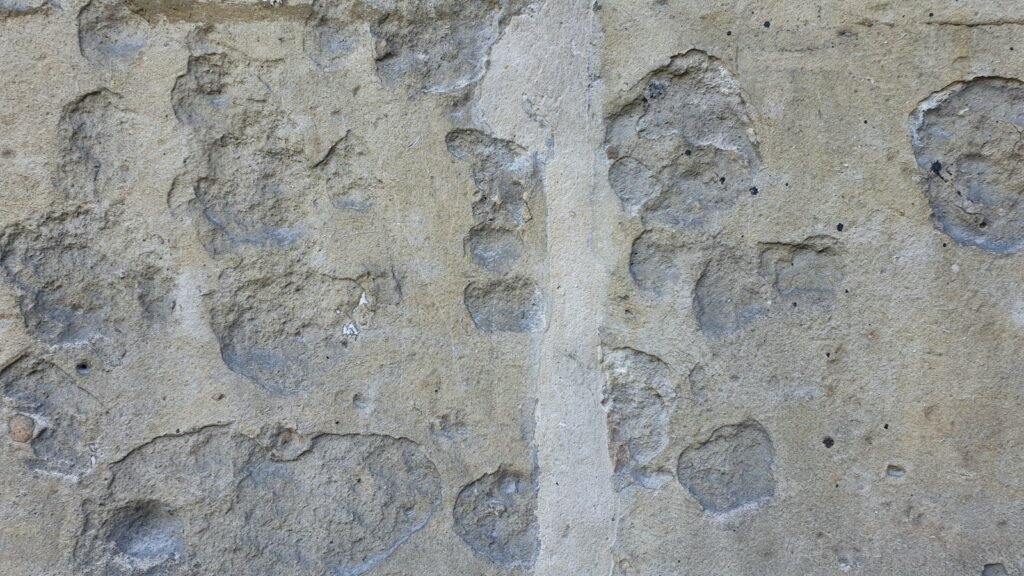
Two thousand years after bricklayers in tunics tamped mortar under Mediterranean sun, their arches, harbors, and domes still shrug off time. Meanwhile, the modern world spends staggering sums patching cracked bridges, leaky tunnels, and spalling seawalls long before their planned retirements. The puzzle is almost taunting: how did ancient builders, without steel or Portland cement, make concrete that gets tougher with age? The latest science points to a simple but radical answer hiding in plain sight, and it’s rewriting materials textbooks. The stakes are bigger than nostalgia – durable concrete could trim climate pollution, slash maintenance, and keep communities safer.
The Hidden Clues
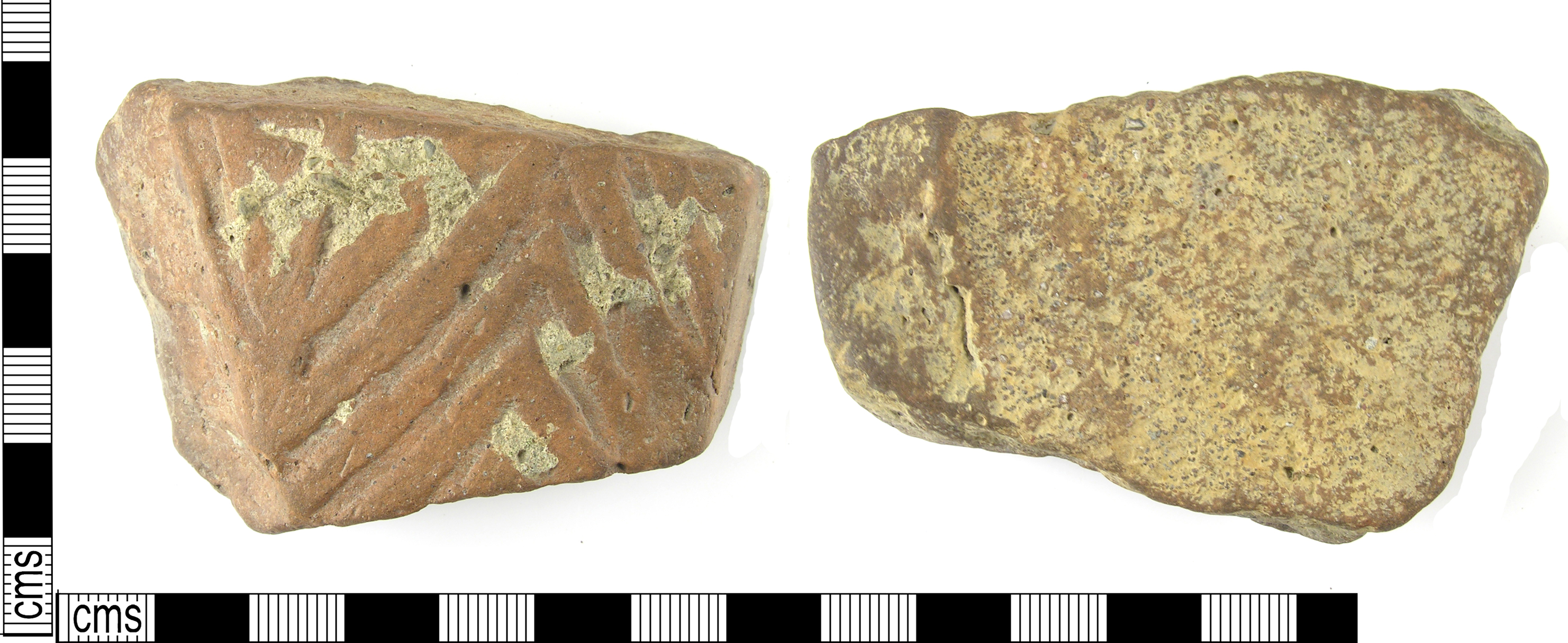
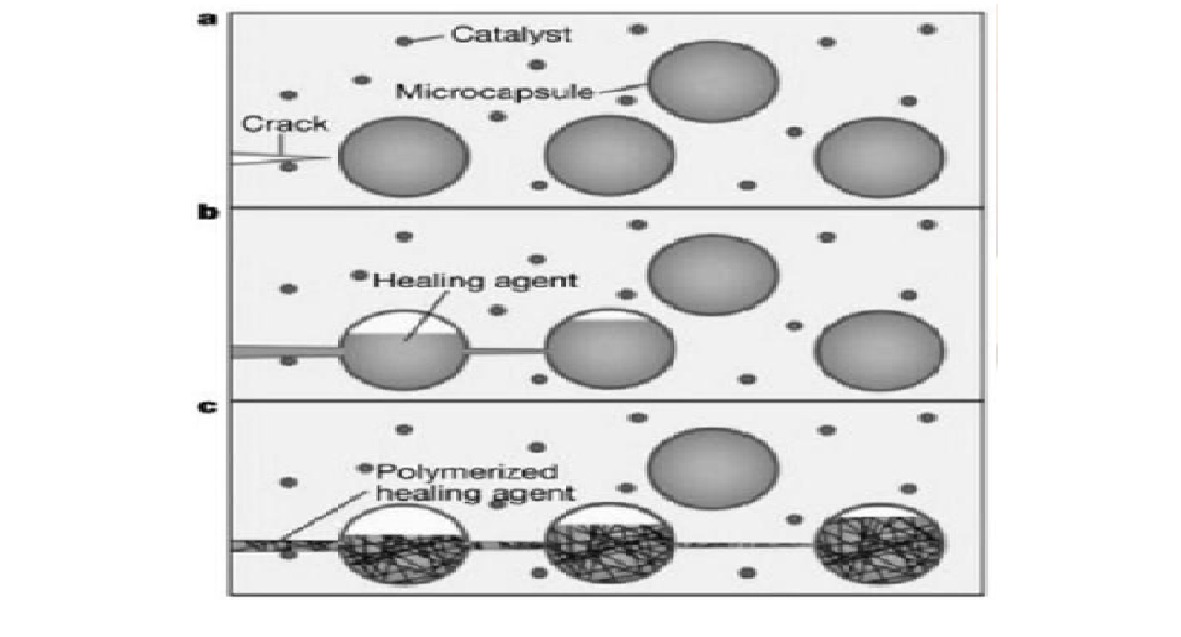
What if the “flaws” in Rome’s ancient mortar were the secret that let it outlive empires? For years, those peppered white specks in Roman concrete were dismissed as sloppy mixing or poor quality control. Now researchers say those specks – lime clasts – are intentional micro-reservoirs that help the material repair itself when cracks start to form. In other words, the very imperfections we judged are the reason the structures endure.
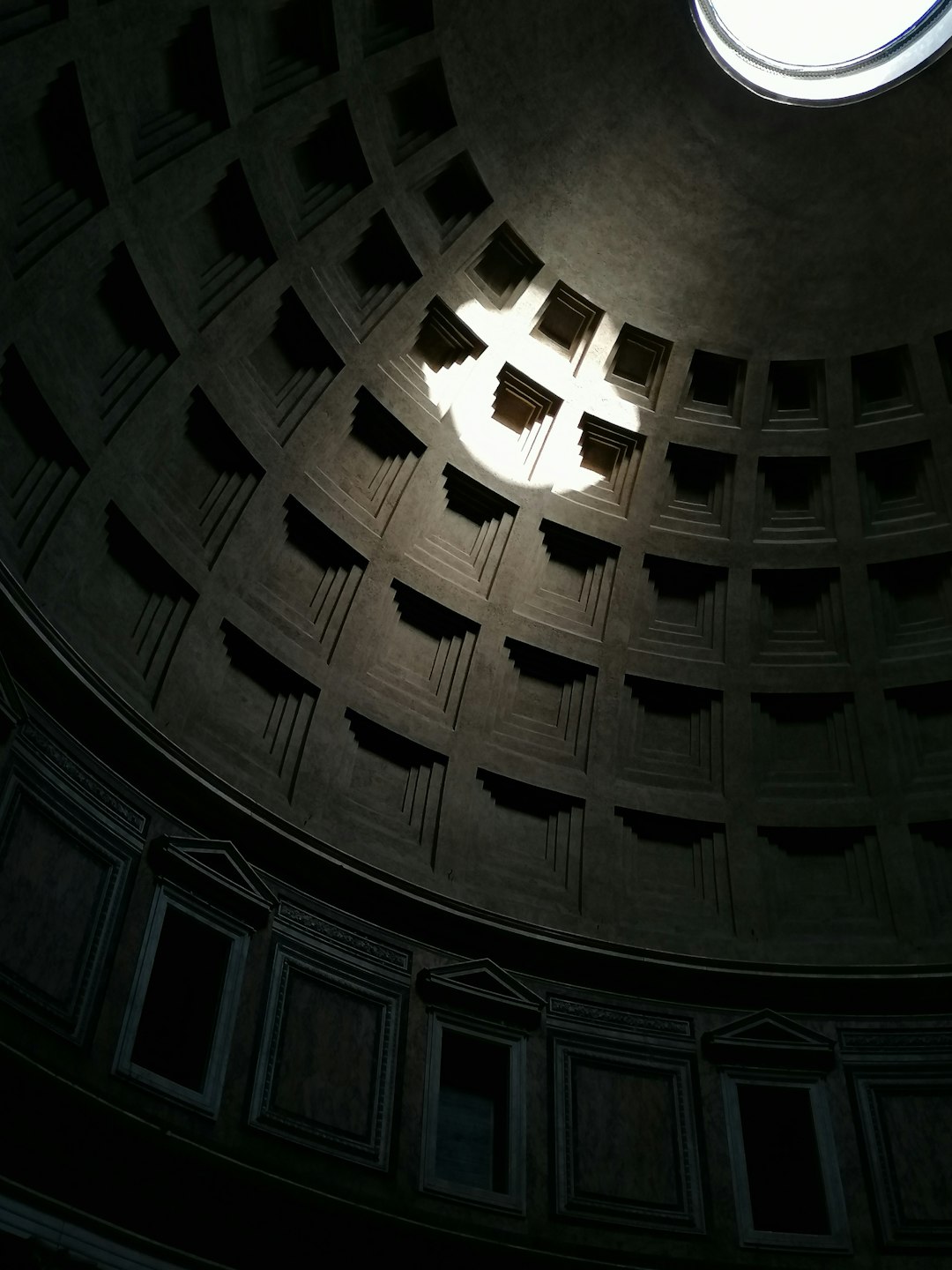
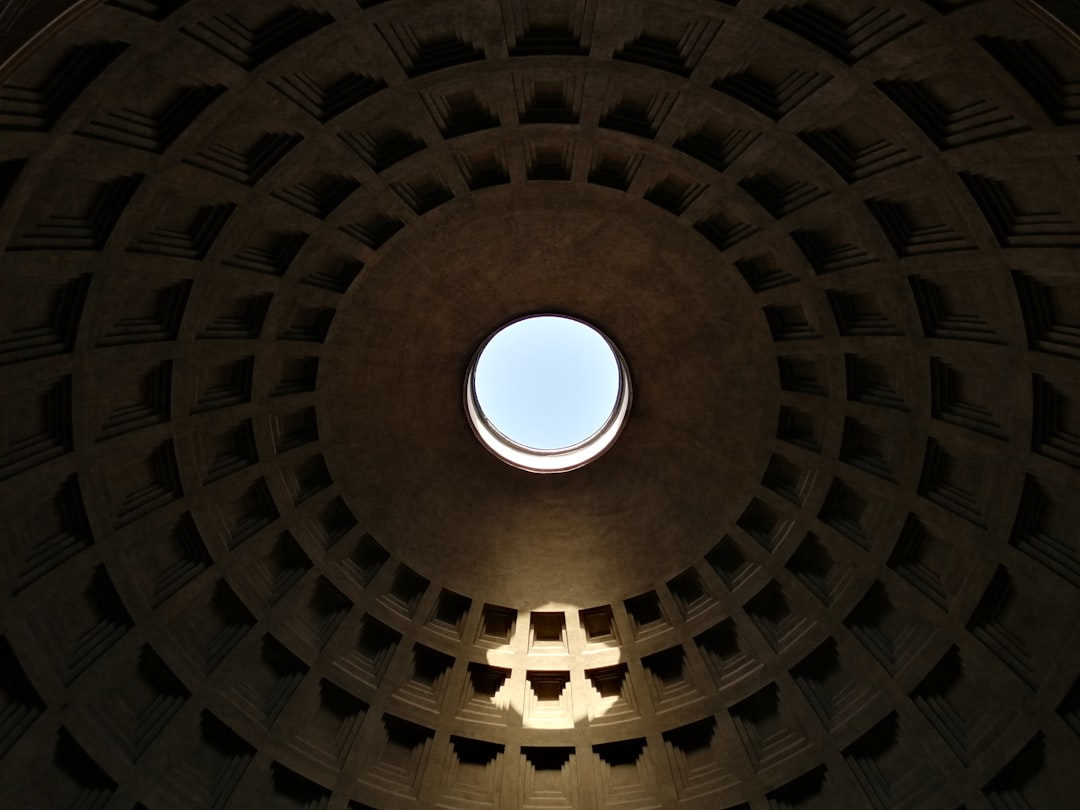
Stand beneath the Pantheon’s vast dome and you can sense this quiet resilience; it doesn’t strain to impress, it just keeps standing. I still remember running my hand along a tide-worn chunk of old Roman harbor stone and feeling how dense and oddly “alive” it seemed. Modern concrete often behaves like a brittle cookie, but Roman mixtures act more like sourdough – growing new crystals as they age. That living chemistry begins with how the mix was made.
From Ancient Tools to Modern Science
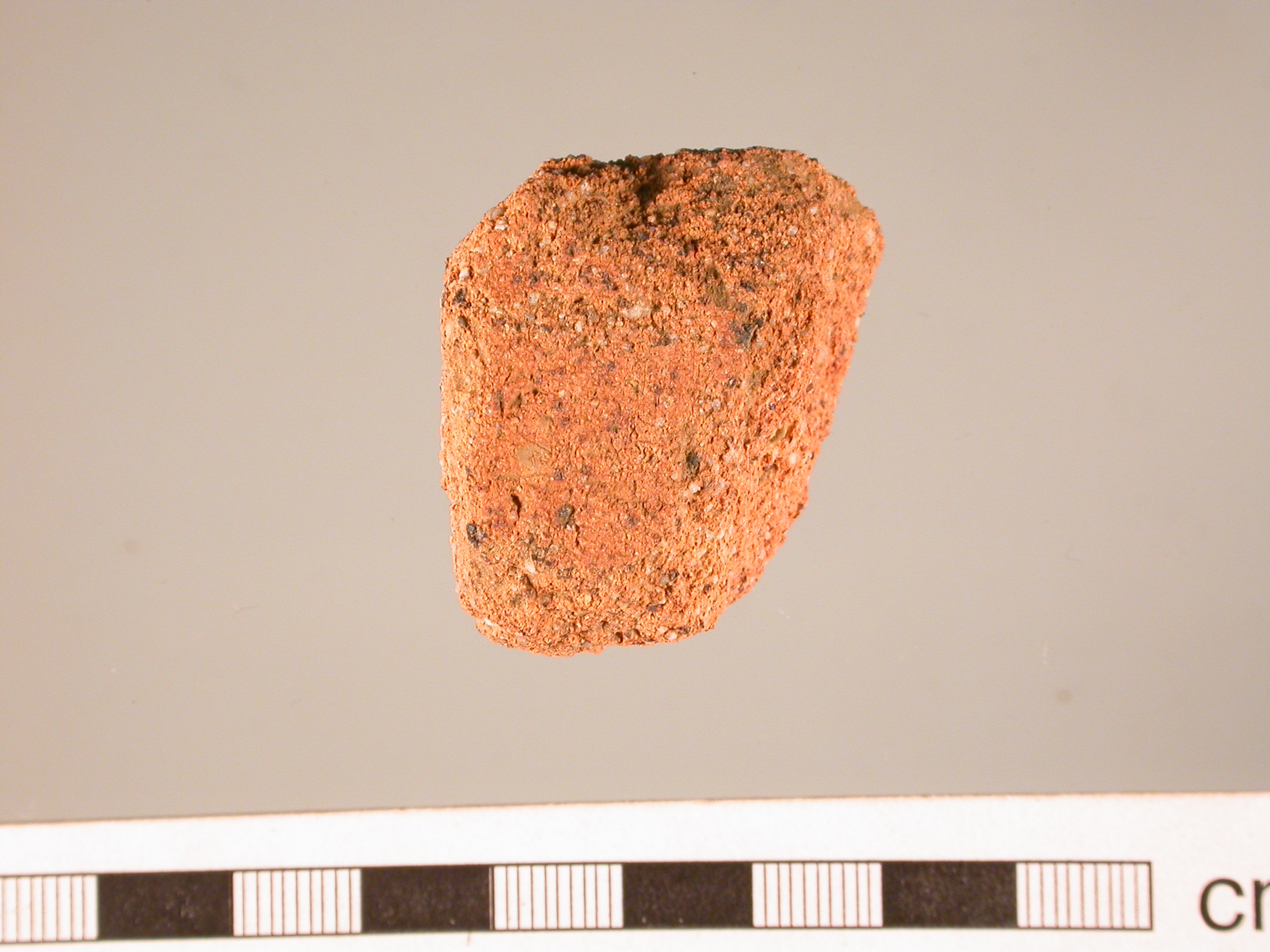
Recent analyses point to a method called hot mixing: the Romans combined volcanic ash with quicklime and aggregate while the mixture was literally cooking. That heat created reactive lime fragments inside the mortar, which later become crack-stopping, crack-healing nodes. When water sneaks into a fissure, it dissolves calcium from these clasts and re-precipitates minerals that glue the fracture shut. Lab tests on Roman-style mixes show channels sealing themselves, while ordinary controls stay leaky.
This isn’t romantic myth; it’s careful microscopy, spectroscopy, and fracture-flow experiments converging on the same mechanism. The Romans didn’t just get lucky with good stone – they engineered a mix that anticipates damage and responds to it. That mindset flips modern practice, which too often treats microcracks as inevitable and irreversible. The ancients essentially built in a maintenance crew at the microscopic scale.
The Chemistry in the Rubble
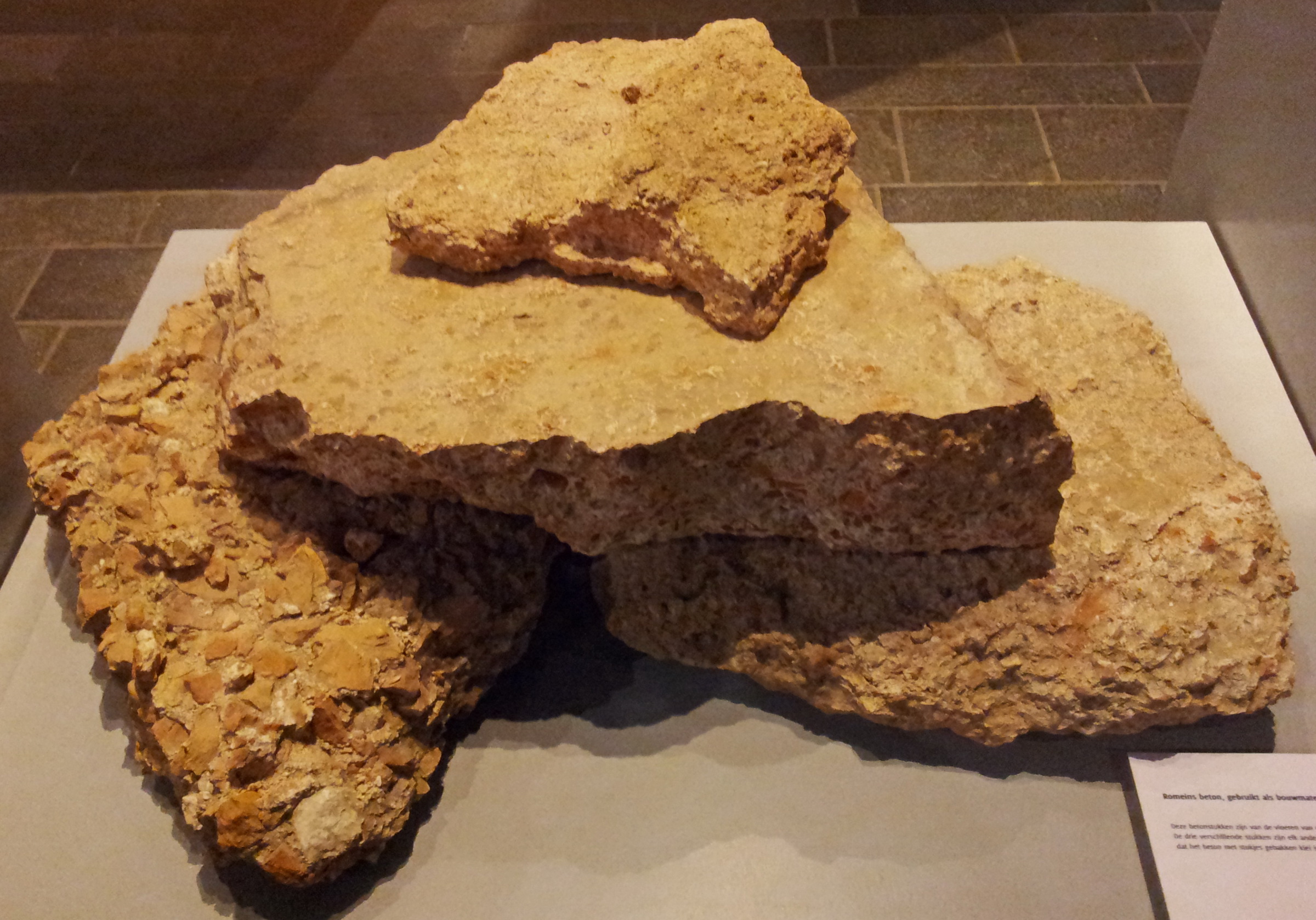
Break a Roman mortar and you’ll find a volcanic glass-pozzolan matrix stitched with calcium-silicate-aluminate hydrates, plus those telling lime clasts. The pozzolans – ash from places like Campi Flegrei – react slowly, continuing to bind and densify the matrix for years. When cracks open, high-surface-area lime particles dissolve, saturating the seepage with calcium that re-crystallizes as calcite or reacts with the ash to knit the wound. The result is a composite that turns intruding water into a repair agent instead of a destroyer.
By contrast, modern Portland cement relies on phases that hydrate fast, gain strength quickly, and then largely stop improving. Water that infiltrates modern concrete tends to corrode steel reinforcement and widen cracks, inviting freeze-thaw damage and salts. Roman mixes turn that same pathway into a scaffold for new mineral growth. It’s a clever inversion – like redirecting a pickpocket to drop coins into your pocket instead.
Lessons from the Sea
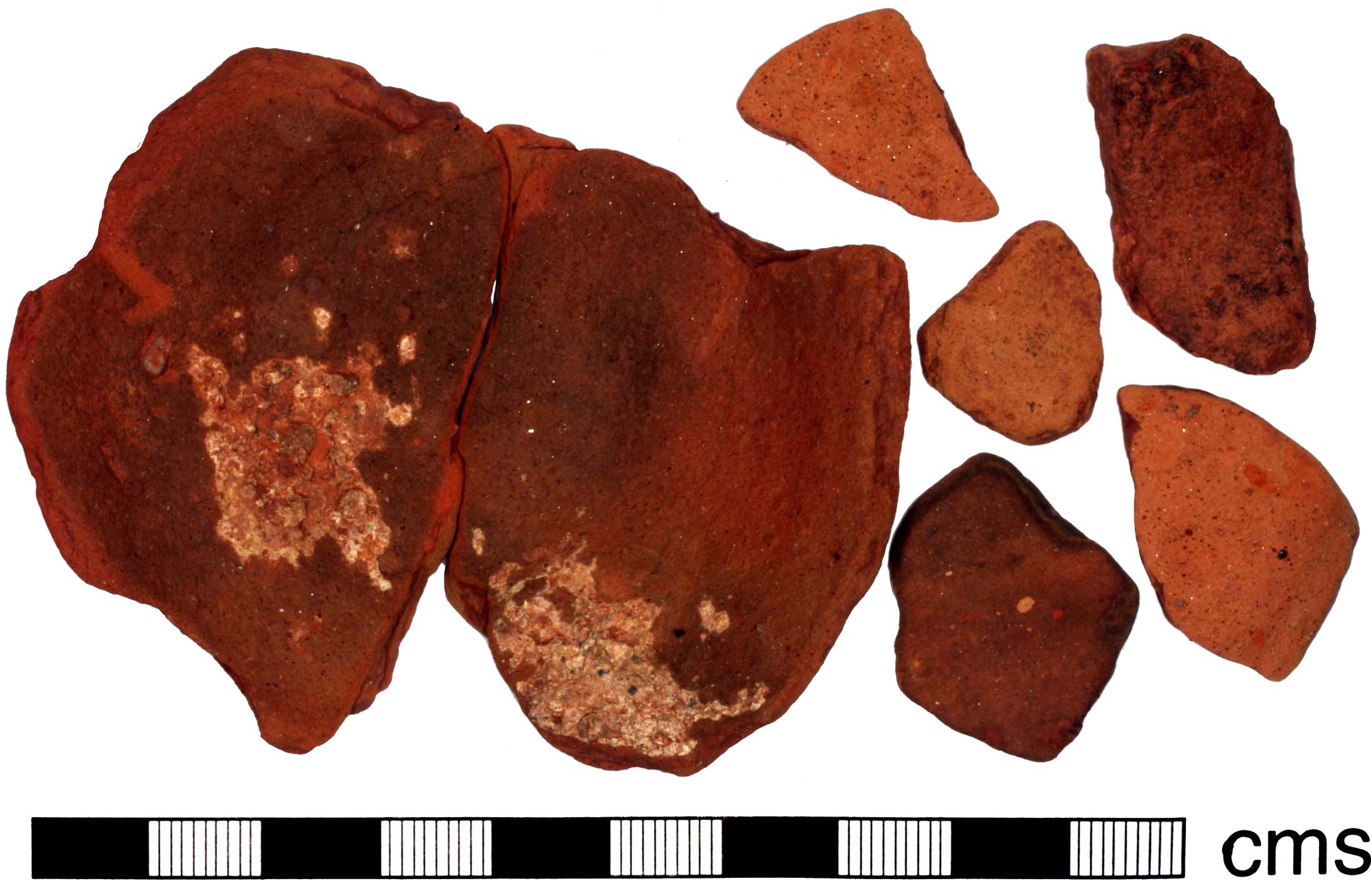
Roman maritime concrete is especially startling: piers and breakwaters placed in seawater matured into denser, stronger stone over centuries. As waves cycled through the pores, seawater triggered growth of hardy minerals such as aluminous tobermorite and zeolites that reinforced the matrix. Where modern marine concrete often erodes and spalls, Roman blocks seem to self-forge under the surf. The ocean, usually an enemy, became a slow-motion kiln and healer.
That matters for every coastal city facing harsher storms and rising seas. Imagine quay walls, floodgates, and wind-turbine foundations that don’t just resist the ocean but use it to harden. The ancients proved it’s not a fantasy; it’s a materials pathway hiding in the periodic table. If we can adapt the chemistry with today’s supply chains, waterfront infrastructure could last far beyond a single generation.
Why It Matters
Concrete is the planet’s most used human-made material, and cement production accounts for about 8% of global carbon dioxide emissions. When structures fail early, we “pay” twice – first with the up-front carbon, then again with repairs or replacements. Roman-style durability points to a third way: spend a little more attention at the mixing stage to save decades of energy, money, and risk. Longevity isn’t a luxury line item; it’s climate policy in hard hats.
Think about bridges rated for a century that need major rehab within a few decades, or seawalls patched after every storm season. A self-healing mix doesn’t eliminate maintenance, but it pushes out the failure curve and narrows the crack-growth window. That translates into safer commutes, fewer emergency closures, and infrastructure that remains dependable under stress. In a warming world, resilience is the dividend durability pays.
Global Perspectives
True, not every region sits atop the exact volcanic ash the Romans used near Pozzuoli, but many places have their own pozzolans: natural pumice, volcanic tuffs, or industrial by-products like fly ash and slag. Researchers are also blending calcined clays and tailored limestone powders to replicate the long-term binding behavior. The trick is matching local minerals to the hot-mix approach so lime clasts form with the right size and reactivity. With careful characterization, “Roman-inspired” can be regionally sourced rather than imported.
There are trade-offs to navigate: workability for contractors, setting time for construction schedules, and compatibility with reinforcement. But the global opportunity is huge – especially for coastal nations, island states, and rapidly urbanizing regions. If specifications evolve from prescriptive recipes to performance targets like crack self-sealing and chloride resistance, markets will follow. Durability data, not tradition, should set the standard.
From Ancient Tools to Building Codes
Even the best mix design won’t move the needle until codes and procurement rules allow it. Today’s standards often reward early compressive strength and low cost per cubic yard, not decades-long crack control. Pilot projects – culverts, quay blocks, remote footings – can build the dataset that officials need to change rules. Whole-life cost accounting, including avoided maintenance and carbon, makes the business case clear.
I’ve seen this arc before with low-carbon cements: a few careful trials, a public demonstration, then gradual mainstreaming as contractors gain confidence. Training matters as much as chemistry; getting hot-mix temperatures, moisture control, and curing right will determine results. Universities and public works departments can partner to test, monitor, and publish, so that success scales beyond one heroic project. In infrastructure, proof is persuasive – and reproducible proof is transformative.
The Future Landscape
Expect a new class of self-healing, pozzolan-rich concretes that combine Roman insights with modern additives and digital quality control. Sensors embedded in pours can track moisture, pH, and ion flow, giving real-time feedback on crack sealing performance. Additive manufacturing may benefit too: 3D-printed concrete could gain needed toughness if lime clasts and hot mixing are tuned for rapid print cycles. The goal isn’t to copy Rome perfectly, but to borrow the playbook and update it for high-throughput construction.
Challenges remain, from sourcing consistent pozzolans to proving long-term durability under freezing, de-icing salts, and heavy loads. Yet the upside is extraordinary: fewer failures, lighter maintenance budgets, and meaningful emissions cuts from extended lifespans. If we can standardize tests for self-sealing and mineral growth, adoption will accelerate. A concrete that learns from every drop of water it meets is a material built for this century.
Conclusion
Ask local officials and project teams to evaluate performance-based concrete specs that reward durability and self-sealing, not just lowest bid. Support public pilot projects that test Roman-inspired mixes for coastal repairs, culverts, and flood defenses. If you work in construction or design, explore pozzolan options in your region and request mix designs that include hot-mix protocols and documented crack-healing tests. Preservation matters too: visit and support museums and archaeological sites that steward the original laboratories of this knowledge.
Finally, talk about concrete the way we talk about energy – lifespan, emissions, and resilience all count. When communities demand infrastructure that lasts, the market listens. Durable concrete is not nostalgia; it’s a practical tool for safer streets and a cooler planet. The next generation should inherit bridges and seawalls that age gracefully, not repair bills that never end.