
In a world of doorbells and delivery trucks, the quietest hound on the block poses a loud scientific question: what happens when a dog’s most famous sound falls away? The Basenji, shaped by Central African forests and human partnership, invites us to rethink how dogs communicate, evolve, and live alongside us. Researchers study its voice, genes, and behavior not as curiosities but as clues to broader canine biology. Owners, meanwhile, wrestle with a paradoxical pet that is fast, clean, and clever – yet famously independent. Here’s what science, history, and real-world experience converge to tell us right now.
Fact 1 – The Hidden Voice: Why “Barkless” Doesn’t Mean Silent
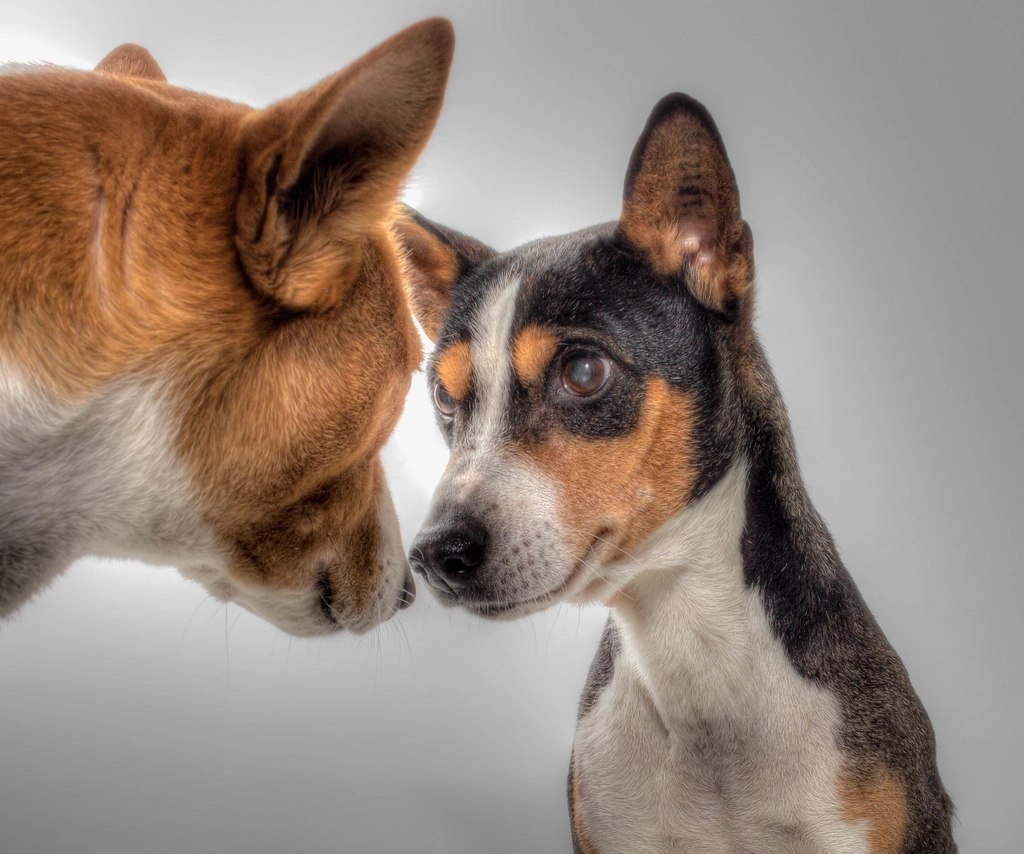
Calling the Basenji “barkless” is accurate but incomplete; the breed can yodel, chortle, growl, and scream, producing a vocal cocktail that sounds more alpine than suburban. Anatomically, their larynx differs in a way that makes classic barking rare, shifting energy into other, often musical, tones. That shift offers a natural experiment for biologists studying how form shapes function.
For owners, the result is eerie and endearing – communication without the constant bark we expect from dogs. In my view, it’s a reminder that quiet isn’t empty; it’s simply a different language waiting to be understood.
Fact 2 – From Ancient Tools to Modern Science: A Lineage Rooted in Central Africa

Basenjis trace cultural roots to Central African hunting traditions, where compact, heat-tolerant dogs worked with people to flush game into nets. Art and oral histories echo their presence long before the modern dog show ring existed. Genetic studies have repeatedly placed the Basenji among older domestic lineages, reinforcing what local traditions long suggested.
That blend – archaeological hints, living culture, and genomic data – turns the breed into a timeline made of fur and muscle. The science doesn’t just label a breed; it preserves the story of how humans and dogs co-adapted across landscapes.
Fact 3 – The Hunter’s Blueprint: Agile Bodies, Fast Minds

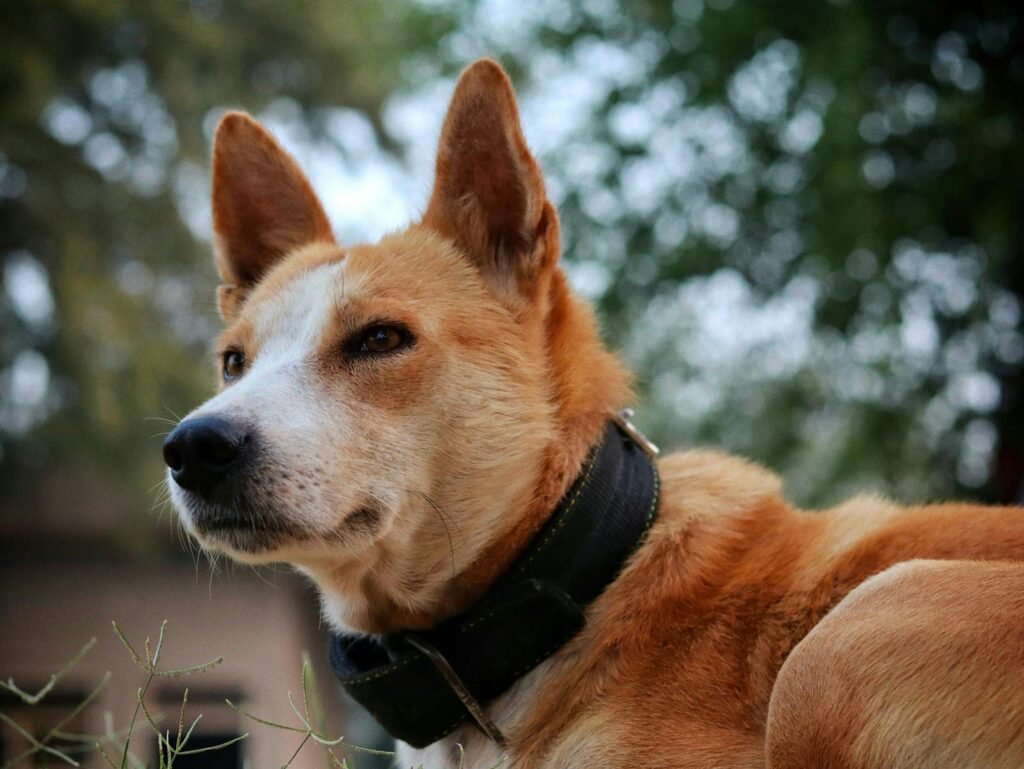
Look closely and you see the hunter’s blueprint: a finely muscled body, long legs, and a tightly curled tail for balance in dense cover. Basenjis move with a light, economical gait that conserves energy, then explode into speed when prey darts. Their eyes and ears work like tuned instruments, sweeping the environment in quick, efficient scans.
That design demands outlets in modern homes – sprints, scent games, and problem-solving challenges. Without them, the same traits that made brilliant hunters can turn into indoor mischief.
Fact 4 – Once-a-Year Rhythm: A Reproductive Cycle That Breaks the Mold

Unlike most breeds, many Basenji females come into heat roughly once a year, often seasonally. This pattern likely echoes their ancestral environment, where syncing reproduction to resources boosted pup survival. Veterinary teams now plan breeding with this rhythm in mind, timing health checks and genetic testing accordingly.
For prospective owners, the takeaway is simple: biology sets the calendar. Responsible breeders work with the schedule, not against it, to protect dams and pups.
Fact 5 – Clean as a Cat: Grooming, Shedding, and That Near-Absence of Odor

Basenjis groom themselves with a feline focus, licking and tidying until the short coat gleams. Many owners notice little of the classic “doggy” smell, especially with regular care and a clean environment. Sheds tend to be modest, though hair still finds the corners of the couch.
Here’s the reality check: low odor is not the same as hypoallergenic. Dander and saliva proteins still exist, so allergy-sensitive households should test compatibility before committing.
Fact 6 – Genetics on Alert: Fanconi Syndrome and the Power of DNA Screening

The breed once faced a serious kidney disorder known as Fanconi syndrome, where vital nutrients spill into urine instead of being reabsorbed. The game-changer has been DNA-based screening, allowing informed pairings that sharply reduce risk in puppies. Eye conditions such as progressive retinal atrophy have also drawn attention, pushing health clubs and researchers to broaden testing panels.
This is where science meets everyday compassion: data-driven breeding plans, routine vet checks, and lifetime monitoring. When owners keep records and share results, the whole breed benefits.
Fact 7 – Global Perspectives: Culture, Rescue, and Responsible Ownership

As the Basenji travels from Central African villages to urban apartments, meaning shifts. In one place, it’s a working partner; in another, a high-energy companion that needs outlets and patience. Rescue groups increasingly coordinate across borders, balancing respect for cultural origins with modern welfare standards.
Responsible ownership becomes a global contract: secure yards, leashes near wildlife, and enrichment that respects prey drive. The world may change around them, but the dog’s needs remain as concrete as bone and sinew.
Fact 8 – Why It Matters: What a Barkless Hound Teaches Science

The Basenji challenges the idea that barking defines “dogness,” offering a living model for studying communication beyond noise. By comparing Basenji vocal mechanics with other breeds, researchers probe how anatomy steers behavior and evolution. The breed’s distinct genetics also help map disease risk and uncover recessive conditions relevant to broader canine health.
In practical terms, this means better screening tools, clearer training strategies, and welfare policies grounded in biology rather than myth. Understanding one unusual hound improves how we care for them all.
Fact 9 – The Future Landscape: Tech, Conservation Genetics, and Urban Life

Tomorrow’s Basenji story includes wearable sensors that log stress, sleep, and activity, turning daily life into data. Genomic tools will refine diversity management, helping small breeding populations avoid genetic bottlenecks while preserving hallmark traits. Training will lean on science-backed protocols that reward curiosity and channel prey drive into safe games.
Urban planning matters, too: access to secure off-leash zones and scent trails could reduce nuisance behaviors and improve welfare. The next breakthroughs won’t just be in labs – they’ll unfold on sidewalks and forest paths.
Fact 10 – What You Can Do Now: A Clear, Practical Call to Action

Start with evidence: if you’re drawn to the breed, meet adult Basenjis, not just puppies, and ask about health testing records. Secure the environment – think high fences, locked gates, and puzzle feeders that trade chaos for calm. Support breed clubs and rescue groups that publish transparent health data and emphasize responsible placement.
Finally, be an ambassador for science-based care: positive training, routine vet checks, and participation in voluntary health registries. A quieter dog can spark a louder commitment to welfare and knowledge – are you ready to be part of that story?
Suhail Ahmed is a passionate digital professional and nature enthusiast with over 8 years of experience in content strategy, SEO, web development, and digital operations. Alongside his freelance journey, Suhail actively contributes to nature and wildlife platforms like Discover Wildlife, where he channels his curiosity for the planet into engaging, educational storytelling.
With a strong background in managing digital ecosystems — from ecommerce stores and WordPress websites to social media and automation — Suhail merges technical precision with creative insight. His content reflects a rare balance: SEO-friendly yet deeply human, data-informed yet emotionally resonant.
Driven by a love for discovery and storytelling, Suhail believes in using digital platforms to amplify causes that matter — especially those protecting Earth’s biodiversity and inspiring sustainable living. Whether he’s managing online projects or crafting wildlife content, his goal remains the same: to inform, inspire, and leave a positive digital footprint.