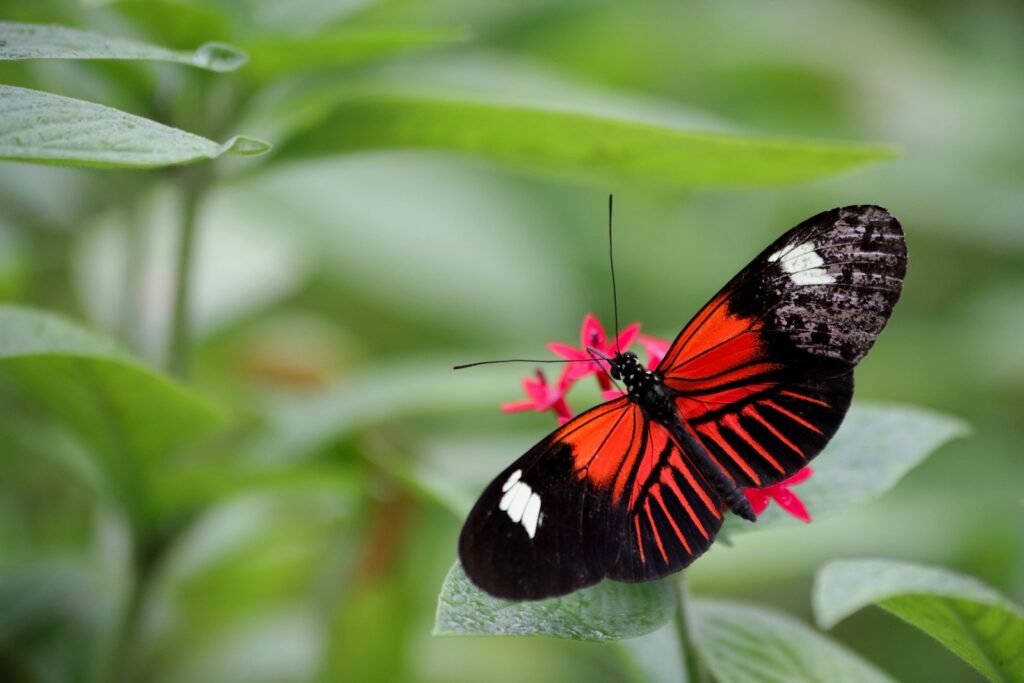

They flicker at the edge of sight like living confetti, yet some of ’s most astonishing butterflies now exist in numbers small enough to fit inside a school bus. Across islands, deserts, and mountain forests, these species are testing how quickly science, policy, and local communities can move. The stakes feel high because butterflies are early warnings for ecosystems, signaling heat, drought, and fragmentation long before we notice. Conservation teams are responding with field surveys, genome tools, and painstaking habitat restoration, but progress is uneven and time-sensitive. Here’s a close look at eight of the rarest butterflies alive today – and the people and ideas racing to keep them in the air.
The Hidden Clues: Queen Alexandra’s Birdwing, Papua New Guinea
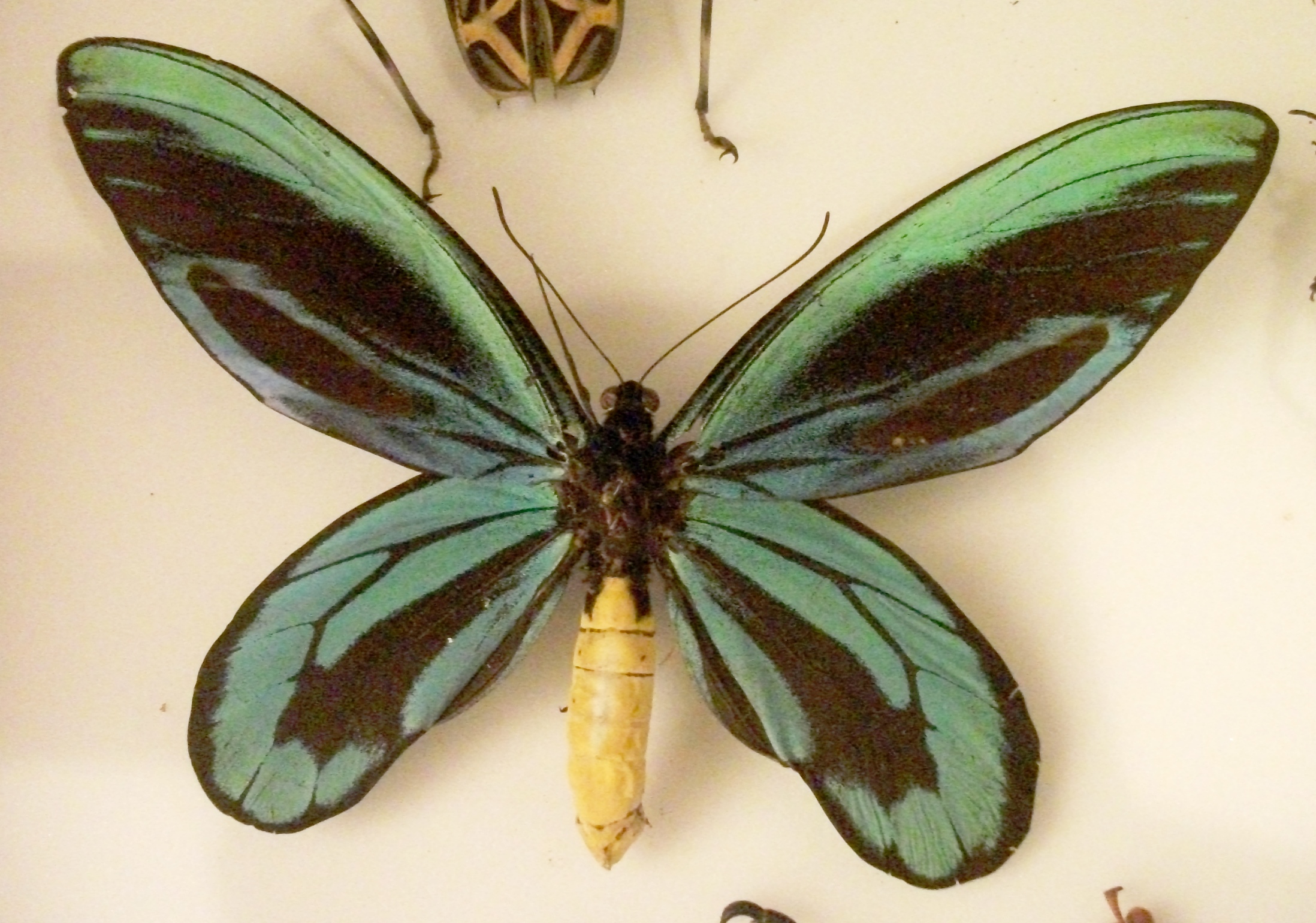
With a wingspan pushing the length of a dinner plate, Queen Alexandra’s birdwing looks more like a small bird than an insect. Endemic to lowland rainforests of Papua New Guinea’s Oro Province, it survives in scattered pockets shaped by logging, agriculture, and storms. Its caterpillars depend on a handful of native pipevine species, a narrow menu that ties survival to intact forest patches. That fragile link makes the butterfly a living barometer for how much primary forest remains.
Local villages, researchers, and rangers are experimenting with community-based protection and sustainable livelihoods that keep old forest standing. Carefully managed eco-collection bans and habitat set-asides have slowed pressure, but illegal trade and land conversion still loom. Climate stress compounds risk by shifting rainfall patterns and nudging host plants upslope, sometimes beyond protected boundaries. When sightings come in, they feel like postcards from a vanishing biome.
From Ancient Forests to Modern Science: Jamaican Homerus Swallowtail
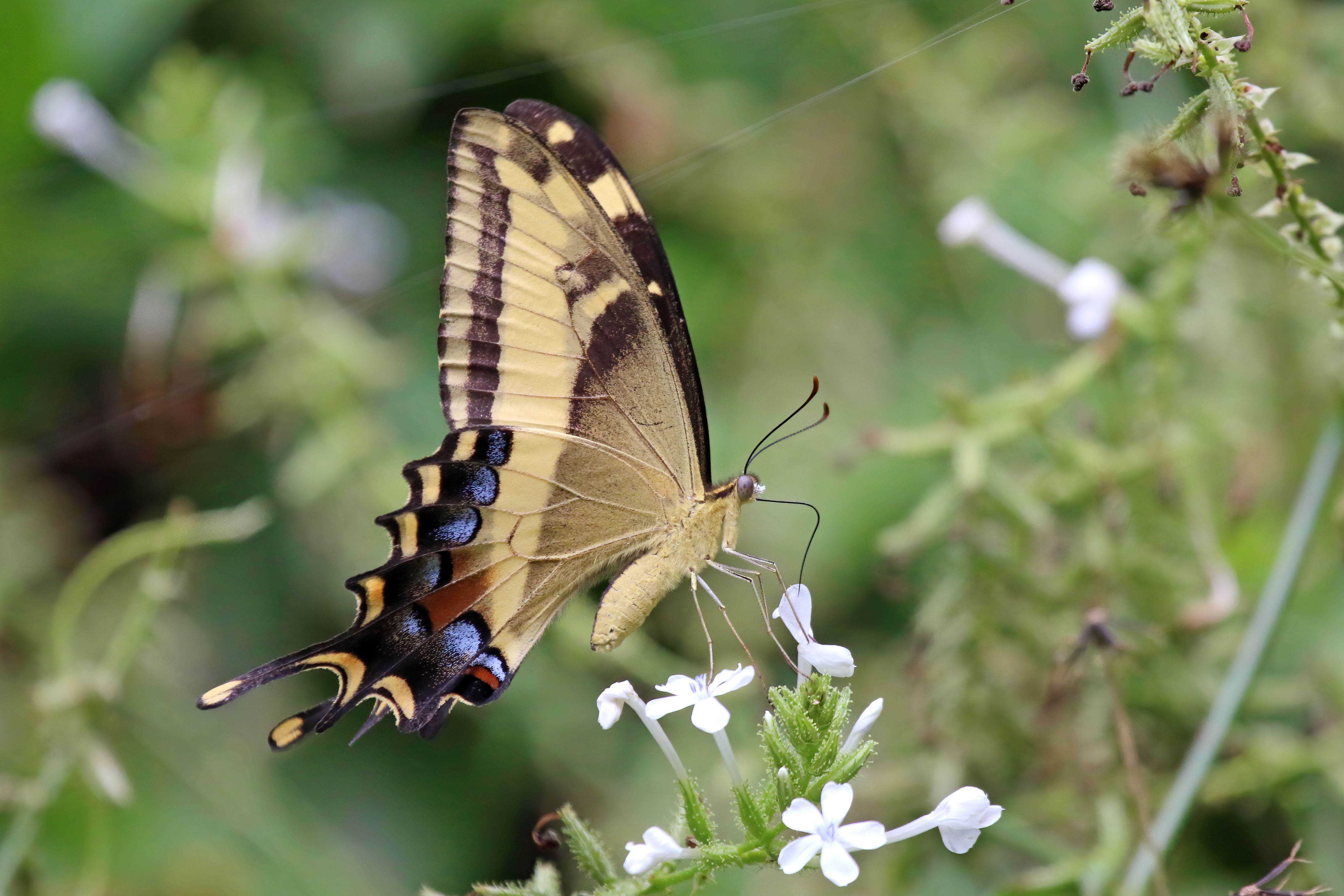
The Homerus swallowtail, confined to Jamaica’s steep rainforest valleys, is the largest butterfly in the Western Hemisphere and among the rarest. It relies on clean streams, old-growth canopy, and specific tree species that anchor its life cycle. Habitat loss, collecting pressure in past decades, and severe storms have carved the population into isolated pockets. Where roads push deeper into hillsides, adults disappear first, then the larvae vanish in the silence that follows.
Today, Jamaican scientists and partners are mixing traditional field patrols with camera traps and genetic sampling from eggshell fragments. That blend is mapping breeding strongholds and identifying corridors where forest regrowth could reconnect fragments. Education programs in nearby communities emphasize pride in a national emblem and the practical benefits of intact watersheds. In a humid valley at dusk, a single glide across a river can feel like an entire island catching its breath.
Urban Ghost: The Palos Verdes Blue of Los Angeles
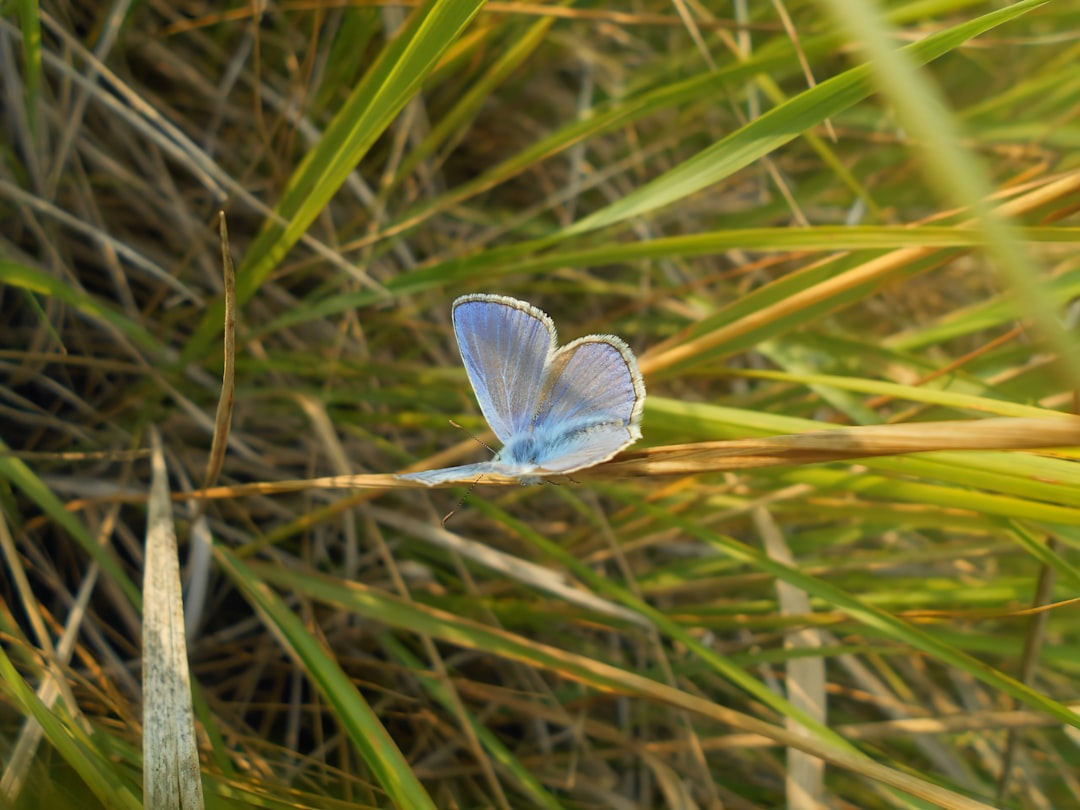
In a metropolis famous for freeways and movie sets, the Palos Verdes blue persists on windswept bluffs above the Pacific. Once declared extinct, it was rediscovered in the 1990s and coaxed back through captive rearing and native plant restoration. The butterfly’s larvae feed on select coastal scrub legumes, a botanical niche squeezed by development and invasive grasses. Each spring flight is a negotiation with city life – construction noise on one side, ocean squalls on the other.
Conservation teams now stitch together micro-habitats on military land, nature reserves, and even road margins. Volunteers weed out invaders, collect seed, and plant host patches that function like stepping stones. In dry years, carefully timed irrigation and shade structures keep plants alive long enough for larvae to pupate. It’s urban ecology at scalpel scale, where a few square meters can tip a population from collapse to rebound.
Why It Matters: Storm‑Survivor on the Edge – Schaus’ Swallowtail
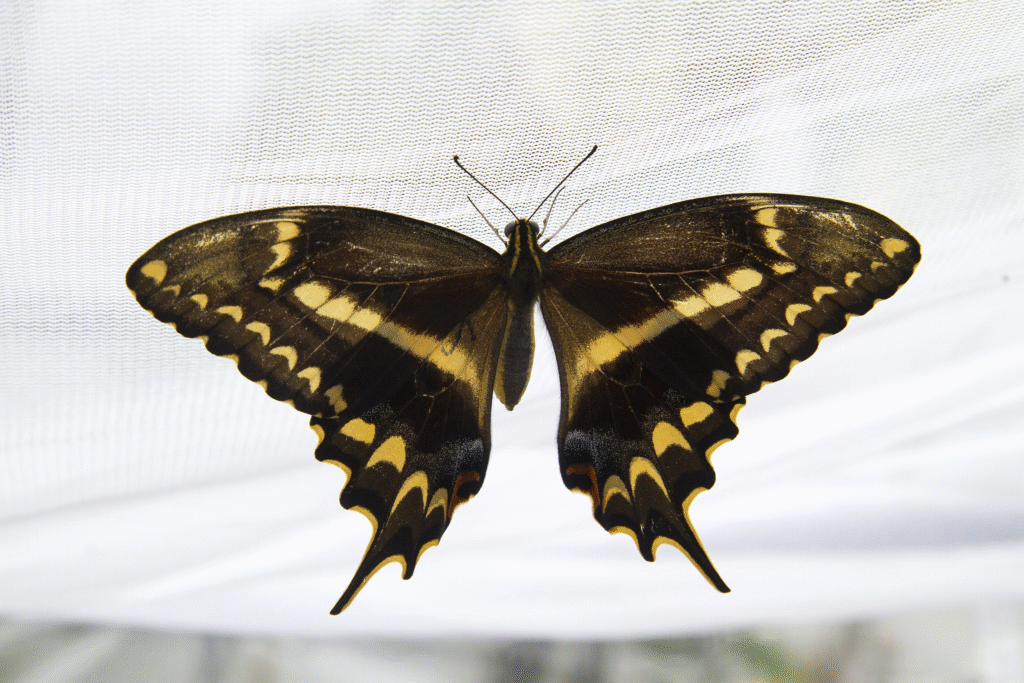
In the Florida Keys, Schaus’ swallowtail survives in hardwood hammocks pummeled by hurricanes and stressed by saltwater intrusion. Mosquito-control sprays, sea-level rise, and extreme heat stack the odds against a butterfly already living at the geographic edge of its range. Field teams track adults on sticky, windless mornings, when a single pass over a nectar bloom can reveal whether a breeding season has a pulse. The species turns climate headlines into immediate questions – did last night’s storm blow away the next generation?
Why it matters stretches beyond a single insect. Butterflies concentrate risk where habitats are thin and stressors pile up, making them sharp indicators for coastal resilience and public-health tradeoffs. When strategies protect Schaus’ swallowtail – buffering habitat, revising spray zones, restoring native plants – they often shield migratory birds and pollinating bees too. Saving one species becomes a rehearsal for adapting an entire coastline.
Mountain Miniature: Sinai Baton Blue in the High Desert
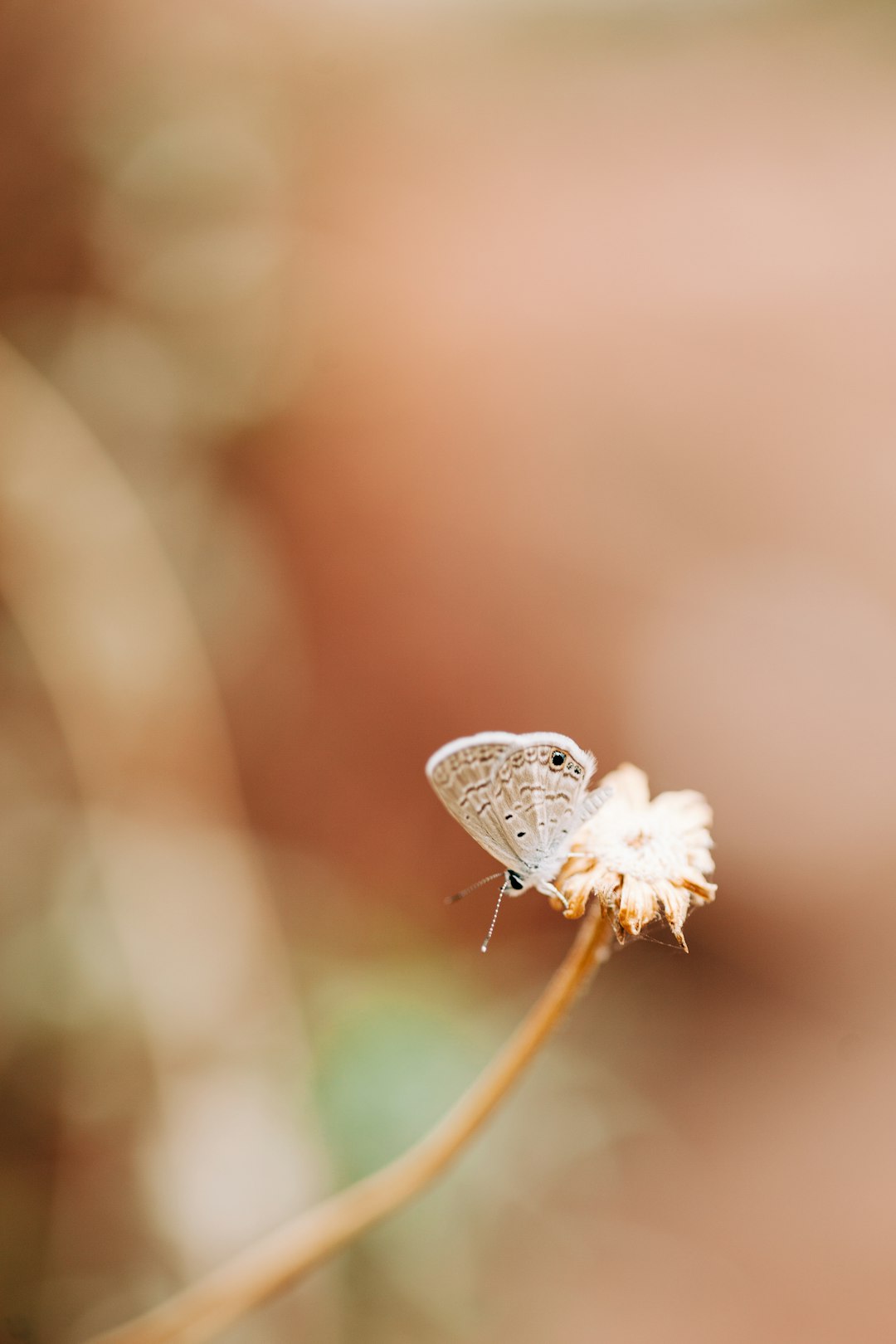
The Sinai baton blue is a butterfly so small you could mistake it for ash on the wind, yet it carries the fate of a high-desert ecosystem on its wings. Endemic to Egypt’s South Sinai mountains, it is tied tightly to Sinai thyme, a compact plant that dots rocky slopes. Drought years shrink thyme cushions; heavy grazing can erase them entirely. When the plant thins, the butterfly blinks out valley by valley.
Researchers have mapped the species to a handful of wadis and monitor it like a heartbeat – weak some years, stronger in others, but never robust. Simple fixes help: grazing rotations, protected micro-sites, and community-guided harvesting of thyme for traditional uses. Because the butterfly’s range is so small, modest wins add up fast, and losses cut even deeper. It’s conservation in a teacup, delicate and absolutely consequential.
Rediscovered in the Salish Sea: The Island Marble
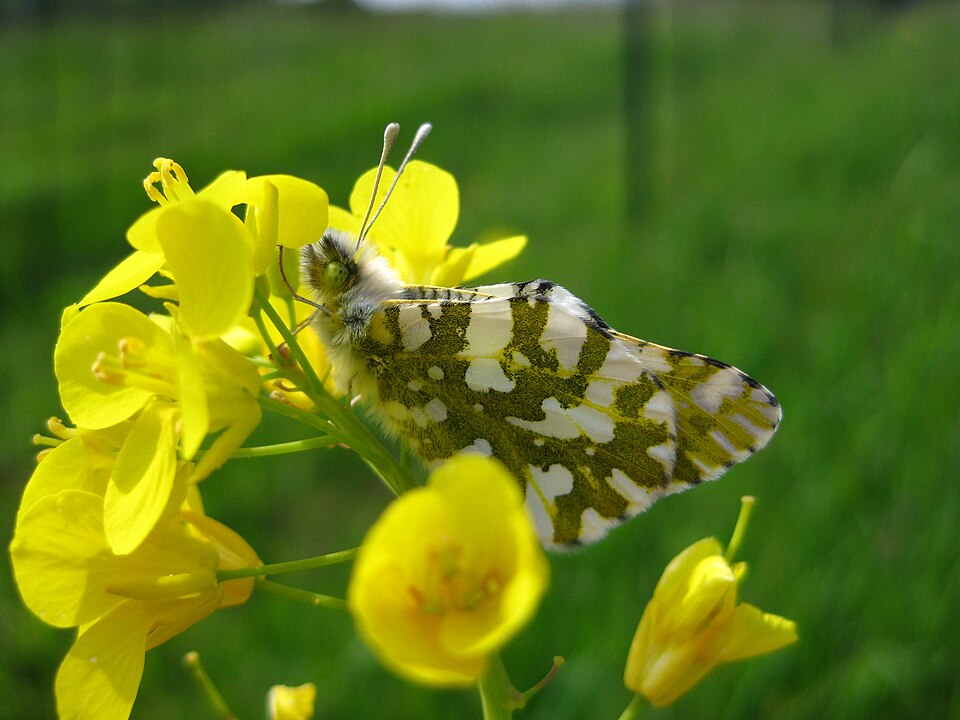
Presumed lost for most of the twentieth century, the Island Marble was rediscovered on Washington State’s San Juan Islands in the late 1990s. It favors open coastal prairies and dunes, laying eggs on native mustards that also entice hungry deer. Habitat fragments remain scattered between shorelines, historical parks, and private fields, leaving the butterfly to thread a narrow seasonal needle. One ill-timed mowing or an especially hungry rabbit can wipe out a year’s brood.
To keep pace, managers cage host plants during critical weeks, trial captive rearing, and coordinate with landowners on mowing schedules. Monitoring crews log flights as tides turn and wind shifts, reading the prairie like a weathered map. Each measure buys time while larger restorations work to expand native grasslands. A small, green-veined flicker across a salt-streaked field now stands for a region’s promise to fix what it nearly forgot.
High‑Altitude Jewels: Kaiser‑i‑Hind and Bhutan Glory
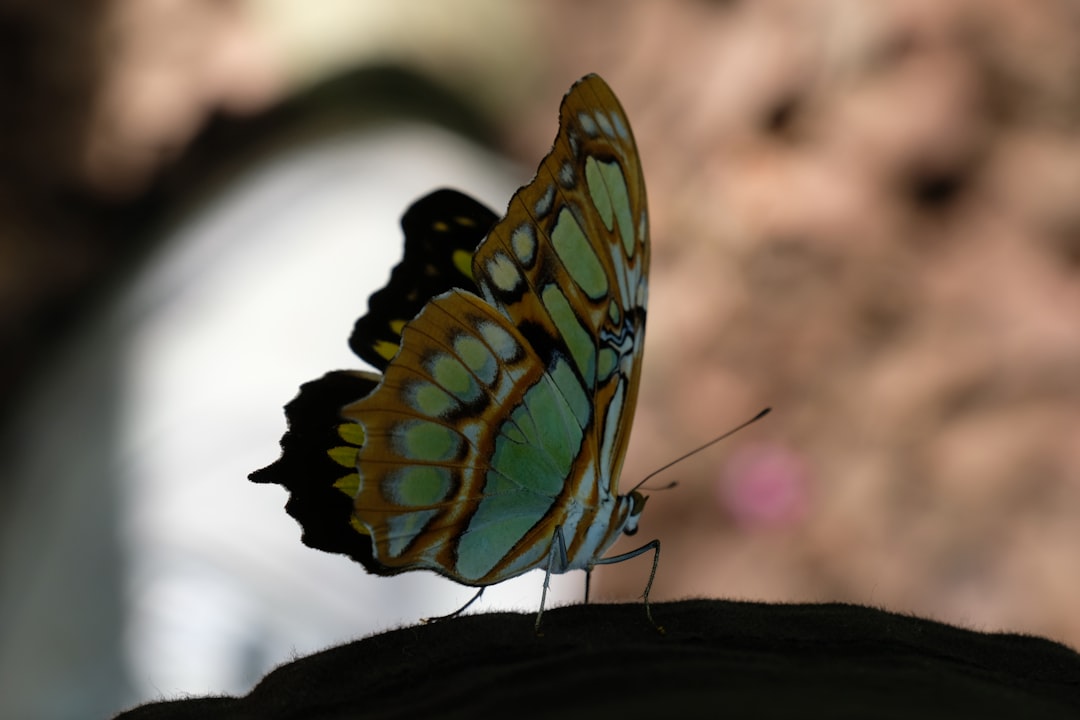
Gliding along cloud forests from Nepal to Northeast India and beyond, the Kaiser‑i‑Hind flashes metallic greens that seem almost unreal. Its cousin in allure, the Bhutan glory, rides the same cool ridgelines farther east, where monsoon mists feed stands of aristolochia vines. Both species occur at naturally low densities, which means even limited collecting and road cuts can empty a valley of sightings. Shifts in seasonal rains push host plants up and down slope, sometimes putting butterflies and larvae out of sync.
Conservation responses here are a patchwork: guarded reserves, seasonal bans, and community patrols on steep footpaths. Scientists use altitude models to predict where future refuges will form as temperatures climb. Ecotourism, if handled with restraint, can fund protection while turning prestige into stewardship. In these thin-air forests, rarity is not just a number; it’s the texture of a landscape that rewards patience over speed.
The Future Landscape and How You Can Help
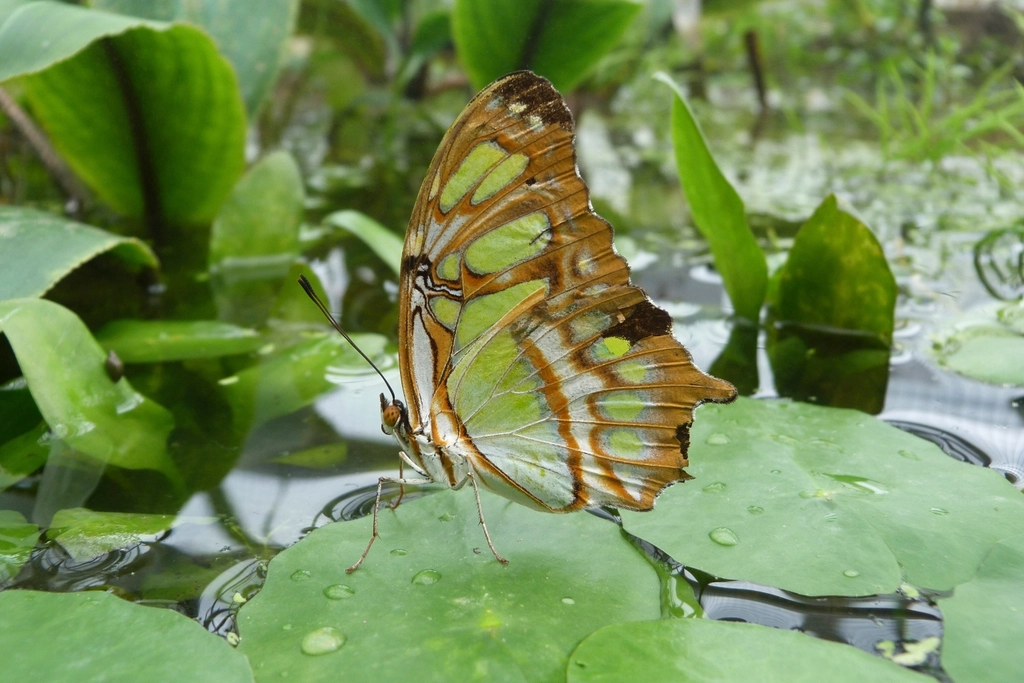
The next decade will fuse classic fieldwork with new tools: environmental DNA to detect larvae from soil samples, satellite imagery to pinpoint green corridors, and machine learning to forecast flight windows. Drones can map host plants after storms, while open data platforms let small teams act fast on shared alerts. Captive rearing will remain a safety net, but the real gains come from restoring connected habitat so butterflies rescue themselves. Insurance populations and seed banks buy time; climate-smart corridors spend it wisely.
If these stories moved you, start close to home. Plant native nectar and host species, skip broad-spectrum pesticides, and leave a few wild corners for caterpillars to hide. Support local land trusts and citizen-science projects that track pollinators after heat waves or floods. And when you travel, choose guides and parks that reinvest in habitat, because your ticket can be a lifeline as surely as a grant. Which of these rare wings would you be proud to keep aloft where you live?
Suhail Ahmed is a passionate digital professional and nature enthusiast with over 8 years of experience in content strategy, SEO, web development, and digital operations. Alongside his freelance journey, Suhail actively contributes to nature and wildlife platforms like Discover Wildlife, where he channels his curiosity for the planet into engaging, educational storytelling.
With a strong background in managing digital ecosystems — from ecommerce stores and WordPress websites to social media and automation — Suhail merges technical precision with creative insight. His content reflects a rare balance: SEO-friendly yet deeply human, data-informed yet emotionally resonant.
Driven by a love for discovery and storytelling, Suhail believes in using digital platforms to amplify causes that matter — especially those protecting Earth’s biodiversity and inspiring sustainable living. Whether he’s managing online projects or crafting wildlife content, his goal remains the same: to inform, inspire, and leave a positive digital footprint.