
Australia is a continent of oddities, where egg-laying mammals shuffle beneath parrots the color of traffic lights and kangaroos bound over red sand like spring-loaded deer. Yet one conspicuous group never made it: bears. The puzzle touches deep-time geology, ocean barriers, and the chance routes that steered evolution’s traffic. It also reveals why a place that birthed marsupials and monotremes became a bear-free zone while nearby tropical forests host honey-loving sun bears. Understanding that absence is more than trivia – it’s a masterclass in how Earth’s moving pieces shape living worlds.
The Hidden Clues
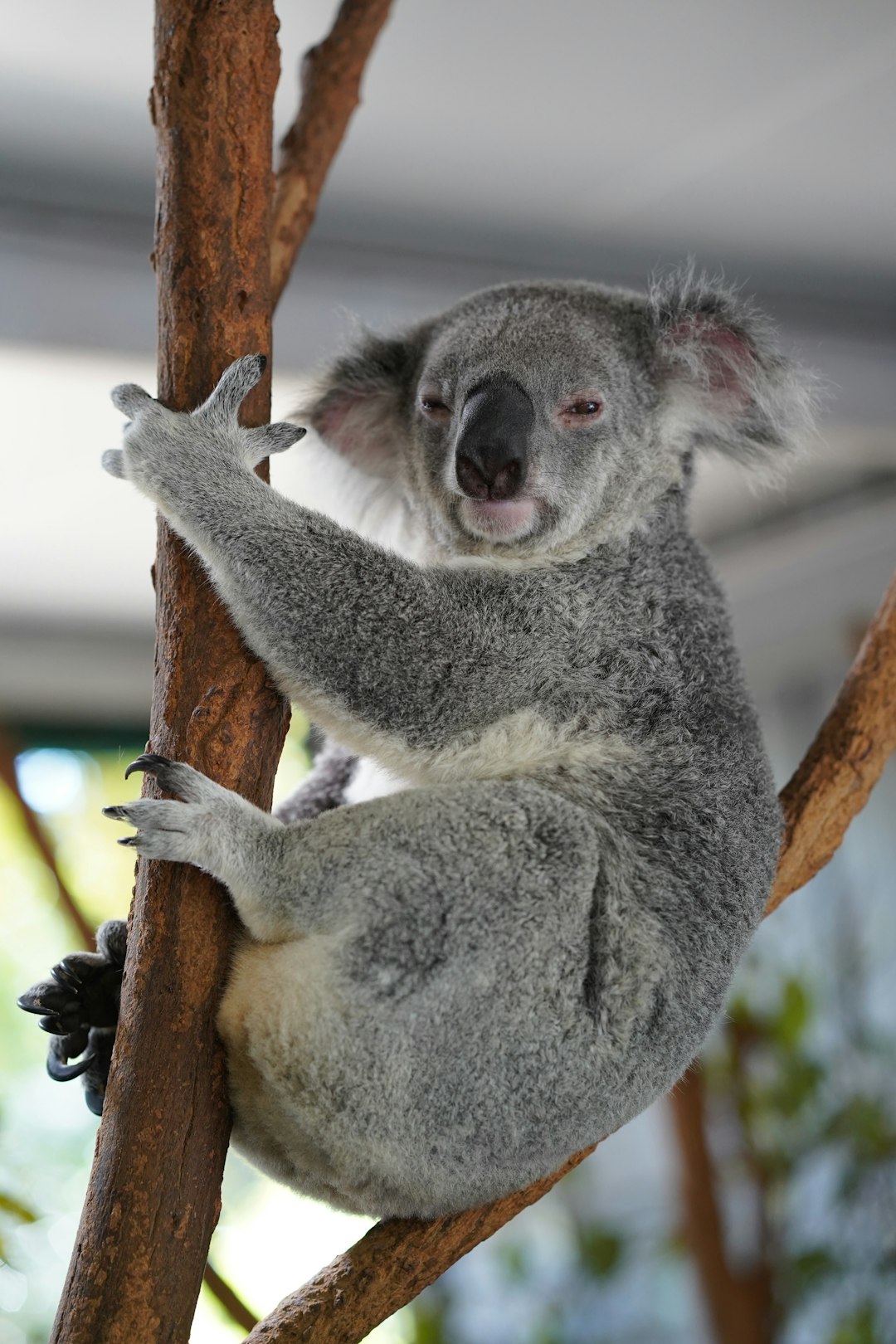
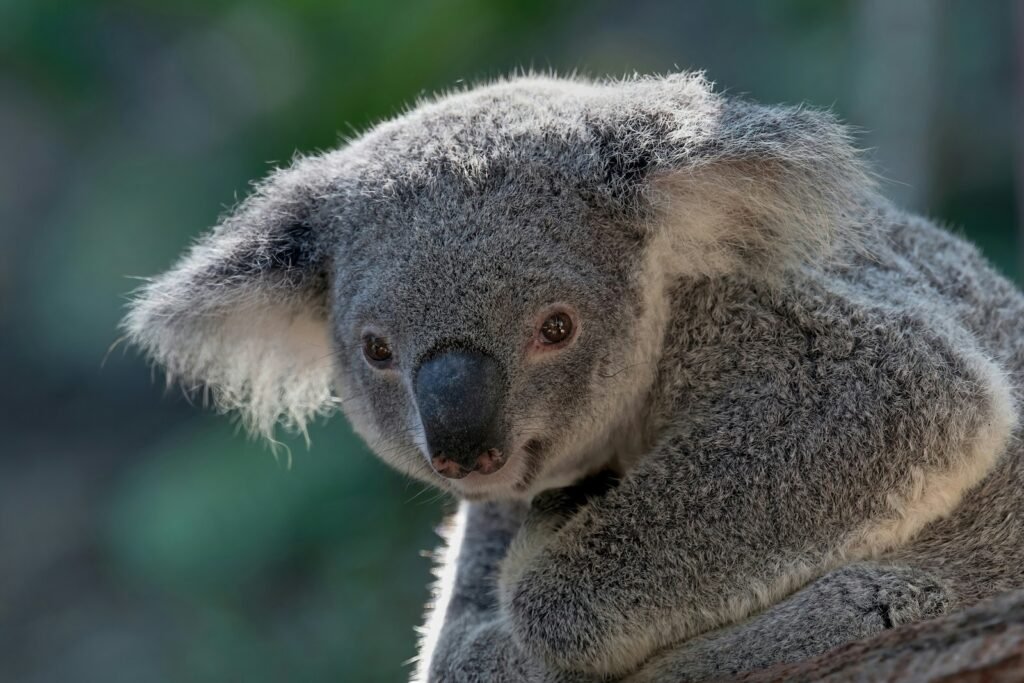
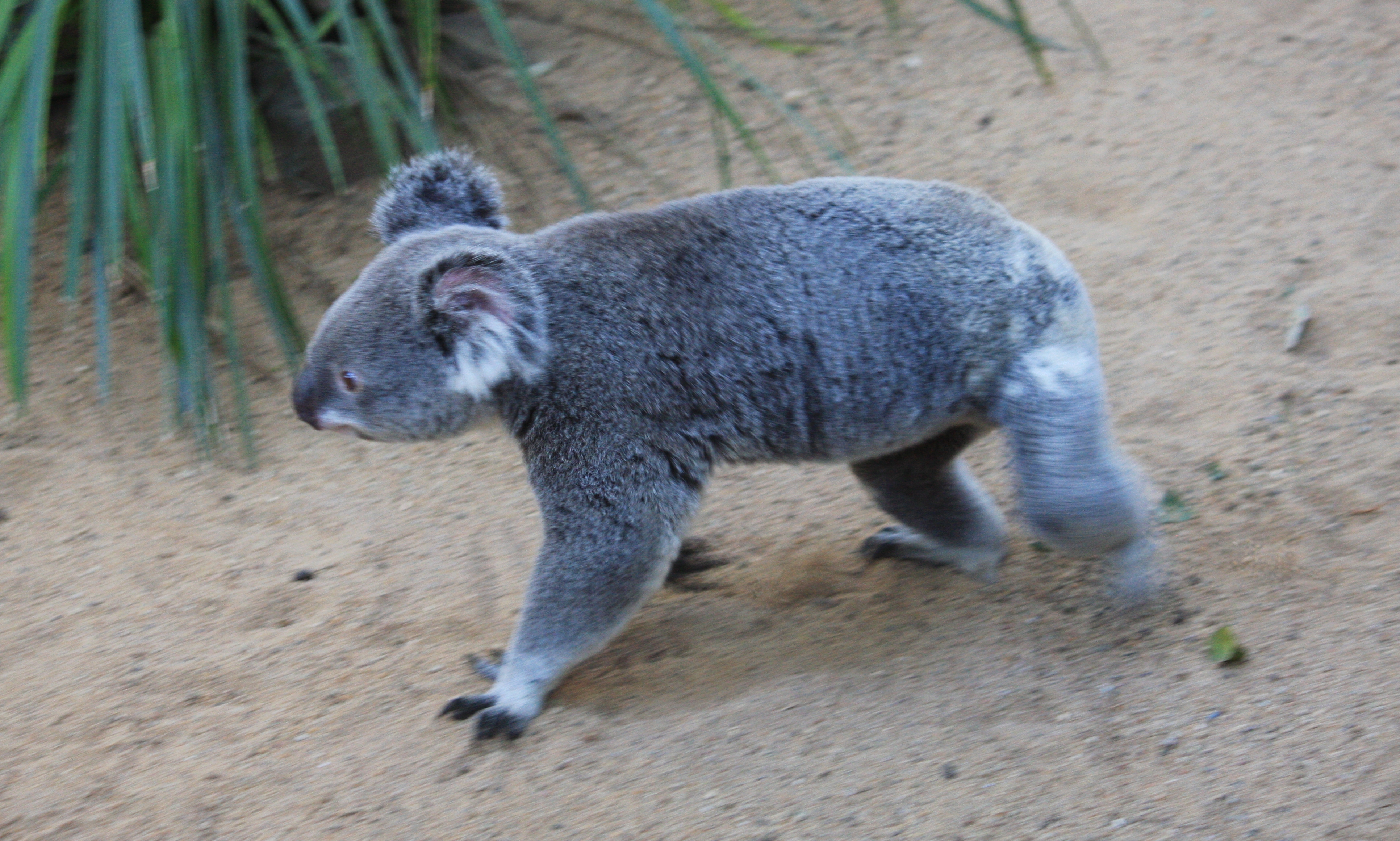
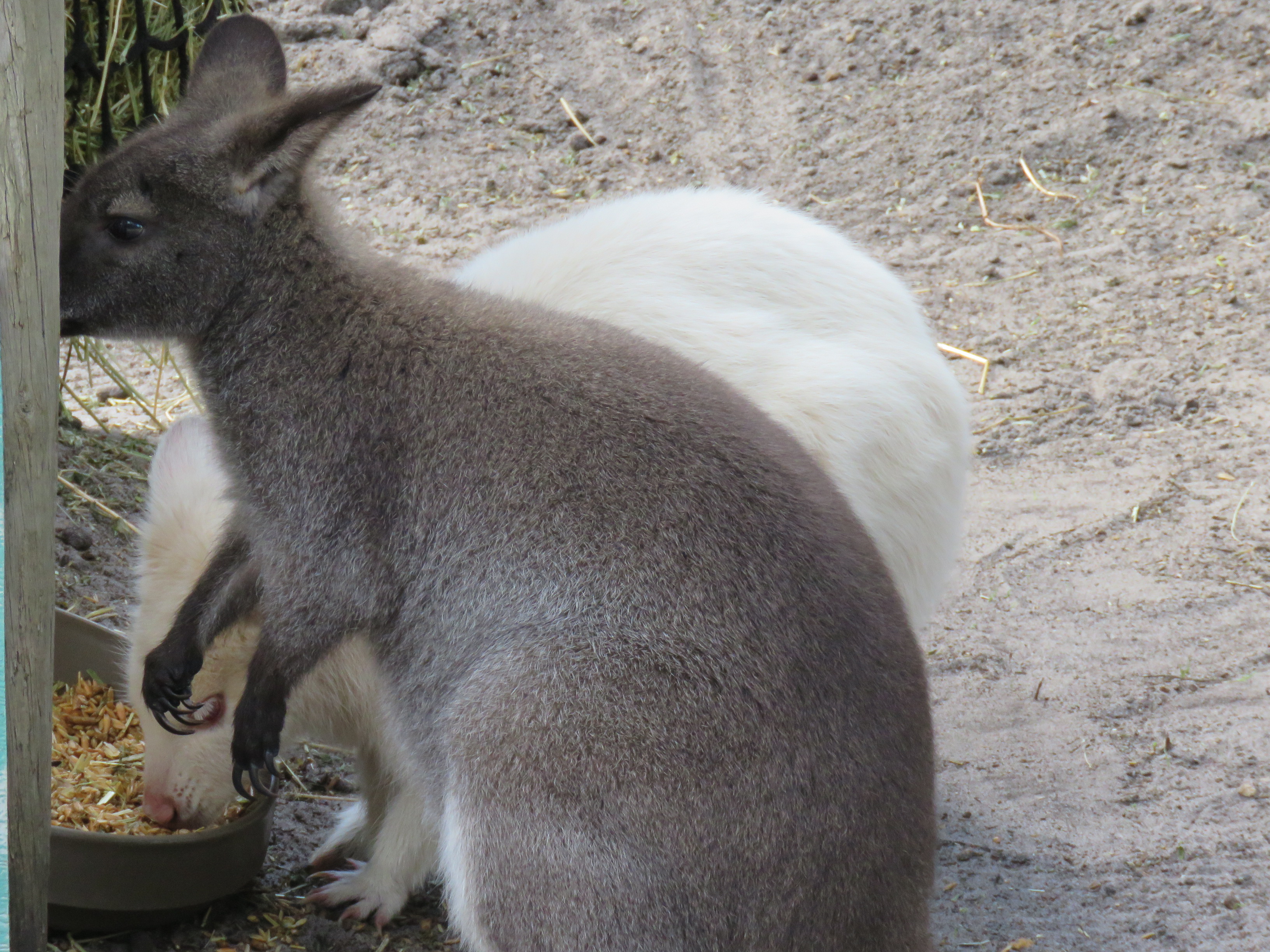
Here’s the surprise that trips up many travelers: the koala is not a bear. It’s a eucalyptus specialist and a marsupial, not a member of the bear family Ursidae, which includes eight living species found across Eurasia and the Americas. That leaves an arresting blank on the map – no native bears in Australia or New Guinea, despite forests, deserts, and mountains that elsewhere support omnivorous bruins.
So where did the bears go? The short answer is that they never arrived, and the longer answer takes us on a journey through vanished supercontinents, seabeds that never fully surfaced, and ecological roles occupied by marsupials long before any bear lineage evolved to fill them.
From Ancient Continents to Island Worlds
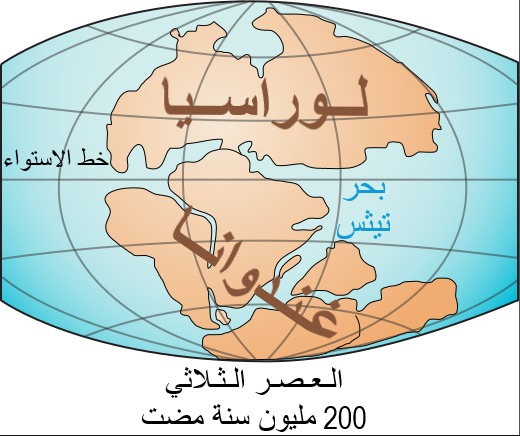
Wind the clock back tens of millions of years, when Australia was still welded to Antarctica within the southern supercontinent Gondwana. As Australia peeled away and drifted north roughly about forty-five million years ago, it effectively sailed into isolation as an island-raft the size of a small continent. That timing matters because the bear family emerged later in the Northern Hemisphere, long after Australia had cleared the dock.
With the continental door closed, Australia’s resident mammals – monotremes and marsupials – diversified in splendid isolation. Evolution filled carnivore and omnivore niches with homegrown solutions, leaving no pathway, and no welcome mat, for ursids that were evolving oceans away.
Barriers You Can’t See: The Wallace Line and Sahul
Even during the ice ages, when seas fell and land bridges stitched together continents, a chain of deep-water trenches between Asia and Australia stayed stubbornly wet. This biogeographic frontier – etched famously as the Wallace Line and, farther east, Lydekker’s Line – split the Sunda Shelf of Southeast Asia from the Sahul Shelf of Australia and New Guinea. Forests may have looked continuous from a bird’s-eye view, but for large mammals, those blue corridors were walls.
That’s why sun bears thrive in Borneo and Sumatra, yet there is no wild bear a short hop across to New Guinea or northern Australia. The only substantial over-water movers into Australia were those carried by people, such as the dingo a few thousand years ago – not roaming omnivores like bears.
Ecological Niches Filled by Marsupials
While bears were diversifying across Asia and the Americas, Australia wrote its own script. Meat-eating roles went to marsupials like the thylacine and the bone-crunching Thylacoleo, while scavenging and small-carnivore niches were handled by quolls and Tasmanian devils. Generalist omnivory – classic bear territory elsewhere – was divided among marsupials and large reptiles, from brushtail possums to goannas.
Add Australia’s nutrient-poor soils and flammable, eucalyptus-heavy landscapes, and you get ecosystems tuned to the metabolisms and life histories of marsupials. In that story, there was little space – and no entry route – for a late-arriving placental omnivore to reinvent the wheel.
What the Fossils Say – and What They Don’t
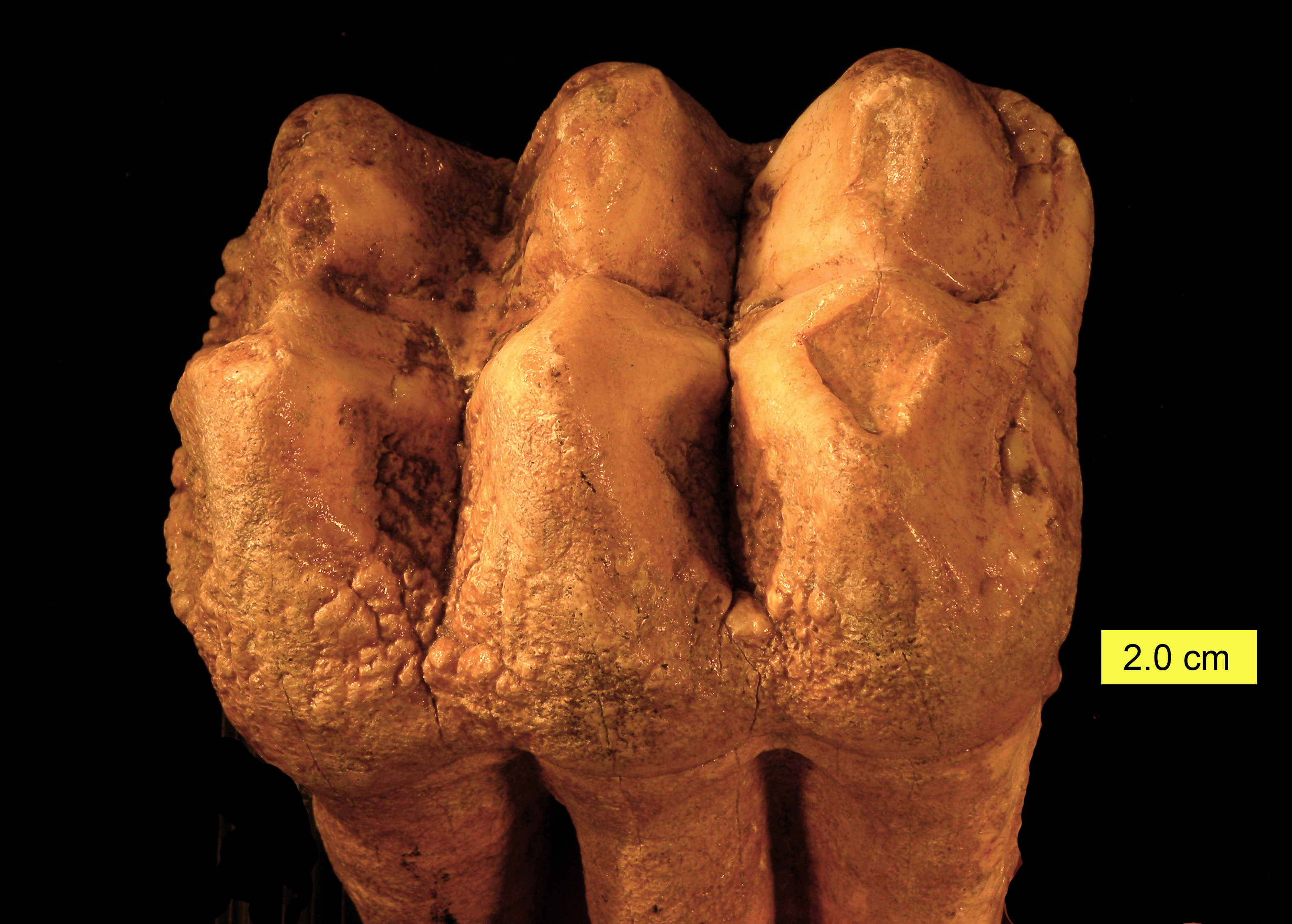
Dig sites from caves to lakebeds across the continent have yielded a vibrant cast of Pleistocene megafauna, but not a single native bear. We see giant kangaroos, thunder birds, and crocodiles; we find marsupial predators and an outsized, eucalyptus-loving koala relative – but no ursid bones. It’s a striking absence given how often fossils turn up in Australia’s karst and arid zones.
Fossils always leave gaps, and older records in some regions are patchier than scientists would like. Even so, the cumulative signal is hard to ignore: if bears had ever established in Australia or New Guinea, we would expect at least scattered remains by now. The silence suggests they never set paw here.
From Ancient Tools to Modern Science
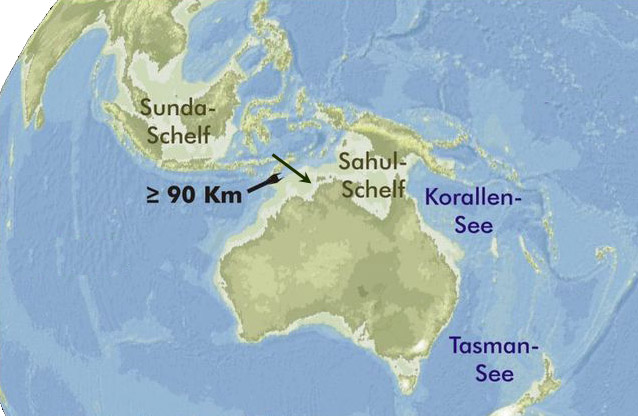
The lines on today’s maps were first intuited by explorers and naturalists comparing species on either side of island chains. Now, high-resolution plate reconstructions, satellite bathymetry, and genetic clocks cross-check those insights with modern precision. They show Australia’s northward sprint and the persistent depth of straits that stayed seaworthy even at glacial low tides.
Meanwhile, genomic studies trace bear lineages radiating across Eurasia and into the Americas on land routes that simply didn’t exist for a traveler bound for Sahul. Put together, the old field notebooks and the new molecular timelines tell the same story: geography, not a missing food source or hidden killer, kept bears away.
Why It Matters
This isn’t a mere nomenclature gripe about the koala. Understanding why Australia lacks bears sharpens our grasp of how barriers shape biodiversity, which feeds directly into conservation strategy. When managers weigh translocations, rewilding, or pest control, they need to know what roles evolved locally versus what might be tempting but ecologically alien imports.
It also helps dispel the myth that ecosystems have universal vacancies waiting to be filled. South America gained its sole native bear after a land bridge formed; Australia never had one, so its carnivores and omnivores evolved along different paths. That difference is a lesson in humility for anyone proposing quick fixes to complex ecological problems.
Global Perspectives
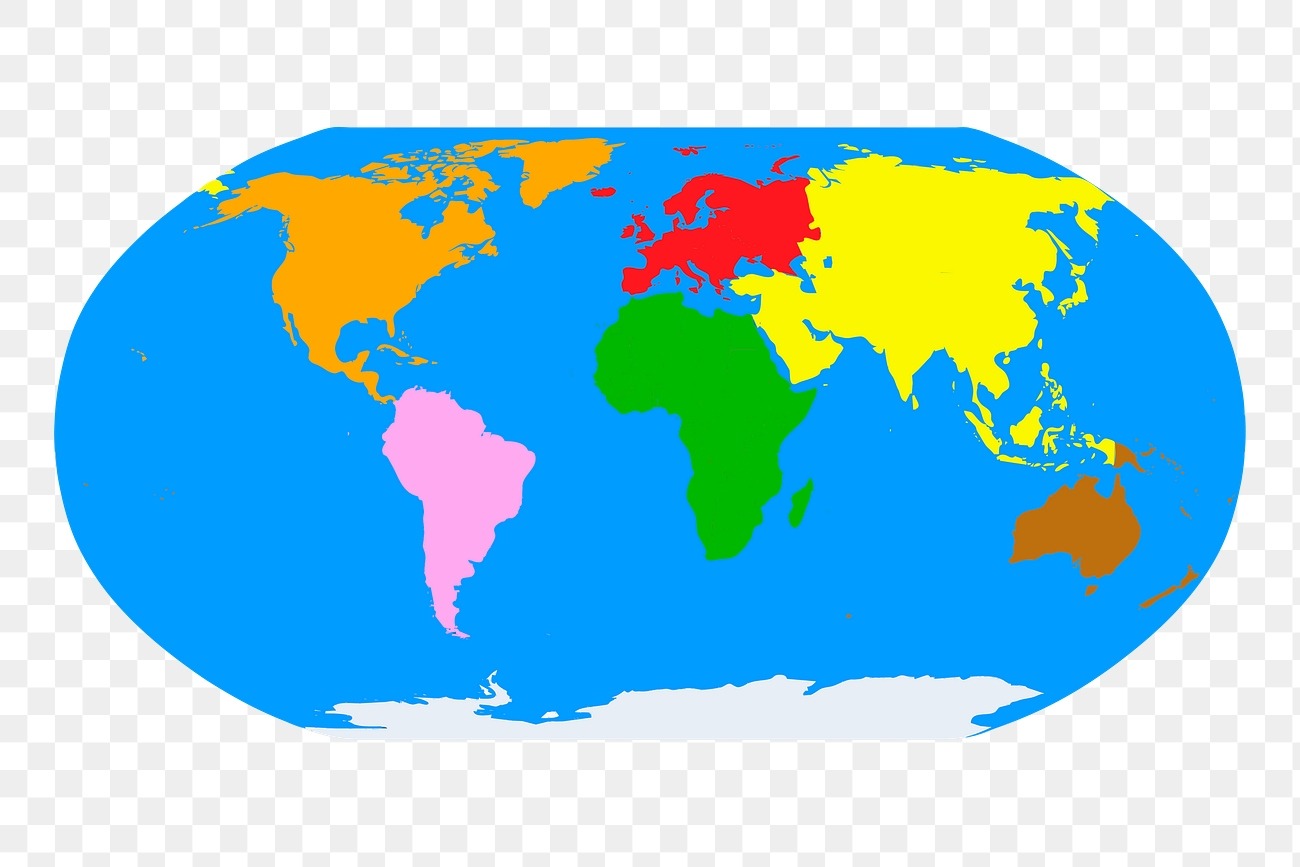
Think of continents as theaters with different exits and entrances. North America welcomed bears that trod in from Eurasia during colder times; South America hosted a bear lineage only after the Isthmus of Panama rose and opened the stage. Africa supported no native bears in modern times either, despite hosting an extinct bear relative in the distant past, a reminder that history, climate, and competition all matter.
Australia fits that global mosaic as the ultimate case of isolation. Its fauna shows how long-term separation can protect evolutionary experiments while keeping out even adaptable generalists. In a world of collapsing boundaries, Australia’s story underscores why preventing new breaches still counts.
The Future Landscape
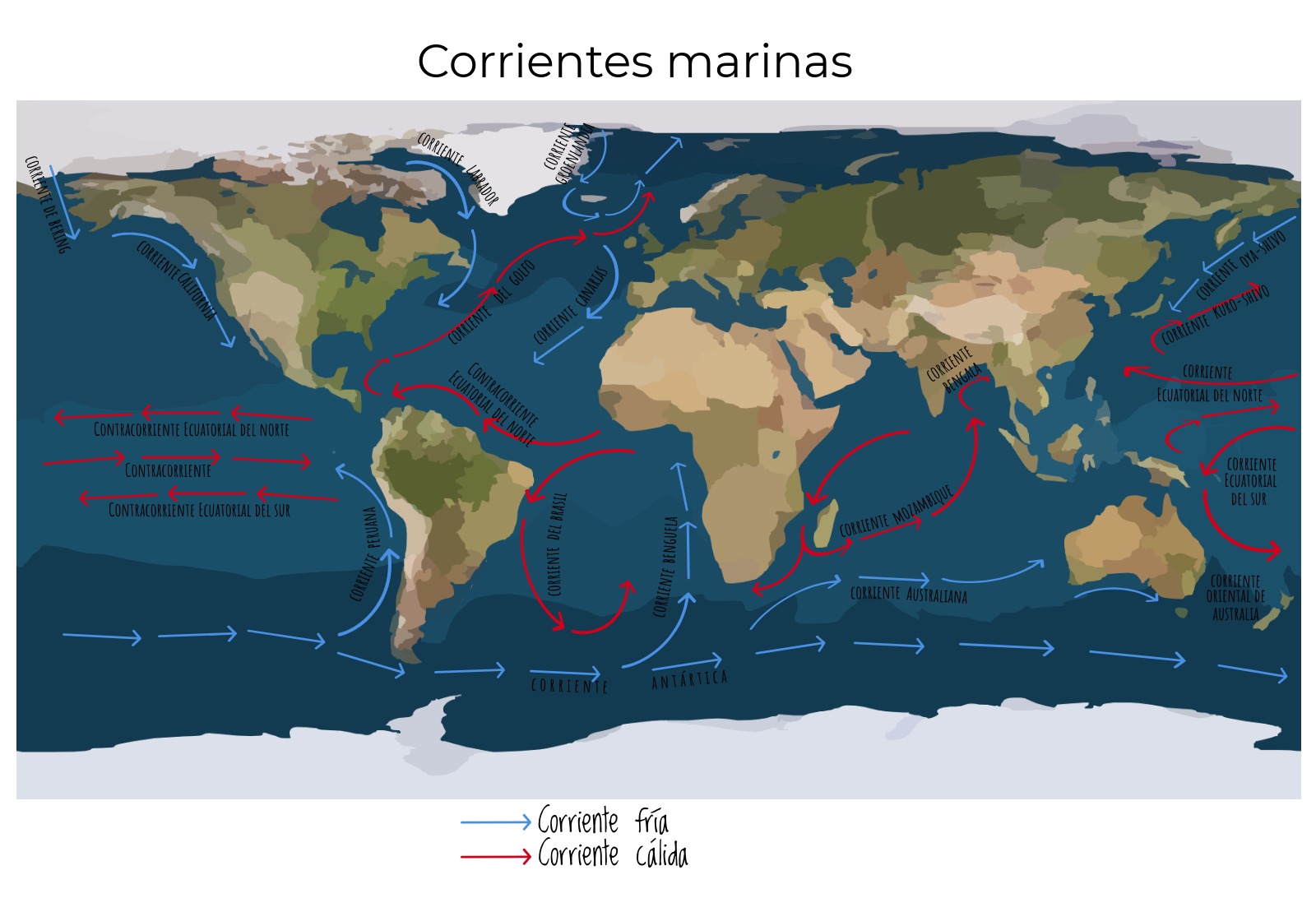
Tomorrow’s tools will probe the mystery even further. Environmental DNA from cave sediments and lake cores can test for ghost presences in places where bones are rare, while improved ocean-current models will refine just how impossible a natural bear crossing would have been. High-resolution genomics will keep tightening timelines for both marsupials and bears, revealing exactly when the windows opened and closed.
Climate change will shuffle habitats at Australia’s northern edge, but it won’t erase the ocean barriers that shaped the past. The real risk isn’t wild bears suddenly arriving – it’s accidental or deliberate introductions of other large mammals that could upend delicate systems. Biosecurity, not fantasy rewilding with foreign icons, remains the front line.
How You Can Help
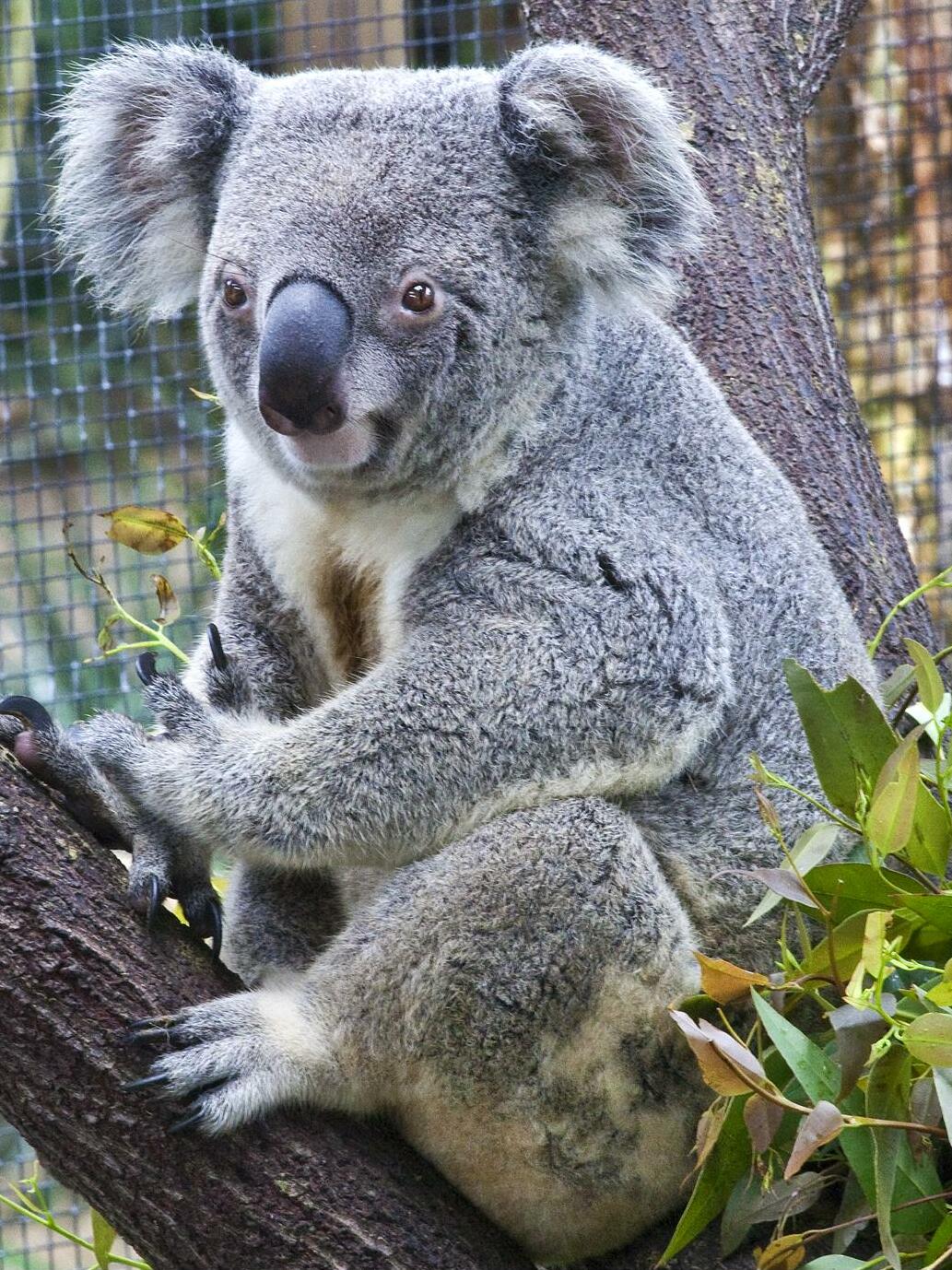
Start with language: retire the phrase “koala bear” and celebrate the koala for what it is, a remarkable marsupial fine-tuned to eucalyptus forests. Support biosecurity measures that keep invasive species out, and back habitat restoration that gives native predators and omnivores the space they need. If you visit zoos or sanctuaries, seek programs that prioritize regional ecosystems instead of importing marquee species that never belonged.
Citizen-science projects that log wildlife sightings, report feral incursions, or monitor habitat change are simple, powerful ways to contribute. Share the story behind Australia’s bearless map with friends and kids – it’s a doorway into geology, evolution, and good stewardship. After all, understanding why some animals are absent can be just as illuminating as seeing the ones that are present – did you expect that?
Suhail Ahmed is a passionate digital professional and nature enthusiast with over 8 years of experience in content strategy, SEO, web development, and digital operations. Alongside his freelance journey, Suhail actively contributes to nature and wildlife platforms like Discover Wildlife, where he channels his curiosity for the planet into engaging, educational storytelling.
With a strong background in managing digital ecosystems — from ecommerce stores and WordPress websites to social media and automation — Suhail merges technical precision with creative insight. His content reflects a rare balance: SEO-friendly yet deeply human, data-informed yet emotionally resonant.
Driven by a love for discovery and storytelling, Suhail believes in using digital platforms to amplify causes that matter — especially those protecting Earth’s biodiversity and inspiring sustainable living. Whether he’s managing online projects or crafting wildlife content, his goal remains the same: to inform, inspire, and leave a positive digital footprint.