
The name is a legend in itself: a shadow that slips through rainforest understory, a rumor that turns into a footprint and then disappears again. For decades, the black panther has been painted as an entirely different kind of big cat, a mysterious species that rules the night. The reality is more fascinating and more complicated – rooted in genetics, ecology, and the human tendency to mythologize what we struggle to see. New imaging tools and genomic work are now reframing the story, revealing how these animals thrive and why they so often collide with us. The question isn’t whether black panthers exist, but whether we’re ready to finally understand what they truly are.
The Hidden Clues
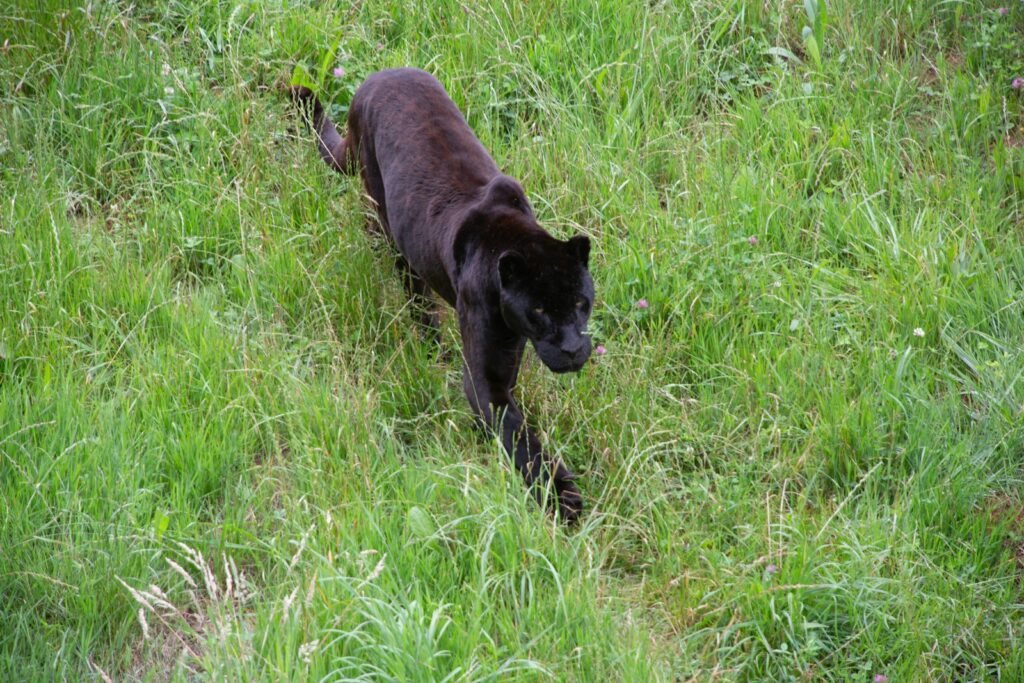
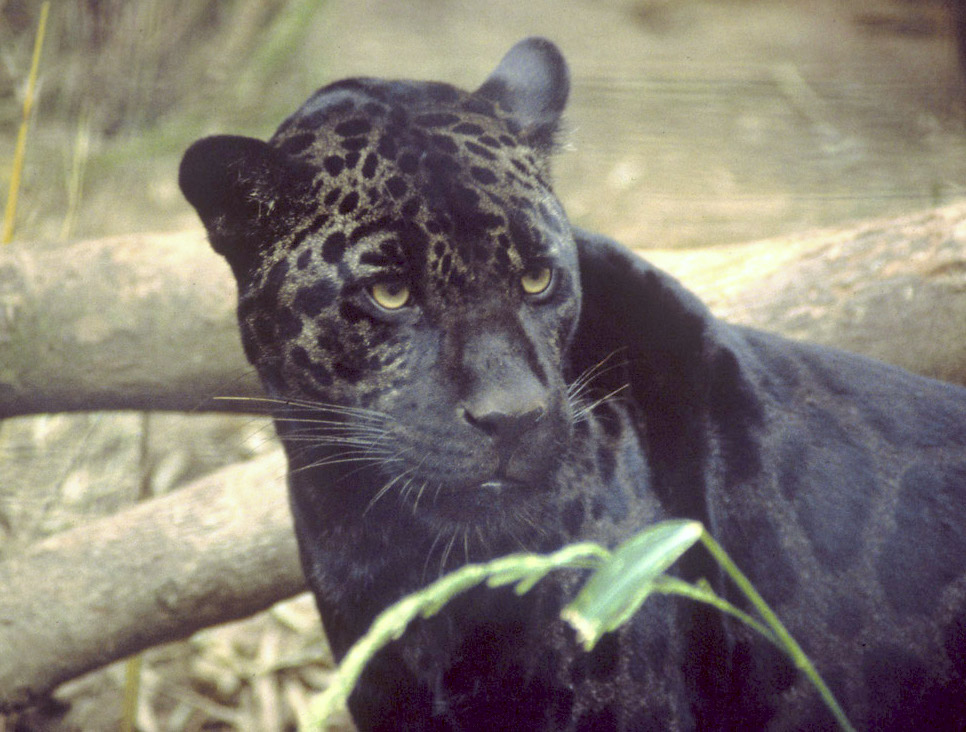
Look closely and the secret reveals itself: beneath that inky coat, the familiar rosettes of leopards and jaguars still shimmer like watermarks when the light hits just right. These faint patterns, sometimes called ghost rosettes, are not decoration – they’re an identity card, allowing researchers to tell individuals apart even when the fur looks uniformly dark. The trick lies in contrast, angle, and patience; infrared images or high-contrast processing can make the hidden pattern bloom from near-black. I once sat with field scientists watching those rosettes emerge on a laptop screen, the camp silent as if a new constellation had appeared. It felt like the cat had stepped out from a cloak, not changed species, just shifted our perception.
That shift matters because misidentification fuels myths and muddles data. When the public assumes “black panther” means a separate, super-rare species, conservation plans can veer toward spectacle rather than habitat, corridors, and prey. The clues in the coat remind us that science often advances by looking again, not by inventing something new. And in the dim world of dense forests, looking again is the only way not to be fooled.
What a Black Panther Really Is
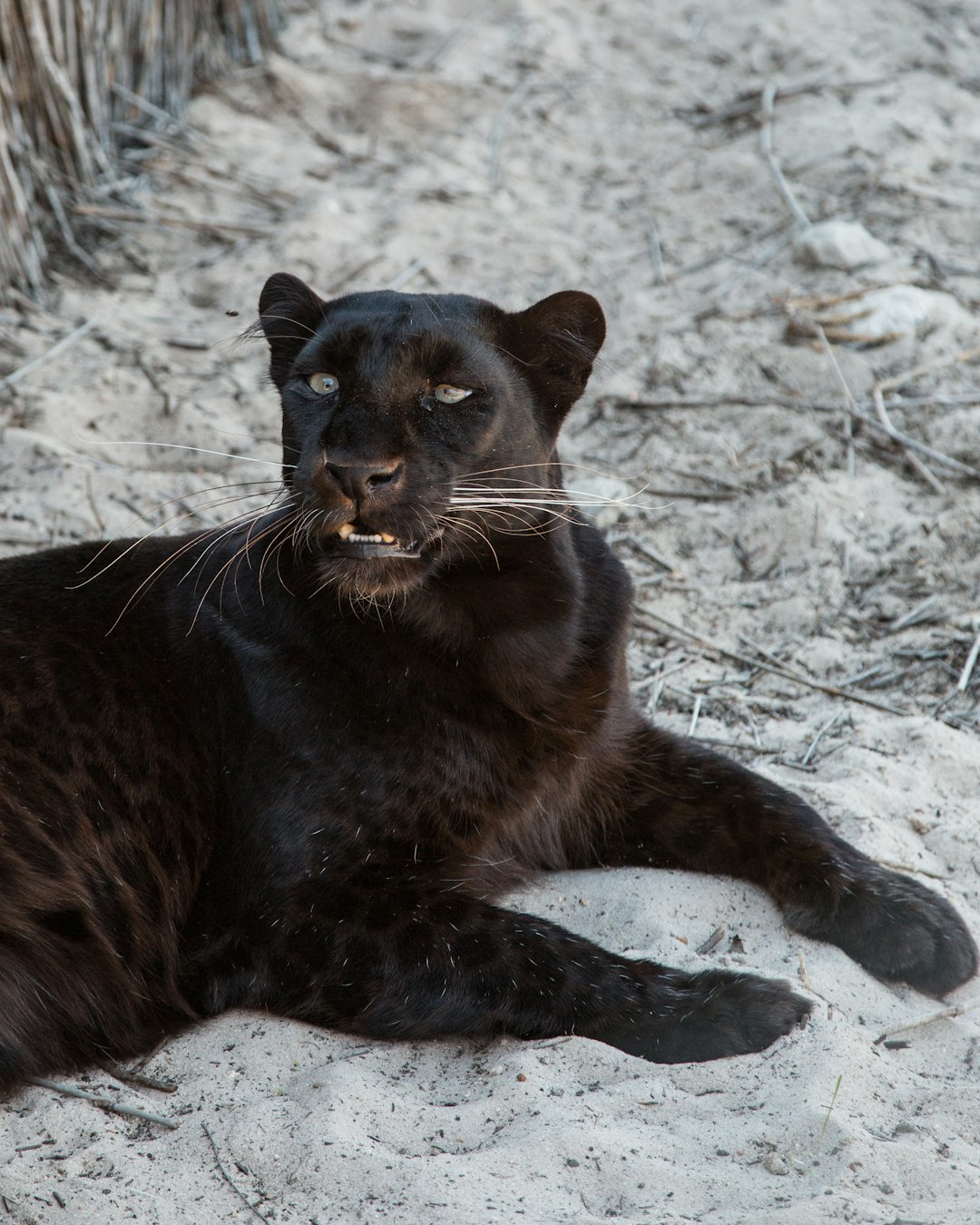
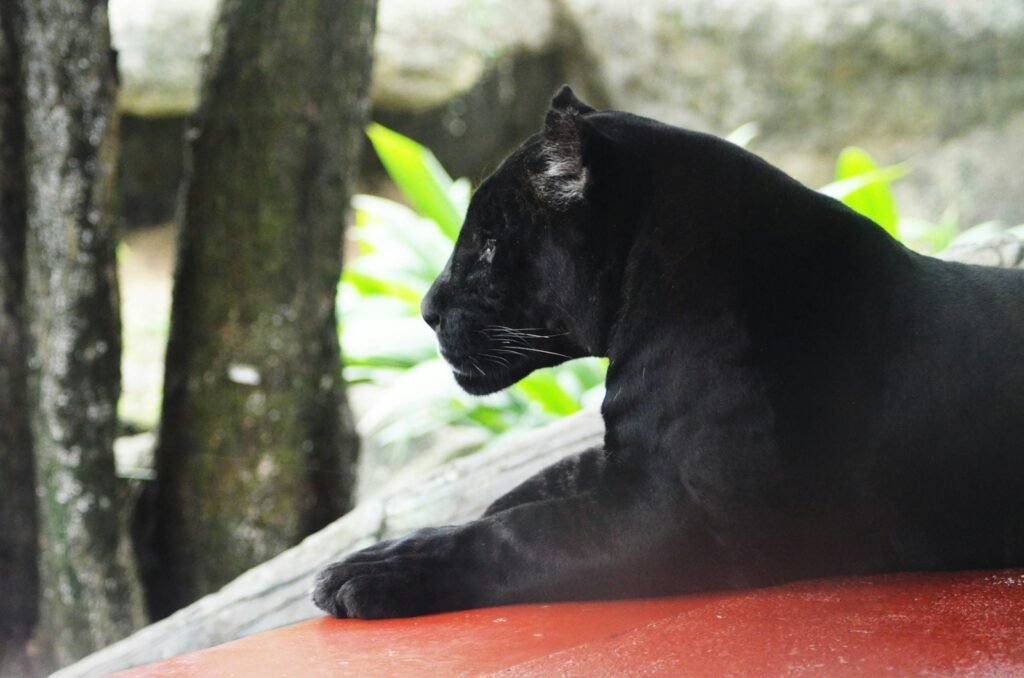
The black panther is not a species; it’s a melanistic morph of two: leopards in Africa and Asia, and jaguars in the Americas. Melanism stems from genetic variants that dial pigment production up to high – involving complex genetic mechanisms that researchers are still investigating. The result is a coat so dark that the rosettes recede, though they never fully vanish. It’s a brilliant example of how small tweaks in genetic switches can create dramatic change without rewriting the entire blueprint. Think of it as using the same instrument but playing in a different key.
Crucially, melanism appears more frequently in humid, forested landscapes where low light rewards darker coats. In open savannas, the balance tips back toward the classic tawny patterning that breaks up a silhouette in sunlit grass. What seems like an oddity is in fact a locally adaptive solution, one tailored by habitat and behavior. Once that’s clear, the panther stops being an enigma and becomes a case study in evolution doing its quiet, efficient work.
From Ancient Myths to Modern Science
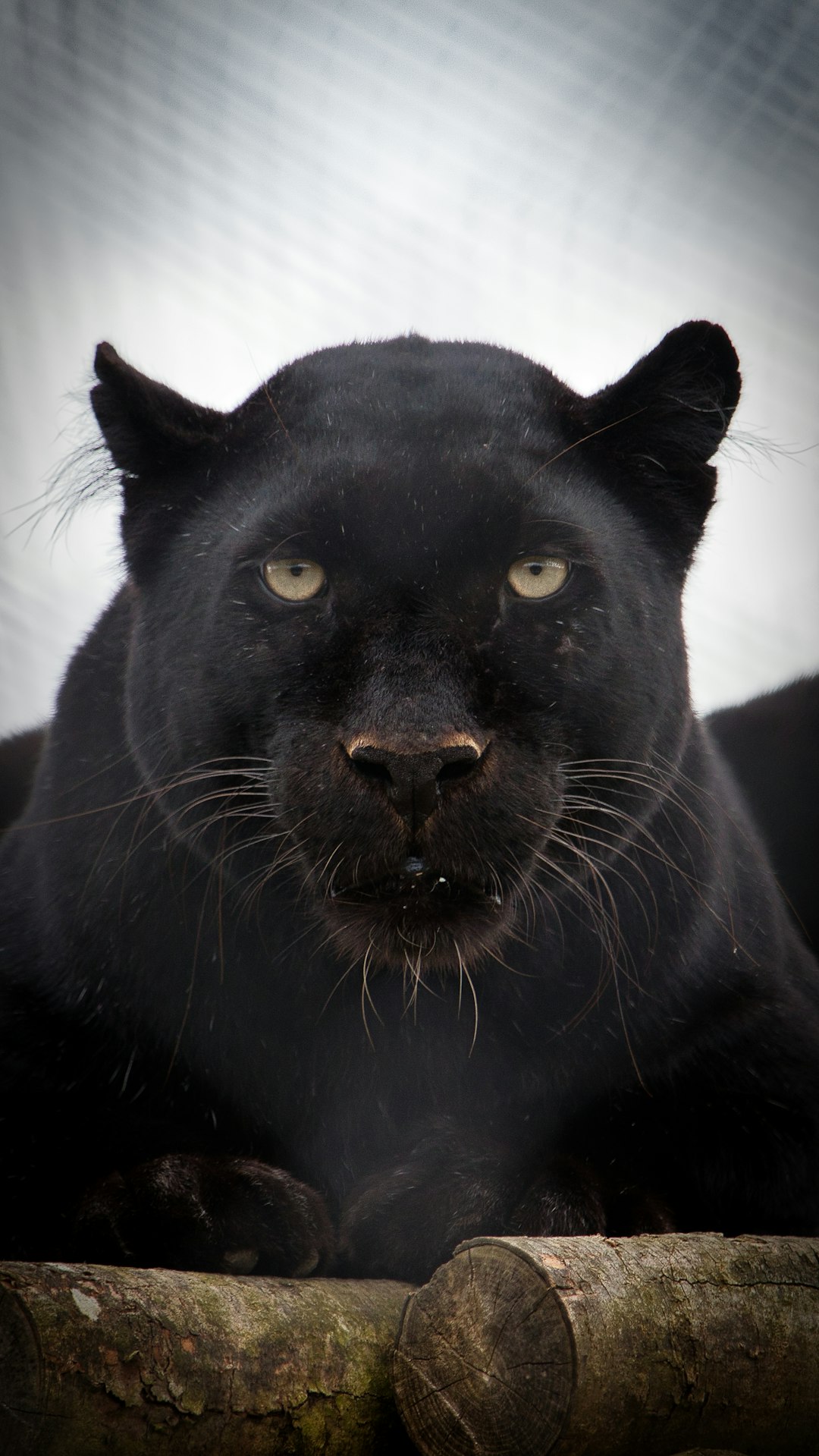
For centuries, folklore promoted the black panther as a singular beast – otherworldly, invincible, almost a different realm’s predator. Early naturalists sometimes copied that aura, lacking the specimens, photographs, or genetic tools to separate story from structure. The modern turn came with camera traps, field genetics, and statistical models that replaced rumor with record. Long-running surveys began to show that the “mystery cat” was simply a familiar cat in a different coat, occupying the same ranges and hunting the same prey. The shift wasn’t just semantic; it redrew maps and reset baselines for population counts.
Today, researchers combine noninvasive DNA, photo-ID algorithms, and standardized survey grids to avoid double-counting the same animal. That means conservation budgets target the right species, and law enforcement knows what trade to watch for. It also means we can compare regions accurately, learning why some forests nurture more melanistic cats while others do not. Out of myth, a measurable animal emerges – and with it, better decisions.
The Physics of Stealth
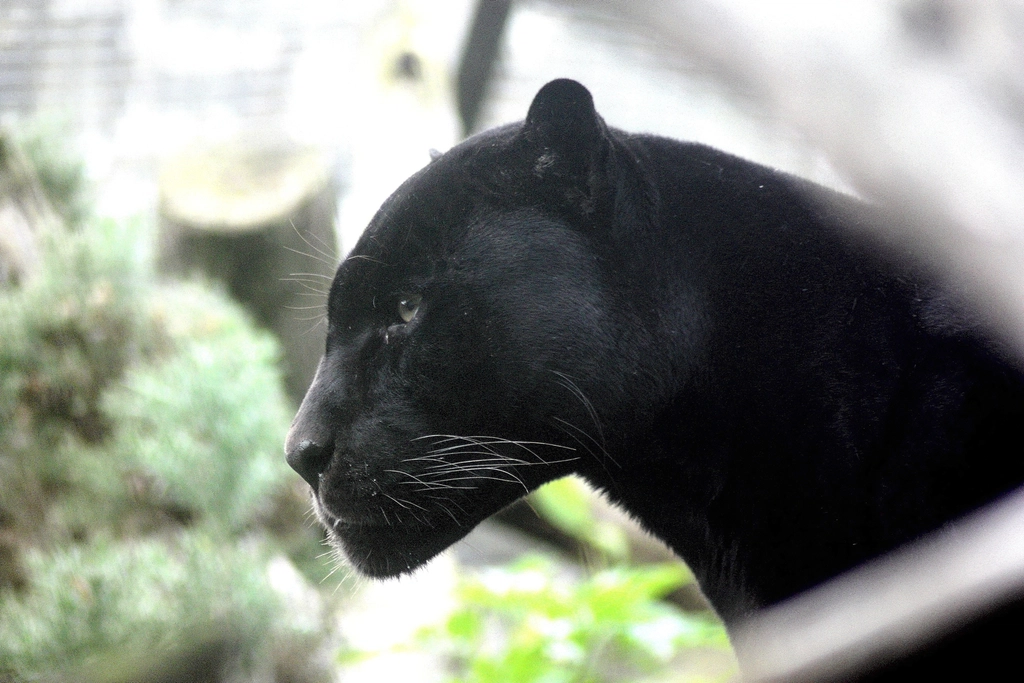
Melanism isn’t merely aesthetic; it shapes how light interacts with fur, particularly in shade-drenched understories. Dark coats reduce specular highlights that might otherwise flash and betray movement, especially at dawn and dusk. Combined with the padded silence of feline paws and a body tuned to slow, controlled motion, the black coat completes a stealth system that is as much physics as biology. Predators live by fractions – of a second, of a meter, of a mistake – and anything that erases a hint of their presence can tip the balance. In that sense, melanism is camouflage calibrated for low-light mosaics where leaves, branches, and shadow weave together.
There may be side benefits, too, from thermoregulation in cool, wet forests to possible links with immune function, though those ideas remain under investigation. The key is that advantages depend on context: what helps in a rain-soaked canopy could hinder in a sun-baked savanna. That context-first view is increasingly how biologists think about coloration, behavior, and survival. The panther, once a symbol of mystery, becomes a model of trade-offs.
Global Perspectives
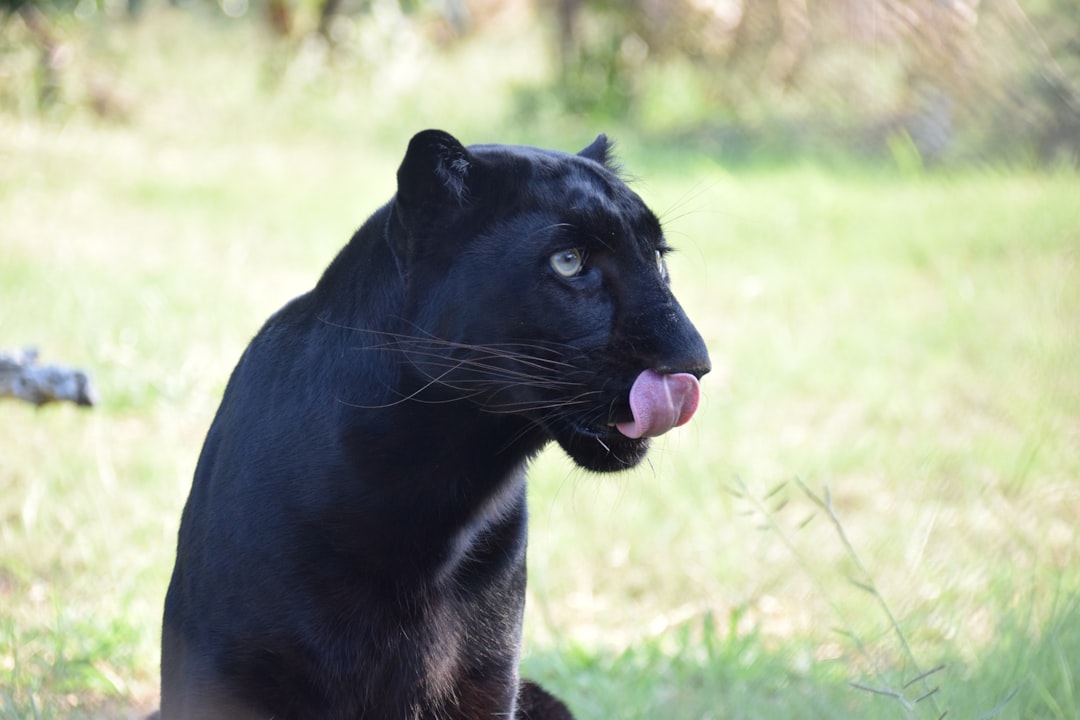
Across the Americas, melanistic jaguars are most often documented in thick rainforest, while the classic golden cats dominate drier, more open zones. In Asia, melanistic leopards appear regularly in evergreen and montane forests from the Western Ghats to Southeast Asia’s lowlands, with only sporadic records elsewhere. In Africa, where open habitats are widespread, the black form is rarer, making verified photographs from forested pockets especially notable rather than unprecedented. Each region writes its own chapter, with climate, canopy, and human pressure turning the page at different speeds. The broader trend is consistent even as local details vary.
Field teams now share standardized protocols so results from Brazil can be compared with data from India or Malaysia without apples-to-oranges confusion. That transparency anchors a global picture: melanism ebbs and flows with forest complexity, prey communities, and the risks of being seen. And because these cats cross borders, regional cooperation has shifted from slogans to practical exchanges on corridors, patrol methods, and conflict mitigation. The cat is local; the lesson is universal.
Why It Matters
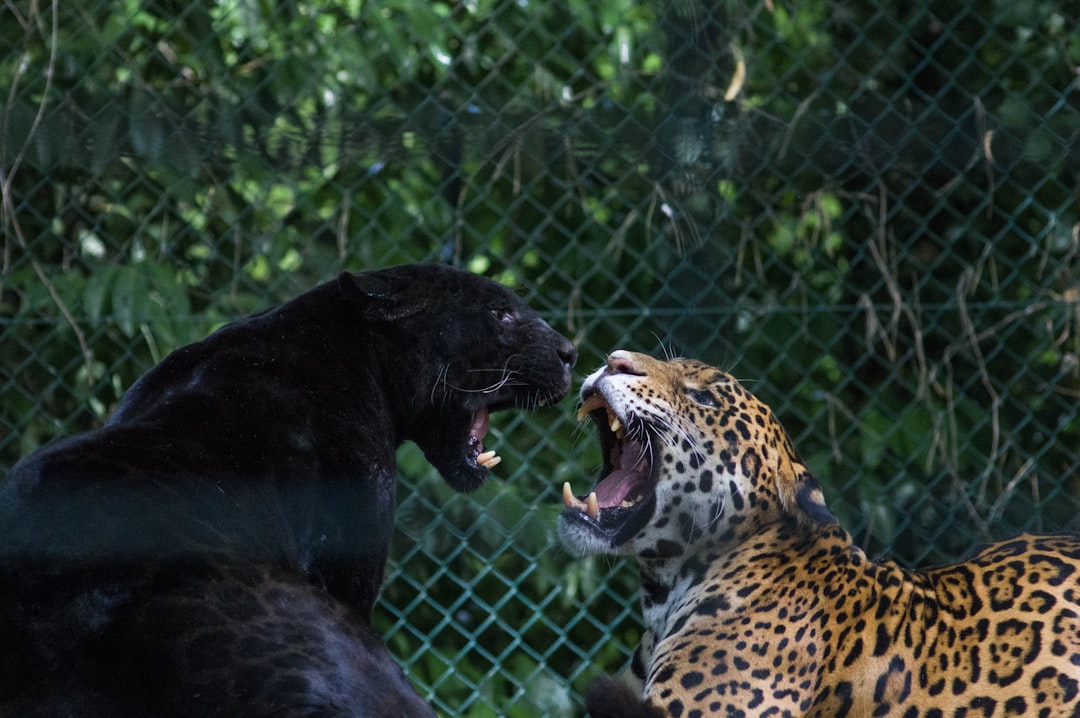
Understanding what a black panther is – and is not – changes conservation math, law enforcement, and public expectations. When we separate morph from species, population estimates stop inflating numbers with duplicate entries, and protection measures target what actually needs help: habitat quality, connectivity, and human-wildlife coexistence. Traditional approaches leaned hard on charismatic marketing and single-animal narratives; modern strategies lean on landscape planning, genetic diversity, and measurable outcomes. That pivot echoes a broader movement in wildlife science away from spectacle and toward systems thinking. Accuracy is not a luxury here; it’s the difference between rescuing a headline and rescuing a population.
There’s also a cultural dividend. Reframing the panther from anomaly to adaptation invites people to see evolution working in real time, not as some distant, dusty concept. It’s a reminder that science doesn’t drain wonder; it redirects it, from myth to mechanism. And that, in turn, builds the public trust any conservation program needs to survive.
The Future Landscape

Next-generation tools are set to make the hidden visible more reliably. Multispectral camera traps, thermal drones that can thread forest gaps, and AI models trained to enhance ghost rosettes will reduce uncertainty in counts and movement data. Environmental DNA from water and soil adds a parallel layer, detecting presence even when cameras miss, while low-cost acoustic sensors pick up prey and human activity that influence big-cat behavior. Together, these streams feed into predictive maps that can forecast conflict hotspots and guide where to restore corridors or install better livestock defenses. It’s the wildlife version of precision medicine: the right intervention, in the right place, at the right time.
But technology won’t rescue cats from shrinking forests. The hard problems remain old ones – deforestation, illegal trade, prey depletion, and fragmented governance across boundaries. The most powerful upgrades may be policy innovations that integrate indigenous land rights, community-led monitoring, and incentives for keeping forests standing. The panther’s future will be written as much in zoning plans and budget sheets as in field notebooks and lab results.
Conclusion
Start with clarity: when you share a photo or story, label the animal correctly as a melanistic leopard or jaguar, not a separate species. Support organizations that protect continuous forest and build practical coexistence tools, from nighttime livestock enclosures to compensation programs that actually pay out. If you live near big-cat country, back community patrols and reporting systems that deter poaching without criminalizing livelihoods. If you’re far away, push for deforestation-free products and transparent supply chains; the quiet choices in your cart can reshape ground truth a continent away. Talk about the panther as evolution’s fine-tuning, not as a myth – and watch how that simple shift changes the conversation.
The black coat only looked like a mystery because we stared at the surface and stopped there. Now that we can see the pattern underneath, will we change ours?
Suhail Ahmed is a passionate digital professional and nature enthusiast with over 8 years of experience in content strategy, SEO, web development, and digital operations. Alongside his freelance journey, Suhail actively contributes to nature and wildlife platforms like Discover Wildlife, where he channels his curiosity for the planet into engaging, educational storytelling.
With a strong background in managing digital ecosystems — from ecommerce stores and WordPress websites to social media and automation — Suhail merges technical precision with creative insight. His content reflects a rare balance: SEO-friendly yet deeply human, data-informed yet emotionally resonant.
Driven by a love for discovery and storytelling, Suhail believes in using digital platforms to amplify causes that matter — especially those protecting Earth’s biodiversity and inspiring sustainable living. Whether he’s managing online projects or crafting wildlife content, his goal remains the same: to inform, inspire, and leave a positive digital footprint.