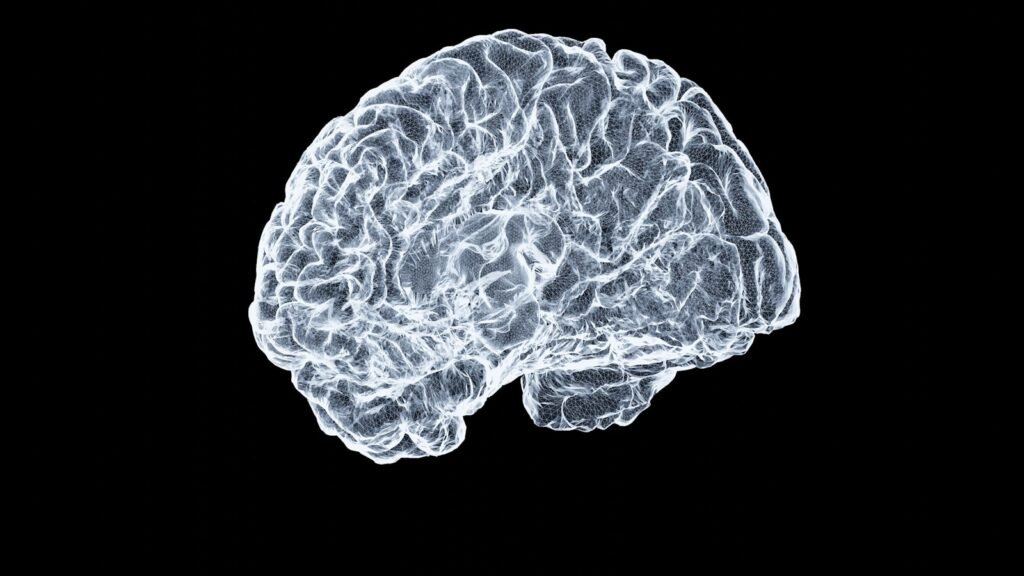

The idea sounds like science fiction: a human brain quietly syncing to the planet’s magnetic heartbeat. But a new wave of experiments is reviving an old question with fresh rigor, asking whether our neural rhythms can register Earth’s invisible field. The mystery is deliciously frustrating – small, well-controlled signals keep showing up, while skeptics warn that artifacts can mimic biology. Between the excitement and the caveats lies a story about careful measurement, deep-time evolution, and the limits of our perception. If the link is real, it would add a missing sense to our species; if not, it’s a master class in how science separates shimmer from substance.
The Hidden Clues
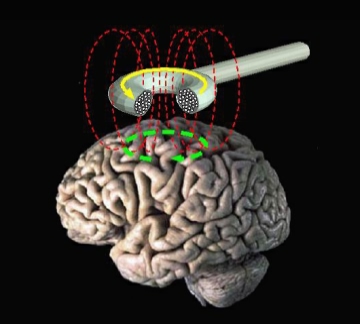
Earth’s magnetic field is quiet and relentless, bathing us in a whisper of force far weaker than a fridge magnet yet strong enough to guide birds across oceans. For decades, biologists have documented magnetic sensing in animals – from sea turtles to migratory birds – while humans seemed immune. Then, in a handful of shielded-room experiments, researchers rotated magnetic fields that mimic Earth’s and watched a subset of people’s brain waves dip and recover, as if startled by a signal no one could feel. The effect was subtle but consistent in those responders, clustering around the brain’s alpha band.
This isn’t a mind-reading trick or an instant compass; participants didn’t suddenly point north. What changed was the amplitude of ongoing alpha rhythms, the idle hum that often dominates when eyes are closed and attention drifts inward. The shift resembled a brief reallocation of attention, the way a soft sound can nudge you without fully breaking your focus. It’s a biological eyebrow raise, not a shout.
From Ancient Tools to Modern Science
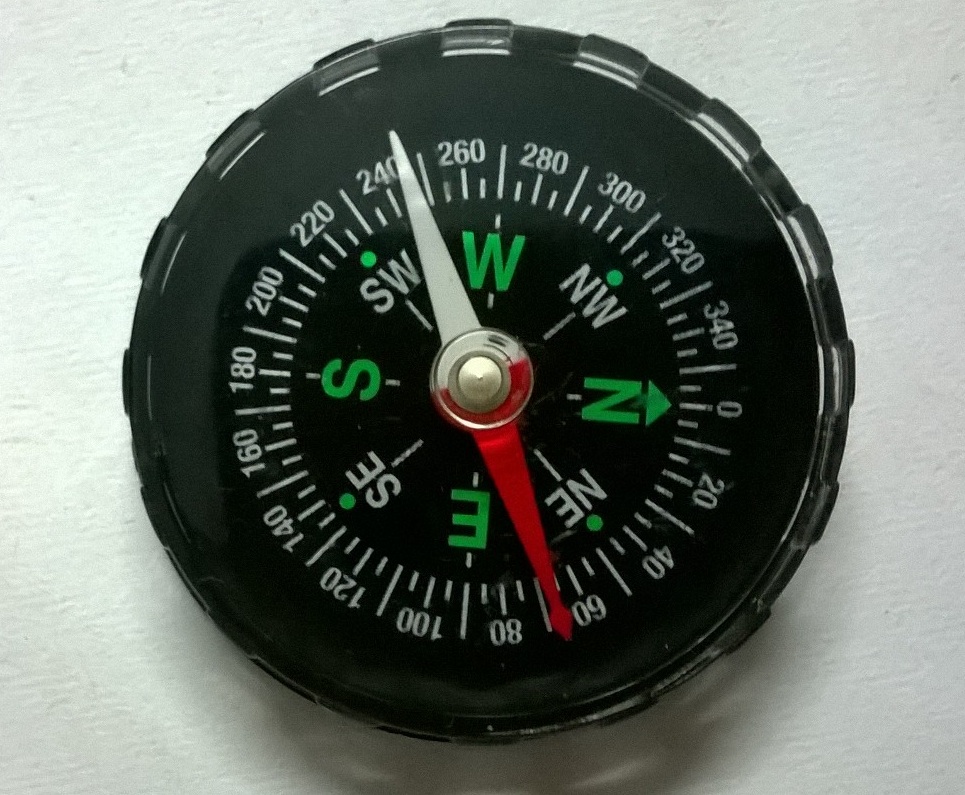
Humans leaned on the magnetic field long before we understood it, crafting lodestone compasses to explore and map the world. Yet we rarely asked if our bodies also carry a subtle magnetic sense, overshadowed by vision and hearing. Early claims were often anecdotal or poorly controlled, so the topic slid into the background.
Modern labs changed that by borrowing methods from geophysics. They built wooden Faraday cages and multi-axis coil systems to cancel and re-create Earth-strength fields with exquisite precision. Inside these rooms, researchers can turn the planet up, down, or sideways – without a whisper of mechanical cues – to test whether the brain notices the difference.
What the Experiments Show
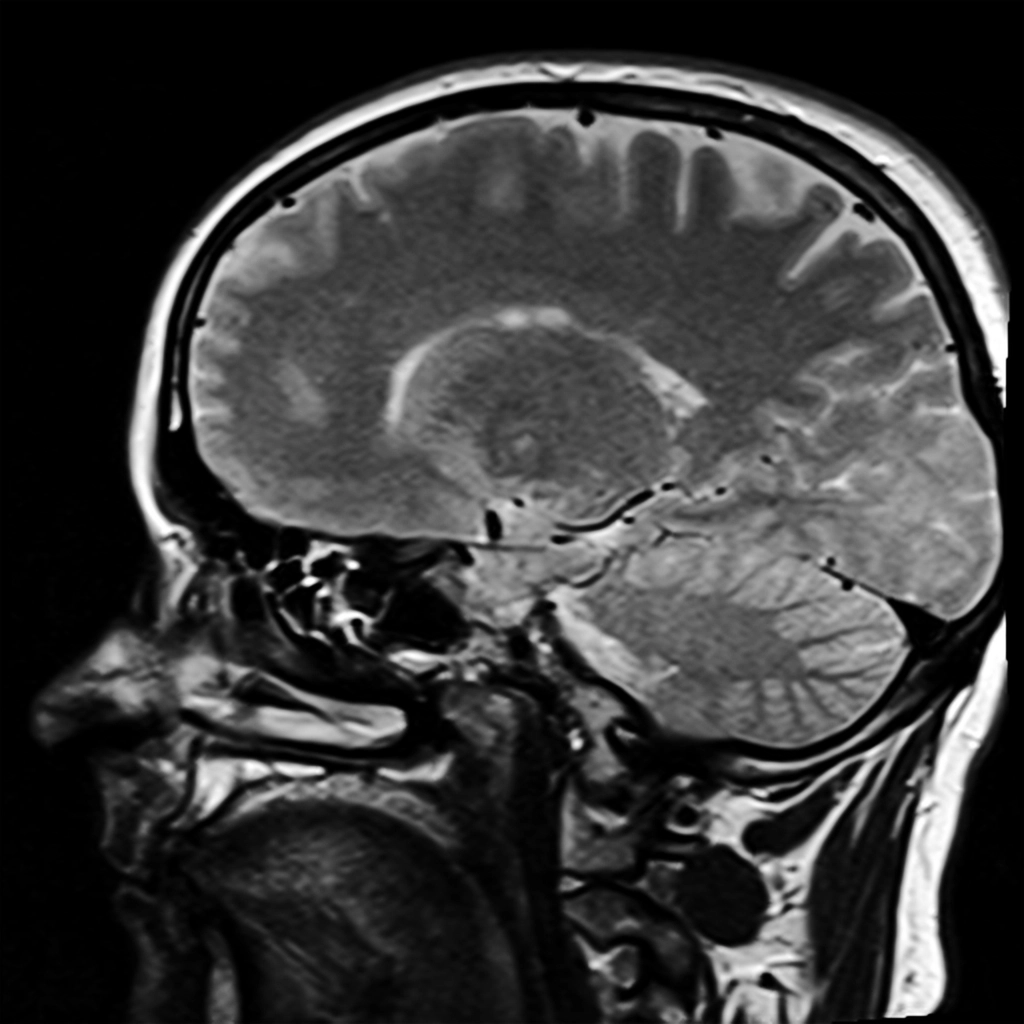
In shielded settings, some volunteers show a drop in alpha power when the magnetic field rotates in a biologically plausible direction, while sham or impossible rotations do nothing. The response appears automatic and preconscious, emerging even when participants are resting with eyes closed. Not everyone responds, suggesting individual variability or a learned component yet to be nailed down.
Researchers anticipated common pitfalls and tried to rule them out. They used non-conductive chairs, minimized electrical noise, and ran polarity-controlled trials to suppress induction artifacts. They also randomized directions and inserted zero-field blocks, building a case that the signal tracks the field, not the equipment. Still, independent replications across sites and cultures are the next crucial hurdle.
The Frequency Puzzle
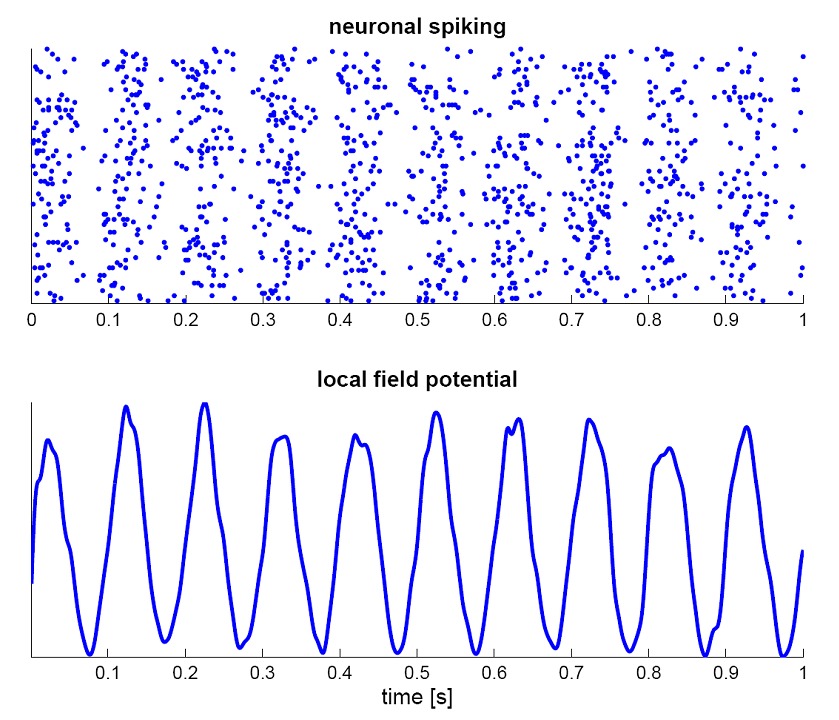
Part of the intrigue comes from a numerical coincidence. Earth’s lightning-stirred cavity between ground and ionosphere resonates at low frequencies called Schumann resonances, the strongest hovering around roughly eight cycles per second. Human alpha rhythms, meanwhile, idle near eight to thirteen cycles per second, close enough to tease imaginations but not proof of coupling. Some studies report correlations between geomagnetic activity and sleep or mood, while others find little to nothing.
Two mechanisms lead the debate. One is magnetite – tiny iron crystals found in various animals – that could torque in a magnetic field and tug on cellular structures. The other is a quantum “radical pair” process in light-sensitive proteins that may set a delicate compass in birds. Whether either pathway operates, or even exists functionally, in humans remains unsettled. The numbers rhyme, but the verse isn’t finished.
Why It Matters
Understanding a magnetic imprint on neural rhythms would revise the map of human perception, adding a sense that works beneath awareness. It could clarify how the brain filters weak natural signals in a world saturated with stronger artificial ones, from power lines to wireless networks. Even a faint, background coupling – if verified – might influence attention, orientation, or sleep stability in subtle ways. The payoff is not superpowers; it’s a more complete picture of how brains integrate the environment.
Compared with electrical brain stimulation, Earth-strength fields are unimaginably gentle. Transcranial alternating current stimulation can steer alpha rhythms with milliamps, while geomagnetic fields act passively and slowly. This contrast makes any observed effect noteworthy: the brain would be registering a whisper against a stadium’s roar. That’s why solid controls, preregistered analyses, and multi-site datasets matter more here than in many flashy fields.
Global Perspectives

Earth’s field isn’t uniform; it stretches, sags, and strengthens depending on latitude and geology. People living closer to the poles experience a steeper field angle than those near the equator, which might influence how a magnetically sensitive system would tune, if it exists. Urban residents also live inside electromagnetic smog, while remote communities may experience a cleaner natural background. These differences could mask or magnify any subtle human response.
Cultural practices add another layer. Indigenous wayfinding traditions often blend celestial, wind, wave, and landscape cues with a logic honed over generations. If a weak magnetosensory channel contributes even a sliver of information, it might show up as better-than-chance orientation under sparse visual cues. Cross-cultural studies that respect local knowledge could reveal patterns lab-only work might miss.
The Hidden Numbers
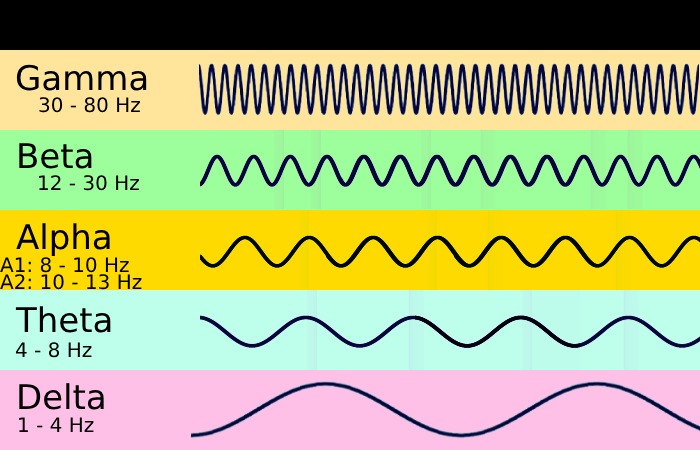
To keep the conversation grounded, a few anchor points help frame plausibility without hype. • Field strength near the surface typically spans a few dozen microtesla, several thousand times weaker than a small household magnet. • The alpha band is common when eyes are closed and attention relaxes; it often dips when something silently captures interest. • Birds navigate using magnetic cues through mechanisms still being refined, offering at least one vertebrate blueprint. • Human responders in lab studies are not the majority; non-responders remind us that biology loves variation.
These mileposts don’t prove coupling, but they mark the lanes where good science can drive. They also warn against overreach: frequency matches and anecdotal sensations are not enough. What matters is reproducible physiology that tracks the field under blinded, artifact-controlled conditions. The field is moving that way, slowly and carefully.
The Future Landscape

The next wave looks refreshingly practical. Expect multi-lab replications with pre-registered analysis plans, standardized coil hardware, and open EEG pipelines to tame the garden of forking paths. Portable magnetoencephalography and compact fluxgate sensors could make field studies feasible far from city noise. Closed-loop designs might nudge a synthetic magnetic signal in and out of phase with a person’s alpha to test causality with surgical precision.
Solar storms and space weather offer natural experiments, too, creating global shifts in geomagnetic conditions that researchers can track against sleep and attention metrics. Ethical guardrails will be essential, both to deter pseudoscientific wellness claims and to protect subjects from unnecessary exposure or data misuse. If the effect proves real, it will be small, context-dependent, and scientifically exciting – not a toy for biohacking theatrics. That balance will decide whether this story becomes a robust chapter or a footnote.
How You Can Engage

Curiosity is the best catalyst. Try simple “quiet field” moments – eyes closed, outdoors, away from heavy electronics – and pay attention to how your mind drifts, not as proof but as a reminder that perception is layered. Support replication studies when universities or community labs seek volunteers; big questions need large, diverse datasets. Share measured enthusiasm with friends: skeptical, hopeful, and anchored in methods rather than headlines.
If you want to go a step further, back open hardware projects that monitor local geomagnetic and electromagnetic noise for community science. Donate to research groups that preregister and share data, and challenge overstated claims that leap beyond the evidence. The planet hums whether we’re listening or not – are we ready to hear what’s actually there?
Suhail Ahmed is a passionate digital professional and nature enthusiast with over 8 years of experience in content strategy, SEO, web development, and digital operations. Alongside his freelance journey, Suhail actively contributes to nature and wildlife platforms like Discover Wildlife, where he channels his curiosity for the planet into engaging, educational storytelling.
With a strong background in managing digital ecosystems — from ecommerce stores and WordPress websites to social media and automation — Suhail merges technical precision with creative insight. His content reflects a rare balance: SEO-friendly yet deeply human, data-informed yet emotionally resonant.
Driven by a love for discovery and storytelling, Suhail believes in using digital platforms to amplify causes that matter — especially those protecting Earth’s biodiversity and inspiring sustainable living. Whether he’s managing online projects or crafting wildlife content, his goal remains the same: to inform, inspire, and leave a positive digital footprint.