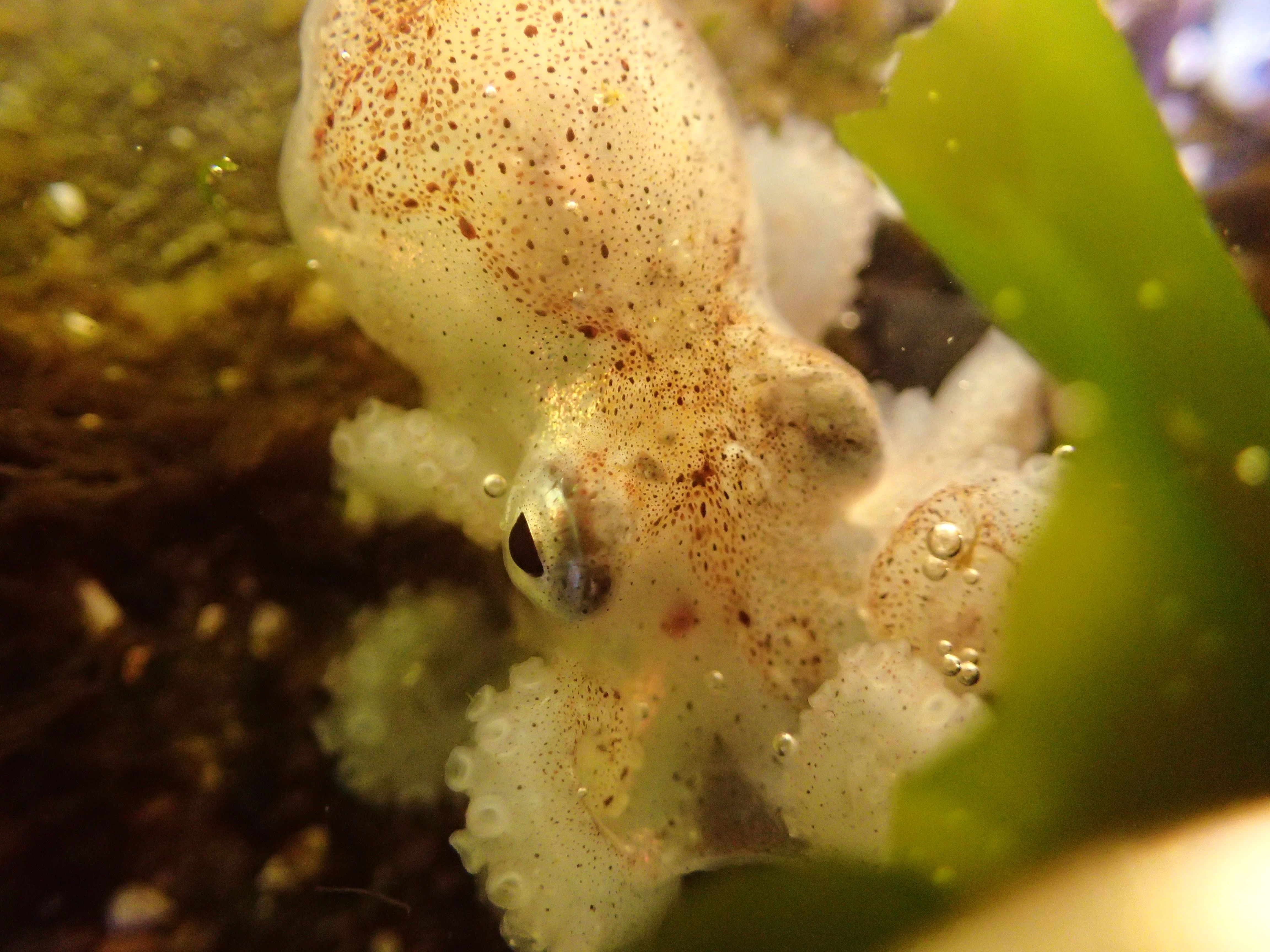
When you think of brain regeneration, you might picture sci-fi movies where characters miraculously heal from severe head injuries. Yet in the depths of our oceans, a real-life miracle worker exists. The common octopus possesses one of nature’s most extraordinary abilities: it can regenerate its neural tissue with stunning efficiency, rebuilding damaged brain connections that would leave humans permanently disabled.
Scientists have recently uncovered the mechanisms behind this remarkable feat, revealing secrets that could revolutionize how we treat everything from stroke to Alzheimer’s disease. So let’s dive into the fascinating world of octopus neuroscience and discover what these eight-armed geniuses might teach us about healing our own brains.
The Octopus Brain: A Marvel of Neural Architecture
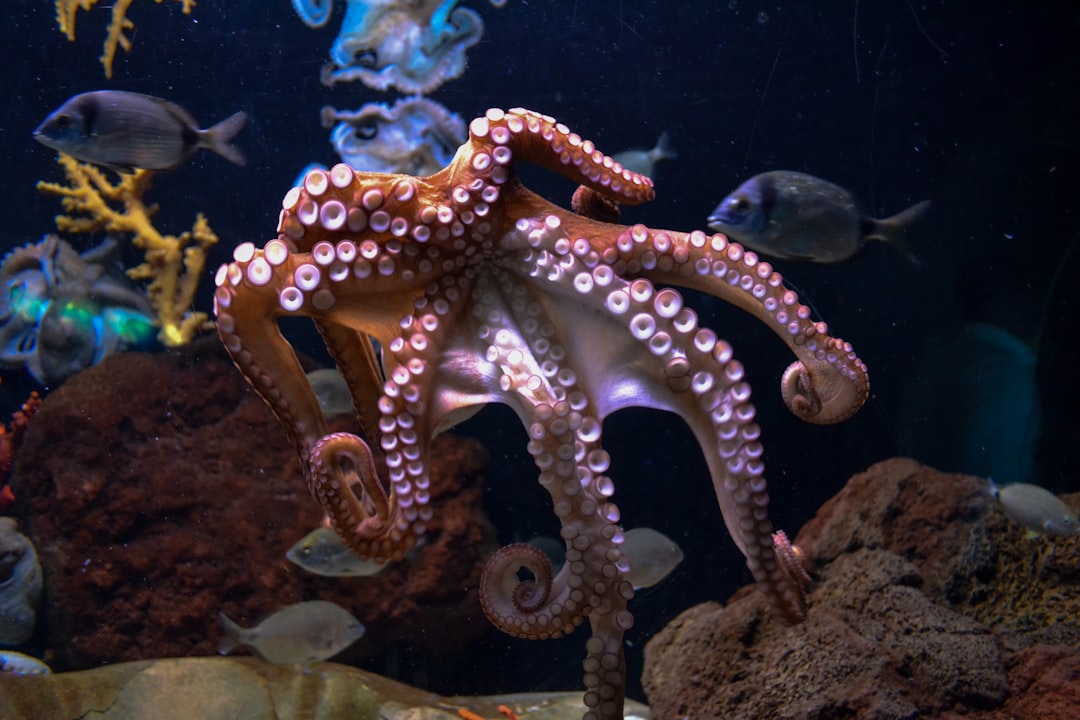
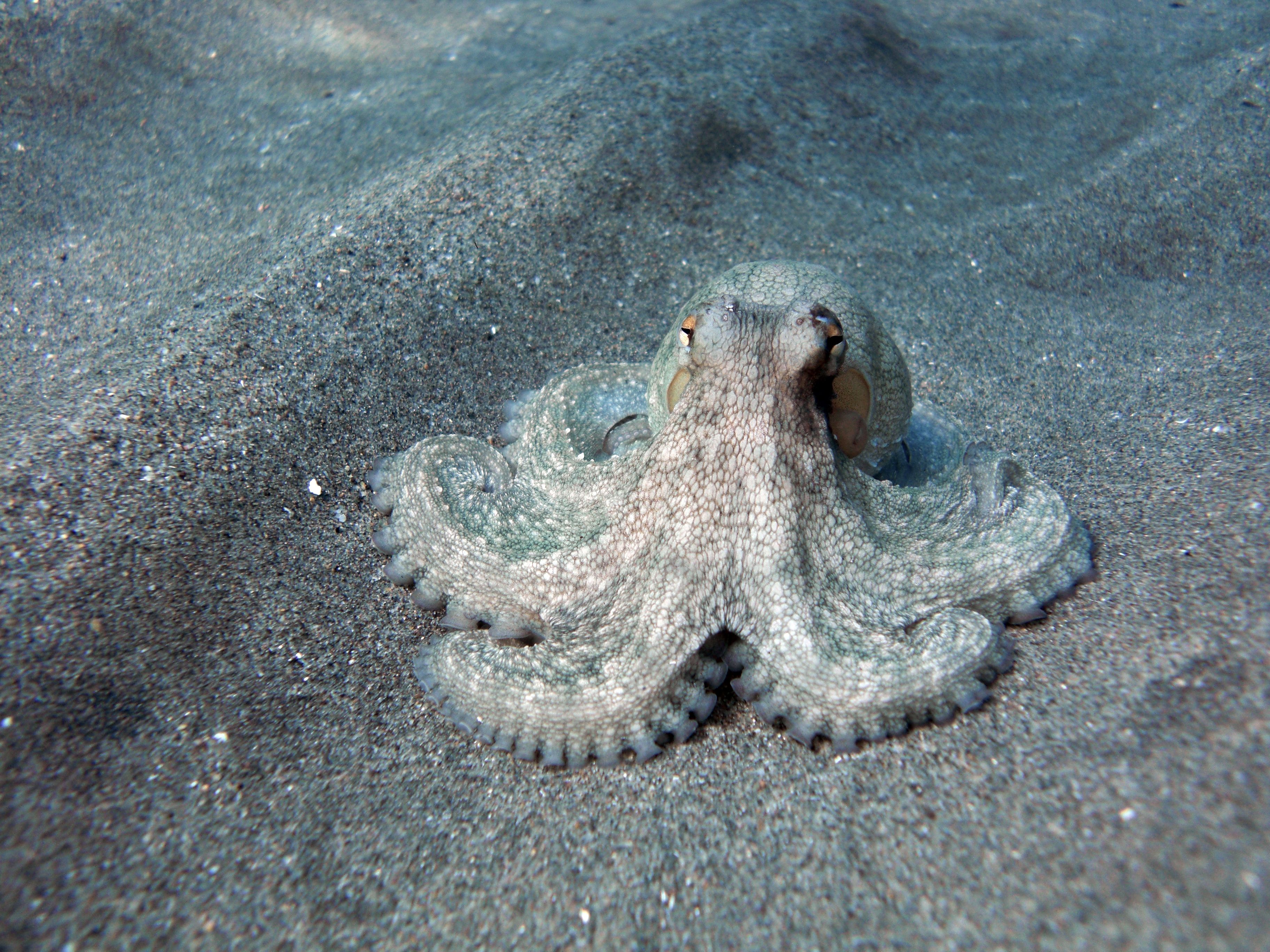
Your brain contains roughly 86 billion neurons, but the common octopus comes surprisingly close with over half a billion nerve cells, similar to the number found in small primates. What makes this even more remarkable is how these neurons are organized. Two thirds of these cells reside in the octopuses’ arms, while the rest make up a central brain that sits between their eyes.
This distributed nervous system represents a completely different approach to intelligence. Unlike the vertebrate nervous system, there are only thousands of efferent and afferent fibers connecting the millions of neurons in the octopus’ brain to the millions of neurons in each of their arm’s axial cords. Think of it like having eight semi-autonomous computers attached to a central processor, each capable of making complex decisions independently.
Cephalopods have evolved nervous systems that parallel the complexity of mammalian brains in terms of neuronal numbers and richness in behavioral output. Yet their brains work fundamentally differently from ours, processing information through pathways that evolution crafted over millions of years of separation from vertebrates.
When Disaster Strikes: How Octopuses Lose Neural Function
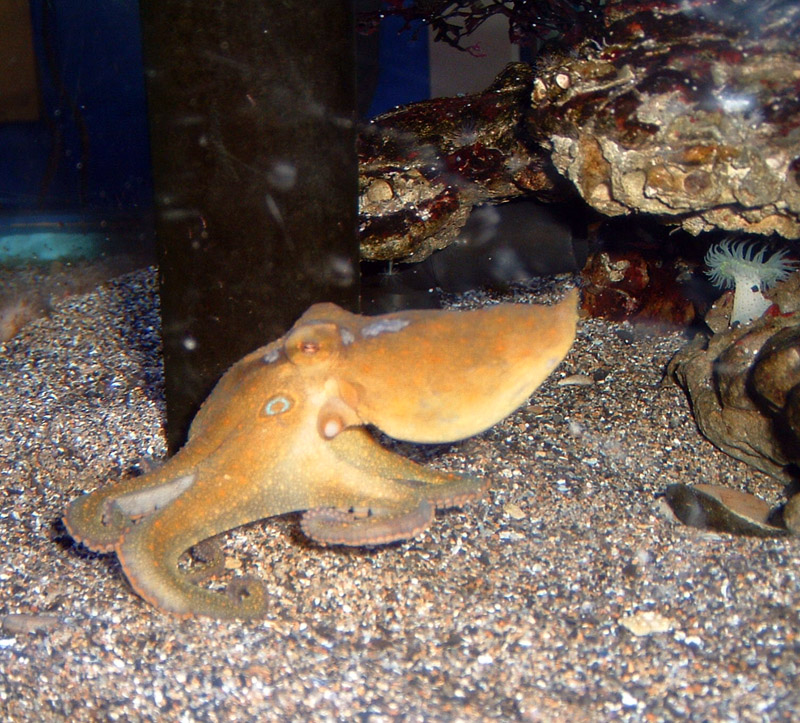
To understand octopus regeneration, researchers needed to witness what happens when things go wrong. Following sectioning of the octopus pallial nerve, functionality returns within one to five months, with no observable impact on behaviour, highlighting the octopus as a valuable model for nerve regeneration among invertebrates. The pallial nerve serves as the octopus’s neural highway, connecting its central brain to the muscles and chromatophores in its mantle.
Transection of the pallial nerve in the common octopus determines the loss and subsequent restoration of two functions fundamental for survival, namely breathing and skin patterning, the latter involved in communication between animals and concealment. When researchers deliberately cut this nerve, the result is immediate and dramatic.
The affected side of the octopus’s body turns completely white, losing all ability to change color or create patterns. Breathing becomes labored as the respiratory muscles lose their neural control. For any vertebrate, this would likely mean permanent disability or death. For the octopus, it’s merely a temporary inconvenience.
The Remarkable Speed of Recovery
The scientists found that the two stumps of the lesioned nerve, one on the mantle side and one on the head side, had reconnected within weeks after the injury. The fibers of the nerve had crossed the site of the lesion and formed a network with the local nerve cells in the mantle. This timeline represents something extraordinary in the world of neuroscience.
Over the next several weeks, recovery of the pallial nerve could be observed with the naked eye, as its two behavioral functions slowly returned to the octopuses. First, the white skin of the mantle developed some brown spots that formed color patterns when the animals were at rest. After a month and a half, the mantle skin returned to normal, forming color patterns when the octopuses were hunting prey or moving around the tank.
Breathing returned as well. Four weeks after the pallial nerve was lesioned, the mantle opening resumed its normal expanding and contracting, which showed that the paralyzed respiratory muscle started working again. The animals showed no signs of distress and continued their normal behaviors, including attacking prey with their characteristic precision.
Cellular Architects: The Heroes of Neural Repair
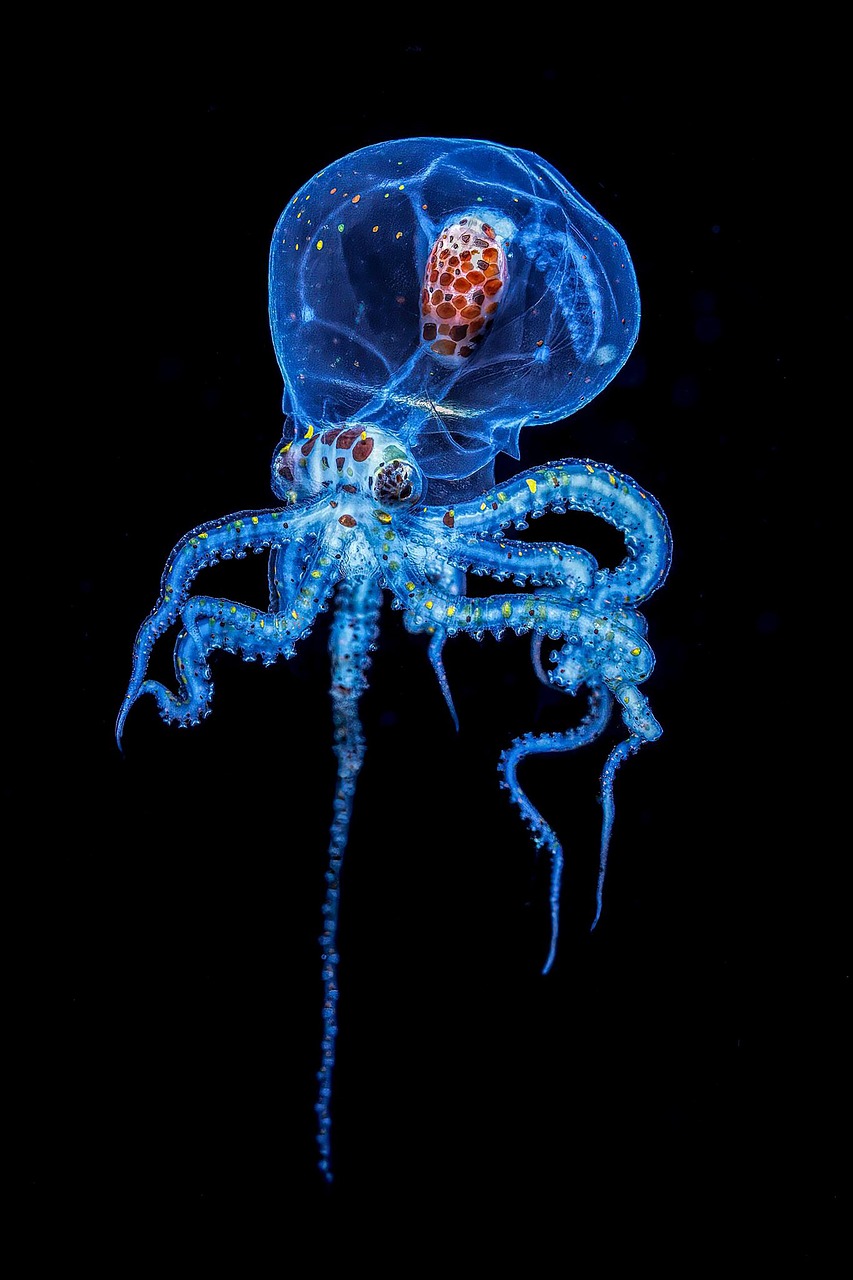
This injury induces scar formation and activates the proliferation of hemocytes which invade the lesion site. Hemocytes appear involved in debris removal and seem to produce factors that foster axon re-growth. These specialized immune cells act like microscopic construction workers, clearing away damaged tissue while simultaneously promoting healing.
Connective tissue is involved in driving regenerating fibers in a single direction, outlining for them a well-defined pathway. Injured axons are able to quickly re-grow thus to restoring structure and function. This organized approach ensures that new neural connections form properly rather than creating a tangled mess of misdirected fibers.
The process involves complex molecular machinery that scientists are still working to understand. Recent advancements in the study of regeneration in cephalopods appear promising encompassing different approaches helping to decipher cellular and molecular machinery involved in the process. Each discovery brings us closer to understanding how we might trigger similar processes in human brains.
Growing New Brains: Neural Development Secrets
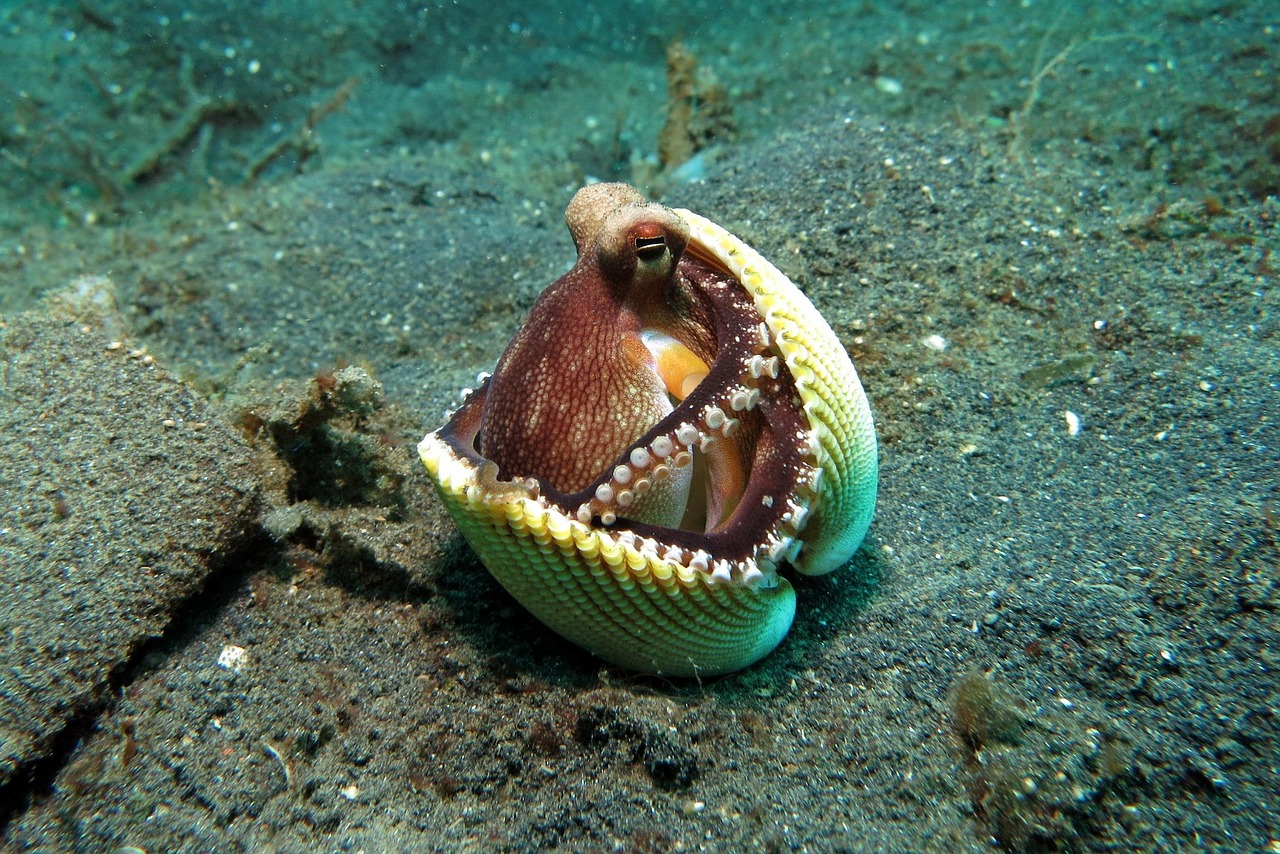
An important pool of progenitors, expressing the conserved bHLH transcription factors achaete-scute or neurogenin, is located outside the central brain cords in the lateral lips adjacent to the eyes, suggesting that newly formed neurons migrate into the cords. This discovery revealed something unexpected about how octopus brains develop and potentially regenerate.
This revealed that cells in the lateral lips take on a specific neuronal fate before migrating to their target region in the central brain. The finding that octopus newborn neurons migrate over long distances is reminiscent of vertebrate neurogenesis and suggests it might be a fundamental strategy for large brain development. This similarity to vertebrate brain development offers hope for translation to human medicine.
In octopuses, it looked like these neurons are just filling in everywhere, which kind of makes it a little bit harder of a problem for the brain to solve. Adding new neurons to the edges shouldn’t disrupt existing pathways or functions but intermeshing and filling in new ones could. Yet somehow, octopuses manage this complex integration seamlessly throughout their lives.
Temperature Tricks: Rewiring on Demand
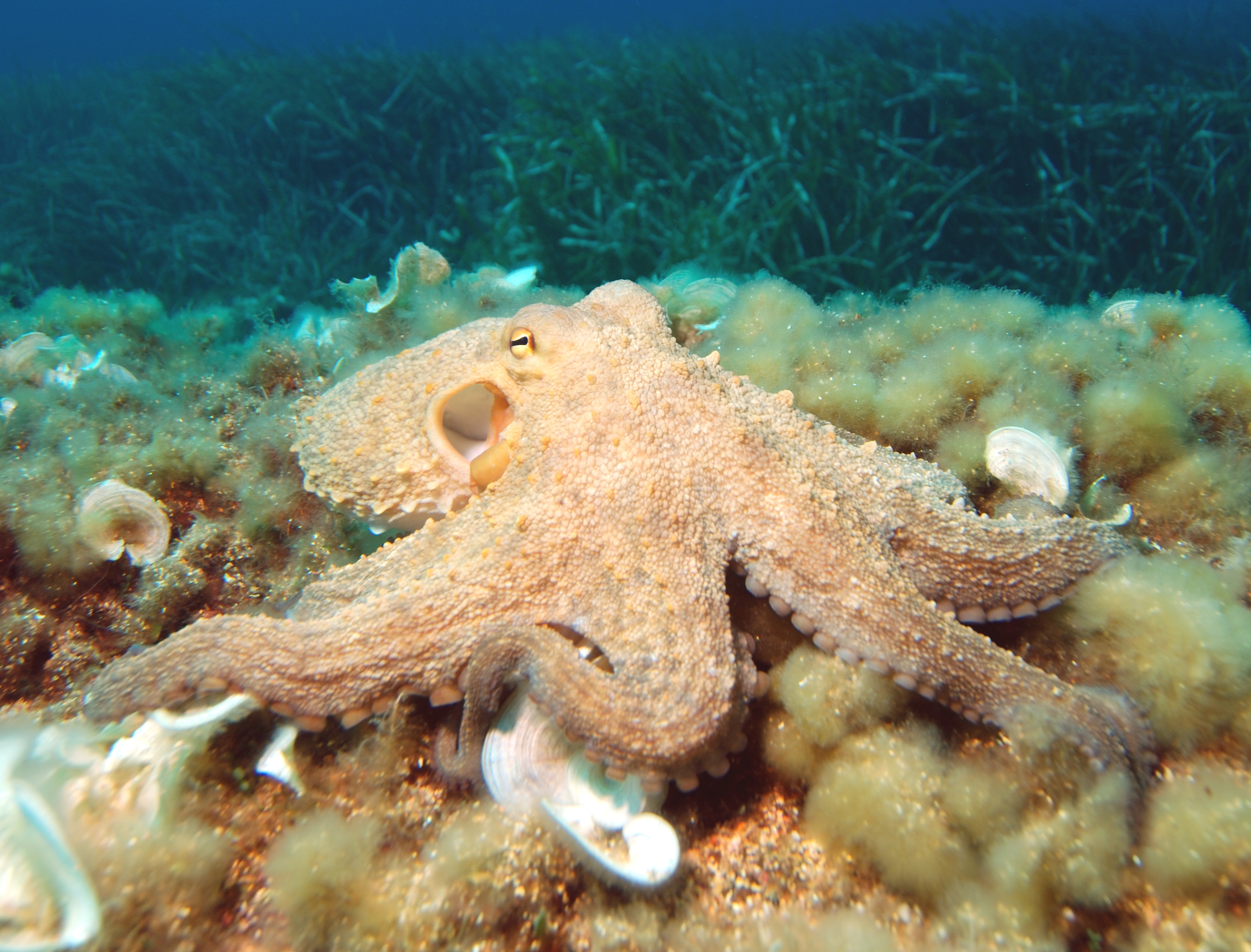
Octopuses have the ability to recode their neurons in response to temperature shifts so those cells produce different proteins. This discovery revealed an entirely new dimension to octopus neural plasticity. They found that a significant proportion of those sites had changed and that these changes happened quickly, on the scale of hours to a few days.
So the researchers suspect that RNA editing plays a role in protecting the invertebrates’ neurons from temperature fluctuations. “The organism chooses to express different isoforms, and each one is better in its own condition,” Eisenberg says. This represents a level of neural adaptability that mammals simply don’t possess.
There’s not even a single example of that happening in mammals. This temperature-triggered neural rewiring demonstrates that octopus brains can actively modify their molecular machinery in response to environmental challenges, suggesting mechanisms that could potentially be harnessed for therapeutic purposes.
Medical Applications: From Ocean to Operating Room
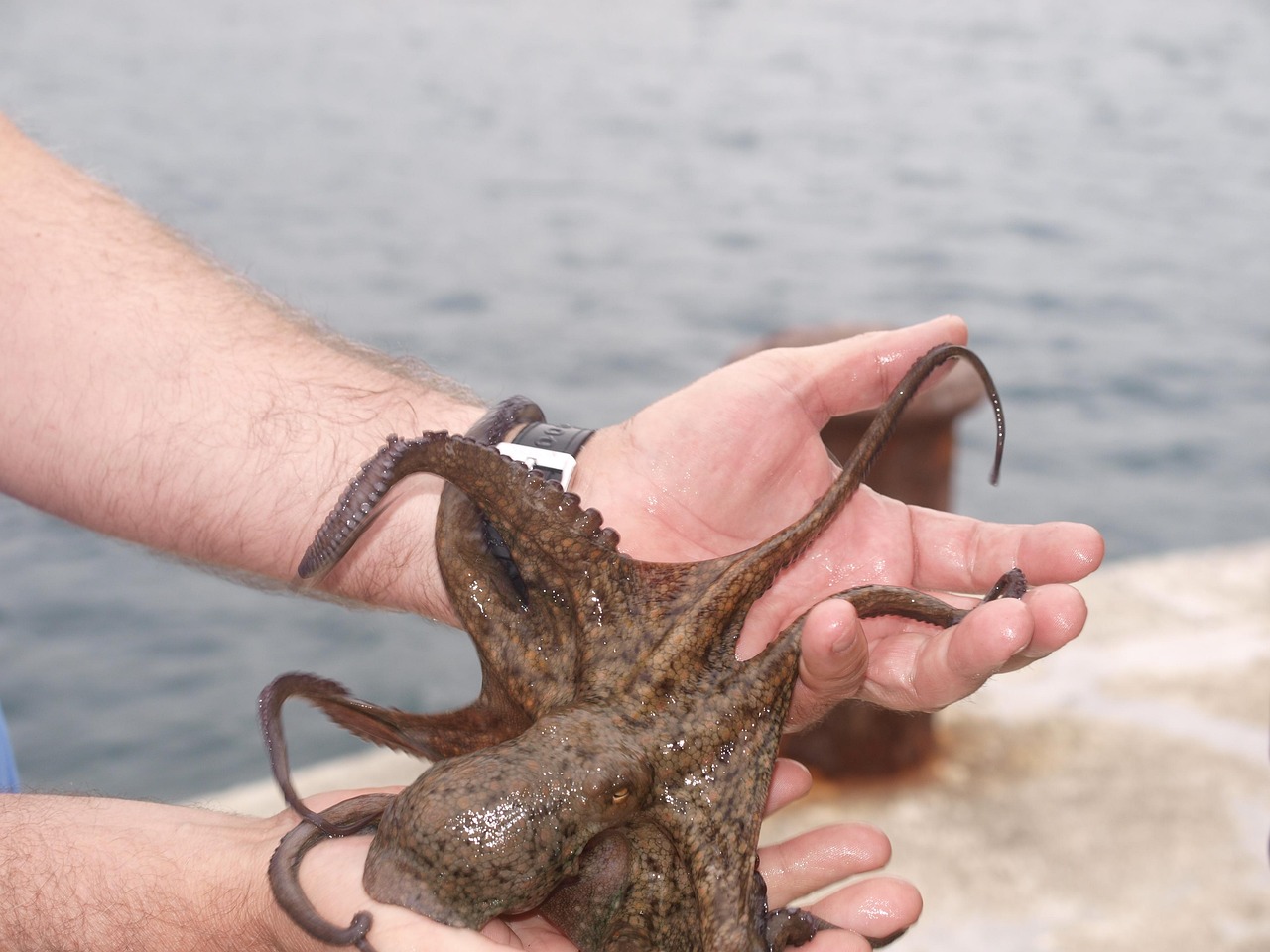
The remarkable regenerative abilities of octopuses offer intriguing possibilities for human medical advances. If scientists can decode the mechanisms behind cephalopod nerve regeneration, it could lead to breakthrough treatments. These treatments might include therapies for neurodegenerative diseases like Alzheimer’s and Parkinson’s, which involve nerve damage and brain cell loss.
Additionally, understanding octopus regeneration could provide insights into spinal cord injury recovery. The current limitations in treating spinal cord injuries make regeneration research crucial. An ability to regenerate nerve tissue could dramatically improve outcomes for affected individuals.
Understanding this process of neurogenesis may provide clues regarding neurodegenerative disease and healing from brain injuries. The mechanisms that allow octopuses to rebuild damaged neural circuits could inspire new approaches to treating conditions that currently have no cure. However, translating these discoveries from invertebrate to human medicine remains a significant challenge.
The Future of Neural Regeneration
Advances in understanding octopus neural capabilities require collaboration across various scientific disciplines. Molecular biology, genetics, neurology, and medical fields must work together. Cross-disciplinary studies can facilitate holistic approaches and accelerate insight discoveries. The complexity of neural regeneration demands expertise from multiple fields working in concert.
Another important feature of octopuses is their ability to regenerate defective tissues including the central and peripheral nervous system. These characteristics raise the question of what features can an octopus show when it is used as an organism to create experimental autoimmune encephalomyelitis. Researchers are exploring whether octopuses could serve as models for understanding autoimmune diseases affecting the nervous system.
Understanding how a completely different neural structure achieves the same function as the human brain opens up possibilities for designing new types of AI systems. The lessons learned from octopus neuroscience could influence not just medical treatments but also the development of artificial intelligence systems that incorporate biological principles of adaptability and regeneration.
The octopus represents one of evolution’s most successful experiments in neural engineering. Their ability to regrow brain tissue, rewire neural connections, and maintain complex behaviors throughout the process offers a tantalizing glimpse of what might be possible for human medicine. While we’re still years away from translating these discoveries into clinical treatments, every study brings us closer to understanding the fundamental principles of neural regeneration. The ocean’s eight-armed genius may hold the key to healing brains once thought beyond repair. What do you think about the potential of octopus research to revolutionize neuroscience? Tell us in the comments.
Jan loves Wildlife and Animals and is one of the founders of Animals Around The Globe. He holds an MSc in Finance & Economics and is a passionate PADI Open Water Diver. His favorite animals are Mountain Gorillas, Tigers, and Great White Sharks. He lived in South Africa, Germany, the USA, Ireland, Italy, China, and Australia. Before AATG, Jan worked for Google, Axel Springer, BMW and others.