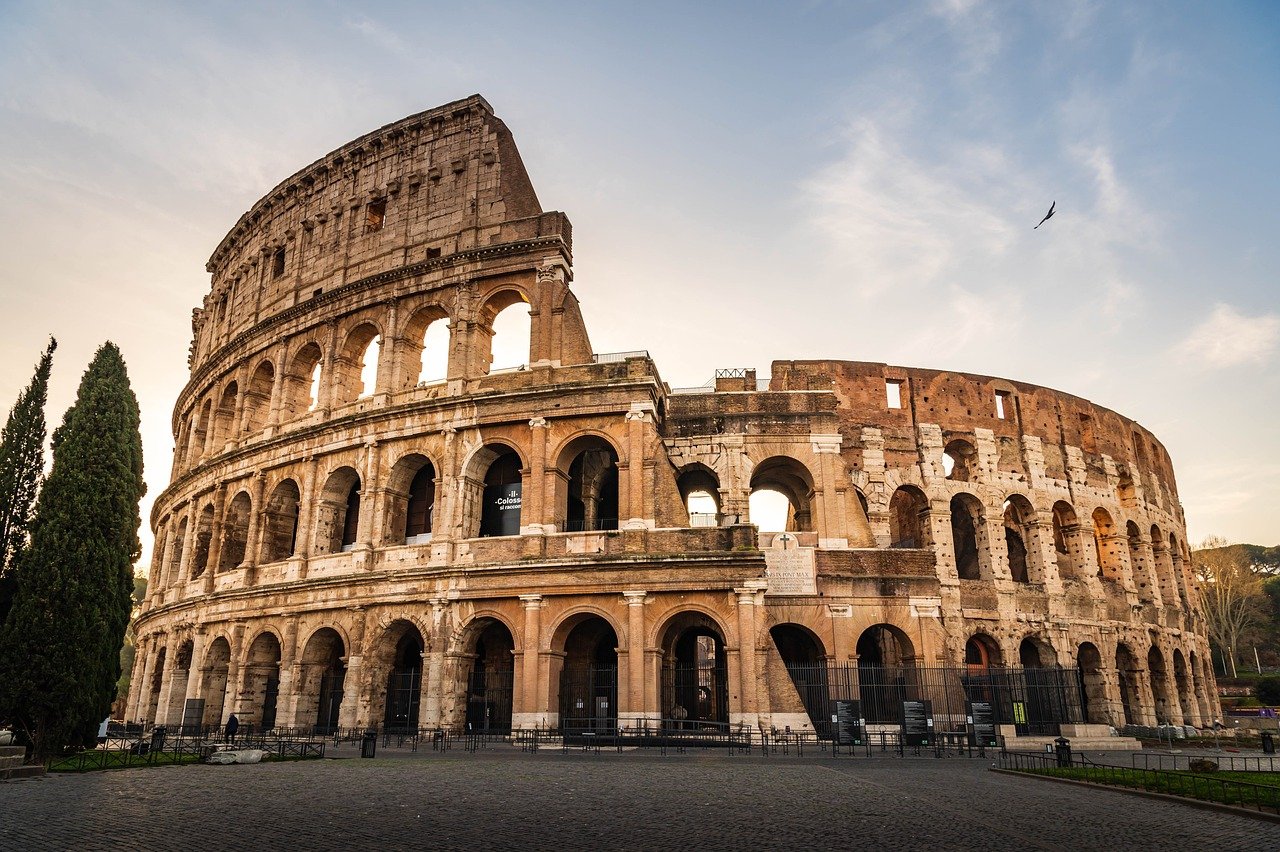
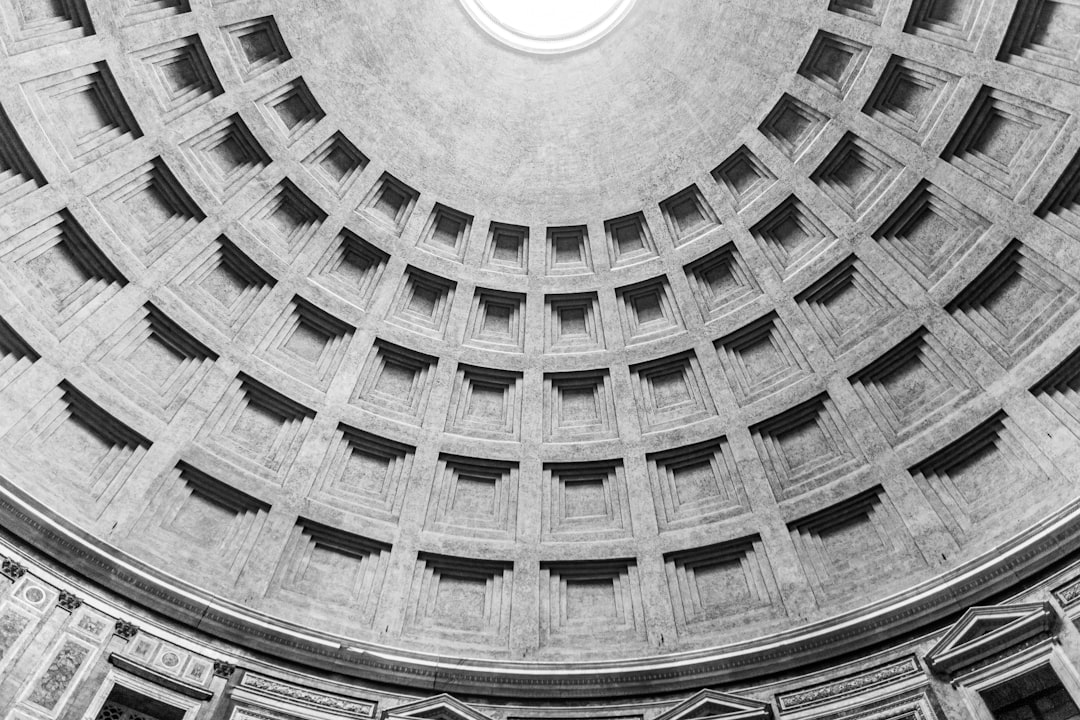
Walking through the ruins of ancient Rome today, you’re witnessing something that defies modern understanding of construction materials. The Pantheon’s massive dome, completed around 1,900 years ago, still stands proud against the sky. Roman aqueducts continue to channel water across landscapes. Harbor structures built during Caesar’s time remain solid beneath Mediterranean waves.
How did ancient builders create concrete that outlasts our modern versions by centuries? The answer lies in a combination of volcanic fire, chemical genius, and construction techniques that we’re only now beginning to understand and replicate.
The Foundation of Roman Concrete Engineering
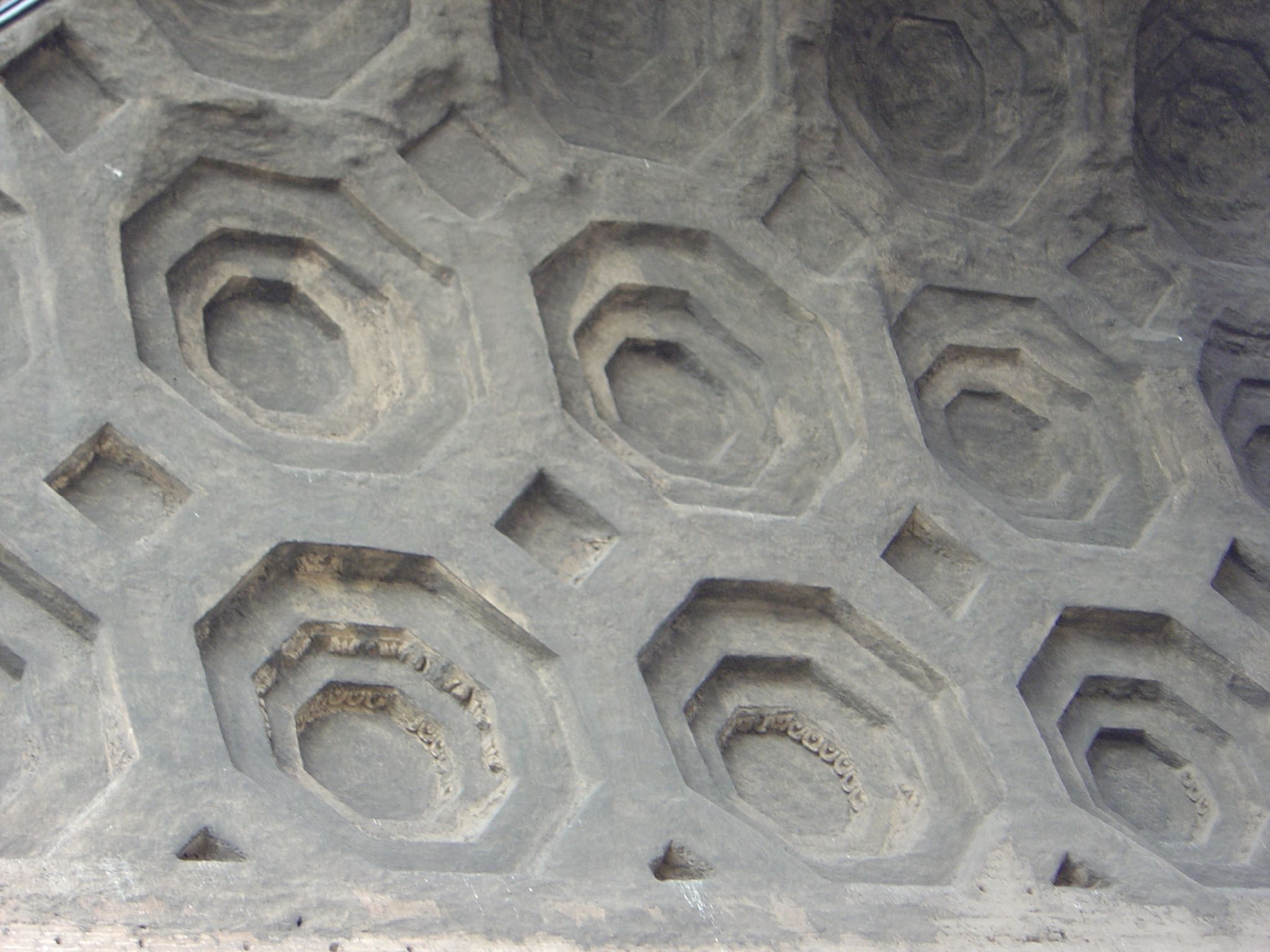
Roman concrete achieved its legendary durability through its use of pozzolana, a volcanic rock found near Pozzuoli in the Bay of Naples, Italy. This concrete consisted of a mixture of volcanic ash, lime, and local aggregate, and was used to build many of the most important structures in ancient Rome.
The Roman engineer Vitruvius, writing around 25 BC, recommended pozzolana from the volcanic beds of Pozzuoli, which appeared brownish-yellow-gray around Naples and reddish-brown near Rome. He specified precise ratios: one part lime to three parts pozzolana for building mortar, and a 1:2 ratio for underwater construction.
Think of Roman concrete as nature’s perfect recipe. Where modern builders rely on industrially processed materials, Romans worked with what volcanic eruptions provided them. The major component of volcanic pumices and ashes is highly porous glass, and the easily alterable nature of these materials limits their occurrence to recently active volcanic areas.
The Secret Ingredient Hidden in Plain Sight
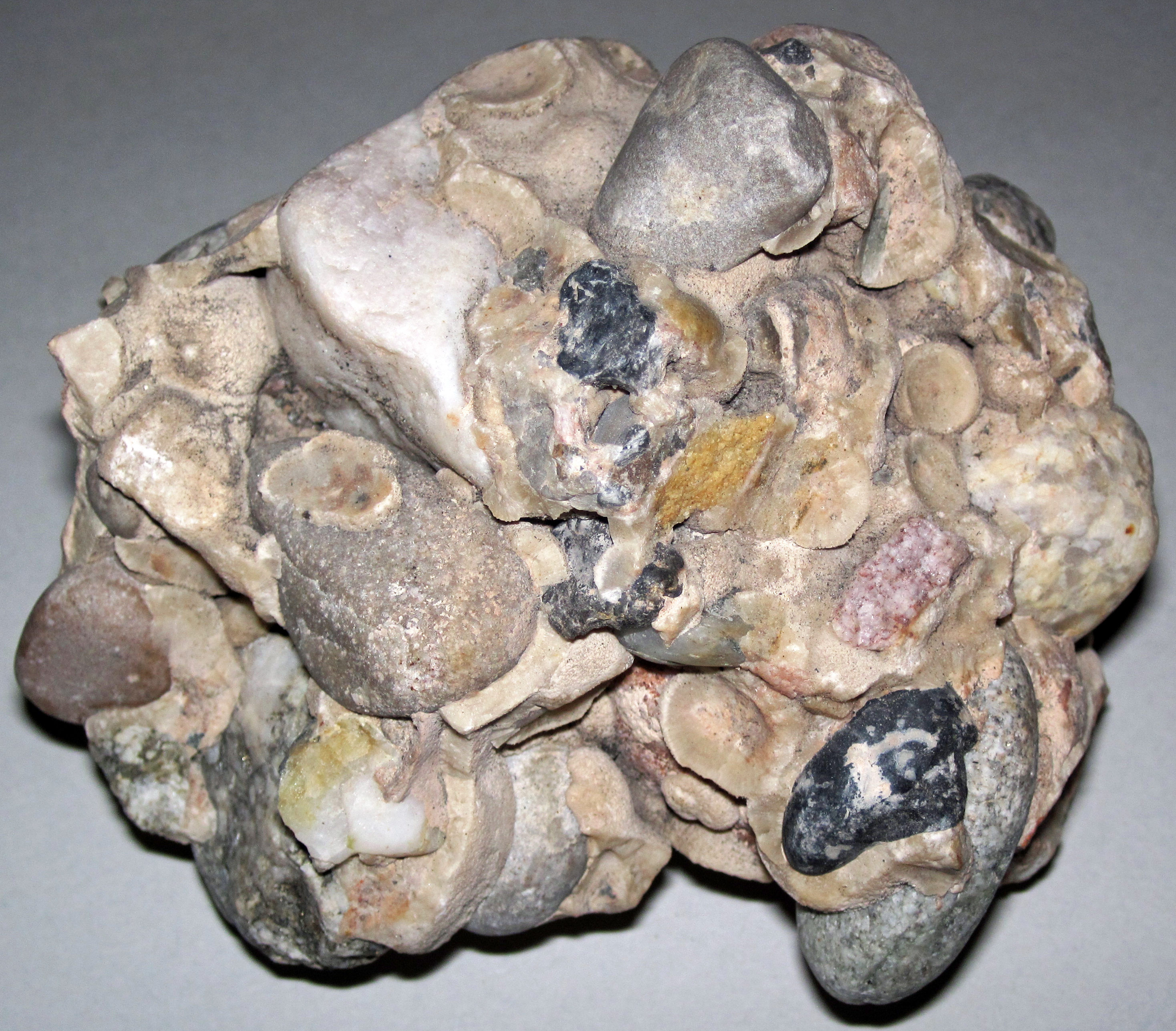
For decades, scientists noticed something peculiar in samples of Roman concrete. Ancient samples contain small, distinctive, millimeter-scale bright white mineral features, which have been long recognized as ubiquitous components of Roman concretes. These white chunks, often referred to as “lime clasts,” originate from lime, another key component of the ancient concrete mix.
Previously disregarded as merely evidence of sloppy mixing practices or poor-quality raw materials, new studies suggest that these tiny lime clasts gave the concrete a previously unrecognized self-healing capability. The idea that the presence of these lime clasts was simply attributed to low quality control always bothered researchers.
Imagine dismissing the key to immortal concrete as construction mistakes. Modern interpretations suggested that lime clasts were unintentional flaws or inconsistencies in the mix. However, the 2023 study turned that theory on its head. Using microscopic analysis, scanning electron microscopy, and advanced imaging, researchers found that these lime clasts weren’t accidents at all – they were deliberately included and held the key to self-healing properties.
The Revolutionary Hot Mixing Process
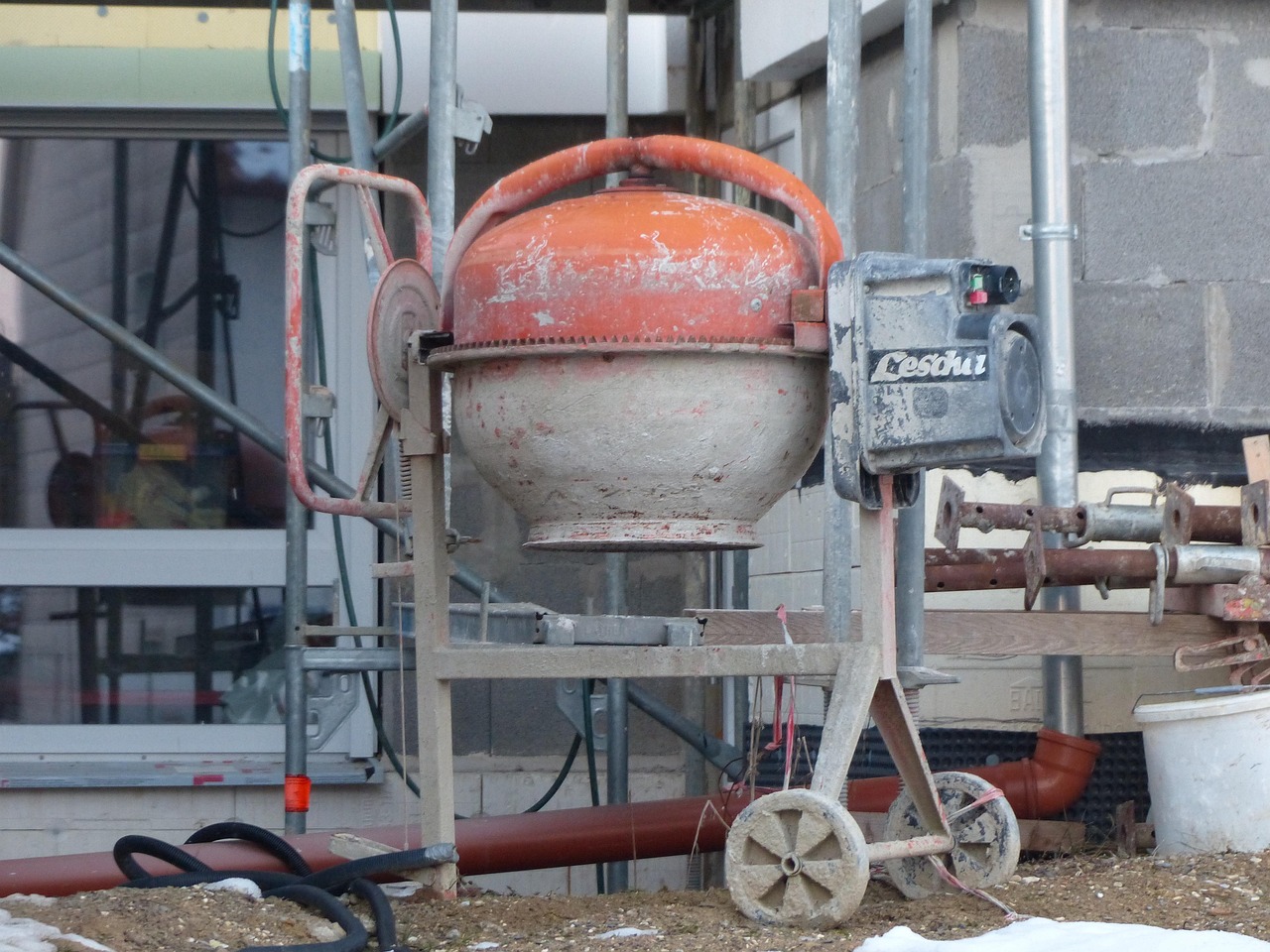
Roman concrete was probably made by mixing quicklime directly with pozzolana and water at extremely high temperatures, a process called ‘hot mixing’ that results in the lime clasts. This discovery challenged everything engineers thought they knew about ancient construction methods.
The benefits of hot mixing are twofold. First, when concrete is heated to high temperatures, it allows chemistries that are not possible with only slaked lime, producing high-temperature compounds that would not otherwise form. Second, this increased temperature significantly reduces curing and setting times since all reactions are accelerated, allowing for much faster construction.
The reaction of quicklime with water is highly exothermic, meaning it can produce a lot of heat – and possibly an explosion. Everyone would say, ‘You are crazy.’ But no big bang happened. Instead, the reaction produced only heat, a damp sigh of water vapor, and a Romans-like cement mixture bearing small white calcium-rich rocks.
Chemical Reactions That Defy Time
When quicklime and pozzolan react with water, a complex chemical process takes place that results in the formation of a cementitious material. The calcium oxide in quicklime reacts with water to form calcium hydroxide, which then reacts with the silica and alumina in the pozzolan to produce calcium silicate hydrates (C-S-H) and calcium aluminate hydrates (C-A-H), which are the primary binding agents in cement.
Lime reacting with aluminum-rich pozzolan ash and seawater formed highly stable calcium-aluminum-silicate-hydrate and aluminum-tobermorite, ensuring strength and longevity. Their analyses showed that the Roman recipe needed less than ten percent lime by weight, made at two-thirds or less the temperature required by Portland cement.
Picture molecules dancing together in perfect harmony. This pozzolanic reaction forms an incredibly stable calcium-aluminum-silicate-hydrate compound. This compound is not only strong but also highly resistant to chemical decay, especially from saltwater. This is why Roman harbors and piers, submerged for two thousand years, are still structurally sound.
Self-Healing Mechanisms at Work
The most remarkable discovery about Roman concrete involves its ability to repair itself. The lime clasts within Roman concrete enable it to self-heal when exposed to the environment. When cracks form in modern concrete, they present structural durability issues. However, with Roman concrete, when a crack forms it typically travels towards the lime clasts as they have the highest surface area within the concrete. When water seeps into the cracks it reacts with the lime clasts to form a highly alkaline solution. This solution then carbonates as calcium carbonate and seals the crack.
To prove this mechanism, the team produced samples of hot-mixed concrete that incorporated both ancient and modern formulations, deliberately cracked them, and then ran water through the cracks. Within two weeks the cracks had completely healed and the water could no longer flow. An identical chunk of concrete made without quicklime never healed, and the water just kept flowing through the sample.
You’ll find these impressive self-healing mechanisms at work when water triggers the dissolution and recrystallization of calcium carbonate, effectively sealing cracks up to half a millimeter wide – nearly twice the size modern concrete can handle. Scientists are now racing to commercialize this technology, potentially revolutionizing modern construction while reducing global carbon dioxide emissions.
Marine Concrete: Thriving in Seawater
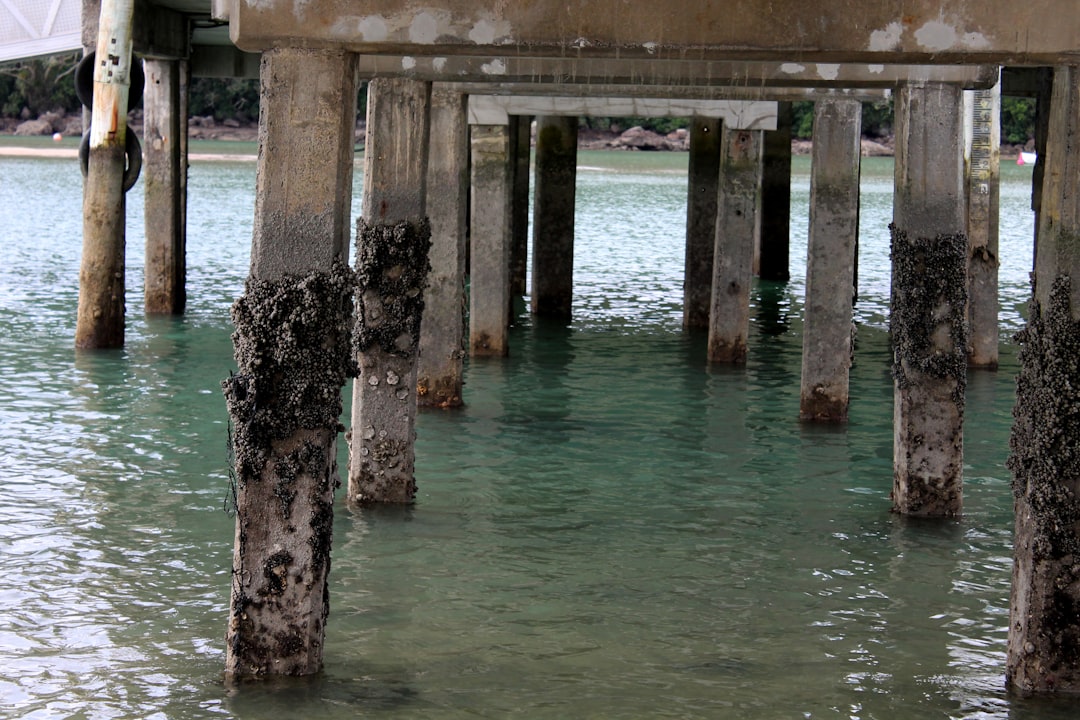
The strength and longevity of Roman marine concrete benefits from a reaction of seawater with a mixture of volcanic ash and quicklime to create a rare crystal called tobermorite, which may resist fracturing. As seawater percolated within the tiny cracks in Roman concrete, it reacted with phillipsite naturally found in volcanic rock and created aluminous tobermorite crystals.
As seawater percolates through the concrete in piers and breakwaters, it dissolves parts of the volcanic ash used in construction. This allows new minerals like aluminum-tobermorite and phillipsite to grow from the leached fluids. These minerals, similar in shape to crystals in volcanic rocks, then formed interlocking plates in gaps within the ancient concrete, making the concrete stronger over time.
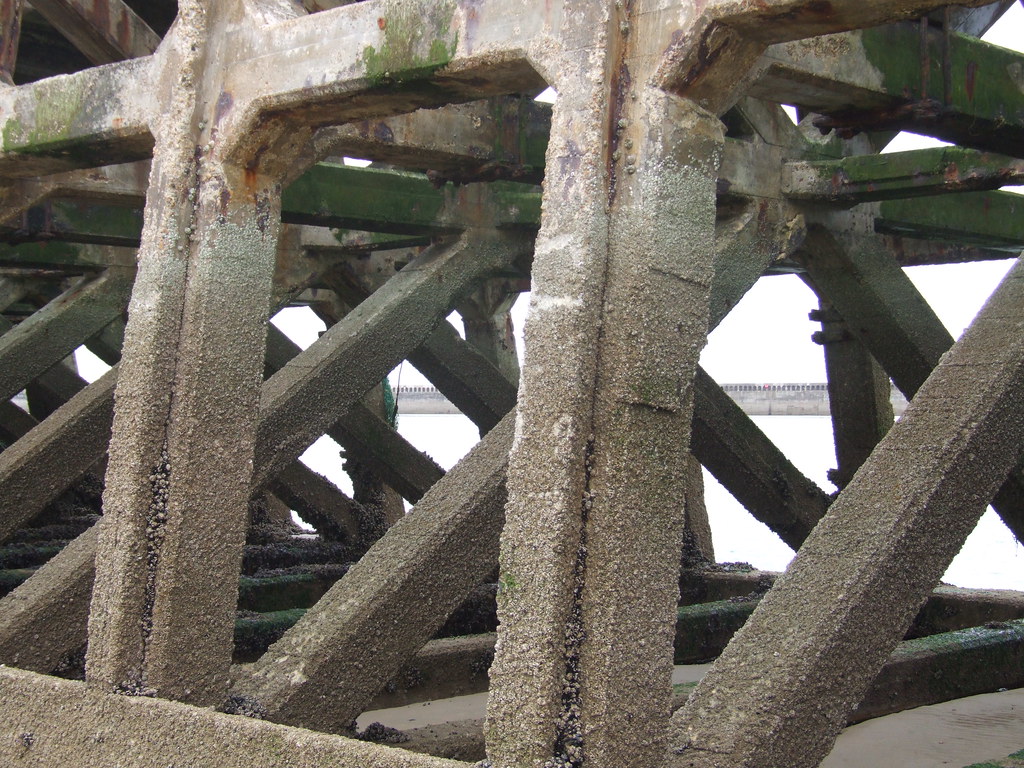
Modern concrete dies in saltwater, but Roman concrete thrives in it. The result is a candidate for “the most durable building material in human history.” In contrast, modern concrete exposed to saltwater deteriorates within decades. The three piers are still visible today, with the underwater portions in generally excellent condition even after more than twenty-one hundred years.
Construction Techniques and Ratios
The production process for Roman mortar began with calcining lime from limestone, marble, or travertine to form quicklime. This lime-based material could be hydrated using water (slaking) or added directly (hot mixing), then mixed with volcanic ash, ceramic fragments, or other pozzolana, sand, and water to form hydraulic mortar.
Strict specifications for raw materials were detailed by ancient scholars Vitruvius and Pliny, especially for limestone, which was to be pure white to lack impurities. Both Vitruvius and Pliny describe the preparation of lime for plasterwork to involve a thorough soaking or softening process.
The Romans were incredibly practical. The aggregate was typically whatever was cheap and available locally. The Romans made their incredibly durable concrete, known as opus caementicium, by mixing a hydraulic binder with water and an aggregate. The true secret sauce was the binder, a combination of quicklime and special volcanic ash called pozzolana, which created a uniquely stable and long-lasting chemical reaction.
Modern Applications and Future Possibilities
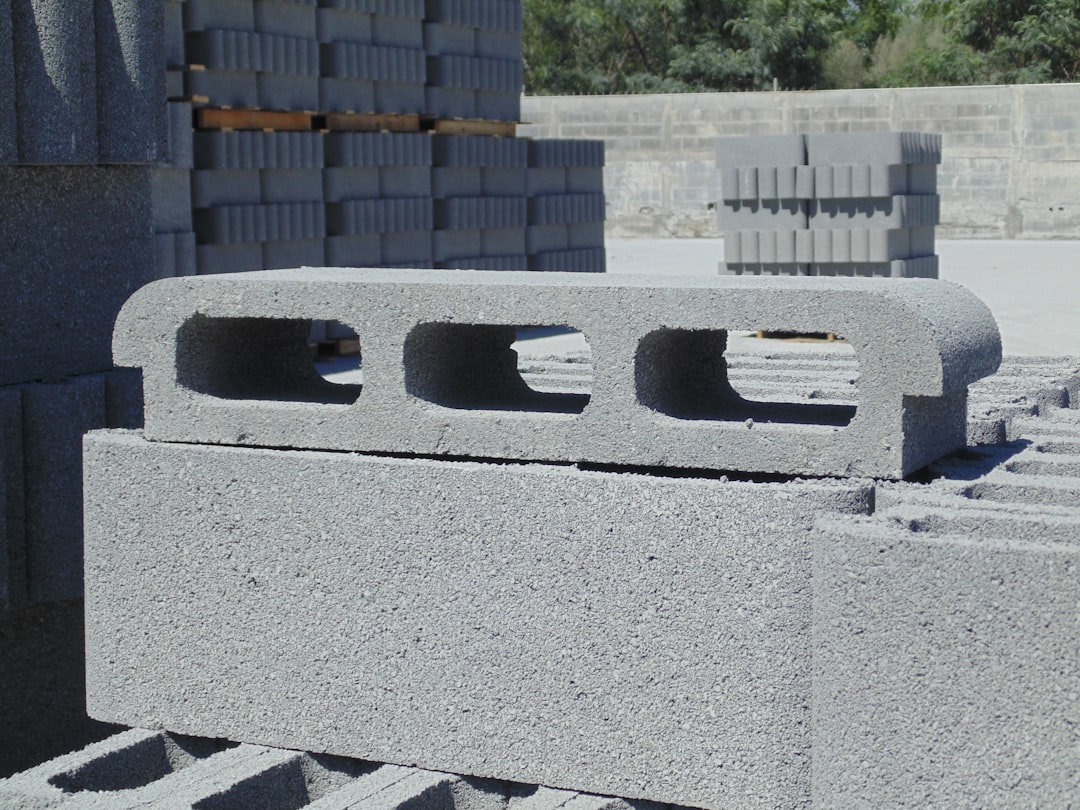
Researchers are working on commercializing their concrete as a more environmentally friendly alternative to current mixes. It’s exciting to think about how these more durable concrete formulations could expand not only the service life of these materials, but also how it could improve the durability of 3D-printed concrete formulations. Recent studies by engineers have compared the raw material and energy requirements of Roman-style concrete to modern Portland cement. They found that while Roman-style mixes require more water and initial energy input, their longer lifespan could make them more sustainable over time.
Pozzolan is important for its practical applications. It could replace forty percent of the world’s demand for Portland cement. There are sources of pozzolan all over the world. Saudi Arabia doesn’t have any fly ash, but it has mountains of pozzolan. Stronger, longer-lasting modern concrete, made with less fuel and less release of carbon into the atmosphere, may be the legacy of a deeper understanding of how the Romans made their incomparable concrete.
Imagine coastal structures that grow stronger with each wave, bridges that heal their own stress fractures, and buildings designed to last millennia rather than decades. Jackson has an application in mind for these historical replicants: guarding against the effects of climate change. The National Oceanic and Atmospheric Administration projects that by 2050, sea levels will rise by an average of ten to twelve inches along American coasts.
Roman concrete represents more than just superior building materials – it embodies a philosophy of construction that prioritized permanence over profit, durability over speed. As we face climate change and infrastructure decay, perhaps the greatest lesson from Roman engineers isn’t just their chemical formulas, but their commitment to building for the ages. What would you choose: concrete that lasts decades or concrete that endures millennia?