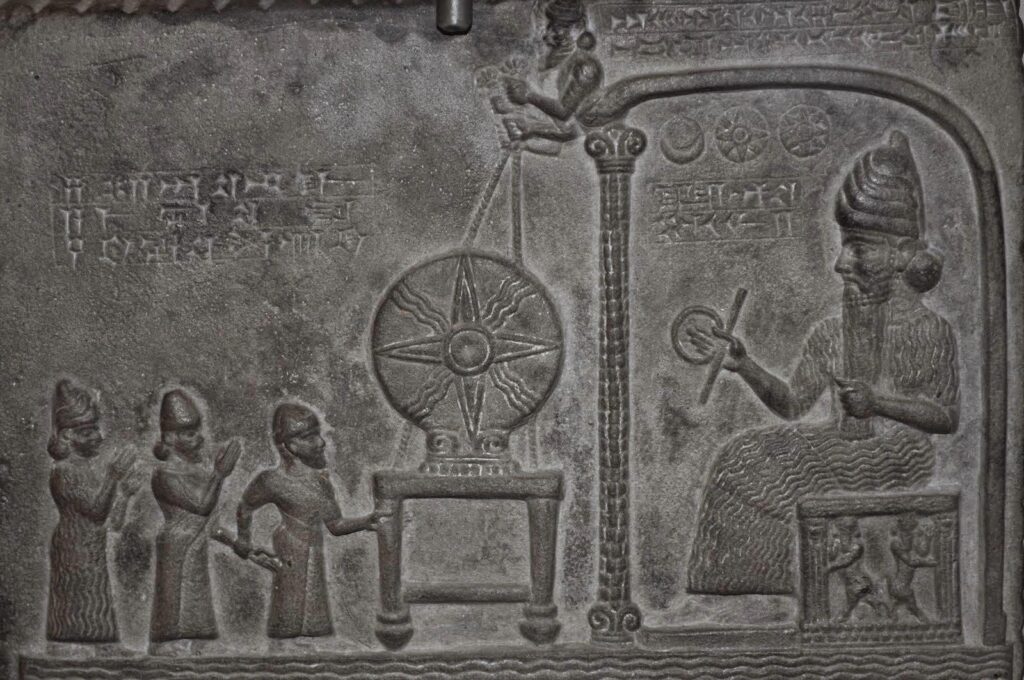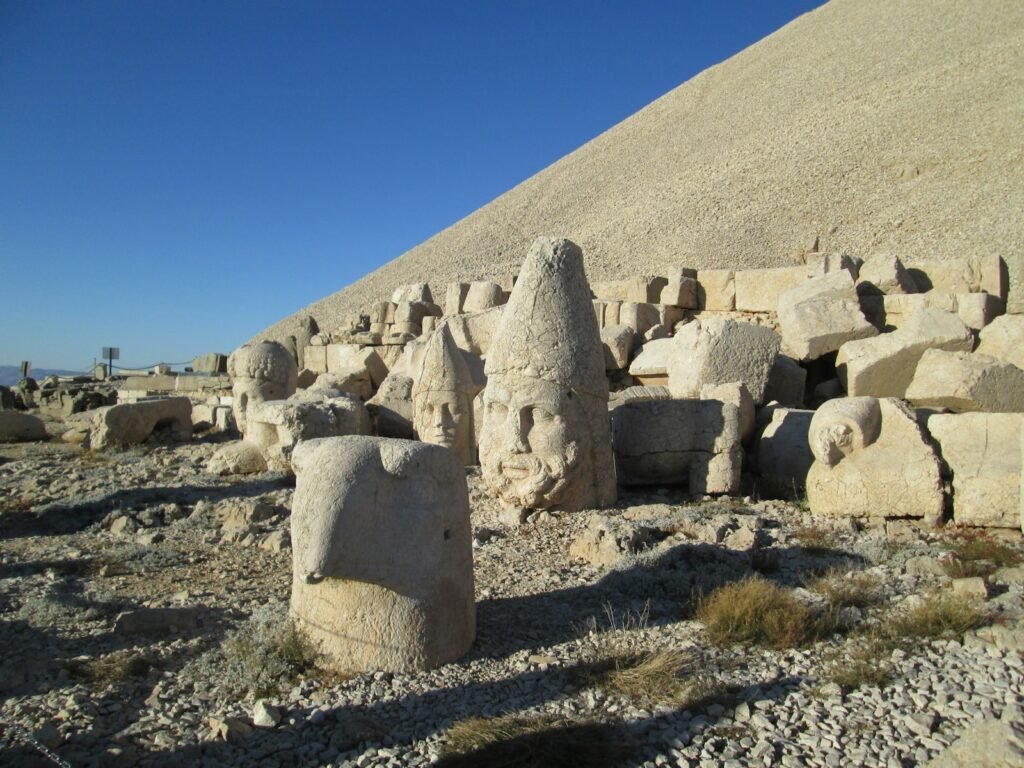

Across continents and millennia, builders who lacked modern instruments still managed sky-locked precision that can feel almost otherworldly. What began as a mystery – how could stone, shadow, and horizon move in celestial step – has become a testable field thanks to high-resolution surveys, horizon modeling, and careful archaeological context. The story is not magic; it’s measurement, patience, and cultural purpose etched in rock. Today, archaeologists revisit famous sites with laser scanners and star-mapping software, revealing alignments so exact they double as calendars and clocks. The result isn’t just awe; it’s a new respect for how ancient science worked under open skies.
Stonehenge, England
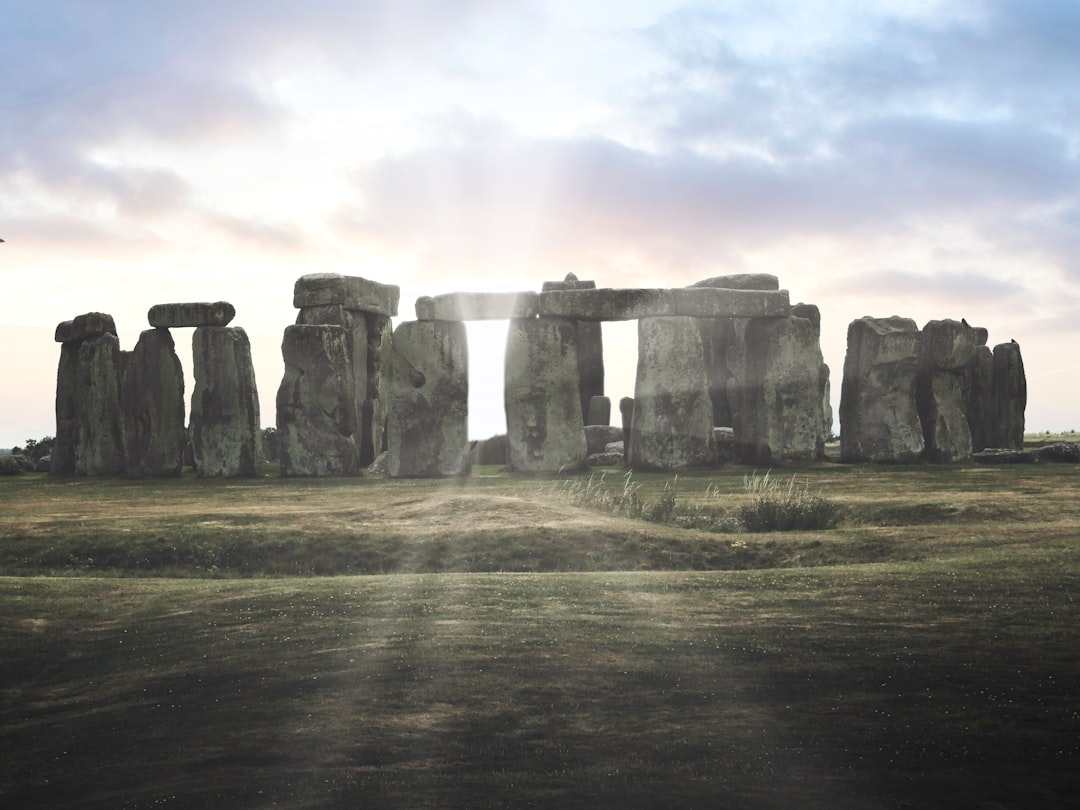
What kind of engineering lets a sunrise split a stone trilithon with to-the-degree accuracy? At midsummer, the sun rises along the monument’s axis; at midwinter, it sets opposite, a luminous corridor framed by towering sarsens. This is horizon astronomy turned into architecture, where alignment meant season, ceremony, and social rhythm.
Modern surveys confirm the axis’ tight fit with solstitial azimuths when corrected for prehistoric horizon and atmospheric refraction. Microtopography and laser scans help test whether sightlines were intentional and maintained over construction phases. The deeper surprise is practical: a community synchronized labor, feasts, and travel to celestial markers that never missed their appointment.
Newgrange, Ireland
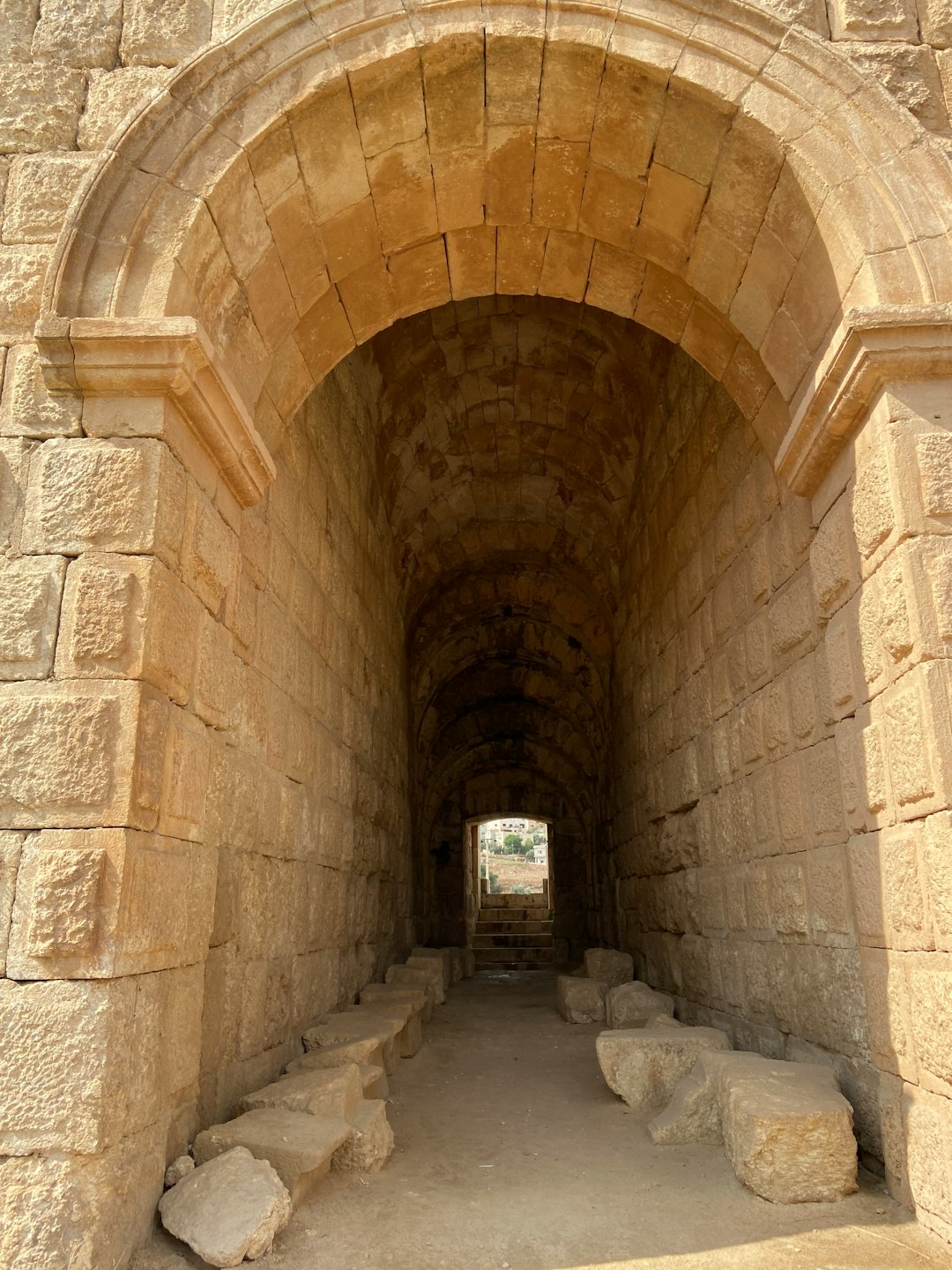
At dawn near the winter solstice, a shaft of sunlight climbs a narrow passage and lights a chamber that normally sits in deep night. The beam lingers for about 17 minutes, a deliberate choreography between the sun’s lowest arc and precise stone geometry. Newgrange turns the darkest morning into a promise that light will return.
Archaeologists have modeled the passage angle, roof box aperture, and local horizon to show the effect is no accident. The entrance’s engineered slit trims the beam like a lens, demanding centimeter-level care in construction. It’s a stone-age instrument that measures hope as much as it measures time.
Chankillo Thirteen Towers, Peru
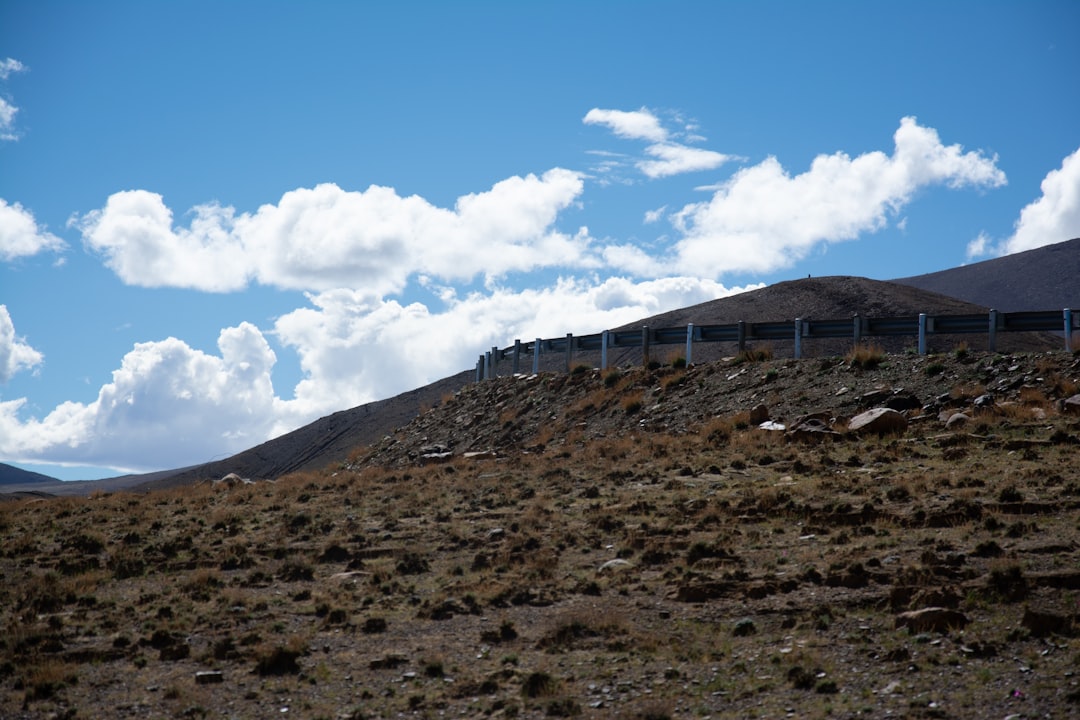
A serrated ridge of thirteen towers tracks the sun like a slow-motion metronome across the desert horizon. Stand at one observation point at dawn, and the sun’s position shifts neatly tower to tower through the year, pinning down solstices, equinoxes, and seasonal waypoints. It’s an open-air observatory that reads like a calendar in silhouette.
Recent documentation combined drone photogrammetry with solar azimuth modeling to validate the sightlines. The precision is robust enough to time agriculture and ritual without a written almanac. Chankillo shows that a skyline – carefully shaped – can hold as much data as any inscription.
El Caracol, Chichén Itzá, Mexico
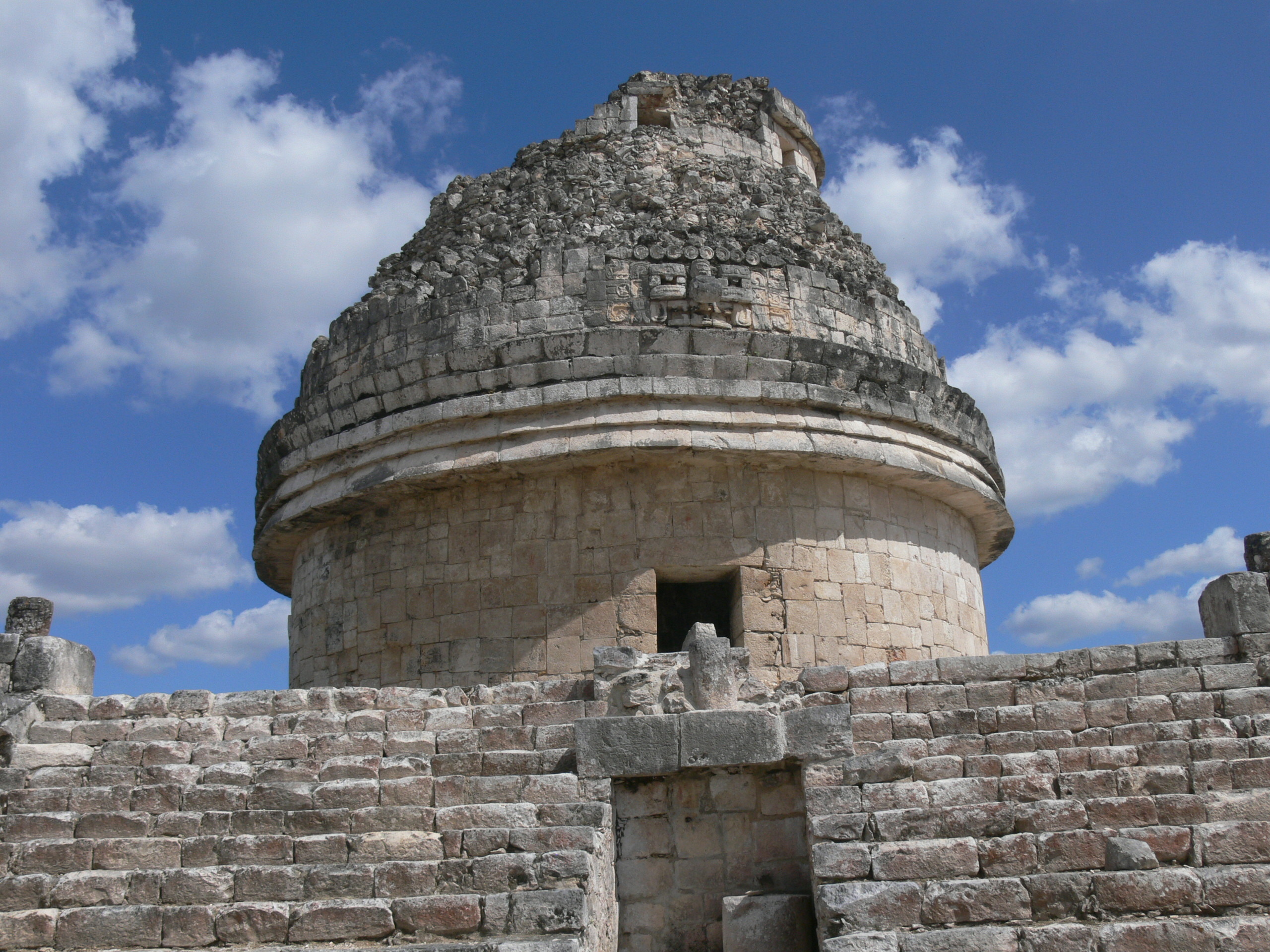
The round tower nicknamed El Caracol isn’t just picturesque; its windows and stairways frame the heavens with notable intent. Several sightlines line up with extreme points of Venus and key solar positions, reflecting the planet’s dramatic role in Maya timekeeping. The observatory’s spiral gives skywatchers a panoramic scroll of changing light.
Scholars test these claims with ephemerides that roll the clock back to the Classic period, accounting for precession and horizon altitude. While not every window is astronomical, enough alignments hold up to mark credible observational design. The building reads like a star chart in stone, with Venus as its bright, recurring headline.
Great Pyramid of Giza, Egypt
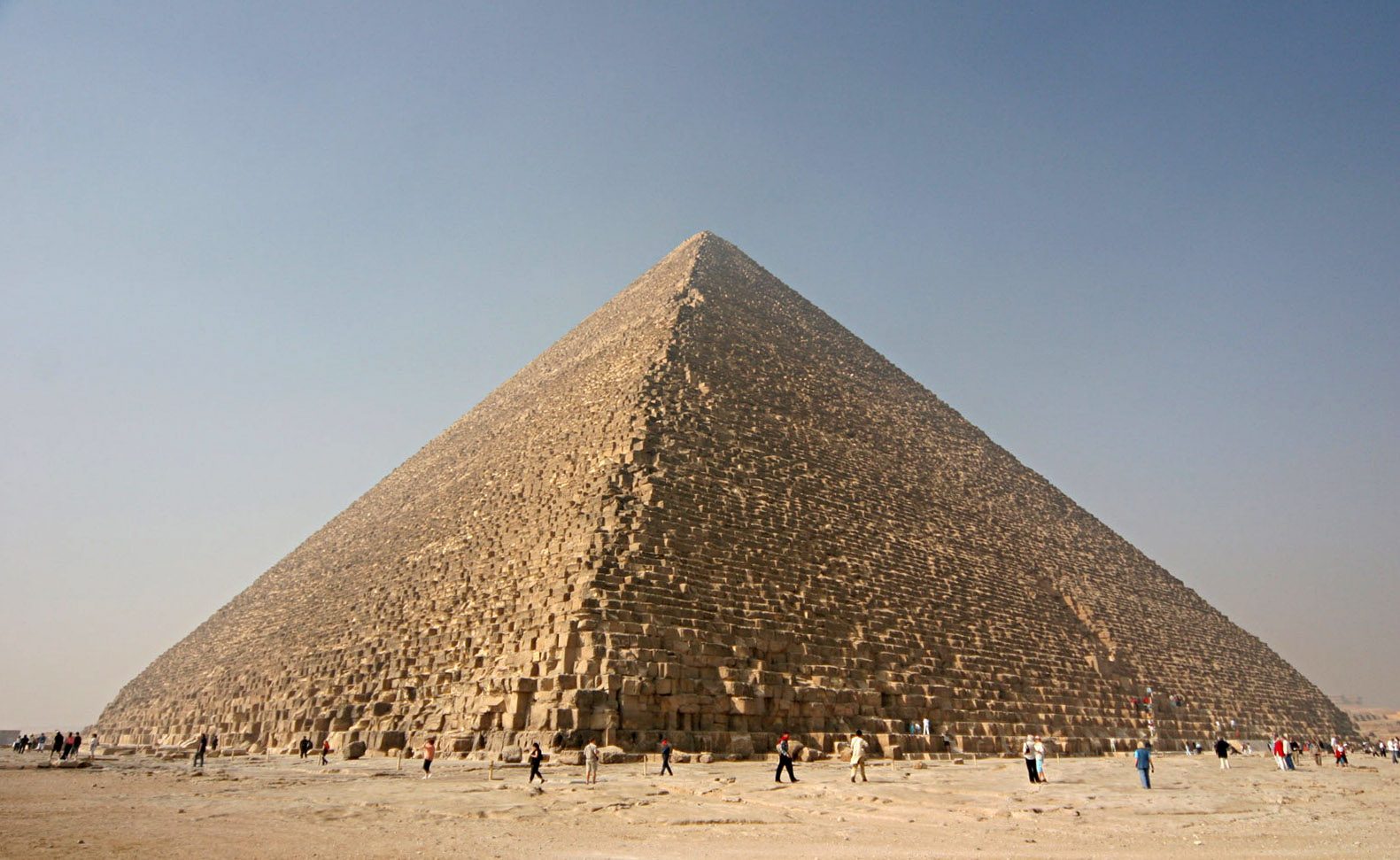
The pyramid’s power is in its quiet perfection: its sides hug true north-south-east-west with astonishing accuracy. That feat likely came from observing circumpolar stars to establish a reference, then translating sky-straight into ground-straight. Even tiny orientation errors fall within limits that would challenge modern builders without instruments.
Inside, narrow passages – often called shafts – have been interpreted as pointing toward notable stars of the era, including circumpolar targets and the Orion region. Debates continue over ritual versus observational use, but the cardinal precision is beyond dispute. It proves sky knowledge wasn’t an add-on to royal architecture; it was the blueprint.
Karnak Temple, Luxor, Egypt
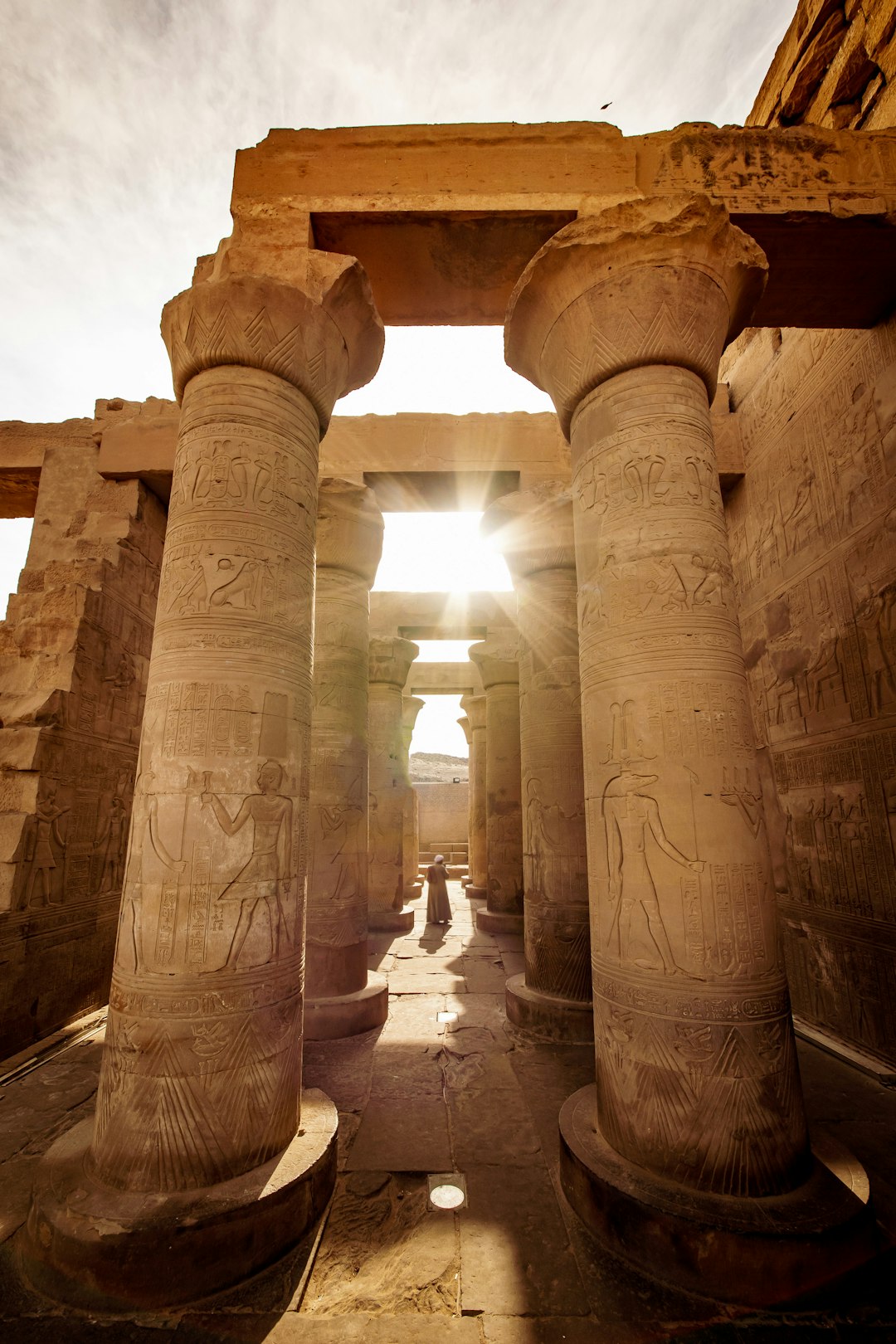
On a clear winter solstice morning, sunlight runs the temple’s long axis and strikes deep into the sanctuary, igniting a corridor that usually breathes shadow. The effect links cosmic renewal to earthly kingship, mapping the sun’s lowest point to the heart of a state cult. It’s choreography that folded time into ritual.
Survey data and solar simulations show that Karnak’s main axis was tuned to this seasonal moment, even as the complex grew over centuries. The alignment survives architectural accretions because the axis was intention, not accident. In the ritual calendar, this was astronomy as sovereignty made visible.
Mnajdra Temples, Malta

At the Mnajdra complex, the lower temple plays a delicate light trick: on the equinox, sunrise floods the central doorway; on solstices, beams shift to pick out flanking stones. The building effectively stamps the sky’s progress onto a limestone stage. Pilgrims didn’t need star charts when the walls did the counting.
Researchers measured doorways, lintels, and horizon profiles to show repeatable solar targets across the year. The geometry is spare but exact, designed to communicate season with a glance. Mnajdra is proof that small islands can host big science, set to the rhythm of the Mediterranean sun.
Angkor Wat, Cambodia

On the equinox, the sun climbs behind the central tower when viewed from the western causeway, a spectacle mirrored in surrounding baray waters. That alignment anchors a colossal temple to a fleeting balance between day and night, turning architecture into a cosmic scale. It’s a moment when symmetry in stone meets symmetry in sky.
Remote-sensing maps and horizon modeling help confirm these sightlines amid Angkor’s sprawling landscape. While the complex encodes layered symbolism, the equinoctial show remains empirical and repeatable. In a city built to echo the cosmos, this is the day it sings on pitch.
Uaxactun E‑Group, Guatemala
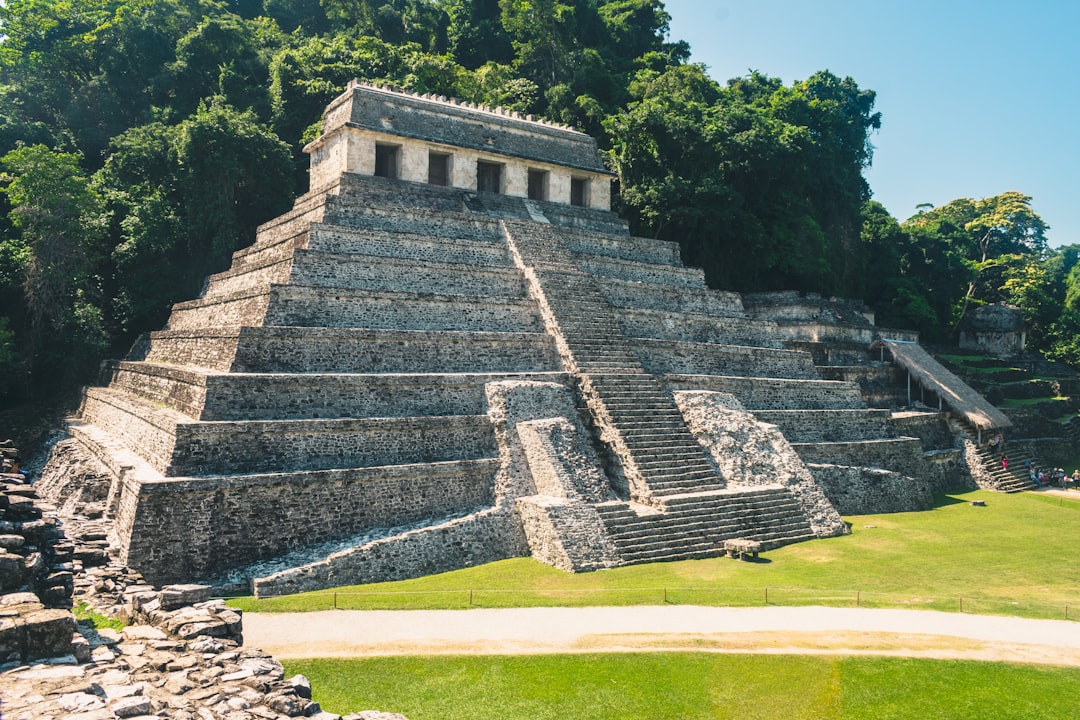
A low platform facing a trio of structures creates a theater for the sun’s yearly swings: solstices rise over the outer buildings, the equinox over the central one. These E‑Groups recur across the Maya world, suggesting a standard template for teaching and timing. Think of it as a syllabus in masonry.
Archaeoastronomers model sunrise azimuths from the intended viewing point, correcting for terrain and period-appropriate horizon. The consistency across sites strengthens the case for designed observation, not coincidence. In the Maya landscape, astronomy wasn’t a chapter – it was the table of contents.
Nabta Playa Stone Circle, Egypt
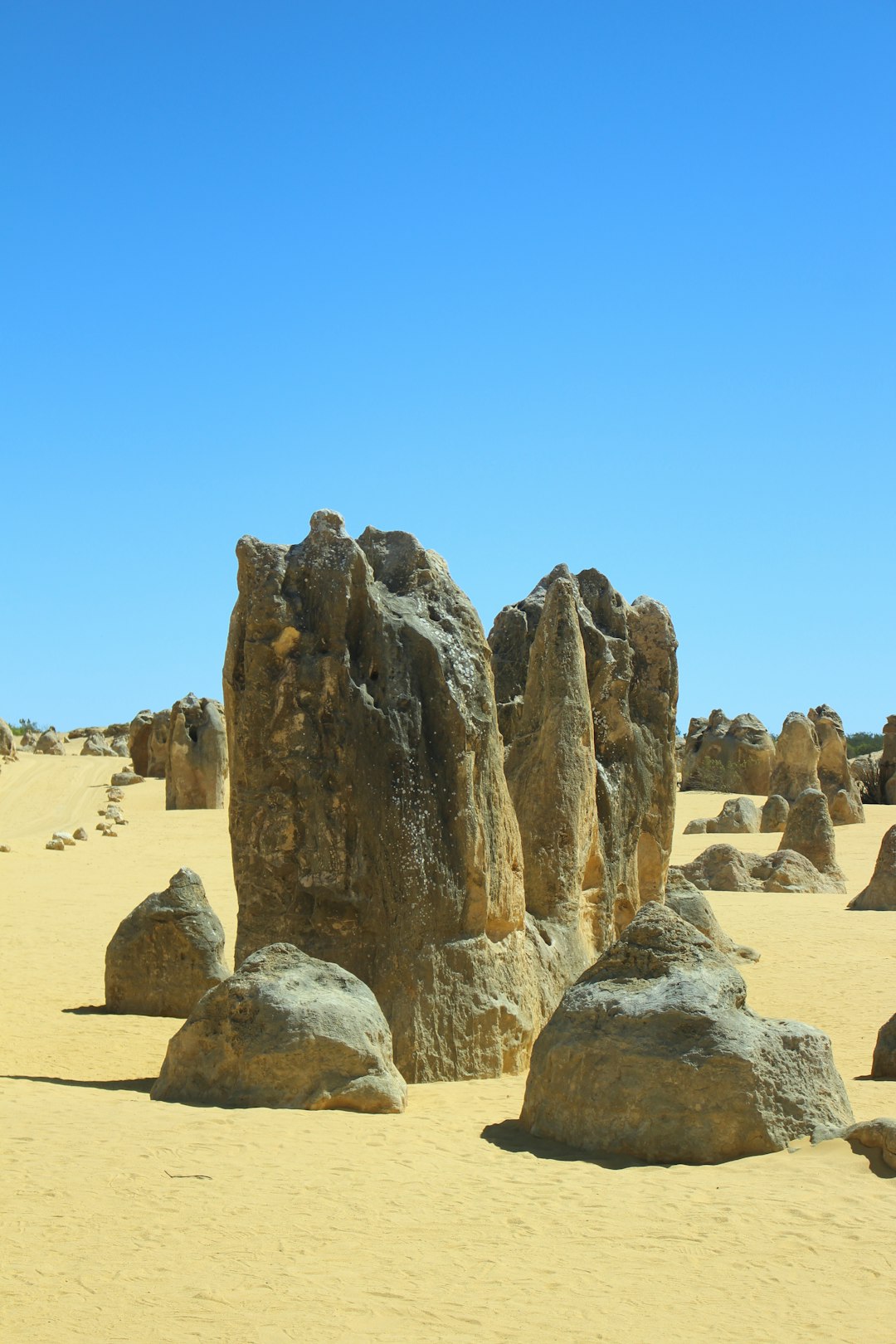
Out on a Saharan playa, a modest circle and megalithic lines appear to engage solstitial sunrises and star patterns tied to seasonal rains. It’s a sparse, elegant instrument built by pastoralists who watched the sky to track survival itself. The stones speak a language of timing more than spectacle.
Fieldwork combined GPS survey, sky modeling, and radiocarbon dates to evaluate potential alignments, with the solar links the strongest candidates. While stellar associations remain debated, the seasonal logic holds. Nabta Playa shows that astronomy can be portable, pragmatic, and carved from necessity as much as belief.
Suhail Ahmed is a passionate digital professional and nature enthusiast with over 8 years of experience in content strategy, SEO, web development, and digital operations. Alongside his freelance journey, Suhail actively contributes to nature and wildlife platforms like Discover Wildlife, where he channels his curiosity for the planet into engaging, educational storytelling.
With a strong background in managing digital ecosystems — from ecommerce stores and WordPress websites to social media and automation — Suhail merges technical precision with creative insight. His content reflects a rare balance: SEO-friendly yet deeply human, data-informed yet emotionally resonant.
Driven by a love for discovery and storytelling, Suhail believes in using digital platforms to amplify causes that matter — especially those protecting Earth’s biodiversity and inspiring sustainable living. Whether he’s managing online projects or crafting wildlife content, his goal remains the same: to inform, inspire, and leave a positive digital footprint.