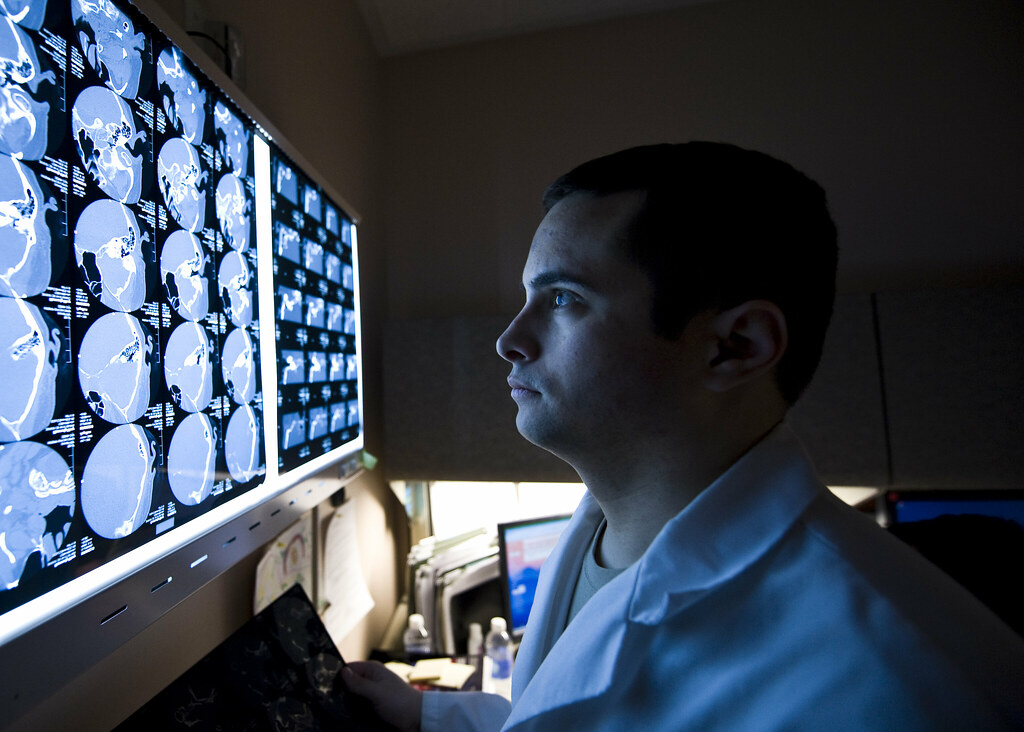
Every few months, a new story surfaces about someone who can “feel” a room’s vibe, detect a hidden power line, or sense a person’s aura from across the street. The mystery begs for an answer: Are these sixth-sense claims glimpses of an untapped human ability or the brain’s clever misreadings of ordinary cues? Researchers have chased this question for decades, moving from folklore to carefully blinded experiments and brain recordings. The result is a surprisingly nuanced picture – less about magic, more about perception, physiology, and expectation. And while the most extraordinary claims rarely survive rigorous testing, there are genuine sensory edges that, in the right context, can feel uncanny.
The Hidden Clues

What if the chill you swear you feel is just physics wearing a costume? Many experiences labeled as energy – the prickle on the neck, a sudden heaviness in the air, the tug of a dowsing rod – often trace back to subtle, familiar signals. Drafts, microvibrations, faint ozone smells, static pulling on arm hairs, and changes in humidity can all whisper to the nervous system beneath awareness. When people interpret those whispers as “energy,” they aren’t faking; they’re telling the best story their senses and expectations allow. I’ve felt it in old houses, where the slightest pressure drop felt like a presence until a misaligned door explained everything.
Scientists call this kind of thing cue integration: the brain blends tiny hints from skin, ears, nose, and eyes, then fills in gaps with memory and belief. The interpretation can be powerful, convincing, and – when expectations are primed – deeply emotional. That doesn’t make it imaginary; it makes it human.
From Ancient Tools to Modern Science

Claims of sensing invisible forces stretch from ancient healing traditions to modern energy therapies and copper dowsing rods. Traditional frameworks used language like qi or prana to map sensations and health, while today’s practitioners may speak of fields and frequencies. Modern science tries to translate those ideas into testable predictions: Can people detect a human energy field without touch, pick out an energized object behind a screen, or locate underground water above chance? Blinding, randomization, and pre-registration are now standard to prevent subtle cues or wishful thinking from steering results. The hard rule is simple: extraordinary claims must outrun ordinary explanations.
Over time, this approach has built a pattern. When subtle cues are removed and feedback is blocked, measured performance usually drifts toward chance. That is not a verdict on the value of ritual or comfort; it’s a verdict on detection accuracy under controlled conditions. The difference matters.
What Experiments Actually Show

Classic tests of “human energy field” detection find that trained practitioners cannot reliably tell whether a person’s hand is near them when visual and tactile cues are eliminated. Double-blind provocation studies with people who report electromagnetic hypersensitivity consistently show symptoms do not track actual exposure; symptoms do track expectation, stress, and attention. Controlled dowsing trials, from lab setups to large field tests, repeatedly find performance indistinguishable from chance once inadvertent cues are removed. Together, these results spotlight a powerful culprit: the ideomotor effect, where tiny, unconscious muscle movements create the feeling that a rod or pendulum is moving on its own. When you expect a response, your body often obliges without asking permission.
None of this means the sensations aren’t real to the people feeling them. It means the explanation most consistent with the data points to perception and belief interacting with ordinary physics. The pattern is humbling, and in good science, humbling is progress.
Brain Models and the Feeling of Energy

The brain is not a passive camera; it’s a prediction machine that guesses what’s out there and updates when reality disagrees. In predictive-processing terms, your expectations become a prior, shaping what incoming signals mean before you’re aware of them. If you anticipate a hotspot of energy, the brain’s best-fit model may bind ambiguous inputs – warmth, a subtle breeze, a creak on the floor – into one compelling story. Interoception, the sensing of internal bodily states like heartbeat and breath, further colors the picture; people with keener interoceptive sensitivity often report stronger, more confident gut feelings.
That same machinery explains the nocebo effect: when a harmless signal, framed as a threat, can provoke genuine discomfort and anxiety. The sensation is honest, but the source is misattributed. Understanding this doesn’t cheapen experience; it gives us tools to separate signal from story.
Sensory Edge Cases We Do Possess
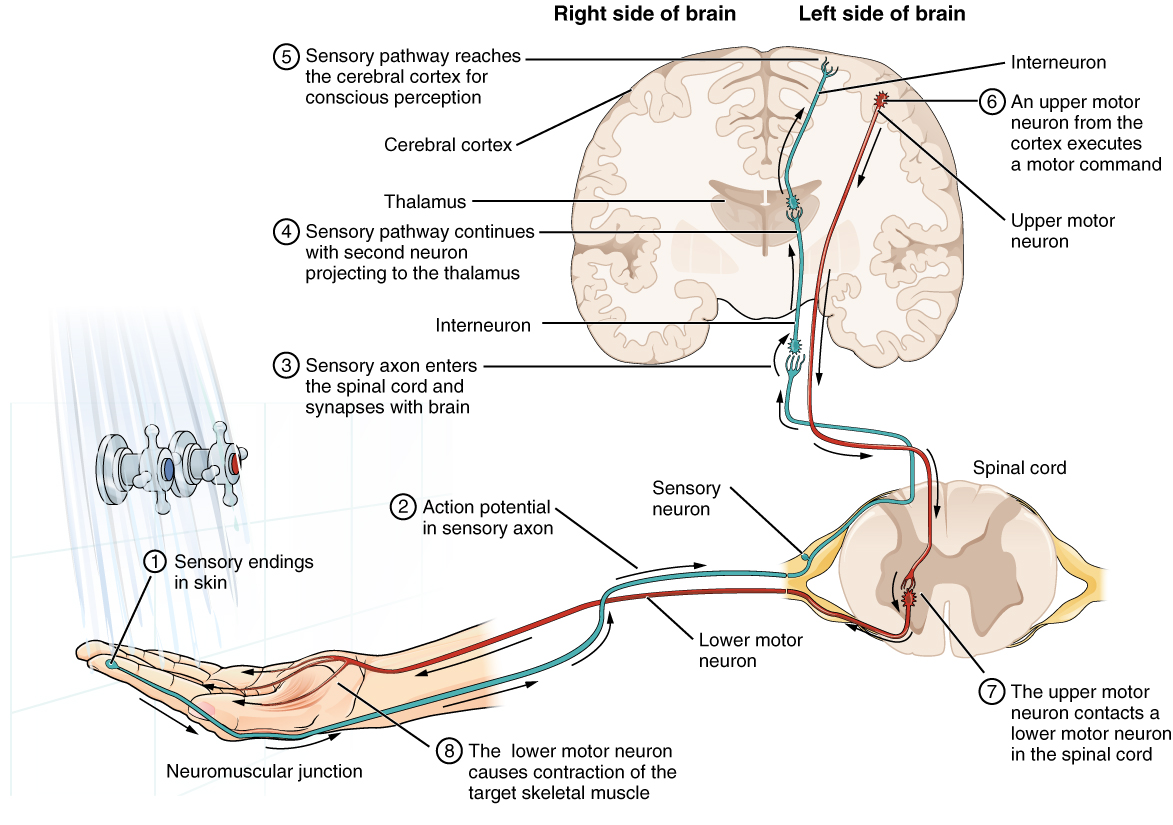
There are intriguing human capacities that can masquerade as energy sensing. Hair follicles and mechanoreceptors can detect incredibly faint air movements, making a hidden fan or a person’s approach feel strangely telegraphed. Warmth receptors register tiny infrared heat differences, so a person’s hand behind a screen might subtly heighten facial warmth without any “field” involved. Ultraweak light – biophoton emission – from skin and cells exists, but it’s far below visible thresholds and requires sensitive detectors; it isn’t a visible aura, even if the idea is seductive.
Meanwhile, a handful of studies report brain responses to rotations of magnetic fields under carefully controlled, shielded conditions. Evidence hints that some individuals show EEG changes when the field shifts, though a reliable conscious sense of direction has not been demonstrated. The takeaway is tantalizing but limited: our biology may be slightly more magnetically aware than we feel, yet not in the manner claimed by most energy-sensing anecdotes.
Why It Matters

This topic is more than a parlor debate; it influences health decisions, public anxiety about new technologies, and how we design cities and homes. If people attribute headaches or sleep issues to weak environmental fields when the true drivers are stress, air quality, light at night, or schedule, they may miss effective fixes. Rigorous testing helps protect consumers from costly products and therapies that overpromise and underdeliver, while encouraging approaches that actually help. It also guides policy: when civic debates about power lines or 5G hinge on feeling rather than data, communities can stall on solutions that would improve connectivity, safety, or monitoring.
Science is the difference between blaming a ghost and finding a draft. By comparing claims with controlled measurements, we keep room for wonder while steering decisions with evidence. That balance – curiosity with rigor – is how public trust is built.
The Future Landscape
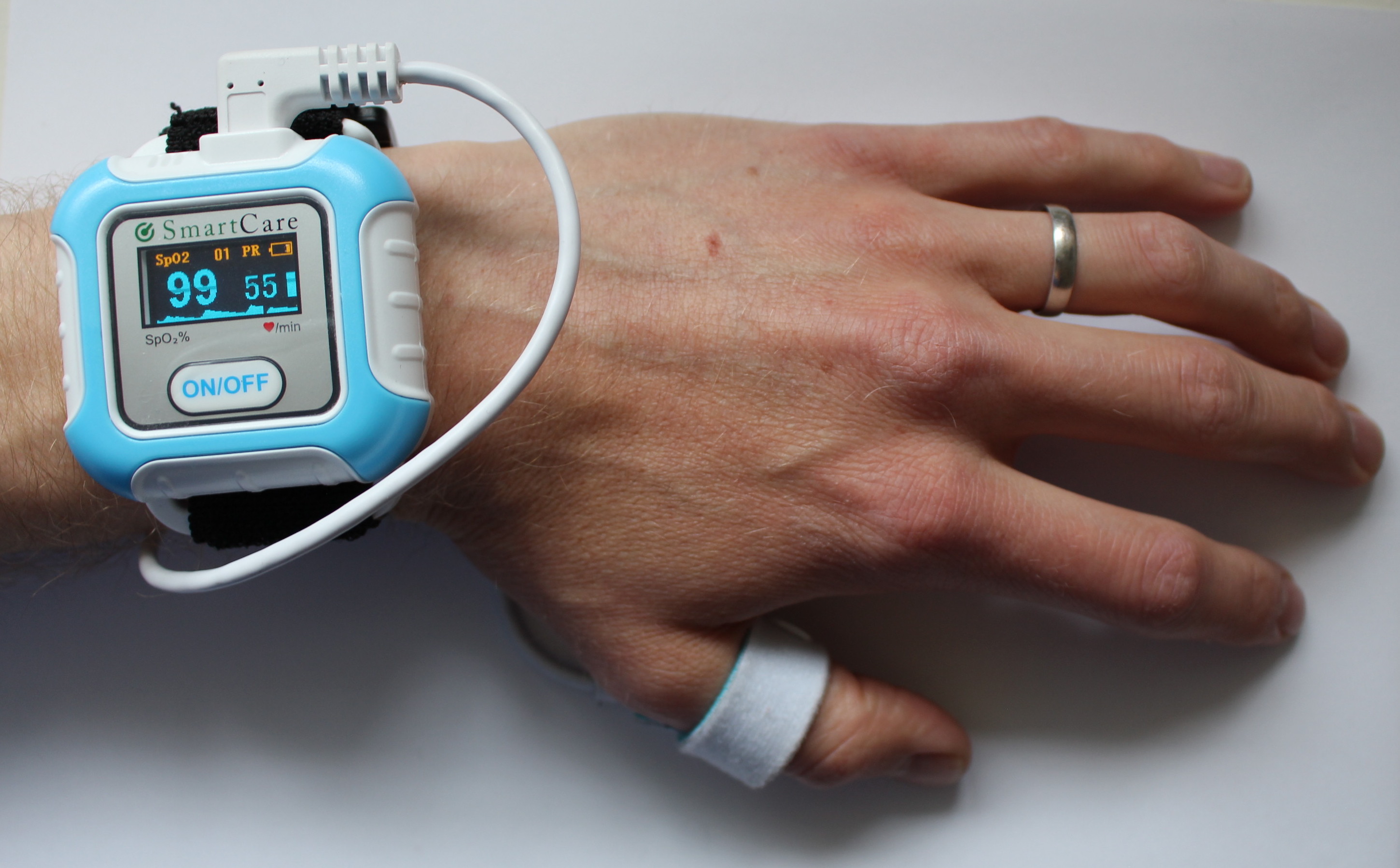
Next-generation tools will sharpen this conversation: shielded rooms, programmable field generators, wearable EEG, and skin-microclimate sensors can map what people feel against what is physically present. Virtual and augmented reality can probe expectation directly, showing how belief reshapes sensation in real time. Machine learning may parse patterns in physiological signals – heart rate variability, micro-sweats, pupil changes – to distinguish genuine sensory detection from inference or suggestion. Large, preregistered, multi-site studies can test the rare-ability hypothesis: if a small subset can truly detect certain fields, well-powered designs are the way to find them.
There are also social and ethical stakes. As devices fill homes, open data about emissions and exposure can reduce fear and empower choice. The most likely future is not a discovered human “energy sense,” but a cleaner map of how attention, physiology, and environment braid into feelings that, to the person experiencing them, are undeniable.
Conclusion
If you’re curious about your own perceptions, try simple, blinded experiments at home: swap who sets up the test, hide targets, and record results before peeking. Track sleep, light exposure, air quality, and stress on days when a space feels heavy or buzzy; you may spot patterns that suggest practical tweaks over mystical causes. Support research groups that preregister studies and share data, and favor therapies with clear, measurable outcomes rather than vague promises. If a product claims to block or channel energy without credible measurements, consider saving your money.
Most of all, keep both doors open: wonder in one hand, measurement in the other. Curiosity thrives when it is accountable to evidence, and evidence is most powerful when it respects lived experience.
Sources: JAMA (1998) study testing therapeutic touch detection; eNeuro (2019) research on human brain responses to rotations of geomagnetic fields.