Archaeologists have spent decades coaxing stories from bones, but nothing hits like a face staring back across ten millennia. The latest reconstruction of a Mesolithic hunter-gatherer carries that electric jolt of recognition: the brow subtly furrowed, the mouth relaxed, the gaze unsettlingly human. For years, the soft tissues that communicate so much emotion were the missing piece in our prehistoric puzzles. Now, forensic anatomy, high-resolution imaging, and ancient DNA are pulling these pieces together into lifelike portraits. The result flips a mystery into a revelation, inviting us to see not a relic, but a neighbor.
The Hidden Clues

A skull is not a mask; it is a blueprint lined with signposts for muscle, cartilage, and skin. The curve of the nasal aperture suggests the angle of the nose, the contours above the teeth hint at lip thickness, and the orbital rims guide the set of the eyes.
Microscopic wear on teeth points to diet and even habitual gestures, like clenching fibers between incisors. Healed fractures or asymmetries leave their mark on how a face once balanced, reminding us that lived experience reshapes bone.
Before any sculpting begins, specialists correct warps from burial pressure using CT scans and digital morphometrics. They reference tissue-depth datasets compiled from medical imaging of living people, selecting the closest available profiles by sex and ancestry. Even then, every choice is framed by uncertainty, which is why best practice builds the reconstruction from anatomy outward, not imagination inward.
From Ancient Tools to Modern Science
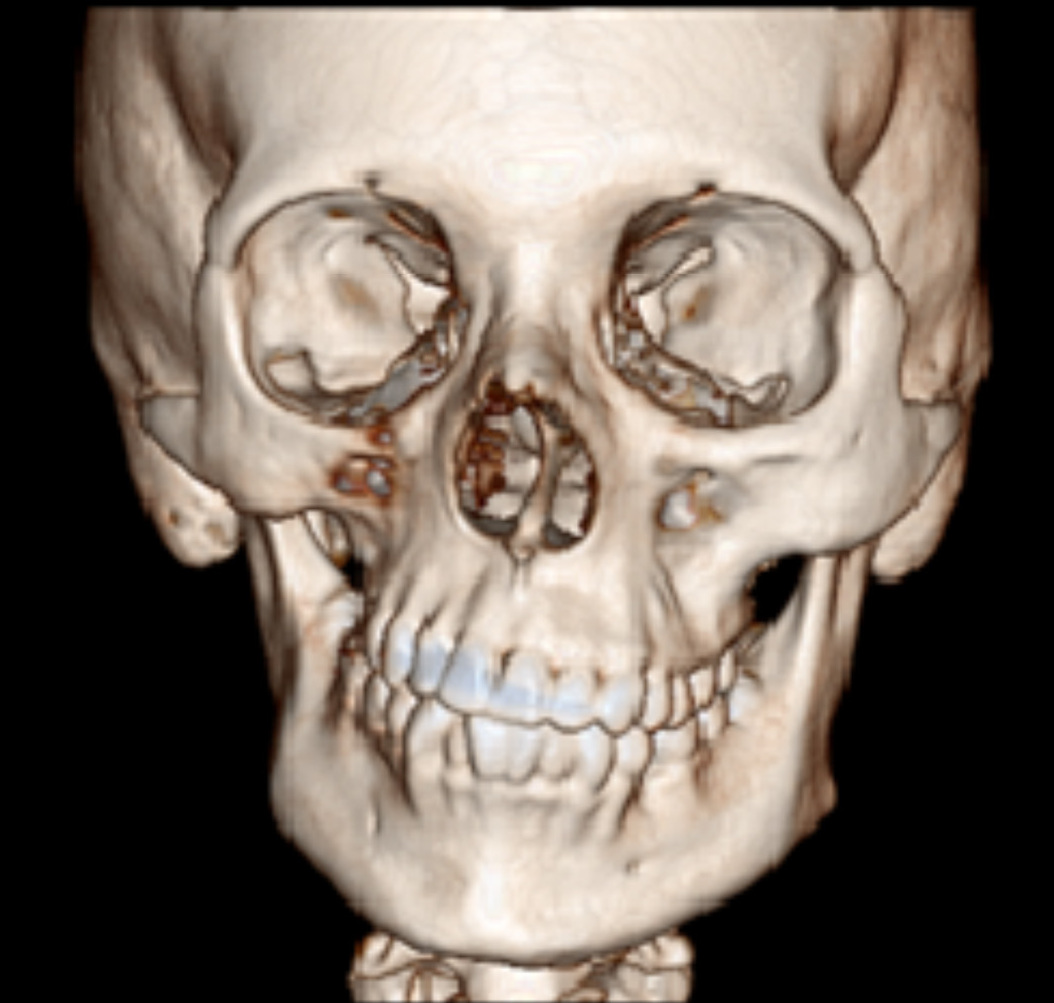
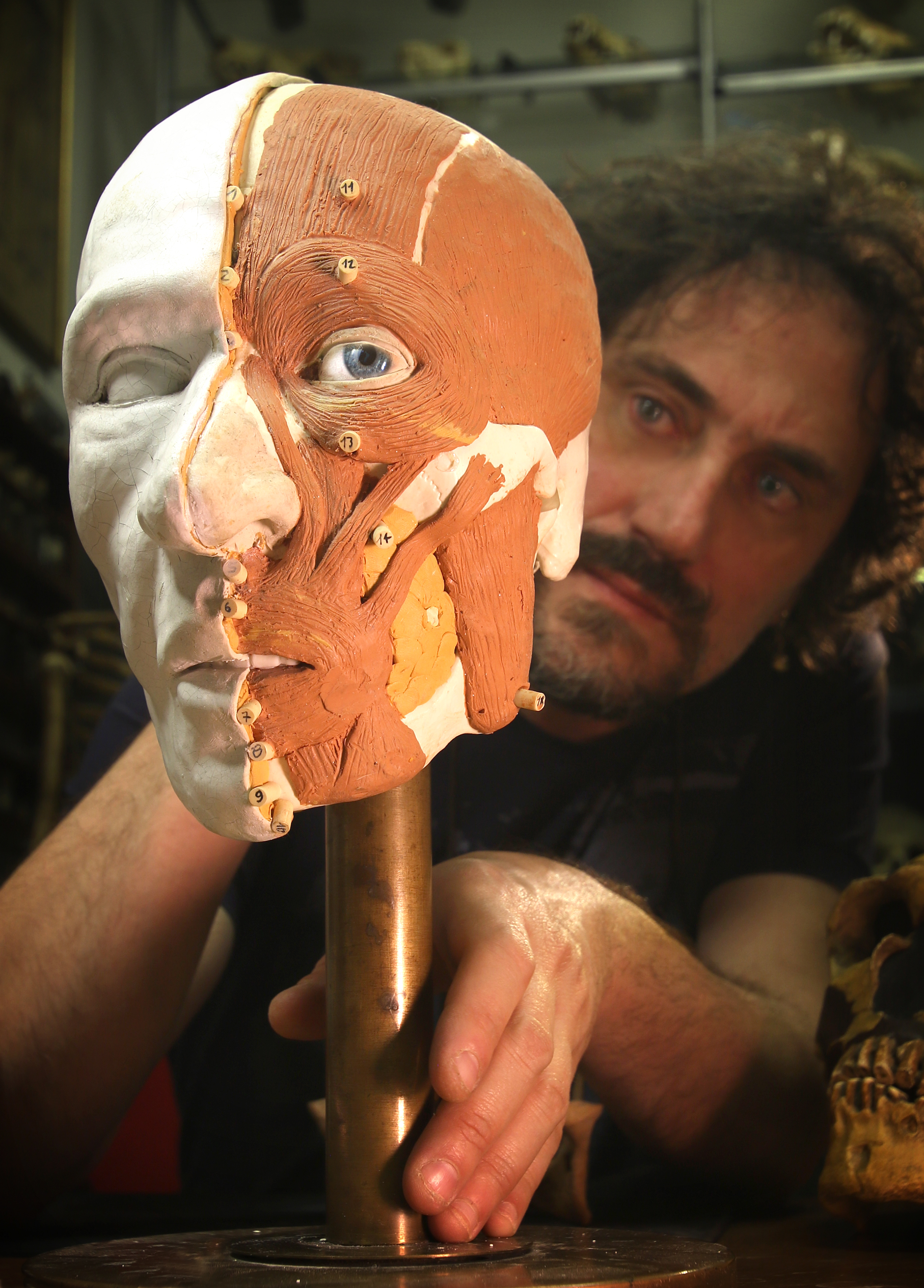
The pioneer era favored clay and intuition, layering muscles by hand over a cast skull. Today, teams start with micro-CT scans, building precise 3D models that preserve every notch and suture at sub-millimeter scale.
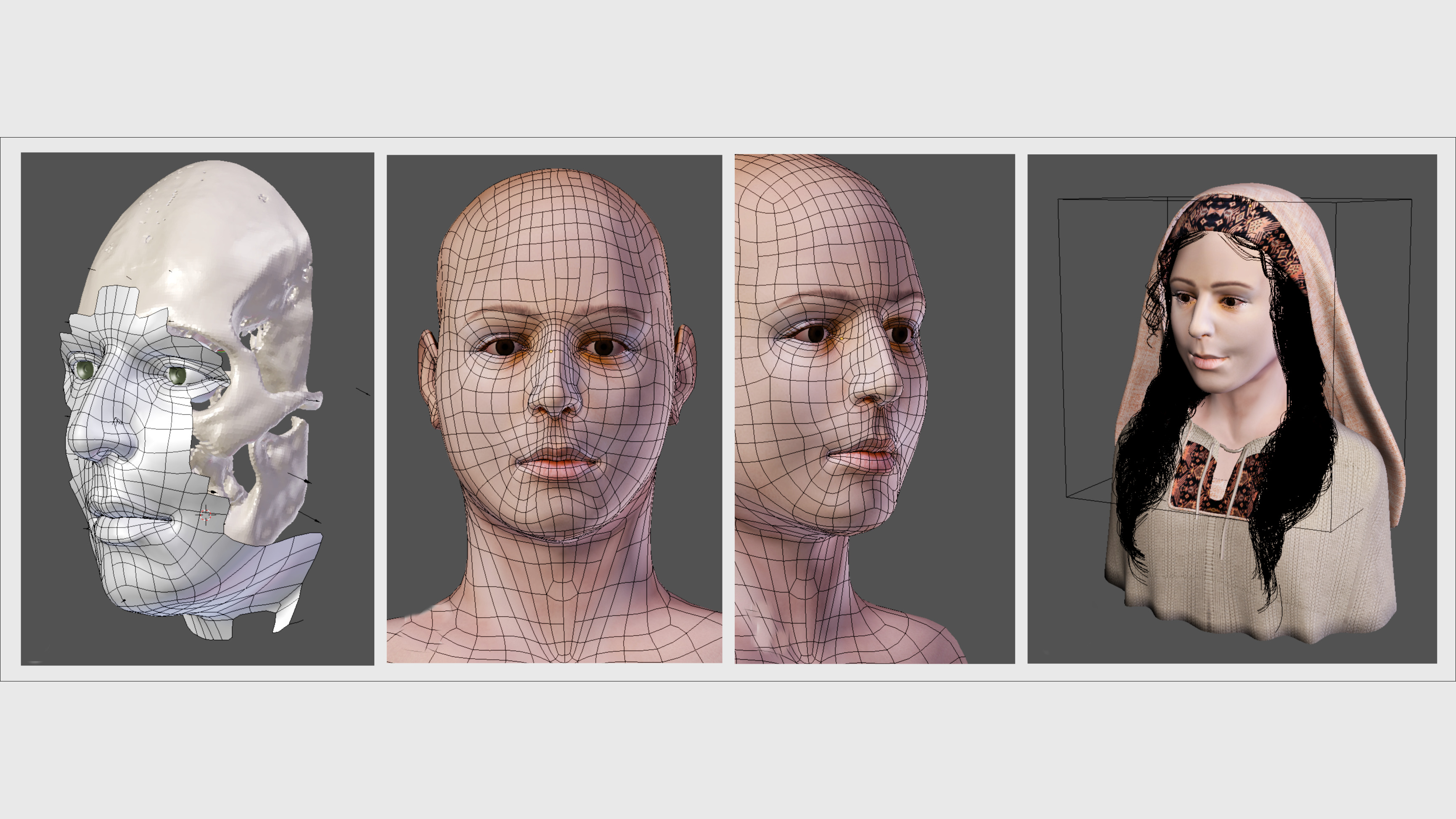
Digital pegs representing average soft-tissue thicknesses anchor the face in space, while virtual muscles follow attachment sites like cables routed along known grooves. The workflow is repeatable, auditable, and far less vulnerable to the sculptor’s whims.
Photogrammetry captures excavation details so posture and deformation can be corrected without guesswork. When remains are fragile, 3D printing produces handling-safe replicas for tactile modeling alongside the digital build. The shift from handcrafted approximation to instrumented reconstruction doesn’t erase artistry, but it cages it inside anatomical guardrails.
A Face Emerges
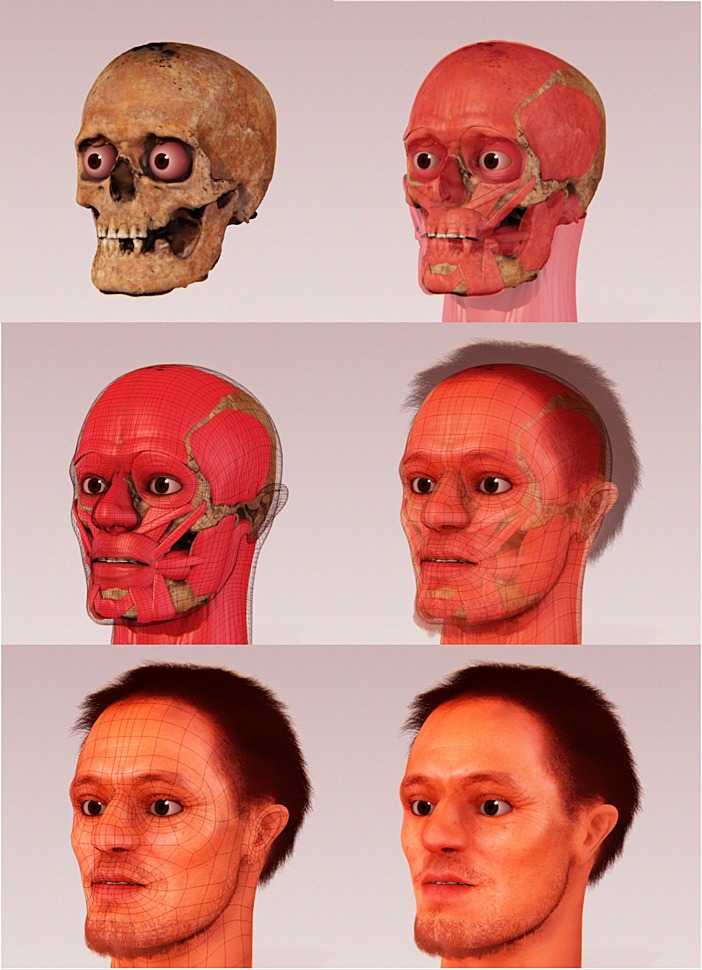
Reconstruction starts with the deep architecture: chewing muscles thicken the jawline, eyelids drape over the measured globe size, and the cartilage of the nose is extrapolated from bone anchors. Cheeks fill just enough to honor tissue tables rather than fashion-era ideals.
Skin follows, smoothed but not airbrushed, allowing for subtle asymmetries that make a person look lived-in and true. Hairline, hairstyle, and facial hair are tempered by context from the site, climate, and cultural parallels, and they are explicitly flagged as the most uncertain elements.
I still remember a small museum unveiling where a clay head looked like someone I might pass in a subway corridor. That moment – half science, half gut punch – captures why neutral expressions are used to avoid storytelling with a smile or scowl. Familiarity rises from anatomy, not theatrics, and that restraint keeps the face honest.
DNA Joins the Dots
Ancient DNA, often extracted from the dense petrous bone of the inner ear, adds critical pigments to the canvas. Statistical models trained on large modern datasets can estimate likely skin, eye, and hair coloration, producing probabilities rather than absolutes.
Those predictions have upended old assumptions, revealing combinations – such as darker skin with light eyes in early Holocene Europe – that complicate tidy narratives. The point isn’t shock value; it’s fidelity.
When DNA is fragmentary, proteomics can still determine biological sex from tooth enamel proteins, narrowing parameters for soft-tissue depths. Researchers cross-check contamination, document coverage, and report confidence ranges so audiences know which features are strongly supported and which are best guesses. The result is a layered evidence stack where genetics informs color and some traits, but bone still leads.
Familiarity, Bias, and the Mirror Test
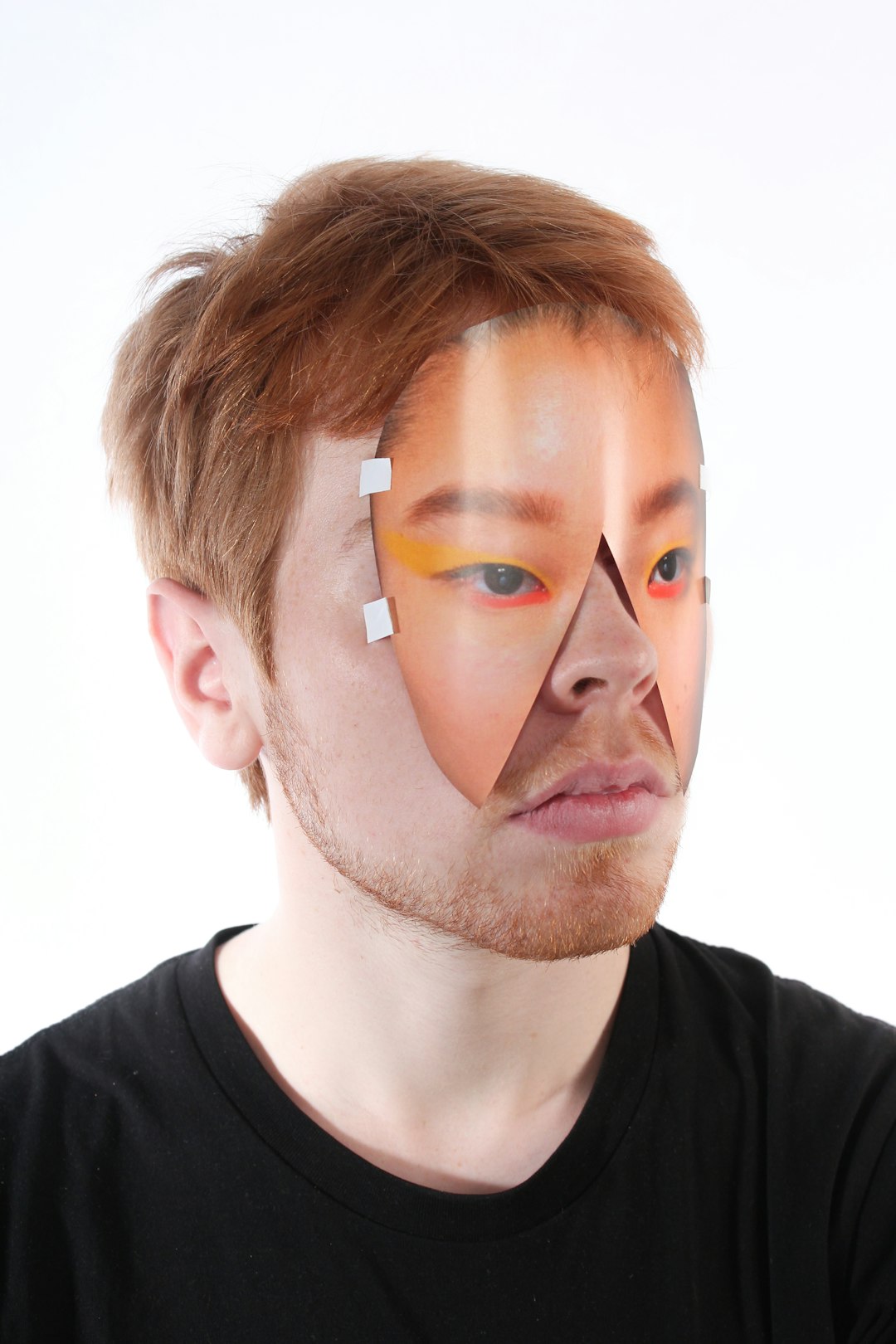
Why does a 10,000-year-old face seem familiar anyway? Partly because our species shares a remarkably conservative facial blueprint, and small variations can evoke a cousin, a coworker, or even our own reflection.
But there’s a risk: we project the present onto the past, smoothing differences until history looks like a selfie. Good teams fight that pull with blind reviews and standardized workflows.
They declare uncertainty bands, avoid stylized grooming, and publish technical notes alongside the artwork. Museum labels now increasingly explain which traits are measured, modeled, or inferred, inviting viewers to scrutinize rather than simply trust. Familiarity, then, becomes a tool to draw us in, not a trick to flatten the truth.
Why It Matters
Faces anchor memory; they turn a scattered toolkit and a hearth into a someone. That emotional bridge motivates public support for excavation, conservation, and the slow science of lab work that follows a headline.
Scientifically, reconstructions test ideas about adaptation, mobility, and health in real bodies. Traditional skull-only portraits couldn’t integrate pigmentation genetics, dental wear patterns, and healed trauma into one coherent human.
Now, a single face can synthesize isotopes that hint at local waters, DNA that traces ancestry links, and bones that record labor and injury. It upgrades our storytelling from catalog to biography, while keeping the methods open to revision. In a field built on fragments, that’s a genuine step change.
The Future Landscape
Next-generation reconstructions will lean on larger, more diverse tissue-depth datasets so Mesolithic foragers aren’t forced into modern, urban averages. Machine-learning tools already generate plausible soft-tissue surfaces from skulls, with uncertainty maps that highlight what’s data-rich and what’s guesswork.
Expect interactive displays where visitors toggle pigmentation probabilities or age progressions and see how confidence shifts in real time. That transparency builds trust.
On the lab bench, improved contamination controls and targeted capture will recover usable DNA from harsher climates, widening the geographic story. Ethical frameworks led by descendant and local communities will shape what gets shown, how, and why. The global implication is simple: reconstruction will become less Eurocentric and more genuinely world-spanning.
Global Perspectives
Faces from deserts, rainforests, and tundra have not been equally visible, largely because preservation favors cooler, stable environments. As methods adapt to varied taphonomy, we’ll see reconstructions emerging from regions long treated as blank spaces on the human map.
Context will matter as much as technique, embedding each portrait in its landscape, subsistence, and ritual life. That shift resists the temptation to turn every new face into a universal stand-in.
Collaborations across national museums, regional universities, and community archives are making raw scans and models shareable without moving fragile remains. Training programs are spreading digital skills so reconstructions can be produced where the ancestors lived, not only in faraway labs. The story grows richer when many hands – and many histories – shape it.
From Dig Site to Gallery Wall
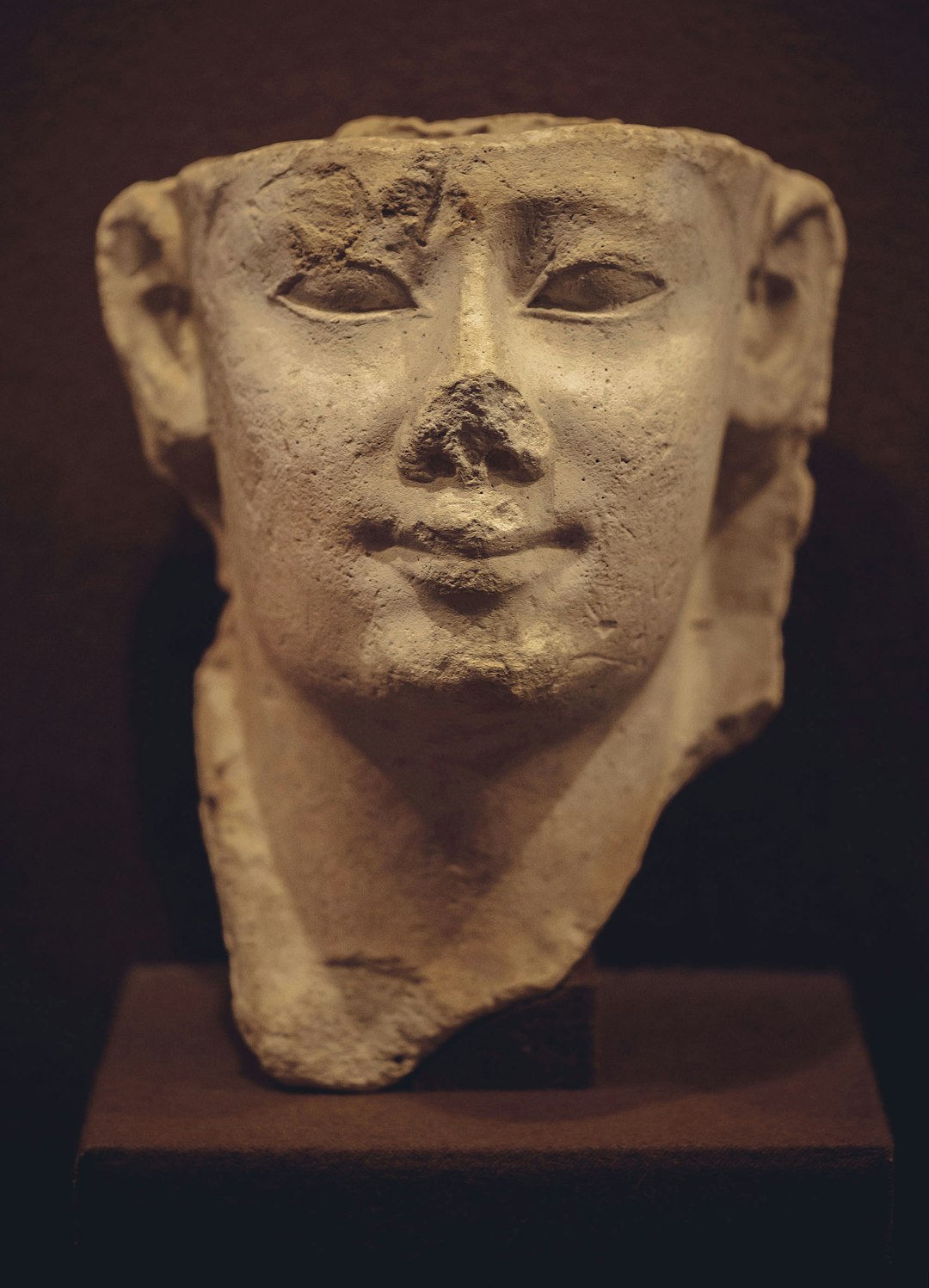
The pathway from excavation to public display is long, beginning with permits and conservation, then months of scanning, modeling, and review. Curators now increasingly include process panels so visitors can see how each layer was built and tested.
That pedagogical turn matters because it replaces mystery with method, turning viewers into informed skeptics rather than passive admirers. When the scaffolding is visible, the result earns more trust.
Thoughtful lighting avoids dramatizing wrinkles into menace or smoothing skin into fantasy. Multilingual labels and accessible design bring broader audiences into the conversation without diluting the science. A gallery becomes a lab you can walk through, with a human greeting you at the door.
Conclusion
Support museums and labs that publish their methods, not just their portraits, by becoming members or donating to open-access initiatives. When you encounter a reconstruction, read the technical notes and ask what’s measured, modeled, or imagined.
Teachers can weave these faces into lessons on evolution, climate, and culture, while journalists can insist on uncertainty ranges in press materials. If you’re a researcher, contribute anonymized imaging data to expand the tissue-depth baselines that benefit every future reconstruction.
Most of all, engage respectfully with descendant and local communities whose ancestors are being studied, and amplify projects that put collaboration first. The past is not a distant country; it is the neighborhood we all inherited – how will you help keep it honest?