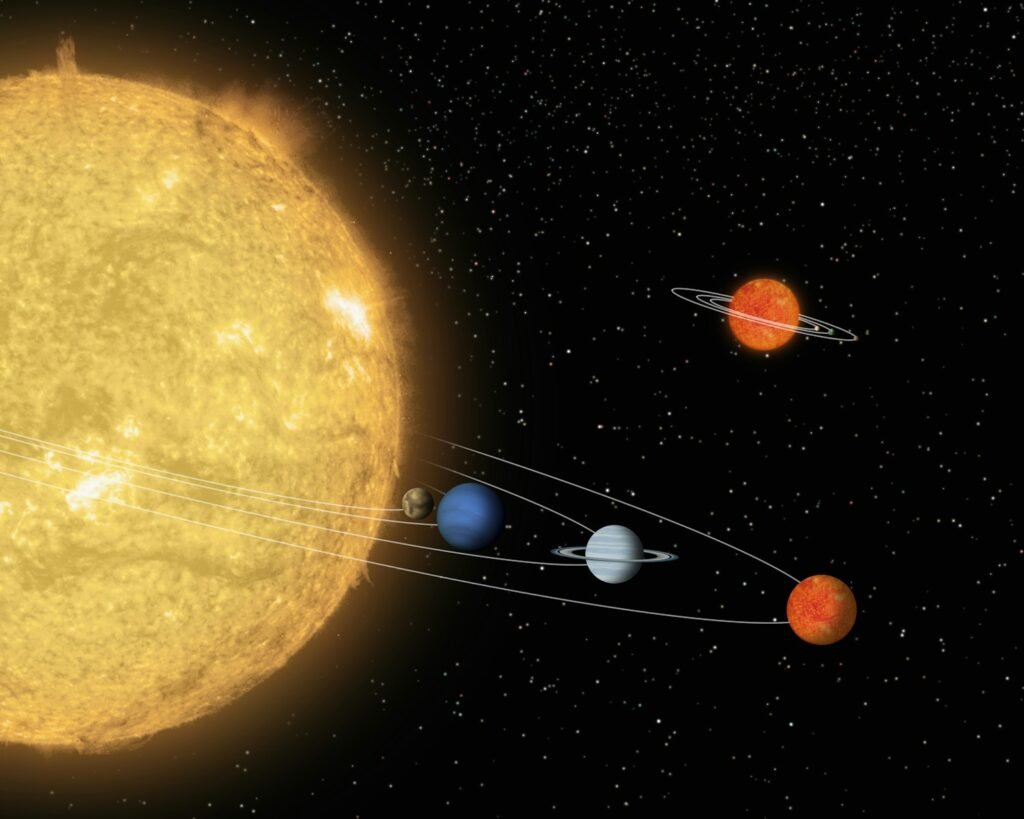

Picture the Sun hurling a magnetic punch our way and landing it tomorrow – November 7, 2025 – right as the morning commute kicks in. The scenario isn’t sci‑fi; researchers routinely simulate such hits to stress‑test our power grids, satellites, and the invisible timing scaffolding behind modern life. In these models, what matters most isn’t just the size of the flare but the orientation of its magnetic field, the speed of the coronal mass ejection behind it, and the chain reaction those factors trigger in Earth’s atmosphere. The problem is simple to state and maddening to solve: a storm you can’t see can trip the systems you can’t live without. The intrigue lies in how far we’ve come – from telegraph wires that sparked in the 1800s to constellations of satellites juggling global navigation, finance, and climate data – and how much still depends on minutes of warning and smart choices under pressure.
The Hidden Clues
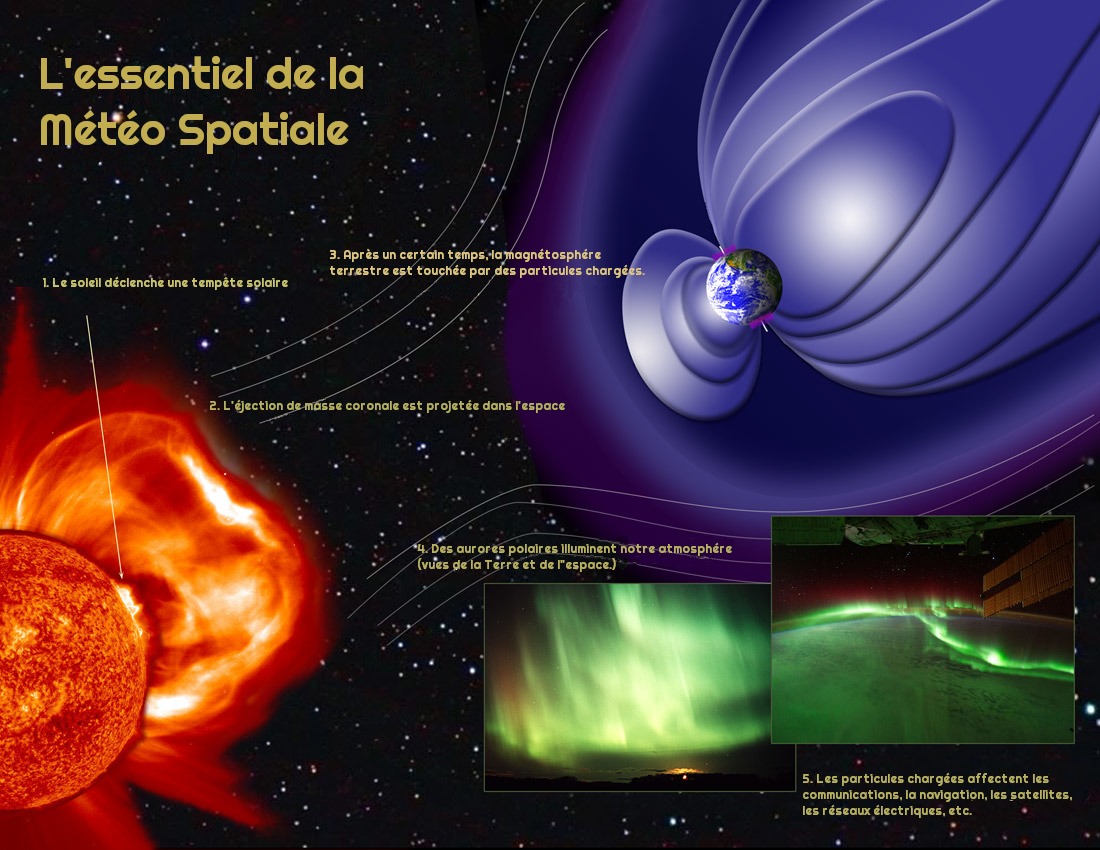
Every damaging solar storm begins innocently with brightening loops on the Sun, then a sudden release of magnetized plasma that barrels across space. Scientists watch these clues in extreme ultraviolet light, mapping the regions most likely to erupt and estimating whether a CME is heading our way or sliding past harmlessly. The real twist comes when that CME reaches a million miles from Earth and the embedded magnetic field is measured: a south‑tilted field locks onto Earth’s magnetosphere and opens the door for energy to pour in. In the models, that single tilt can flip a routine storm into a grid‑threatening event in less than an hour. To the public, the sky may look calm, but the upper atmosphere is already churning like a sea under a passing storm.
Once the coupling begins, currents surge along Earth’s magnetic field lines and down into the ionosphere, a region of charged particles that swells and ripples under solar bombardment. Radio signals bend and scatter as if traveling through hot, rising air, confusing receivers that expect a steady path. Navigation systems see the world wobble, and timing systems reliant on those signals start to sweat. Models show that the turbulence can persist long after the initial shock, like waves sloshing in a bathtub. The result is a storm with a long tail, capable of shaking precise technologies hours after the Sun’s first flash fades.
From Ancient Storms to Modern Systems
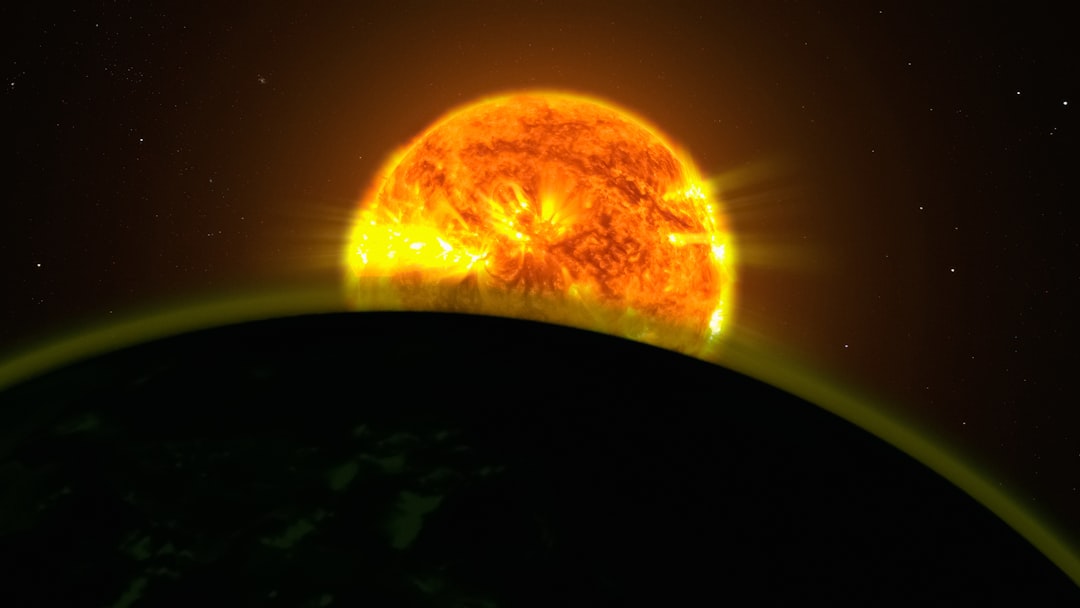
History’s touchstones keep today’s simulations honest: a nineteenth‑century event that set telegraph paper ablaze, a late twentieth‑century storm that darkened parts of Canada, and a near‑miss in the early 2010s that reminded everyone how thin our margin is. Back then, wires and transformers were the main victims; now the list includes low‑Earth‑orbit satellites, intercontinental flights, deep‑sea communications, and the synchronization heartbeat that keeps global markets aligned. Each era adds complexity, and with it, fresh vulnerabilities that models must capture without drowning in detail. What used to be a grid problem has become a system‑of‑systems problem, and that shift changes both the risk and the playbook. The point isn’t to predict a single outcome but to map a landscape of cascading possibilities.
Scientists borrow tools from weather prediction, seismic risk, and even epidemiology to track how a solar storm grows and spreads. They simulate how a small error in one subsystem can propagate, like a dropped stitch running down a sweater. They validate against real incidents – satellite drags that spiked unexpectedly, geomagnetically induced currents that flirted with protection thresholds – and refine the models so the next warning is sharper. As a reader, it’s oddly reassuring: even when nature deals wild cards, we’ve built a casino that counts them. Tomorrow’s storm, in other words, is a test we’ve been studying for, even if the questions still surprise us.
The First 24 Minutes: Warnings and Blind Spots
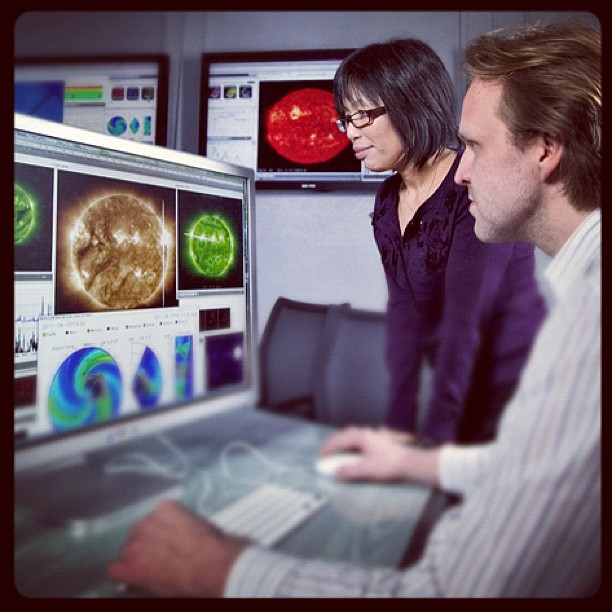
In a best‑case scenario, upstream spacecraft spot the solar wind’s punch roughly a half hour before it hits, buying operators precious minutes to act. That window can shrink if a CME is fast or if the warning satellites themselves are stressed by radiation, cutting into the time available to reconfigure grids or command satellites into safe modes. Models treat those minutes like gold, running playbooks that sequence actions by impact and reversibility – shed load here, reroute there, slow down satellite operations everywhere. The blind spot is magnetic orientation: if the storm’s field turns south late, the severity can jump suddenly. That’s why drills now assume surprises and practice rapid pivots.
Communications planners also face a choice: keep high‑frequency radio channels active and risk noisy chaos, or switch to lower‑bandwidth backups that trade speed for reliability. Aviation managers watch the polar routes and prepare to arc flights equatorward, padding fuel and time but reducing radiation exposure and communications outages. Maritime traffic and emergency services do something similar, leaning on redundant systems that speak different “languages.” In all cases, the first decisions are about keeping people safe; the second wave is about protecting hardware. The best drills end with both intact, even if the day ends with a pile of delayed schedules.
Orbits Under Fire: Satellites, GNSS, and Spacecraft Drag
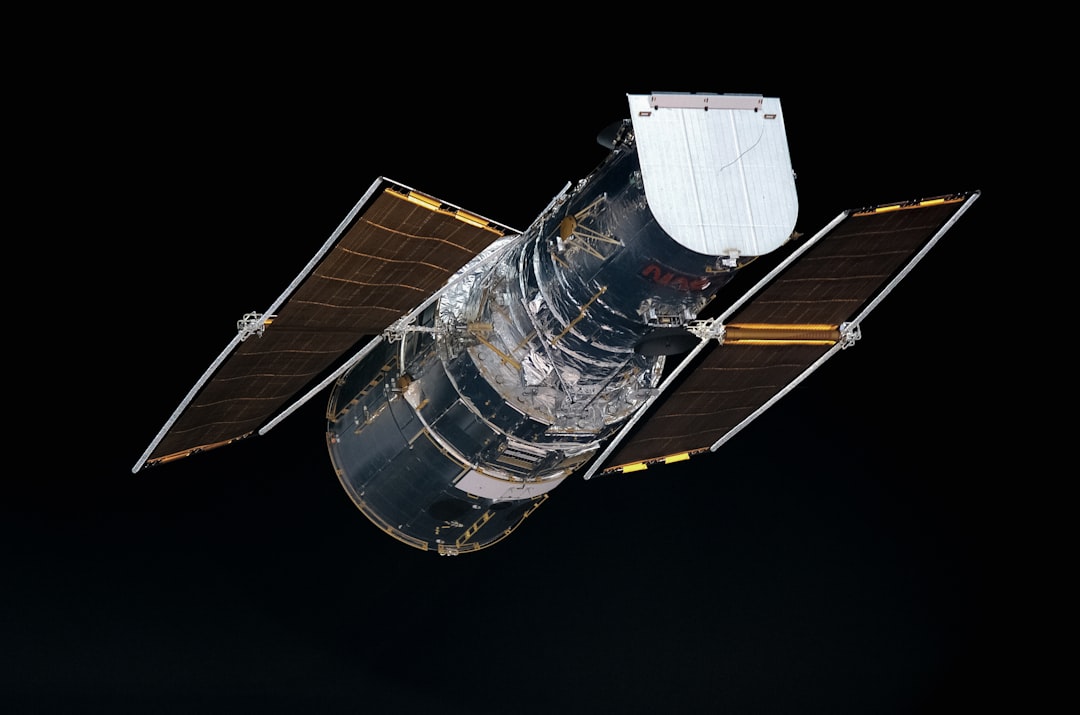
When the upper atmosphere heats, it swells like a down jacket, and low‑orbit satellites suddenly plow through thicker air. Drag increases, orbits shrink, and fleets designed to glide efficiently can find themselves braking hard. Models replay what we’ve already seen in smaller storms: satellites tumbling into safe mode, collisions with trace debris becoming slightly more likely, and ground controllers racing to update trajectories. Navigation systems take another hit as ionospheric scintillation scrambles signals and reduces position accuracy to a few lanes on a highway. For ride‑sharing and precision agriculture, that kind of drift feels like driving with foggy glasses.
Spacecraft operations shift to conservation: pause nonessential maneuvers, angle panels to minimize stress, and watch thermal limits like a hawk. Older birds with limited shielding or aging components ride out the storm at higher risk; newer constellations may fare better but have more units to manage. Timing is crucial here because even a short outage can ripple through services that assume constant satellite handshakes. The longer the storm lasts, the more station‑keeping fuel gets burned and the more maintenance tasks pile up. Afterward, recovery is a choreography of software patches, orbit trims, and quiet sighs of relief.
Power and Networks: Grids, Cables, and Timing
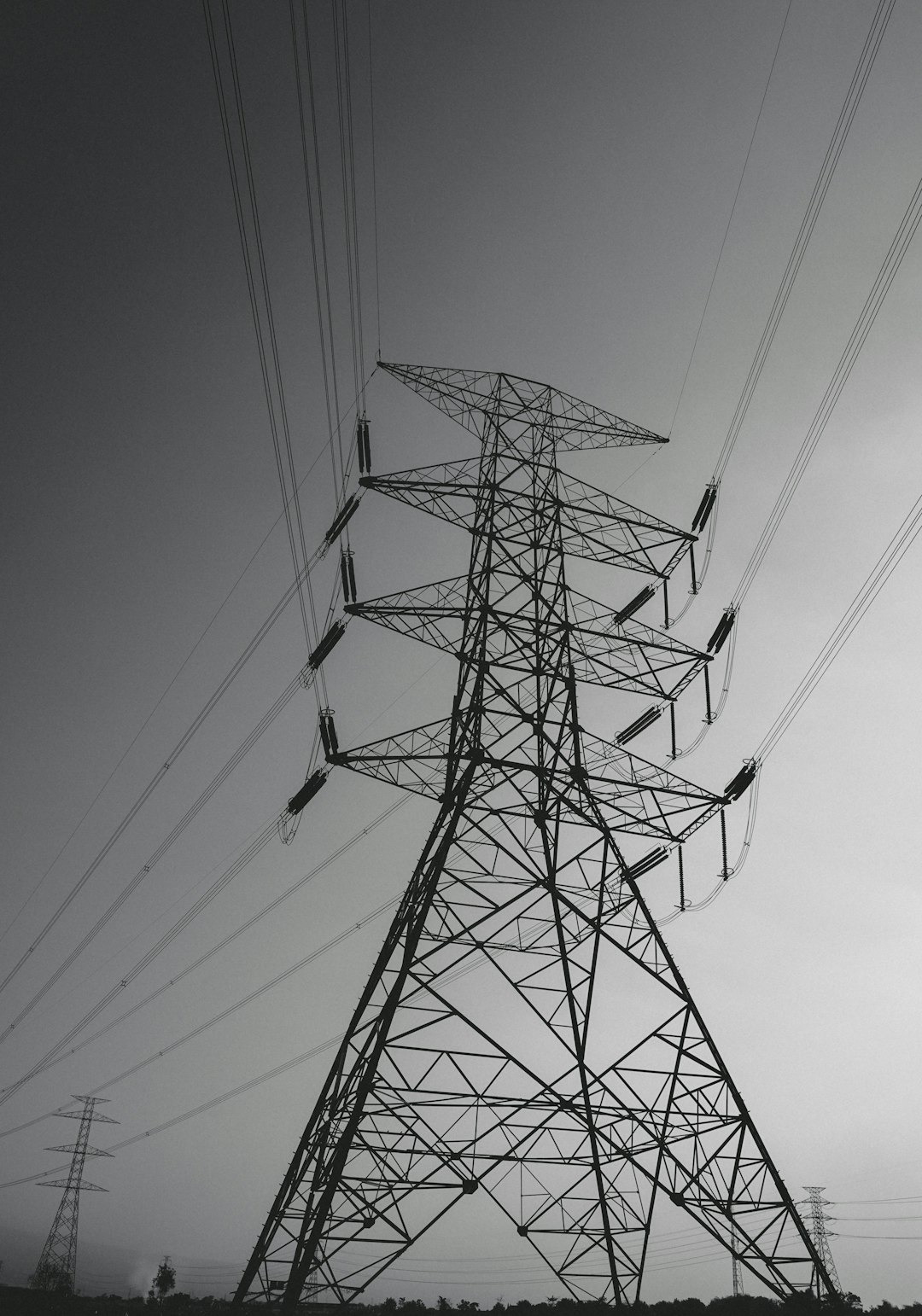
On the ground, long conductors act like antennas for geomagnetically induced currents, pushing quasi‑DC flows through transformers built for the polite hum of alternating current. In heavy models, that stress heats internal components, nudges protective relays, and in worst cases can age equipment by years in a single night. Utilities have learned to counterpunch – shifting power flows, lowering risk on vulnerable corridors, and using new sensors to watch currents in real time. Think of it as defensive driving for electrons. The aim isn’t perfection but preventing small problems from becoming blackouts that cascade across regions.
The internet’s backbone, meanwhile, hides a delicate dependence on timing and power. Fiber itself shrugs off magnetic storms, but the repeaters, landing stations, and data centers that light it up do not. If grid fluctuations trip them or if navigation timing degrades, network routes can flap and services can fragment. Financial markets, cloud platforms, and logistics chains all rely on clocks that agree to astonishing precision; a storm that jostles those clocks forces failovers to terrestrial timing and backup oscillators. In the models, the internet bends without breaking – unless the storm stays strong for days and backup fuel or spare parts run thin.
Why It Matters
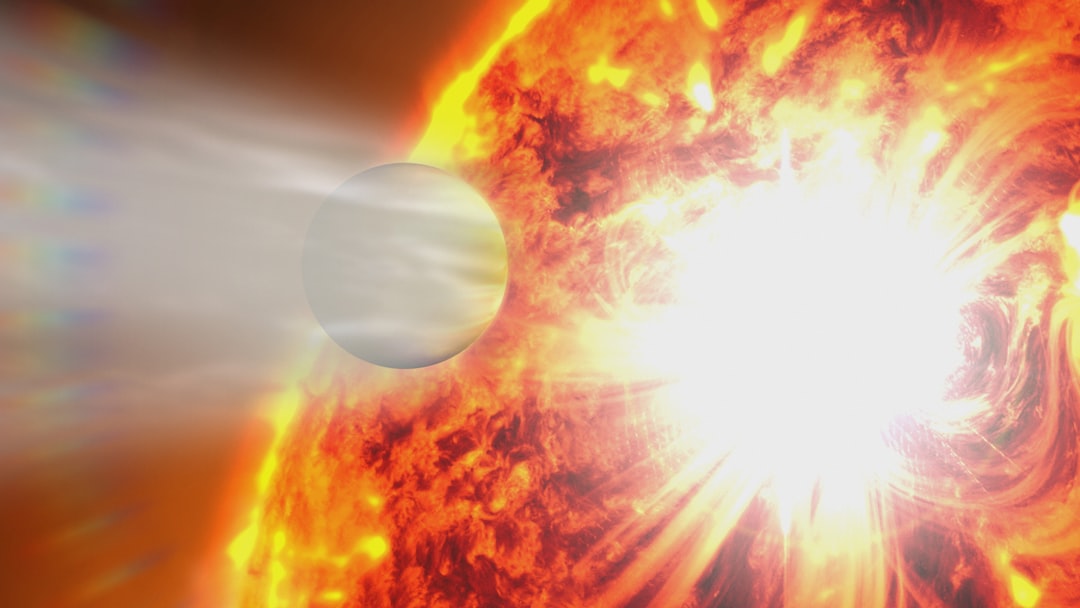
It’s tempting to see solar storms as rare spectacles, but a modern one is more like a stress test of global interdependence. Traditional risk framed the issue as a utility problem; updated models show a tightly coupled ecosystem where power, timing, navigation, and communications keep each other upright. That reframing matters because it prioritizes resilience over prediction, redundancy over single points of failure, and drills over wishful thinking. Compared with past knowledge built around a handful of extreme events, today’s approach tracks the whole distribution – frequent moderate storms that chip away at reliability and the occasional heavy hitter that demands extraordinary measures. The stakes are human, not abstract: medical supply chains, emergency response, and everyday trust in the lights staying on.
There’s also a fairness angle that modeling makes visible. Regions at higher latitudes often face stronger geomagnetic impacts, while communities with older infrastructure or fewer backups absorb longer recoveries. International links like undersea cables and polar aviation routes shift costs across borders, raising questions of coordination and shared responsibility. By putting numbers to those patterns, models help regulators and operators decide where investment pays off fastest. In short, the science points to choices, and the choices point to lives made steadier.
The Future Landscape
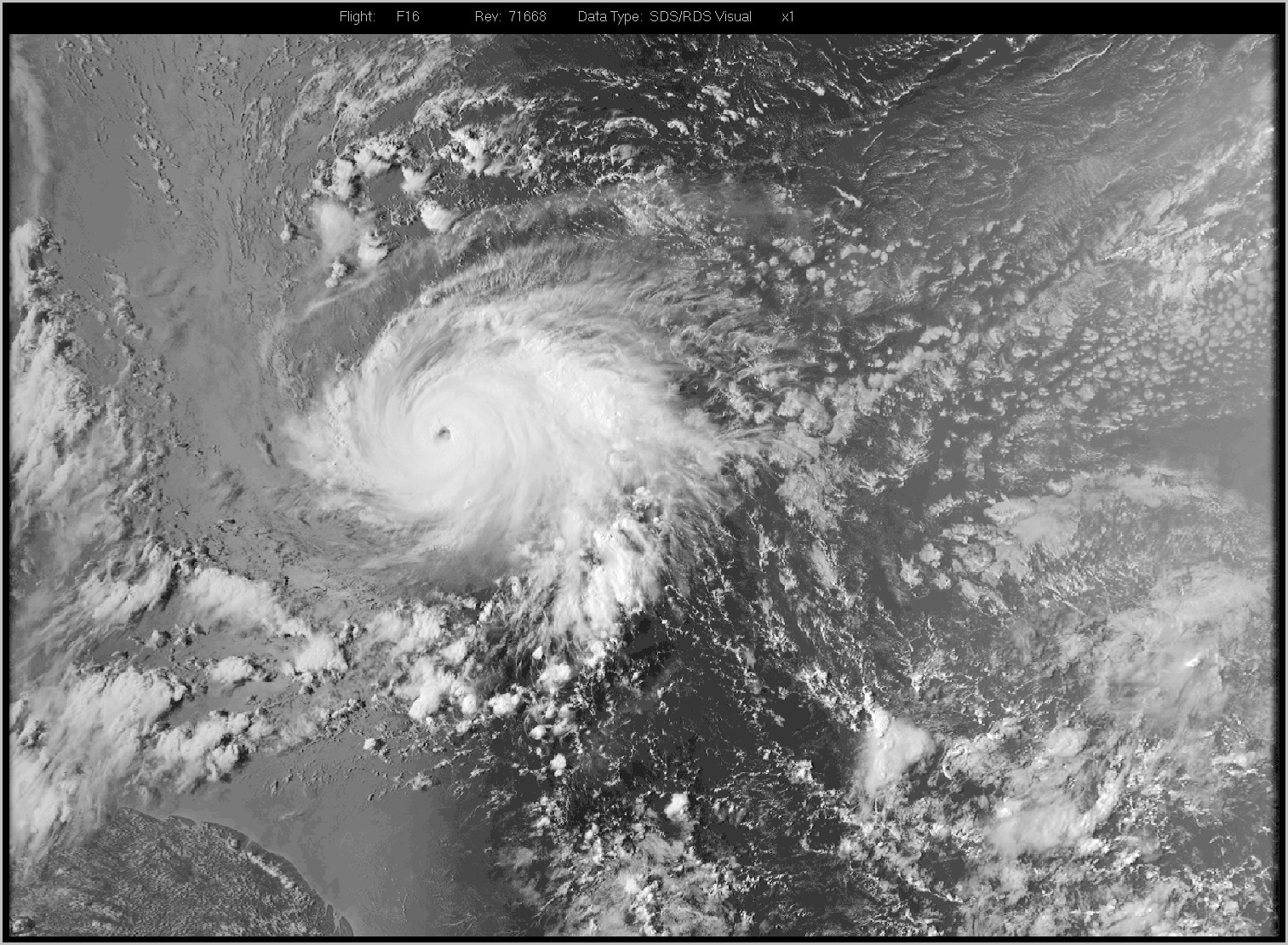
Tomorrow’s defenses look less like a single shield and more like a nervous system that senses, decides, and adapts quickly. Spacecraft closer to the Sun can extend warning times; improved magnetometers and imagers refine the all‑important field orientation; and machine‑learning surrogates speed forecasts from minutes to seconds. On Earth, utilities are rolling out transformer designs better at shrugging off slow DC currents and software that can rehearse thousands of contingency plans before breakfast. Navigation networks are blending satellite signals with ground‑based beacons and inertial sensors so phones and tractors stay surefooted in rough ionospheric weather. Together, these steps trade fragility for graceful degradation, the engineering equivalent of landing a plane with one engine and a stiff crosswind.
Policy and markets will shape the rest. Standards for space weather readiness are maturing, from aviation limits on radiation exposure to grid operator playbooks that trigger when geomagnetic indices spike. Insurance products are evolving to cover cyber‑physical events where a storm looks like an outage but behaves like a natural hazard. Education matters too: when operators, pilots, and first responders train with the same situational picture, recovery gets faster by default. If a storm arrives tomorrow, the storyline we want is not heroics but competence – systems bending, people coordinating, and life resuming with a shrug rather than a gasp.
What You Can Do Now
Resilience scales from households to space agencies, and the basics still help. Keep a modest backup plan for power and connectivity – battery packs, a way to charge them, and offline maps for navigating when signals hiccup. If your work depends on precise timing or navigation, understand how your tools fail gracefully and test those fallbacks before you need them. During strong space weather alerts, expect delays in travel and communication, especially on polar routes, and give yourself margin. Treat it like a winter storm for the digital age: a little preparation turns drama into inconvenience.
Communities can go a step further by supporting the institutions that watch the Sun and keep the warnings flowing. Schools and local groups can fold space weather into science nights, turning aurora curiosity into practical awareness. Amateur radio and citizen science networks feed real‑time observations into models, making forecasts smarter in the places people actually live. If you work in critical infrastructure, ask how your organization drills for geomagnetic storms and where the bottlenecks hide. The Sun will keep throwing curveballs; we get to decide how well we field them. Did you expect that?
Suhail Ahmed is a passionate digital professional and nature enthusiast with over 8 years of experience in content strategy, SEO, web development, and digital operations. Alongside his freelance journey, Suhail actively contributes to nature and wildlife platforms like Discover Wildlife, where he channels his curiosity for the planet into engaging, educational storytelling.
With a strong background in managing digital ecosystems — from ecommerce stores and WordPress websites to social media and automation — Suhail merges technical precision with creative insight. His content reflects a rare balance: SEO-friendly yet deeply human, data-informed yet emotionally resonant.
Driven by a love for discovery and storytelling, Suhail believes in using digital platforms to amplify causes that matter — especially those protecting Earth’s biodiversity and inspiring sustainable living. Whether he’s managing online projects or crafting wildlife content, his goal remains the same: to inform, inspire, and leave a positive digital footprint.