When you think about life’s beginnings, massive asteroid impacts might not come to mind as nurturing forces. Yet a groundbreaking discovery in Western Australia’s remote Pilbara region has revealed something extraordinary. What may be the world’s oldest known impact crater, hidden beneath ancient rock layers for nearly three and a half billion years, is rewriting our understanding of how life might have first emerged on our planet.
This discovery challenges everything scientists thought they knew about Earth’s early history. The evidence suggests that what we’ve long viewed as catastrophic events might actually have been the gentle cradles where life first stirred.
The Discovery That Changed Everything
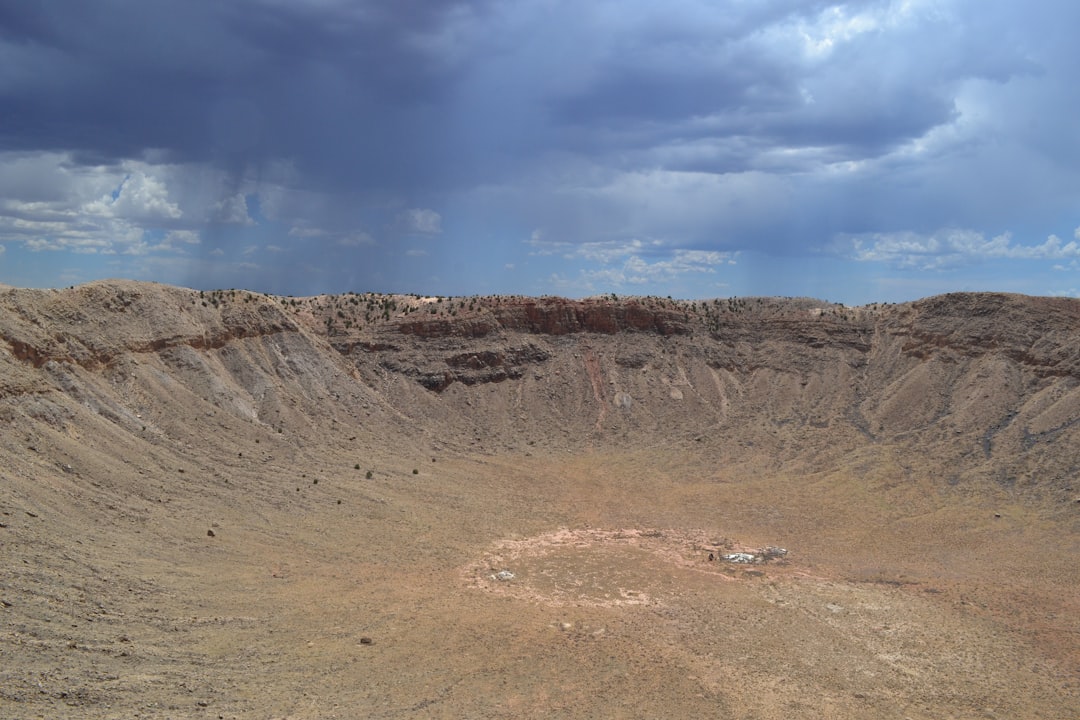
Scientists from Curtin University and the Geological Survey of Western Australia investigated rock layers in the North Pole Dome of Western Australia’s Pilbara region and found evidence of a major meteorite impact 3.5 billion years ago. Previous confirmed impact craters were significantly younger, potentially making this discovery the oldest known crater ever found on Earth.
Scientists knew nothing of this ancient hole in the ground, until a series of ‘shatter cones’ were recently discovered on a hillside near the town of Marble Bar. These distinctive “hut-like” rock formations, some several metres tall, only form under the intense pressure of a meteorite strike.
The researchers weren’t just lucky. The crater was exactly where they had hoped it would be, and its discovery supports a theory about the birth of Earth’s first continents. Their years of theoretical work had led them to predict exactly where such an ancient crater should exist.
Reading the Ancient Signatures
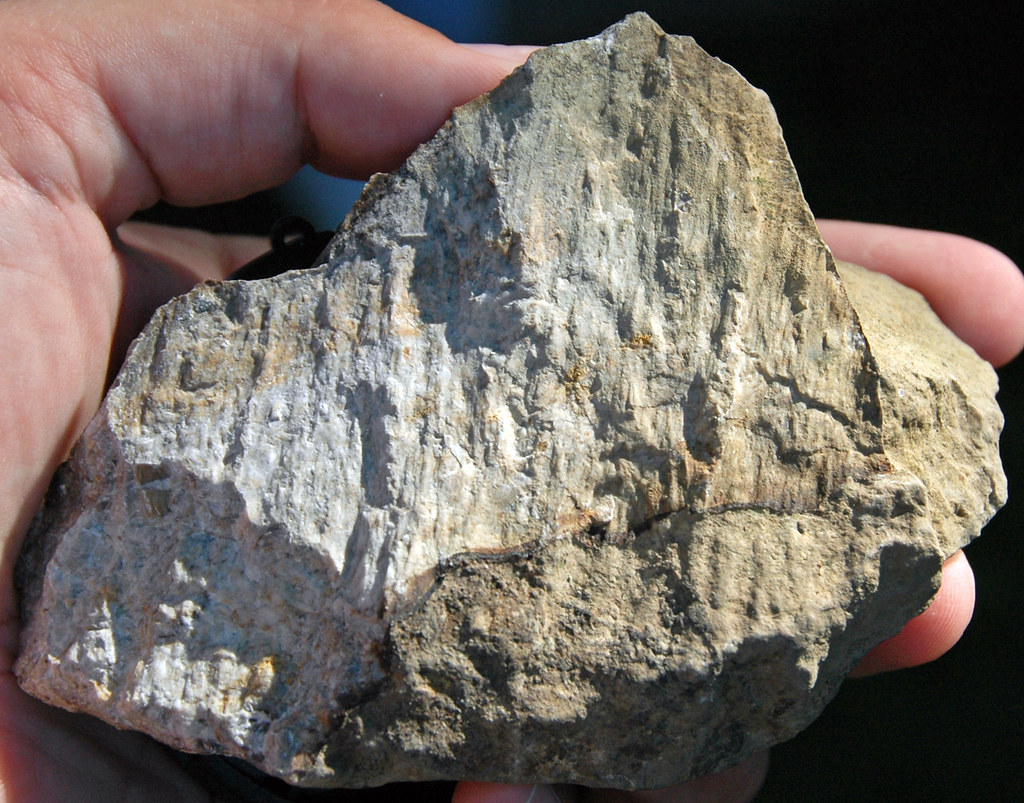
Shatter cones are distinctive striated conical fractures that are considered unequivocal evidence of impact events. They are one of the most used and trusted shock-metamorphic effects for the recognition of meteorite impact structures. They are evidence that the rock has been subjected to a shock with pressures in the range of 2–30 GPa. Shatter cones have a distinctively conical shape that radiates from the top of the cones repeating cone-on-cone in large and small scales.
Shatter cones form when the shock wave from a meteorite impact travels down into the rock layers below. The intense pressure cracks the rock in a branching pattern, leaving cone-shaped chunks pointing toward the center of the impact. These geological fingerprints are so unique that they’re often called “the index fossil of astroblemes.”
Today, shatter cones are broadly accepted as sufficient stand-alone evidence of the impact origin of a structure, even when other evidence is lacking. When the research team spotted these formations scattered across the Pilbara landscape, they knew they had found something remarkable.
The Violent Birth of a Gentle Environment
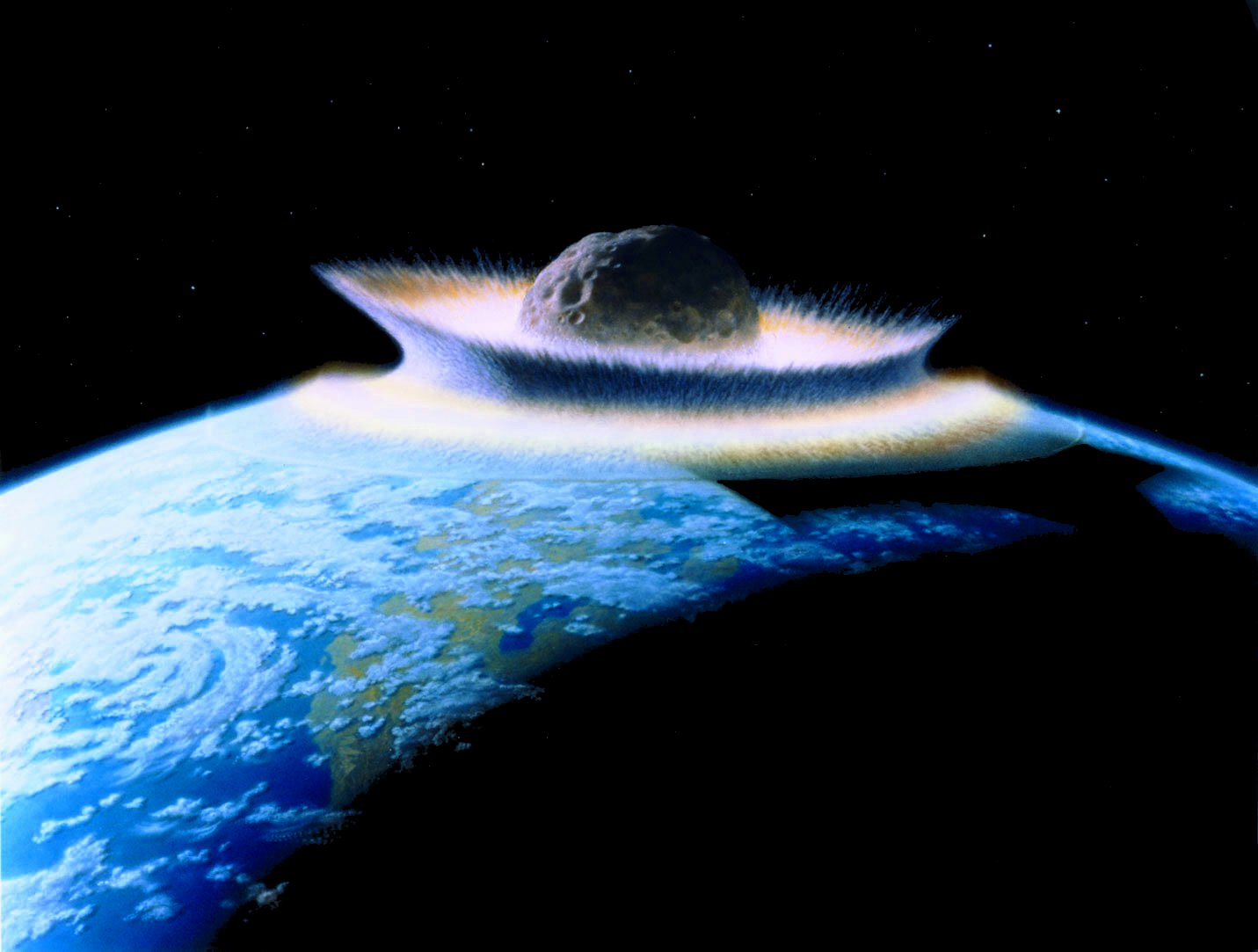
The meteorite would have struck Earth at over 22,300 miles per hour, sending debris across the planet and creating a crater more than 62 miles in diameter. Around 3.5 billion years ago, an enormous meteorite travelling more than 36,000km/h crashed into what is now the North Pole Dome. The impact would have been phenomenal, creating a crater over 100km wide and sending debris spinning around the globe.
The sheer scale of this ancient collision defies imagination. Yet what followed this destruction may have been construction of the most fundamental kind. The tremendous amount of energy from this impact could have played a role in shaping early Earth’s crust by pushing one part of the Earth’s crust under another, or by forcing magma to rise from deep within the Earth’s mantle toward the surface.
It may have even contributed to the formation of cratons, which are large, stable landmasses that became the foundation of continents. In other words, this ancient catastrophe might have helped build the very ground we stand on today.
Where Life Found Its First Home
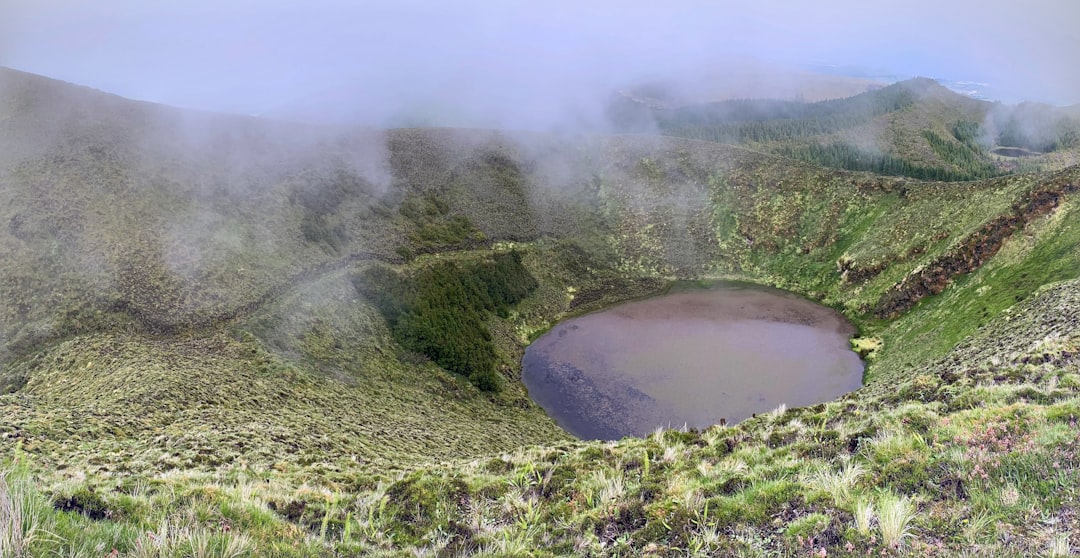
Impact craters created environments friendly to microbial life such as hot water pools. Studies of craters on Earth over the past couple of decades show that interaction of fluids from crater lakes and other sources with hot impact-generated and impact-altered rocks can generate transient hydrothermal systems that can persist for tens of thousands of years.
Think about it this way: while the surface of early Earth was being pummeled by asteroids and rendered nearly uninhabitable, the subsurface was becoming a bustling network of warm, chemical-rich environments. The very same impact events that made conditions at the surface completely untenable for life, at the same time were constructing these vast subsurface hydrothermal systems. While asteroids made Earth’s surface unlivable, they were making its subsurface a hotbed of creation.
Hydrothermal systems can persist for tens of thousands of years. Models suggest that crater interiors should have sustained temperatures ideal for early life (50–120°C) for more than 50,000 years, indicating that these systems can sustain life for longer than previously estimated.
The Perfect Recipe for Early Life
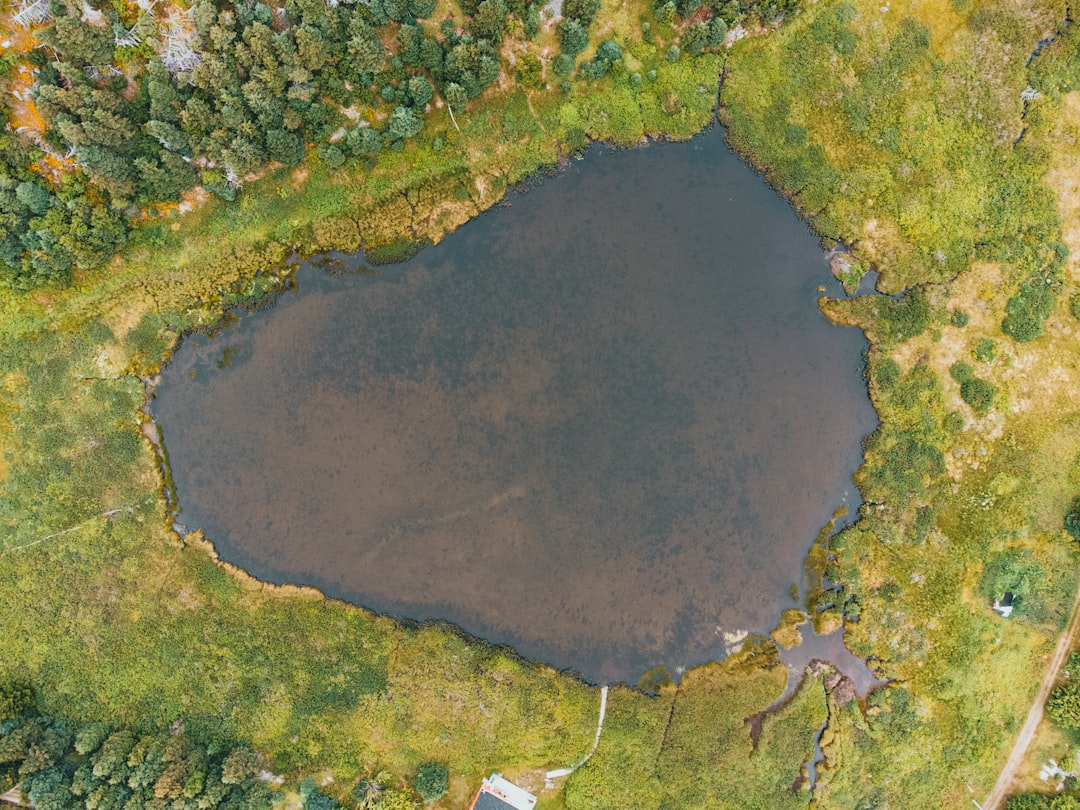
Impact craters host important characteristics in a single location, which include the formation of diverse metal sulphides, clays and zeolites as secondary hydrothermal minerals, fracturing of rock during impact, the delivery of iron, diverse impact energies resulting in different rates of hydrothermal cooling, and the indiscriminate nature of impacts into every available lithology.
These crater environments offered something that no other early Earth setting could provide: a concentrated package of everything life needed to get started. Both comets and carbonaceous chondrites delivered building blocks of life and ice to early Earth, which were accumulated in hydrothermal impact crater-lakes.
Crater basins contained an assortment of cosmic and terrestrial organic compounds, powered by hydrothermal, solar, tidal, and chemical energies, which drove the prebiotic synthesis. It was like having nature’s first chemistry laboratory, complete with all the ingredients, energy sources, and reaction vessels needed for the emergence of life.
Evidence from Modern Impact Craters
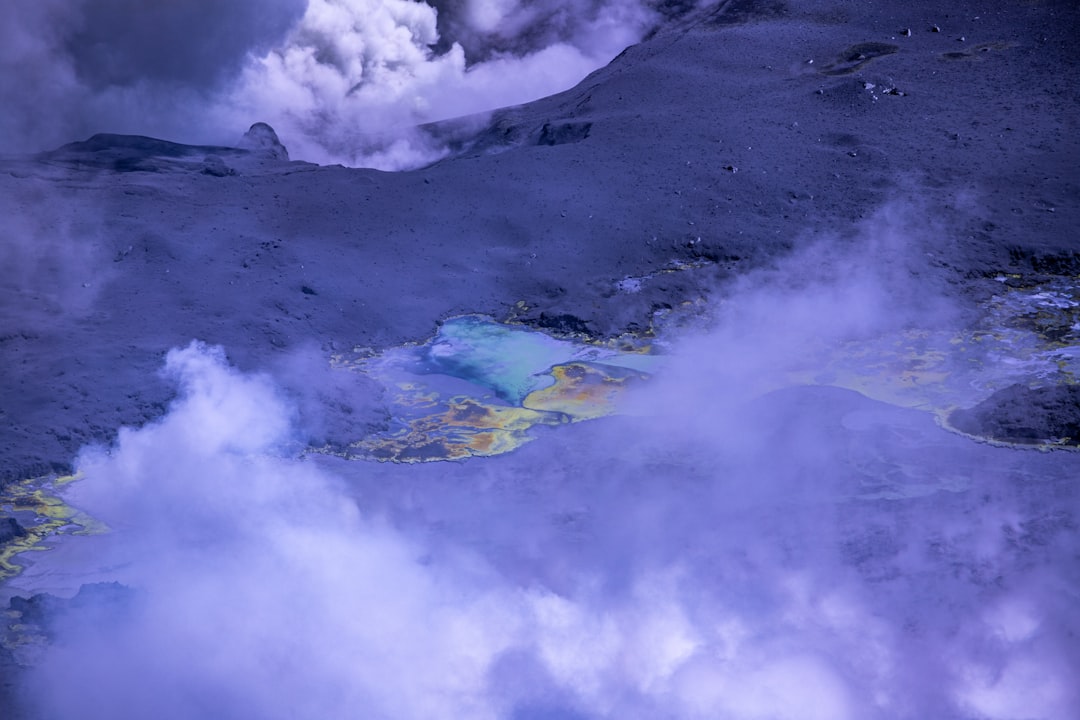
The Chicxulub crater hosted a vast hydrothermal system that persisted for hundreds of thousands of years, if not millions of years. Scientists showed the crater had a porous, permeable subsurface environment; that the crater hosted a vast hydrothermal system; and, finally, that the system hosted a microbial ecosystem.
Isotopes of sulfur in pyrite showed the spheres were formed by a microbial ecosystem adapted to the hot mineral-laden fluid of a hydrothermal system. Life in the system extracted energy from chemical reactions that occurred in the fluid-filled rock system. The microbes took advantage of sulfate being converted to sulfide, providing the energy that the microbes needed to thrive.
This evidence from a much younger crater provides a window into what might have happened in Earth’s earliest impact sites. If life can thrive in the hydrothermal systems of recent craters, imagine what possibilities existed when these environments were far more common during our planet’s violent youth.
Why Ancient Craters Are So Rare
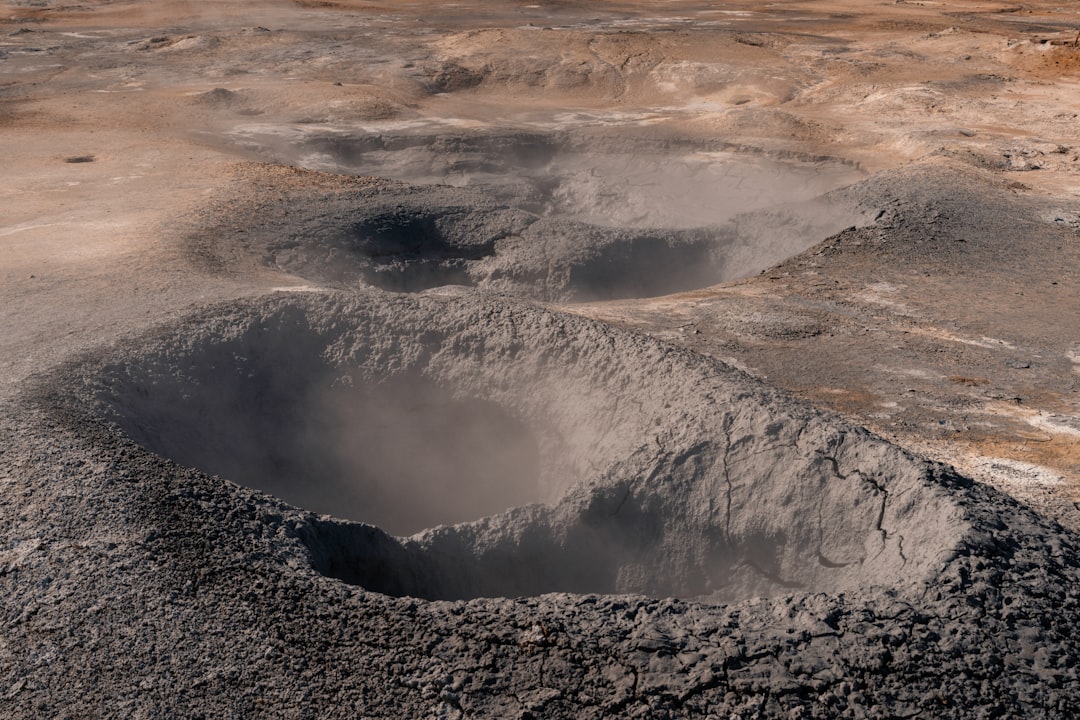
Lunar craters that are relics of the Late Heavy Bombardment are mostly obvious, since the Moon has hardly any weather phenomena, no plate tectonics, no liquid water, and no life. These craters are much more difficult to find on Earth. Eons of erosion and shifting of continents may have buried them and possibly erased them, which is why they are so rare.
Scientists know that Earth was hit by many meteorites, but most impact craters disappeared over time. Scientists have been puzzled by the lack of very old impact craters on Earth, while the Moon still has many. This study helps connect the missing pieces, showing how these meteorite crashes may have shaped Earth’s early history.
The Pilbara discovery is therefore doubly precious. Not only does it push back the record of impact cratering on Earth by more than a billion years, but it also represents one of the few windows we have into the violent conditions that shaped our planet’s earliest history.
Revolutionizing Our Understanding of Early Earth
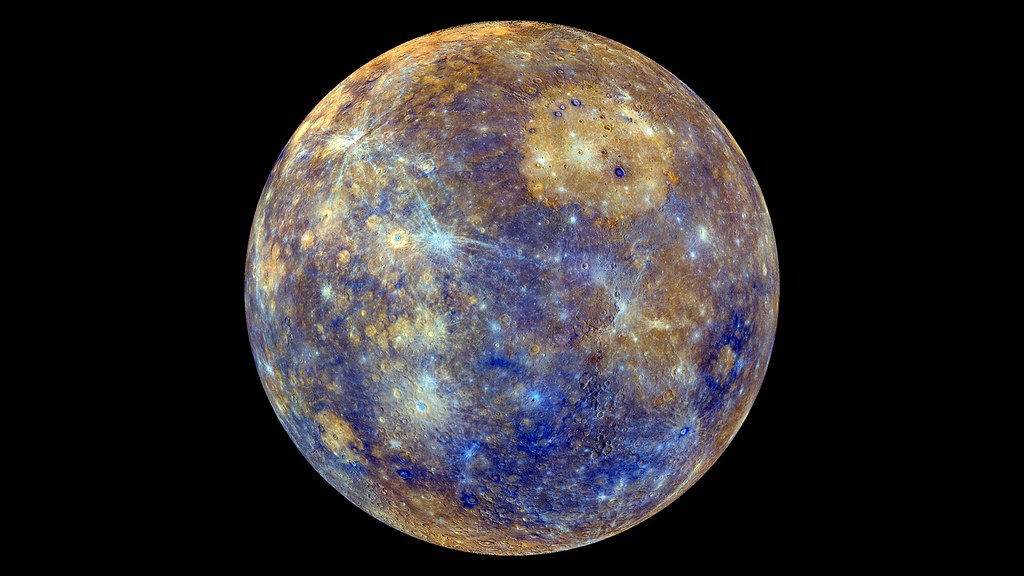
This discovery shows that Earth’s early history was more violent than we once thought. Meteorite crashes didn’t just change the land – they may have also affected the planet’s interior and helped create conditions for life. The implications go far beyond just adding another crater to Earth’s impact inventory.
Although the bombardment of planets and satellites by asteroids and comets has long been viewed as a destructive process that would have presented a barrier to the emergence of life, meteorite impacts can generate both subaerial and submarine hydrothermal vents, abundant hydrothermal–sedimentary settings, and impact analogues for volcanic pumice rafts and splash pools.
This represents a complete paradigm shift. Instead of viewing the Late Heavy Bombardment as an obstacle to life’s emergence, we’re beginning to see it as potentially essential to creating the conditions where life could first take hold.
Looking Beyond Earth
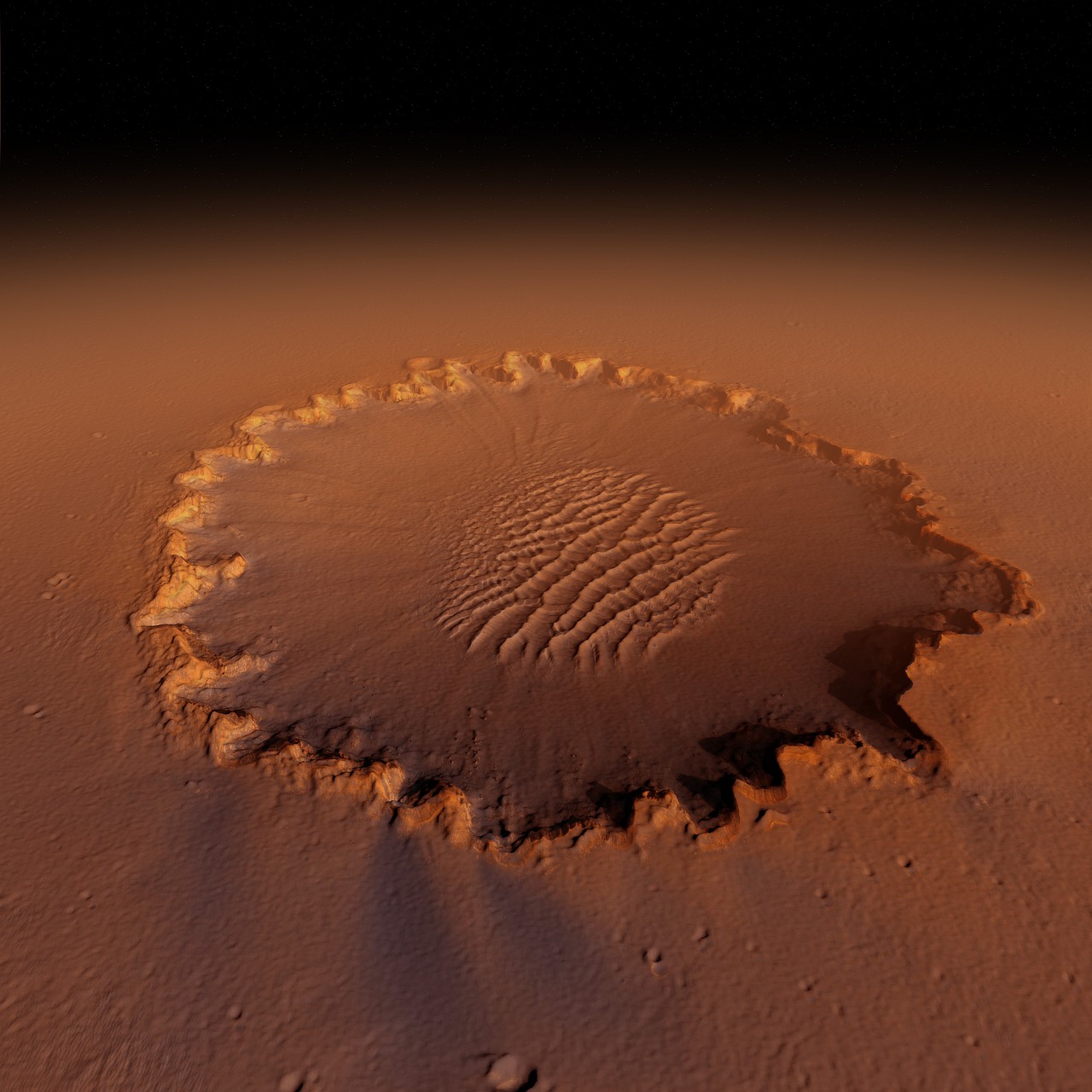
Unlike other geological processes such as volcanism or plate tectonics, impact cratering is ubiquitous on planetary bodies throughout the Universe and is independent of size, composition, and distance from the host star. Impact events thus provide a mechanism with the potential to generate habitable planets, moons, and asteroids throughout the Solar System and beyond.
Impact craters should be considered prime sites in the search for evidence of past life on Mars. The ability of impacts to create hydrothermal vent systems is a major reason why scientists scouting out landing sites for the next European Space Agency mission to Mars are very interested in craters. This latest evidence that impact-shocked rocks offer protection against deadly UV exposure is yet another point in favor of investigating Martian craters.
If impact craters provided the cradles for life on Earth, they might have done the same elsewhere in our solar system. Every crater we see on Mars, on moons throughout the solar system, even on distant worlds orbiting other stars, might represent not just scars of cosmic violence, but potential nurseries where life could have emerged.
Conclusion
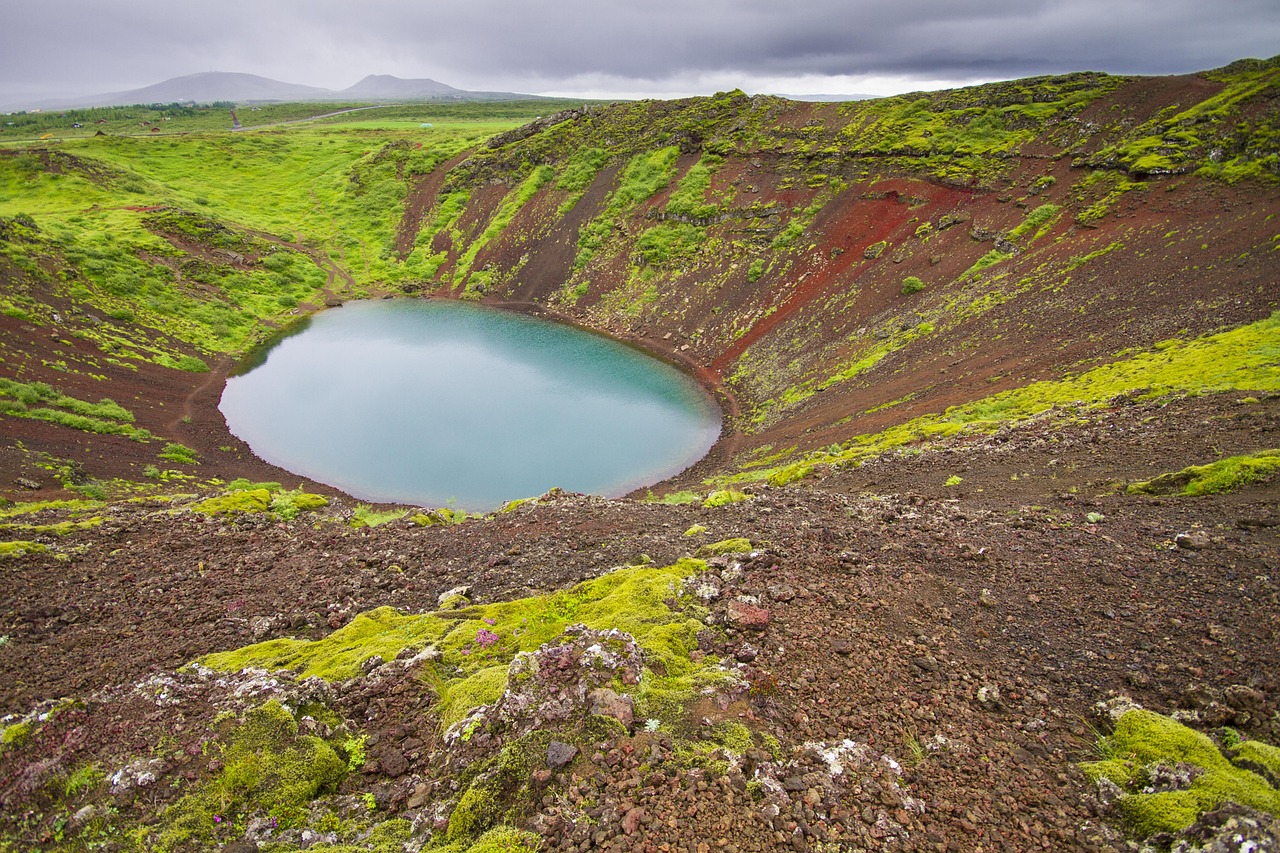
The discovery of Earth’s oldest impact crater in Australia’s Pilbara region has fundamentally changed how we view the relationship between cosmic impacts and the origin of life. What was once seen as purely destructive is now understood as potentially creative, providing the energy, chemistry, and environments that early life needed to emerge and thrive.
This ancient crater tells a story that stretches back nearly three and a half billion years, to a time when our planet was a very different world. Yet in those harsh conditions, in the warm pools and hydrothermal systems created by cosmic bombardment, the first stirrings of life may have begun. It’s a reminder that sometimes, destruction and creation are more closely linked than we ever imagined.
What do you think about the idea that life might have emerged from such violent beginnings? Tell us in the comments.
Jan loves Wildlife and Animals and is one of the founders of Animals Around The Globe. He holds an MSc in Finance & Economics and is a passionate PADI Open Water Diver. His favorite animals are Mountain Gorillas, Tigers, and Great White Sharks. He lived in South Africa, Germany, the USA, Ireland, Italy, China, and Australia. Before AATG, Jan worked for Google, Axel Springer, BMW and others.