The Great Plains hold a puzzle that refuses to sit still: thousands of stone circles etched into shortgrass and sage, visible only to those who slow down. Archaeologists, tribal historians, ranchers, and hikers have all tried to read these patterns, and the answers shift with the light. Some circles look like the footprints of vanished homes; others resemble ritual wheels, spokes pointing toward the horizon like questions. New mapping tools and partnerships are reshaping what we think we know, but they also expose how much we’ve glossed over. The stakes stretch beyond curiosity – what we decide these circles mean will influence how we protect them, who gets to tell their story, and how future projects treat the ground beneath our feet.
The Hidden Clues
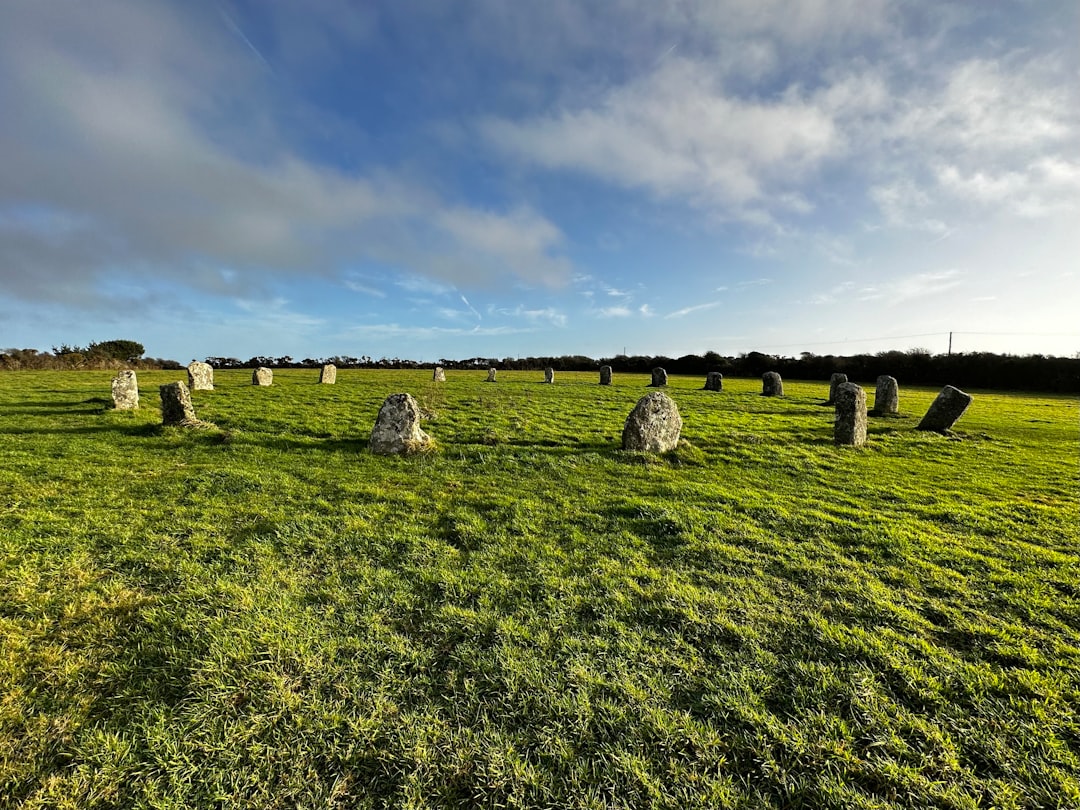
Walk a windswept ridge in Montana or Wyoming and the first surprise is subtle: a faint ring of cobbles that seems to breathe with the grass. Look closer and patterns emerge – doorway gaps on the southeast side, slight clusters of burned rock, a gentle scatter of flint flakes that catch the sun. These are not random; the circles cluster on leveled knolls near water, with repeated layouts that hint at memory and habit.
Archaeologists talk about palimpsests – layers of life written over one another – and many rings are exactly that, reused camps where stones were nudged, borrowed, and returned across generations. Some circles overlap like initials carved by relatives who never met, tethering families to favored places. Others appear alone, austere and solitary, positioned for shelter from prevailing winds. What ties them together is this quiet regularity, the sense that design outpaced chance.
Stories Written in Circles: Indigenous Tipi Rings
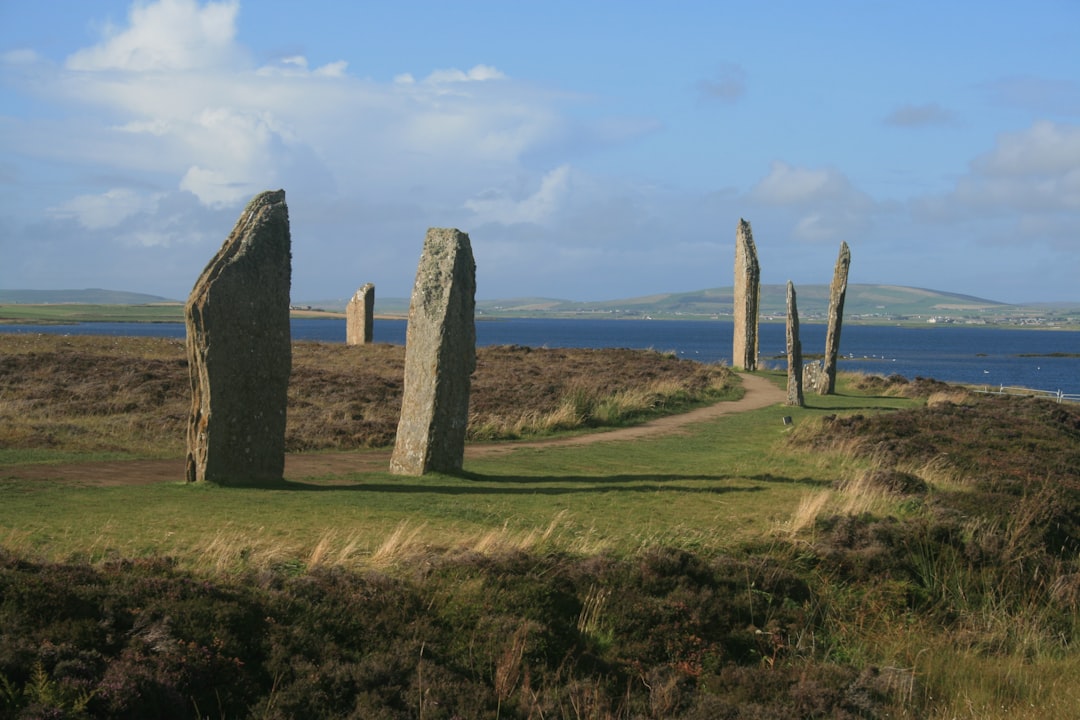
The prevailing view is both grounded and human: many circles are the stone anchors of tipis used by Plains peoples during seasons of movement. In a country where the wind can lift the world, stones pinned the lodge edges while families cooked, traded, and told stories anchored to bison and sky. The doorway gap typically faces the rising sun, with hearths inside or just outside the ring and tool debris not far away.
Tribal knowledge, passed through families and formal cultural programs, places these rings firmly within living traditions rather than lost civilizations. Dates span from the late precontact era into the nineteenth century, and sometimes later, when traders, soldiers, and surveyors were also on the move. I once walked a ridge with a tribal monitor who read the site like a quilt, pointing out how the smallest choices – doorway direction, stone size – echoed practical wisdom. Tipi rings are, in this view, everyday architecture, the imprint of home.
Ceremonial Wheels and Sky Alignments
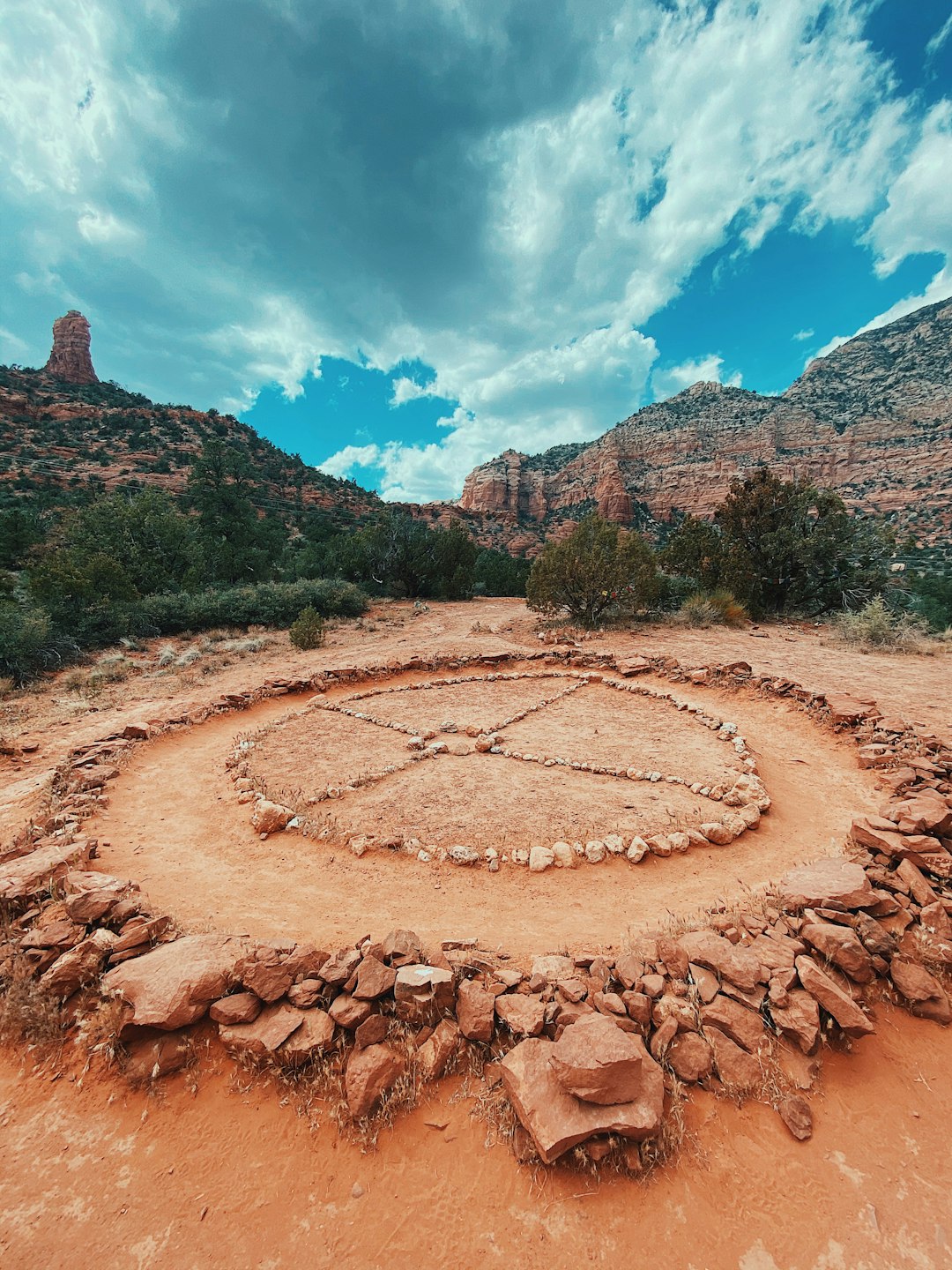
Not all stone circles are homes. Some grow into medicine wheels – cairns linked by spokes, rings with radiating lines that draw the eye outward to solstice horizons. A few, perched high in Wyoming and across the northern Plains into Canada, may have been built in stages, with cairns rebuilt and offerings added as traditions evolved. The spokes invite celestial readings, and researchers have tested whether certain alignments coincide with summer sunrise or the standstill of the moon.
The evidence is mixed and careful scholars warn against seeing precision where chance could suffice, yet the debate itself is revealing. Many Plains communities encode sky knowledge in ceremony, song, and seasonal rounds, so astronomical intent is not far-fetched. Excavations around some wheels have yielded artifacts from different eras, suggesting long-term, layered use. These features feel less like calendars and more like community-built instruments for marking time, place, and belonging.
Alternative Hypotheses on the Plains
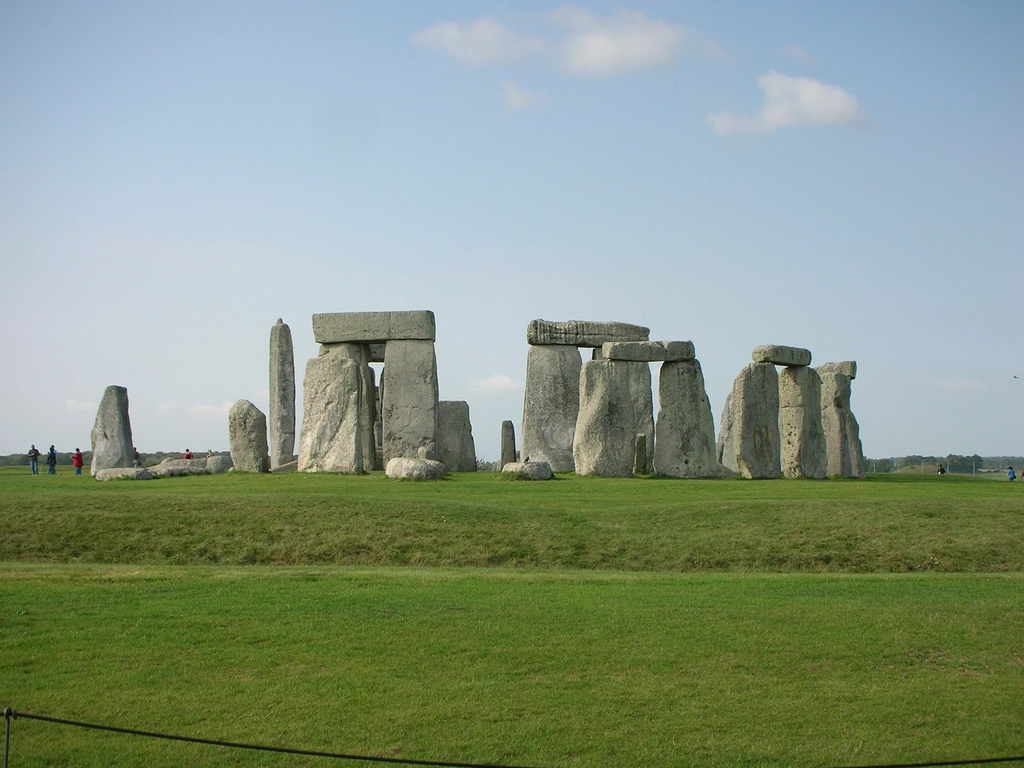
Other explanations surface whenever circles appear in open country. Some ranching-era camps and sheep herders likely stacked stones to weight canvas, and a few modern circles may mimic older ones without intending to deceive. Natural processes – frost heave, rodent mounds, glacial stones – can produce patterns that fool the eye, especially after light grazing or vehicle tracks highlight the ring.
There are also claims of ancient outsiders, theories that leap to transoceanic visitors or lost astronomer-priests. Those ideas fade under scrutiny because they lack diagnostic artifacts, cultural continuity, or consistent dating. More plausible are mixed-use scenarios: a campsite here, a ceremonial feature nearby, and a scatter of hunting blinds on the next ridge. On the Plains, one valley often held many human purposes, and the stone record reflects that complexity rather than a single story.
From Ancient Tools to Modern Science
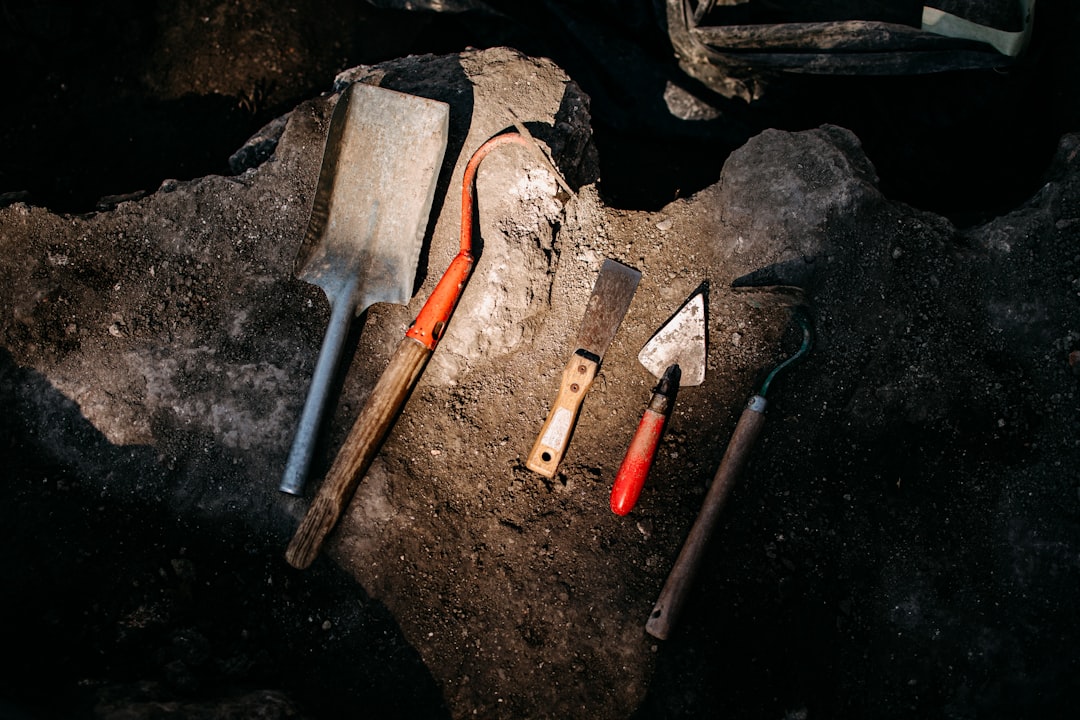
Unlocking the circles requires tools that see beyond the obvious. Radiocarbon dates come from hearth charcoal in or near rings, while optically stimulated luminescence can estimate when sediments last saw light, bracketing construction episodes. Lichen growth on stones offers cautious relative age hints, but it works best when paired with other methods.
Above ground, drones stitch hundreds of images into precise maps, and magnetometers can sniff out burned soils where hearths once glowed. GIS analysis then compares dozens of camps, revealing patterned spacing between rings that matches ethnographic descriptions of household organization. Perhaps most transformative are collaborations with Tribal Historic Preservation Offices, which embed site survey in cultural context and shift research questions from extraction to reciprocity. The result is a tighter chronology and a wider lens on meaning.
Why It Matters
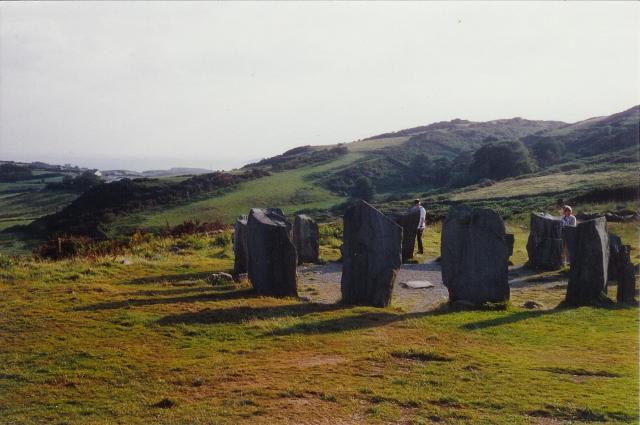
Stone circles are not just artifacts; they’re anchors of identity and anchors drive policy. When wind farms, transmission lines, pipelines, or new roads are proposed, recorded circles can trigger consultation, rerouting, or protective buffers, reshaping where and how development occurs. The difference between recognizing a tipi ring and mislabeling it as random rock can decide whether a place endures.
This is also a story about how science learns to listen. Early surveys often treated circles as curios and moved on, while today’s best practice weaves Indigenous knowledge with field methods from the start. That shift improves accuracy and rebuilds trust after generations of research conducted without consent. Understanding the circles, in other words, is inseparable from understanding who gets to speak for them.
The Future Landscape

What comes next is equal parts innovation and care. High-resolution satellites and machine learning can flag circular anomalies across huge ranches, then field teams and tribal monitors ground-truth what algorithms suggest. Thermal drones, flown at dawn or dusk, may spot sub-surface hearths by their faint temperature differences, tightening dates and functions without a shovel.
But the rush to map everything carries risk – public location data can invite looting, and rushed compliance surveys can miss ceremonial nuance. Climate-driven erosion and more frequent wildfire also threaten shallow features, turning delay into damage. Expect agencies and tribes to push for larger protective buffers and for confidentiality by default, while researchers develop shareable models that keep precise coordinates out of view. The most responsible science here is precise in the lab and humble on the land.
Conclusion
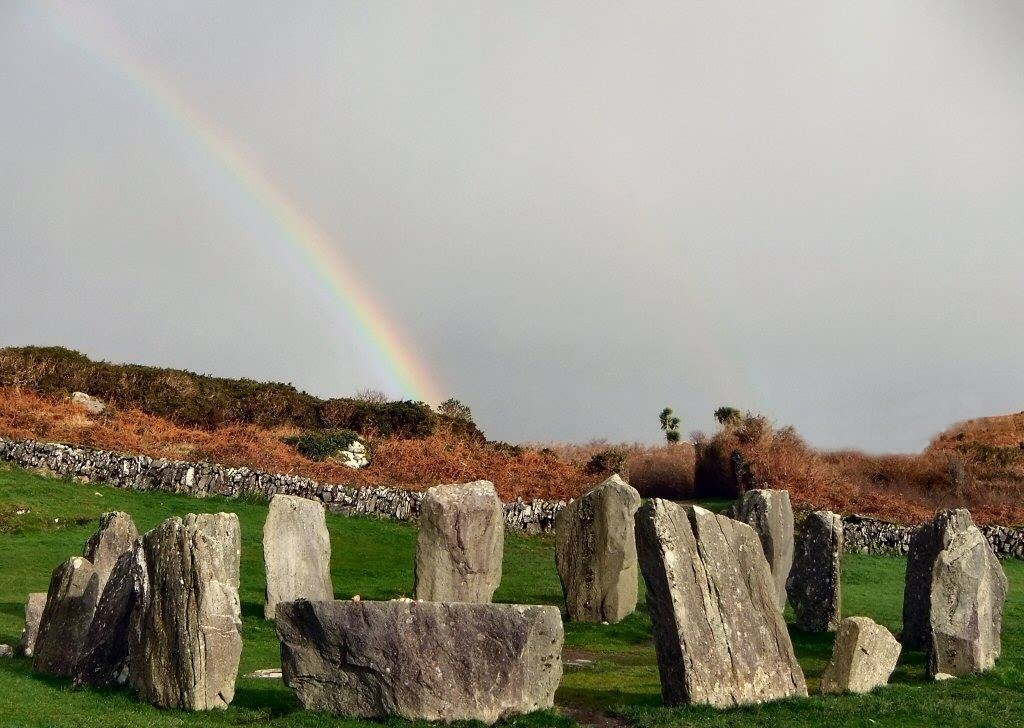
You don’t need a trowel to help. If you encounter a stone circle on public land, resist the urge to rearrange or collect and report the location to the local land manager or tribal office instead. Support tribal cultural programs, site stewardship groups, and museums that foreground Indigenous leadership, because good care starts with those closest to the story.
Engage locally when infrastructure proposals hit the docket and ask how stone features and sacred sites are being mapped, consulted on, and protected. If you’re a teacher or parent, bring Plains heritage into classrooms beyond the usual chapters, making the circles part of living history rather than a footnote. Small choices – respectful visits, informed questions, and sustained attention – keep these rings from becoming empty shapes on a map. Did you expect such quiet stones to carry this much weight?