Every autumn, something remarkable happens beneath the surface of America’s deepest lakes. As temperatures drop and winds pick up, these massive bodies of water literally flip upside down in a process called lake turnover. This fascinating natural phenomenon affects everything from fish behavior to water clarity, yet most people have never heard of it.
Lake turnover is the process that describes when a lake de-stratifies and is able to mix from top to bottom. What makes this so dramatic is that for many lakes deeper than about 20 feet, distinct and thermally separated layers of water form during the majority of the year, and these layers prevent the lake from mixing and aerating. Come fall, this stable system completely breaks down, creating a massive mixing event that can be seen, smelled, and felt by anyone near the water.
Lake Mendota, Wisconsin – The Academic Superstar
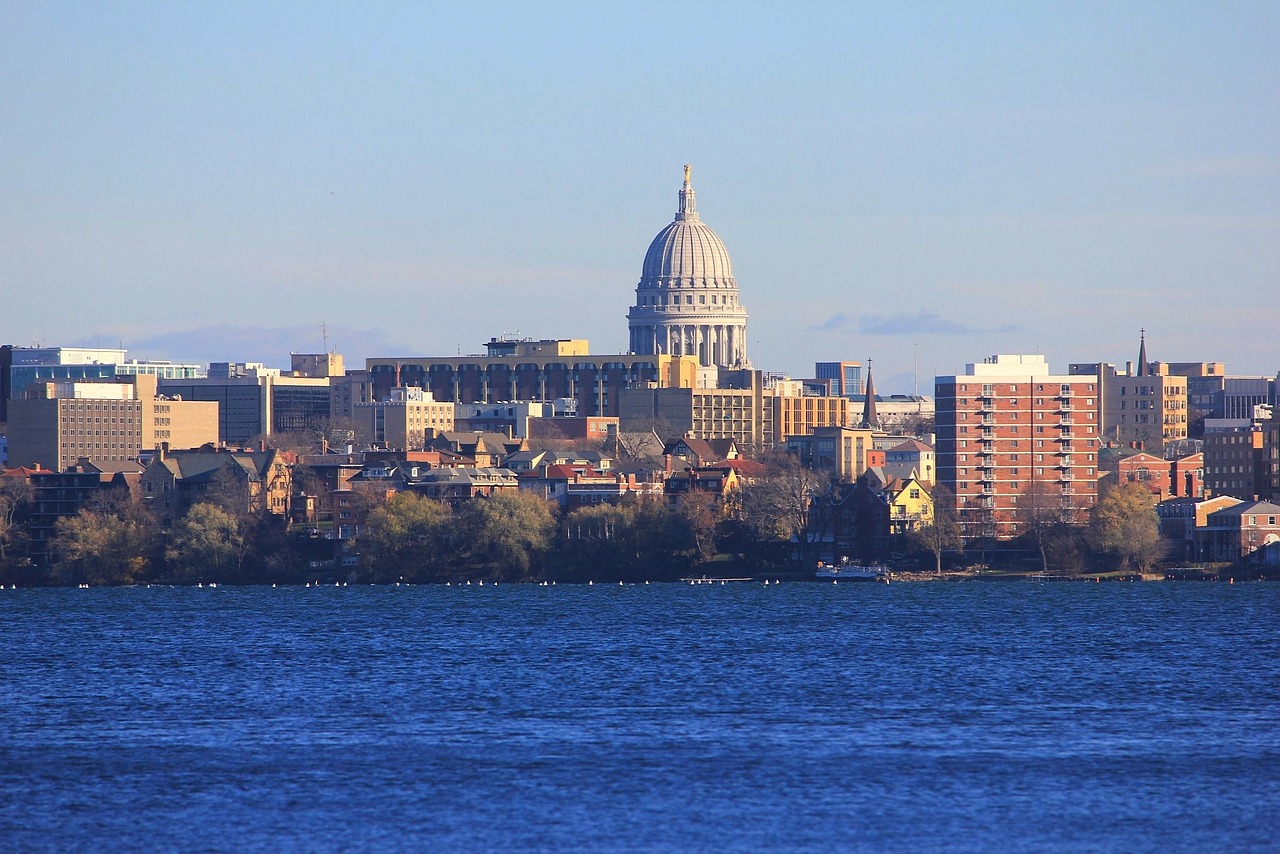
Lake Mendota, within the Yahara Watershed, is “dimictic,” meaning it undergoes turnover twice during the year. Located on the University of Wisconsin-Madison campus, this lake has been studied more extensively than perhaps any other in America. With its large size and deep water, Lake Mendota is the last lake in the Madison Chain to turnover.
The turnover here is so predictable that researchers can almost set their calendars by it. When the lake’s water reaches approximately 39 degrees Fahrenheit, the surface water becomes denser than the other water in the lake’s water column. Students often notice the telltale signs first – the water turns murky, and there’s an unmistakable earthy smell that signals the process has begun.
Lake Monona, Wisconsin – The Urban Lake’s Drama
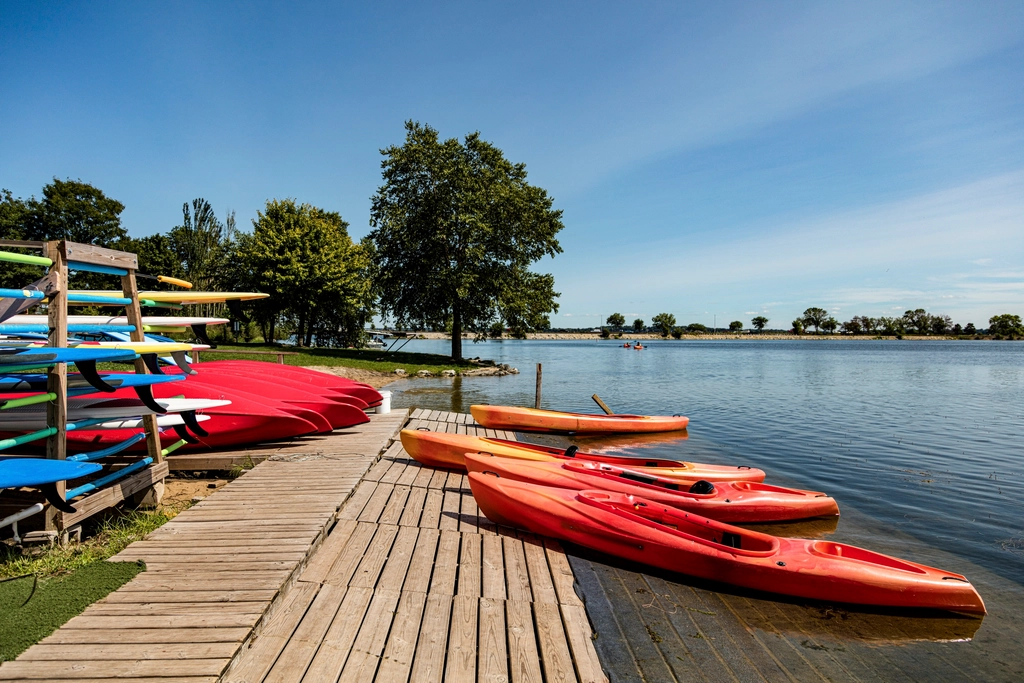
Also part of Madison’s chain of lakes, Lake Monona turns over earlier than Lake Mendota due to its characteristics. This lake sits right in the heart of Madison, making its autumn transformation visible to thousands of daily commuters. The turnover here creates quite a spectacle as the normally clear water becomes cloudy and takes on that distinctive “turned over” appearance.
The lake is once again able to refresh nutrients and oxygen during this mixing period. For urban dwellers, this process serves as nature’s annual reminder that even in the midst of city life, powerful natural forces are constantly at work just below the surface.
Lake Michigan – The Great Lake Giant
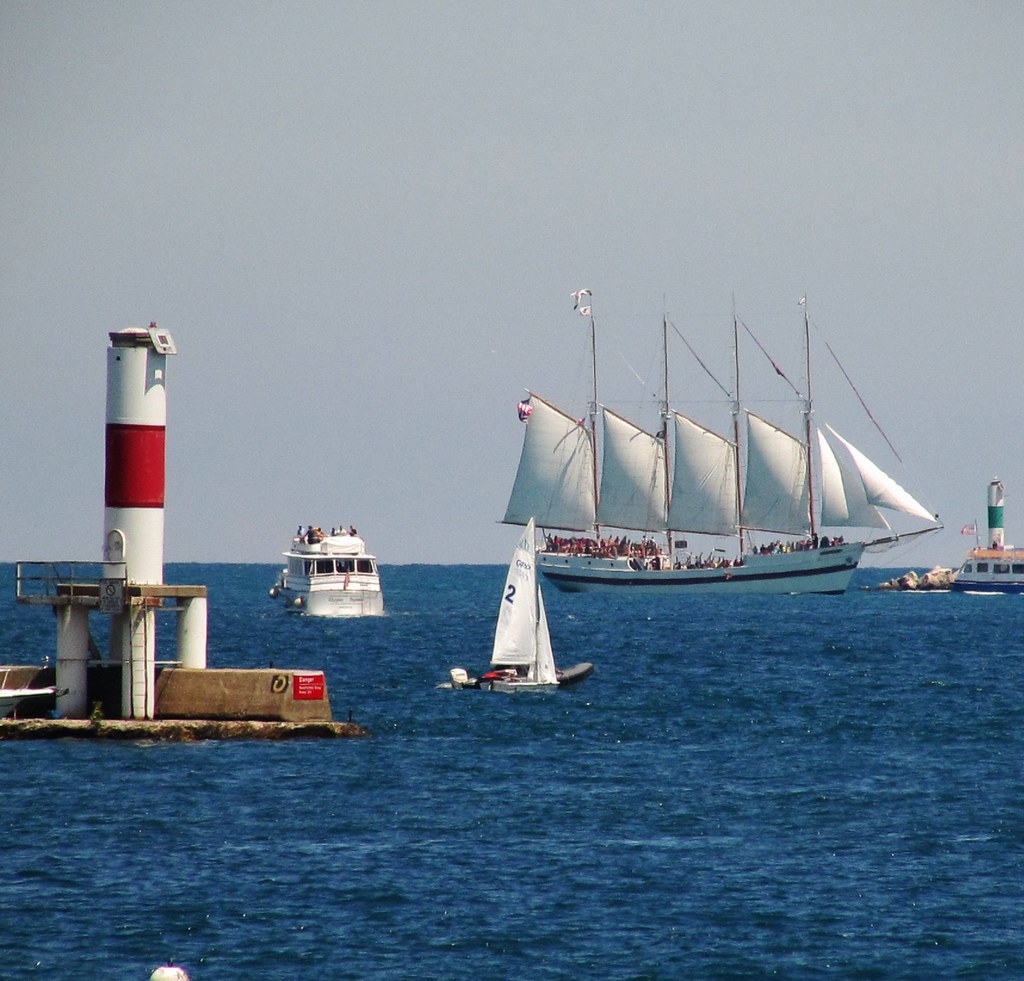
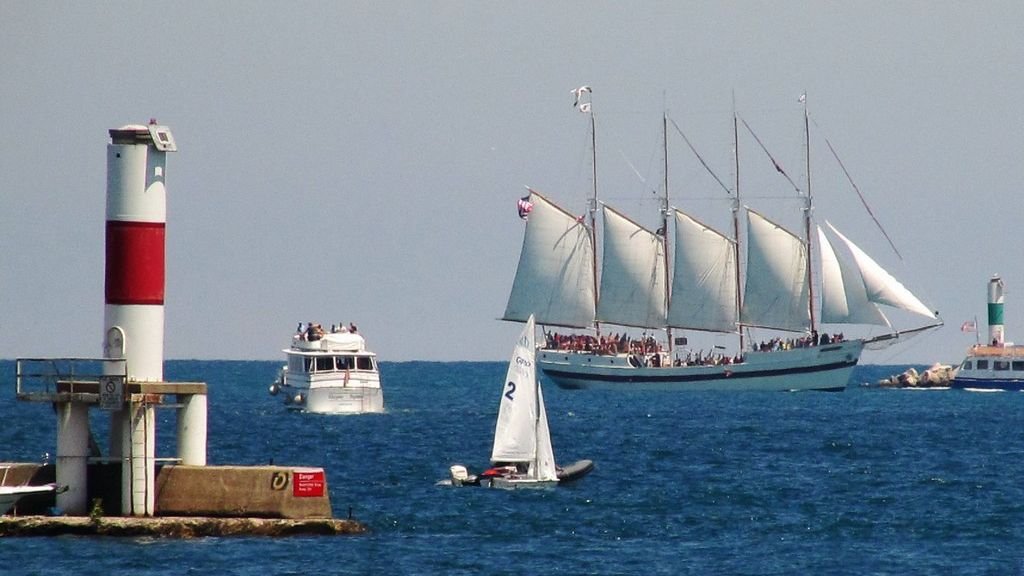
Lake Michigan meets the criteria for a dimictic lake and experiences seasonal turnover, with the possibility of shifting from dimictic to monomictic behavior due to climate change. This massive Great Lake experiences some of the most dramatic turnovers in North America. Fall turnover dates in offshore waters have been delayed by approximately 1-2 days per decade.
The sheer size of Lake Michigan means its turnover doesn’t happen all at once. Instead, it progresses across the lake in a fascinating pattern that can take weeks to complete. Seasonal overturning typically affects the entire lake, but it does not occur everywhere on the lake at the same time and it generally progresses following a characteristic pattern in large lakes.
Lake Superior – The Temperature Titan
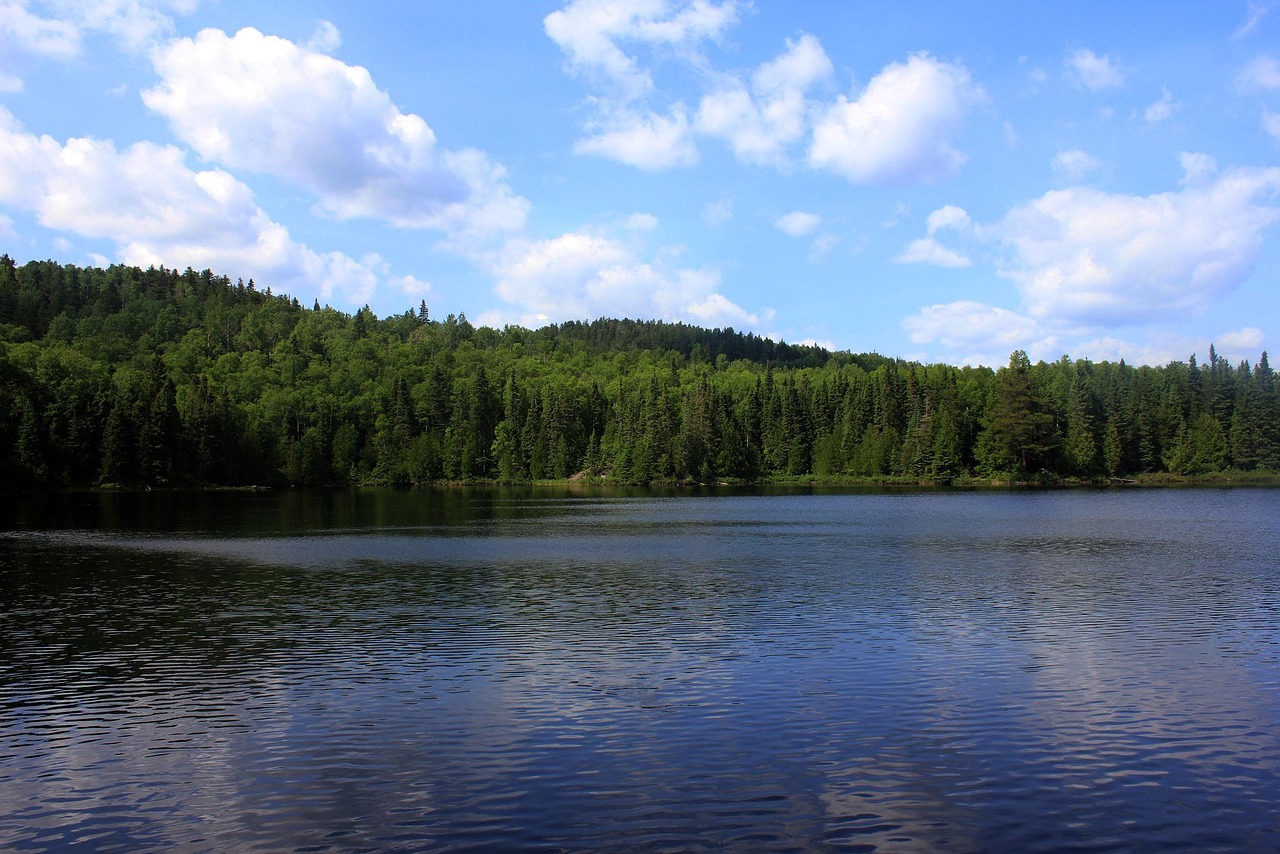
Summer stratification for Lake Superior is beginning earlier, with research showing variable rates of change, which in turn makes the fall mixing of warm and cooler waters later. This northernmost Great Lake experiences some of the most intense thermal dynamics of any American lake. Its incredible depth and cold temperatures create stratification patterns that can persist for months.
Warming temperatures and decreasing ice cover in Lake Superior are driving an increase in primary productivity. The fall turnover here is particularly dramatic because of the extreme temperature differences between the surface and bottom waters. When this giant finally mixes, it redistributes nutrients that have been trapped in the depths all summer.
Lake Huron – The Variable Performer
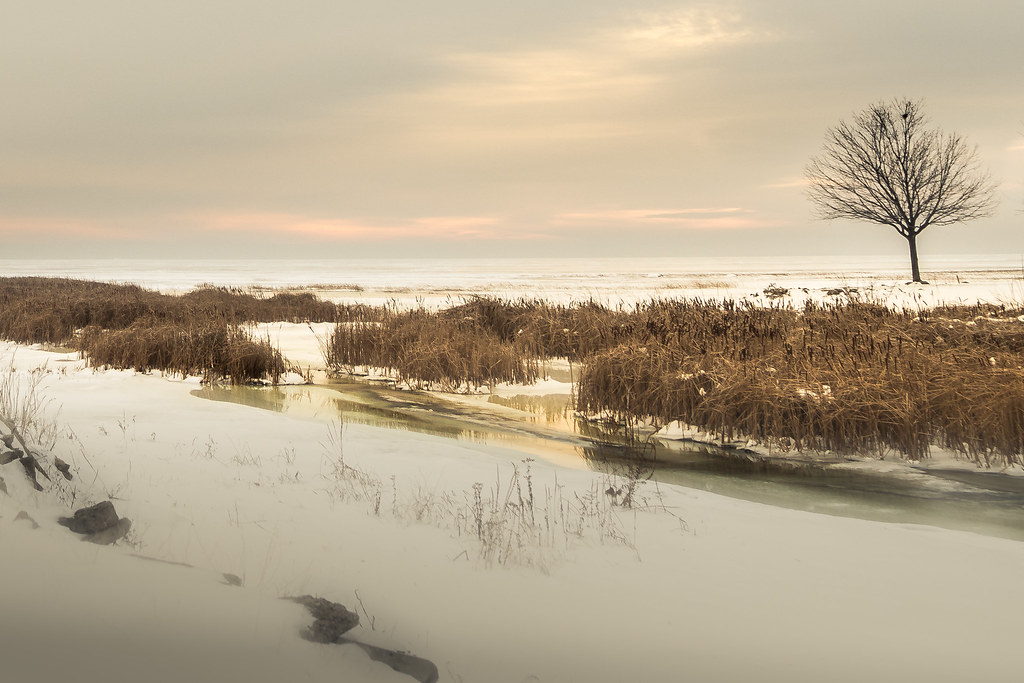
The Laurentian Great Lakes, including Lake Huron, are dimictic, meaning they mix from top to bottom (overturn) twice in a year. What makes Lake Huron particularly interesting is its variability. Moorings with temperature measurements in Lake Huron showed stratification in one year but not the other.
Lake Huron is currently undergoing a climate-driven shift in stratification status. This means that the timing and intensity of its fall turnover can vary dramatically from year to year. Some autumns bring powerful, complete mixing events, while others show incomplete or delayed turnovers.
Lake Champlain – The Border Beauty
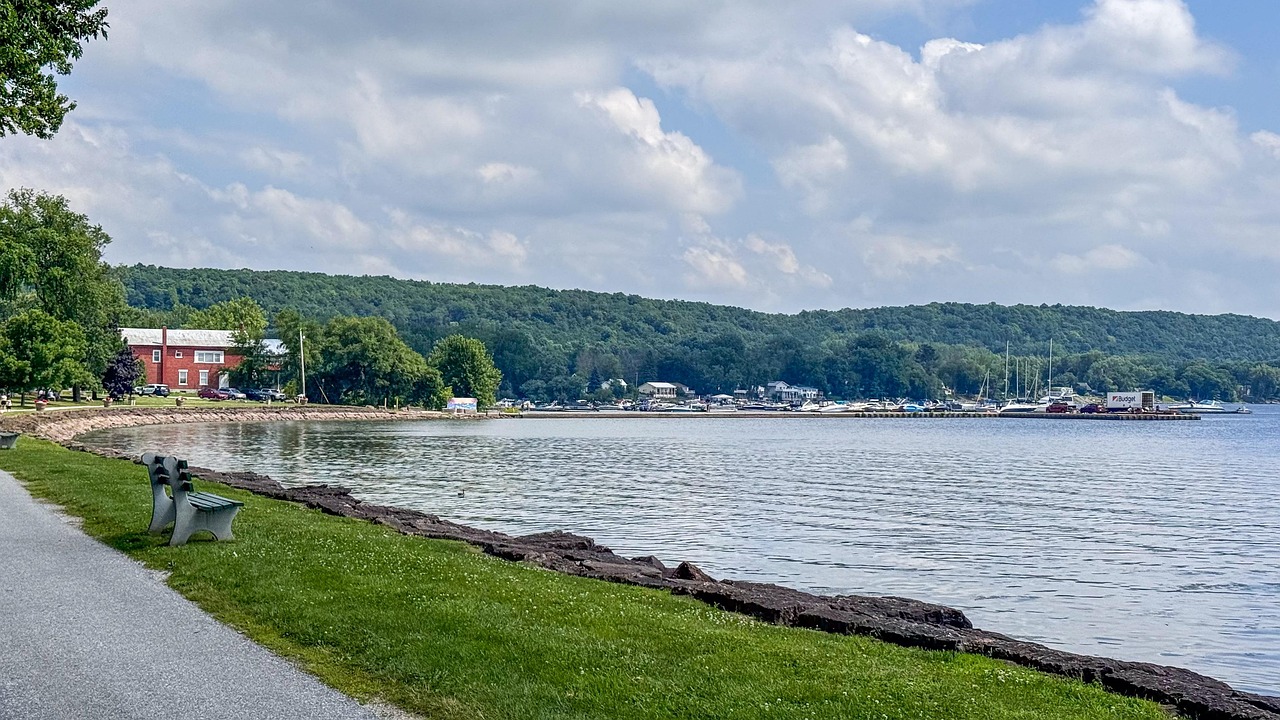
Straddling the Vermont-New York border, Lake Champlain engages in a thermodynamic duet each year in fall and spring that results in the lake “turning over,” or mixing – a process both fascinating and ecologically significant. This long, narrow lake experiences turnover patterns that can vary significantly from north to south due to its unique shape and varying depths.
A telltale sign of lake turnover is a murky appearance to the lake: sediments and nutrients from the lake bottom will become temporarily suspended throughout the water column. Local residents often notice when Champlain begins its autumn mixing, as the crystal-clear mountain lake suddenly becomes cloudy and takes on an entirely different character.
Lake Waubesa, Wisconsin – The Quick Mixer
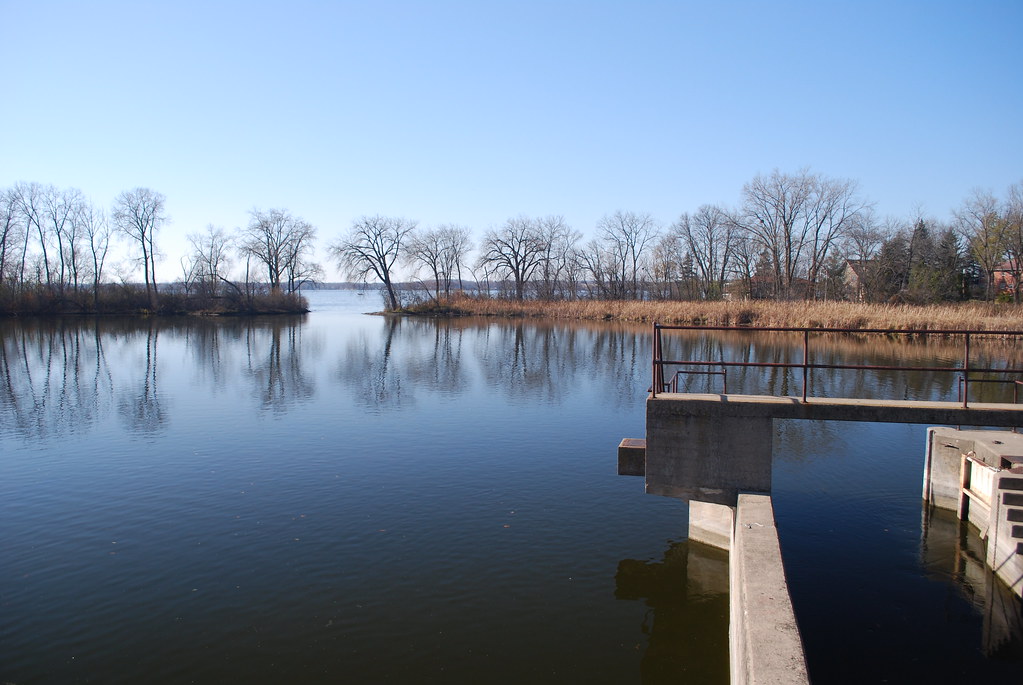
Lake Waubesa is among the first in the Madison Chain of Lakes to turn over. This smaller lake demonstrates how size and depth dramatically affect turnover timing. While its larger neighbors are still maintaining their summer stratification, Waubesa has already completed its mixing process.
The rapid turnover of Lake Waubesa makes it an excellent case study for understanding how lake morphology affects seasonal mixing patterns. Its relatively shallow depth means less thermal inertia, allowing it to respond quickly to changing autumn temperatures and creating a more immediate and visible turnover event.
The Science Behind the Spectacle
Water is most dense at approximately 39.2 degrees Fahrenheit (4 degrees Celsius), and decreases in density at both warmer and colder temperatures. In other words, water is less dense at any temperature warmer or cooler than 39 degrees. This unique property of water is what makes lake turnover possible and predictable.
These events occur when the thermal gradients break down, allowing for the vertical mixing of water, nutrients, and dissolved gases between the previously stratified layers. The process is aided by autumn winds, which provide the mechanical energy needed to complete the mixing. Understanding this mechanism helps explain why some lakes turn over quickly while others take weeks to complete the process.
Ecological Effects and Oxygen Distribution
The lake is once again able to refresh nutrients and oxygen throughout the entire water column during turnover. This redistribution is crucial for aquatic life. Turnover delivers dissolved oxygen to the hypolimnion over seasonal timescales, acting as the first order process that regulates hypoxia.
The ecological implications are profound. This pulse of nutrients associated with lake turnover is why we often see late-season algae and cyanobacteria blooms. Fish behavior changes dramatically as oxygen-rich water reaches the depths, and previously inaccessible areas of the lake suddenly become habitable again. This mixing event essentially resets the lake’s chemistry for the coming winter months.
Climate Change and Future Turnover Patterns
Rising temperatures could lead to more frequent incomplete fall overturnings and partial winter stratifications in Lakes Michigan and Ontario over the next few decades. Scientists are documenting changes in turnover timing and intensity across American lakes, with potentially significant ecological consequences.
Lake mixing regimes can shift in response to increasing air temperatures. These can turn some dimictic lakes into monomictic lakes, while some monomictic lakes might become meromictic. These changes could fundamentally alter the character of America’s great lakes, affecting everything from fish populations to water quality. The dramatic fall turnovers we see today may become less frequent or less complete as our climate continues to warm.
Lake turnover represents one of nature’s most impressive seasonal performances, turning massive bodies of water inside out with the reliability of clockwork. From Wisconsin’s research-heavy lakes to the Great Lakes’ continental-scale mixing events, these phenomena remind us that beneath the surface, our waters are far more dynamic than they appear. What fascinates you most about these underwater acrobatics? Tell us in the comments.