
There’s a quiet drama underfoot on America’s coasts: small, sand-colored birds raising chicks in shallow scrapes as crowds unfurl towels and kites arc overhead. The conflict is simple and stubborn – nesting season collides with vacation season – but the solutions are sharper and more hopeful than many expect. Scientists have learned to read a beach the way trackers read snow, spotting tiny clues that tell a nesting story and guide protection. And beachgoers, once treated as part of the problem, are increasingly becoming part of the fix through small habits that carry outsized impact. On a recent reporting trip, I watched a chick the size of a ping-pong ball sprint to the tide line, then vanish as if the ocean swallowed it; the trick was camouflage, not magic, and it’s why even a casual footprint can matter.
Cape Cod National Seashore, Massachusetts – The Hidden Clues
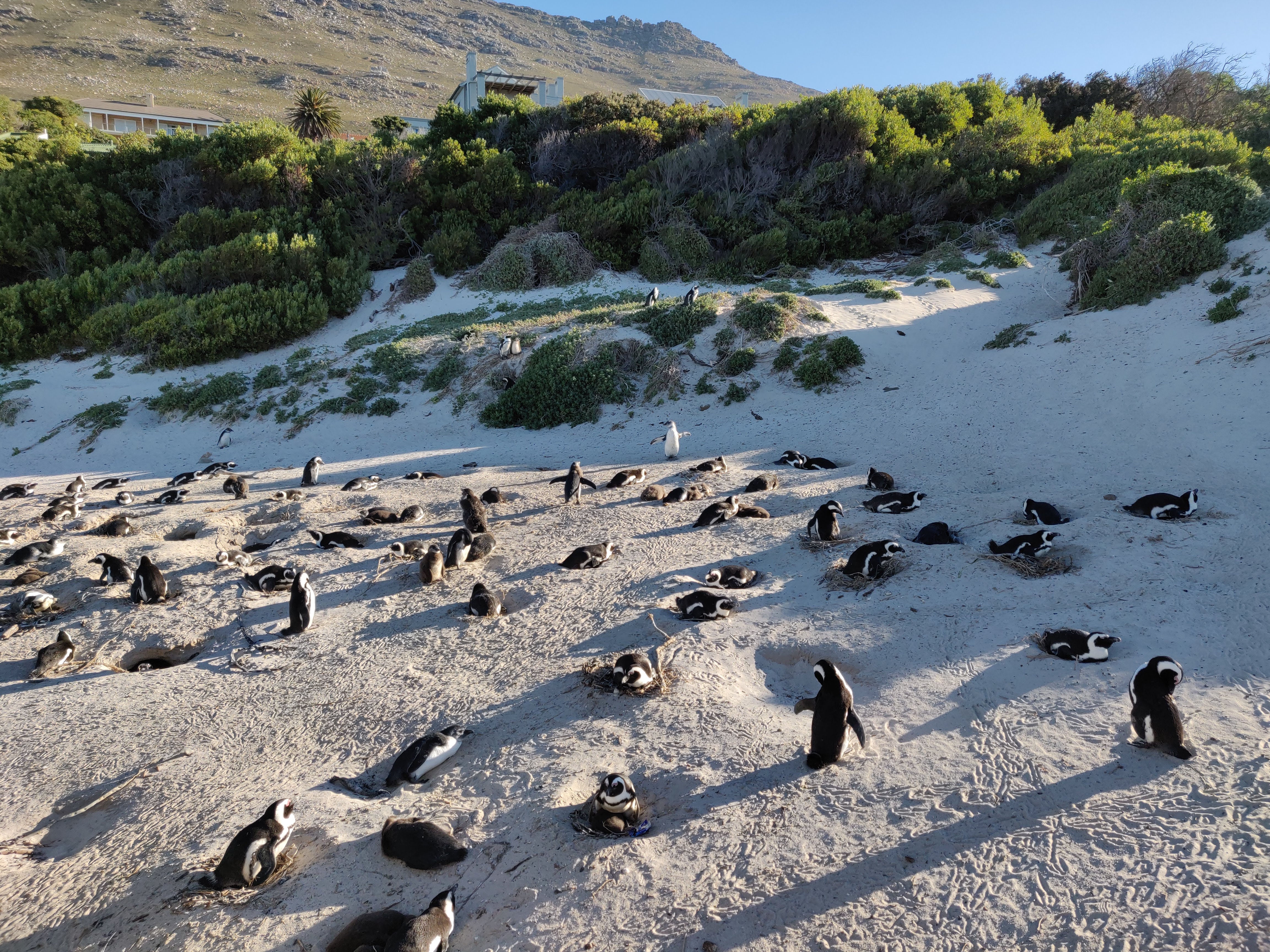
On Cape Cod’s broad Atlantic arc, rangers and volunteers scan the upper beach for what looks like nothing: a shallow scrape, a speckled egg, a jittery adult piping plover piping its alarm. The science here hinges on subtlety, as researchers pair footprints, feather tracks, and hatch timelines to decide where symbolic fencing should go. You can help by walking on the firm, wet sand near the waterline and giving the wrack line – the seaweed-strewn buffet where chicks feed – wide berth. Keep dogs leashed or, better yet, away from nesting sectors entirely, since a single chase can burn through a chick’s energy budget for the day.
Simple choices stack up like dunes: fill in sand holes, keep umbrellas and kites far from posted areas, and learn to spot the tiny stop-start sprint of a foraging chick. When in doubt, imagine a generous personal bubble around any roped section and stay on the ocean side of it.
Assateague Island National Seashore, Maryland/Virginia – From Ancient Tools to Modern Science
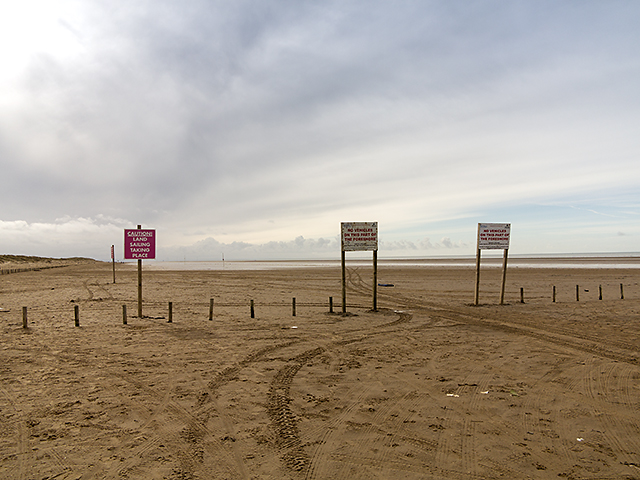
Assateague’s shifting sands have long taught humility, and the monitoring here blends old-school observation with new tools. Field crews still map nests on foot at dawn, but they also pair those notes with drone-free aerial surveys, remote cameras angled low, and tide models that predict which scrapes are at risk. Beachgoers can align with that science by reading and respecting temporary closures, which often expand or contract as chicks move.
Think of every posted sign as a living weather report for birds, not a permanent rule carved in stone. If you’re fishing, set up well away from roped areas and pack out bait remnants, which attract gulls and raccoons that raid nests.
Cape Hatteras National Seashore, North Carolina – Why It Matters
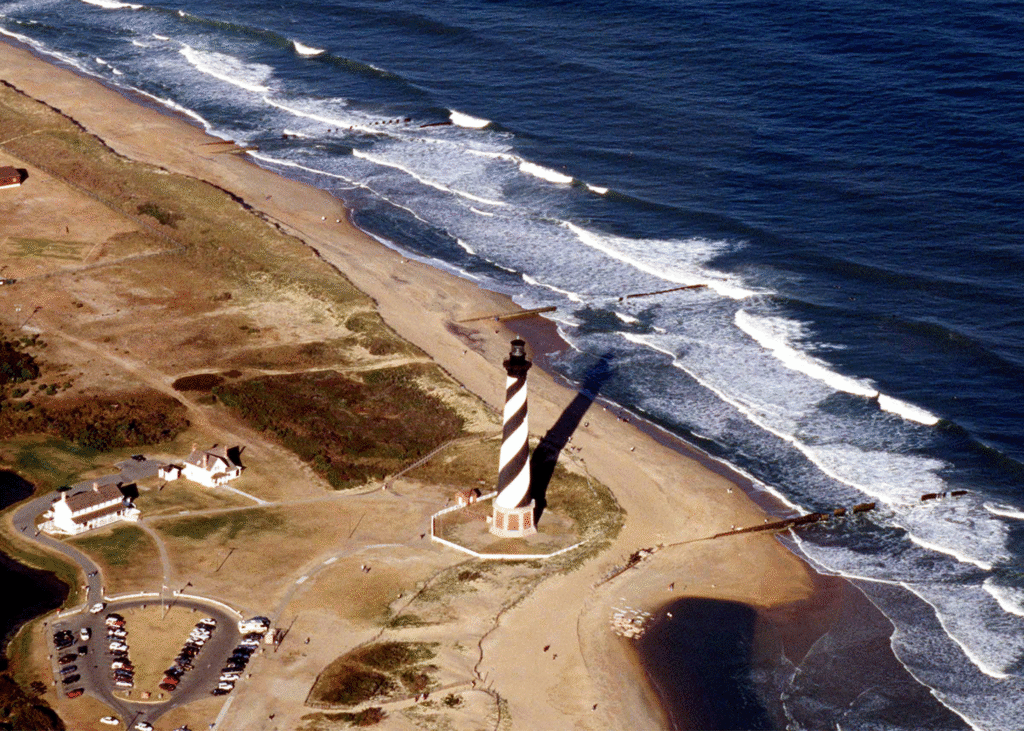
Here, the debate over off-road vehicles and nest buffers has sharpened the central question: what does disturbance really cost a shorebird family? Studies repeatedly show that repeated flushing forces adults to abandon feeding or brooding, thinning the energy margin that chicks need to grow. That’s not abstract; it’s the difference between a chick reaching flight at just the right moment and being pinned by the next storm tide. On busy weekends, your route choice is a conservation decision – tire ruts, kites, and unleashed dogs all shift risk uphill for the smallest residents.
Choose designated corridors, observe any vehicle or pedestrian detours, and pause when you see agitated adult birds calling or feigning injury. Those behaviors are not theater; they’re a red line that says you’re too close.
Jekyll Island, Georgia – People and Birds on a Living Shore

On Jekyll’s wide, gentle beaches, Wilson’s plovers and least terns nest just above the reach of the spring tide, threading the needle between ocean and foot traffic. Local managers rope out temporary colonies and rely on volunteers to decode daily patterns – where birds feed at low tide, where they shelter at noon, where they shift after a squall. Visitors can sync with that rhythm by walking in straight lines along the water’s edge and avoiding the dry, shell-and-drift zone where nests hide.
Carry a simple rule of thumb: if a bird is skittering or calling near your feet, step back until it relaxes and resumes feeding. The calm return to normal behavior is your best confirmation that you’ve given enough space.
Fort De Soto Park, Florida – The Rules Written in Sand
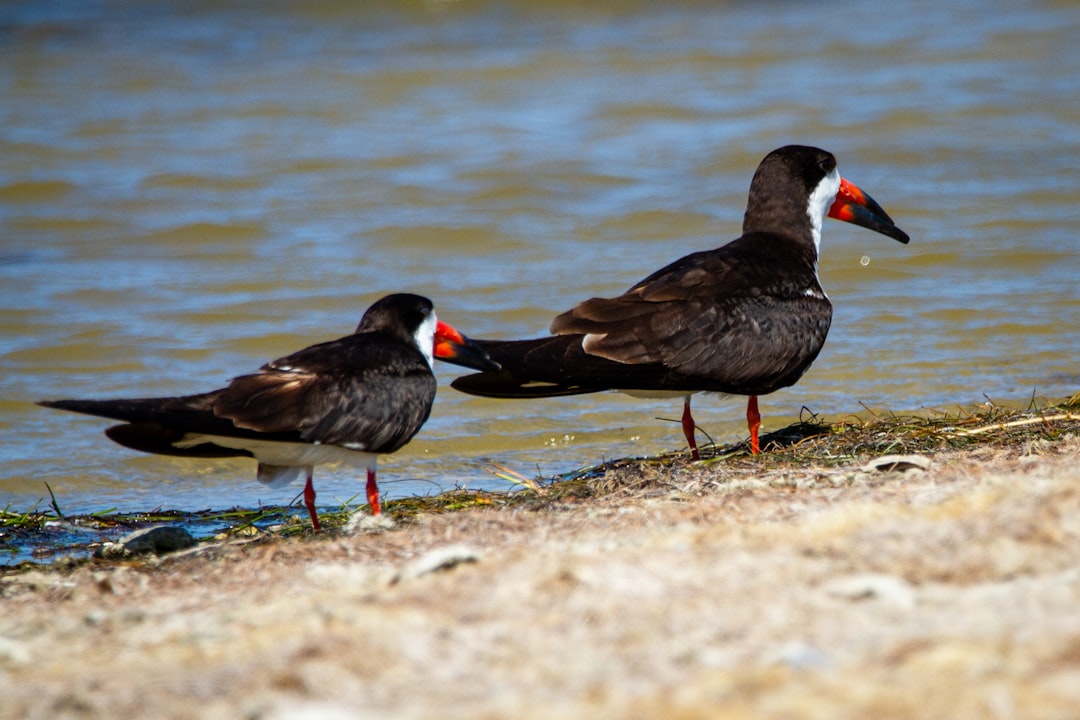
Few places demonstrate coexistence like Fort De Soto, where roped colonies of black skimmers and least terns sit within sight of coolers and beach chairs. Skimmers fly like scissors over the surf at dusk, while chicks rest, camouflaged, on the pale sand; by day, volunteers patrol to explain the stakes in plain language. Keep food sealed, because spilled snacks can build a scavenger swarm that harasses colonies for hours.
Photographers can help by staying low and distant, using longer lenses, and never crawling toward chicks. A single frame isn’t worth the cascade of alarms that ripples through a colony when people creep too close.
Bon Secour National Wildlife Refuge, Alabama – Reading the Wind and the Wrack
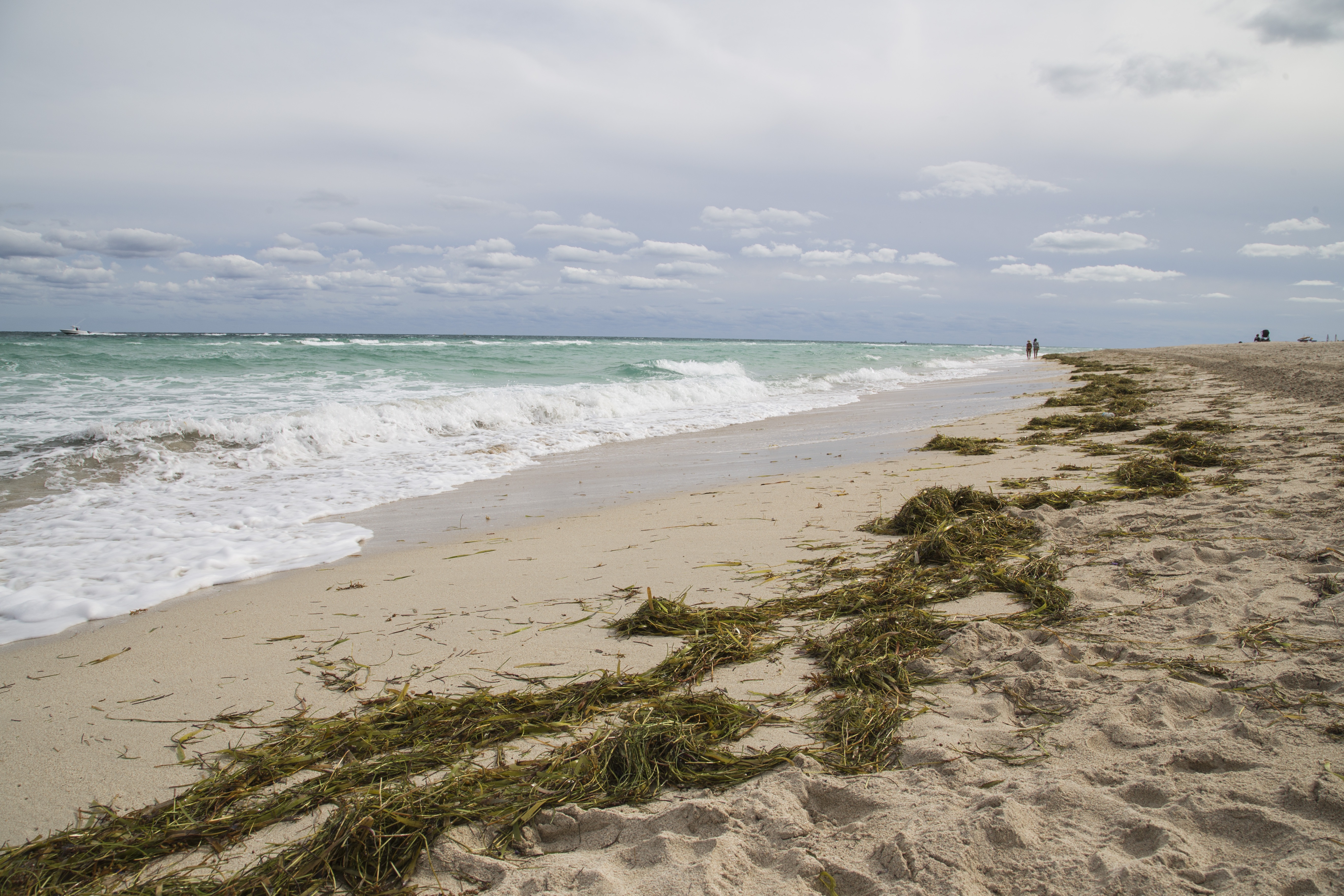
Bon Secour sits at a crossroads of Gulf weather, where a breezy morning can flip to squalls by afternoon, shifting sand and camouflage in minutes. Refuge biologists watch how wind stacks wrack lines, because those lines concentrate insects – the protein stream that fuels chick growth. Visitors can keep that pantry open by leaving seaweed and driftwood undisturbed, even when it looks messy.
Leashes matter doubly here: chasing flocks scatters feeding birds and increases the risk of heat stress when they settle in poor shade. If you see staff working near a posted area, give them room; they’re often adjusting protection in real time to match the day’s wind and tide.
Padre Island National Seashore, Texas – Big Sky, Small Nests
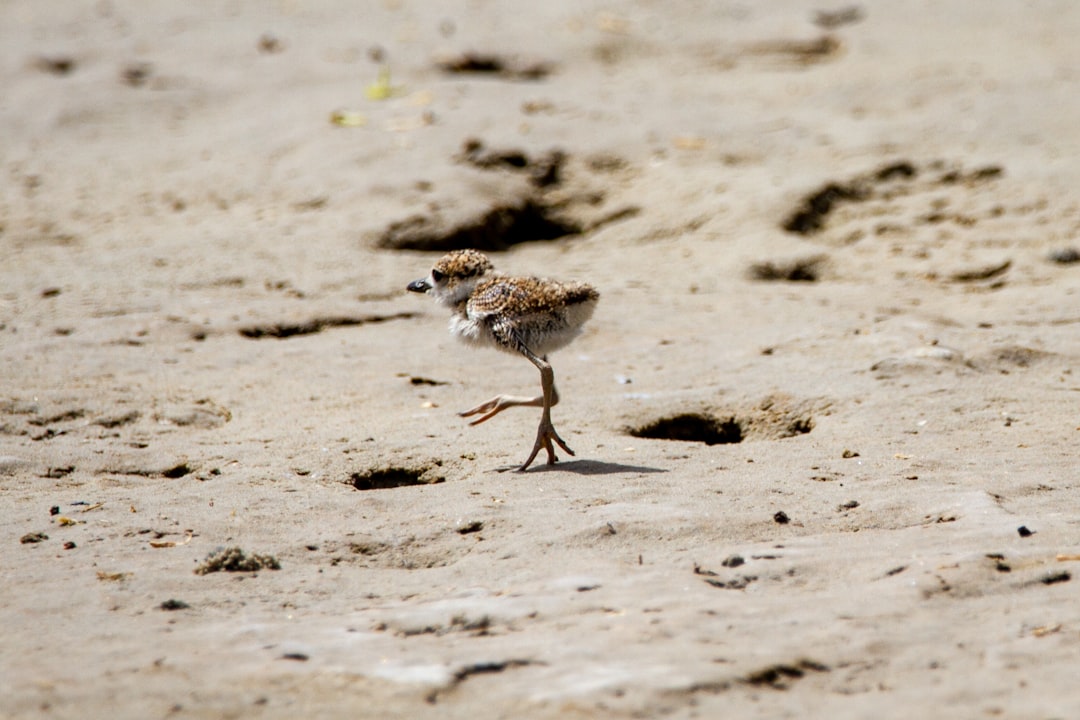
On Padre’s sweeping shore, snowy plovers nest in sparse, open habitat that looks barren until the moment it moves. Vehicle access is part of the park’s culture, and the park’s protections reflect that reality with clear seasonal driving limits and slow-speed corridors. Drivers can be lifesavers by avoiding the upper beach, steering around flocks at the waterline, and never idling beside posted zones.
Walkers should keep an eye out for the tiniest tracks – a chick’s double-dotted sprint – that cross from dune to surf. If you spot them, pause and scan; the bird is likely close by and relying on stillness to stay safe.
Point Reyes National Seashore, California – The Future Landscape
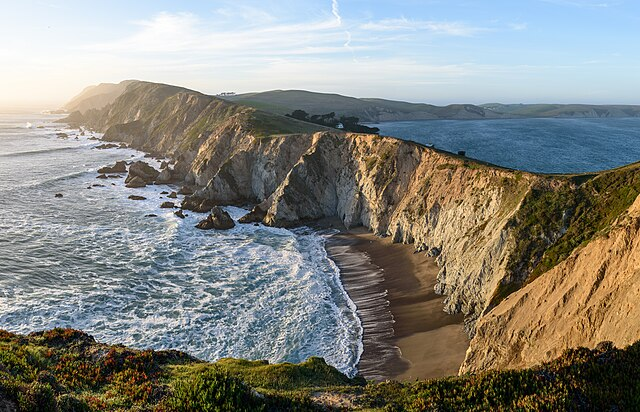
Western snowy plovers stake their nests on open sand spits that are already on the front lines of sea-level rise. Managers here are experimenting with low, biodegradable fencing, wrack retention, and carefully placed drift structures that create windbreaks without trapping wildlife. The research points toward adaptive protection that can shift week to week as storms redraw the map.
For visitors, that means today’s closed section may be tomorrow’s open trail and vice versa. Accept the fluidity as a feature, not a bug, and check current advisories before you walk so your plans flow around the birds instead of through them.
Leadbetter Point State Park, Washington – Storm Lessons and Soft Solutions
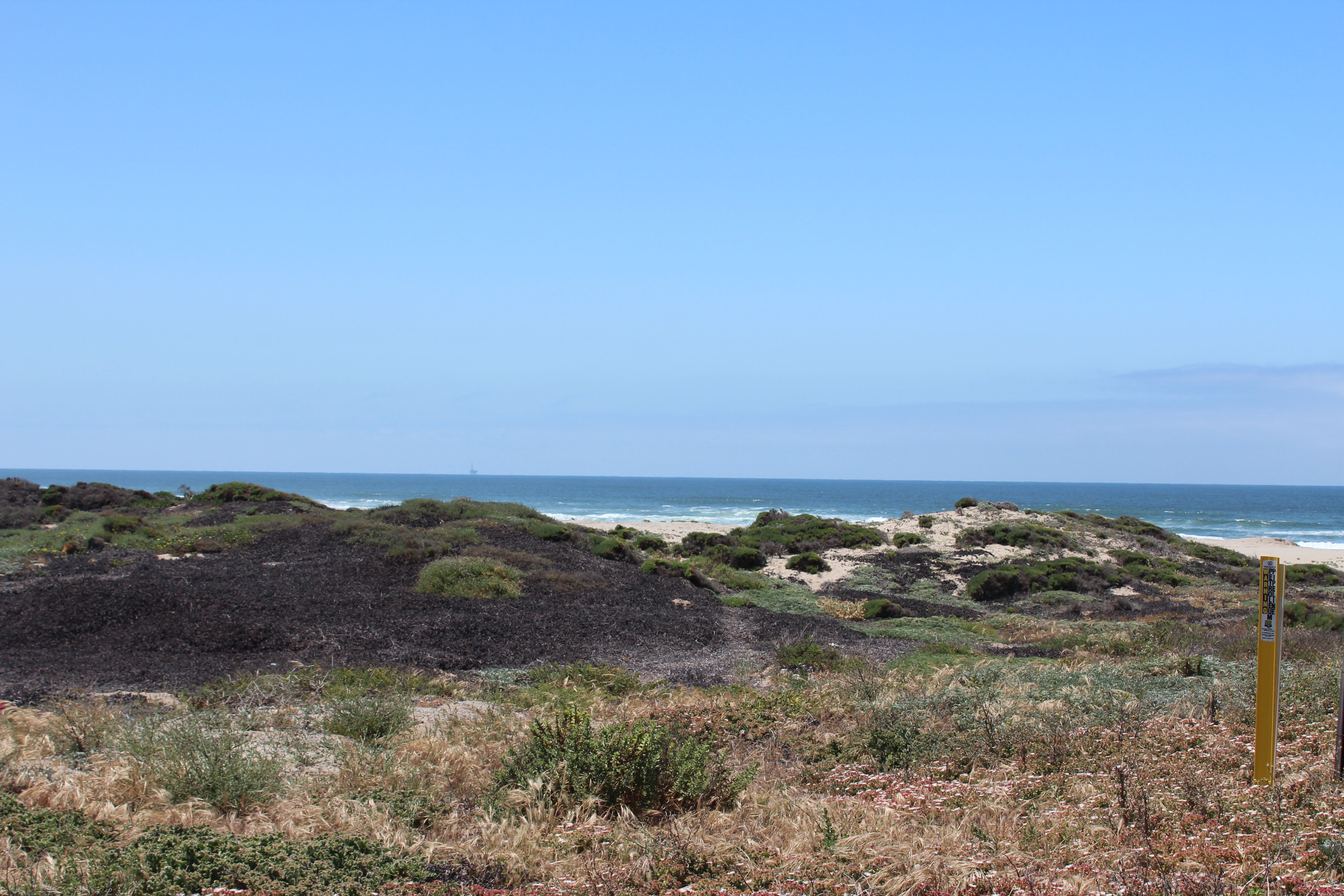
At the wild tip of the Long Beach Peninsula, restoration has focused on giving plovers quiet space and gentle shelter from Pacific weather. Crews use “soft” techniques – strategic fencing, targeted predator control, and vegetation management – to shape microhabitats where chicks can feed without constant alarms. Visitors can amplify that work by avoiding beach grass thickets near posted zones, where hidden nests and chicks often linger.
Think of your route as water finding the easy path: hug the wet sand, cross quickly past any active area, and let your dog explore inland trails instead of the upper beach. Small shifts in footsteps here reverberate through an entire season’s success.
Montrose Beach, Chicago, Illinois – How to Share the Sand Today

The city’s favorite beach became a national case study when piping plovers nested beside volleyball courts, proving that coexistence can bloom in the unlikeliest place. Volunteers set up symbolic fencing and kept watch, while planners moved a music festival and redesigned activities to give chicks a fighting chance. Visitors can mirror that playbook anywhere by treating roped areas as living nurseries and shifting recreation just a bit downshore.
Bring the basics: a leash, a trash bag, and the habit of scanning the upper beach before you settle in. If you spot a scrape, a clutch, or frantic adults, flag a ranger or volunteer and slide your blanket closer to the water; you’ve just turned a beach day into a conservation assist.
Suhail Ahmed is a passionate digital professional and nature enthusiast with over 8 years of experience in content strategy, SEO, web development, and digital operations. Alongside his freelance journey, Suhail actively contributes to nature and wildlife platforms like Discover Wildlife, where he channels his curiosity for the planet into engaging, educational storytelling.
With a strong background in managing digital ecosystems — from ecommerce stores and WordPress websites to social media and automation — Suhail merges technical precision with creative insight. His content reflects a rare balance: SEO-friendly yet deeply human, data-informed yet emotionally resonant.
Driven by a love for discovery and storytelling, Suhail believes in using digital platforms to amplify causes that matter — especially those protecting Earth’s biodiversity and inspiring sustainable living. Whether he’s managing online projects or crafting wildlife content, his goal remains the same: to inform, inspire, and leave a positive digital footprint.