Every autumn, North America’s monarch butterflies fold a continent into a living map, pouring south in shimmering currents that locals call sky rivers. The journey reads like a mystery story with scientific footnotes: why this dune line, that prairie ridge, this particular cold front? The drama is real, and so are the stakes, as fragmented habitat and hotter, drier seasons test an ancient route. Yet along key corridors, you can still stand quietly and watch thousands lift like orange confetti on the wind. Here are ten reliable U.S. vantage points – plus the science of why they work and how to witness the spectacle without getting in the way.
Cape May, New Jersey

Here, the Atlantic Coast pinches to a narrow spit, and migrating monarchs funnel south until there is nowhere left to go but over water. On northwesterly winds after a cool front, Cape May Point can pulse with fresh arrivals, the insects streaming along dune lines and roosting in bayside trees by evening. Natural history meets physics: wind drift, shoreline orientation, and a nectar-rich buffet of seaside goldenrod combine to slow and concentrate the flow.
Arrive at first light or the last warm hour before dusk, when roosts loosen and reform, and keep your distance so clusters aren’t jostled off their perches. Stay outside any roped areas, skip flash photography, and let binoculars do the heavy lifting. If the breeze shifts onshore or a storm rolls in, be patient – rivers ebb and surge with the weather, and tomorrow’s front can flip the switch again.
Cape Henlopen State Park, Delaware

Just across the bay, Cape Henlopen acts like a second catchment basin, snagging monarchs that surf the Delaware shoreline. The park’s dunes and military-era observation towers give elevated sightlines, so you can scan for tacking butterflies angel-winging south with gulls and dragonflies.
Watch for the classic migration signs: purposeful flight into a headwind, quick stops on seaside goldenrod, and loose evening roosts on sheltered pines. Respect vegetation by sticking to boardwalks, and keep voices low around clusters; a spooked roost wastes energy it needs for the next leg.
Assateague Island National Seashore, Maryland–Virginia
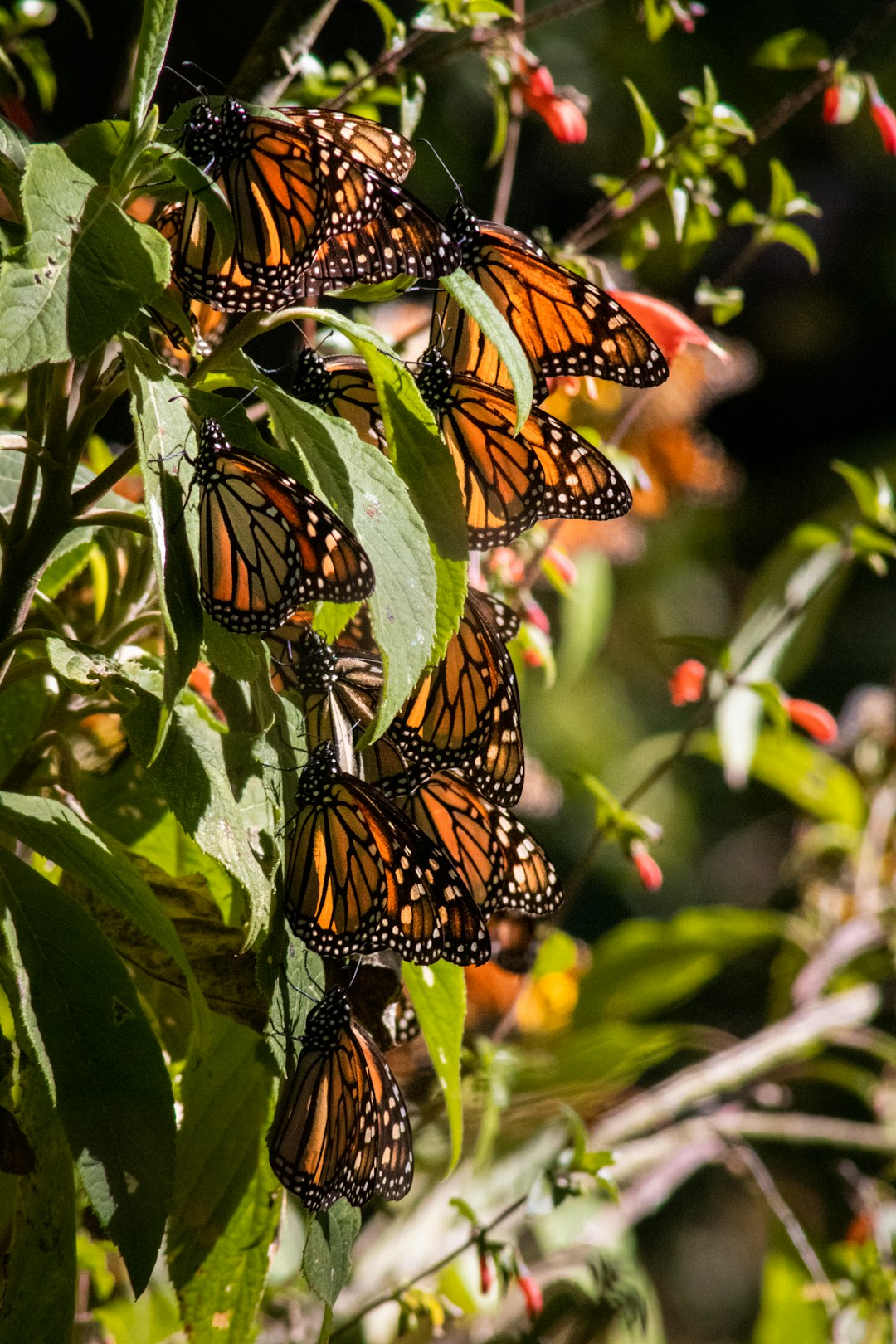
Barrier islands act like conveyor belts, and Assateague’s long, narrow ribbon can steer monarchs for miles along the surf. On crisp October days, look for steady southbound traffic above the wrack line, sometimes mingling with kettles of migrating hawks. The wide beach and maritime forest make it easy to spread out and keep disturbance to a minimum.
Late afternoon often triggers roosting in wax myrtle thickets on the bayside, where shelter and warmth matter as much as nectar. Give roosts a wide berth, and avoid casting shadows over clustered butterflies that are trying to hold heat. If winds howl out of the south, check the leeside trails where monarchs tuck in to wait it out.
Pea Island National Wildlife Refuge, North Carolina
Along the Outer Banks, Pea Island is a classic windgate: thin habitat, long horizons, and the right mix of fall flowers. The same weather systems that pour shorebirds into the impoundments can unleash a visible ribbon of monarchs skimming south.
Use spotting scopes from established overlooks and resist the urge to chase a cluster through dunes. When fronts stall, watch the shelterbelts along NC 12 where butterflies puddle and refuel. A small change in wind direction can shift the lane a few hundred yards, so move your vantage point, not the monarchs.
St. Marks National Wildlife Refuge, Florida

At the Big Bend of Florida, the flyway bends, too, and St. Marks becomes both a staging area and a decision point. On some years, monarchs stack up on the coastal scrub, daubing the landscape with orange before continuing west along the Gulf or cutting inland. Warm, humid afternoons often keep them aloft; cooler evenings pull them into sheltered roosts.
Scan lighthouse groves and salt-marsh edges around sunset, watching for clusters building like leaves where there were none an hour prior. Keep clear of roost trees and let long lenses or phones with binocular-adapters do the work. If a tropical system brushes the coast, expect delays – and then a dramatic release when calm returns.
Tallgrass Prairie National Preserve, Kansas
In the Flint Hills, wind and grass collaborate, guiding monarchs along ridgelines like currents in a green sea. The preserve’s late-season blooms – sunflowers, asters, and goldenrods – form refueling stations that can turn a breeze into a corridor. On cool mornings, watch the lee sides of limestone hills where roosts loosen as the sun burns off the chill.
Prairie is tough but sensitive, so keep to marked trails and avoid trampling seed heads that next year’s monarchs will need. After a sharp cold front, look for big departures by midmorning as butterflies rise and slide south with a tailwind. If the air is too warm and still, activity often shifts toward evening when thermal stress eases.
Tallgrass Prairie Preserve, Oklahoma
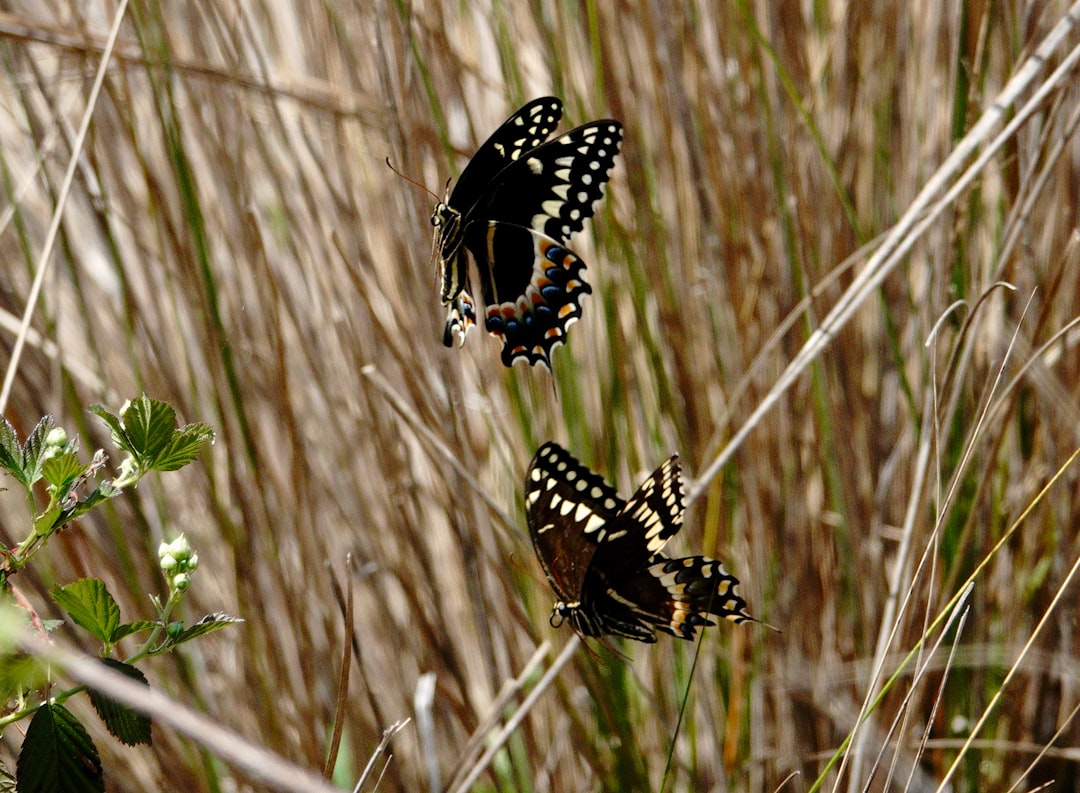
Just over the state line, this sweeping Nature Conservancy preserve stitches together bison country and migration science. Monarchs ride the rolling topography and tank up on late-bloomers, often roosting in cottonwoods that stud creek bottoms. The open vistas make counting passages surprisingly easy, even at a distance.
Plan for variable weather, from hot, gusty afternoons to overnight cold snaps that drop clusters low. Park in designated areas and resist walking into creekside trees when roosts are present. The best shows often follow a blue-sky morning after stormy nights.
South Llano River State Park, Texas
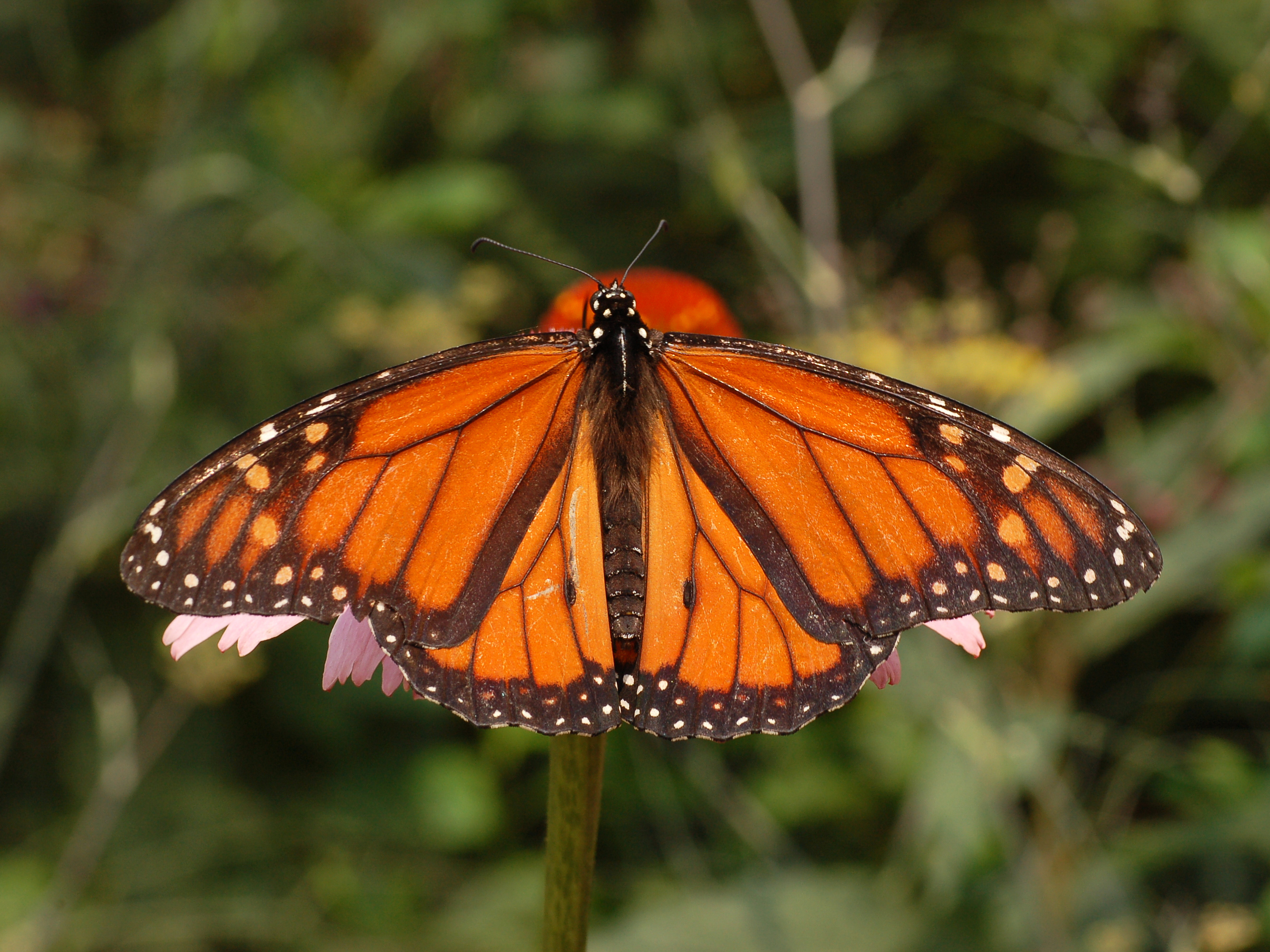
Central Texas is the great funnel, where the continent’s traffic narrows and intensifies before pushing into Mexico. Along the South Llano, monarchs load up on frostweed and nectar-rich gardens, drifting by the dozens – then hundreds – when a front clears. One October evening here, I watched a pecan grove turn from ordinary green to trembling gold in minutes, a quiet transformation that felt like weather made visible.
Stand back from roost trees and keep headlamps off; light and noise can break clusters, wasting fuel reserves. Mornings after the first norther of the season often bring crackling departures into bright skies. If drought has pinched blooms, expect movement to concentrate wherever water and flowers still hold.
Pacific Grove Monarch Sanctuary, California

On the West Coast, overwintering groves are the end of the line, and Pacific Grove is the intimate, walkable icon. Eucalyptus and Monterey pine trap just enough warmth and windbreak to keep monarchs intact through the cool season, while nearby gardens offer nectar on mild days. Numbers fluctuate year to year, but the choreography – tight clusters on cold mornings, soft halos of flight when the sun reaches them – remains mesmerizing.
Follow posted paths and stay behind barriers so branches aren’t jostled; a single disturbance can ripple through the cluster. Afternoons with light sun can trigger short bursts of flight that read like a hush falling upward. Even on quiet days, watch closely and you’ll see micro-movements that tell a story of energy math and survival.
Pismo Beach Monarch Butterfly Grove, California

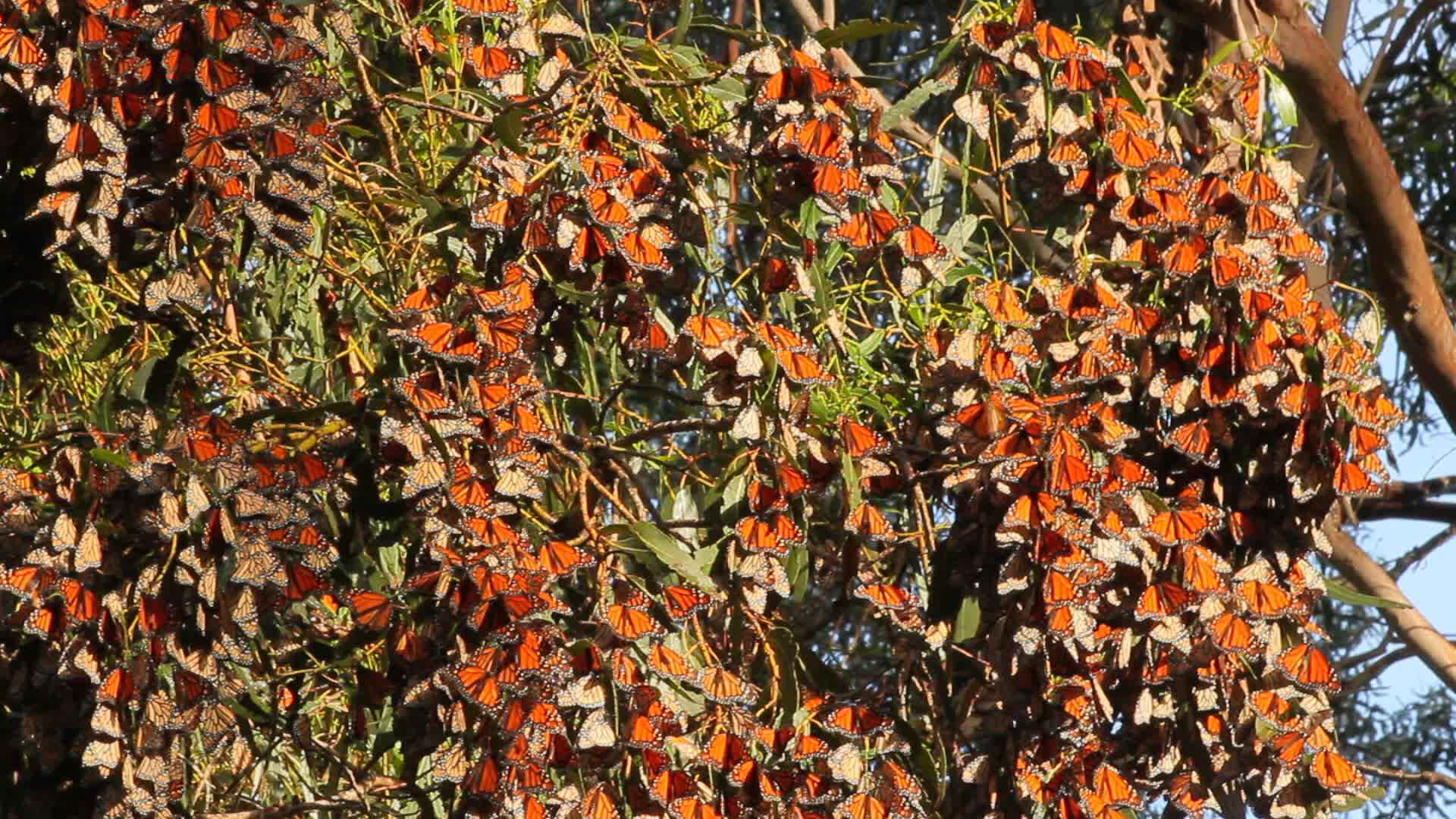
Farther down the coast, the Pismo grove delivers a grand-theater version of the same coastal formula: shelter, warmth, nectar, and calm air. When conditions line up, thousands can hang like living fruit from the eucalyptus, then lift in glittering sheets when the sun finally breaks. Cooler spells cluster the butterflies; warmer, windless windows let them drift and feed along the edges.
Volunteers and docents often post viewing boundaries – honor them and keep conversations low to preserve the stillness. Early winter mornings can be astonishing even without mass flights, revealing the tight architecture of the roost. If fog lingers, check back midday when light and temperature coax motion.
Point Reyes National Seashore, California
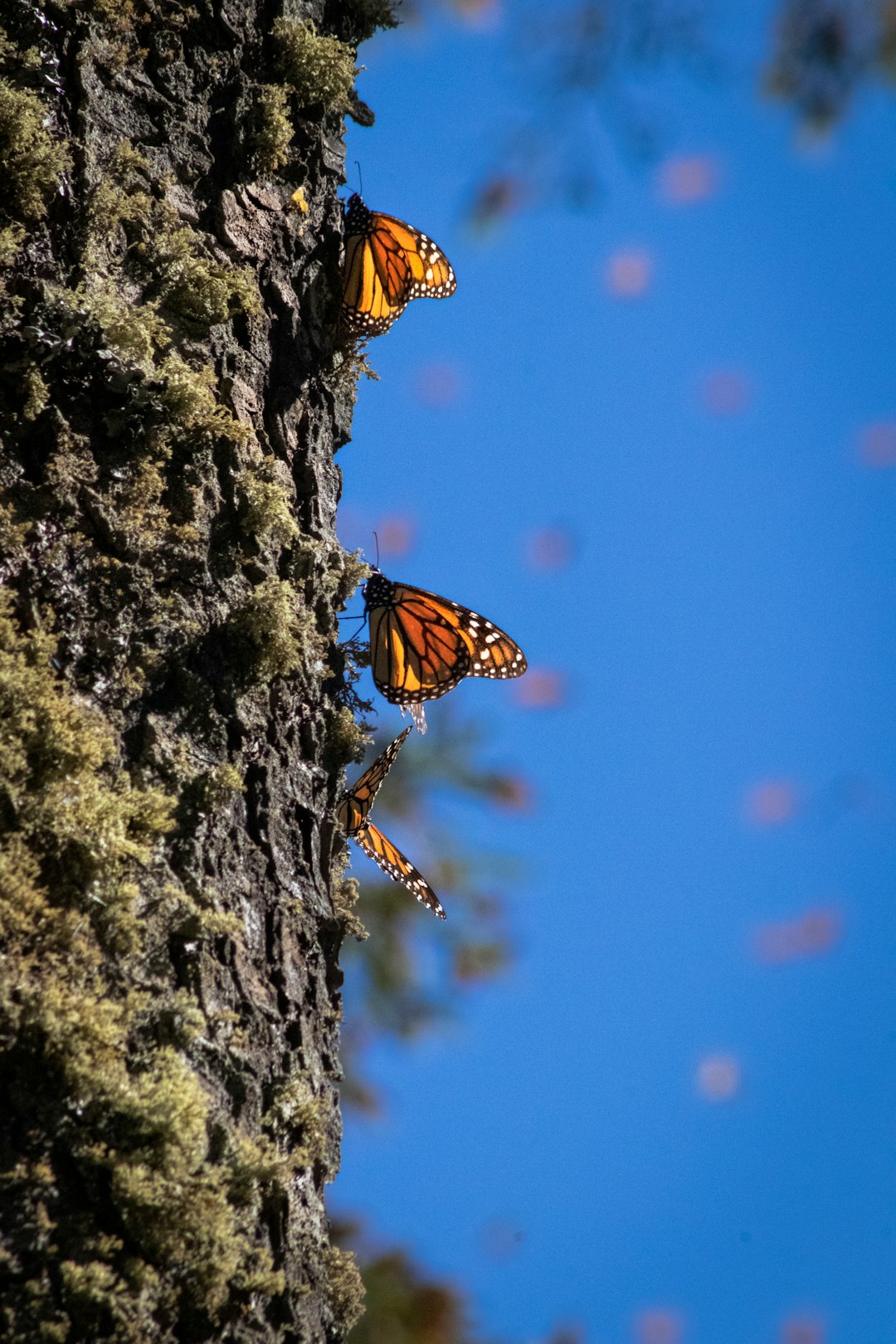
Point Reyes stitches coastal prairie to sculpted headlands, and monarchs stitch themselves to that same seam. Pocket groves offer protection, and sunny breaks between fog banks can spark sudden motion, sending orange flecks sailing over chaparral like sparks off a campfire. The patchwork of microclimates here mirrors the butterflies’ needs and explains why they return.
Stick to signed overlooks and keep pets well away from roost areas, which can be tucked closer to trails than you think. If wind roars off the Pacific, scan the leeward slopes and sheltered valleys for calmer air and nectar. The best days are rarely the warmest – look for cool, bright mornings after a marine-layer retreat.
Monarch sky rivers are not accidents; they’re the visible trace of corridors – shorelines that guide, prairies that feed, and tree canopies that buffer cold. Each site above works because geography and weather conspire to concentrate flight, turning a diffuse migration into something you can feel in your chest. To keep witnessing this, tread lightly: stay on trails, hold back from roost trees, use long lenses instead of flashes, and let the butterflies keep their energy for the miles ahead. Plant pesticide-free nectar in fall and native milkweed where appropriate, support prairie and dune restoration, and pitch in with community counts when local managers invite it. In a season measured in wingbeats and weather fronts, your patience and care matter more than you might think – what will you notice first when the sky starts to flow?