
The night sky is vanishing faster than most of us realize, and with it goes a quiet, ancient way of finding our place in the world. Yet in the United States, a network of dark-sky parks still guards the Milky Way like a secret library after hours. Pair that reality with the timeless symbolism of the zodiac, and a curious question emerges: which landscapes best fit each sign’s elemental energy? Astronomers measure darkness in meticulous ways, from satellite data to handheld meters, while stargazers weigh something harder to chart – mood, meaning, and awe. This is where science meets story, and where an evening under the stars can feel both precisely measured and profoundly personal.
The Hidden Clues
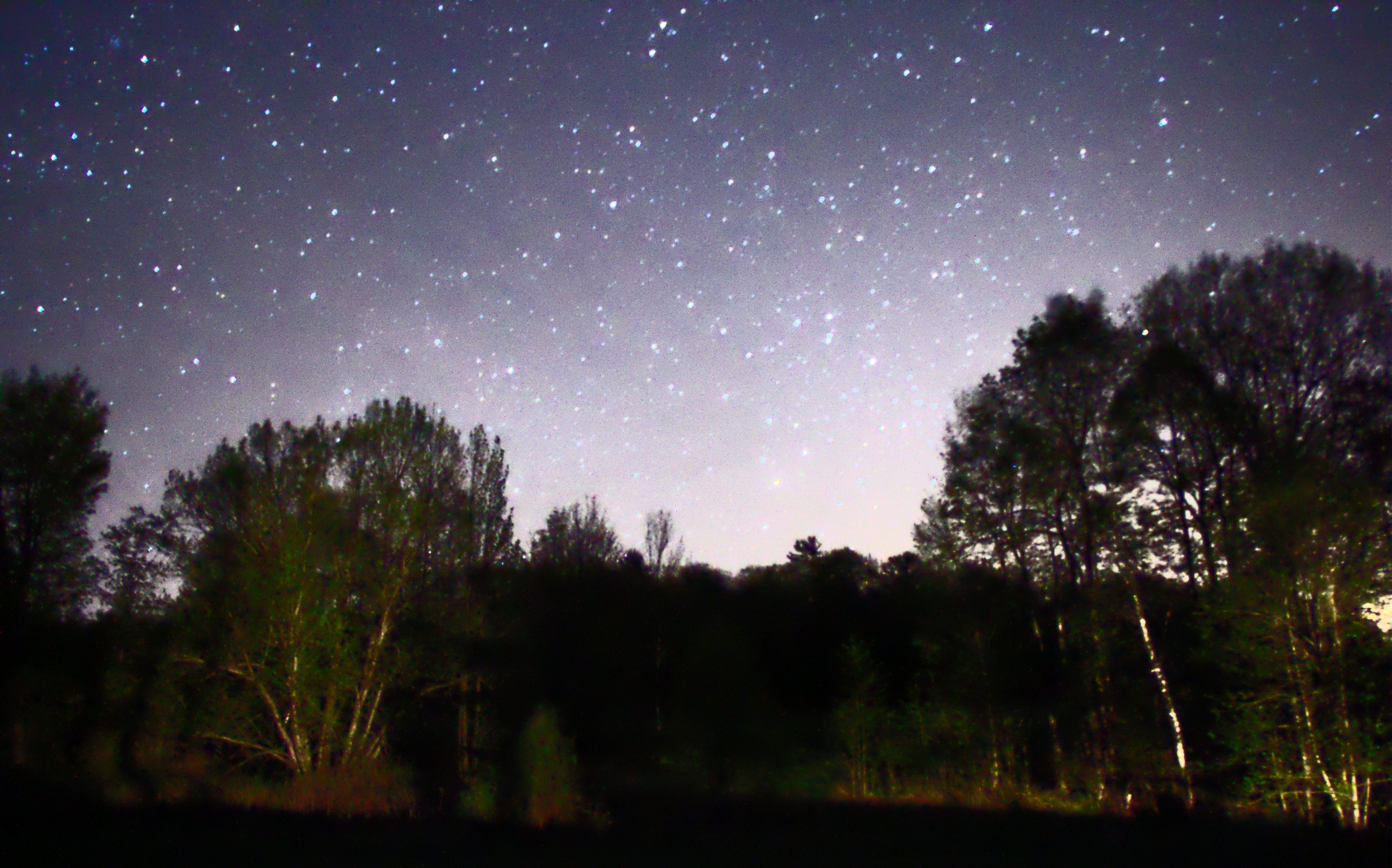
What if the sky you choose shapes the experience you have beneath it? That’s more than poetry; air clarity, altitude, humidity, and light pollution create radically different nights, even when the constellations are the same. A desert with bone-dry air can reveal faint galaxies, while a coastal headland might add ocean haze but deliver a mirror-like horizon and meteor trails skimming the sea. The Bortle scale helps observers gauge how pristine a sky is, from inner-city glow to truly dark rural zones, and field researchers now validate those ratings with calibrated light meters. I still remember a winter at a dark-sky field where my notebook frosted over as the Milky Way snapped into focus, a sharpness that felt almost like high-definition hearing.
Those variables matter when pairing zodiac elements with places. Fire signs often thrive on wide horizons and meteor action; earth signs lean toward geologic drama and steady conditions. Air signs appreciate elevation and crisp seeing, while water signs often prefer shorelines where the night breathes with tides. None of this replaces rigorous astronomy, but it adds a human layer that keeps people returning to the same trailhead at 2 a.m. The right match turns a cold wait into a night you never forget.
Fire Signs: Big Skies for Bold Energy
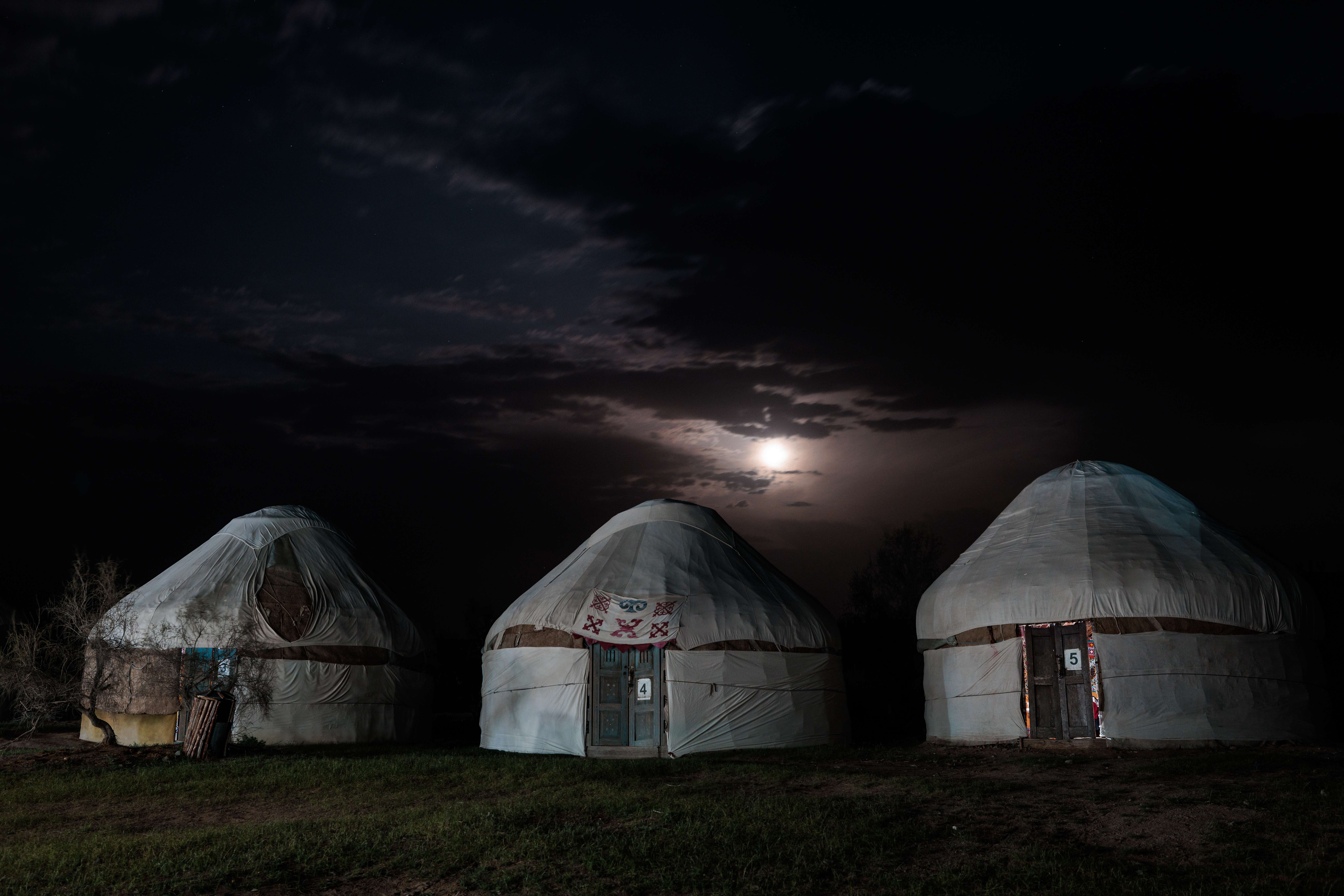
Aries, Leo, and Sagittarius read like a checklist for grand, fearless nights, and the American Southwest answers with swagger. Big Bend National Park in Texas delivers immense horizons, dry air, and some of the darkest skies in the lower forty-eight; it’s the kind of place where the zodiacal light can look like a phantom dawn. Chaco Culture National Historical Park in New Mexico adds archaeology to the equation, folding human time into cosmic time without breaking the silence. For a dramatic, elemental challenge, Death Valley National Park straddling California and Nevada offers stark relief, broad basins, and a feeling that meteors are threading the seams of the earth itself. On summer nights, these parks often host the kind of thermal stability that makes faint nebulosity pop.
The practical science lines up with the persona. Dryness lowers atmospheric scattering, altitude helps transparency, and distance from urban domes keeps the sky background dark. Fire signs tend to chase meteor showers and wide-field Milky Way panoramas that benefit from such conditions. Large-scale formations like the galactic bulge over desert silhouettes feed that hunger for spectacle. Think of it as running toward the horizon and finding it luminous rather than empty.
Earth Signs: Grounded Nights and Ancient Stone
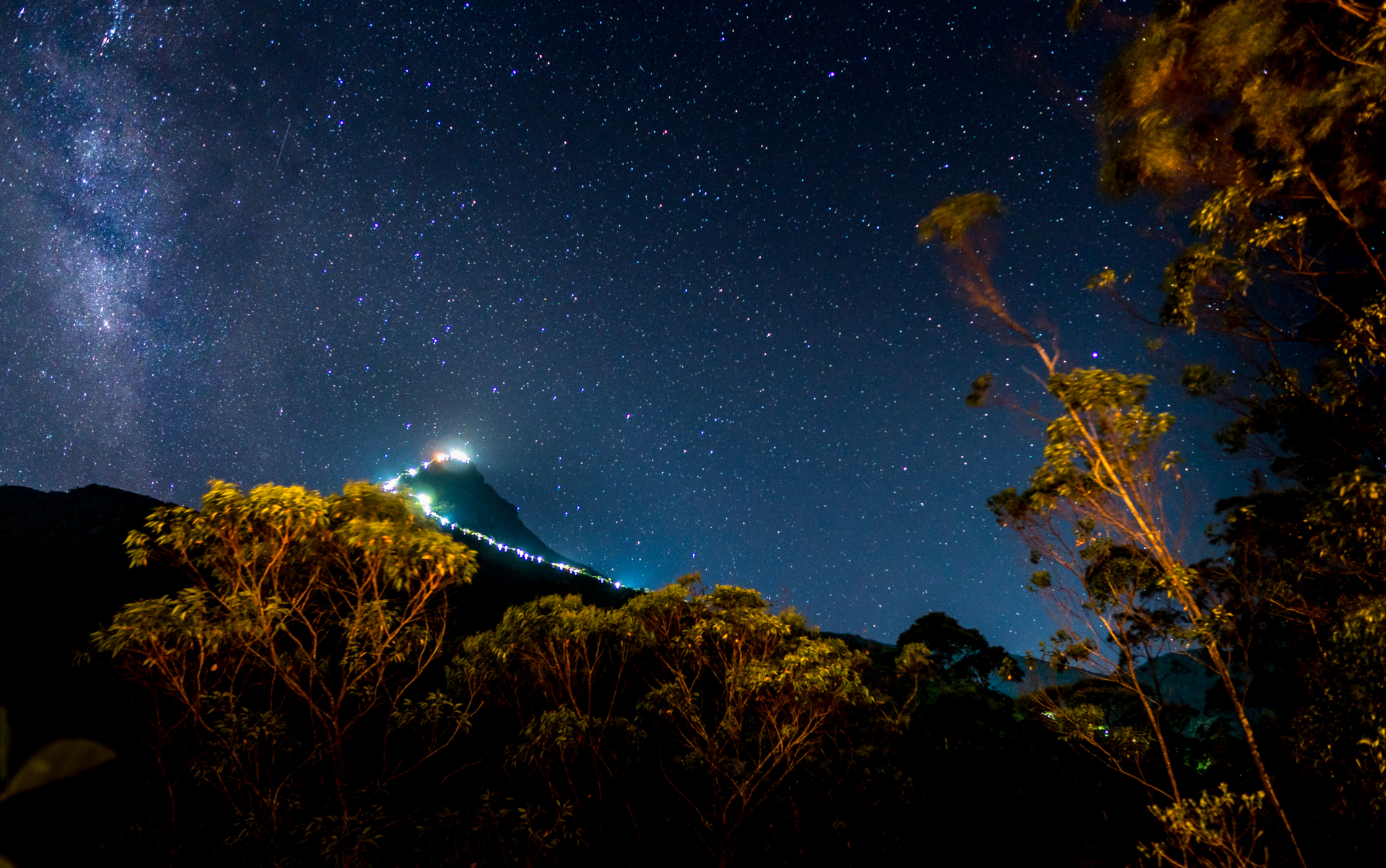
Taurus, Virgo, and Capricorn often prefer places where geology speaks in slow, resonant tones. Great Basin National Park in Nevada marries high-altitude clarity with ancient bristlecone pines, framing constellations against living timelines that measure in millennia. Black Canyon of the Gunnison National Park in Colorado adds abyssal depth, where the river’s dark ribbon echoes the river of stars above. Great Sand Dunes National Park, also in Colorado, provides a textured, minimalist foreground; dunes swallow stray light and the night blooms into a luminous canopy. These landscapes feel steady, as if the earth itself is holding the sky steady for close inspection.
Scientifically, higher elevations reduce the air column you look through, increasing transparency and contrast. Cooler, dry nights often come with stable seeing that rewards patient observation of clusters and small galaxies. Earth signs tend to savor that patience, sketching objects, logging notes, and returning to the same targets across seasons. The payoff is subtle mastery, the way a gardener knows when soil is ready by touch alone. It’s astronomy as craftsmanship, and the craftsman needs the right workbench.
Air Signs: High Vantage, Crisp Seeing
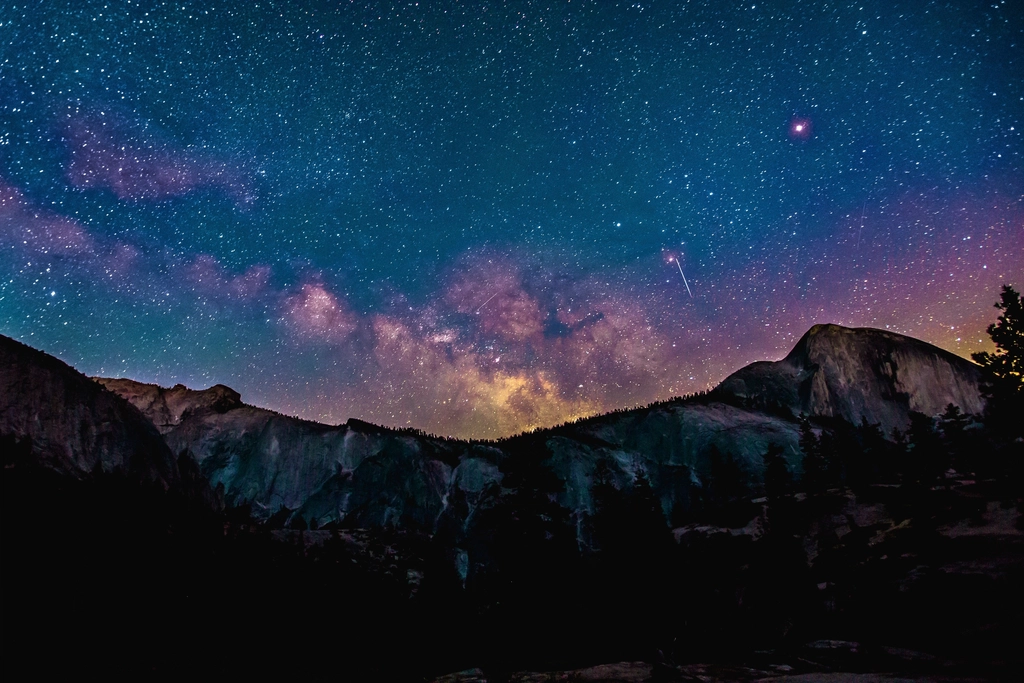
Gemini, Libra, and Aquarius love perspective and pattern, and few places train the eye like high plateaus and clean ridgelines. Bryce Canyon National Park in Utah pairs elevated air with intricate rock amphitheaters that seem carved for stargazing, while Cedar Breaks National Monument offers alpine clarity and a horizon wide enough for tracking satellites and the International Space Station. Grand Canyon National Park provides layered geology and far-flung viewpoints where the Milky Way drops like a luminous waterfall. These are nights made for lining up double stars, testing filters, and spotting structure in bright nebulae.
Air signs thrive when the atmosphere behaves, because crisp seeing lifts detail from the background in a way even beginners can sense. Temperature gradients after sunset can calm at elevation, turning a good night into a great one for planetary views. Skies like these reward binocular sweeps, where pattern recognition makes the constellations feel interconnected rather than isolated dots. It is the joy of synthesis – turning scattered light into a coherent story and then checking that story against what instruments say. When the air steadies, thought steadies.
Water Signs: Reflections, Tides, and Quiet Horizons
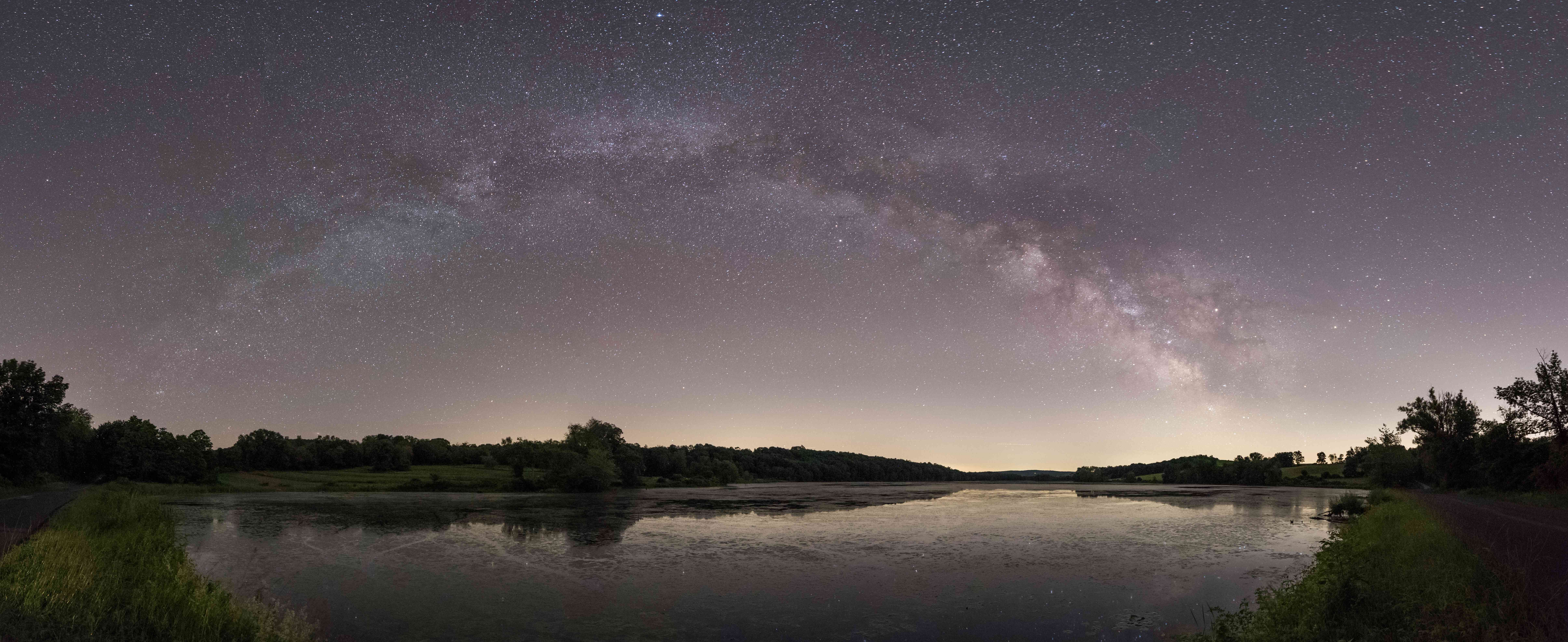
Cancer, Scorpio, and Pisces find kinship where the sky meets water, and the Great Lakes to Atlantic coasts offer unforgettable stages. Headlands International Dark Sky Park on Lake Michigan frames constellations in black water that seems to drink nearby light, heightening contrast for meteor watching. Cape Lookout National Seashore in North Carolina gives long, low horizons where the Milky Way can rise like a lighthouse lamp, and noctilucent-like wisps sometimes haunt the edge of dawn in summer. Acadia National Park in Maine mixes granite headlands with offshore darkness, turning late-season auroras into events that feel both wild and intimate. In these places, the soundtrack matters as much as the optics.
Coastal humidity and haze can blunt transparency, but water signs often trade a little sharpness for atmosphere and reflection. The trick is timing around clear, dry post-frontal nights when transparency spikes and stars pierce straight to the shoreline. Tide charts, dew heaters, and wind forecasts become part of the kit. This is astronomy with a pulse, where waves set the rhythm and faint starlight feels strangely close. The science of optics meets the psychology of place, and the mix works.
Why It Matters
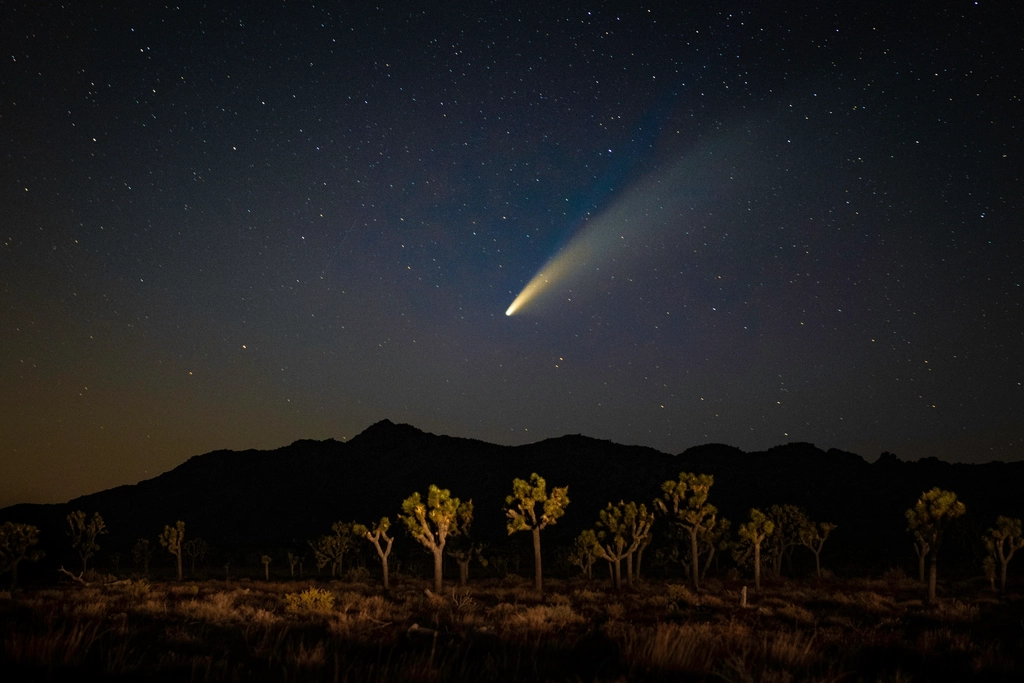
Light pollution has climbed in recent years by roughly 2.2% per year in many populated regions, which means the faintest stars are slipping below the visual threshold for countless observers. Roughly about four out of five Americans no longer see the Milky Way from where they live, a loss that carries cultural and ecological weight. Nocturnal wildlife depends on natural darkness for navigation and feeding, while people rely on true nights for circadian balance and healthy sleep. Dark-sky parks function like living laboratories, where policies on shielding and color temperature can be tested alongside public education. They are also gateways; many astronomers first met the night properly in a park that simply kept the lights off.
Pairing zodiac elements with specific parks is more than a playful prompt; it’s a way to connect different types of people to the science of seeing. Someone drawn by symbolism stays for the meteor shower, the red flashlight etiquette, and a primer on the Bortle scale. Once there, they hear about responsible LEDs, wildlife corridors, and community ordinances that curb glare. Curiosity turns into stewardship, and stewardship helps the data trend in the right direction. The night needs advocates, and advocates often start as enthusiasts.
The Future Landscape
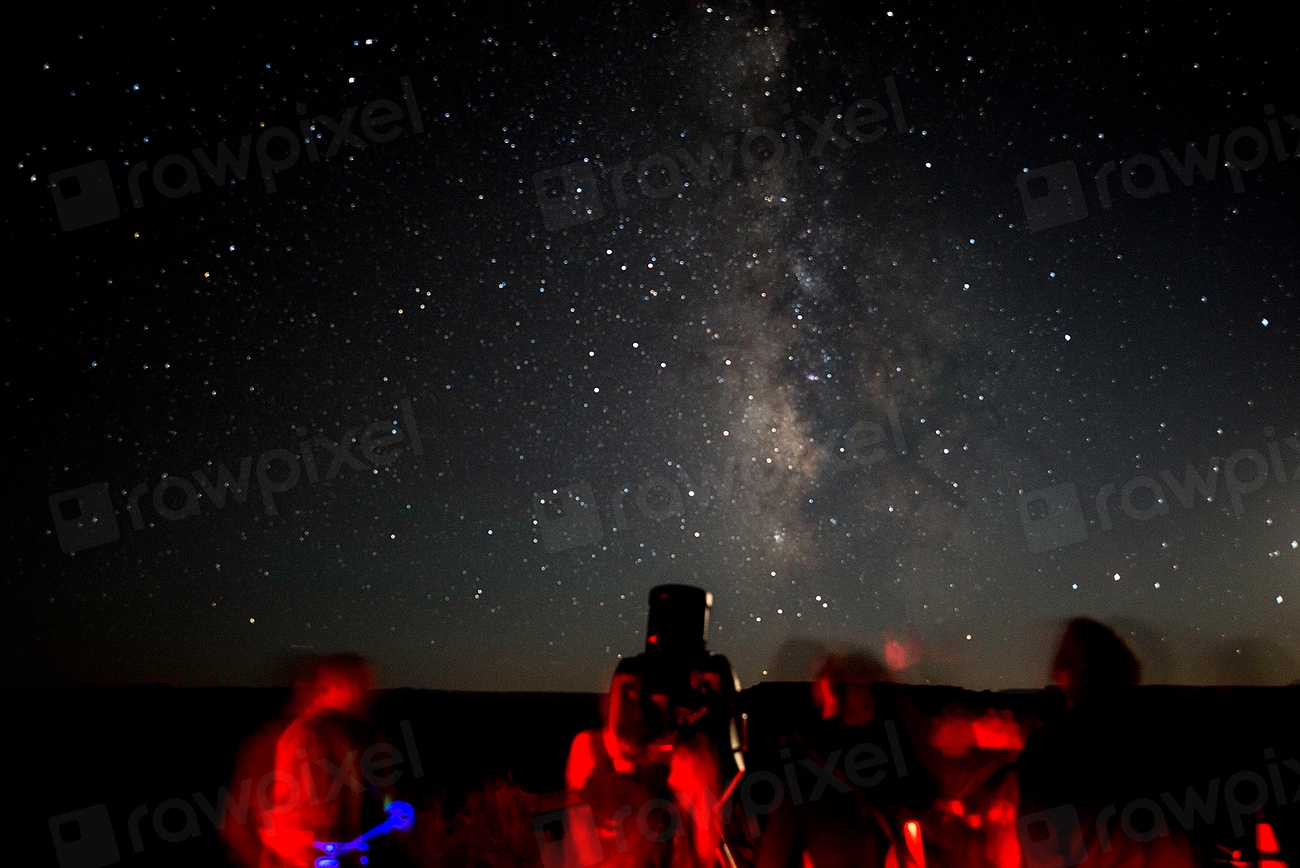
Next-generation lighting can either worsen the glow or become part of the fix. Warm-spectrum LEDs, adaptive dimming, and fully shielded fixtures are already cutting skyglow in forward-looking towns, while researchers deploy sky quality meters and all-sky cameras to track improvements night by night. On the other hand, satellite mega-constellations complicate long-exposure imaging and demand cooperative standards for brightness and orbital management. Parks are responding with targeted outreach, new dark-sky designations, and joint monitoring programs that combine ground sensors with satellite data. The trend is toward smarter nights: lights only where needed, only when needed, and only as bright as needed.
Technology will also bring the stars to more people without diluting the real experience. Portable spectrometers, night sky apps calibrated to local conditions, and citizen science platforms make it easy to log observations with scientific value. With careful policy, even urban centers can reclaim patches of darkness in preserves, rooftops, and waterfronts. If the next decade belongs to precision lighting and collaborative sky monitoring, parks will be the proving grounds. The galaxies are not going anywhere, but our ability to see them is a choice.
How to Join In: A Simple Call to Action
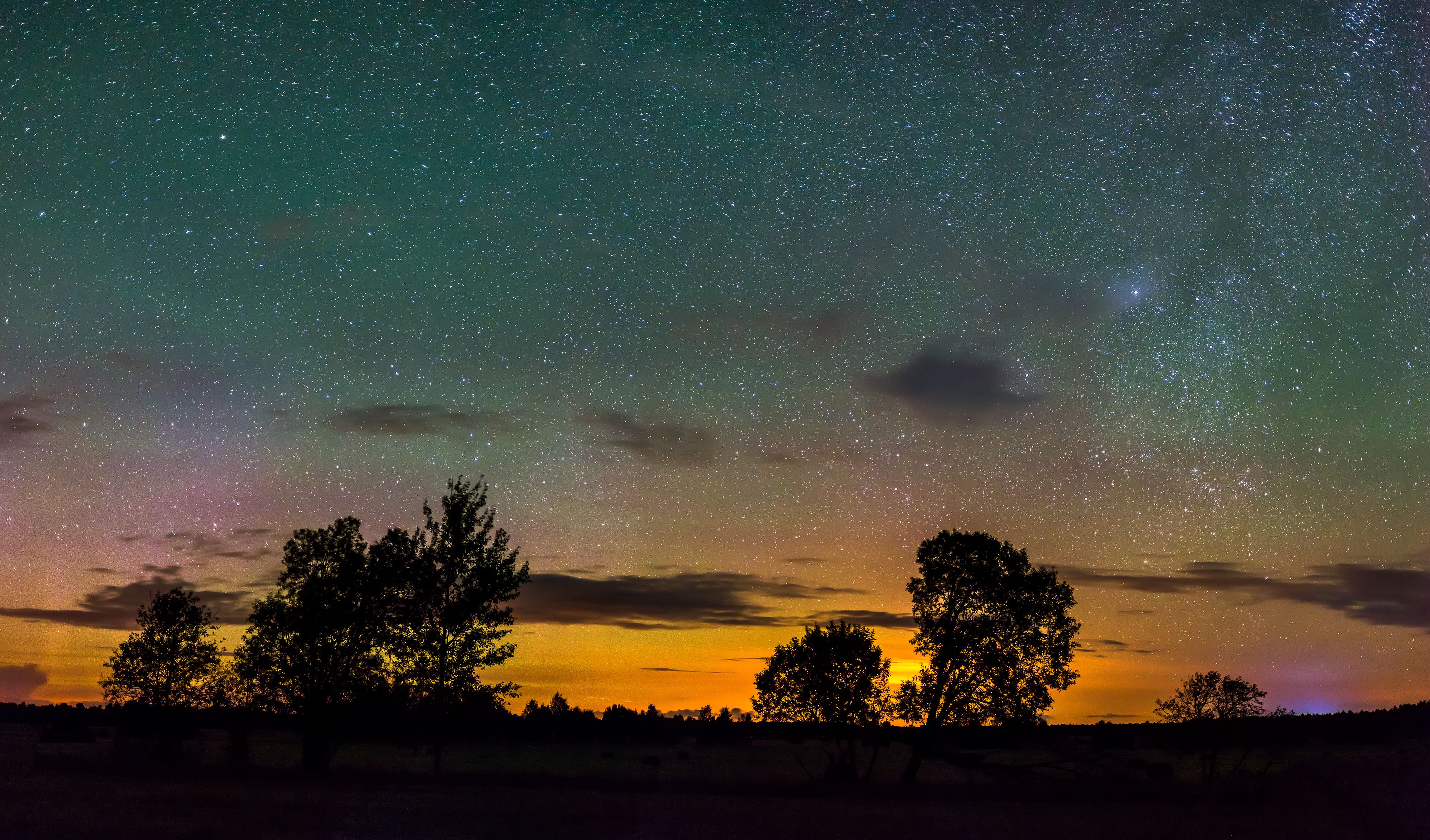
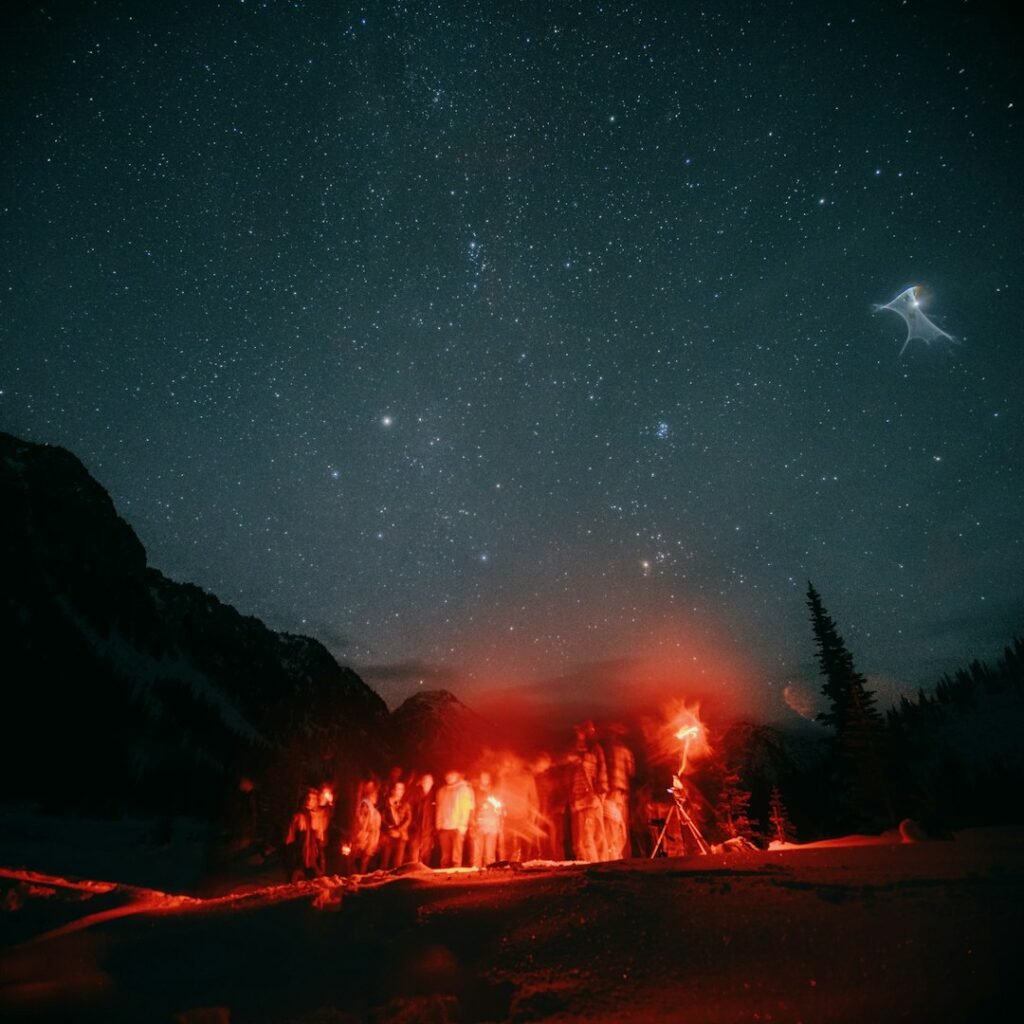
Start by choosing a park that fits your element and your logistics, then check moon phases, weather, and the seasonal height of the Milky Way before you go. Pack a red-light headlamp, layers, and a plan for dew or dust, and learn basic etiquette so your enthusiasm protects others’ dark adaptation. At home, switch to warm, shielded lights and advocate for municipal standards that keep glare out of the sky; a small neighborhood change can reclaim thousands of stars. Support dark-sky programs through memberships, volunteer nights, or citizen-science uploads that help researchers map real progress. Bring friends, tell a story that connects them to the science, and let the night do the persuading – after all, when was the last time you felt truly small in the best possible way?
Suhail Ahmed is a passionate digital professional and nature enthusiast with over 8 years of experience in content strategy, SEO, web development, and digital operations. Alongside his freelance journey, Suhail actively contributes to nature and wildlife platforms like Discover Wildlife, where he channels his curiosity for the planet into engaging, educational storytelling.
With a strong background in managing digital ecosystems — from ecommerce stores and WordPress websites to social media and automation — Suhail merges technical precision with creative insight. His content reflects a rare balance: SEO-friendly yet deeply human, data-informed yet emotionally resonant.
Driven by a love for discovery and storytelling, Suhail believes in using digital platforms to amplify causes that matter — especially those protecting Earth’s biodiversity and inspiring sustainable living. Whether he’s managing online projects or crafting wildlife content, his goal remains the same: to inform, inspire, and leave a positive digital footprint.