By noon in an Arizona July, the desert air can feel like it’s leaning on your shoulders, relentless and shimmering. Yet a blur of emerald and amethyst hums through that furnace as if running on a private breeze. The mystery is real: how do gram‑sized birds keep from overheating where summer days punch past one hundred and ten degrees? Biologists have been piecing together the answer from lab benches, canyon blinds, and backyard feeders, revealing a suite of astonishing heat-management strategies. What looks like delicate magic is, in fact, a rugged survival playbook written in physiology and behavior.
The Hidden Clues: Torpor Nights and Energy Banking
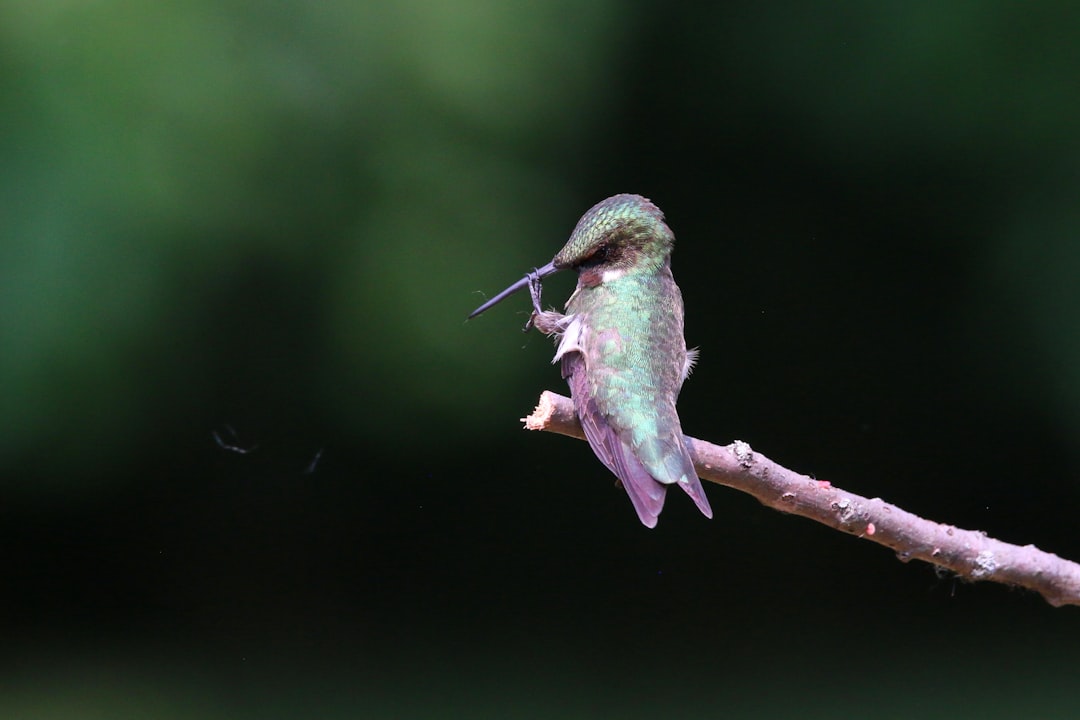
When desert days scorch, Arizona’s hummingbirds cash in their best nightly trick: torpor, a controlled energy-downshift that trims body temperature and slows metabolism. Think of it as switching from highway speed to a quiet idle, the avian equivalent of dimming the lights to save the grid. By dawn, they reboot fast, warmed by first light and a few sips of nectar, ready to face another triple‑digit day with a full energy wallet. This nightly reset isn’t laziness; it’s a precise calculation that preserves water and calories when both are expensive.
I watched a Costa’s hummingbird in the Santa Catalinas do exactly this – silent before sunrise, then suddenly a spark, as if someone tapped the “on” key. In landscapes where nectar flows change with monsoon rhythms, torpor buys resilience, smoothing over feast‑and‑famine swings. The payoff is simple: less overnight burn means more daytime margin to spend on cooling and flight.
From Ancient Tools to Modern Science: Evaporative Cooling Without Sweat
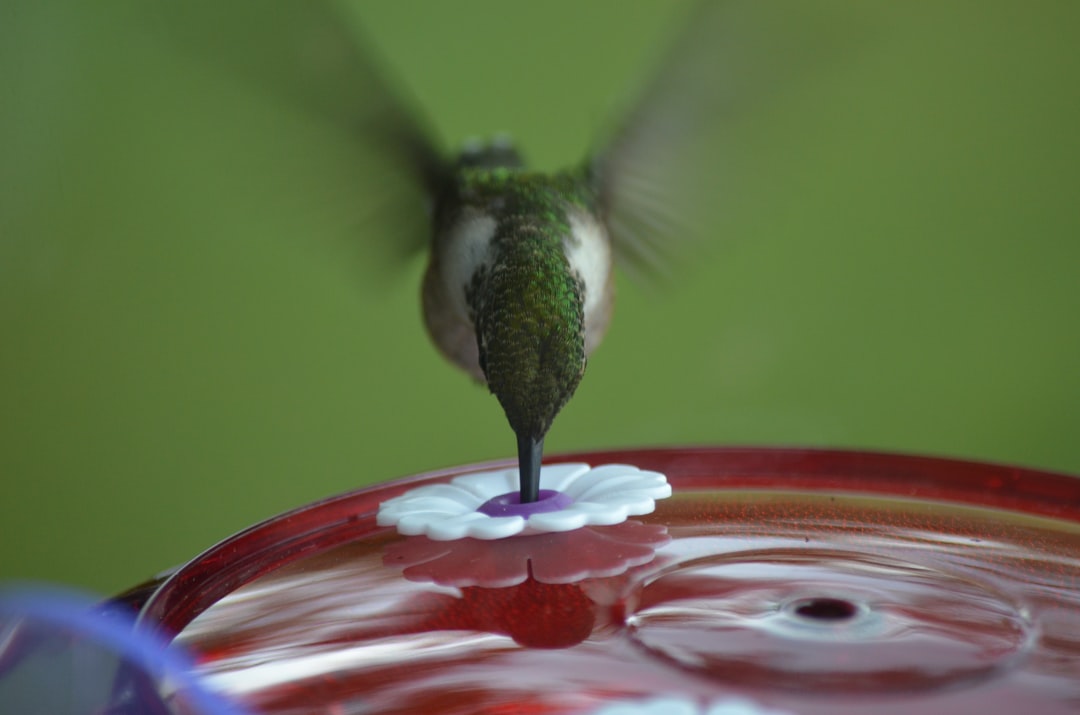
Birds don’t sweat, but that doesn’t leave hummingbirds stranded. As air temperatures climb toward body temperature, these tiny athletes open their bills and ramp their breathing to shed heat via evaporation, while their skin and feather edges leak moisture in a fine, invisible drift. Researchers using thermal cameras have shown that small unfeathered areas – around the eyes and legs – can glow with heat loss when the thermostat spikes. In a pinch, they trade water for cooling, a classic desert bargain that only works if nectar and micro‑water sources are within reach.
Key facts you can picture on a hot patio: – No sweat glands, so cooling relies on respiratory and cutaneous evaporation. – Body mass is measured in mere grams, which means fast heating but also fast heat shedding. – Bills and feet act like tiny radiators; blood flow adjusts to increase or reduce heat dump. Each detail adds up to a finely tuned evaporative engine that keeps hovering possible when the air itself feels molten.
Shade Tactics: Microclimate Mastery in Desert Canyons
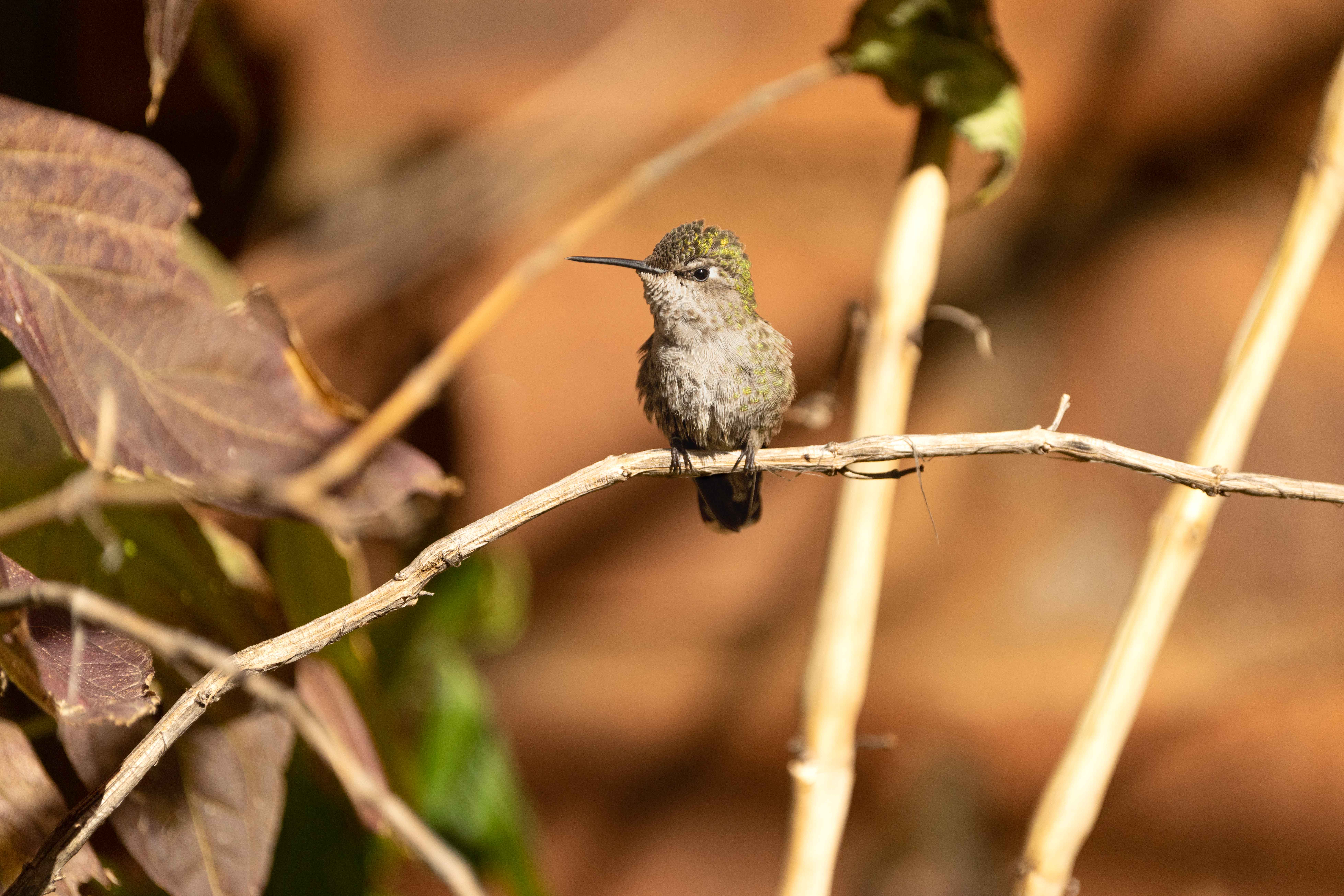
Hummingbirds don’t just endure the heat; they route around it. In riparian ribbons and rocky gullies, they perch in slivered shade, turning their backs to the sun and facing into faint canyon drafts that you and I barely feel. Between feeding bouts, they settle on stems beneath mesquite or palo verde canopies, where the air is a few precious degrees cooler. Midday, activity slows to a hush, a siesta timed to the sun’s harshest angle, before a burst of dusk feeding when the radiation load finally blinks.
Urban birds show similar savvy, orbiting porch misters, shaded feeders, and the cooler air that pools near water features. Even a narrow drip line from a roof can become a micro‑oasis, a place to preen and evaporate safely. It’s not luck; it’s small‑scale meteorology, learned and repeated, flower to flower, yard to yard.
Nectar Alchemy: Water Balance and Fast‑Track Digestion
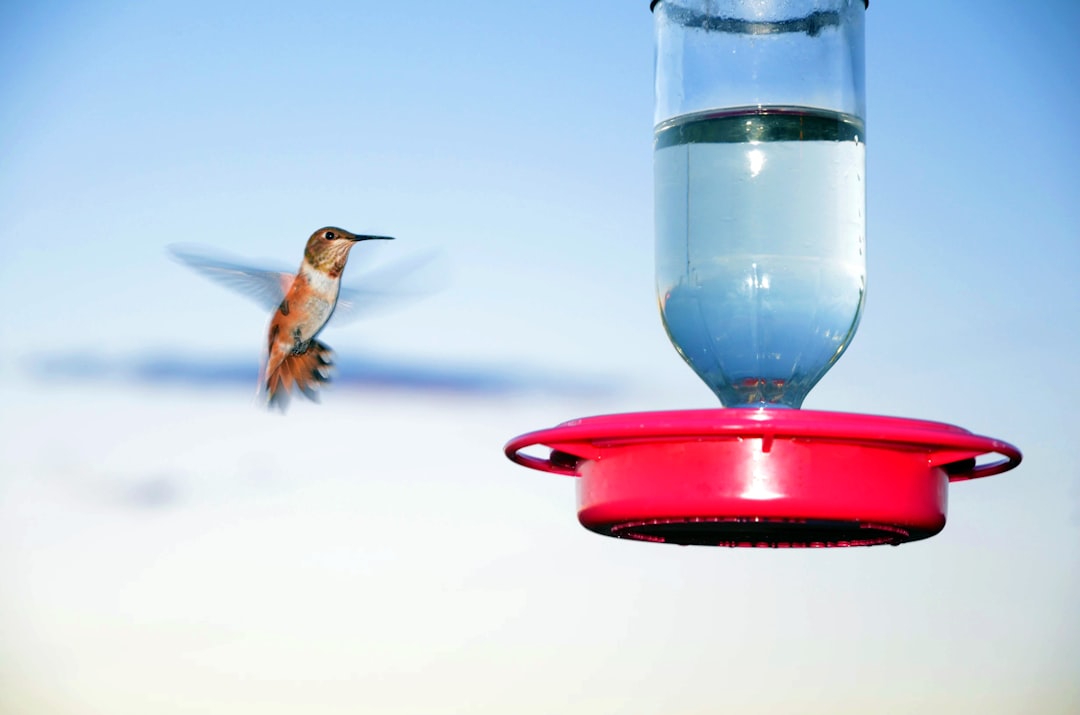
Nectar looks like pure sugar rush, but in desert heat it’s also a canteen. Hummingbirds handle this by processing nectar quickly, routing the water they don’t need straight through while burning the sugars almost in real time to fuel hovering. Their kidneys keep pace, producing dilute waste rapidly so excess water doesn’t become deadweight. That nimble plumbing lets them drink a lot without drowning in it, a balancing act between hydration, cooling, and flight efficiency.
Protein matters too, and insects deliver it with bonus water, especially along monsoon‑damp washes where gnats bloom. When blossoms fade at low elevations, Arizona’s hummingbirds shift uphill or toward late‑season bloomers like agaves and chuparosa, following the wet edges of the landscape. The strategy is elegant: move with the nectar gradient and let physiology do the rest.
Heat Dumping in Plain Sight: Feet, Feathers, and the Air They Stir
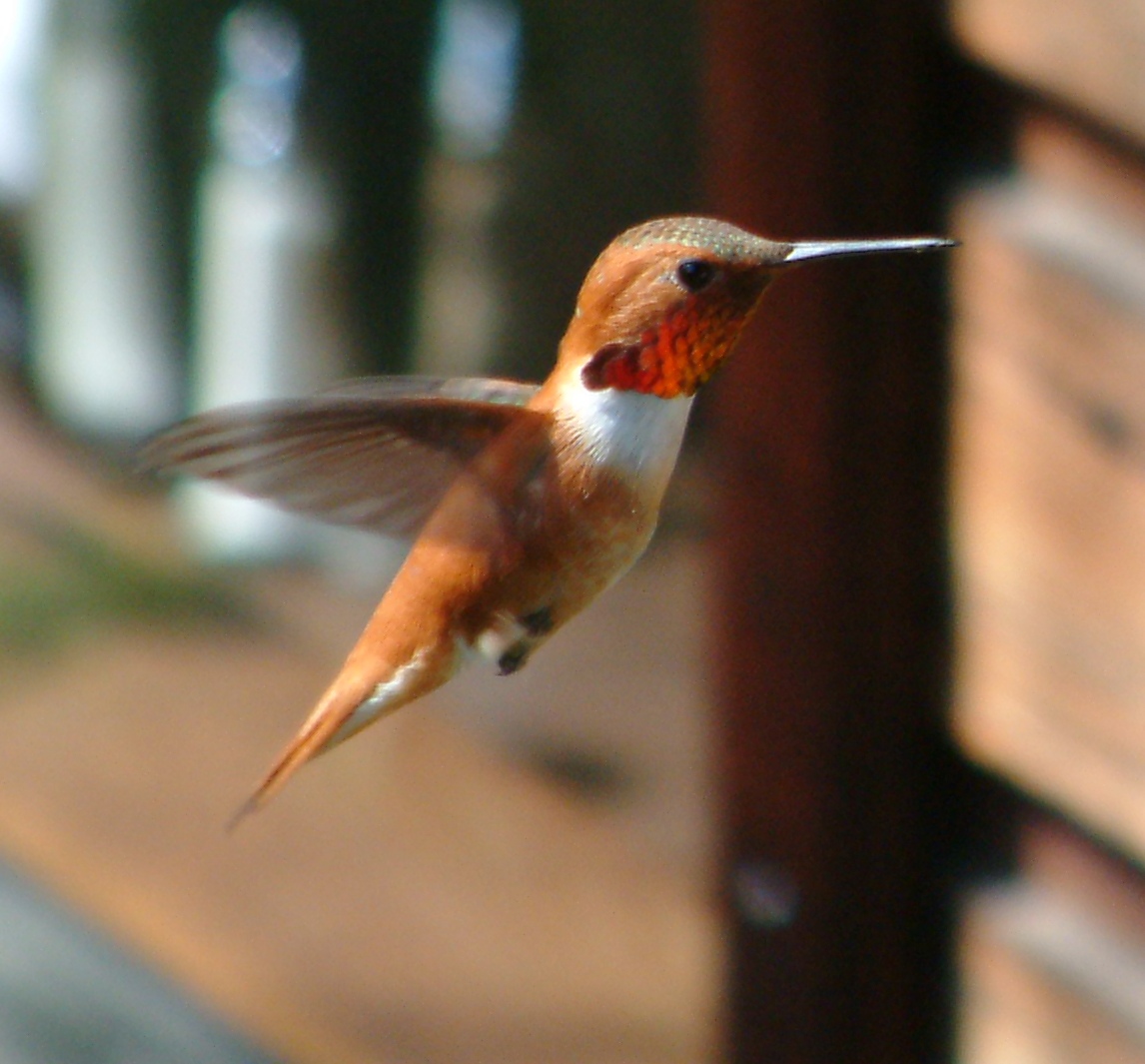
Feathers insulate, but strategic gaps and posture turn them into vents when temperatures climb. Perched birds can relax the body plumage to let air circulate across the skin, while exposing unfeathered legs to offload heat into passing breezes. When hovering, wingbeats generate local currents that scrub warmth from the body’s surface, a tiny wind tunnel built into every flight. Even color plays a role, with iridescent patches reflecting differently as the bird adjusts its angle to the sun.
Watch closely on a brutal afternoon and you may see a bird lift slightly off its perch, hovering just enough to bathe itself in self‑made airflow. Combine that with selective blood flow to the extremities, and you get an agile, on‑demand cooling system. It’s physics at hummingbird scale, powered by sugar and precise timing.
Why It Matters: Heat‑Hardened Pollinators Keep Deserts Alive
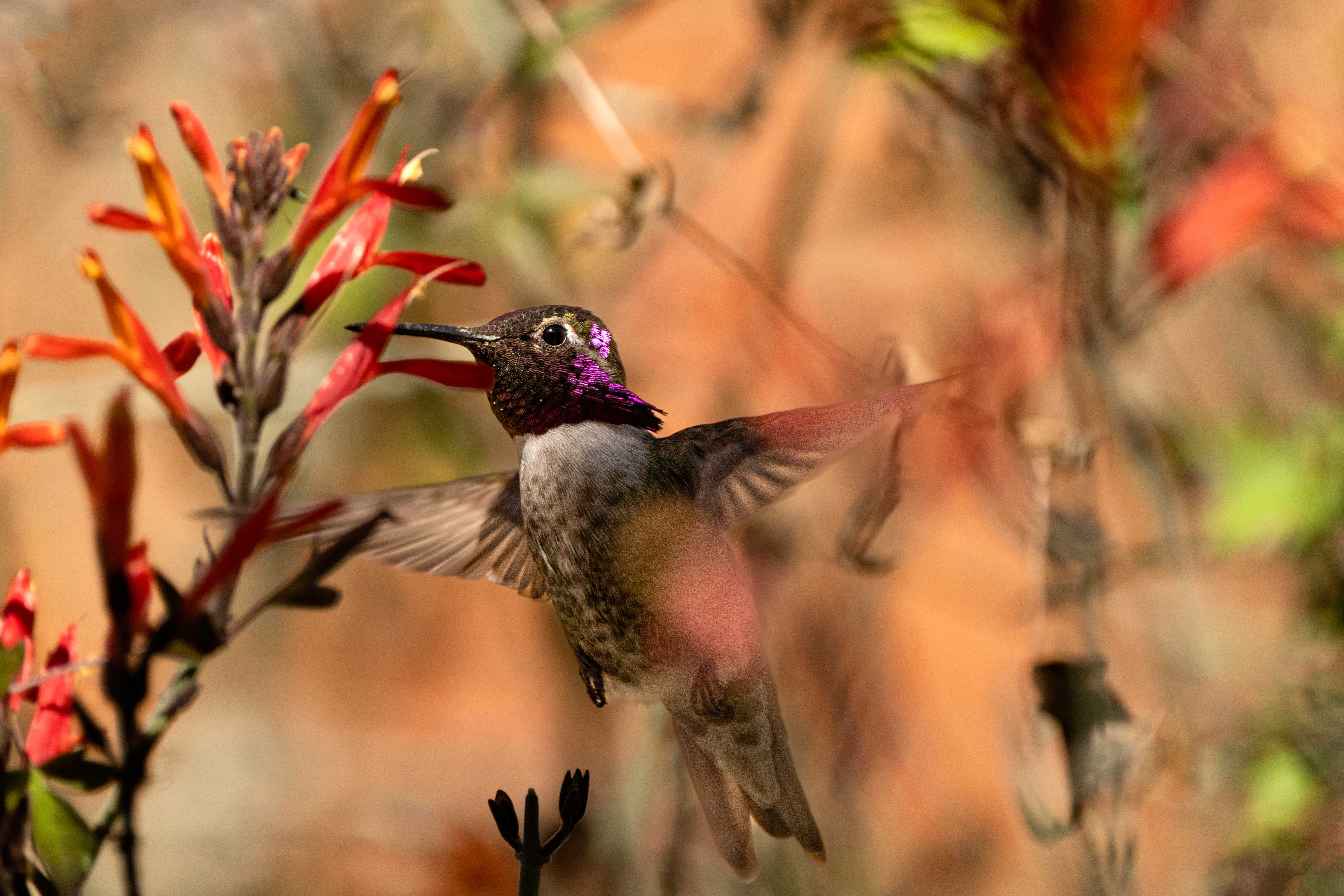
These tricks aren’t party tricks; they stabilize ecosystems. Hummingbirds move pollen for desert icons such as ocotillo, agave, and penstemon, helping maintain plant populations that anchor soils, feed bats and insects, and shade fragile seedlings. Compared with many insects that stall in extreme heat, hummingbirds can keep working a bit longer, bridging pollination gaps during prolonged hot spells. In a Southwest where heat waves now stretch across weeks rather than days, that staying power cushions the system against collapse.
Consider the ripple effects: when nectar plants persist, so do the arthropods that depend on them, and the birds and reptiles that hunt those arthropods. Urban neighborhoods benefit too – flowering yards cool streets and cut heat islands, while resident hummingbirds become ambassadors for native gardening. The survival tricks of a few‑gram athlete echo outward as climate resilience for entire communities.
The Future Landscape: Urban Heat, Monsoons, and Adaptive Flight Paths
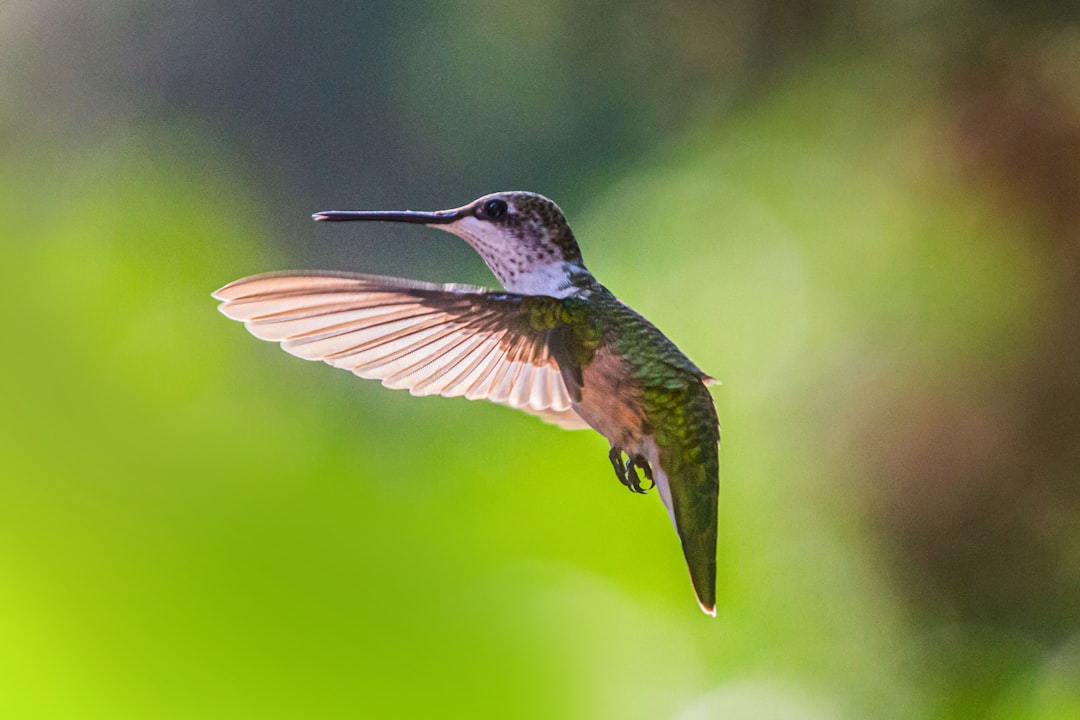
Arizona’s monsoon is changing shape, and so will the hummingbirds’ map. Earlier heat spikes can desynchronize blooms and migration, and late or patchy rains can starve nectar corridors between the Sky Islands and the valleys. Researchers are answering with thermal imaging, lightweight GPS‑adjacent tags, and automated acoustic stations at feeders to track timing, body condition, and local weather in exquisite detail. Coupling those data with high‑resolution urban heat maps shows where tiny oases do the most good.
Citizen science amplifies the signal, turning backyard logs into climate‑behavior datasets that help conservationists place shade trees, choose native plant mixes, and time restoration to real bloom calendars. The big picture is both sobering and hopeful: hotter summers will test these birds, but a mosaic of smart habitats – parks, riparian buffers, pollinator gardens – can stitch together safe passage. In effect, we can future‑proof the flight path.
Human Assist: Backyard Oases as Lifelines
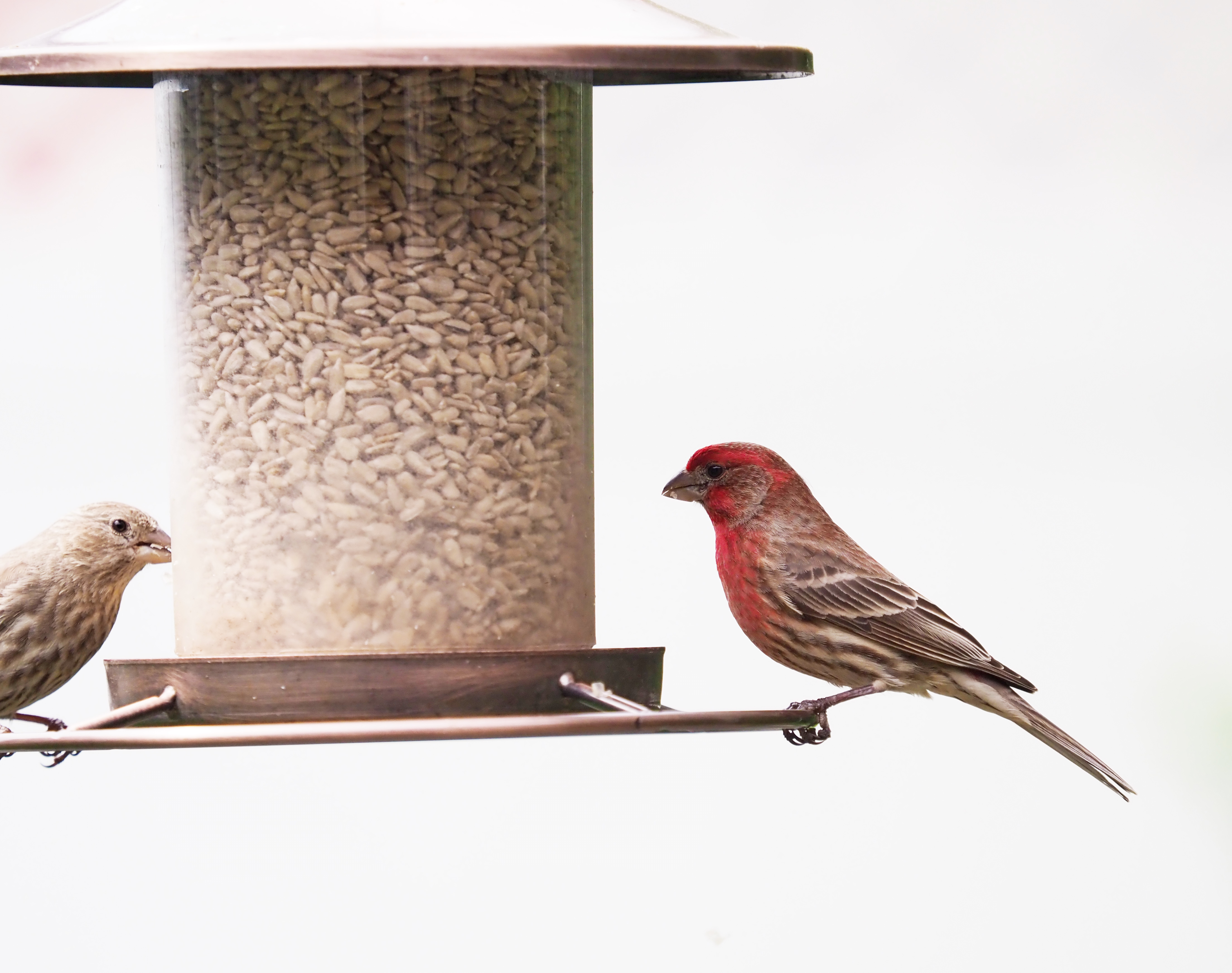
Here’s the last “trick,” and it’s ours to deploy: build cool pockets the birds can use. Plant natives staggered for bloom – chuparosa and penstemon for spring, desert honeysuckle and agave for the long hot middle, autumn sages for the shoulder season. Place feeders in morning shade, refresh nectar frequently, and keep ports clean so heat‑stressed birds aren’t fighting pathogens on top of physics. Add a mister or a shallow drip over stones; moving water cools air and invites safe bathing without drowning risk.
A few simple habits multiply their effect: – Cluster flowers to shorten flight between sips and reduce heat load. – Let some shrubs grow dense to create midday refuge perches. – Keep cats indoors; a shaded feeder is still a hunting blind to a predator. In a week, your yard feels a degree kinder, and in a month, a local route emerges that threads shade, water, and nectar. Small acts, big thermodynamics – did you expect that?