
Along California’s wave-battered edge, a quiet drama is unfolding: a once-shredded kelp canopy is lifting its emerald fronds toward the light, and the heroes are not machines or megaprojects, but sleek predators with whiskered faces. The problem was painfully simple – urchins mowed down forests and left rocky deserts – yet the solution was always complicated by warming seas, lost predators, and shifting coastlines. This year’s research adds fresh clarity, tracing how sea otters rewire the food web and how humans can amplify that recovery without breaking the system. The new work is not just a victory lap; it’s a field guide to resilience, full of surprises, caveats, and hopeful blueprints. If you care about coasts, climate, or the seafood on your plate, the science matters more than ever.
Study 1 – The Hidden Clues
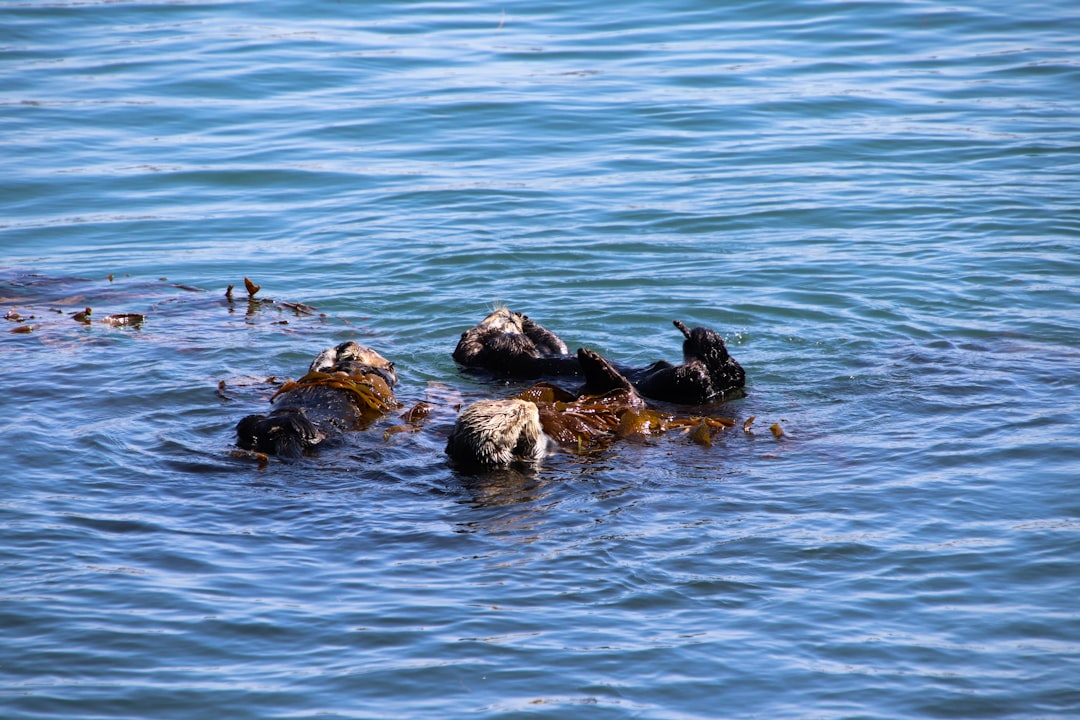
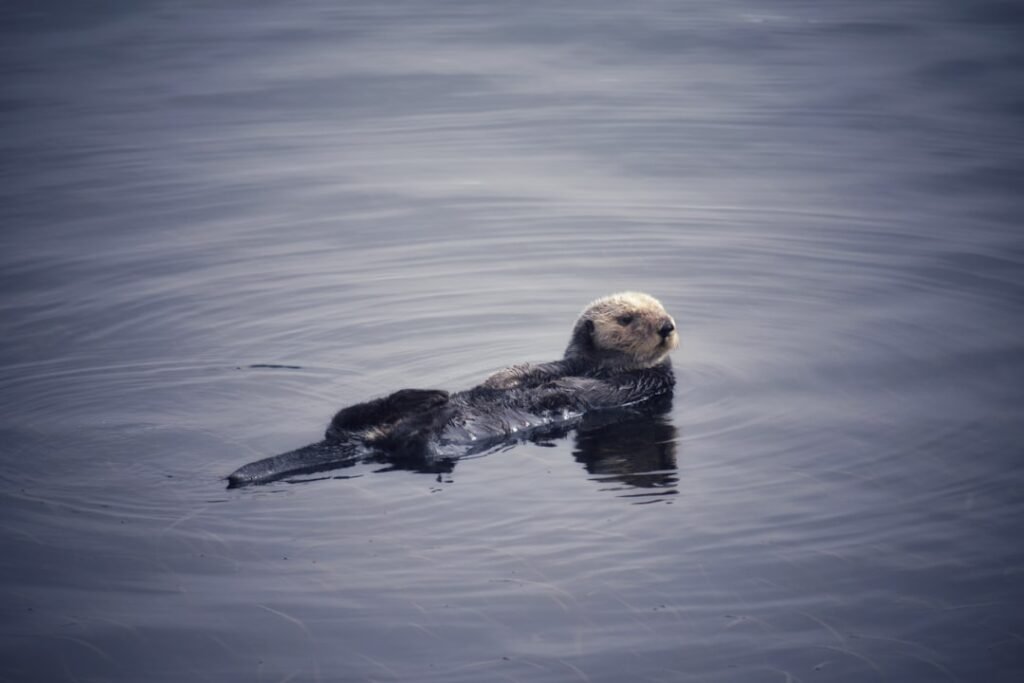
Predators don’t just remove prey; they change what prey dare to do, and this behavioral pressure shows up like fingerprints across kelp reefs. New tracking and feeding observations highlight that sea otters often go after the richest urchins first, the ones fat with kelp, while leaving starved, low-value urchins tucked in crevices. That selective pressure weakens the lawnmower effect, buys the canopy time to rise, and nudges urchins back into hiding instead of roaming across reef flats.
In tide-cracked coves, you can almost read the story in the leftovers: crushed shells near lush kelp, silent crevices where urchins keep their spines tight. The upshot is a subtle but powerful shift from barren to patchy to forested, a recovery shaped as much by fear and foraging economics as by raw appetite. When I first watched an otter pry open a purple urchin like a stubborn jar lid, I finally understood how behavior, not just body counts, rebuilds a forest.
Study 2 – From Ancient Tools to Modern Science
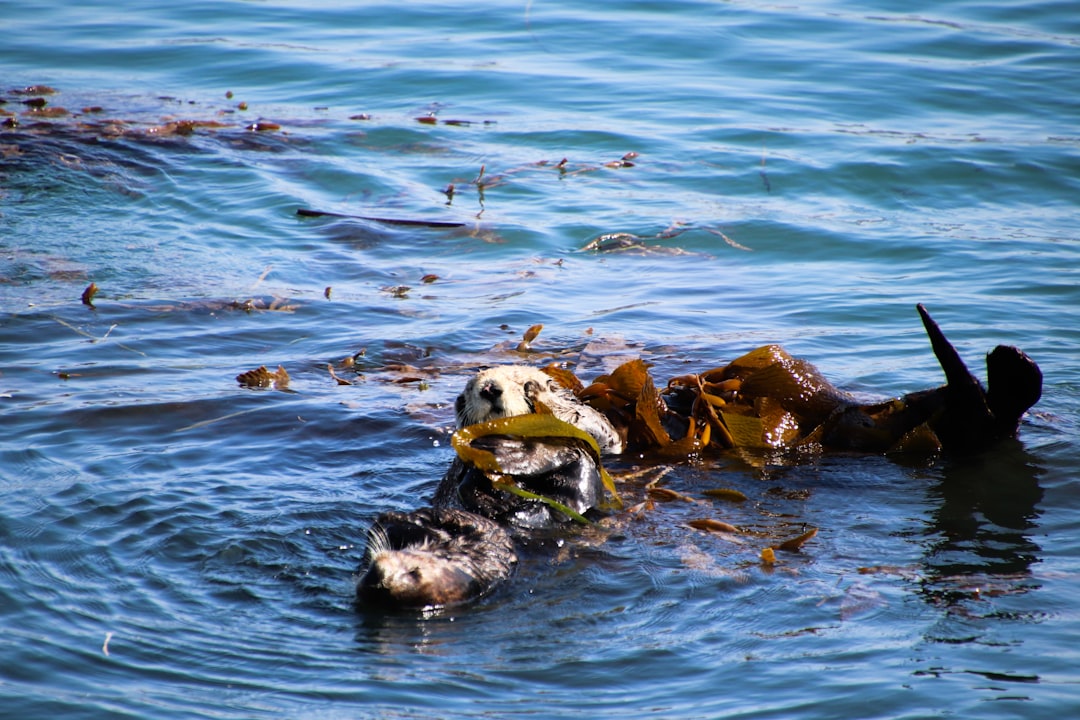
The coastline remembers. Archaeological middens and oral histories reveal centuries of human-otter-kelp entanglement, echoing a time when dense kelp forests buffered villages and fed fisheries. Today’s researchers pair that deep memory with new tools: satellite canopy maps that refresh in days, drones that skim coastal fog, and environmental DNA that turns a mouthful of seawater into a species checklist.
These methods expose fine-grained patterns that old surveys missed, like how a surge channel rebounds weeks earlier than a headland or how a pocket reef becomes a seed bank for recovery. The blend of ancestral knowledge and cutting-edge sensors doesn’t just confirm the otter’s keystone role; it shows exactly where help will matter most, and when to step back and let the food web do the heavy lifting.
Study 3 – On the Front Lines of Kelp Recovery
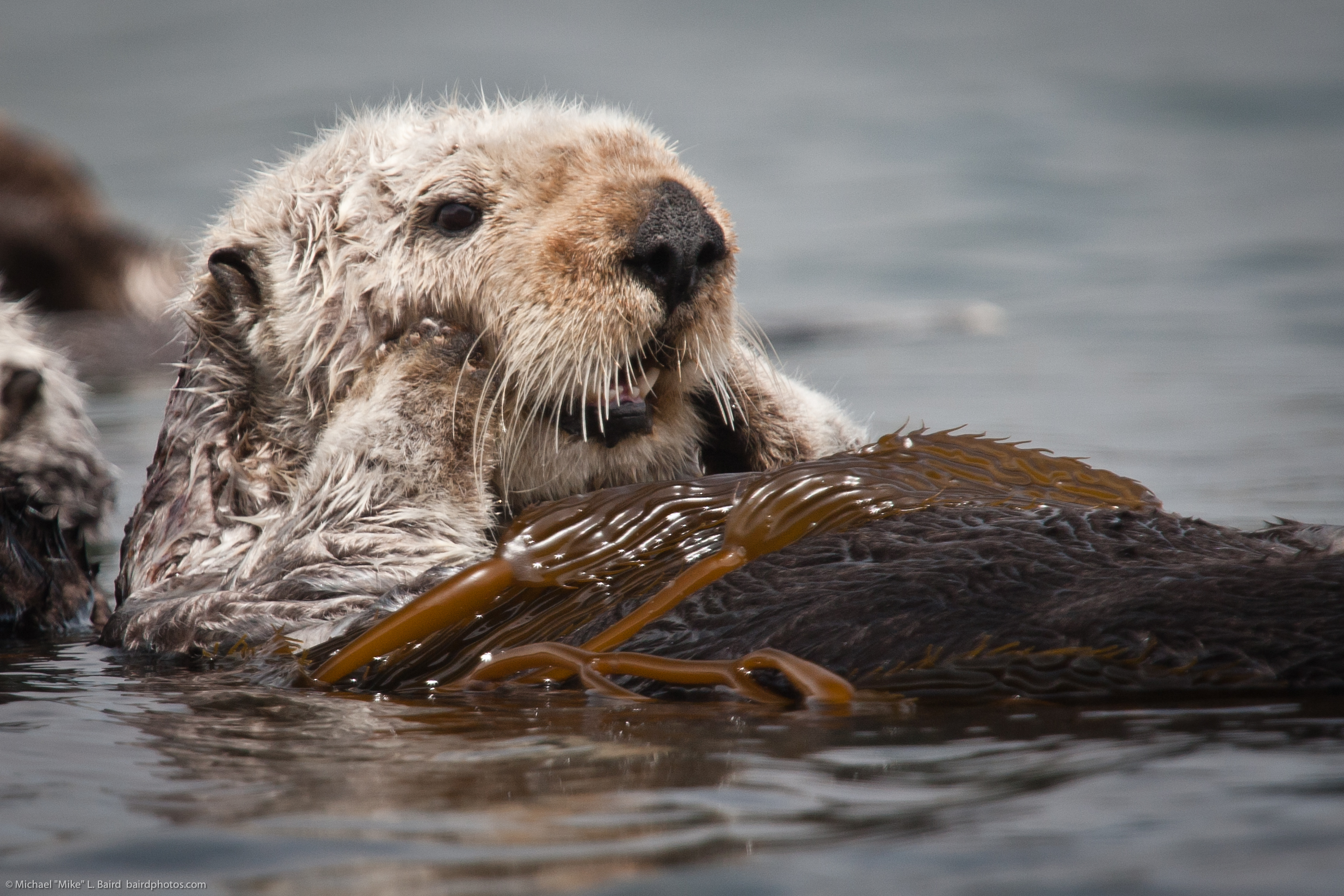
Kelp stories are never uniform along California’s 840-mile coast, and 2025 fieldwork makes that point with bite marks and barnacle scrapes. In coves with active otter foraging, researchers report mosaics of bull kelp and giant kelp returning in fits and starts, often anchored by rocky microhabitats the urchins can’t easily graze. Where otters are scarce, restoration divers continue targeted urchin removals, clearing small plots that function like nursery gardens for kelp and abalone.
The hard truth is that predators and people are both needed in places hammered by past heatwaves and disease. When otters reclaim a reef, they stabilize the gains; when dive crews thin urchin hordes, they set the table for otters to keep it set. It’s less a single fix than a choreography: pulse removals, predator pressure, and the patient wait for spores to stitch a forest back together.
Study 4 – Why It Matters
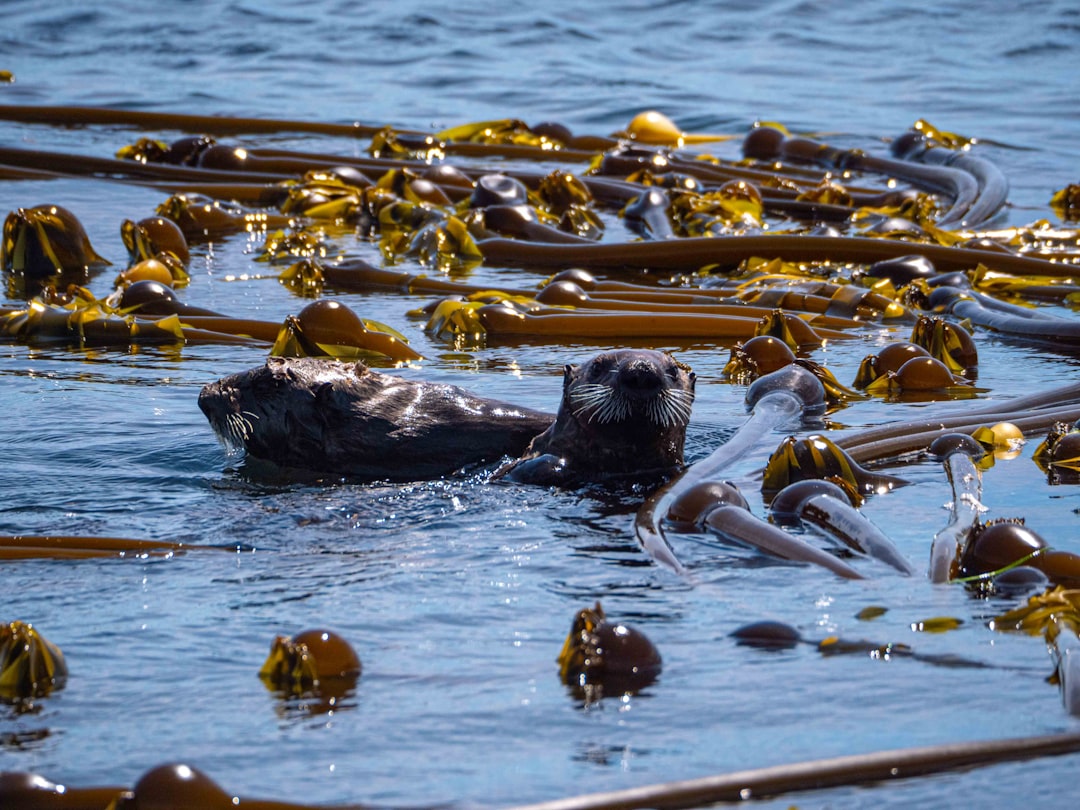
Beyond the scenic underwater forests, kelp is working a critical shift for coastal communities and climate resilience. The science this year leans into the tangible benefits, connecting trophic cascades with everyday stakes in ways that are hard to ignore.
– Kelp forests blunt storm-driven waves, acting like living breakwaters that reduce erosion and flood risk for nearby towns and wetlands. – Revived kelp supports more diverse fish communities, strengthening local fisheries and creating steadier, less boom-and-bust harvests. – Healthy kelp sends a steady rain of carbon-rich detritus offshore, contributing to long-term carbon storage and buffering acidification hotspots.
Predators create these dividends not by micromanaging the system but by restoring the rules of engagement – who eats whom, where, and when – so energy flows into forests instead of into barrens.
Study 5 – Global Perspectives
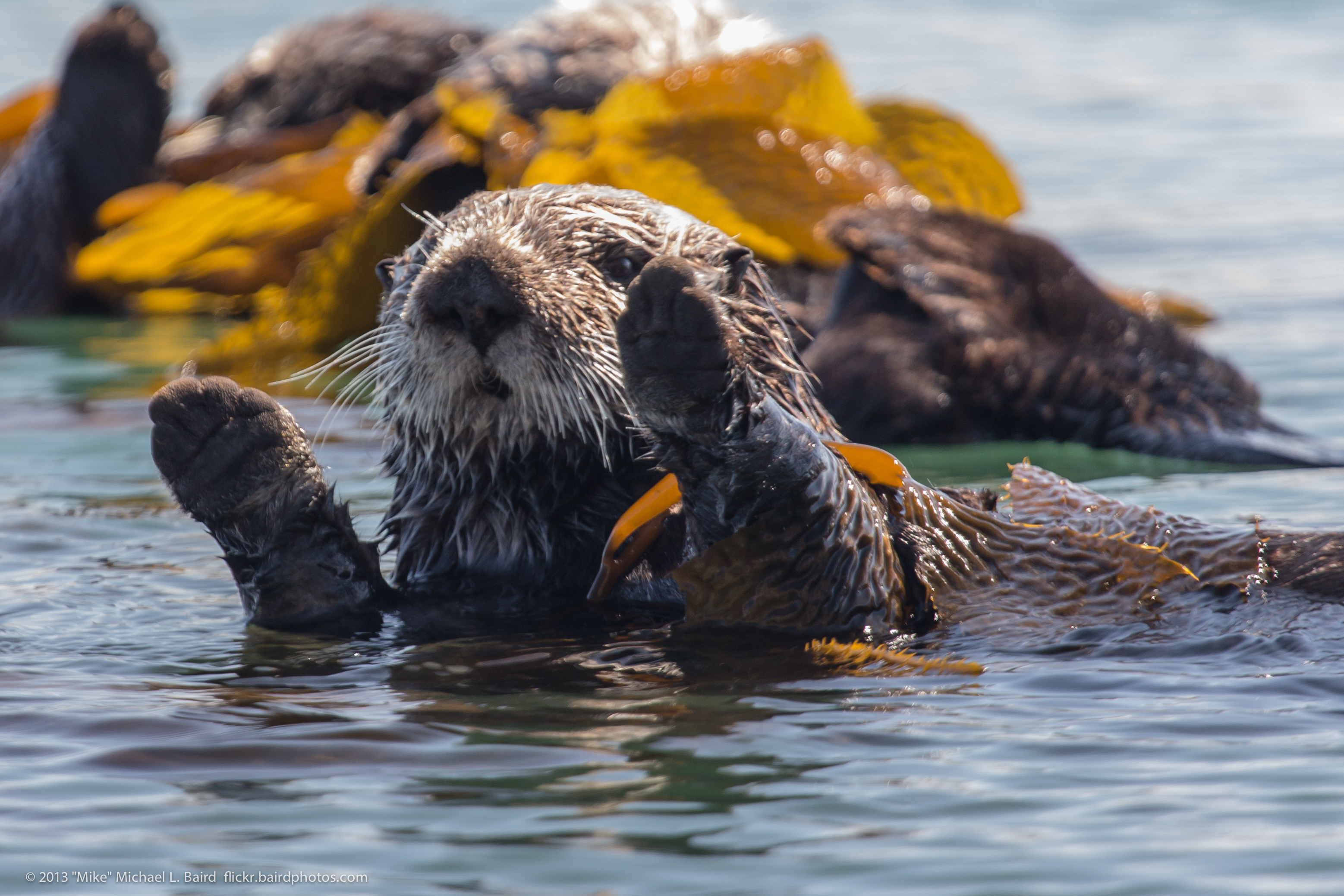
California’s story resonates across the North Pacific, where otters, urchins, and kelp have been sparring for millennia. Comparative analyses this year look outward to places with long-established otter populations and show how stability emerges when predator pressure is consistent, even as marine heatwaves roll through. The message is not that otters are a magic wand, but that their steady presence keeps urchin booms from hardening into scars.
These cross-border lessons add humility, too. In regions where fisheries are tightly coupled to urchin harvests, the social math can be as complex as the ecological one. California’s path forward will work best if it borrows what fits – community-led harvest strategies here, marine protected area designs there – while honoring local economies and the cultural relationships coastal nations and tribes have with these waters.
Study 6 – The Future Landscape
Looking ahead, the research frontier feels both exhilarating and sobering. On the tech side, faster satellite refresh rates and AI-assisted image analysis are turning canopy maps into near-real-time dashboards, while acoustic tags and low-impact cameras are shedding light on otter foraging routes without crowding the animals. On the management side, conversations about expanding otter range – especially into estuaries and urbanized bays – are being matched with conflict-avoidance plans for shellfish growers and fishers.
But the ocean is shifting under our feet: marine heatwaves, disease outbreaks, and invasive algae threaten to outpace even the best playbooks. The most credible outlook blends adaptability with restraint – test, monitor, adjust – accepting that in some years holding the line is a win and in others the canopy will surge beyond expectations. The future, in short, belongs to nimble science and policies that move at the speed of a changing sea.
Study 7 – Conclusion
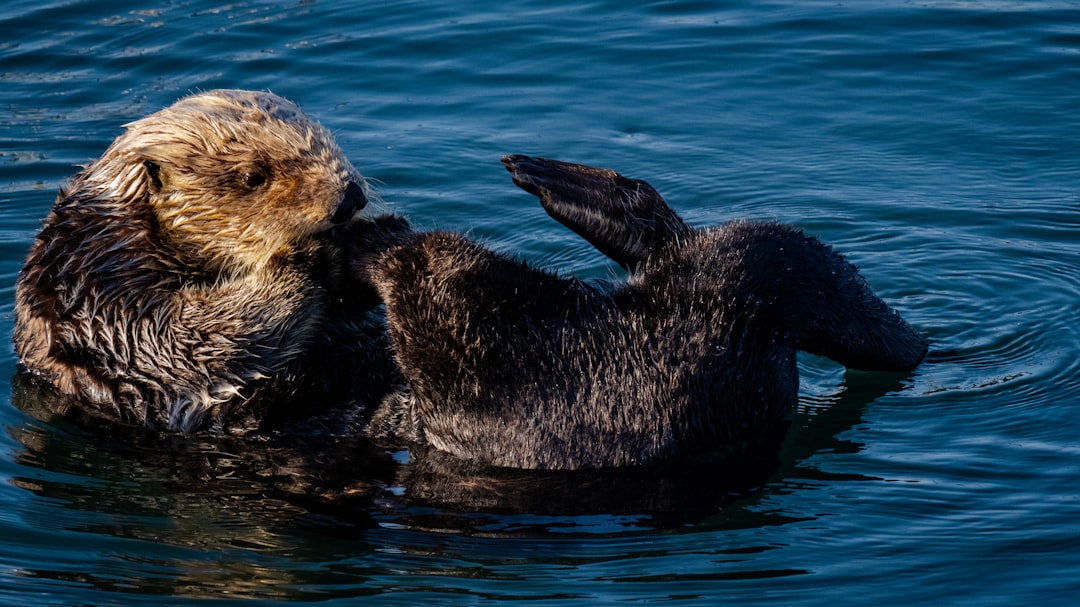
Restoring predator-prey balance is not a spectator sport, and your choices have real weight. Support kelp and otter nonprofits that fund dive removals, long-term monitoring, and Indigenous-led stewardship, because those programs keep data flowing and projects grounded. If you eat seafood, favor sources certified for ecosystem safeguards and ask restaurants where their shellfish and urchin come from; curiosity travels surprisingly far down the supply chain.
Closer to home, reduce nutrient runoff from yards and streets, join coastal cleanups, and add your eyes to citizen-science mapping efforts that track kelp canopy from shore. And if you’re lucky enough to meet an otter from a kayak, keep your distance and let the predator do its quiet, essential work – because an undisturbed hunter is one of the most powerful restoration tools we have. Ready to help the forest grow back, one careful choice at a time?
Suhail Ahmed is a passionate digital professional and nature enthusiast with over 8 years of experience in content strategy, SEO, web development, and digital operations. Alongside his freelance journey, Suhail actively contributes to nature and wildlife platforms like Discover Wildlife, where he channels his curiosity for the planet into engaging, educational storytelling.
With a strong background in managing digital ecosystems — from ecommerce stores and WordPress websites to social media and automation — Suhail merges technical precision with creative insight. His content reflects a rare balance: SEO-friendly yet deeply human, data-informed yet emotionally resonant.
Driven by a love for discovery and storytelling, Suhail believes in using digital platforms to amplify causes that matter — especially those protecting Earth’s biodiversity and inspiring sustainable living. Whether he’s managing online projects or crafting wildlife content, his goal remains the same: to inform, inspire, and leave a positive digital footprint.