
Storm chasing sits at the electric edge where science meets human daring, and recent years have only amplified the pull. Faster radar, sharper satellite feeds, and social media livestreams can make every towering supercell feel within reach – sometimes too within reach. Astrology is not a science, but it is a centuries-old storytelling lens for temperament, and many readers ask whether certain signs lean more naturally toward the chase. That question opens a deeper conversation about curiosity, risk, and responsibility in severe weather. As a science journalist who has ridden beside veteran spotters and watched wall clouds tighten along dusty Great Plains roads, I’ve learned the sky rewards humility more than bravado.
The Hidden Clues
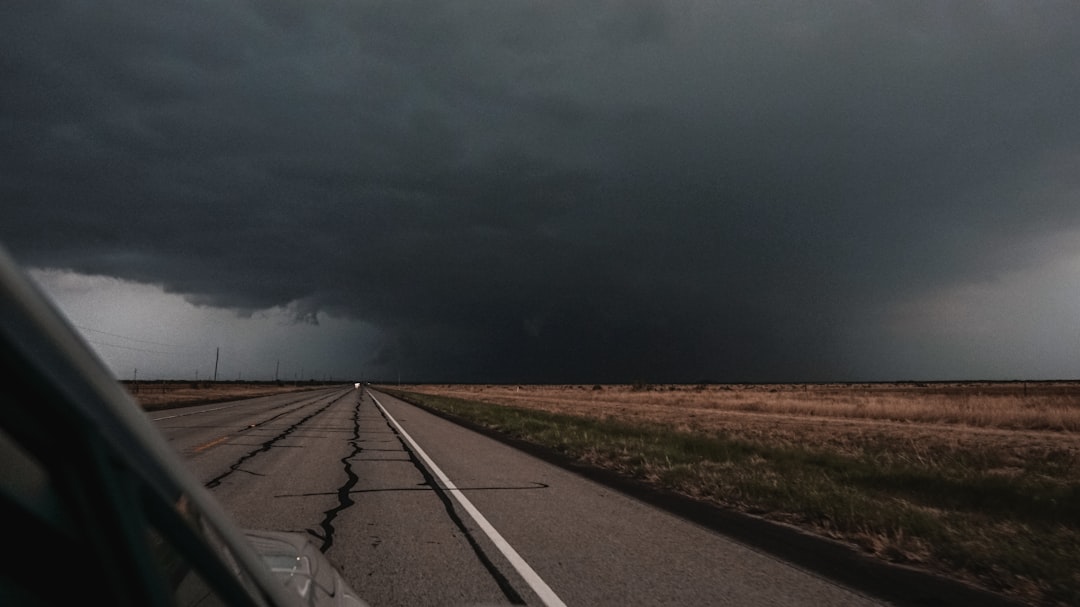
What kind of person drives toward a storm when everyone else is fleeing? The profile isn’t as reckless as movies suggest: many chasers are methodical, map-obsessed, and patient enough to wait hours for a single updraft to mature. In that spirit, zodiac archetypes can be a playful shorthand for traits we recognize in the field – impulsive fire, analytical air, steadfast earth, and intuitive water. None of it predicts behavior, but it does spark a useful conversation about our motivations, our blind spots, and how to balance thrill with caution.
I still remember a late May evening near the Kansas–Oklahoma line when a friend, equal parts statistician and stargazer, whispered that the inflow felt different – a gut check backed by radar trends. That blend of instinct and evidence is the real hidden clue, no horoscope required. Use the sky’s signals first, your temperament second.
From Ancient Tools to Modern Science
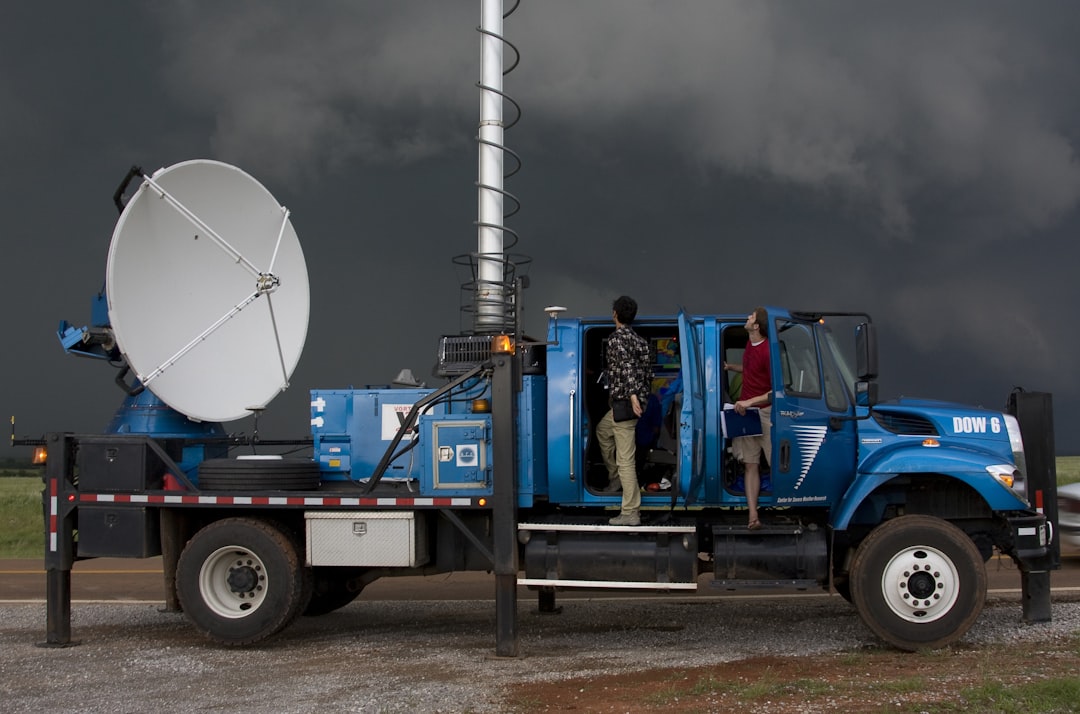
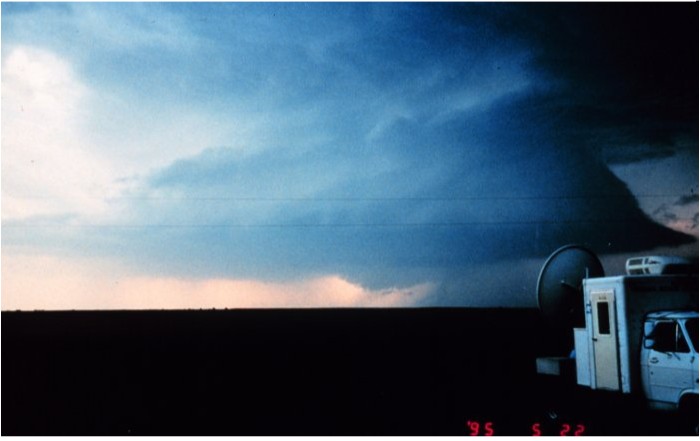
Ancient sky-watchers read omens; modern chasers read dual-polarization radar, satellite lightning mappers, and mesonet feeds. Today’s tools show not just where storms are, but how they breathe – rotation, hail cores, outflow boundaries, and even debris signatures when tornadoes loft material aloft. Smartphone apps put high-resolution models and real-time warnings in your pocket, while car-mounted anemometers and pressure sensors turn vehicles into rolling labs. The result is a chase culture that prizes skill over luck and emphasizes decision-making under uncertainty.
Think of it as trading star charts for phased-array beams and machine-learning nowcasts that flag rapidly intensifying cells. The romance of the sky remains, but the method is increasingly rigorous – and it needs to be.
Fire Signs in the Front Seat
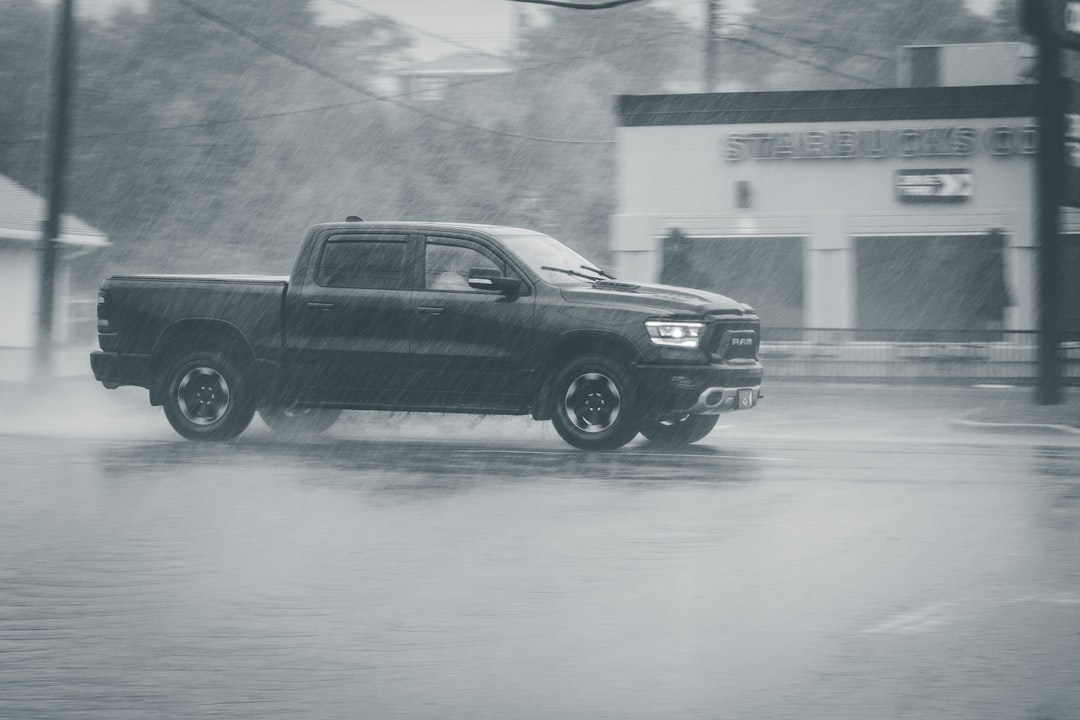
Aries, Leo, and Sagittarius often get cast as the storm’s first responders to emotion: bold, energetic, and hungry for the horizon. In a chase context, that can look like decisive moves to get into position before a supercell crosses the road, or spirited leadership when the sky turns green. The risk is speed over strategy, especially when hail curtains and rain-wrapped circulations hide danger at close range. The best fire-sign chasers learn to throttle enthusiasm with timing and terrain, knowing that a late, flashy dash is rarely worth it.
A practical edge helps: keep two escape routes, one north–south and one east–west if grid roads allow, and set a firm stand-off distance from the mesocyclone. The most impressive footage is the safe footage you bring home.
The Weather-Minded Air Signs
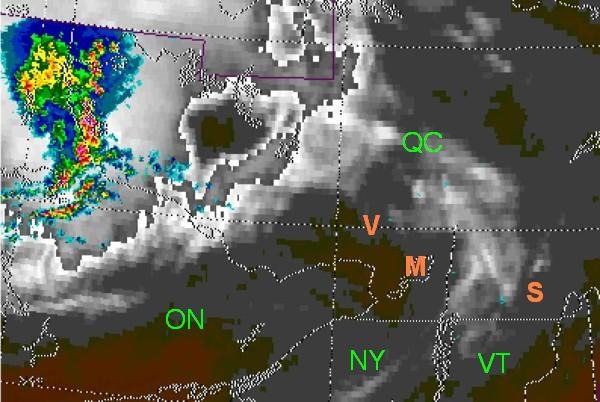
Gemini, Libra, and Aquarius are the archetypal communicators and systems thinkers – traits that shine in car caravans and spotter networks. They juggle radar scans, model soundings, and chat updates without losing the plot, and they’re often the ones calmly narrating storm structure as it evolves. That curiosity can turn into data overload, though, with too many screens and not enough windshield. When every ping on the map begs for attention, situational awareness can fray.
Air-sign strengths flourish with a checklist: assign roles in the vehicle, keep callouts short and consistent, and prioritize road and sky over social feeds. Information is powerful only when it guides a clean decision.
Deep-Water Resolve and Earthbound Grit
Cancer, Scorpio, and Pisces bring emotional radar that notices subtle mood shifts in the sky and the team. They’re often the first to sense a storm’s transition from photogenic to dangerous, and they remember the communities beneath the hook echo. Earth signs – Taurus, Virgo, and Capricorn – add the logistics that make or break a day: fuel, tires, first-aid kits, and realistic time windows for intercepts. Together, these groups steady the chase against impulsive detours and crowded bottlenecks near tornado-warned storms.
They also excel at pre-visualizing the route like a chessboard, weighing terrain, rivers, and known flood-prone crossings. The calm, deliberate pace they set can be the difference between a smart reposition and a trapped vehicle.
Why It Matters
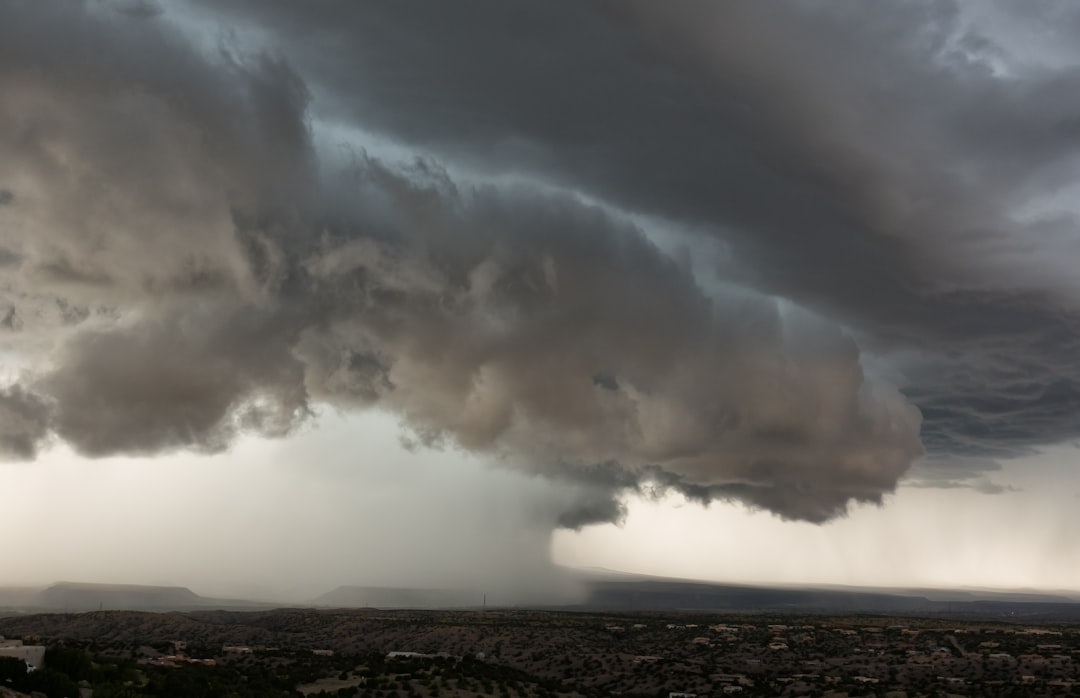
Severe weather is more than a private thrill; it’s a public moment with high stakes for safety and science. Chaser convergence around a tornadic storm can clog narrow roads, slow emergency response, and create secondary hazards, especially where visibility is limited by rain-wrapping or twilight. Meanwhile, reliable reports from trained volunteers help meteorologists verify warnings, refine storm surveys, and sharpen the next forecast cycle. The line between help and hindrance often comes down to preparation and restraint.
Astrology may be a cultural mirror, but risk perception is a measurable factor in outcomes, and that’s where education changes behavior. If the story of your sign nudges you to take a class or carry the right gear, the sky – and the people under it – benefit.
Global Perspectives
Storm chasing is rooted in the American Plains, yet the practice is spreading wherever severe convection thrives – from the Argentine Pampas to parts of Europe and South Asia. International teams are experimenting with portable radars, drone-based sampling windows, and cross-border data sharing, while tourism outfits offer tightly managed chase experiences. These scenes bring fresh eyes and local knowledge, but they also raise questions about training standards, insurance, and road safety far from the U.S. playbook. What works on Nebraska grids might fail on winding rural lanes in northern Italy or flood-damaged tracks in Bangladesh.
A global chase culture will need common norms: yield to emergency services, respect private land, and treat warnings as protective tools, not background noise. The weather is universal; etiquette should be too.
The Future Landscape
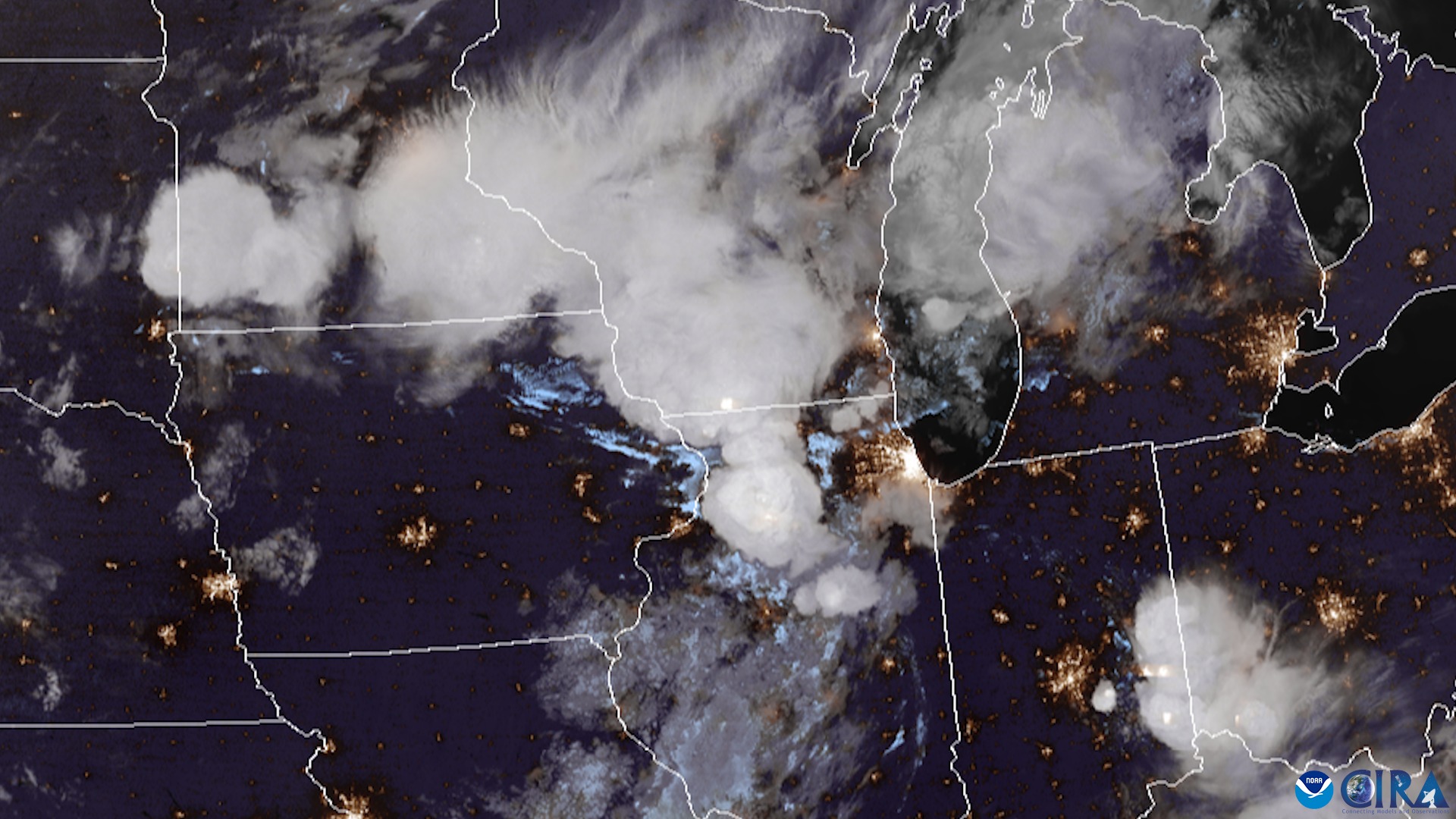
Nowcasting is entering an era of blended human–AI judgment, with algorithms learning storm behavior from vast radar and satellite archives. Early-warning research aims to extend confident lead times for tornado genesis, while lightning-mapping data and high-refresh satellite imagery reveal rapid intensification minutes before radar signatures peak. Low-cost dash cameras, compact weather probes, and safer small drones could give researchers richer near-storm data without courting the core. Even vehicle safety is improving, from better traction control to stronger windscreen materials that reduce hail damage risk.
Yet the biggest upgrade is cultural: normalizing go/no-go criteria, setting stand-off distances, and valuing a clean disengage as a professional win. As tools improve, the margin for poor judgment shrinks – and the expectation of discipline grows.
Safety First, Then the Thrill
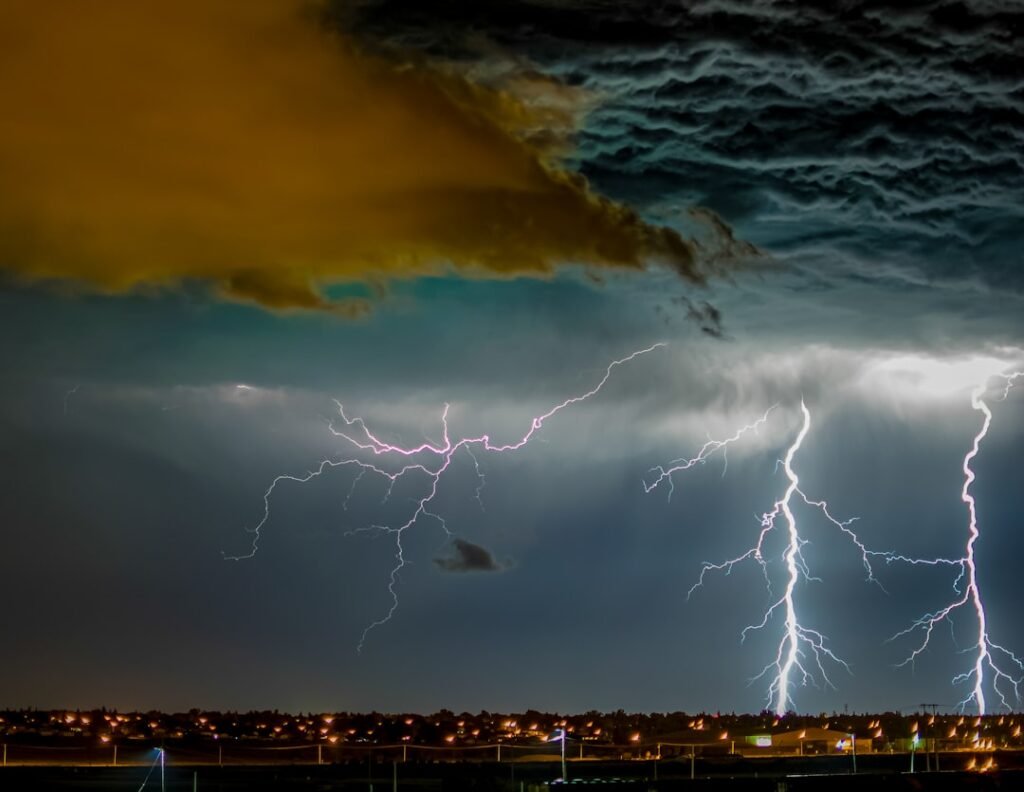
Safety isn’t a mood; it’s a method you rehearse before the first tower bubbles on the horizon. Build a kit with a weather radio, paper maps, headlamps, high-visibility vests, first-aid supplies, and enough water and snacks to skip risky fuel stops during active weather. Plan exits for flooding, hail, and shifting storm motion, and avoid overpasses, which can funnel wind and debris. When lightning ramps up, remain inside a hard-topped vehicle, reduce contact with metal, and delay outside photography until the core passes.
Keep the following field-proven habits front and center:
- Follow official watches and warnings, and never outrun storms through towns or on wet, debris-strewn roads.
- Stay well clear of rain-wrapped circulations; if visibility drops, back off, reposition, or call it for the day.
- Do not drive into water flowing across roads, even if it looks shallow, and avoid gravel sections during heavy rain.
- Communicate routes with your team, headlights on, hazards when stopped, and never block intersections or emergency access.
- If you report, stick to clear details – location, time, feature observed – and let meteorologists handle classification.
Your Move: How to Engage Responsibly
If storms fascinate you, channel that pull into preparation and service. Take a certified spotter class, learn basic first aid, and practice map reading without cell coverage. Support local emergency managers and the organizations that keep warnings flowing, from community radio to volunteer networks. When you share images, add context about distance, direction, and safety, and never encourage risky behavior for views.
Curiosity brought many of us to the edge of the storm; stewardship keeps us – and everyone under the anvil – safe. The drama of the sky isn’t going anywhere, so the question is simple: how will you meet it?
Suhail Ahmed is a passionate digital professional and nature enthusiast with over 8 years of experience in content strategy, SEO, web development, and digital operations. Alongside his freelance journey, Suhail actively contributes to nature and wildlife platforms like Discover Wildlife, where he channels his curiosity for the planet into engaging, educational storytelling.
With a strong background in managing digital ecosystems — from ecommerce stores and WordPress websites to social media and automation — Suhail merges technical precision with creative insight. His content reflects a rare balance: SEO-friendly yet deeply human, data-informed yet emotionally resonant.
Driven by a love for discovery and storytelling, Suhail believes in using digital platforms to amplify causes that matter — especially those protecting Earth’s biodiversity and inspiring sustainable living. Whether he’s managing online projects or crafting wildlife content, his goal remains the same: to inform, inspire, and leave a positive digital footprint.