The sound is unmistakable: a high, fluted bugle skimming across cul‑de‑sacs at dusk. Across the American West – and in a few places beyond it – elk are pushing out of foothills and forests into neighborhoods, golf courses, and school grounds. Drought, wildfire, expanding subdivisions, and the quiet refuge of manicured lawns are reshaping where these massive ungulates sleep, graze, and raise calves. The result is a new frontier of coexistence, where routine dog walks can turn into wild encounters and biologists act as both translators and coaches. The challenge is simple to state yet hard to practice: keep people safe, keep elk wild, and keep the landscape connected.
Washington: Snoqualmie Valley to Issaquah’s Edge
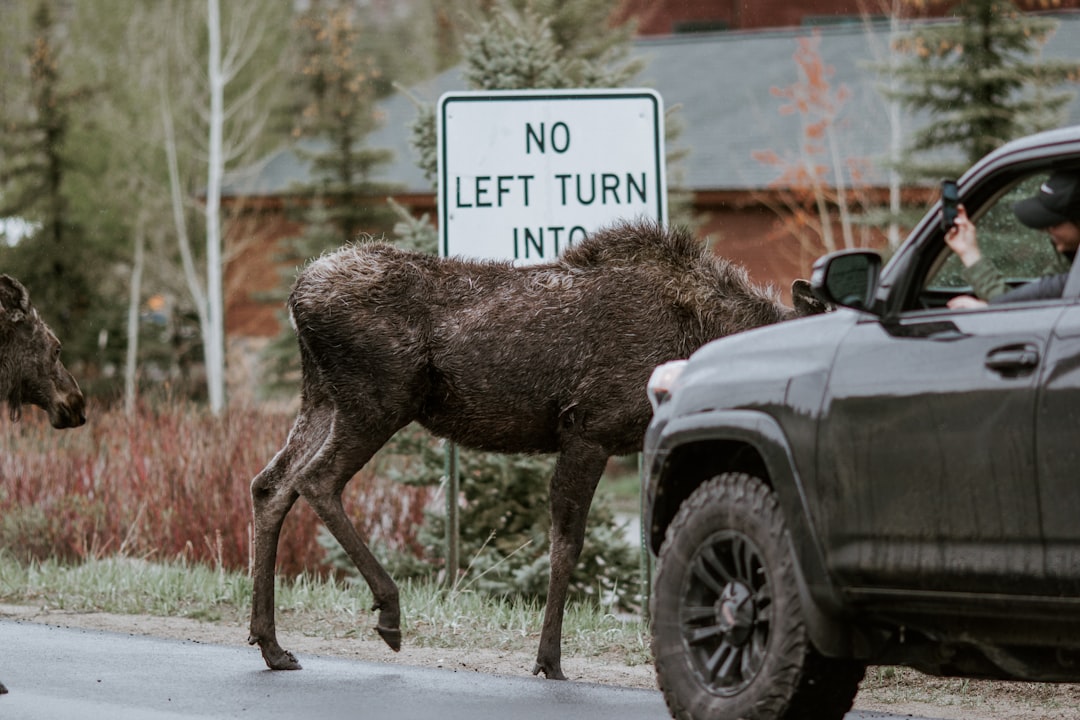
On foggy mornings east of Seattle, commuters crest a hill and find a dozen elk blanketing a soccer field like moving boulders. Biologists say herds key in on irrigated grass, quiet greenbelts, and backyard fruit trees that act like neon signs for easy calories. Add in traffic‑calming cul‑de‑sacs and buffers along creeks, and you get corridors that guide animals straight through neighborhoods. Calving season in late spring and the autumn rut raise the stakes, when cows defend calves and bulls guard harems with single‑minded intensity.
Advice here is firm: give elk wide space, secure dogs on leashes, and resist the urge to haze unless instructed by local wildlife officers. Homeowners are nudged toward elk‑resistant landscaping, eight‑foot fencing around gardens, and covered compost or birdseed – all small changes that keep animals from learning bad habits.
Oregon: Roosevelt Elk on the Coast
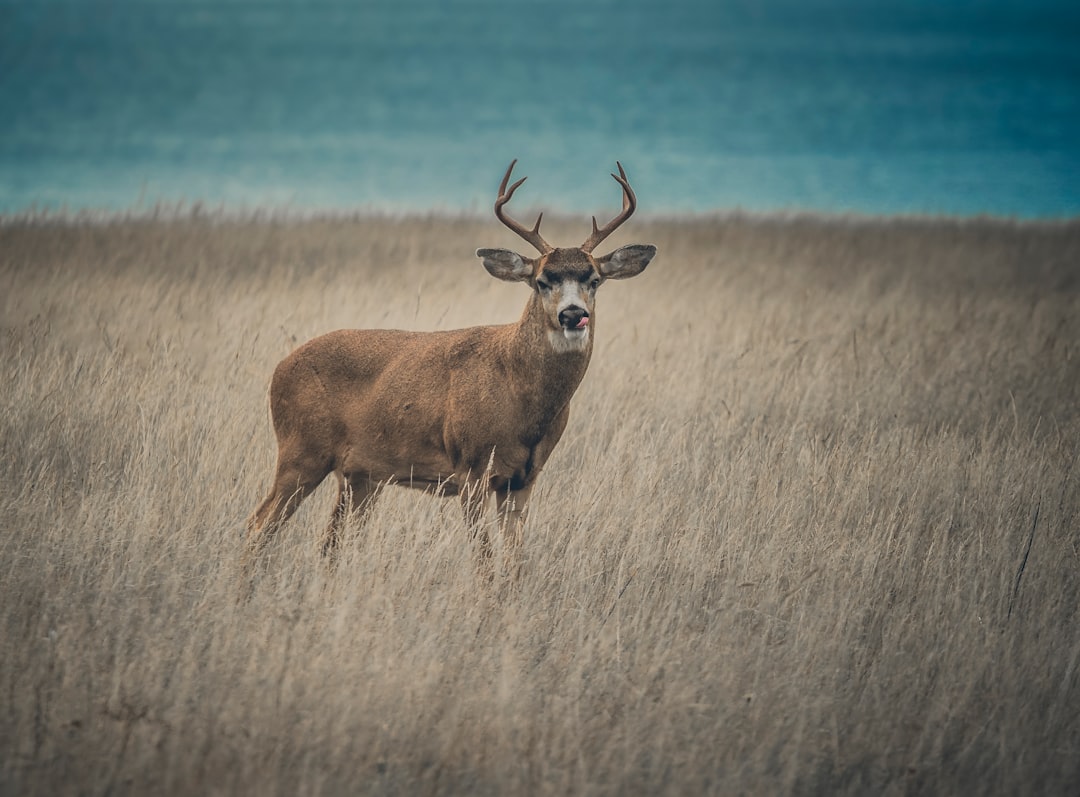
Along the North Coast, broad‑shouldered Roosevelt elk wander through beach towns like they own the place, materializing between hydrangeas and parked surf vans. Years of mild winters and evergreen forage entice these animals to linger, while subdivisions knit together once‑separate patches of habitat. When tourists stop for photos, elk can shift from wary to bold, a behavioral change that often precedes property damage and close calls.
Wildlife staff emphasize distance and predictability: no feeding, no crowding for a picture, and no cornering animals against fences or hedges. If your yard feels like a buffet, swap ornamental shrubs for tougher natives, store salt blocks for livestock out of reach, and use motion‑activated sprinklers sparingly so elk don’t habituate to constant noise.
Colorado: Front Range Greenbelts and Golf Courses
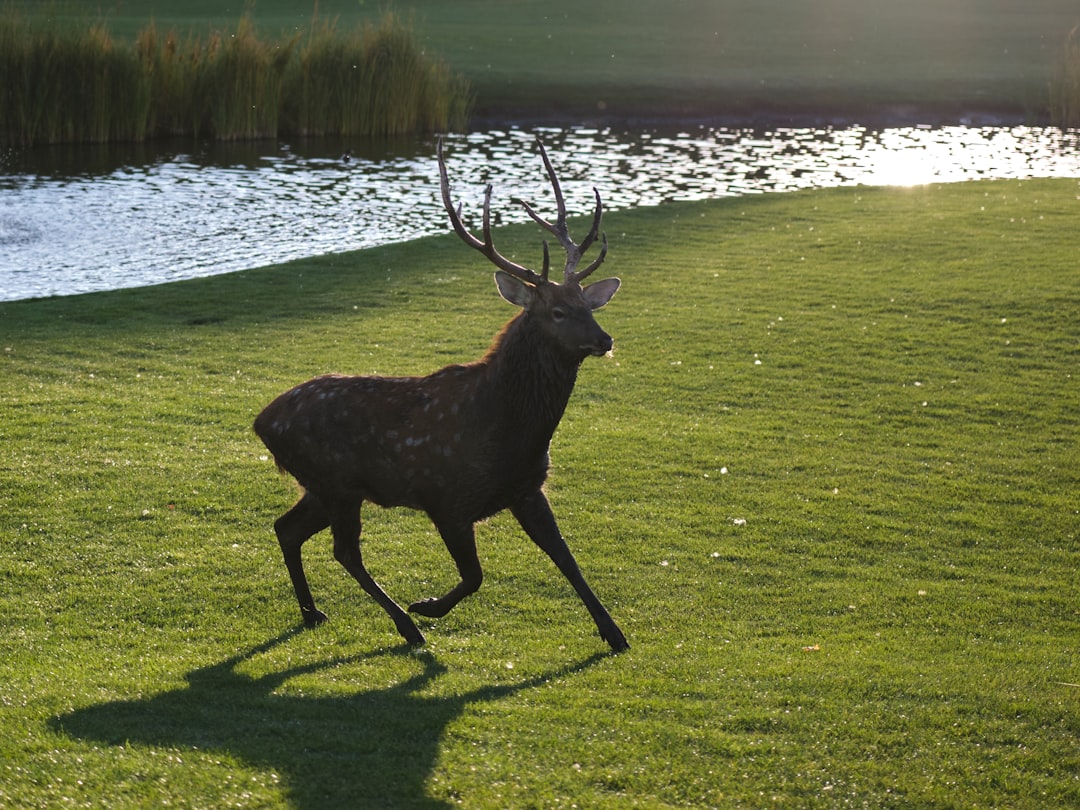
In the shadow of the Rockies, elk thread through Evergreen driveways and sprawl across Estes Park fairways as if they paid the greens fees. A mix of wildfire‑altered uplands and irrigated parks draws herds to town edges, where night‑time quiet and predator scarcity create a comfortable refuge. That ease can flip quickly during September and October, when bulls – amplified by hormones – lower their heads and charge to keep distance.
Biologists advise people to treat elk like weather: plan around them, not through them. That means detouring dog walks, yielding trails when animals are present, and driving slower at dawn and dusk in known crossing zones. Communities are also testing seasonal signage and low‑profile fencing to funnel elk toward safer passages without walling off the wild.
Utah: Park City, Heber, and the High‑Country Shoulders
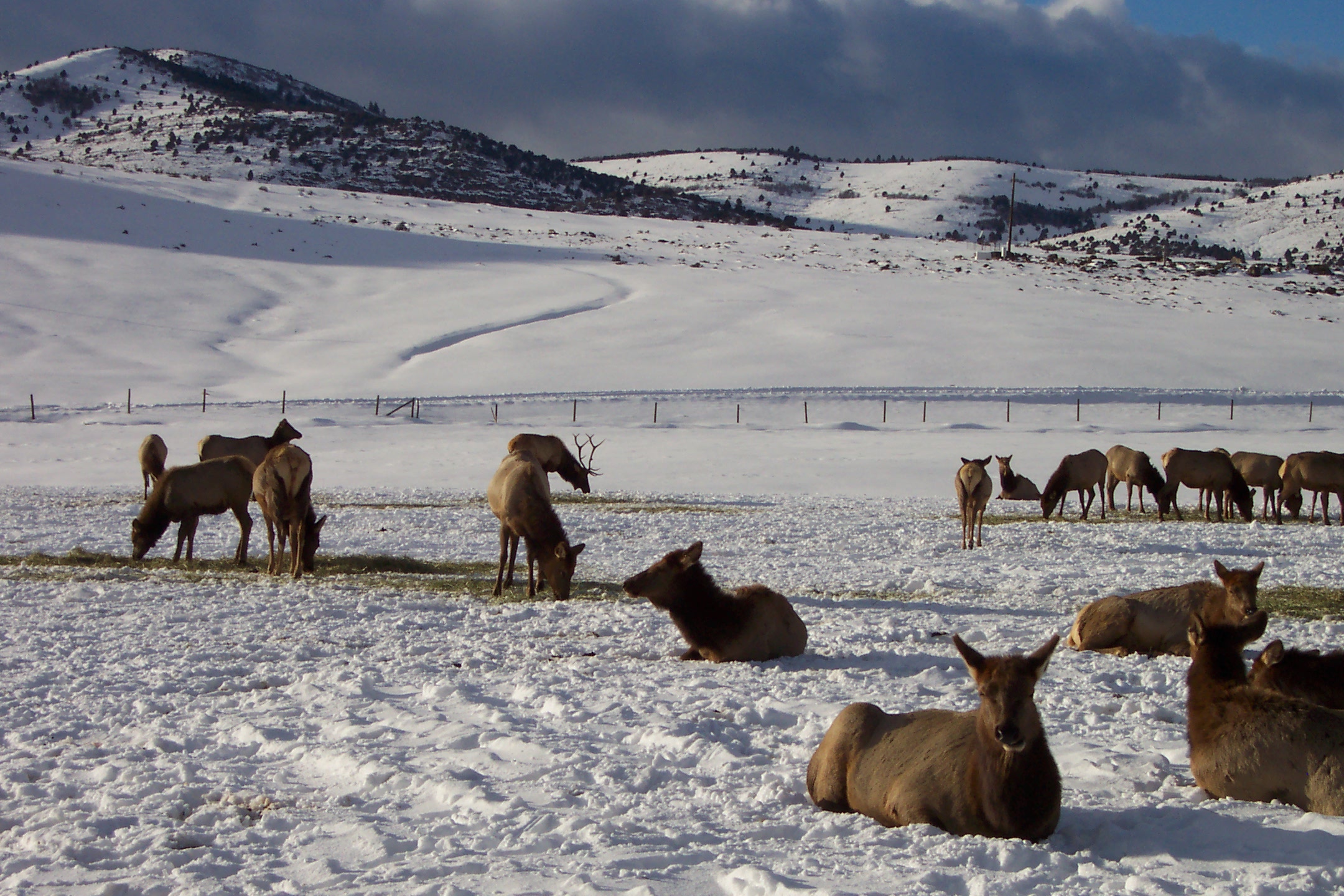
Snow funnels elk from high basins to valley floors, and in the Wasatch Back that migration now ends in cul‑de‑sacs backdropped by chairlifts. Winter feeding by well‑meaning residents can cluster animals unnaturally, spreading disease and teaching herds to linger where conflicts mount. Come spring, cow elk with calves can appear unexpectedly on bike paths and school fields, leading to tense standoffs.
State biologists urge a simple playbook: never feed wildlife, give extra room during calving and rut, and use binoculars instead of phones for close‑ups. For homeowners, wildlife‑friendly fencing – think top rails visible to animals and bottom clearances for smaller species – keeps yards secure without turning neighborhoods into fortresses.
Idaho: Wood River Valley Yard‑Hoppers
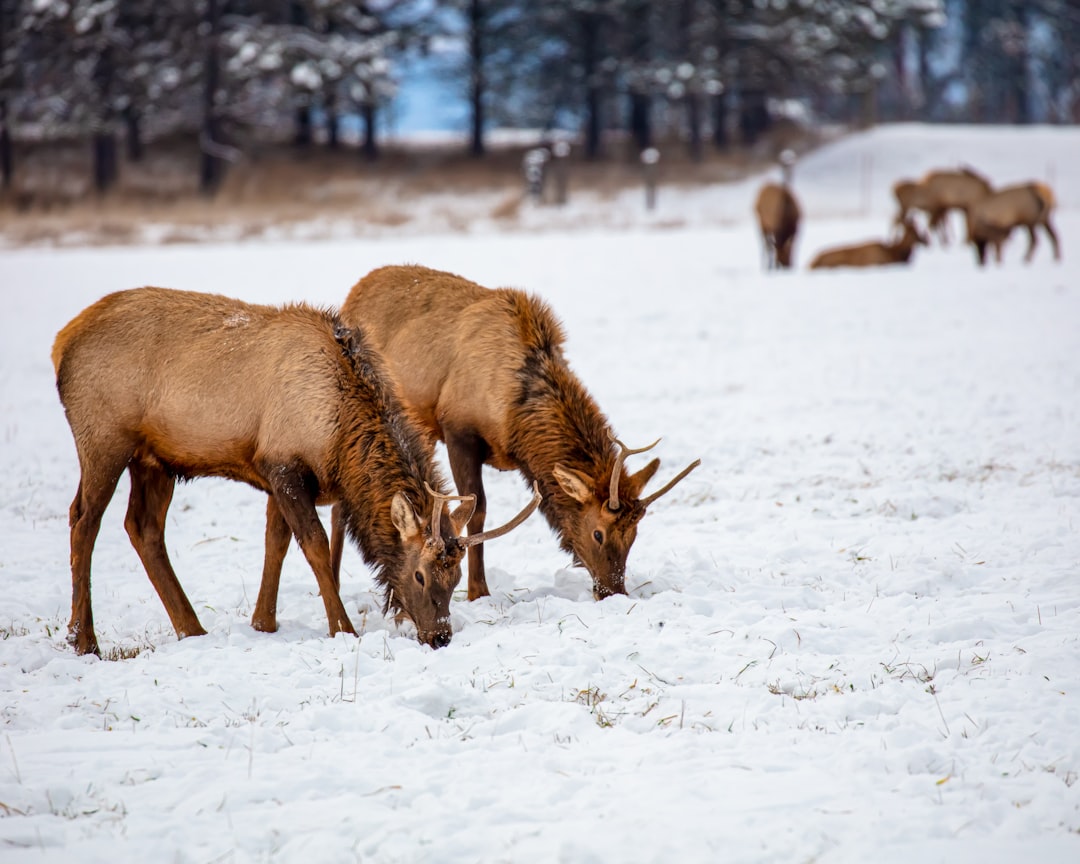
Hailey and Ketchum know the drill: a cold snap, a fresh dusting of snow, and elk drop into town like quiet guests who never left. In heavy winters, animals punch trails through side streets to reach south‑facing lawns and wind‑sheltered creek bottoms. Collisions spike, dogs get curious, and stressed elk burn precious energy dodging people and cars.
The fix blends patience and design. Residents are asked to stage temporary corridor gaps in backyard fencing, keep dogs indoors when elk are present, and store hay behind truly elk‑proof barriers. Municipal crews time plowing and sanding to steer traffic away from known crossing points, reducing surprise encounters on icy mornings.
Montana: Bozeman’s Rims and the Missoula Rattlesnake
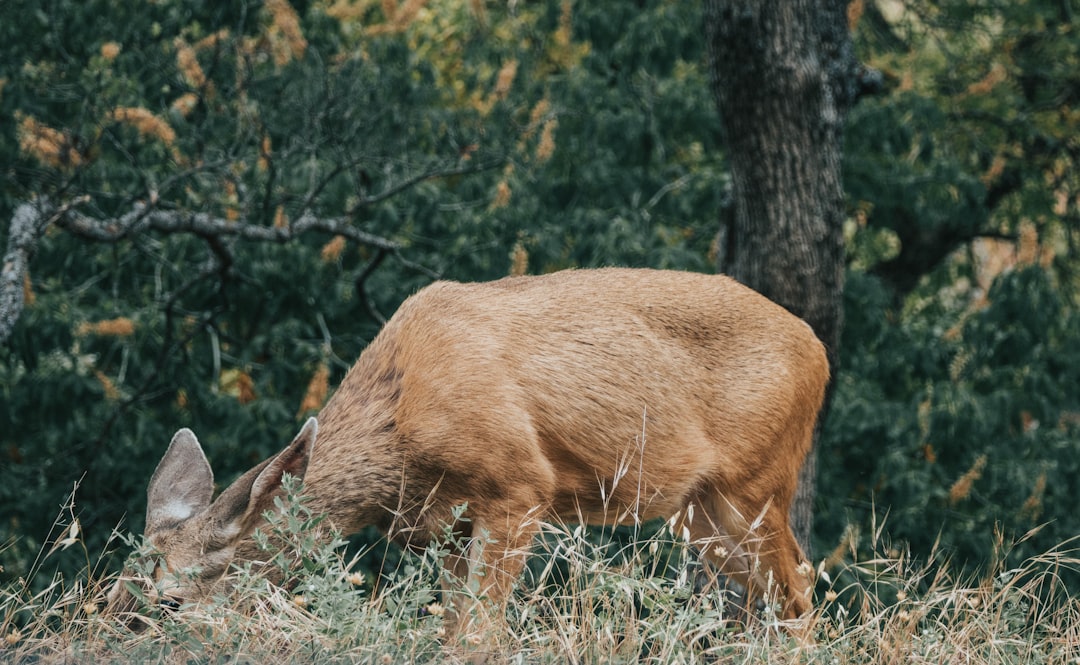
Growth in the Gallatin Valley stitched homes into a mosaic of pasture, sage, and trailheads – habitat elk read like a map. When pressure builds on public lands, animals slip into the rims above town or the leafy folds of the Rattlesnake, where irrigated lawns and riverbottom willows offer dependable calories. The downside is predictable: garden raids, torn fencing, and tense moments when a bull rounds a corner ahead of a jogger.
Managers recommend calm choreography. If you see ears pinned back or a cow staring you down, back away slowly, put objects between you and the animal, and give them the route they want. Neighborhoods are experimenting with plant choices that elk avoid and with community messaging that keeps everyone on the same page during peak movement.
Arizona: Flagstaff’s Ponderosa‑Lined Streets
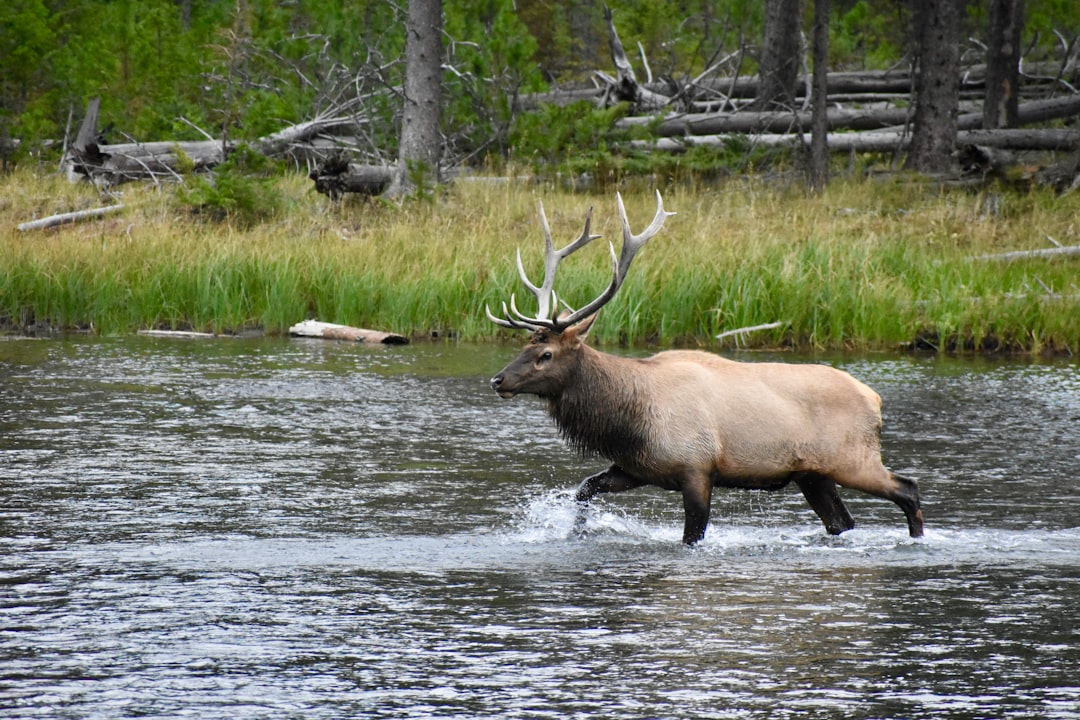
At seven thousand feet, Flagstaff’s ponderosa pines cast long shadows across subdivisions that edge straight into elk country. Summer monsoons kick up grasses along right‑of‑ways, and dusk turns medians into grazing strips. On hot days, the animals drift to irrigated lawns and golf course ponds, where a casual stroll can put people within startling distance of antlers.
Biologists here stress traffic awareness as much as trail etiquette. Slow down after dark, scan for trailing calves, and never assume a single crossing elk is the last in line. Homeowners can reduce lures by fixing leaky sprinklers, shielding low lights that attract insects, and creating clear sightlines so both people and wildlife see each other sooner.
Across these seven states, one truth holds: coexistence works best when wild animals stay wild. That means distance over drama, design over improvisation, and patience over viral photos. Communities that lean into habitat‑smart yards, safer road crossings, and seasonal etiquette discover a surprising payoff – a calmer rhythm where elk drift through like weather, noticed but not provoked. The suburbs weren’t built for antlers, but with a few thoughtful choices, they don’t have to be battlefields either. Did you expect that?