
The story of the Pacific Northwest’s kelp forests once read like a slow-motion disaster: record marine heat, explosions of hungry urchins, and vanishing canopies where seabirds and fish once fed. Recent data suggests a different narrative may be emerging. Field logs and satellite tiles are beginning to agree on something hopeful: patches of kelp are bouncing back, holding fast through late summer swells, and seeding new life into neighboring coves. The recovery isn’t universal and it isn’t guaranteed, but it’s real enough to measure and, in some places, to see from a cliff-top turnout. That shift is more than scenery; it’s a sign that marine ecosystems can rebound when stress eases and stewardship kicks in.
The Hidden Clues: Canopy Maps Light Up Again
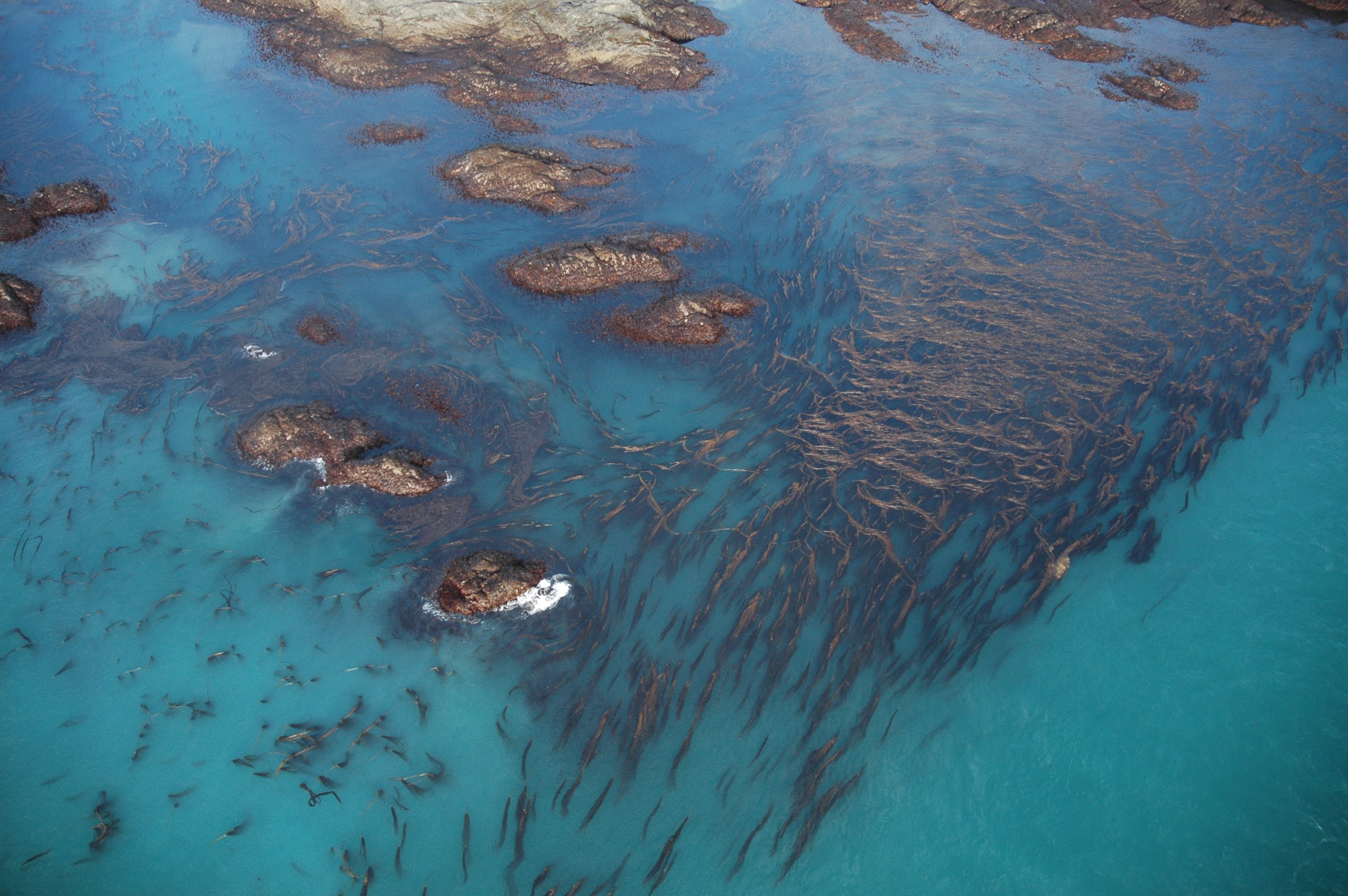
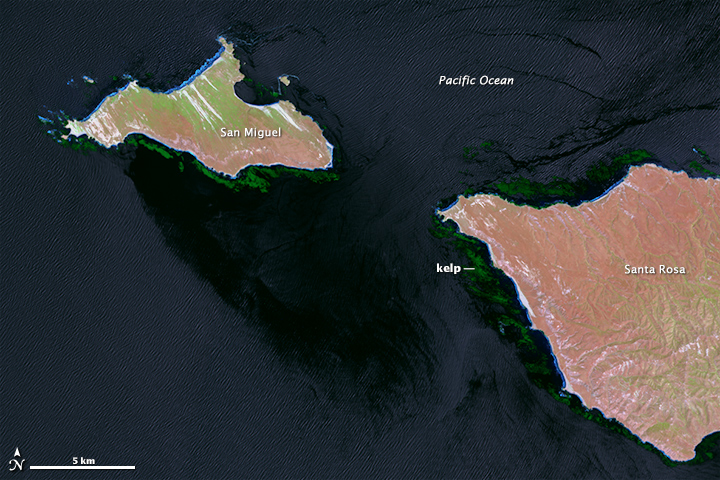
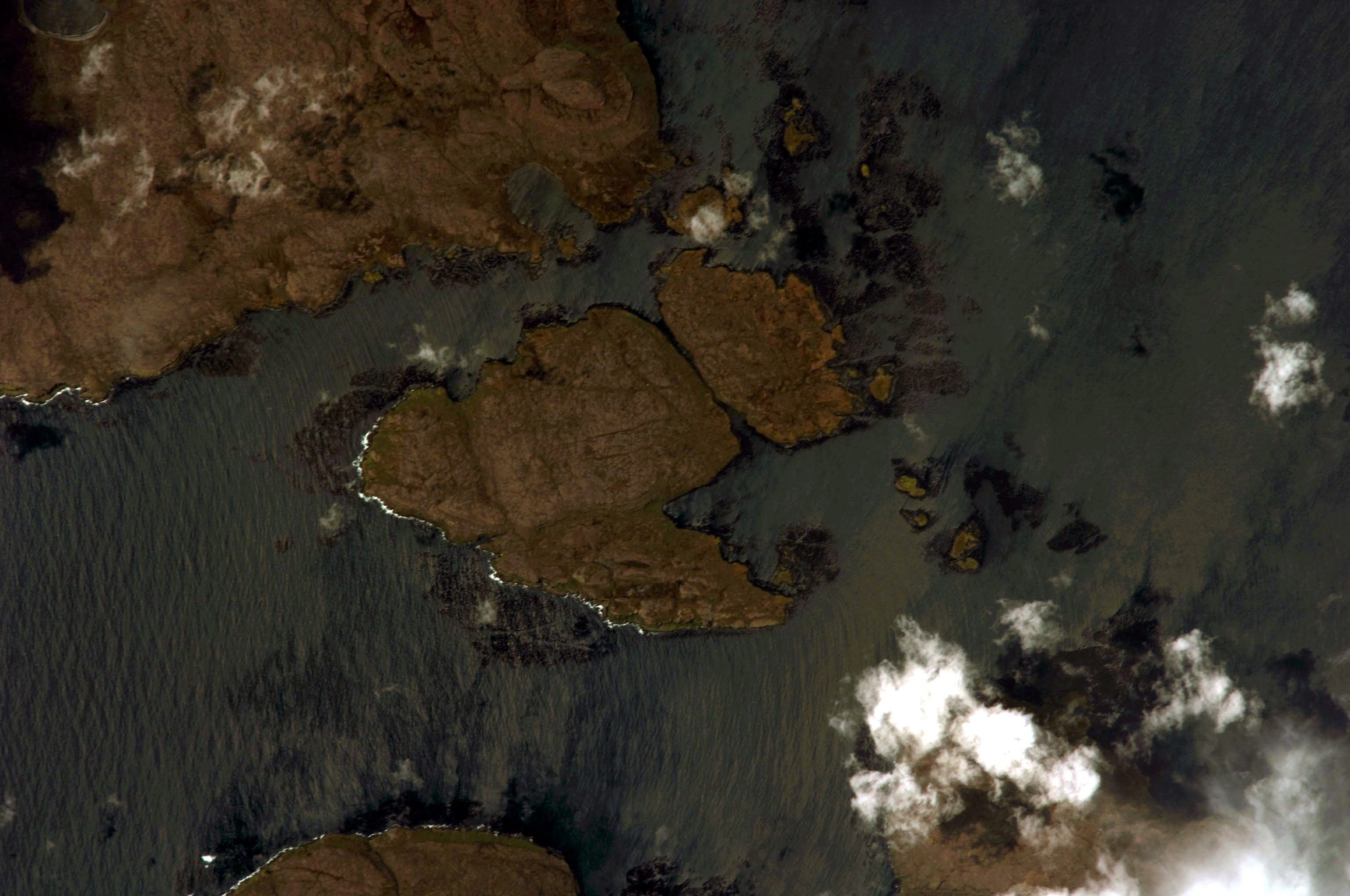
Look closely at this year’s canopy maps and you’ll spot the first breadcrumb trail of recovery – thin green ribbons spreading along headlands and island fringes. Satellite sensors and drone transects picked up denser spring canopies that didn’t fizzle as quickly in midsummer, a change that hints at cooler upwelling pulses and calmer late-season storms. In several pockets along Washington’s outer coast, Vancouver Island’s leeward shores, and south-central Oregon, those canopies lingered long enough to drop spores into eddies that carry them shoreward.
These are not sweeping, coastwide surges, but they’re exactly the kind of footholds kelp needs to climb back. Canopy coverage is a blunt instrument – it sees surface fronds, not the hidden architecture below – but this year’s persistence is hard to ignore. When the surface hangs on, the forest underneath usually has a fighting chance.
From Ancient Tools to Modern Science: Kelp Knowledge Converges
Another sign arrived in the shape of collaboration, where Indigenous knowledge keepers and marine scientists compared notes and found their calendars rhyming. Community monitors mapped where traditional kelp-gardening sites are sheltered by currents, then researchers layered in temperature loggers and current meters to test those patterns. The result: fine-scale maps that predict where bull kelp can survive heat and where juvenile sporophytes are most likely to take root after a rough year.
This fusion of methods changed more than maps; it changed the pace of decisions. Instead of waiting a full year for formal surveys, teams used weekly tide-window observations to adjust restoration work on the fly. In practice, that meant getting seedlings and “green gravel” out during brief cool spells when survival odds were highest.
Urchin Barrens Blink First: Targeted Removals Open Space
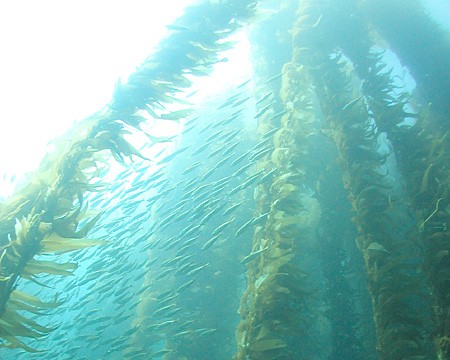
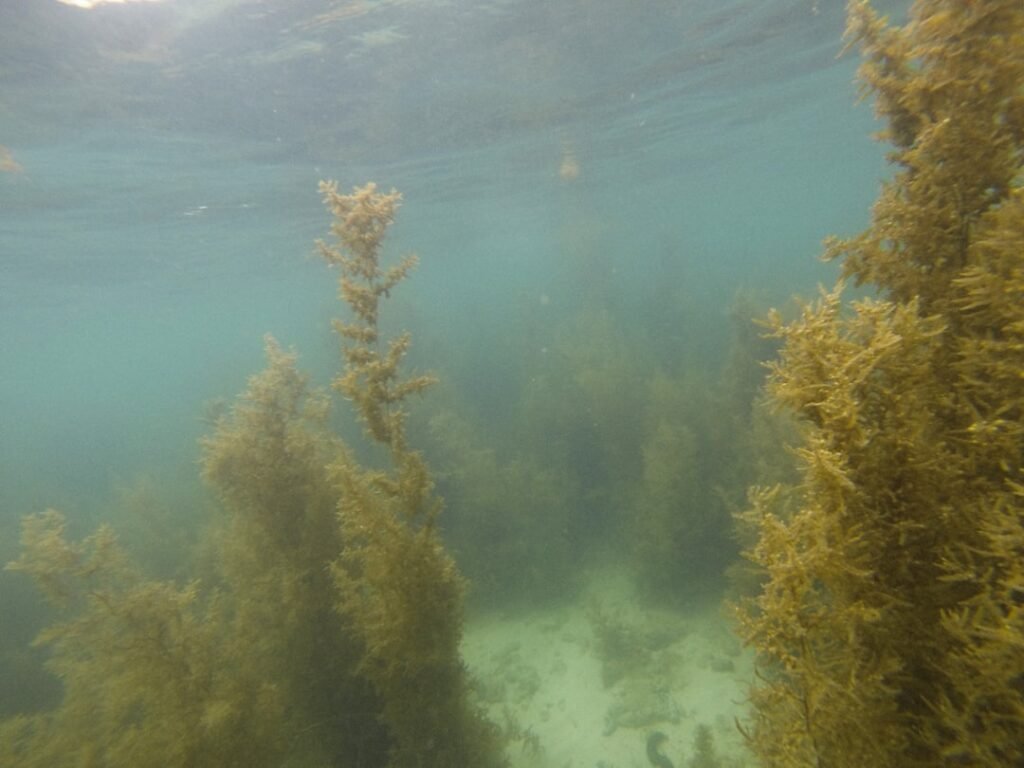
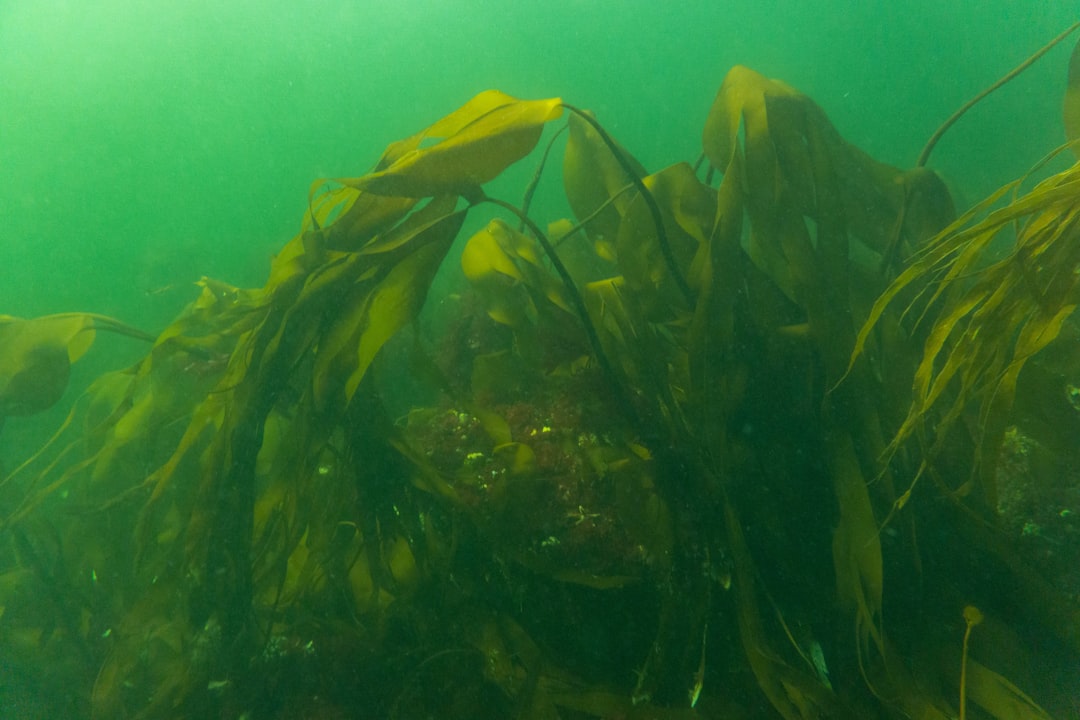
In a handful of reefs that turned bare and purple with urchins, divers returned month after month to thin the grazers and track what followed. Where removals brought urchin densities down, the rockscape changed from a mottled moonscape to a pebbled nursery dotted with kelp holdfasts. By late summer, small stands of bull kelp were tall enough to sway at the surface and shade out the filamentous algae that took over during the barrens years.
None of this is easy or cheap, and nobody pretends it scales to every bay. But as proof-of-concept, the work is convincing: reduce chronic grazing pressure and the system remembers how to be a forest. It’s a reminder that restoration can be surgical – precise cuts that let natural recovery do the heavy lifting.
Heatwave Survivors Tell a Story: Refugia and Seed Banks
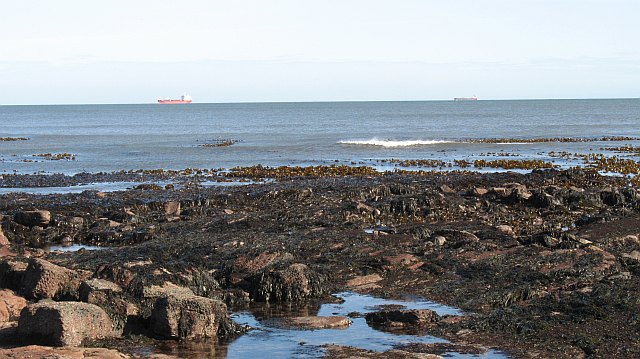
Some kelp never left. Tucked into current-swept points and cold seeps, tough stands weathered the brutal heat of past years and acted like living seed banks when the water eased. Researchers tracing spores on settlement plates found that these refugia pulsed out recruits that rode coastal currents into quieter coves, where they stitched new patches onto old scars.
Think of these places like fire-resistant groves in a forest that help the woods return after a blaze. Their value isn’t just that they persist; it’s that they propagate. Protecting them – and the corridors that connect them – turned out to be one of the most cost-effective moves on the board this year.
Predators Return to the Stage: Top-Down Help
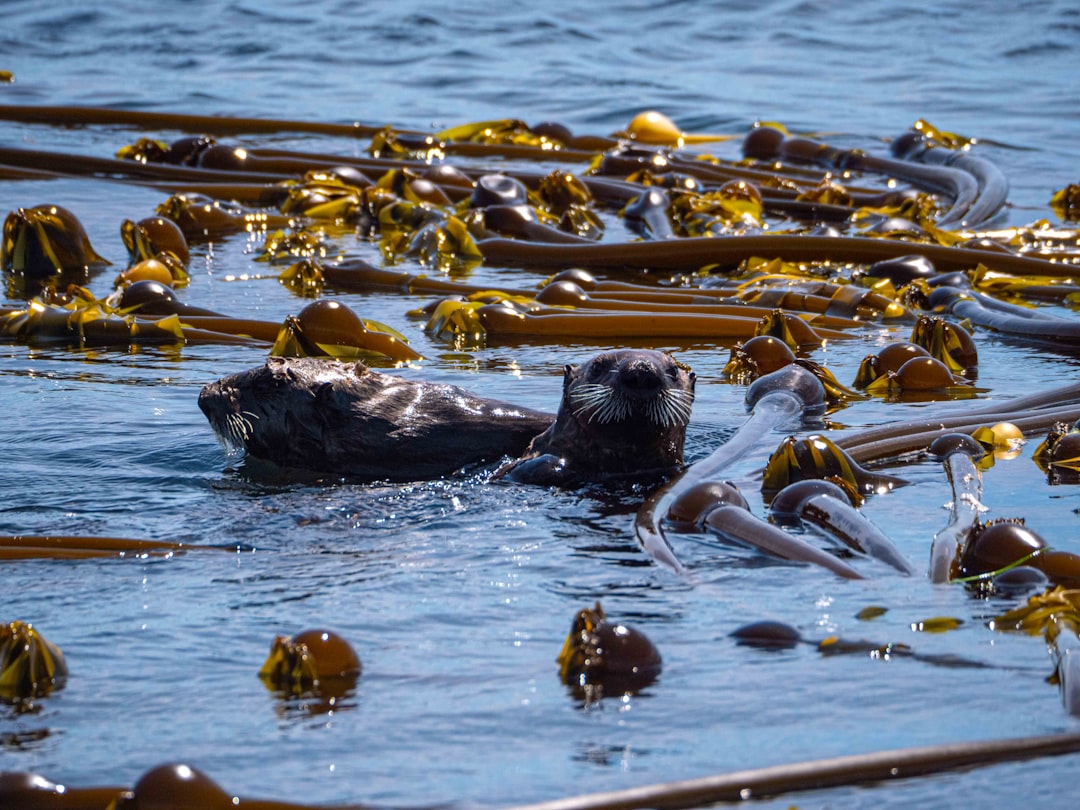
Where top predators still hunt, kelp has a better shot. Sea otters along parts of the outer coast and around select island chains kept urchins wary and in check, and that behavioral pressure mattered as much as simple numbers. Even in places without otters, experiments and pilot projects explored how restoring missing predators – alongside urchin control – can flip a reef back into balance.
It’s not a silver bullet, and timing is everything. Predators amplify recovery when cool water and good spores are already in play; they can’t conjure kelp out of overheated seas. But this year delivered multiple examples of top-down forces nudging systems toward forests rather than barrens.
Why It Matters: Carbon, Fisheries, and Coastlines
Kelp forests are not just beautiful – they’re infrastructure. They blunt waves that chew at bluffs and marinas, they create labyrinths where juvenile rockfish and salmonids hide, and they fuel coastal food webs right up to seabirds and marine mammals. For fishers, guides, and small ports, healthier kelp means steadier catches, fewer boom-bust cycles, and safer lee zones when weather turns mean.
There’s also the carbon story, often oversold but still significant. Kelp grows quickly and exports a share of that carbon offshore and into sediments, where some fraction stays locked away. Even where long-term storage is modest, the indirect benefits – cooler microclimates, tighter nutrient loops, resilient nursery habitat – pay dividends that communities feel in their nets and on their shorelines.
Genetics and Juveniles: The Strongest Strains Are Spreading
This year’s lab work and field genetics added an unexpected twist: some local lineages handled heat and low nutrients better than others, and their offspring were overrepresented among successful recruits. Settlement plates and nursery tanks produced hardy juveniles that, once outplanted, showed higher survival when late-summer conditions turned lean. That suggests a quiet sorting is underway, with resilient strains seeding the next generation of forests.
It’s evolution’s unhurried handwriting, suddenly legible on clipboards and data dashboards. Managers responded by diversifying seed sources and avoiding one-size-fits-all outplants, a strategy that mirrors how farmers hedge bets across changing seasons. The payoff is a forest that’s not just back, but better equipped for what comes next.
The Future Landscape – and Your Part in It
Looking ahead, the monitoring toolkit is getting smarter while staying seaworthy. Environmental DNA samplers, compact current profilers, and long-endurance drones are stitching together near–real time maps of kelp health that managers can check like a marine forecast. On the restoration front, scaled-up green gravel, living rope nurseries, and dynamic closures that pivot with conditions offer a way to move faster than the next heat spike.
But none of it sticks without steady hands at the helm. Coastal readers can back local groups adopting reefs, volunteer for low-impact dive surveys, and choose seafood sourced from habitats tied to kelp recovery. Municipalities can protect cold-water inflows, curb nearshore pollution, and leave room for floating canopies to drift with tides rather than be hemmed in by hard infrastructure. If the last few years taught us anything, it’s that small, well-timed interventions can tip the balance – so the forests we root for today keep surprising us tomorrow.
Suhail Ahmed is a passionate digital professional and nature enthusiast with over 8 years of experience in content strategy, SEO, web development, and digital operations. Alongside his freelance journey, Suhail actively contributes to nature and wildlife platforms like Discover Wildlife, where he channels his curiosity for the planet into engaging, educational storytelling.
With a strong background in managing digital ecosystems — from ecommerce stores and WordPress websites to social media and automation — Suhail merges technical precision with creative insight. His content reflects a rare balance: SEO-friendly yet deeply human, data-informed yet emotionally resonant.
Driven by a love for discovery and storytelling, Suhail believes in using digital platforms to amplify causes that matter — especially those protecting Earth’s biodiversity and inspiring sustainable living. Whether he’s managing online projects or crafting wildlife content, his goal remains the same: to inform, inspire, and leave a positive digital footprint.