Across the American West and Alaska, familiar rivers are flashing improbable shades of turquoise, as if someone quietly swapped out their water for melted gemstones. The spectacle isn’t a filter or a trick of tourism – it’s physics, geology, and biology colliding in real time. Scientists are racing to read these colors as clues: what mineral loads, glacial pulses, and algae booms are telling us about watersheds under stress. In some places the shift is ancient and dependable; in others it appears more often as dams, droughts, and warming reshape flow. Understanding why a river turns blue-green is more than trivia; it’s a map of how water moves through rock, ice, and climate, and how our choices reverberate downstream.
Havasu Creek, Arizona
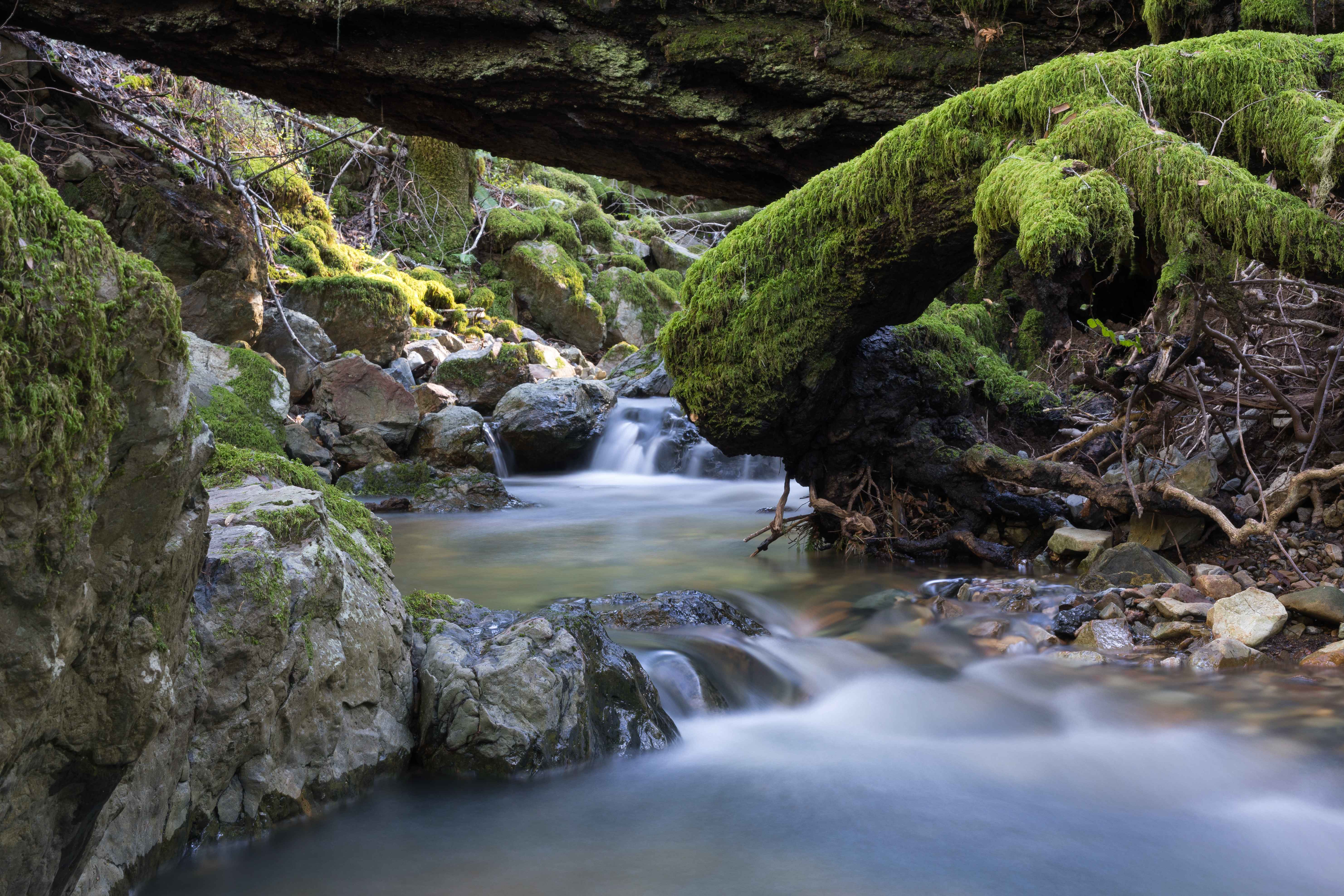
Seen from the canyon rim, this creek looks unreal – like a spill of liquid gemstone through a cathedral of red rock. The secret is calcium carbonate, dissolved from surrounding limestone and re-precipitated as travertine terraces that strip out browns and reds while scattering blue and green light. When monsoon floods surge, the color can mute, but as flows settle and the water recharges from mineral-rich springs, that trademark turquoise returns.
I remember hiking in under a blazing sky and watching the color intensify in shade, like the creek was turning its own dimmer switch. That glow is a signal: stable spring inputs, high carbonate saturation, and relatively low suspended sediment working together to paint the canyon.
Little Colorado River, Arizona
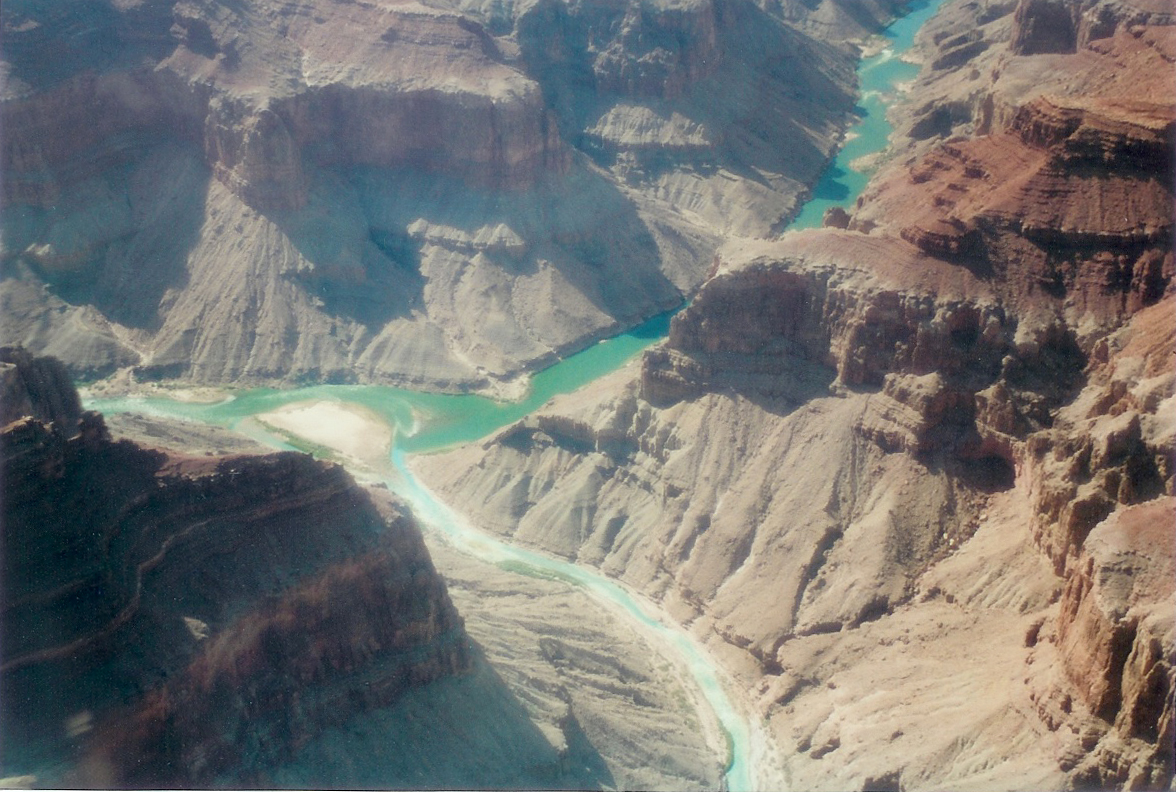
Not far away, the Little Colorado River can flip from coffee-brown to brilliant turquoise over short distances, thanks to Blue Spring – an underground source loaded with dissolved limestone. As the spring water mingles with the main channel, tiny crystals of calcium carbonate form and remain suspended, amplifying blue wavelengths. During dry spells, when sediment is scarce, the effect goes cinematic.
After storms, the river’s color shifts toward tan as silt overwhelms the optical magic. But when the spring dominates again, the turquoise reasserts itself, a reminder that groundwater chemistry can outshine surface flow.
Kenai River, Alaska
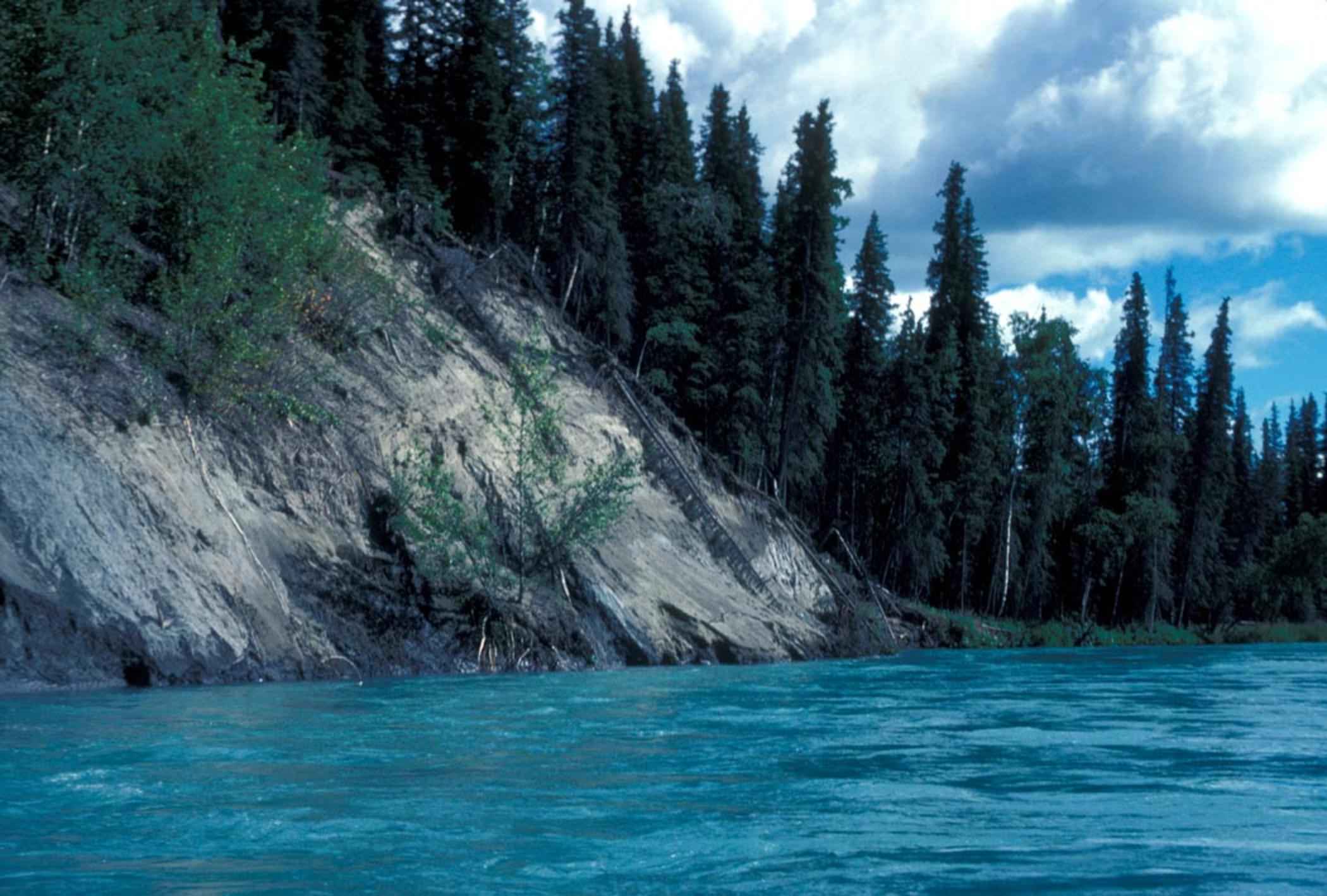
In summer, the Kenai carries the memory of mountains as powder: glacial flour ground to micron-sized particles by ice and delivered in milky torrents. Those ultrafine minerals scatter shorter wavelengths, tipping the river toward teal and turquoise, especially under bright skies and deeper pools. The color peaks when melt is strong and stabilizes when autumn cools the glaciers’ pulse.
Boat wakes on the Kenai cut white swaths across the blue-green surface, proof that light is bouncing off suspended rock, not dye. It’s a living physics lesson braided with salmon runs and the timing of snow and sun.
Mendenhall River, Alaska
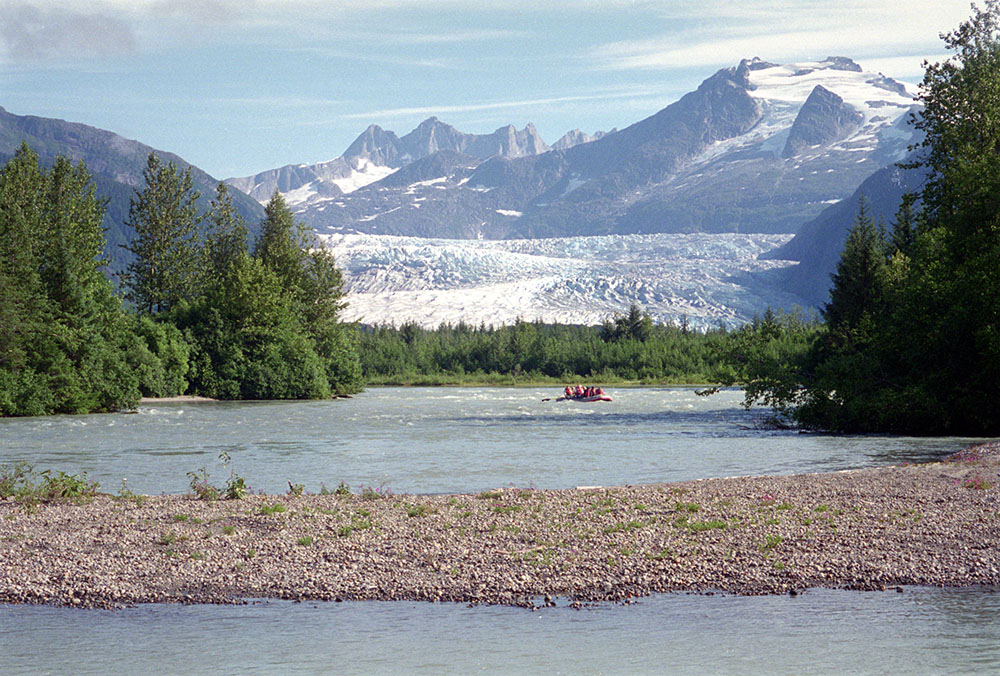
Fed by the retreating Mendenhall Glacier, this river changes its palette as the ice changes its rhythm. When meltwater surges, the concentration of rock flour rises and the river glows turquoise; when heavy rains wash in coarser sediment or organic debris, the color dims toward gray-green. The exact shade tracks the balance between glacier-ground silt and everything else a watershed can carry.
Standing on the bank, you can watch chunks of ice and sheets of silt sharing the same flow, one reflecting sky, the other shaping it. Color here is a moving average of a glacier’s daily heartbeat.
Knik River, Alaska
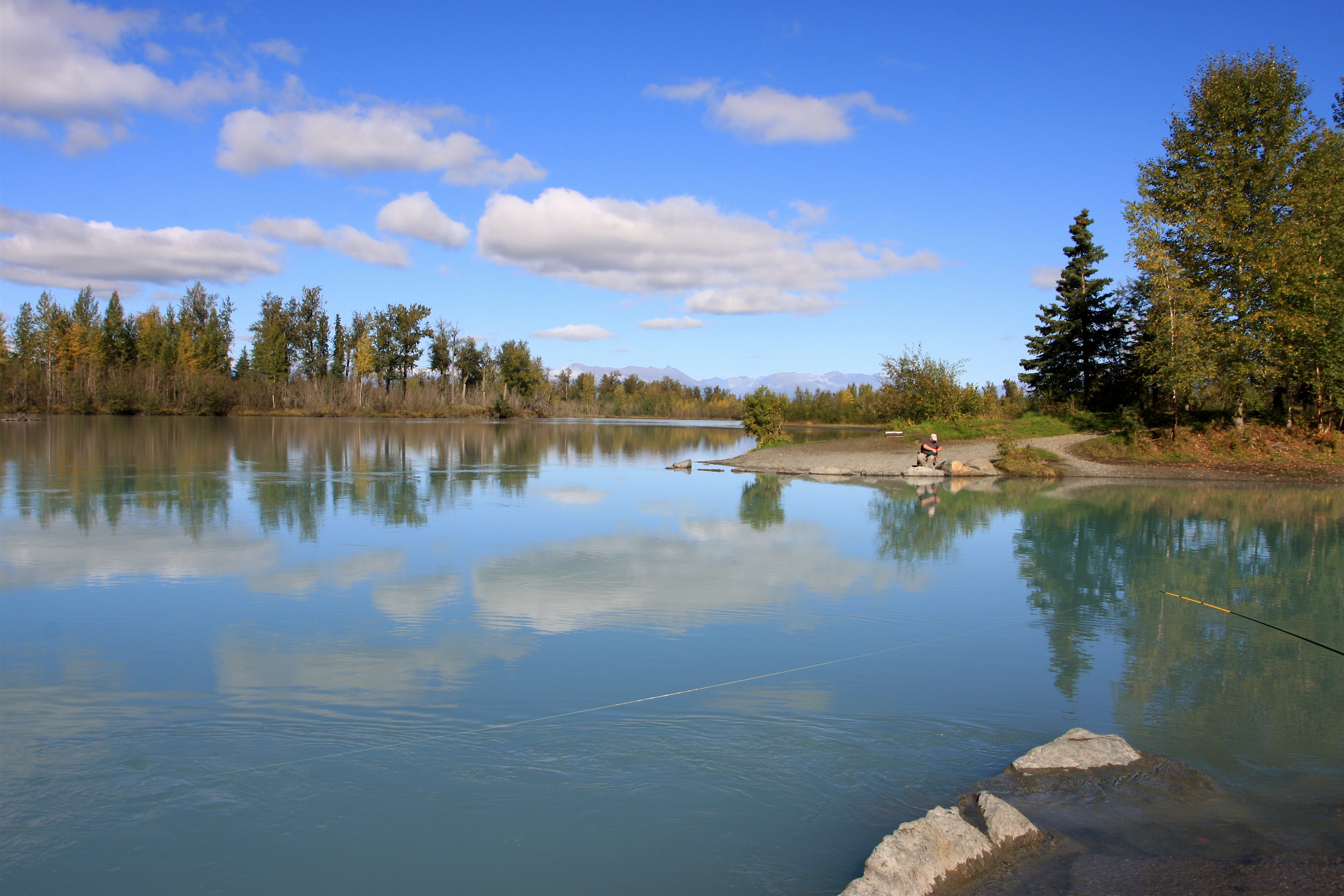
Broad and braided, the Knik looks like liquid marble poured across a gravel plain. Its turquoise tone comes from massive loads of suspended silt sourced from Knik Glacier, the particles so fine they hang in the water column and scatter light like a prism. Wind can whip the surface into silver, but in calmer moments the color locks in, a cold glow against the Chugach Mountains.
As summers warm, the timing and intensity of the melt shift, nudging the hue and clarity. Watch the color long enough and you’re basically reading a glacier’s schedule.
North Fork of the Flathead River, Montana
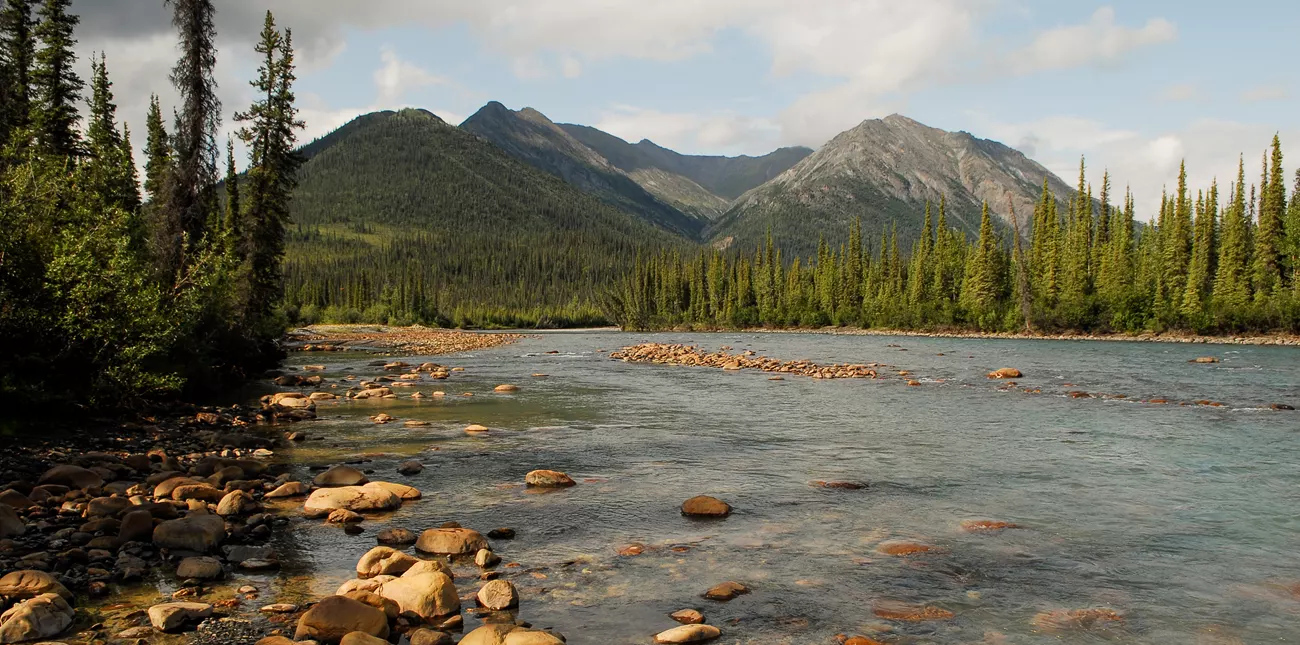
On the edge of Glacier National Park, the North Fork runs astonishingly clear in spring and then turns a luminous turquoise as summer melt lofts in fine rock flour. Unlike many rivers, it benefits from relatively intact forests and low nutrient loads, keeping algae growth modest and letting optical physics take center stage. The result is water that looks shockingly bright even under overcast skies.
Gravel bars and deep pools act like natural lenses, intensifying the blue-green. It’s the Rockies’ geology, ground to dust by ice, writing itself in color across the surface.
Hoh River, Washington
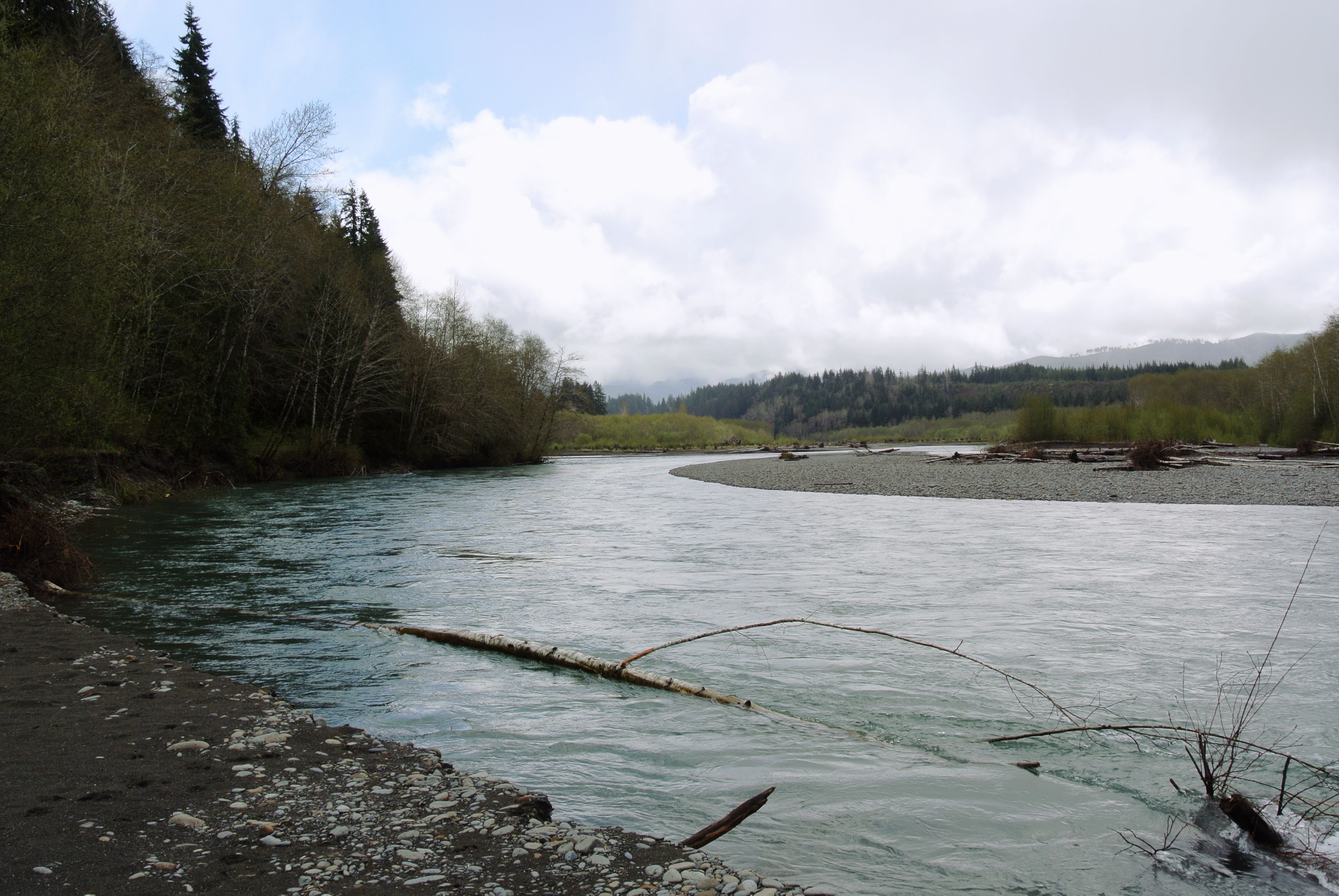
The Hoh rises on the flanks of Mount Olympus, carrying glacier-ground silt through one of Earth’s wettest temperate rainforests. When the glacial signal is strong and rainfall is moderate, the river leans turquoise; in heavy storms, it flips to slate as fresh sediment and woody debris dominate. This pendulum swing makes the Hoh a perfect case study in how color reflects the tug-of-war between ice, rain, and slope.
Wade in up to your knees and you’ll see your boots blur a little – the trademark veil of glacial flour. It’s a soft focus that turns the valley’s green walls into a brighter, cooler mirror.
Upper Skagit River, Washington
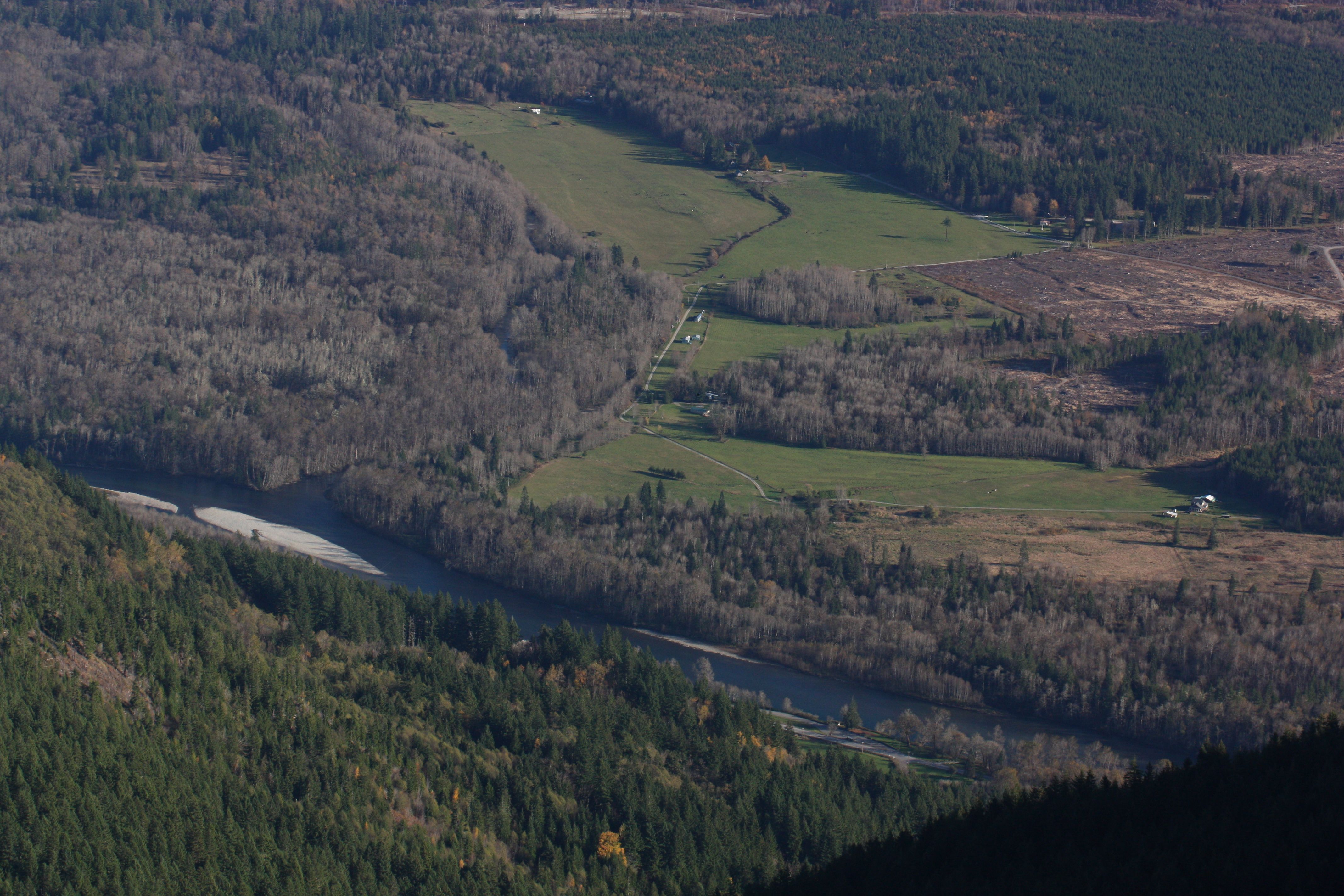
High in the North Cascades, the Skagit’s tint depends on the season’s glacier melt and the fine silt it carries from peaks like Eldorado and Boston. In late summer, when the flows are steady and particle size stays tiny, channels and eddies can blaze turquoise, especially above impoundments. The same particles that make the color also keep the water slightly opaque, diffusing sunlight into that distinctive glacial glow.
Downstream dams trap much of the silt, sharpening color in reservoirs while clearing the river below. It’s a vivid demonstration of how infrastructure edits a watershed’s palette.
Snake River, Wyoming
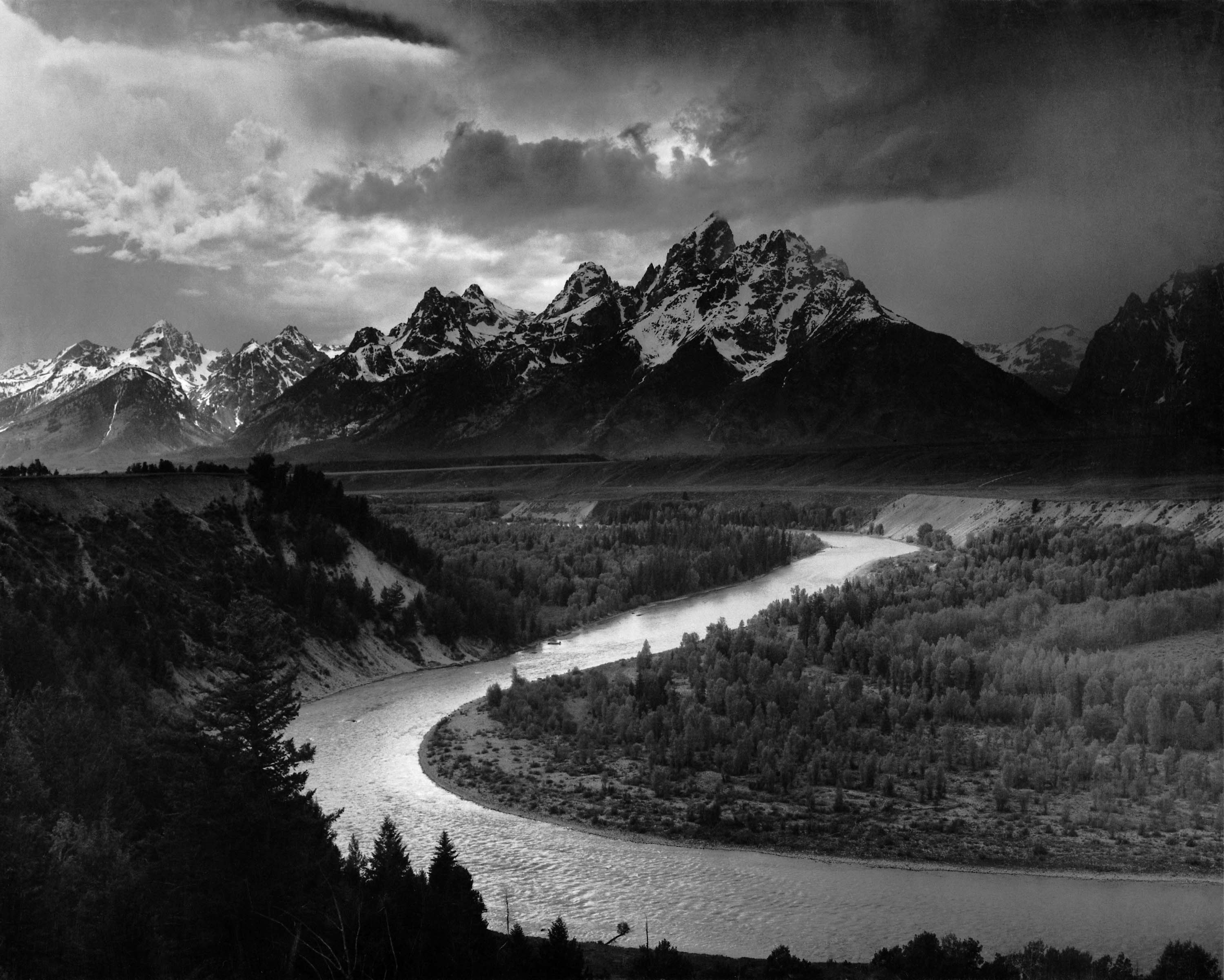
Just below Jackson Lake and along braids near Pacific Creek, the Snake can flash a surprising turquoise during strong melt years. Glacial flour from the Teton Range feeds the effect, while clear, cold releases from the lake modulate the clarity that makes color visible. Move downstream and the hue softens as tributaries add sediment and plankton, shifting the optics toward green.
Anglers often notice the change first, reading color as a proxy for depth and drift. It’s a practical lesson in how water chemistry and light team up to guide both fish and people.
Nooksack River, Washington
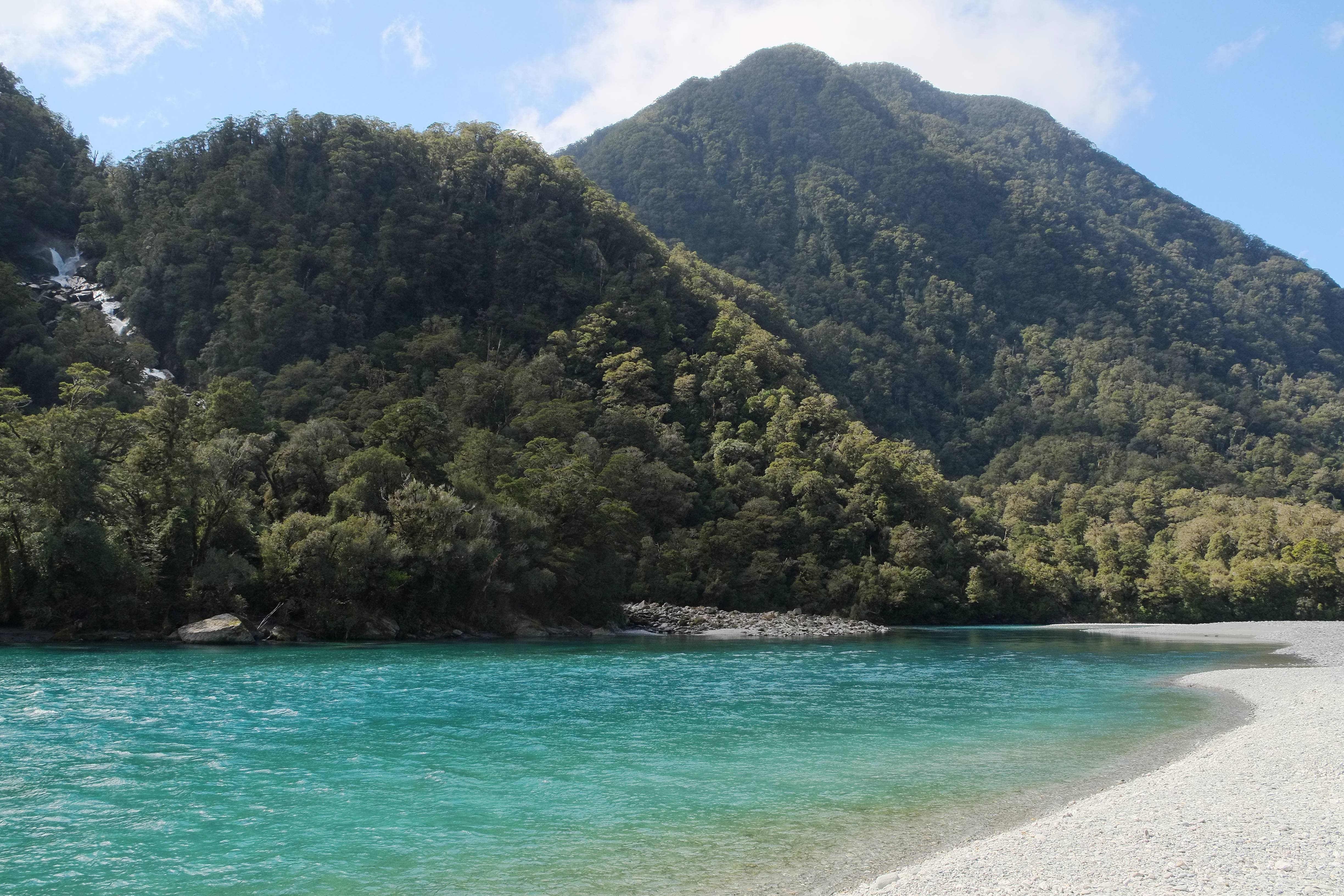
North of Seattle, the North Fork Nooksack draws its tint from the Deming and Nooksack glaciers, with the finest flour yielding a bright, almost opaque turquoise during late summer. Heavy rains or landslides push the river toward gray, but when melt stabilizes, that blue-green curtain returns. Turbulence keeps particles aloft, so the color often looks most intense in chutes and bends.
Photographs flatten it; in person the hue seems to float above the current like mist. That’s the optical trick of tiny minerals performing on a big stage.
Why it matters goes beyond pretty pictures: a river’s color is a fast diagnostic. Turquoise often means fine mineral particles or carbonate precipitation, while sudden shifts can flag erosion pulses, dam operations, or nutrient surges that favor algae in slower reaches. Compared with waiting for lab results, color is an instant readout – imperfect but revealing – of what the watershed is doing today. Scientists pair satellite reflectance with on-the-ground sampling to tie shade to particle size and chemistry, a combo that’s reshaping how we monitor remote rivers. For communities that rely on these waters for fisheries and recreation, color tells a story about timing, safety, and change you can literally see.
What’s next is already unfolding. Shrinking glaciers are altering the seasonality and volume of glacial flour, which could dull some turquoise rivers even as warming boosts algae in others. Emerging tools – hyperspectral drones, low-cost turbidity loggers, and machine learning that links color to particle fingerprints – are turning rivers into open books. There’s a global angle, too: from the Alps to the Andes, similar shifts are rewriting color calendars that once felt predictable. The risk is losing the signal in the noise as fires, floods, and dams add competing tints to the water.
Here’s how to help, even from a distance. Support local watershed groups and tribal monitoring programs that sample turbidity, nutrients, and temperature; these data anchor what satellites see. When you visit, stay on durable surfaces and keep sediment out of creeks – tiny disturbances add up, especially near fragile springs. Encourage utilities and agencies to share real-time color and clarity dashboards so anglers, boaters, and families can plan around safe flows. If you live nearby, volunteer for macroinvertebrate counts or temperature logging; small efforts scale when many hands join. The rivers are talking in turquoise – let’s learn the language while there’s still time. Did you expect that?
Suhail Ahmed is a passionate digital professional and nature enthusiast with over 8 years of experience in content strategy, SEO, web development, and digital operations. Alongside his freelance journey, Suhail actively contributes to nature and wildlife platforms like Discover Wildlife, where he channels his curiosity for the planet into engaging, educational storytelling.
With a strong background in managing digital ecosystems — from ecommerce stores and WordPress websites to social media and automation — Suhail merges technical precision with creative insight. His content reflects a rare balance: SEO-friendly yet deeply human, data-informed yet emotionally resonant.
Driven by a love for discovery and storytelling, Suhail believes in using digital platforms to amplify causes that matter — especially those protecting Earth’s biodiversity and inspiring sustainable living. Whether he’s managing online projects or crafting wildlife content, his goal remains the same: to inform, inspire, and leave a positive digital footprint.