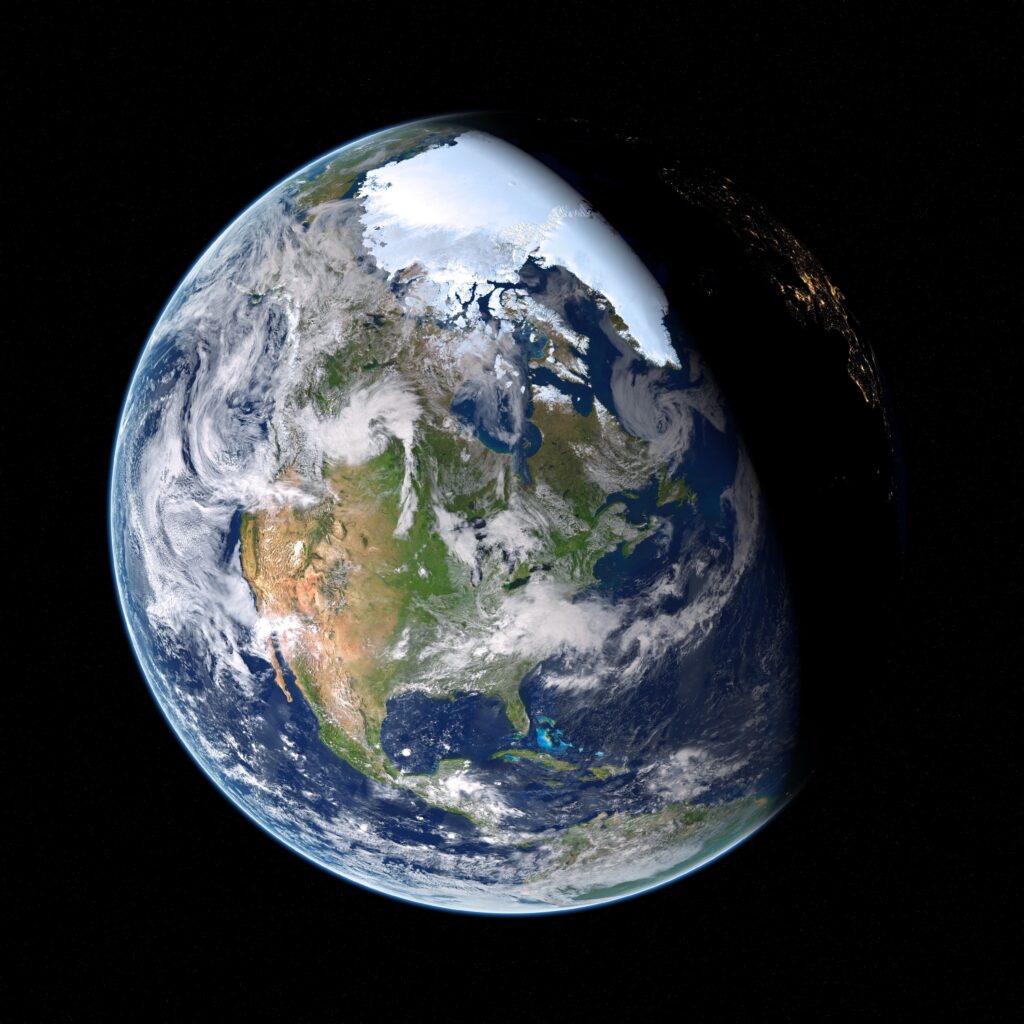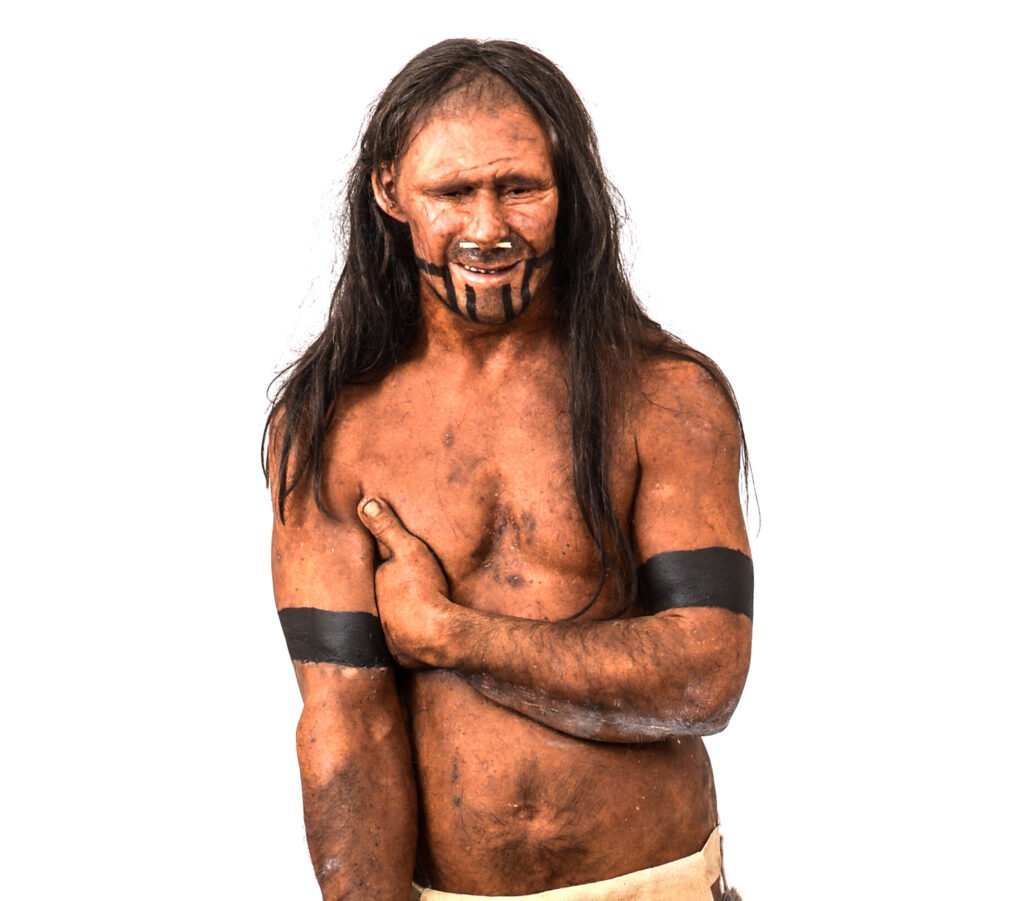

Picture yourself looking at your closest relatives in the animal kingdom. Chimpanzees are covered in thick, protective fur from head to toe. Gorillas sport impressive coats that shield them from the elements. Yet here you are, a supposedly advanced primate, almost completely naked save for a few strategic patches of hair.
This apparent evolutionary setback represents one of the most fascinating trade-offs in human development. When human ancestors moved from the cool shady forests into the savannah, they developed a new method of thermoregulation. Your hairless skin isn’t a design flaw – it’s actually a sophisticated cooling system that allowed your ancestors to survive and thrive in environments that would have been deadly for their furry cousins.
The Great Migration: From Forest to Savannah
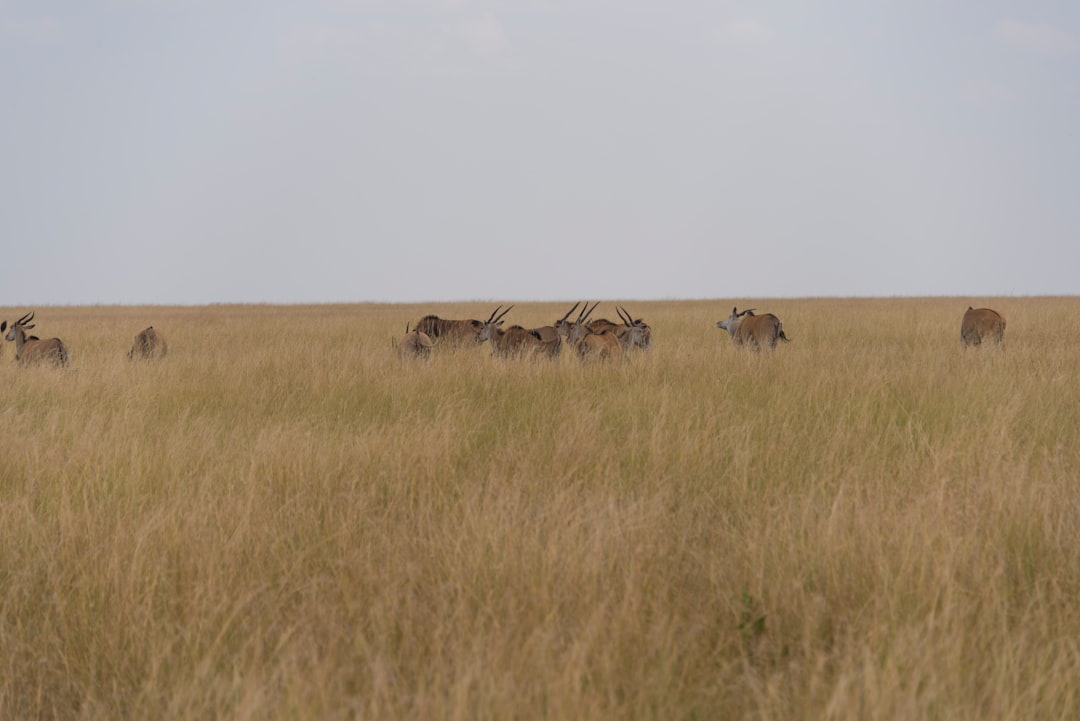
When our ancestors left the shady forests for open savannas beginning around 6-7 million years ago, they faced a critical challenge: avoiding overheating under the blazing sun. This wasn’t just a minor inconvenience. You have to understand that these early humans were venturing into a completely different world where the rules of survival had fundamentally changed.
The forest provided natural air conditioning through dense canopy cover and consistent shade. The open savannah offered opportunities for hunting and foraging that simply weren’t available in the trees, but came with a deadly price: relentless exposure to solar radiation and ambient heat. This may have allowed slow and defenseless hominins to forage in midday heat when the threat of predation is reduced.
Your ancestors faced a stark choice: develop new ways to stay cool or perish in the heat. The solution they evolved would fundamentally alter what it means to be human.
The Sweating Revolution: Nature’s Air Conditioning System

“The human body contains between 2-5 million eccrine sweat glands capable of producing up to 12 liters of sweat daily,” explains Dr. Nina Jablonski, evolutionary biologist. This incredible statistic reveals just how dramatically your cooling system differs from other mammals. Most animals pant, seek shade, or rely on behavioral changes to regulate temperature.
You, however, carry a portable cooling system that works like a sophisticated evaporative cooler. Eccrine glands are specialized sweat glands that produce large quantities of sweat that is mostly water and has coevolved with the loss of body hair to create a more effective evaporative heat loss mechanism. Think of it as nature’s version of a high-tech cooling vest that covers your entire body.
Most researchers agree with the premise that fur-loss and eccrine gland-gain coevolved for thermoregulation during human evolution. This wasn’t just losing hair – it was gaining an entirely new physiological capability that would prove crucial for human success.
Why Hair Had to Go: The Physics of Cooling
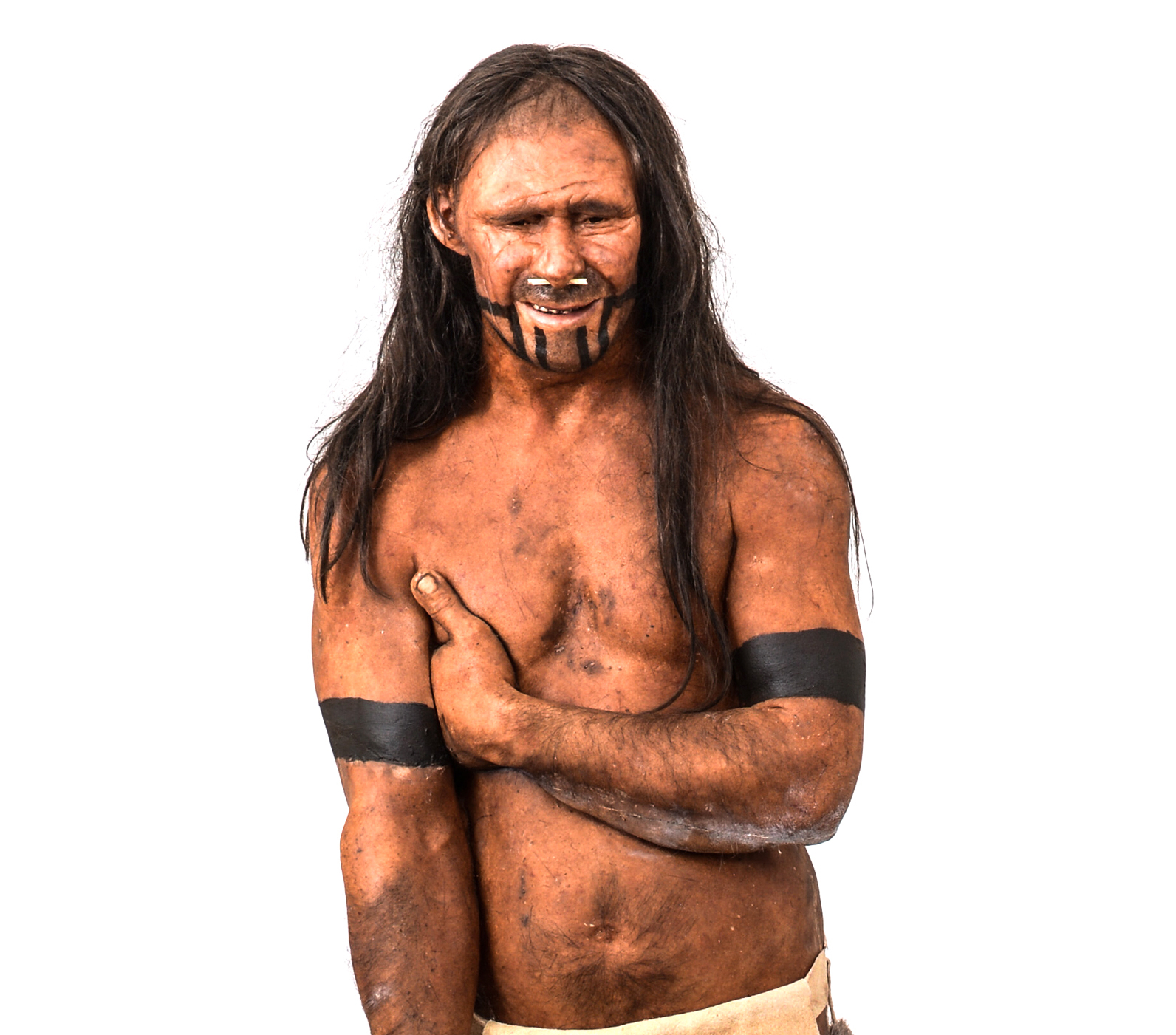
The reduction in density and size of hairs in humans helps in thermoregulation by evaporative loss of heat through sweating. Non-hairy skin will not pose a barrier to evaporation while plenty of hairs would reduce evaporative heat loss. Imagine trying to cool a radiator while it’s wrapped in a thick blanket – that’s essentially what fur does to your body’s cooling system.
For furred animals, sweating simply cools the tips of the fur and not the skin beneath and is thus to no purpose; only if the fur is completely soaked is there any consequential benefit from sweating. Your naked skin allows sweat to evaporate directly from the surface, creating immediate cooling relief rather than just dampening a layer of hair.
The physics are straightforward but revolutionary. Every drop of sweat that evaporates from your skin removes heat energy from your body. Hair would trap this moisture, creating a humid microclimate that actually makes cooling less efficient. Your ancestors who lost their fur gained a massive advantage in temperature regulation.
The Bipedalism Connection: Standing Tall for Better Cooling
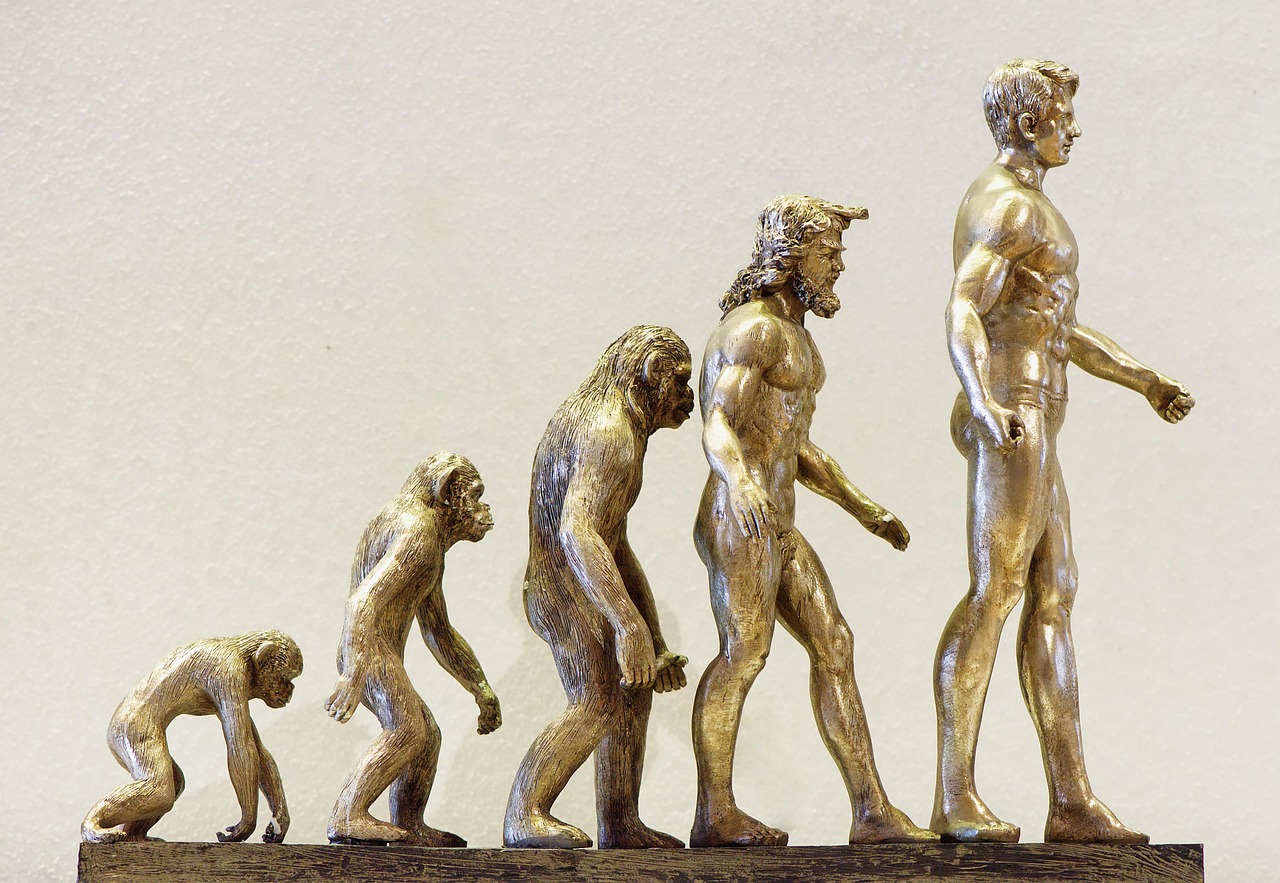
Because sweating is made more efficient with near-hairlessness and increased air flow, loss of body hair and adoption of bipedal posture may have been concurrent, allowing for increased thermal sweating. Walking upright wasn’t just about seeing predators or freeing hands for tools – it was also about staying cool.
When you stand upright, you expose far less surface area to direct sunlight compared to walking on all fours. Wheeler argued that a bipedal hominid would have a significant thermoregulatory advantage over a quadrupedal hominid due to the decreased exposure to direct and indirect solar radiation and would increase skin surface area to winds, which would increase the selective value of the sweating mechanism.
Once hair loss and sweating ability evolved to near-modern human levels, there becomes an added thermoregulatory advantage to bipedality. This allows us to make predictions about the relative timing of hair loss and development of bipedalism. If both of these changes occurred primarily through thermoregulatory evolutionary pressures, then we predict that hair loss would occur before bipedalism.
Strategic Hair Retention: What Stayed and Why

You didn’t lose all your hair – and that’s not an evolutionary oversight. Humans kept some patches of hair, like the stuff on our heads which protects from the sun and the stuff on our pubic regions which retains secreted pheromones. Each remaining patch serves a specific purpose that outweighed the cooling benefits of going completely bald.
Your scalp hair acts like a natural sun hat, protecting your brain from overheating while allowing the rest of your body to benefit from hairlessness. Think of the sun is beating down on the top of your head if you do not have hair there. The brain is particularly sensitive to temperature changes, so maintaining this protective covering was crucial.
Hair in other areas serves different functions – from trapping pheromones for communication to protecting sensitive skin from UV damage. Think of what a sunburn on your crotch is going to do to your probability to reproduce if you’re a naked protohuman living in the African Savannah a million years ago. Evolution kept hair exactly where you needed it most.
The Parasite Hypothesis: An Added Benefit of Going Bare
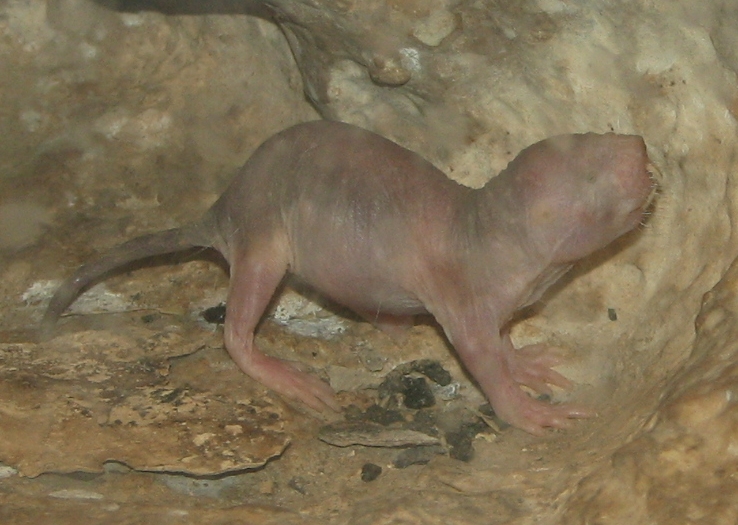
Evolutionary scientist Mark Pagel at the University of Reading has also proposed that going fur-less reduced the impact of lice and other parasites. This represents another significant advantage that may have accelerated the loss of body hair in early humans.
Dense fur provides countless hiding places for parasites, ticks, and disease-carrying insects. Human lice infections, which are confined to the hairy areas of our bodies, seem to support the parasite hypothesis. Naked mole rats, animals that can be described as resembling “overcooked sausages with buck teeth,” also seem to support the theory: They live underground in large colonies, in which parasites would be readily transmitted.
Your ancestors who had less hair would have been healthier, more comfortable, and less likely to contract serious diseases from parasitic infections. This health advantage would have made hairless individuals more attractive mates and better survivors, creating evolutionary pressure toward further hair loss.
The Genetic Blueprint: How DNA Orchestrated Hair Loss
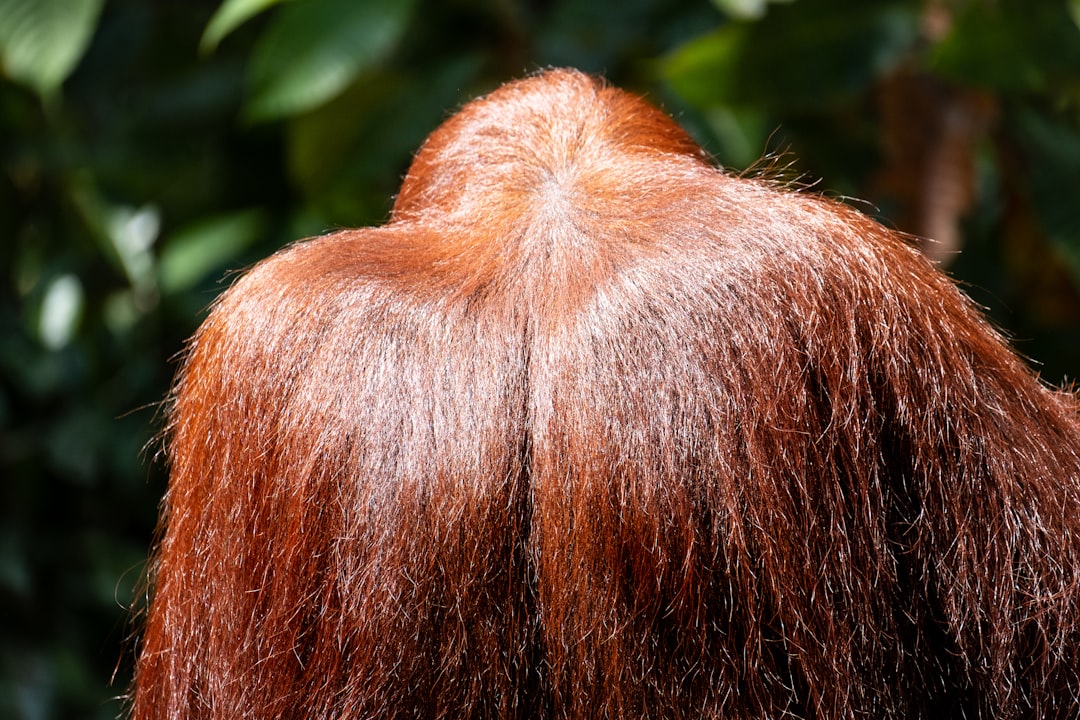
The general hairlessness of humans in comparison to related species may be due to loss of functionality in the pseudogene KRT41P (which helps produce keratin) in the human lineage, though the precise timing of this genetic change remains under investigation. This genetic change represents the molecular mechanism behind your species’ transformation from furry to nearly naked.
The data demonstrates an acceleration of HR sequence evolution in human branch and suggests that the ability of HR protein to mediate postnatal hair-cycling has been altered in the course of human evolution. Multiple genes were involved in this transformation, creating a complex genetic orchestra that reduced hair density and thickness while maintaining the ability to grow hair where it remained beneficial.
Using a computational approach, researchers identified parts of the genome that have evolved similarly in mammalian species that have lost their hair. They found that genes and regulatory sequences, that had been previously associated with hair growth, accumulated mutations at significantly different rates in hairless versus hairy mammals. This indicates that these regions associated hair growth are also related to evolution of hairlessness.
Modern Implications: Why This Matters Today

Your evolutionary heritage as a sweating, nearly hairless primate continues to influence your daily life in ways you might not realize. The dissipation of body heat remains the most widely accepted evolutionary explanation for the loss of body hair in early members of the genus Homo. Less hair, and an increase in sweat glands, made it easier for their bodies to cool when they moved from living in shady forest to open savanna.
This cooling system allows you to engage in sustained physical activity that would be impossible for other primates. Marathon running, working in hot climates, and even just walking around in summer heat are all made possible by your evolutionary trade-off. Your ability to thermoregulate through sweating rather than behavioral modifications gives you remarkable flexibility in when and where you can be active.
Anthropologist and paleo-biologist Nina Jablonski posits that the ability to dissipate excess body heat through eccrine sweating helped make possible the dramatic enlargement of the brain, the most temperature-sensitive human organ. Your big brain is literally possible because you lost your fur.
represents one of the most successful adaptations in mammalian history. By sacrificing the insulation and protection of dense body hair, your ancestors gained a sophisticated cooling system that allowed them to thrive in challenging environments, engage in sustained physical activity, and develop the large, heat-sensitive brains that define human intelligence.
This wasn’t just about staying cool – it was about opening up entirely new evolutionary possibilities. Your naked skin enabled everything from long-distance running to midday foraging, from reduced parasite load to enhanced social signaling through visible skin color changes. What might seem like a loss was actually a profound gain that continues to influence human capabilities today.
What do you think about this remarkable evolutionary trade-off? Tell us in the comments.
Hi, I’m Andrew, and I come from India. Experienced content specialist with a passion for writing. My forte includes health and wellness, Travel, Animals, and Nature. A nature nomad, I am obsessed with mountains and love high-altitude trekking. I have been on several Himalayan treks in India including the Everest Base Camp in Nepal, a profound experience.