Picture this: you’re waiting at a traffic light, watching the familiar red-yellow-green cycle when something catches your eye. There’s a crow, standing patiently beside you at the crosswalk. When the pedestrian signal changes and you step forward, the crow moves too, walking casually across the street with purpose.
What might seem like a quirky urban coincidence is actually one of nature’s most remarkable demonstrations of intelligence in action. You’re witnessing corvid cognition at its finest, where these black-feathered brainiacs have cracked the code of city life in ways that might surprise you. This isn’t just learned behavior. It’s a masterclass in adaptation, problem-solving, and cultural transmission that challenges everything we thought we knew about animal intelligence.
The Japanese Discovery That Changed Everything
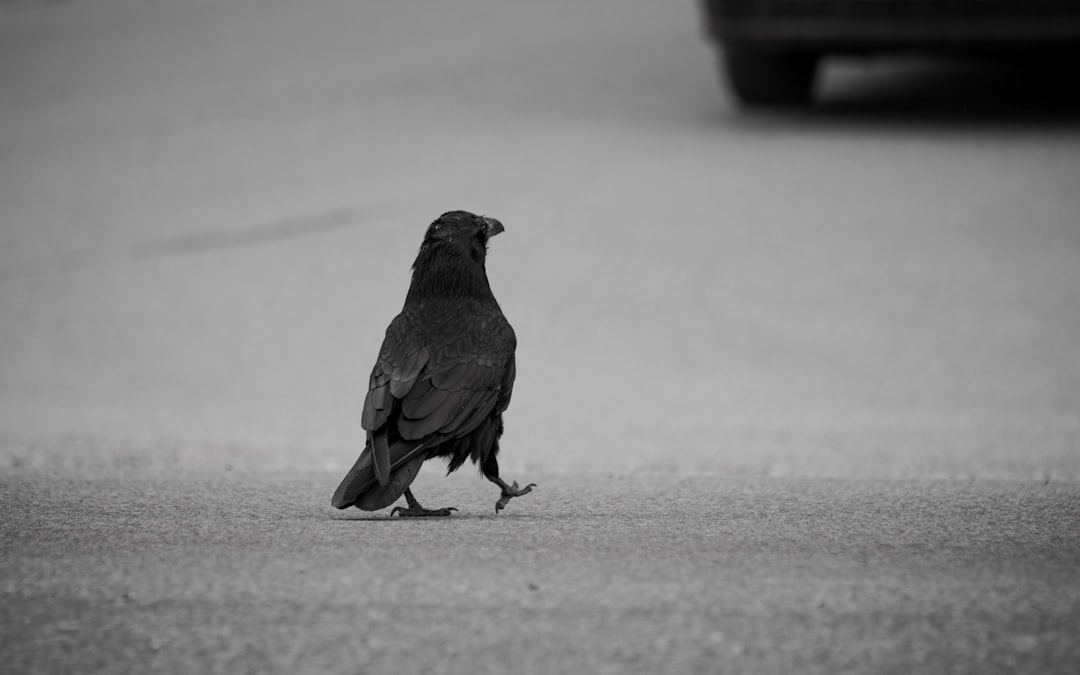
It was here that the local carrion crows (Corvus corone) discovered how to use cars as nutcrackers. In Sendai, Japan, something extraordinary began unfolding. The crows weren’t just randomly dropping nuts in front of cars. They were systematically placing walnuts at crosswalks, timing their actions with mathematical precision to the rhythm of urban traffic patterns.
When the lights change, the birds hop in front of the cars and place walnuts, which they picked from the adjoining trees, on the road. After the lights turn green again, the birds fly away and vehicles drive over the nuts, cracking them open. Finally, when its time to cross again, the crows join the pedestrians and pick up their meal
The behavior was so sophisticated that it caught the attention of biologists worldwide. They wait patiently until the light is in their favor, and then walk out, along with the “regular pedestrians”, to claim their now-edible nuts! What started as an isolated observation became the foundation for understanding how urban wildlife can adapt to human infrastructure in ways that mirror our own behavior patterns.
Traffic Light Mastery Beyond Accident
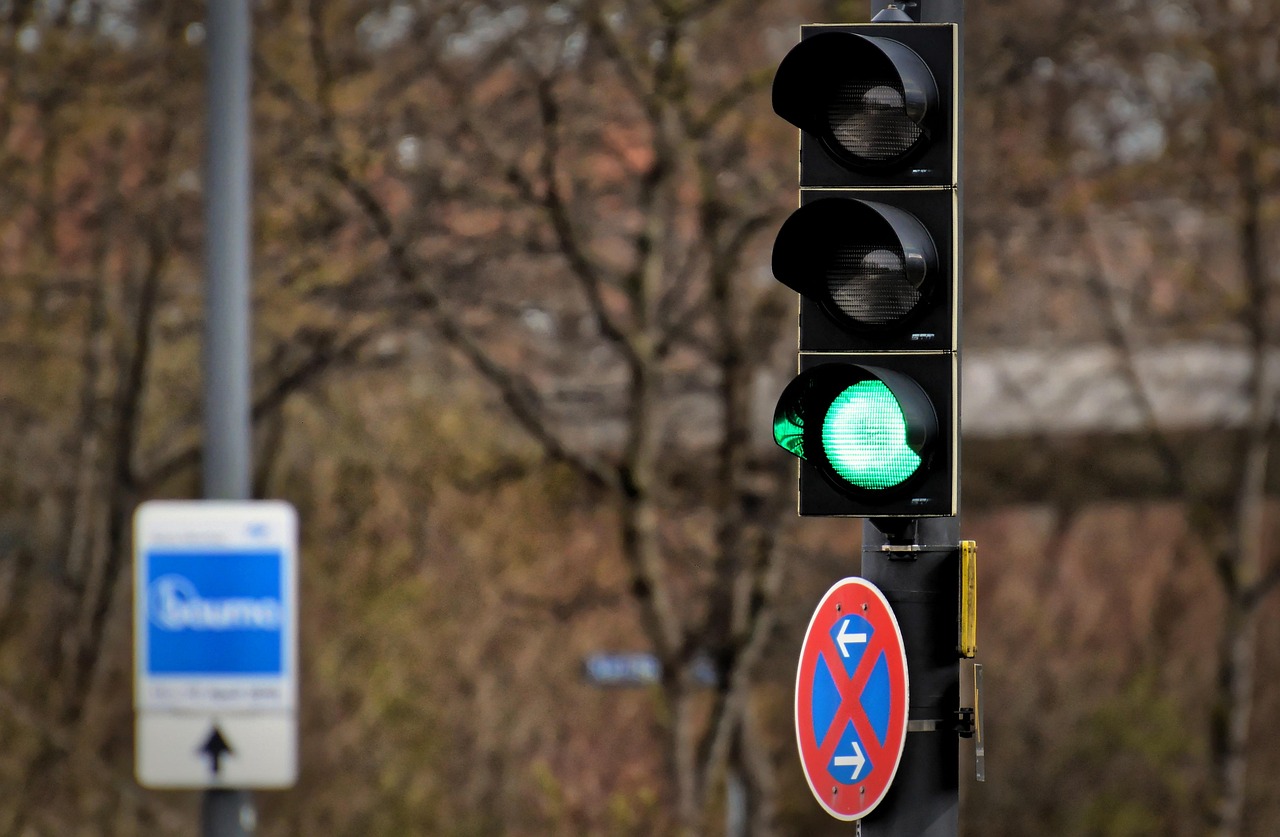
The precision of crow crosswalk behavior defies any explanation of random luck or coincidence. The crows aren’t usually run over because (unlike some people) they’ve figured out what traffic lights mean. Carrion crows wait until the light turns red before flying down to place the un-cracked nut on the road. The second the light goes green, the crow takes off to watch the nut get run over from afar; it will even wait for the next red to scoop up the nut’s meat.
This level of timing requires understanding complex cause-and-effect relationships that extend beyond immediate sensory input. The birds have learned to associate light colors with traffic patterns, pedestrian movement cycles, and optimal safety windows for food retrieval. Urban-living carrion crows have learned to use road traffic for cracking tough nuts. They do this at traffic light crossings, waiting patiently with human pedestrians for a red light before retrieving their prize.
The behavior has now been documented across multiple species and locations. American crows have been observed doing the same thing in California. This geographic spread suggests that the technique represents more than isolated learning. It demonstrates cultural transmission and adaptive intelligence working across continents.
The Neural Architecture Behind Crow Intelligence
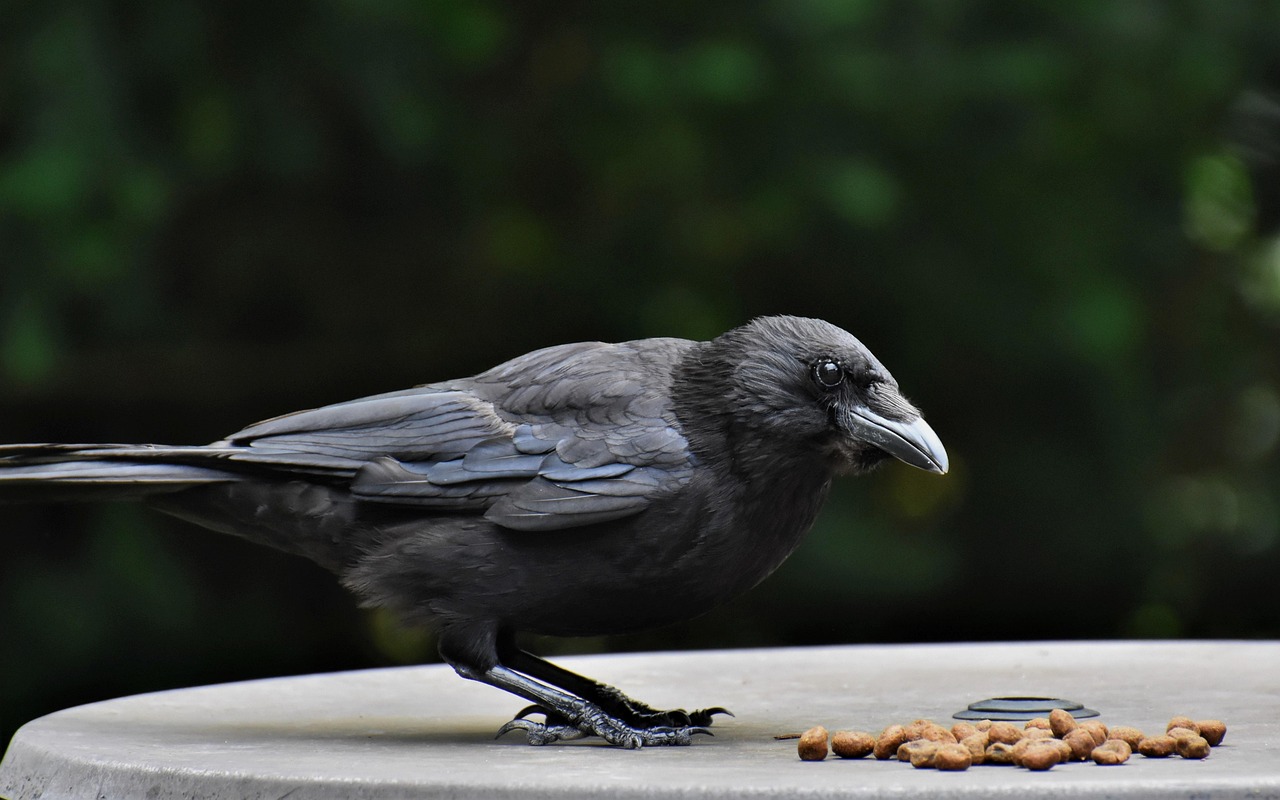
What makes these crosswalk behaviors possible lies deep within the crow brain’s remarkable neural architecture. With this independently evolved endbrain design, the corvid brain demonstrates remarkably high neuron density Despite lacking a cerebral cortex like mammals, crows possess something equally powerful in their nuclear telencephalic areas.
The NCL is therefore considered to be a functional equivalent of the prefrontal cortex (PFC) that enables cognitive control in primates. This constitutes a fascinating example of convergent evolution of intelligence and cognitive control centers in the these vertebrates’ brains The nidopallium caudolaterale, or NCL, serves as the crow’s executive control center, processing complex decisions and abstract rule learning.
Research has revealed how these neural networks process traffic situations. We report that the most prevalent single-cell activity represents behavioural rules in an abstract manner and can predict the crows’ behavioural decisions. This suggests that the abstraction of general rules and principles might be an important function of the NCL, mirroring the function of primate PFC. The implications are staggering: crows can form mental maps of urban environments, predict human behavior patterns, and make strategic decisions based on environmental cues.
Learning Through Observation and Cultural Transmission
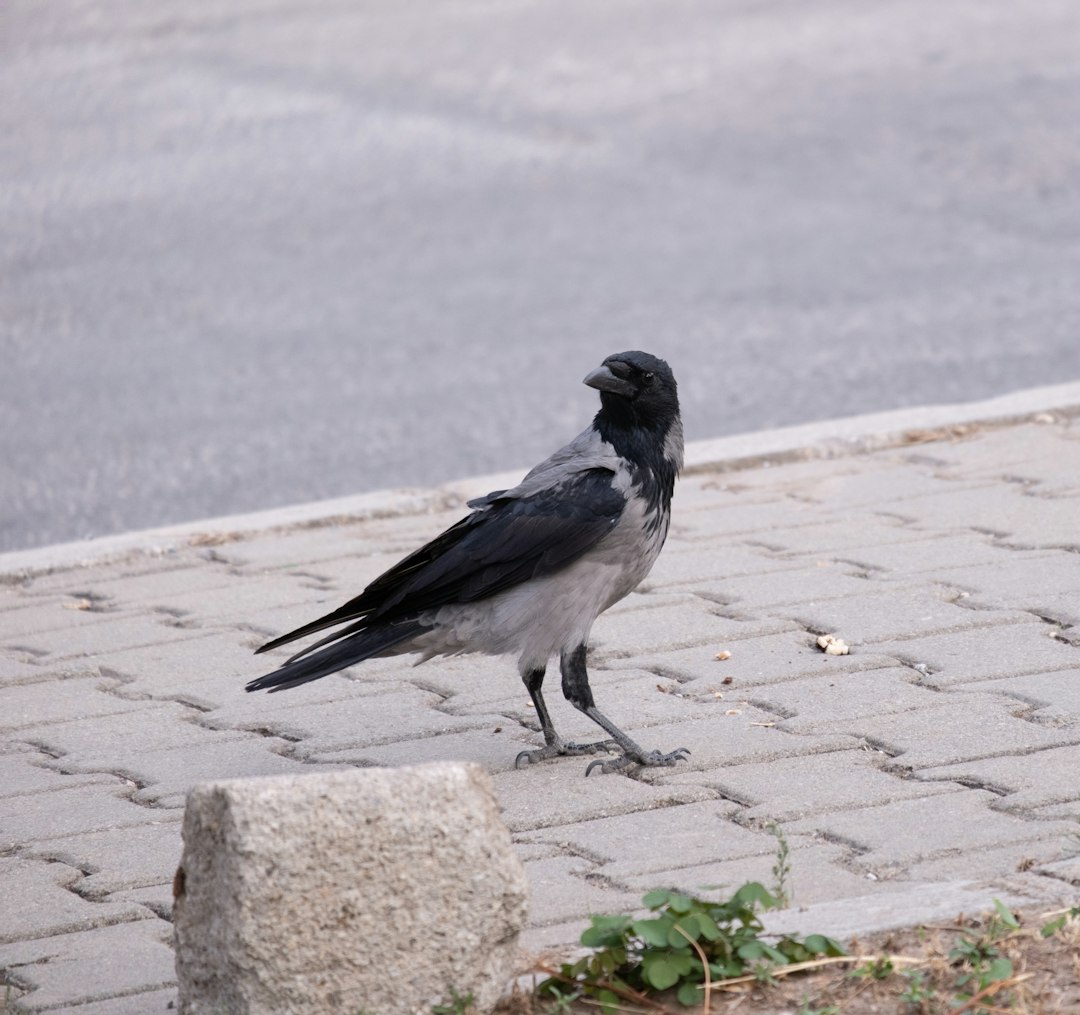
The spread of crosswalk behavior among crow populations reveals sophisticated learning mechanisms that parallel human cultural development. American crows (Corvus brachyrhynchos) use both sources of information to learn the facial features of a dangerous person. An immediate scolding response to the dangerous mask after trapping by previously captured crows demonstrates individual learning, while an immediate response by crows that were not captured probably represents conditioning to the trapping scene by the mob of birds that assembled during the capture. Later recognition of dangerous masks by lone crows that were never captured is consistent with horizontal social learning.
In urban environments, carrion crows have been documented teaching others to use traffic patterns to crack nuts – placing walnuts on crosswalks, waiting for cars to run over them during green lights, then retrieving the exposed nutmeat during pedestrian crossing signals. These sophisticated behaviors highlight how corvid cultural transmission enables adaptation to novel environmental challenges.
The learning process goes beyond simple imitation. Young crows observe experienced adults, practice the behavior, and refine their technique through trial and error. What may be even more amazing is that demonstrated evidence exists for crows “teaching” their offspring which humans to avoid, with juvenile crows shunning the select offenders on first exposure. This vertical transmission of knowledge creates behavioral traditions that can persist across generations.
Urban Adaptation and Behavioral Flexibility
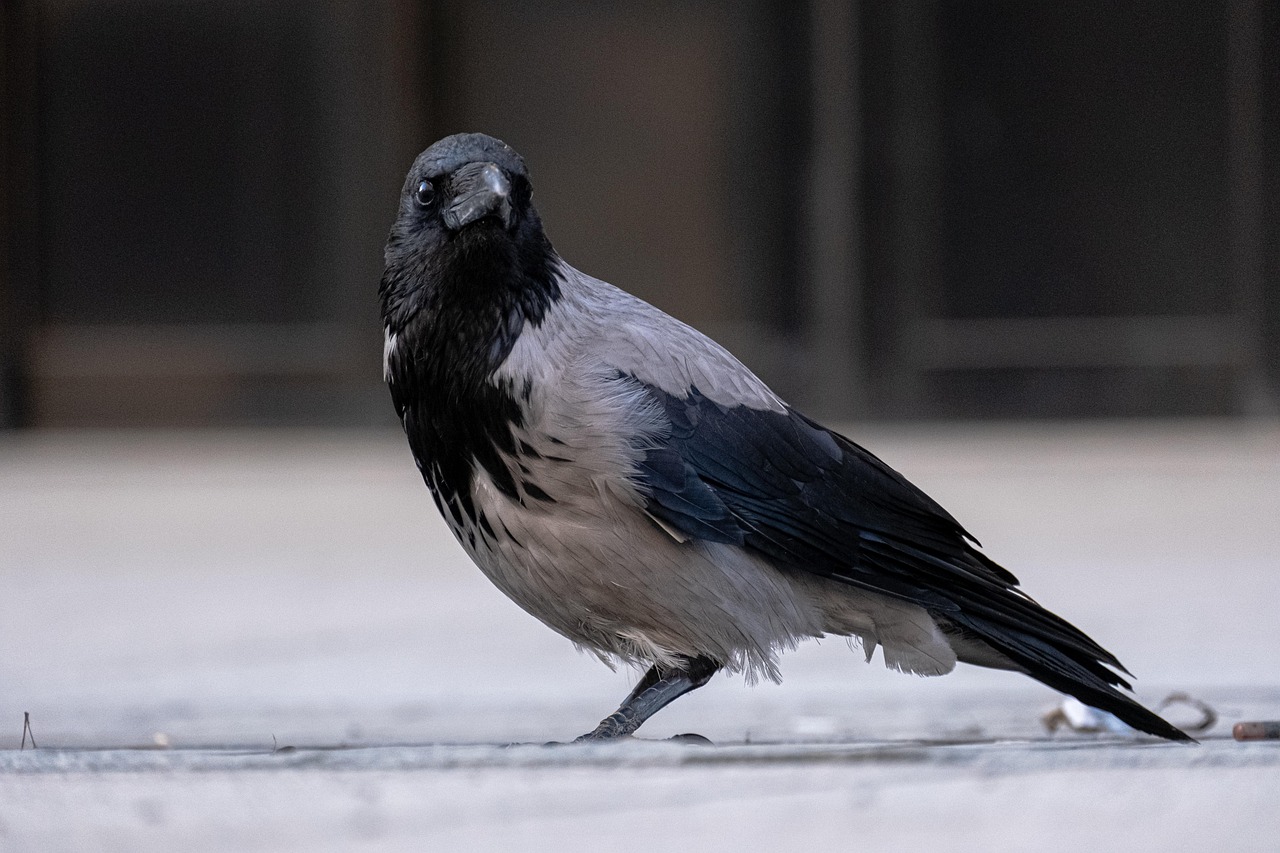
Cities present unique challenges that have shaped crow behavior in remarkable ways. Since access to anthropogenic resources in the cities and high levels of adaptation to novel environments often translate into shifts in corvids’ activities, as stated above, many corvids change their behavior and get accustomed to human presence. Decreased persecution in cities in the last few decades as opposed to rural areas appears to be an important factor promoting the corvids’ tolerance and habituation to humans and traffic
The adaptability extends far beyond traffic navigation. Corvids are amazingly resilient, and are often drawn to urban areas for easy sustenance, social stimulation, and perhaps a slightly warmer environment. Ravens have adapted to utilize many manmade structures as nesting advantages, and crows have conveniently used oncoming cars to repeatedly crack nuts for consumption.
Their behavioral plasticity allows them to exploit urban resources while minimizing risks. Crows demonstrate remarkable cognitive flexibility and adaptability, navigate traffic patterns and problem-solve around obstacles to succeed in their ever-changing environments. This flexibility manifests in timing feeding behaviors around human schedules, selecting safe nesting sites on buildings, and developing new foraging strategies based on available food sources.
The Science of Spatial Memory and Route Planning
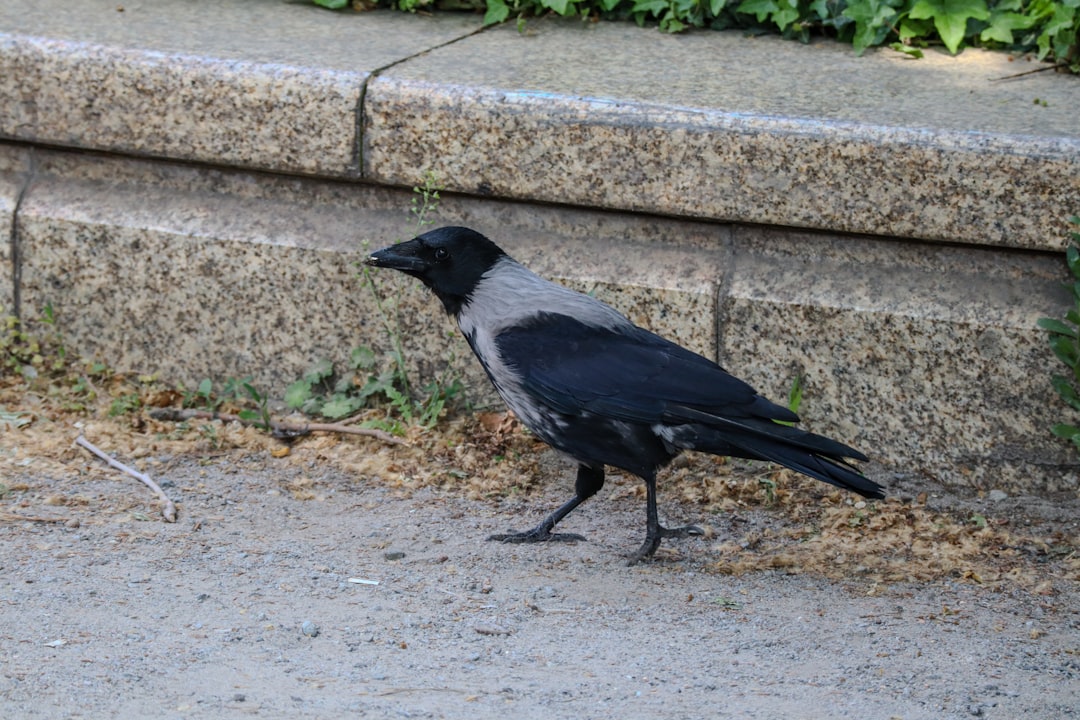
Crosswalk behavior requires sophisticated spatial memory capabilities that rival GPS navigation systems. Crows must remember multiple crosswalk locations, optimal timing windows, and safe retrieval routes while accounting for changing traffic patterns throughout the day. Importantly, the neural responses of spatially tuned neurons were relevant for the crows’ choices and allowed a statistical classifier to predict the subsequently chosen target location in free-choice trials. Our findings demonstrate the pivotal role of the avian NCL in spatial working memory that is reminiscent of the function of the convergently evolved primate prefrontal cortex in spatial working memory.
The birds create mental maps of their territory that include not just physical landmarks but temporal patterns as well. They know which intersections have longer light cycles, where pedestrian traffic is heaviest, and when conditions are safest for food retrieval. This level of environmental awareness requires constant updating of information and flexible response strategies.
Research has shown that crows can plan routes several steps in advance, anticipating where they’ll need to be for optimal foraging success. They factor in variables like weather conditions, time of day, and seasonal changes in human behavior patterns. This forward-thinking approach demonstrates executive function capabilities that were once thought to be uniquely human.
Sound Recognition and Auditory Cues
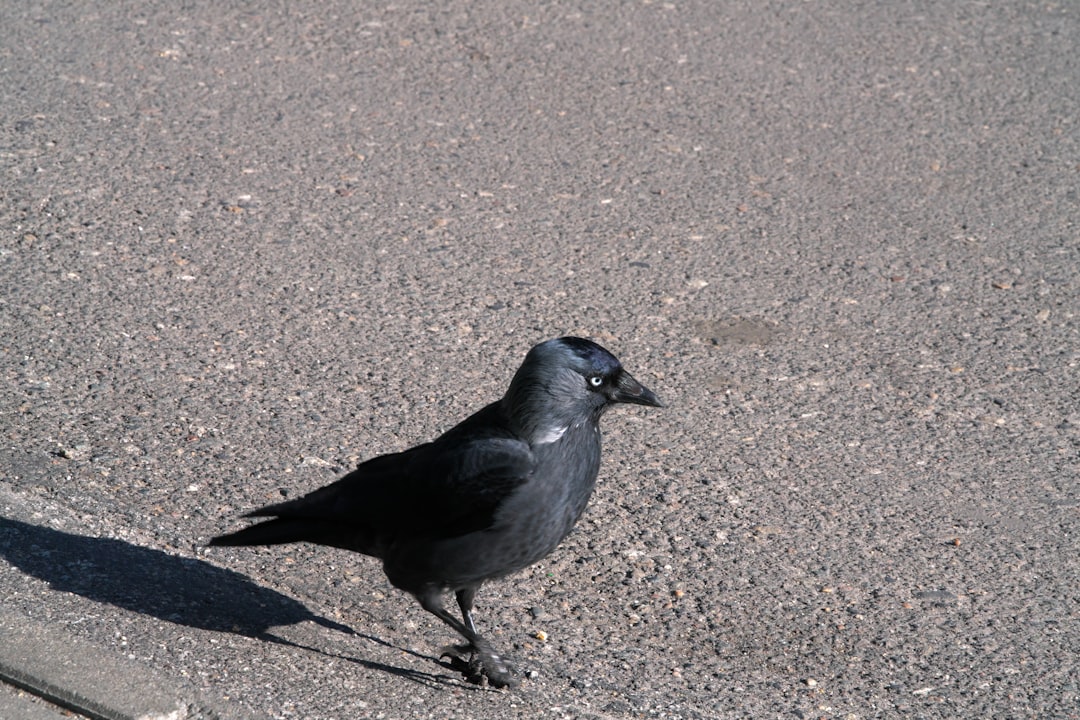
Beyond visual traffic light recognition, crows have learned to interpret the complex soundscape of urban intersections. They respond to pedestrian crossing beeps, the distinctive sounds of approaching vehicles, and even the subtle audio cues that indicate traffic pattern changes. A young Cooper’s hawk in New Jersey learned to use pedestrian crossing signals, specifically their sounds, as cues to time hunting attacks, taking advantage of the longer red lights and car queues to approach prey undetected. The hawk’s behavior suggests a sophisticated understanding of urban traffic patterns and requires forming a mental map of the area, connecting sound cues with visual cover and prey location
While this research focused on hawks, it demonstrates the principle that urban-adapted birds can learn to interpret complex auditory environments. Crows likely use similar sound-based cueing systems to time their crosswalk behavior, especially in situations where visual signals might be obscured or when they’re positioned at angles where traffic lights aren’t clearly visible.
The ability to process multiple simultaneous audio streams while filtering out irrelevant noise showcases the sophisticated auditory processing capabilities of the corvid brain. They can distinguish between the sounds of different vehicle types, identify the specific beeping patterns of crossing signals, and even recognize the footstep patterns of approaching humans.
Social Coordination and Group Dynamics
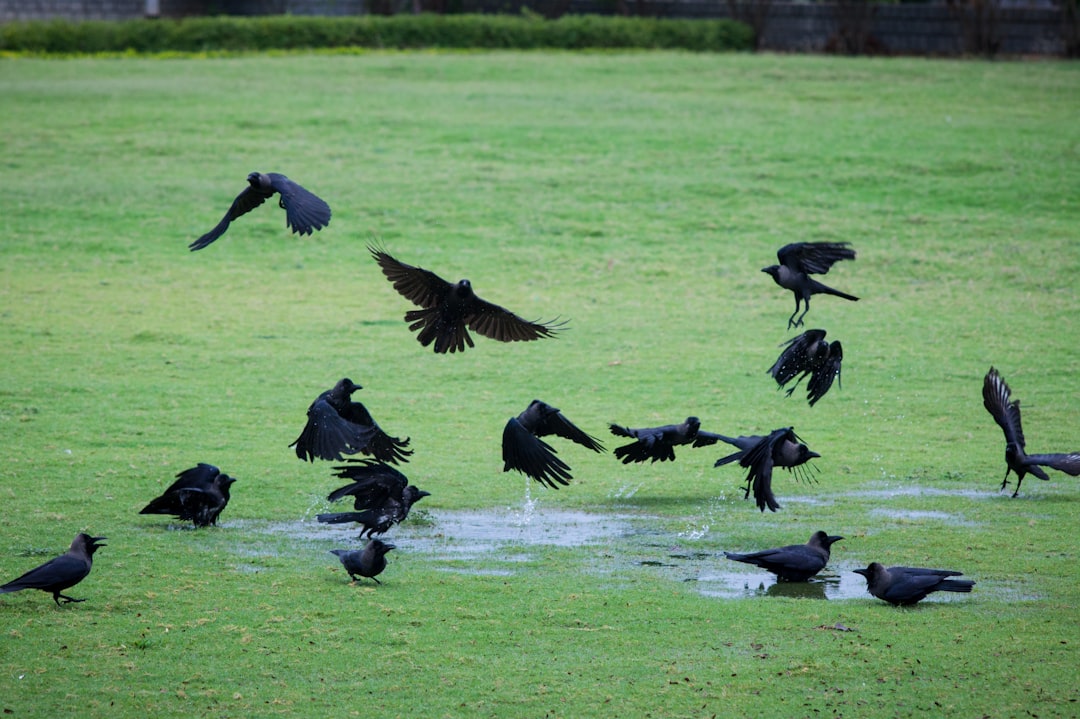
Crosswalk behavior often involves multiple crows working together in coordinated fashion. Crows’ intelligence plays a pivotal role in their actions: They work collectively to warn each other of threats or to secure food. This community-focused behavior explains why crows behave the way they do in urban and natural spaces alike. Groups will station themselves at different points around an intersection, with some birds acting as spotters while others handle nut placement and retrieval.
The social dynamics involve complex communication systems that coordinate timing and reduce competition. Additionally, corvid “language” is a complex system of communication that includes warnings, camaraderie, sophisticated mimicry, and perhaps simple entertainment. Different calls signal when it’s safe to approach the crosswalk, when lights are about to change, and when potential threats are approaching.
This cooperative behavior extends to sharing prime crosswalk locations and teaching techniques to newcomers. Experienced crows will demonstrate proper timing and positioning to younger or less experienced birds, creating a knowledge transfer system that ensures the behavior’s persistence across the population.
Problem-Solving Under Urban Pressure
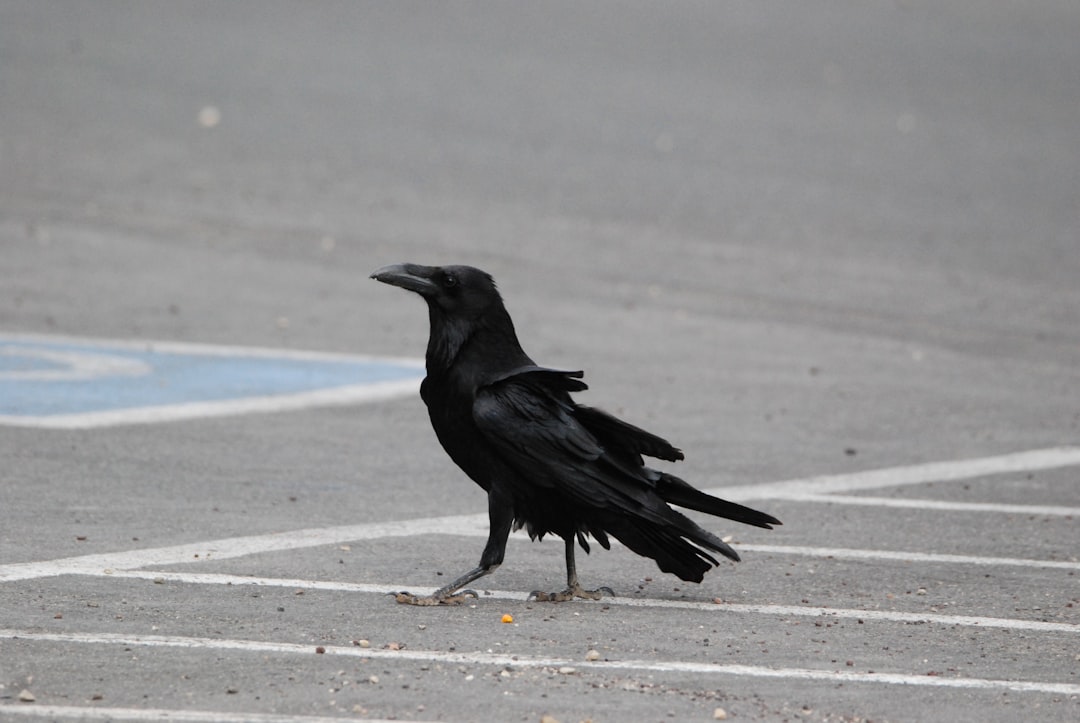
Urban environments constantly present new challenges that require innovative solutions. Or they sit on electricity wires and drop them in front of vehicles when standard crosswalk placement doesn’t work. Crows adapt their techniques based on intersection design, traffic patterns, and local conditions.
They’ve learned to account for variables like one-way streets, turning lanes, and pedestrian-only zones. Dodging cars to retrieve cracked seeds was apparently not to their liking, as many now leave nuts to be cracked within the pedestrian crosswalk. They wait patiently until the light is in their favor, and then walk out, along with the “regular pedestrians”, to claim their now-edible nuts!
The birds show remarkable flexibility when their usual techniques don’t work. They’ll modify drop locations, adjust timing, or switch to alternative streets based on real-time assessment of conditions. This behavioral plasticity demonstrates advanced problem-solving capabilities that allow them to thrive in environments designed for humans rather than wildlife.
Recognition of Human Behavioral Patterns
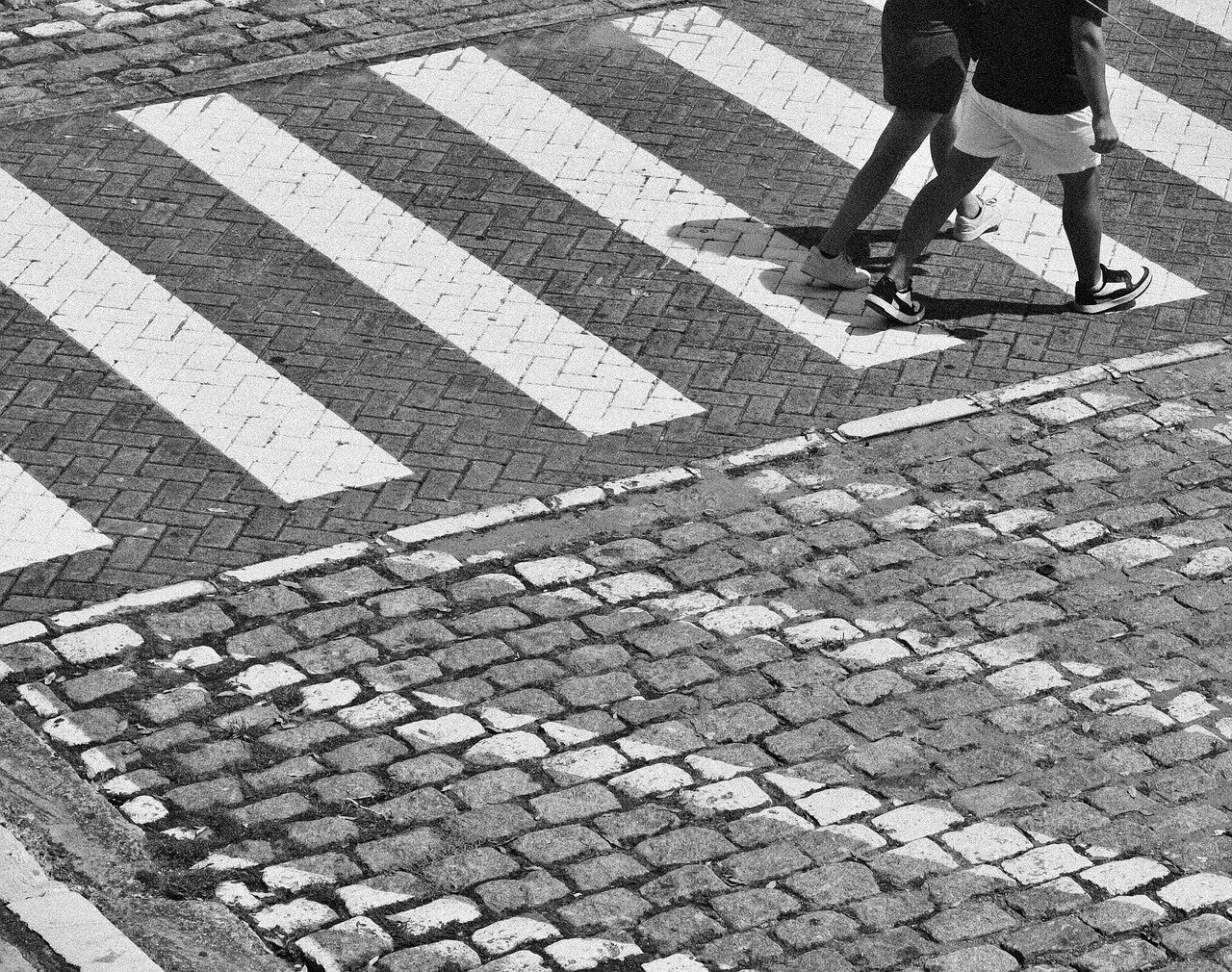
Successful crosswalk navigation requires understanding human behavior patterns that extend beyond simple traffic light timing. Studies have shown that crows are able to hold grudges, remembering people who have wronged them for as long as 17 years in some cases. Researchers have also observed their abilities to communicate dangers and concerns to others in their flock and help one another solve problems. This facial recognition extends to understanding how different types of humans behave at crosswalks.
Crows can distinguish between rushing commuters, leisurely pedestrians, and people with mobility challenges who need extra crossing time. Documented aptitude for facial recognition can make crows either friendly or menacing neighbors – and beneficial behavior by humans is equally remembered as well, to sometimes charming effect. They adjust their behavior based on pedestrian density and movement patterns.
The birds have learned to recognize regular commuters and their routines, potentially timing their own activities around predictable human schedules. They understand that different times of day bring different pedestrian behaviors, from rushed morning commutes to more leisurely afternoon patterns, and adapt their crosswalk usage accordingly.
The Future of Human-Crow Urban Coexistence
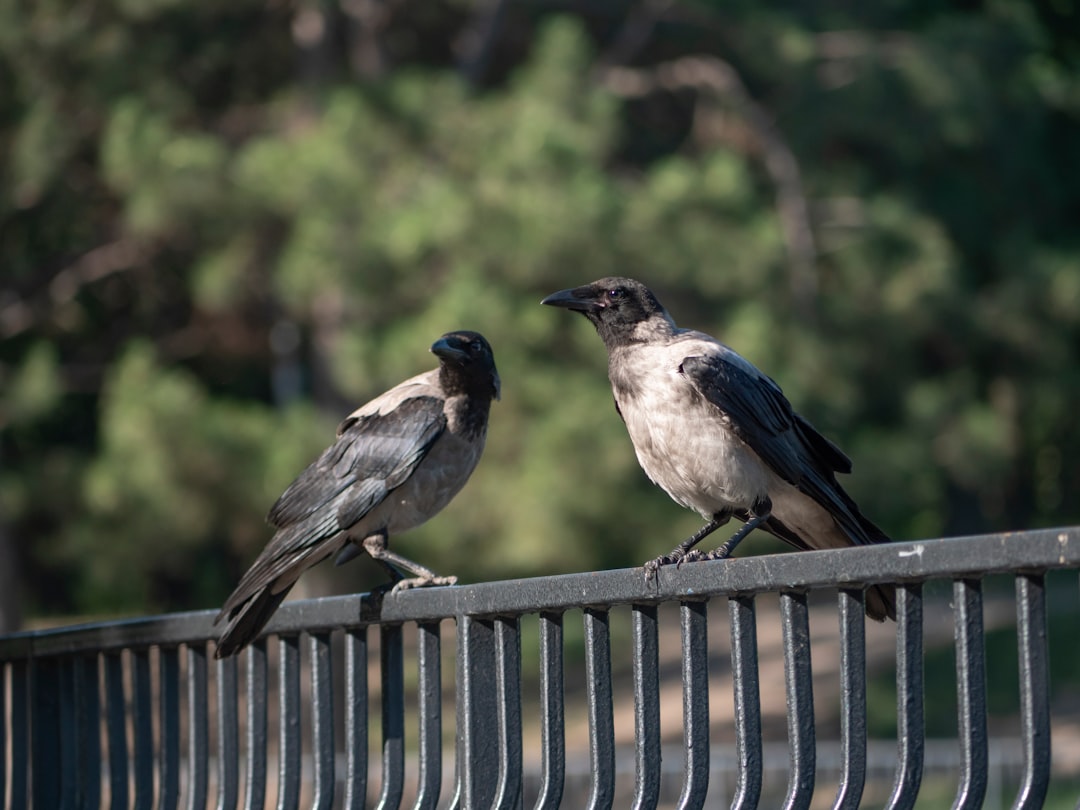
The crosswalk phenomenon represents just the beginning of crow-human urban integration. Our results indicate that corvids have been widely successful in adapting to urbanized environments over recent decades over a worldwide geographic scale. Many corvid species worldwide are reported to live in urbanized environments, attesting this group’s extreme flexibility in resource use and highly opportunistic and plastic behavior As cities continue to evolve, we can expect crow behaviors to evolve alongside them.
Smart city technologies like responsive traffic signals and automated crosswalk systems may present new learning opportunities for crows. Their ability to quickly adapt to technological changes suggests they’ll continue finding ways to exploit urban infrastructure for their benefit. Learn more about how UW scientists are reshaping what we know about crow cognition and behavior
The relationship between humans and urban crows continues to deepen as both species learn to share increasingly complex urban spaces. Understanding this coexistence benefits both parties, as crows provide ecosystem services like waste cleanup while humans can appreciate the remarkable intelligence living alongside them. This partnership offers insights into how wildlife adaptation and urban planning can work together rather than in opposition.
Conclusion
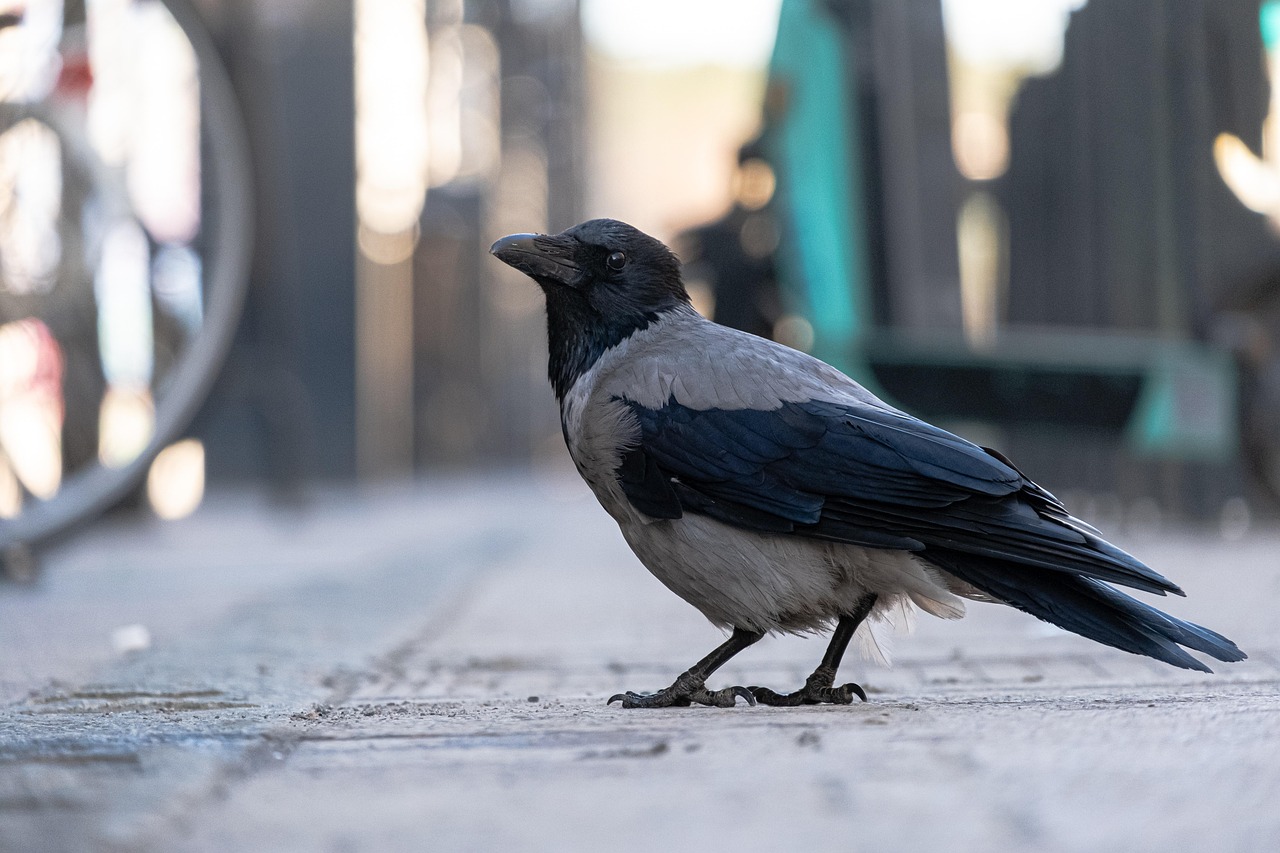
The story of crows reveals something profound about the nature of intelligence itself. These remarkable birds have demonstrated that cognitive abilities we once considered uniquely human actually represent broader principles of adaptation and learning that transcend species boundaries. suggesting that corvids “are as cognitively capable as monkeys and even great apes.”
From the streets of Tokyo to the sidewalks of California, crows are rewriting the rules of urban wildlife behavior. They’re not just surviving in our cities; they’re thriving by understanding us better than we understand them. Next time you’re waiting at a crosswalk and notice a crow beside you, remember that you’re witnessing one of nature’s most sophisticated problem-solving demonstrations in action. What do you think about our feathered urban neighbors? Have you ever noticed them following traffic patterns in your city?