Across the blue corridors of our planet, ambition takes many forms, from explosive sprint-chases to patient, chess-like ambushes. Scientists track those drives in predators with tags, drones, acoustics, and genetic traces, revealing distinct hunting strategies that oddly echo the ways we set goals on land. That parallel is more than a playful metaphor; it’s a lens that makes complex behavior legible and memorable. Today’s story aligns ocean hunters with the ambition style associated with each zodiac sign – not as destiny, but as a narrative scaffold for real biology. Along the way, we dive into how researchers read motion, energy, and teamwork to understand what it truly takes to rule the food web.
The Hidden Clues
What kind of hunter are you when the tide turns? In the sea, ambition shows up as movement signatures: a burst of acceleration, a sudden depth change, a surprising pause before the strike.
Biologging tags capture these signatures in fine detail, measuring speed, body tilt, tail-beat rhythms, and even jaw gapes during feeding. Paired with satellite tracks and acoustic pings, the data sketch a personality profile of the hunt – bold charges, stealthy circling, or coordinated corral-and-crush.
Think of a shortfin mako’s rapid-fire pursuit as the ocean’s equivalent of a startup sprint, while an octopus mapping a maze of crevices channels meticulous, long-game planning. Each pattern is a strategy to turn energy into meals with ruthless efficiency, and that efficiency is the currency of survival.
From Ancient Tools to Modern Science

Humans have read meaning into the night sky for millennia, and we’ve read meaning into the sea just as long – first with charts and stars, now with sensors, models, and code. Where a mariner once inferred a predator’s presence from fleeing baitfish, a researcher today parses accelerometer spikes and temperature gradients.
Critically, modern tools move us beyond anecdotes to repeatable, quantitative insight: time–depth recorders reveal canyon dives, drones map herd-and-strike formations, and environmental DNA traces betray who swam by at dawn. The result is a living atlas of ambition that lets us compare species on shared ground – effort, risk, payoff, and teamwork.
The Zodiac Map, Reimagined
Fire signs burn hot like pursuit hunters: Aries mirrors the shortfin mako’s shock-and-go sprinting, Leo channels the leopard seal’s dominating confidence among crowded rookeries, and Sagittarius travels like a sailfish, built for long-range, high-speed quests. Earth signs work methodically: Taurus echoes the tiger shark’s adaptable, opportunistic routes, Virgo aligns with the giant Pacific octopus’s careful problem-solving, and Capricorn reflects the sperm whale’s deep, disciplined dives for difficult prey.
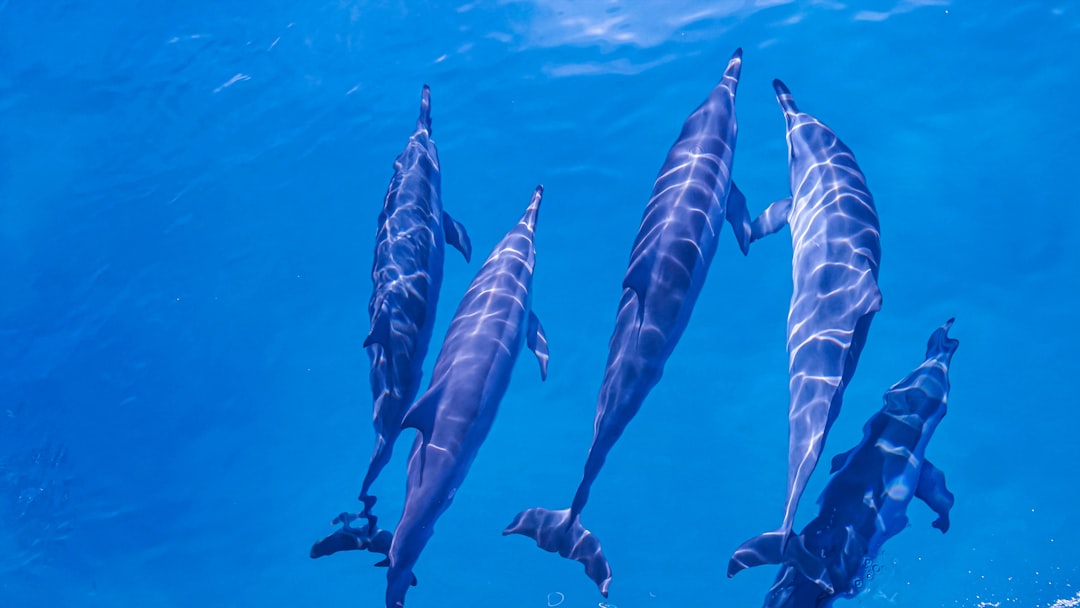
Air signs thrive on strategy and social flow: Gemini resembles the spinner dolphin’s fast communication and rapid pivots, Libra evokes the thresher shark’s balanced, precise tail-strike, and Aquarius fits the bottlenose dolphin’s inventive tool-use and cultural learning. Water signs move by intuition and timing: Cancer fits the humpback’s cooperative bubble-net coordination, Scorpio channels the barracuda’s patient, close-in ambush, and Pisces resonates with the blue shark’s far-ranging, edge-of-the-map wandering. Treat these pairings as metaphors anchored in real behaviors, not prescriptions; the goal is to see the ocean’s playbook more clearly.
Why It Matters
Ambition is energy directed with intent, and in the ocean, that intent shapes ecosystems. Understanding who sprints, who stalks, and who collaborates helps managers predict which species are vulnerable when fisheries, shipping, or warming seas rewire the game board.
Traditional field notes captured what eyes could see at the surface; modern datasets capture what bodies do below the thermocline. That shift lets us test ideas about risk tolerance, cooperation, and endurance with evidence rather than romance. The zodiac framing is a narrative handle, not a scientific claim, but it nudges readers to connect with predators as specialists pursuing goals with remarkable discipline. When people care, policies tend to follow, and that can mean safer corridors, smarter quotas, and fewer surprises for species already living on tight margins.
Global Perspectives
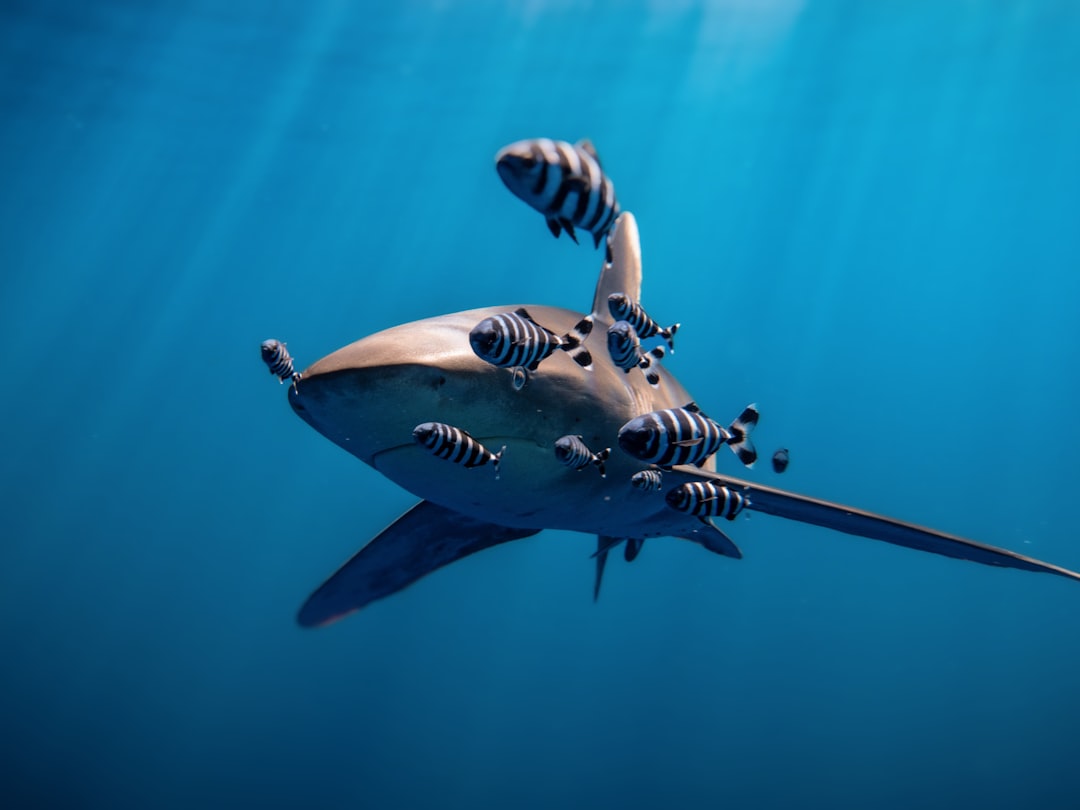
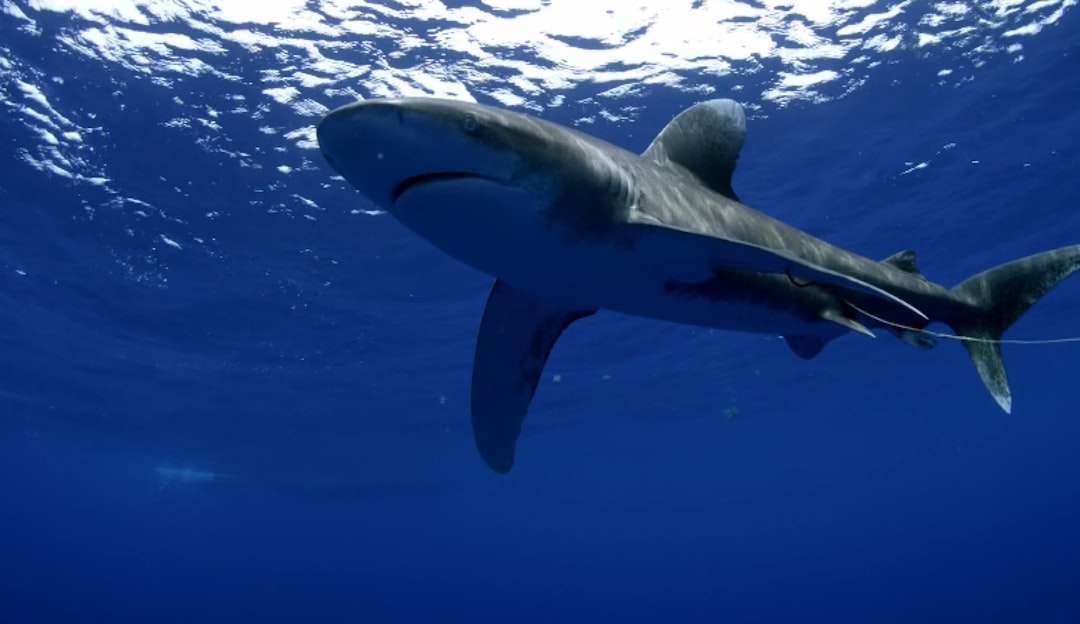
Predator ambition looks different in the Pacific gyres than in the ice-framed Southern Ocean, yet the underlying calculus – energy in, energy out – remains universal. A great white weaving through coastal seal colonies faces a crowded, noisy arena, while a blue shark cruising the high seas trades certainty for range.
Regional pressures matter: coastal development, shifting prey, and changing currents can reward some strategies and punish others. In places where mid-water prey move deeper as oceans warm, deep-diving predators may hold an edge, while shallow specialists find their hunting windows squeezed. Seeing ambition as a spectrum helps managers tailor protections to place, season, and species rather than setting one-size-fits-all rules that miss the point.
Reading Motion: Inside the Data
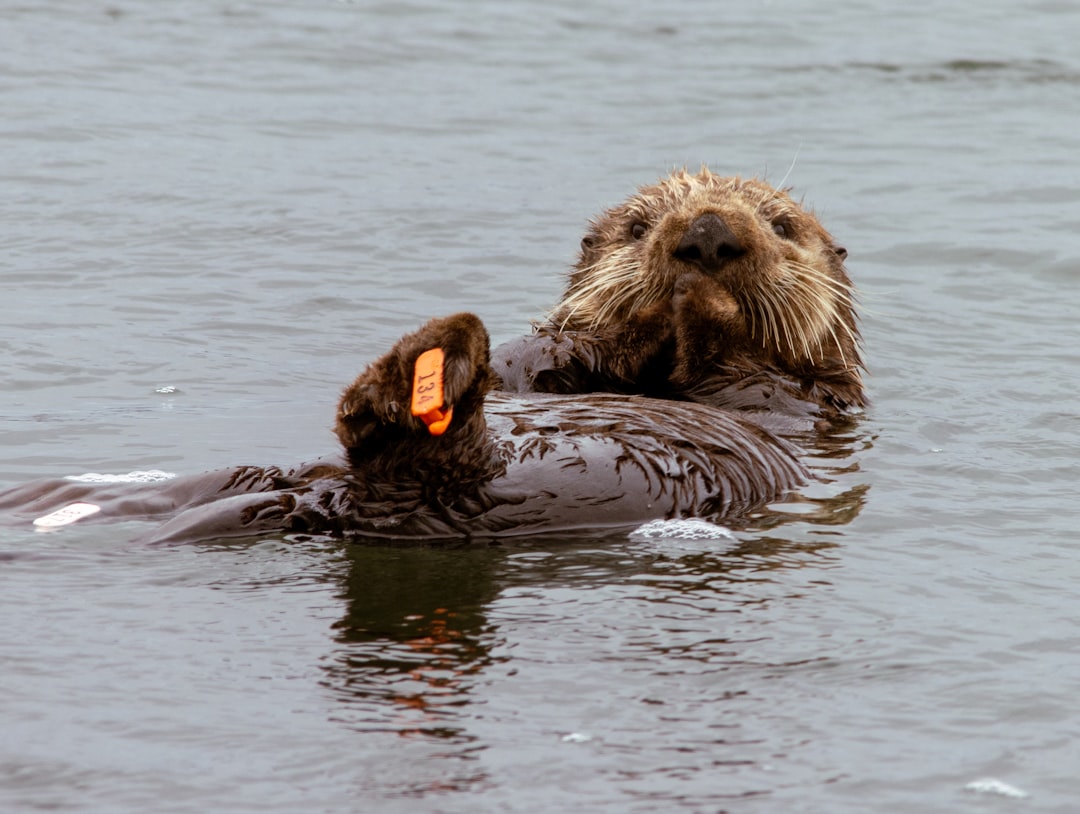
To decode ambition, researchers translate motion into meaning. High-frequency accelerometers flag lunges, roll angles reveal banked turns, and gliding phases testify to energy conservation, all tied to GPS tracks and oceanographic layers.
Machine-learning models can then distinguish a sailfish’s burst-and-peel maneuver from an orca’s team herding, even when human eyes see only dots on a map. Over weeks, the patterns reveal a strategy portfolio – when to sprint, when to wait, when to collaborate – that echoes the career arcs we chart on land. Precision matters because small biases, like tagging only bold individuals, can skew our impression of a species’ typical drive.
The Future Landscape
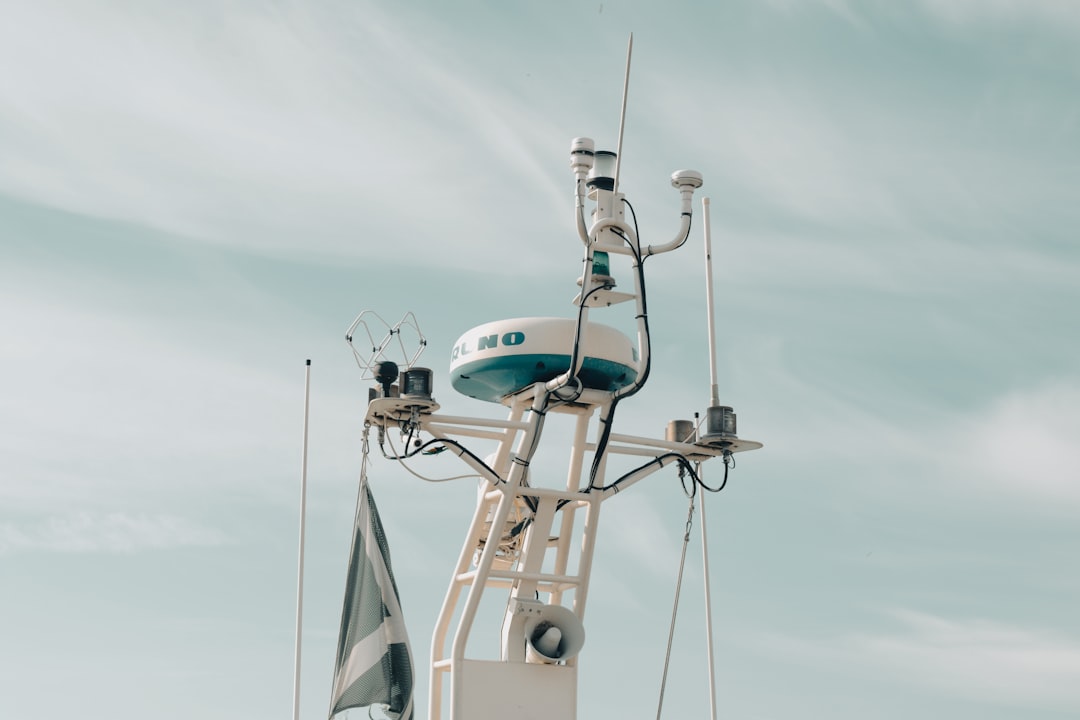
Tomorrow’s ocean science will read ambition at planetary scale. Smarter tags will offload data to nanosatellites in near-real time, while autonomous gliders follow predators like devoted biographers, sampling temperature, oxygen, and sound as they shadow the chase.
Environmental DNA will make presence–absence maps routine, and passive acoustics will extend our hearing range to record hunts unfolding in the dark. Expect AI to fuse these streams into living forecasts – dynamic maps that predict where pursuit hunters will strike next and where ambushers will lie in wait. That power raises ethical questions about privacy for wildlife and responsibility for data sharing, especially when vulnerable species are involved. The prize is targeted protection that moves as the animals move, keeping ambition alive without clipping its wings.
Field Notes from the Hunt
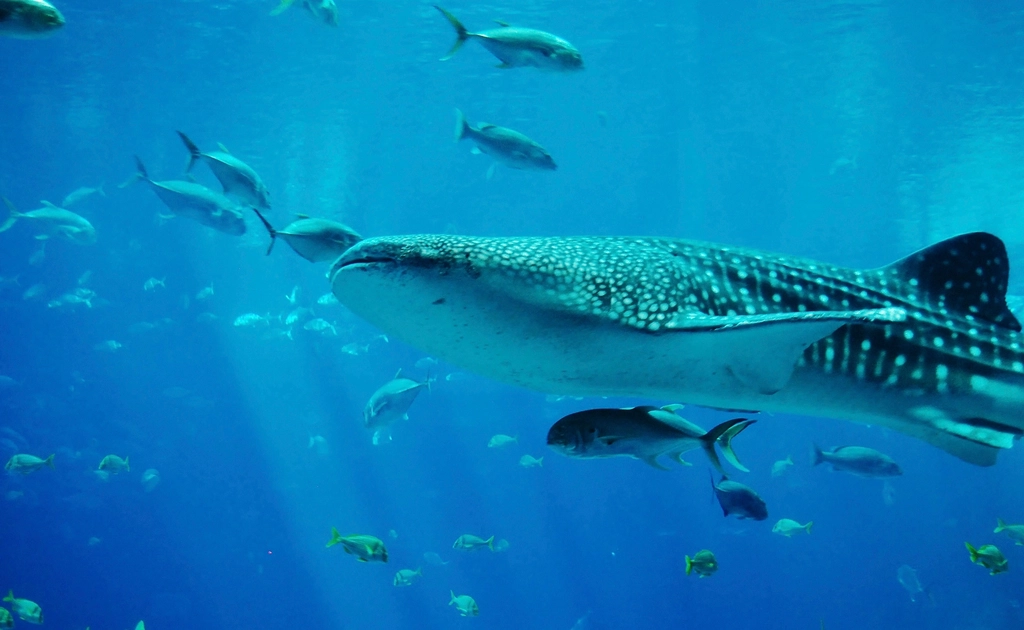
I still remember a blue shark appearing under the bow like a shadow waking up, its movements so unhurried that purpose felt inevitable rather than urgent. Minutes later, a sudden angle change told a different story, the kind tags would label as a decision point – commit or conserve.
On other days at sea, dolphins carved the water into lanes like traffic engineers, and seabirds pointed, unapologetically, to the action below. Those moments make the science tangible: ambition is not just a number in a model but a choreography you can feel in your ribs. It’s the same current that pulls us to try again, to go farther, to learn the pattern rather than pray for luck.
Conclusion
Let the metaphor turn into momentum. Support policies that create dynamic, seasonal protections so sprint hunters and ambushers both get the space they need to work their craft.
Back research groups that deploy tags, gliders, and acoustic arrays, because better data mean fewer blind spots where mistakes happen. Choose seafood from well-managed fisheries, and reduce noise and plastic footprints that ripple through food webs all the way up to apex hunters. Join citizen-science efforts that log sightings and strandings, giving analysts the ground truth their models crave. If the sea’s ambition can stay wild and diverse, ours can stay humble and helpful – what kind of hunter will you choose to be when the tide turns?