Octopuses keep rewriting the script for animal intelligence, then slipping offstage before we grasp the plot. Divers film them changing color like stormy weather, stashing coconut shells, even pelting neighbors with silt – and the explanations keep lagging behind the footage. Biologists can measure muscles, map neurons, and time reaction speeds, yet the motives behind these marine improvisations often remain stubbornly out of reach. That tension – between what we can record and what we can’t quite interpret – has turned octopuses into living riddles. In 2025, these mysteries aren’t bugs in the system; they’re the point.
The Hidden Clues
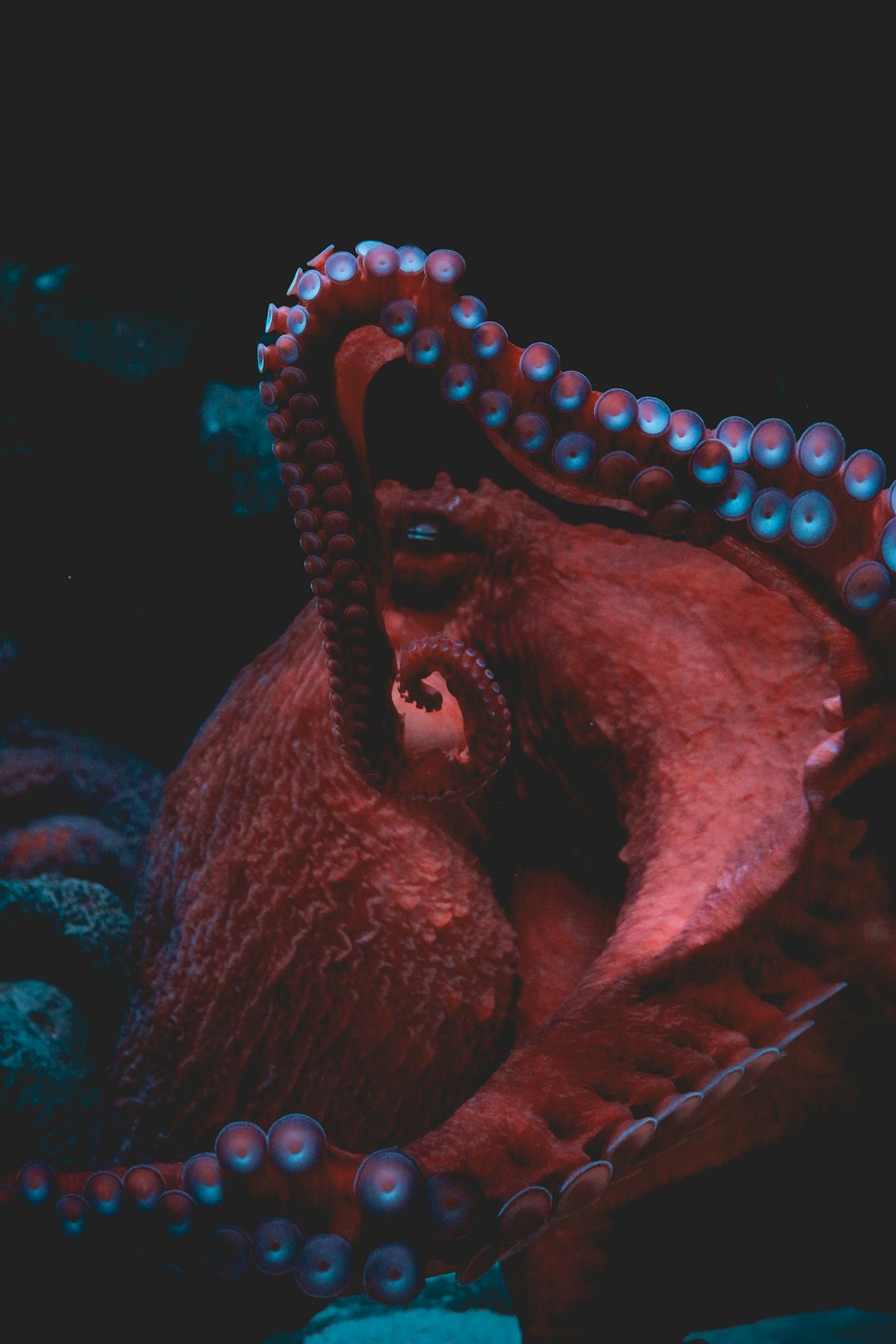
What does it mean when an octopus cocks an arm and hurls a shell across the sand? To some, it looks like a tantrum; to others, a calculated social signal. Field videos from shallow reefs show individuals flaring skin patterns, puffing themselves into new shapes, and interacting with fish partners or rivals, then resetting as if nothing happened. The choreography can unfold in seconds, leaving researchers parsing frames as if they’re reading a thriller in slow motion. The more we watch, the less these moves feel like reflexes and the more they hint at context, choice, and strategy.
Part of the puzzle is anatomical: an octopus carries a large brain in its head and a vast network of neurons in its arms, with roughly about two thirds of its nerve cells outside the central hub. That decentralization grants eerie dexterity but also muddies the line between automatic arm decisions and top-down intent. When the animal throws a shell, is it planning, or are local circuits doing the heavy lifting? Even experienced field scientists hesitate to pin down the answer, and that humility is warranted. The animal’s body, in a way, is also its mind.
Mimicry Without a Manual
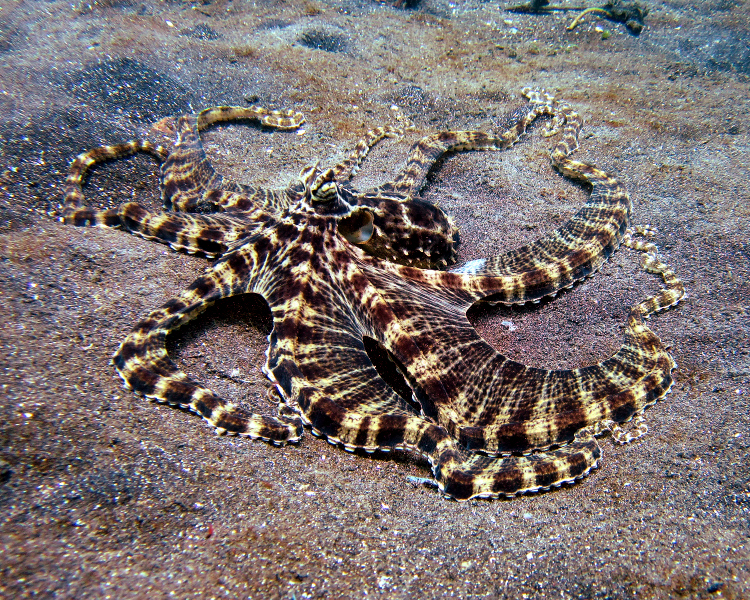
Along muddy seafloors in Southeast Asia, the mimic octopus turns its whole body into a costume trunk. One minute it lengthens into a banded flatfish facsimile, the next it raises striped arms like the warning fins of a lionfish, and in rare moments it twists into the looping menace of a sea snake. What sparks the selection of one disguise over another – predator type, crowd behavior, or learned experience – remains unsettled. In some encounters, the animal seems to read the room, choosing a form that fits a threat or an opportunity. In others, it cycles through illusions like a quick-change artist searching for a crowd-pleaser.
The dazzling part is not just the look; it’s the timing and sequencing. Skin pattern, posture, and motion must align or the impersonation falls flat. Yet there is no evident rehearsal, and juveniles sometimes pull off convincing routines. That hints at a blend of innate templates and real-time adjustment, a kind of improvisational theater encoded in muscle and memory. We don’t yet know how those templates are stored or updated, but the performances keep getting better the longer we watch.
Camouflage at the Speed of Thought
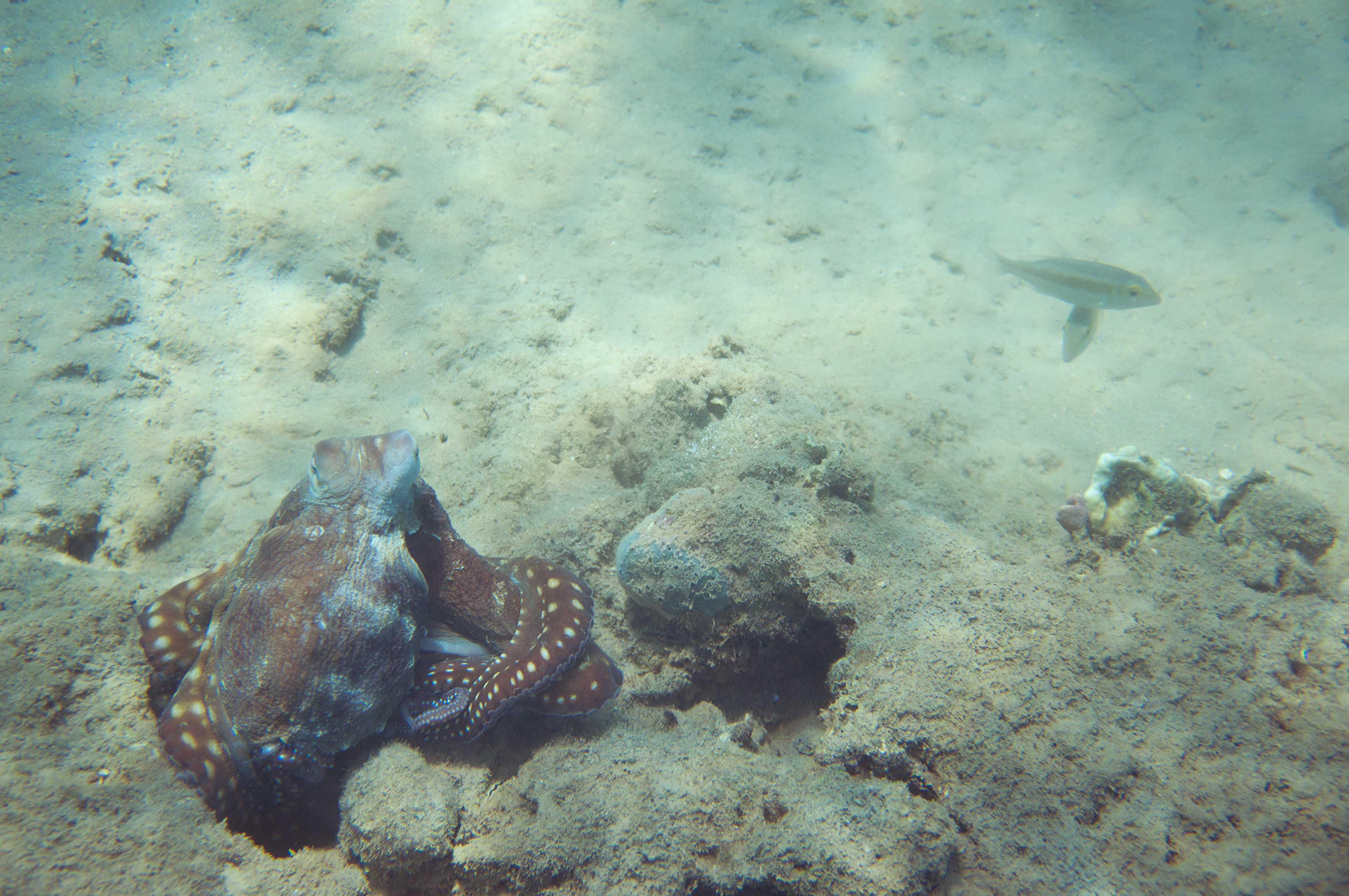
Octopus camouflage is like a living screen saver that reads the room and redraws itself in a blink. Pigment sacs expand, reflective cells reorient, skin papillae rise into bumps, and the body becomes kelp, rubble, or shadow depending on the background. Scientists can model the physics of light and map the skin’s micro-architecture, yet the coordination is still jaw-dropping: detail appears at millimeter scales, across an elastic, wrinkling canvas, during motion. The hardest question is who’s in charge at each moment. Is the brain sending a high-level scene description, or are local circuits sampling textures and filling in the blanks?
Experiments suggest both top-down commands and bottom-up reflexes are at play, which is elegant and maddening. The system can swap patterns in a fraction of a second, but it also holds them stable when needed, like a photograph pinned in place. This balancing act resembles a newsroom turning breaking updates into a clean front page, every minute of the day. The fact that an octopus can do it while squeezing through a bottle neck is the kind of data point that keeps roboticists up at night. We can imitate parts of the trick in labs; the whole performance is still out of reach.
The Night Theater of Sleep
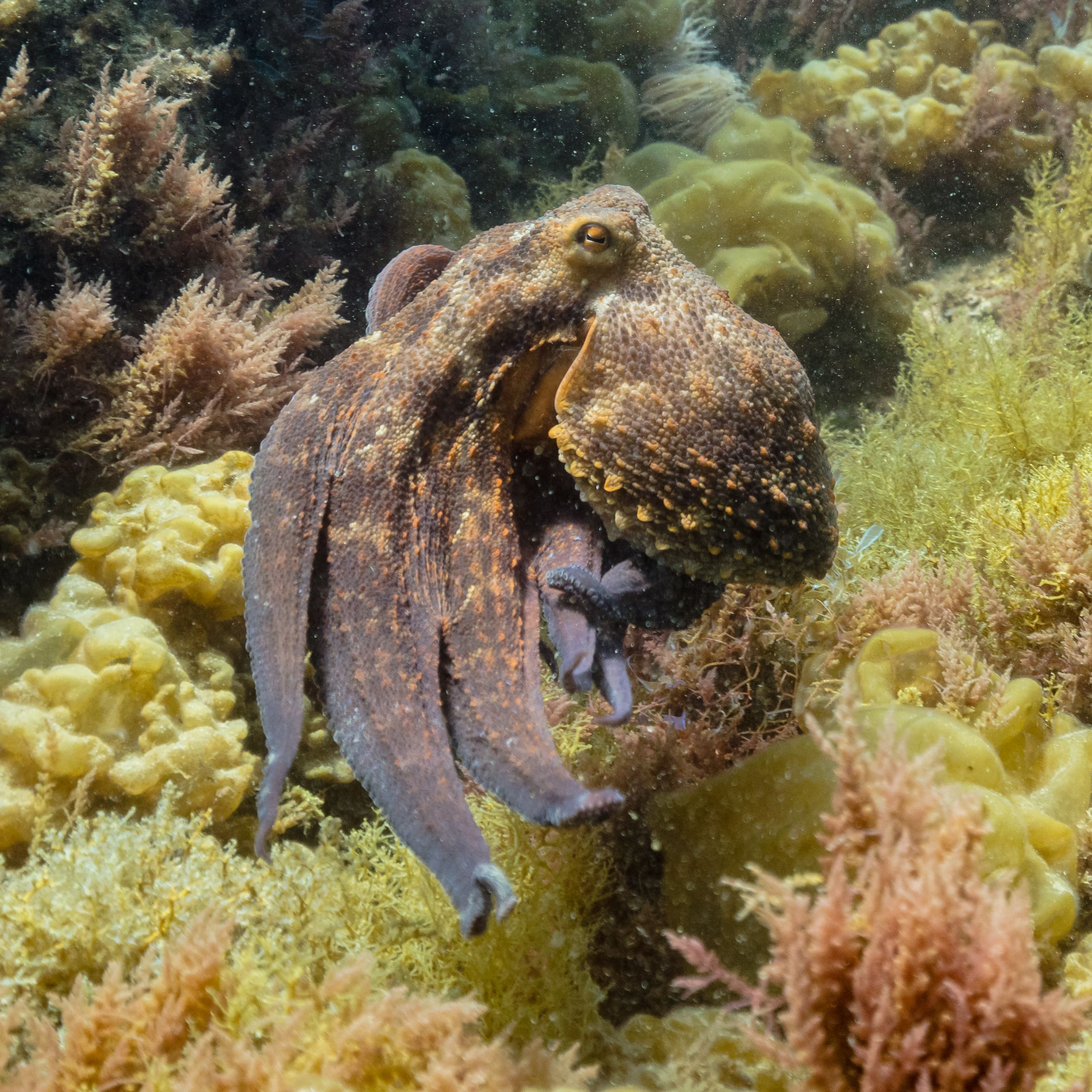
At night, some octopuses slide into quiet stillness punctuated by bursts of cinematic color. Lab and field work describe alternating sleep-like states, one calm and one active, with the latter accompanied by twitches, eye movements, and rapid pattern changes that look uncannily like replay. If it is replay, then the animal might be consolidating memories the way mammals do, stitching together a highlight reel of the day. But the line between speculation and demonstration is delicate, and researchers tread carefully. It’s hard to measure brain activity without changing the animal’s behavior, and harder still to do it in the open ocean.
I remember rewatching a diver’s night video where an octopus pulsed through sandy beige, kelp green, and ink-streaked marbling while barely moving. The sequence felt intentional, like a story the animal was telling itself, and yet I knew better than to assign it a human narrative. Here, restraint matters as much as curiosity. The safest conclusion is that octopuses have structured rest with active phases and that these phases may relate to learning. Proving the rest is dream-like will take tools as nimble as the animal we’re studying.
Projectiles, Punches, and Social Rules
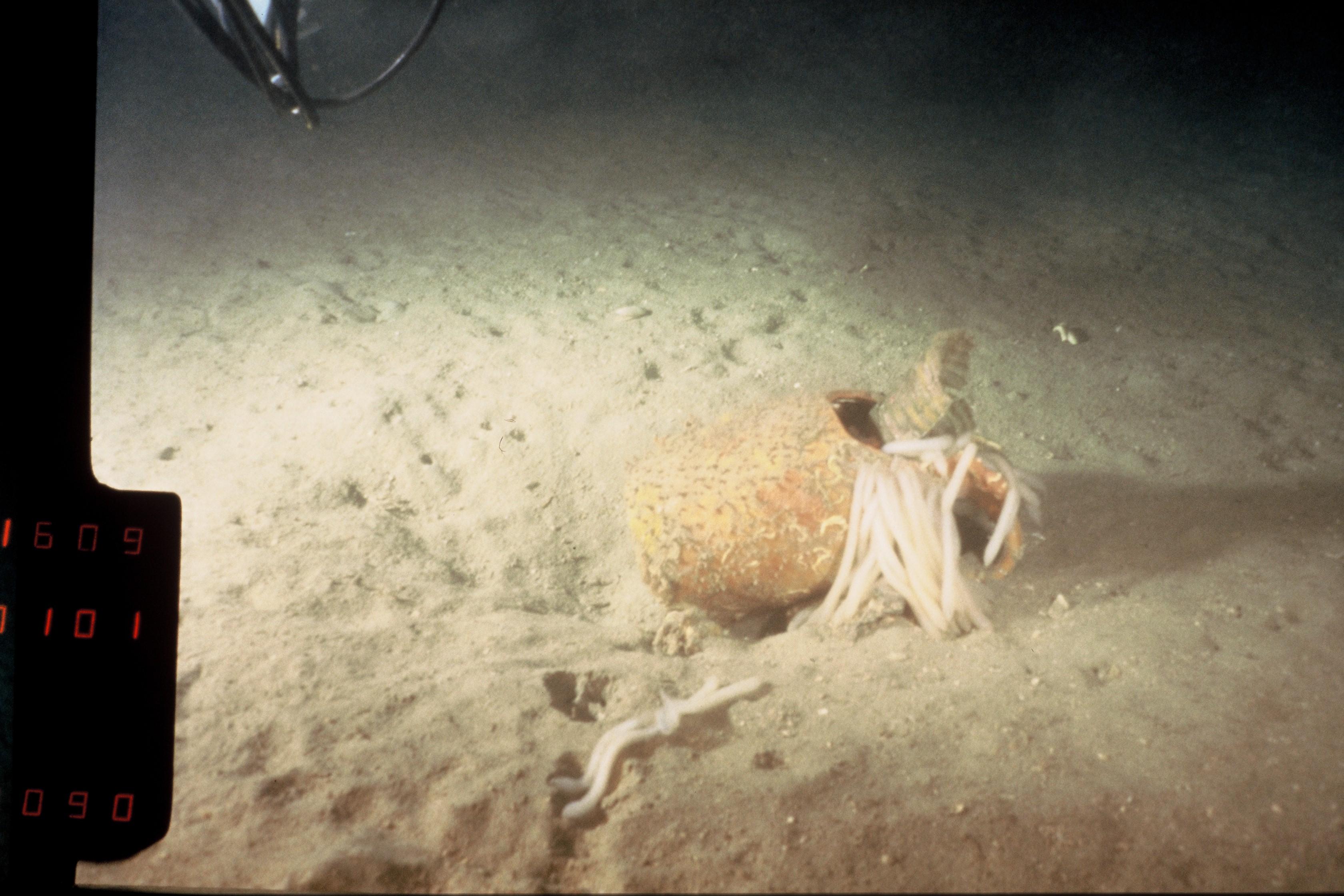
In some coastal sites, octopuses have been seen scooping silt and shells, then blasting them at nearby animals with a water-jet burst. Females appear to do this more often, sometimes aiming at encroaching males and sometimes at pushy neighbors, though the sample sizes are still small. The behavior looks like a message wrapped in a projectile: back off, give space, remember me. On mixed-species hunting trips, day octopuses have also been caught punching fish partners, a move that may be a fine for cheating or just a test of boundaries. Either way, the social calculus feels more complicated than the “lonely genius” label suggests.
Adding to the intrigue are dense octopus settlements nicknamed cities, with multiple dens clustered like a tiny harbor. There, tolerance fluctuates, truce lines shift, and personality seems to matter. Are we watching the early stages of social living, or simply a pragmatic ceasefire in a resource hotspot? Researchers are careful not to overreach, but the footage invites big questions. When you can throw, bluff, and punish, you can negotiate.
Why It Matters
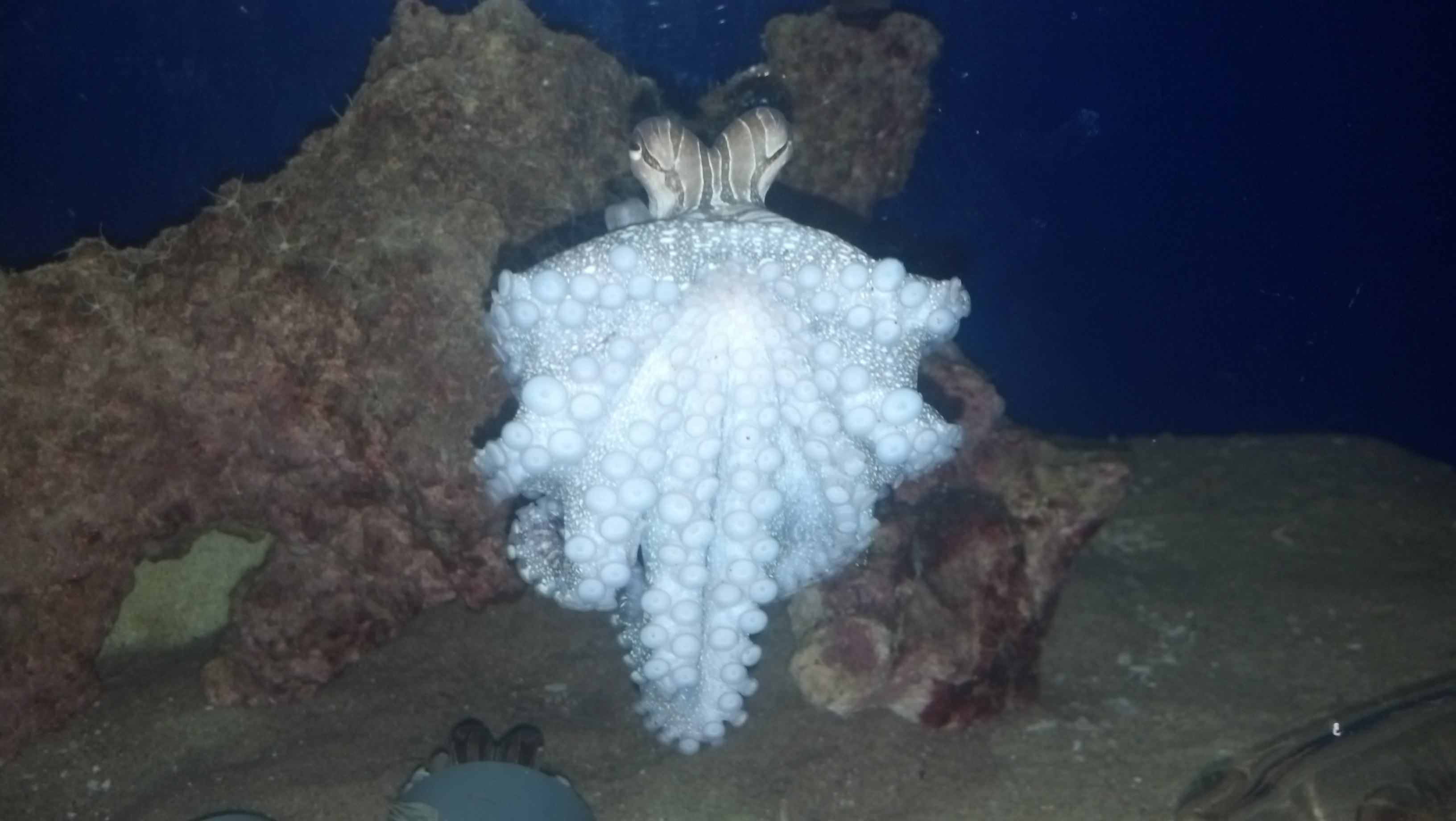
Cracking these puzzles is not a niche hobby; it reshapes how we think about minds and machines. Octopuses embody decentralized control, where smart limbs handle details and a central brain handles context, and that architecture is catnip for engineers building soft robots and search-and-rescue tools. Understanding camouflage logic could improve adaptive materials, prosthetics, and even medical devices that blend with tissue. Sleep dynamics and memory integration, if they parallel our own in any way, may widen the comparative map of cognition beyond mammals and birds. And at a cultural level, the idea that intelligence can look alien but still be sophisticated pushes us to widen our moral circle.
Traditional animal studies lean on species with bones, faces, and family trees closer to ours; octopuses insist we update the syllabus. They force hard questions about pain, agency, and welfare in research and fisheries, where quick growth and short lifespans can tempt us to shrug. They also remind us that behavior is data, not just decoration, especially when brains are built differently. When mysteries persist after careful measurement, that’s a feature telling us we’re not asking big enough questions. Curiosity, properly channeled, becomes an ethical tool as well as a scientific one.
The Future Landscape
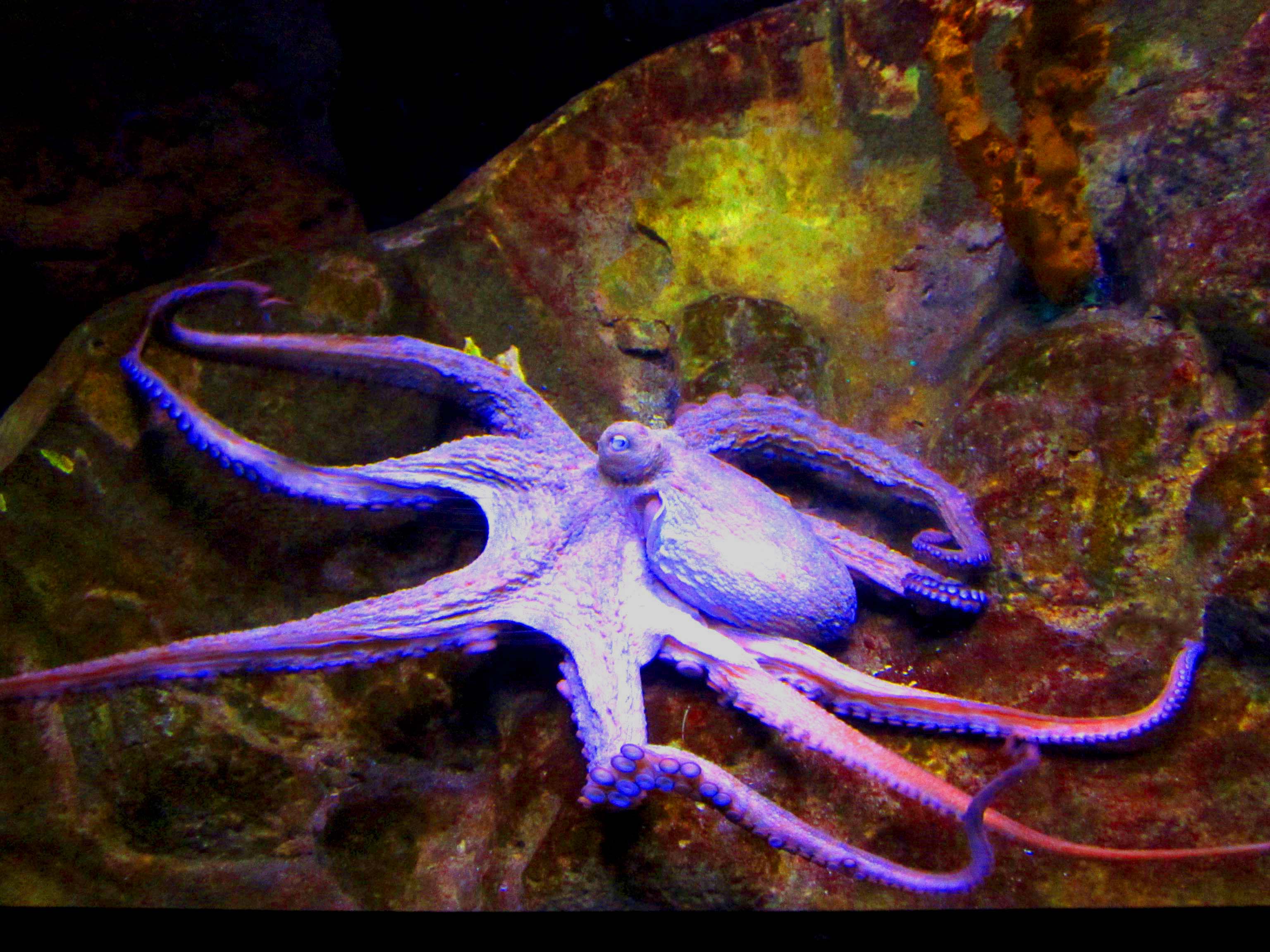
What closes the gap between stunning videos and solid explanations is time in the water and tools that disappear into the background. Expect more miniature loggers tracking movement and body patterns, paired with machine learning that can decode skin displays the way linguists parse syntax. Gentle, temporary attachments that don’t impede normal life are getting better, and long-duration field studies are finally feasible in busy coastal habitats. Lab work is also shifting toward richer, choice-filled environments where animals can show off the weird edges of their repertoire. With those upgrades, we’ll move from anecdotes to baselines.
The planet, alas, will weigh in. Marine heatwaves and changing currents are rearranging octopus ranges and breeding windows, potentially rewriting the behaviors we’re trying to catalog. Fisheries pressure can filter bold and cautious personalities in ways we don’t mean to engineer. And as interest grows, so will debates over farming, display, and research ethics. The next few years will test whether we can learn from octopuses without sanding down the very behaviors that make them extraordinary.
Conclusion
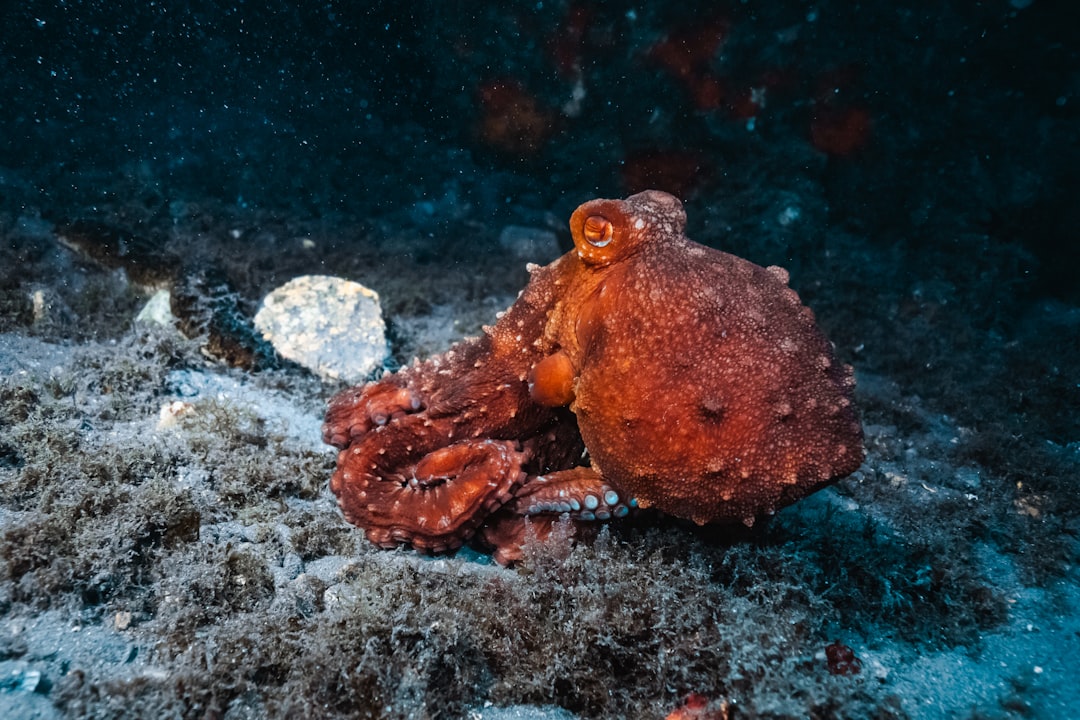
If these mysteries matter to you, there are concrete ways to help keep the stage set for more discoveries. Choose seafood from well-managed sources and support policies that reduce bycatch, because what’s not hauled up often becomes tomorrow’s science. Cut single-use plastics and stormwater pollution that cloud coastal nurseries where young octopuses learn their first tricks. Back field research and public aquariums that prioritize welfare and transparent science, and share verified citizen videos with researchers who can use them. Most of all, keep your curiosity sharp and your claims cautious – the animals deserve both.
Octopus behavior is a master class in how much wonder still hides in plain sight. The next breakthrough could come from a reef you’ve snorkeled, a pier you’ve walked past, or a frame you’ve paused on your phone. Help protect the places where those moments happen, and the patient work that turns them into knowledge. If we treat mystery as an invitation rather than a loophole, we might finally learn to see with eight clever arms – would you have guessed?
Suhail Ahmed is a passionate digital professional and nature enthusiast with over 8 years of experience in content strategy, SEO, web development, and digital operations. Alongside his freelance journey, Suhail actively contributes to nature and wildlife platforms like Discover Wildlife, where he channels his curiosity for the planet into engaging, educational storytelling.
With a strong background in managing digital ecosystems — from ecommerce stores and WordPress websites to social media and automation — Suhail merges technical precision with creative insight. His content reflects a rare balance: SEO-friendly yet deeply human, data-informed yet emotionally resonant.
Driven by a love for discovery and storytelling, Suhail believes in using digital platforms to amplify causes that matter — especially those protecting Earth’s biodiversity and inspiring sustainable living. Whether he’s managing online projects or crafting wildlife content, his goal remains the same: to inform, inspire, and leave a positive digital footprint.