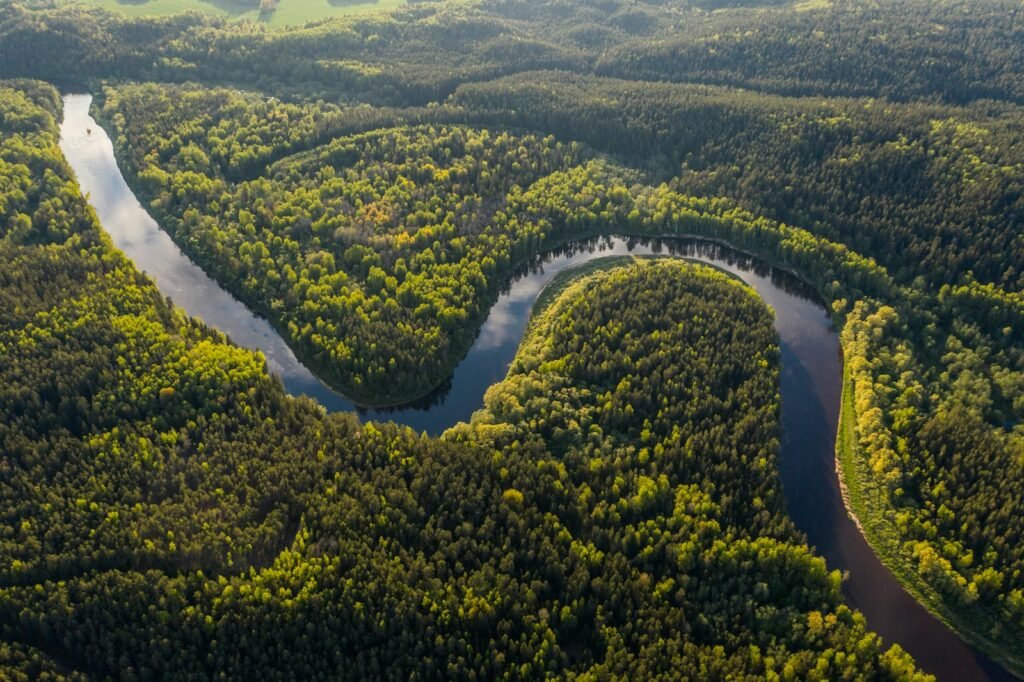

Dawn in the Amazon feels like a curtain lift: birds rehearse the day, mist softens the canopy, and every leaf looks freshly minted. But the real performance is happening below the stage, in soil that looks ordinary until it isn’t. There, a living mesh of fungi, roots, microbes, and insects runs the rainforest’s logistics – moving nutrients, routing water, and quietly buffering shocks from drought and heat. This underground world has long been a rumor in science; now it’s becoming a map with names, flows, and measurable power. The mystery is giving way to a new kind of solution: if we want the forest to endure, we have to care for the life we rarely see.
The Hidden Clues
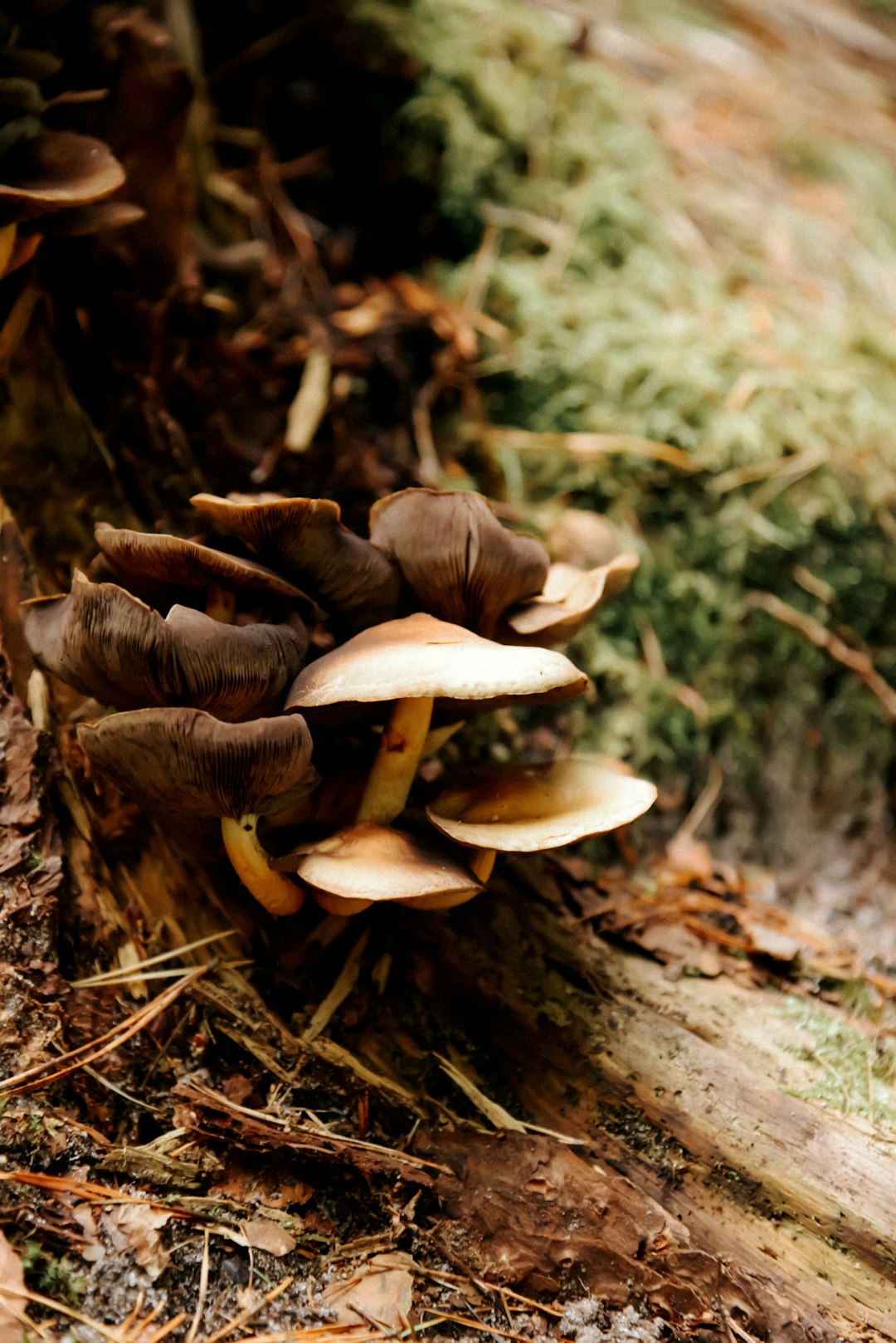
What if the forest’s most important conversations happen in the dark, airless spaces underfoot? That idea stopped me mid-trail on my first trip to a floodplain forest, where a fingertip of pale mycelium threaded through leaf litter like frost. Researchers describe these threads as living highways that latch onto roots and extend their reach far beyond what a tree could manage alone. In a forest where nutrients are scarce and quickly recycled, that extension is not a luxury; it’s survival.
Signals travel those same corridors, and while the headlines often oversell the drama, the fundamentals are firm: fungi help coordinate how plants respond to stress by shuttling molecules and adjusting who gets what. I’ve seen seedlings in deep shade thrive near veteran trees because the neighborhood’s underground network gives them a boost. The canopy’s beauty is visible, but the fairness – or ruthlessness – of resource sharing plays out below. If the forest is an orchestra, the score is written in the soil, and the percussion section is fungi tapping a steady, unseen beat.
From Ancient Tools to Modern Science
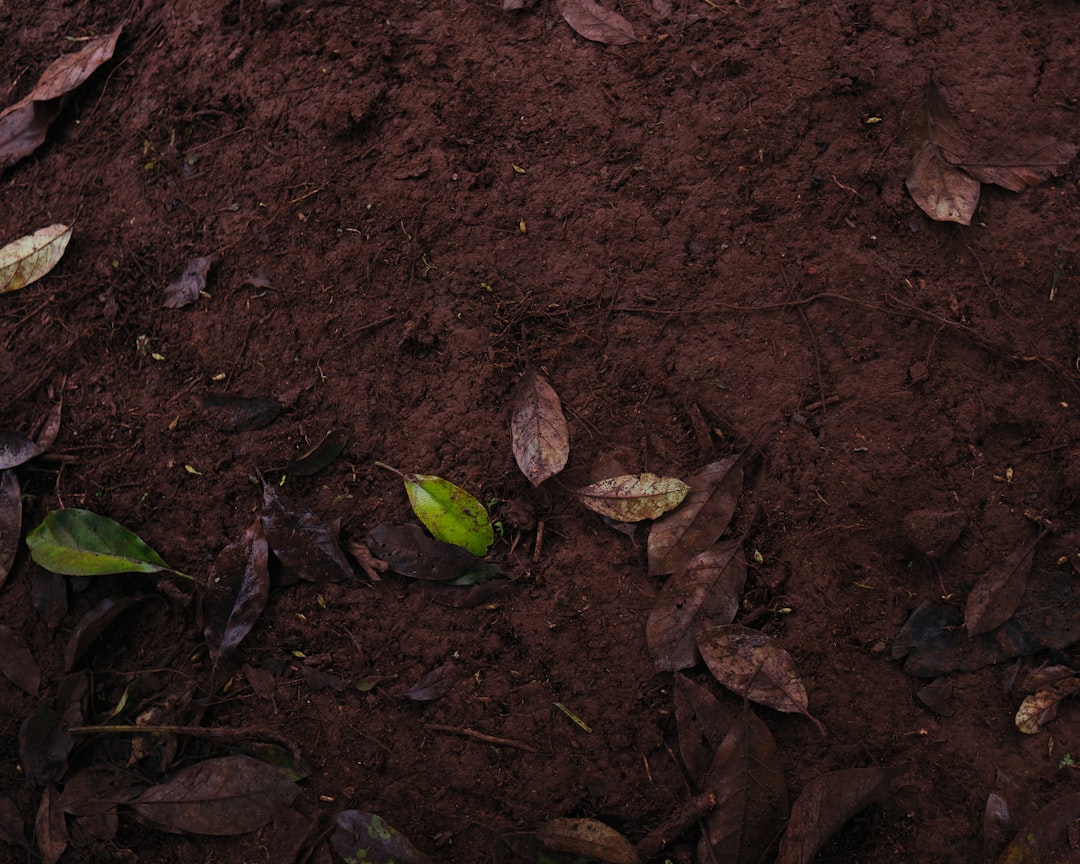
Long before sensors and DNA barcodes, people here engineered the ground. The dark, fertile patches known as Amazonian Dark Earths were built with charcoal, bones, and plant refuse, transforming thin tropical soils into enduring gardens. That legacy left microbial fingerprints – communities that still perform differently from their neighbors, storing nutrients and breaking down organic matter with uncommon efficiency. Modern science is catching up to that ingenuity.
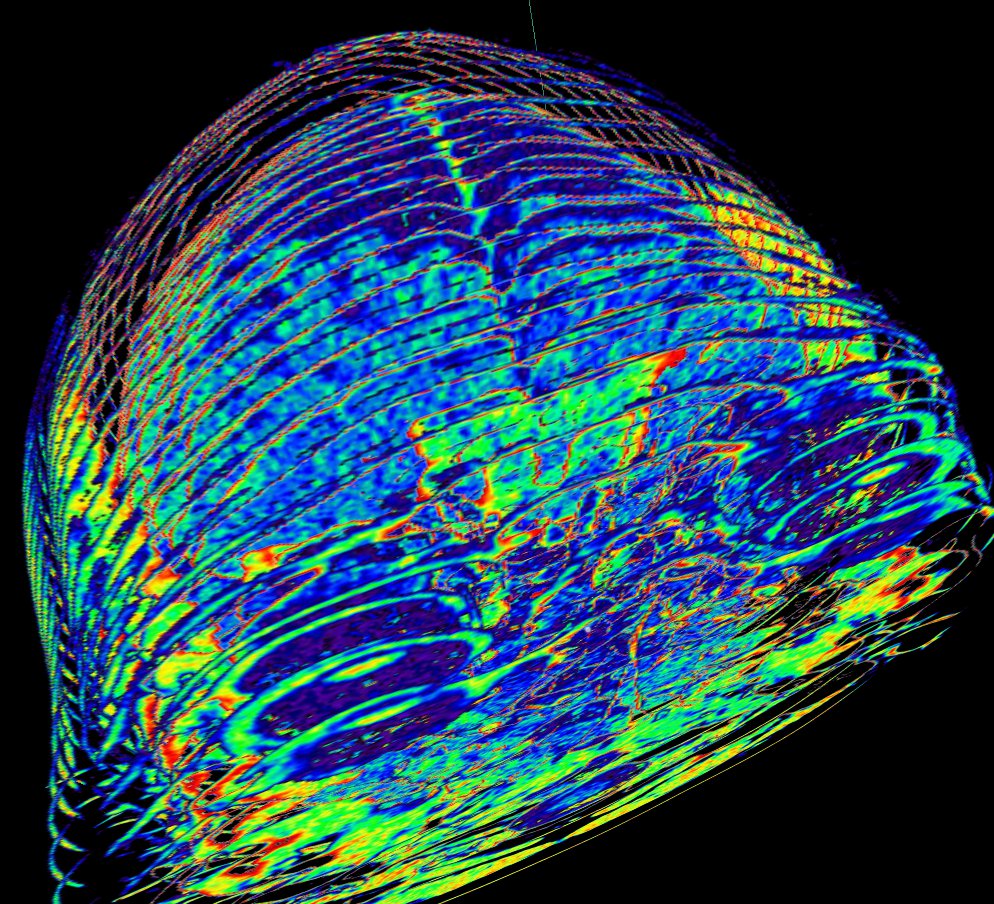
Today, handheld sequencers and stable-isotope tracers follow carbon and nitrogen as they move through networks at a scale that once felt impossible. Environmental DNA pinpoints fungal guilds without digging up half the forest, while soil microtomography renders pore spaces like city streets. Pair those tools with satellite-guided sampling after drought or fire, and the puzzle pieces align. The lesson is old and new at once: the ground we shape, shapes us back.
The Underground Architecture
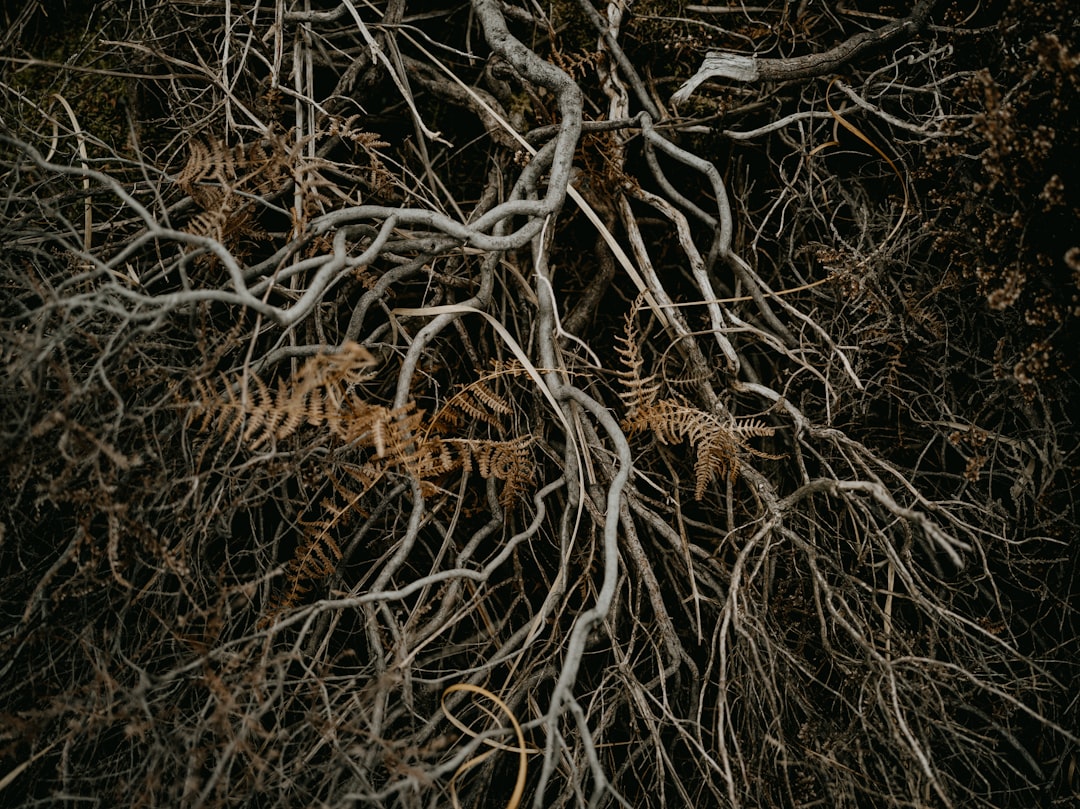
Picture a subway system built from threads thinner than a human hair, connecting station after station of root tips under a shifting mosaic of trees. In the Amazon, arbuscular mycorrhizal fungi dominate, slipping inside roots and branching into tiny exchange chambers where minerals and sugars trade hands. In pockets of white-sand forest, a different partnership shows up – ectomycorrhizal fungi sheathing roots and forming dense mats that hoard scarce nutrients. Both styles turn soil from a random scatter of particles into a coordinated marketplace.
Between those lines, earthworms, termites, and ants are the engineers, mixing layers and sculpting channels that drain or hold water. Leafcutter ants farm their own fungi, converting green leaves into edible tissue that fuels vast colonies and fertilizes nearby soils. Microbes finish the job, processing the leftovers into forms that plants can use within hours. The architecture might be invisible, but its renovations happen constantly – sometimes quietly, sometimes with the gusto of a construction crew working through the night.
The Nutrient Economy
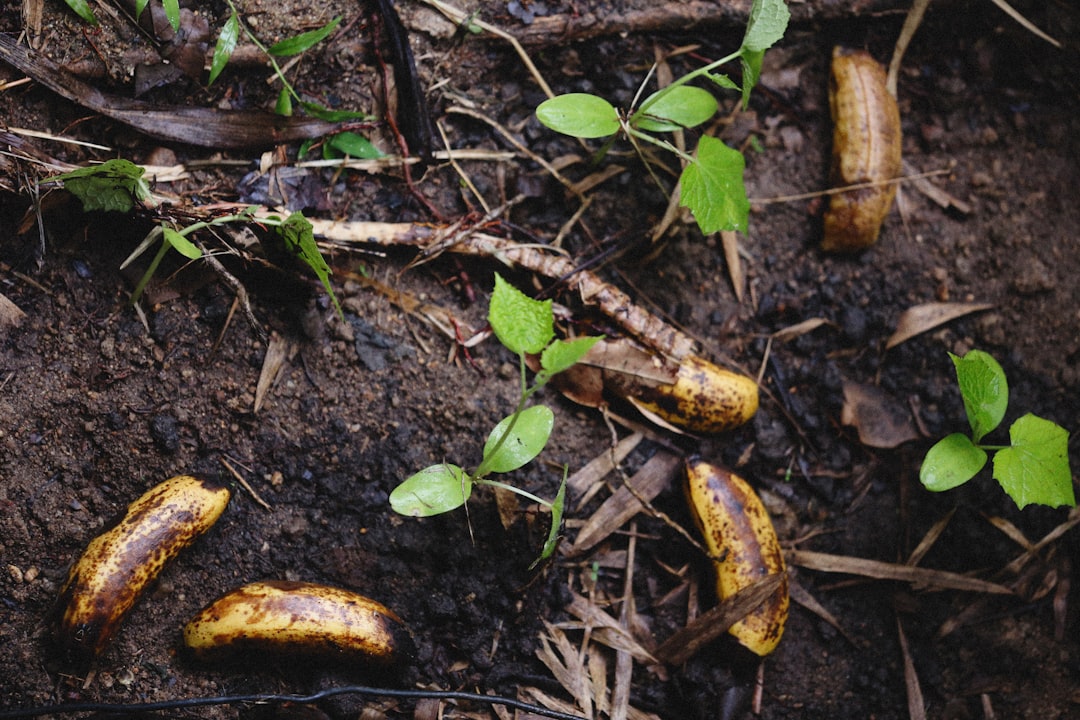
The Amazon looks lavish, yet its soils are famously lean, locking phosphorus and other minerals to iron-rich particles. Fungal partnerships pry those nutrients loose, secreting acids and enzymes that function like keys in a giant biochemical lock. In return, plants pay with carbon, sending sugars below ground that can amount to a stunning slice of their daily earnings. That bargain keeps the whole market flowing when rainfalls stutter or heat lingers.
What keeps the accounts balanced are a set of dependable movers: fungi ferry phosphorus, bacteria cycle nitrogen, and soil fauna chip debris into bite-sized pieces. Even dust blown from Africa seeds parts of the basin with trace minerals, and the networks adapt to catch the windfall. The result is a resilient, high-turnover economy where losses on one day are repaid the next. In a forest of margins, the underground ledger must stay in the black.
Why It Matters
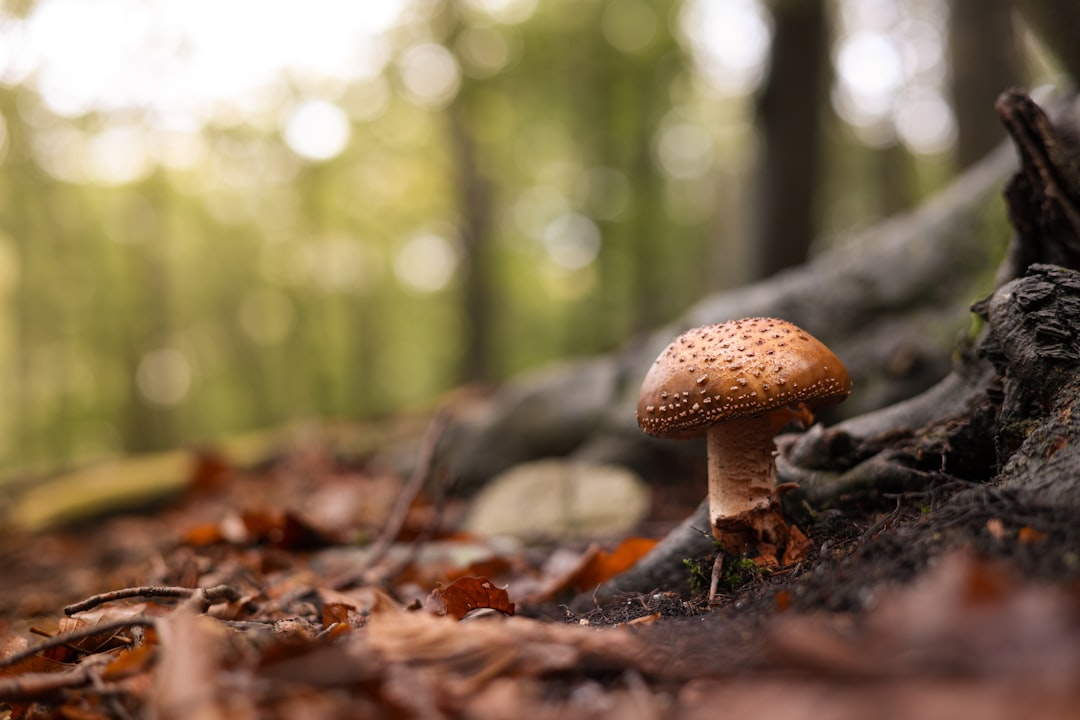
Conservation has always loved a charismatic trunk: save the trees, and the forest follows. The hidden world complicates and enriches that story by showing that roots and fungi are the scaffolding on which those trunks stand. When fires burn into forest edges or logging compacts the ground, it’s the networks that fracture first, and recovery can stall even if the canopy looks green again. Soil is the planet’s biggest terrestrial carbon bank, holding more than the atmosphere and all plant biomass combined.
That makes underground life a frontline climate tool, not a footnote. Protecting networks strengthens drought resistance, stabilizes carbon, and lifts seedling survival – benefits no drone can replicate. Compared with traditional reforestation that plants trees and walks away, interventions that restore soil biology jump-start the system that keeps trees alive. The bottom line is simple: if we miss the soil, we miss the forest.
Global Perspectives
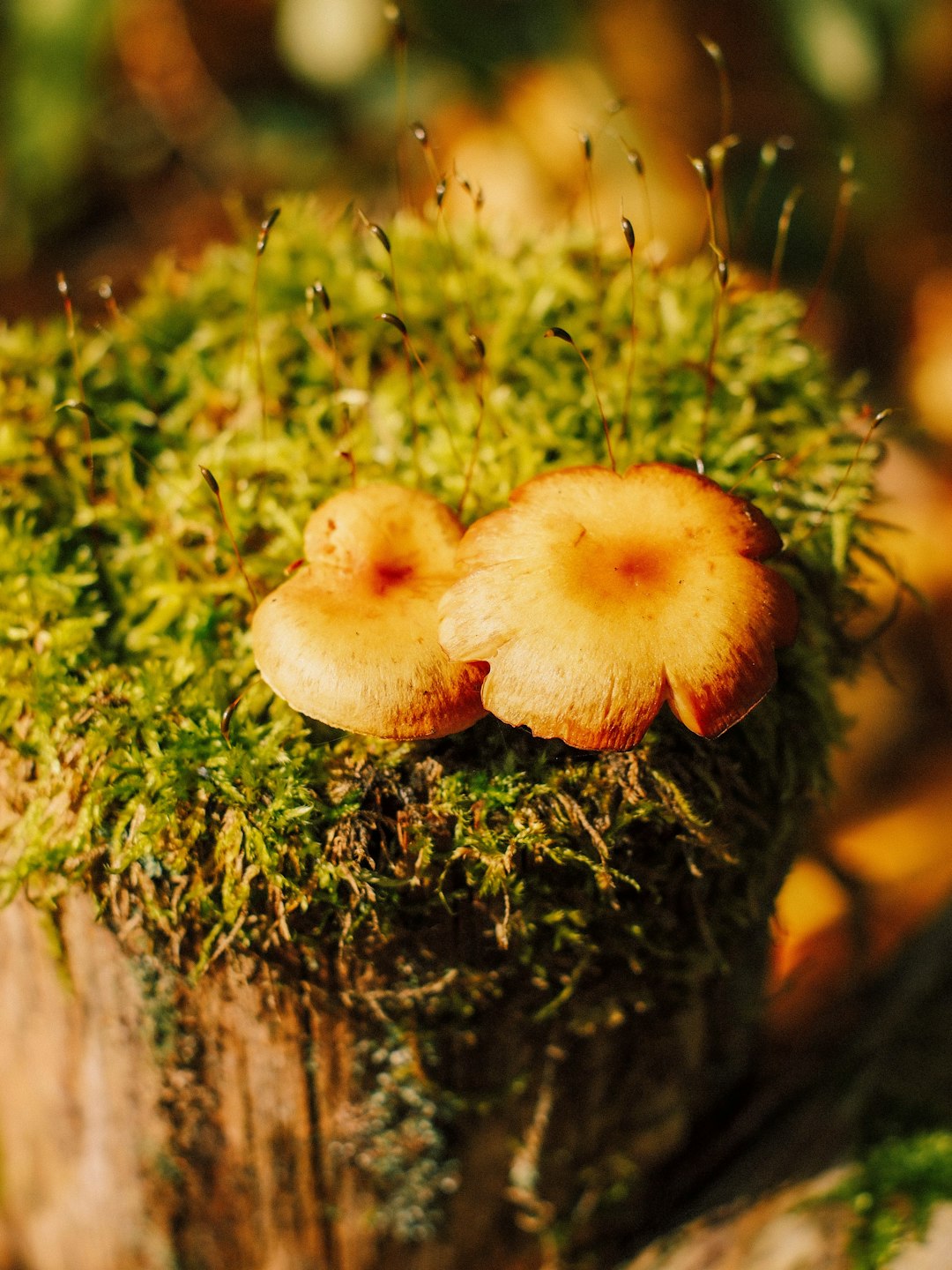
The Amazon is not alone in running on fungal fuel. Boreal forests lean on ectomycorrhizal partnerships that throttle decomposition and bank carbon in slow, cold soils, while tropical Asia blends similar strategies with its own cast of tree partners. That diversity suggests no single recipe works everywhere; restoration must match local guilds and the geology beneath them. Trying to fix a floodplain with a white-sand toolbox is like tuning a violin with a wrench.
Still, a few principles travel well: protect intact soils, avoid heavy machinery where networks are shallow, and seed restoration sites with organic matter and compatible microbial communities. Agroforestry systems that keep permanent roots in the ground can preserve underground corridors across farms and forest edges. Global supply chains for timber, cocoa, and beef ripple through these networks by changing how often soils are disturbed. The rainforest’s floor might be out of sight, but it isn’t out of reach.
The Hidden Clocks of Water
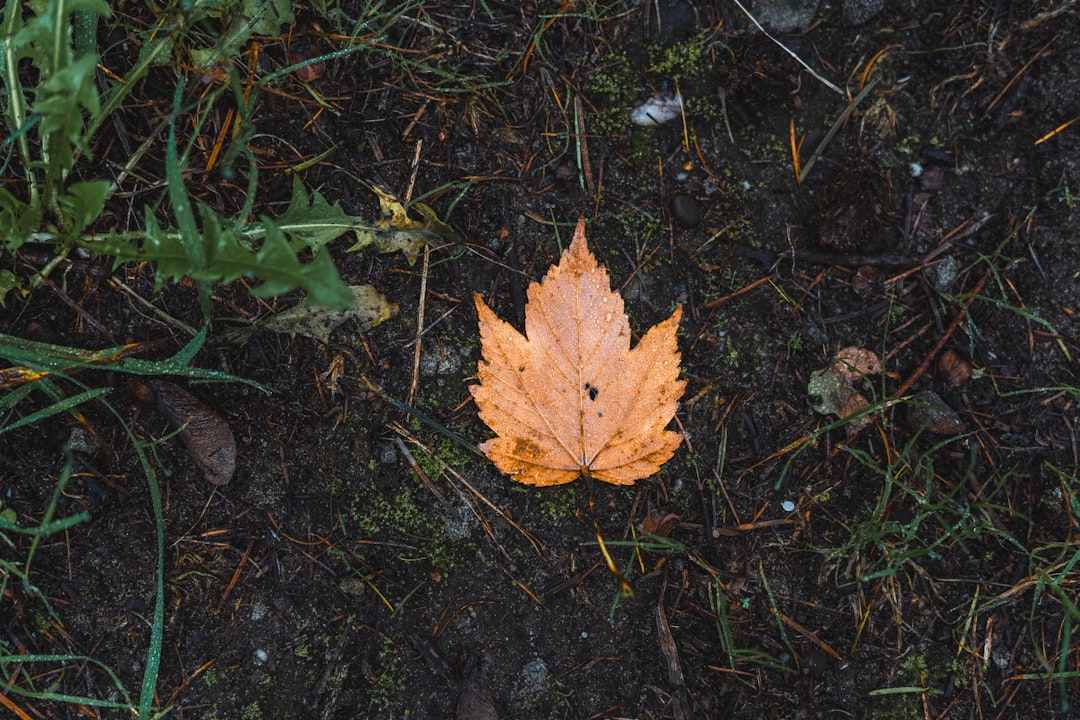
Water is the metronome of this system, and the soil sets the tempo. Hyphal mats can wick moisture laterally, helping neighbors ride out short dry spells, while pores built by worms act like tiny reservoirs. During extreme droughts, those features decide whether seedlings survive or fold, and whether microbes keep processing carbon or release pulses of it to the air. The stakes are not just local comfort but regional climate.
River levels, forest transpiration, and even cloud formation depend on how well the ground stores and shares water. When networks are intact, rainfall shocks fade faster, and the forest’s hydrologic engine keeps humming. Break the circuits, and the same weather becomes a stress test the system can’t pass. Droughts are predicted to become longer and more frequent, making these hidden clocks more consequential than ever.
The Future Landscape
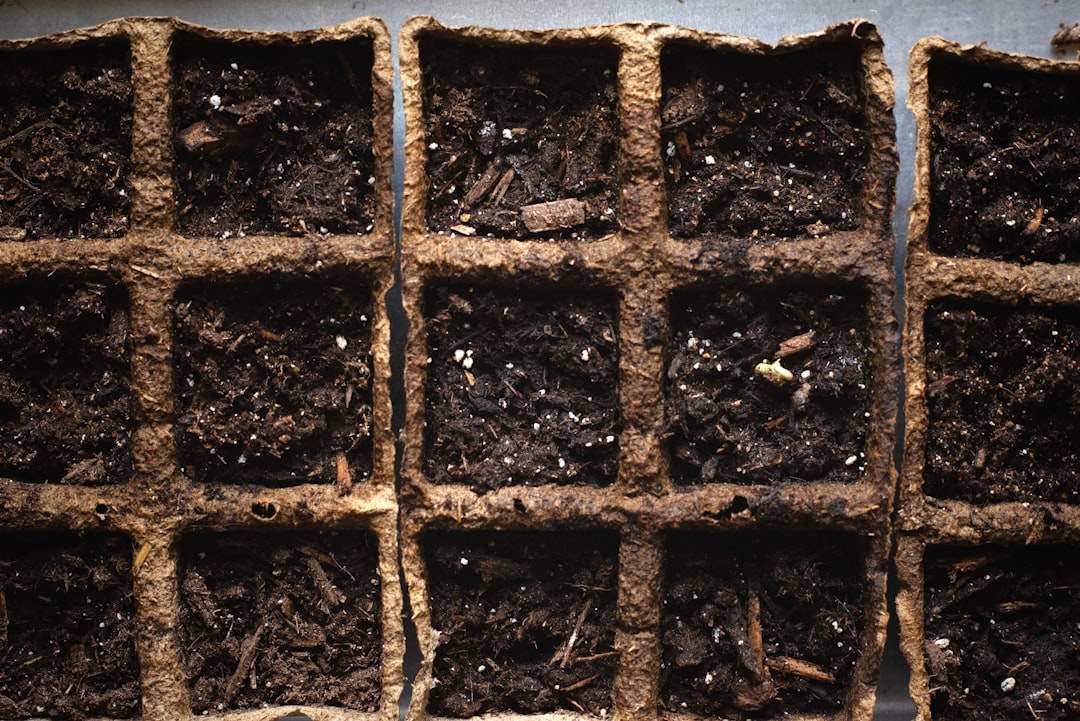
New tools are poised to turn inference into insight. Portable mass spectrometers and isotope tracers can follow a sugar molecule from a leaf to a fungal strand to a seedling in real time, while high-resolution soil imaging maps where those exchanges happen. Machine learning is already blending satellite moisture data with ground samples to forecast where networks are likely thriving – or failing – after heat waves and fires. That makes targeted restoration possible at scales that once felt out of reach.
The challenges are equally modern: heat, fragmentation, and invasive species can scramble communities faster than they can reassemble. There’s also a governance gap – carbon markets rarely credit underground recovery, even though that’s where stability begins. A smarter future would pay for soil function alongside tree height, fund long-term plots that track networks through decades, and partner with Indigenous knowledge to avoid repeating old mistakes. The technology is arriving; the question is whether policy keeps up.
Conclusion
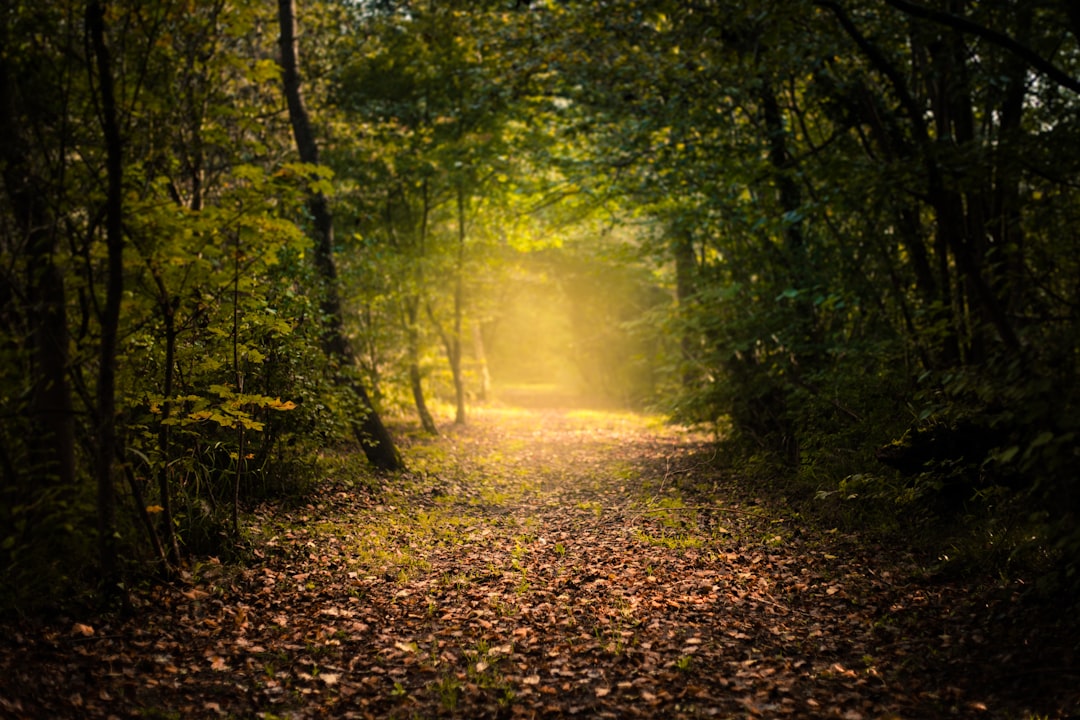
Start small by changing how you think about a forest path: every step covers a living grid that deserves the same care as any nest or stream. Support organizations that protect intact forests and restore degraded edges with soil-first methods, not just saplings. Choose products that keep permanent roots in the ground – shade-grown cocoa and coffee, diversified agroforestry, timber certified for low-impact harvests. Those choices keep underground corridors connected across landscapes.
If you donate to science, look for projects that monitor soil biology alongside tree growth and fire recovery. Advocate for conservation policies that recognize soil carbon and fund long-term, cross-season research rather than quick wins. And when you talk about the Amazon, remember to tell the whole story – from the glittering canopy to the filaments that stitch it together. The forest’s future starts where our boots meet the ground.
Suhail Ahmed is a passionate digital professional and nature enthusiast with over 8 years of experience in content strategy, SEO, web development, and digital operations. Alongside his freelance journey, Suhail actively contributes to nature and wildlife platforms like Discover Wildlife, where he channels his curiosity for the planet into engaging, educational storytelling.
With a strong background in managing digital ecosystems — from ecommerce stores and WordPress websites to social media and automation — Suhail merges technical precision with creative insight. His content reflects a rare balance: SEO-friendly yet deeply human, data-informed yet emotionally resonant.
Driven by a love for discovery and storytelling, Suhail believes in using digital platforms to amplify causes that matter — especially those protecting Earth’s biodiversity and inspiring sustainable living. Whether he’s managing online projects or crafting wildlife content, his goal remains the same: to inform, inspire, and leave a positive digital footprint.