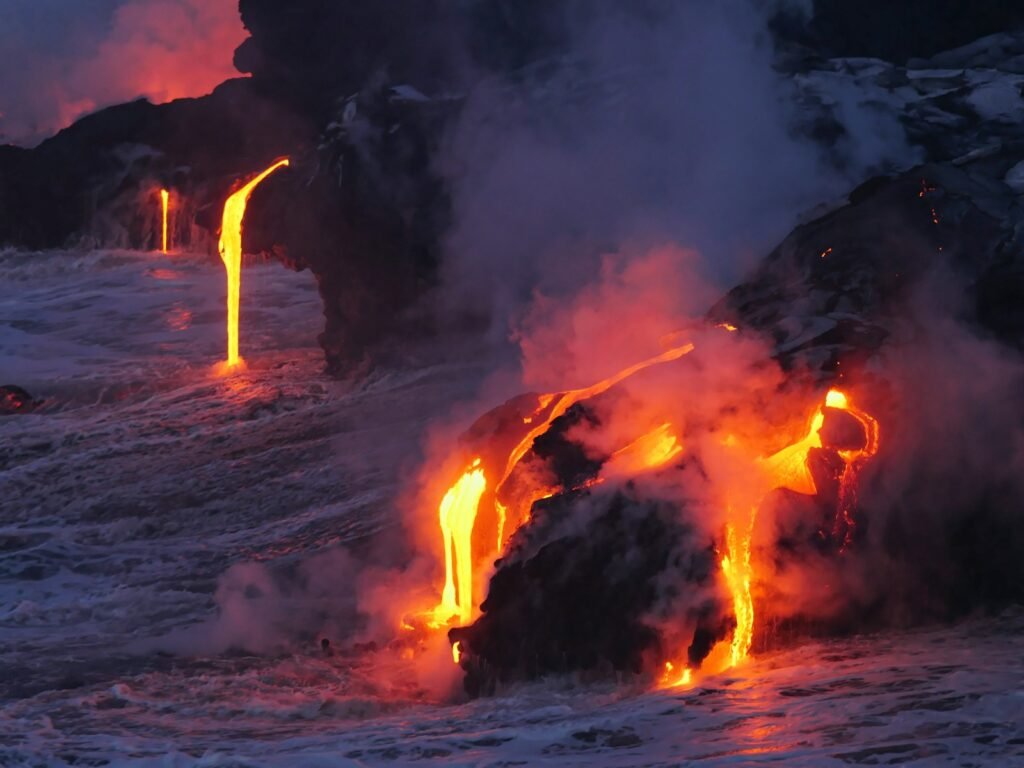

Two generations watched it glow. In the early 1400s, a vent on Hawai‘i’s Kīlauea opened and refused to close, sending slow rivers of basalt across the island for roughly six decades and rewriting both the map and the living world around it. That long fire – known today as the ‘Ailā‘au eruption – did not roar like a cinematic blast; it persisted, patient and relentless, burying forests and building new land in a geological marathon. The mystery has never been just how it flowed so long, but how life returned afterward and what that teaches us as eruptions and climate pressures stack up in the twenty-first century. Scientists have now pieced together a remarkably detailed story of that sixty-year saga and the ecological reboot it forced across Hawai‘i’s youngest island, with lessons that reach far beyond the Pacific.
The Hidden Clues
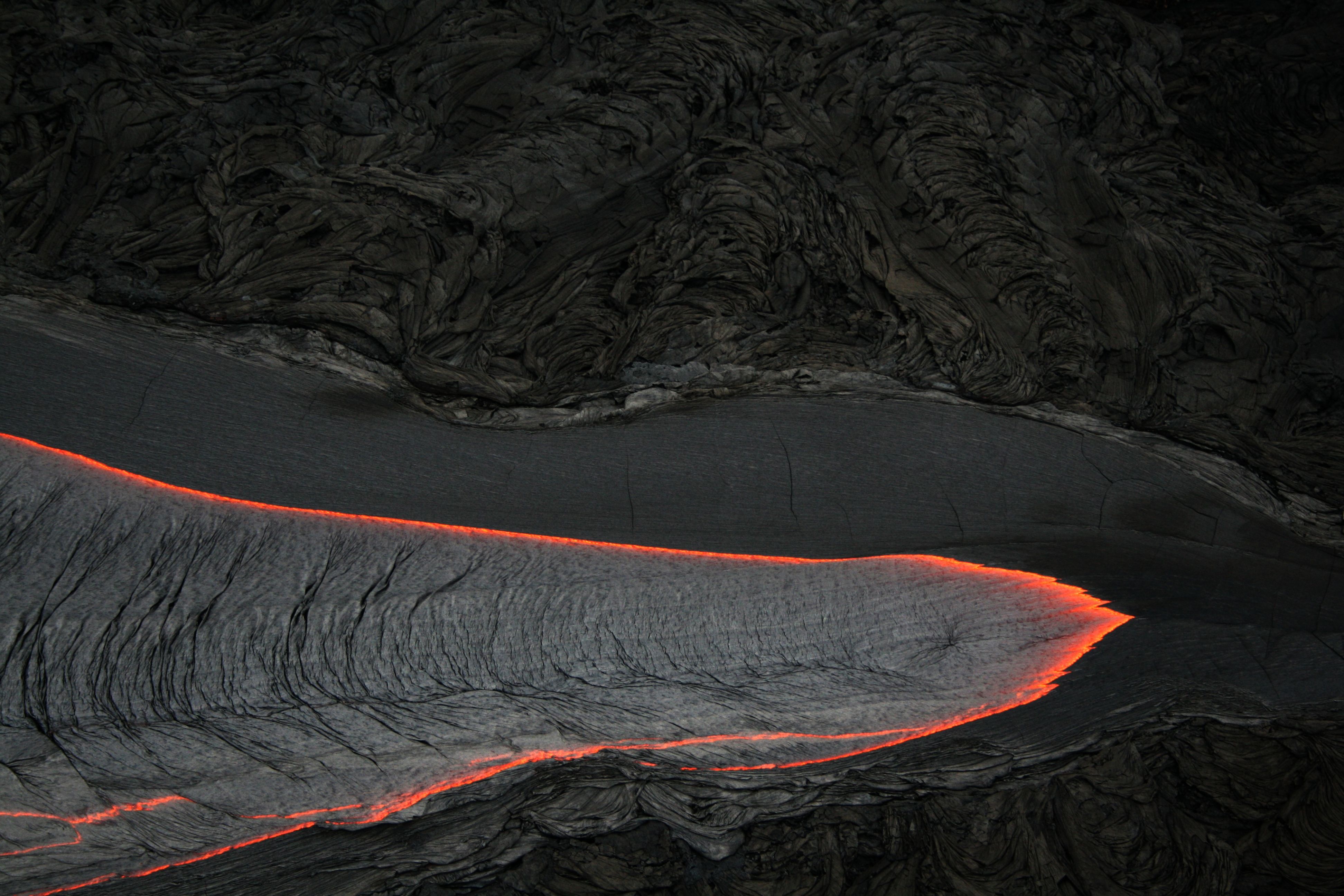
I still remember stepping onto that ropy, glass-sheened lava north of Kīlauea’s summit and realizing I was walking on the footprint of a medieval catastrophe. Geologists recognized the ‘Ailā‘au flows by their broad sheets of pāhoehoe, their chemistry, and the way they drape older terrain like a dark quilt, then confirmed timing with radiocarbon from charcoalized trees entombed at the edges. Hawaiian oral histories preserved a memory of caldera collapse after the long eruption ended, a cultural data point later echoed by physical measurements of the emptied magma reservoir.
The numbers are startling: the ‘Ailā‘au eruption lasted about sixty years and covered roughly four hundred thirty square kilometers – by far the largest subaerial lava flow known from Kīlauea. That scale helps explain the post-eruption collapse that shaped the modern summit crater, linking myth and measurement with rare clarity.
From Ancient Tools to Modern Science
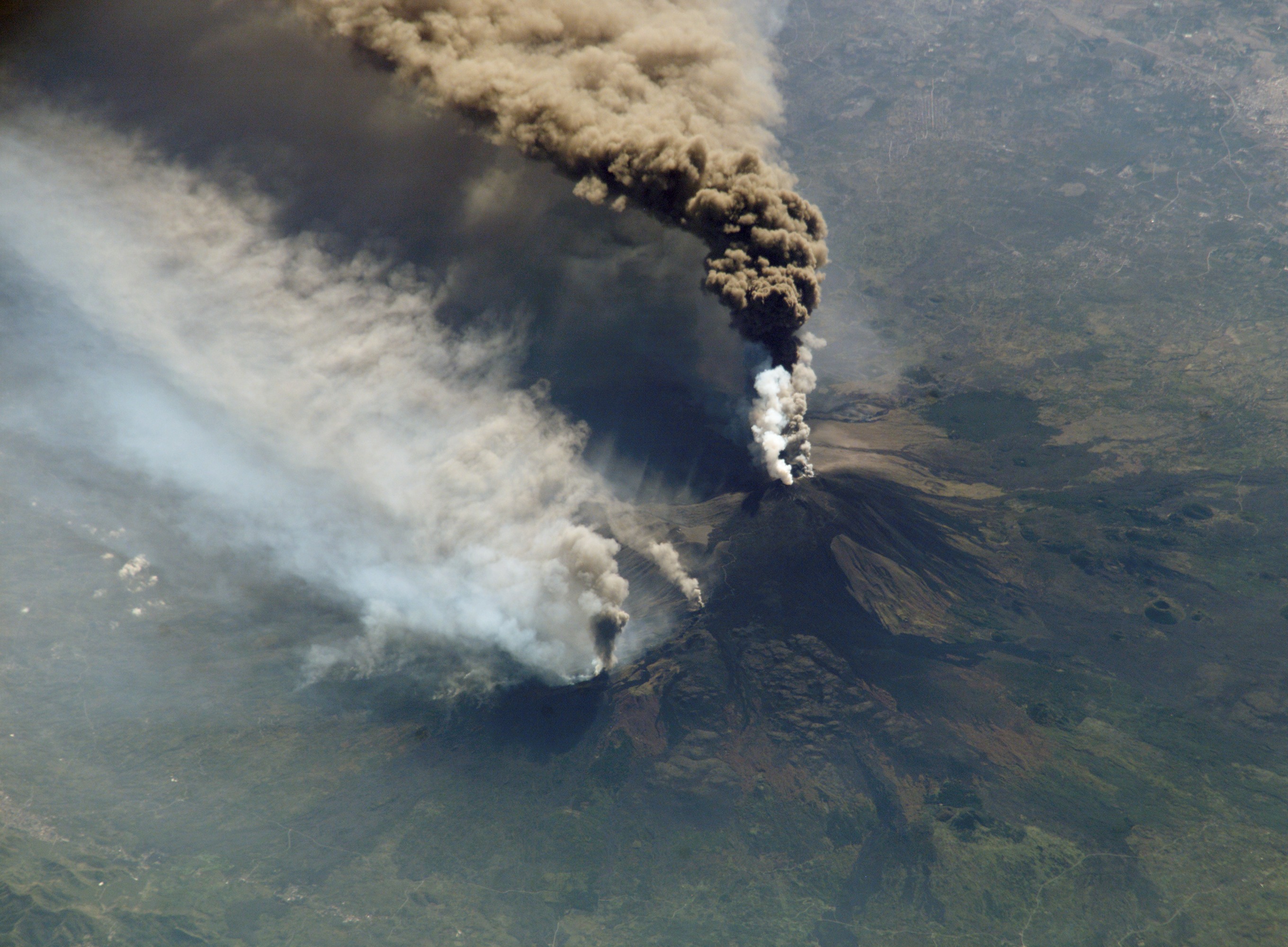
Reconstructing a fifteenth-century landscape calls for a mash-up of methods that would make any detective proud. Researchers paired carbon dating with flow-by-flow mapping, then used paleomagnetism and stratigraphy to sort out which lobes came first and how fast they advanced. High-resolution satellite imagery and lidar now stitch those clues into a basin-wide picture, revealing how lava sheets repeatedly inflated, broke out, and fed new toes toward the sea. In this frame, the ‘Ailā‘au episode becomes a series of pulses on a steady supply line, not a single continuous blaze, which is why the deposits are so thick and widespread.
Modern analogs help calibrate the timeline: the late-twentieth-century Pu‘u ‘Ō‘ō eruption remade the Puna District for decades, yet even that marathon covered only about one third of the area paved by ‘Ailā‘au. The comparison is a humbling reminder of how extraordinary those sixty years really were.
The Long Fire: Inside a 60-Year Eruption
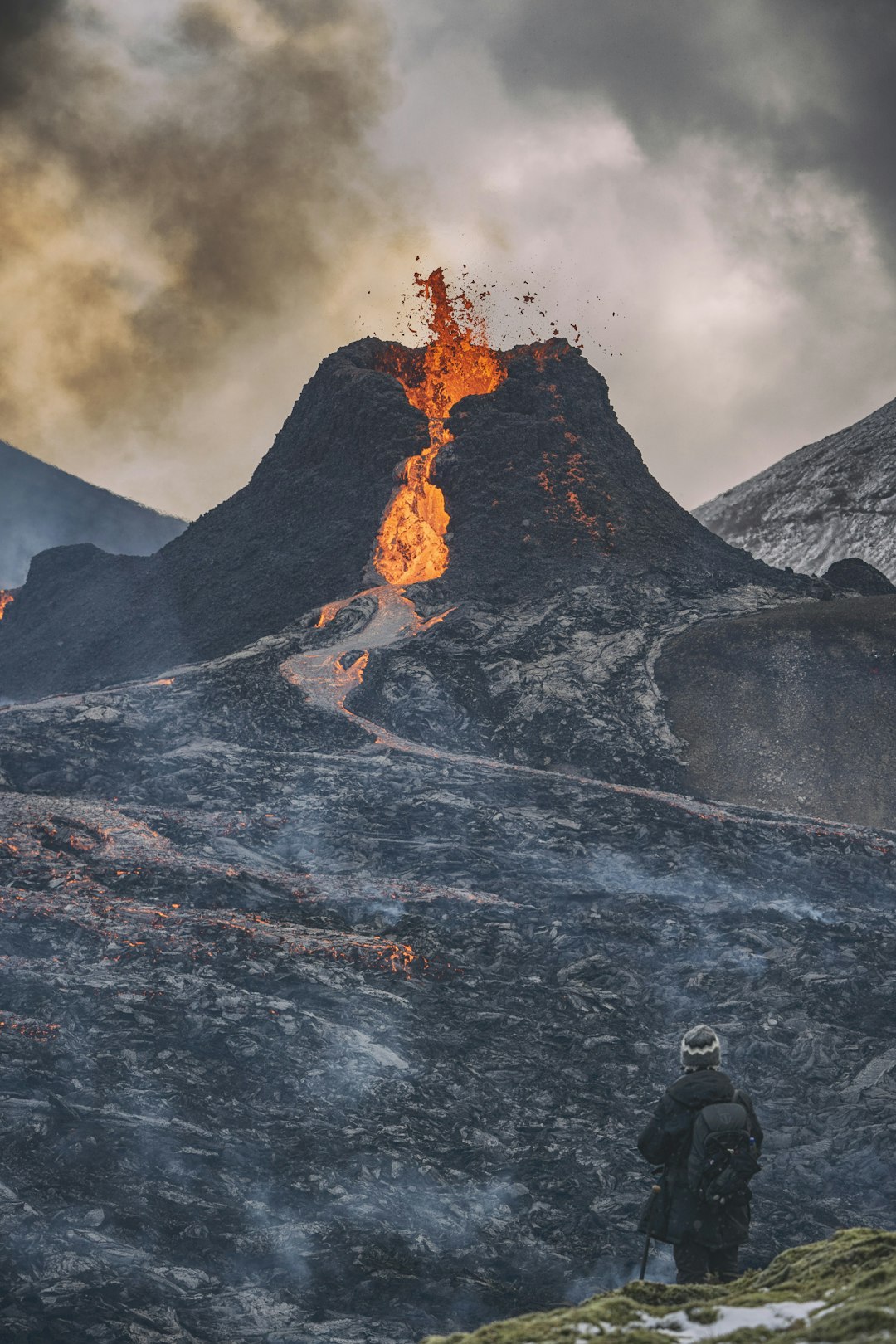
Shield volcanoes like Kīlauea run on efficiency, feeding long-lived eruptions when magma supply is steady and plumbing stays open. The ‘Ailā‘au vent tapped a generous reservoir, sending thin, fast-cooling pāhoehoe sheets across gentle slopes where they stacked like pages in a book, sometimes inflating into blisters and sometimes draining into tubes that extended the reach of each pulse. Over decades, that persistence bled the summit magma chamber, priming the ground above for collapse once the tap finally slowed.
The endgame arrived quickly: with the reservoir underfilled, the summit floor dropped and today’s caldera took shape, the dramatic punctuation mark at the end of a sprawling run-on sentence. You can stand at the rim and read the grammar in the rock – the broad black paragraphs of ‘Ailā‘au below, the collapsed void like a paragraph break above. The logic is elegant in its own molten way and it squares with both modeling and the field evidence.
Life on Fresh Rock: How Ecosystems Start Over
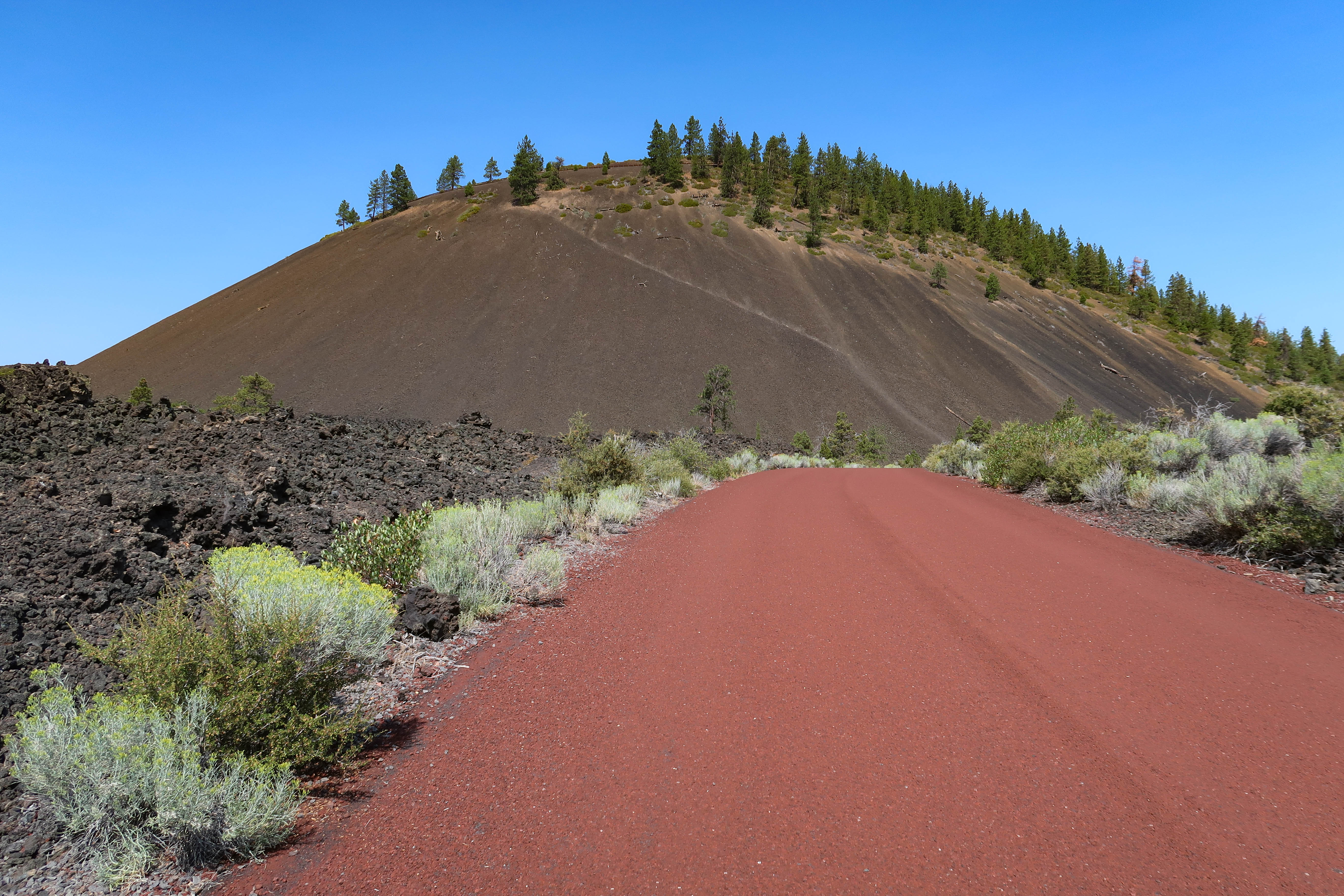
Then comes the quiet revolution: life returns. On new basalt, lichens etch glass, microscopic communities trap dust, and the first hardy plants slot roots into cracks that hold a whisper of moisture after rain. In Hawai‘i, wind-borne fern spores arrive early – species like ʻae and ʻamaʻu are famous for sprouting from black voids – followed by the tree that writes the islands’ great comeback story, the lava-loving ʻōhi‘a lehua. With seeds drifting year-round and a talent for plugging into thin soils, ʻōhi‘a slowly rises from ankle-high shrubs to canopy, building shade and leaf litter that invite insects, birds, and understory plants.
Ecologists call it primary succession; it looks like perseverance made visible, a patient choreography that can take decades in wet forests and much longer in dry zones. The forest that returns is never an exact copy of what was lost – but on Kīlauea’s flows, it is resilient, culturally essential, and profoundly alive.
The Human Footprint: Vog, Farms, and Health
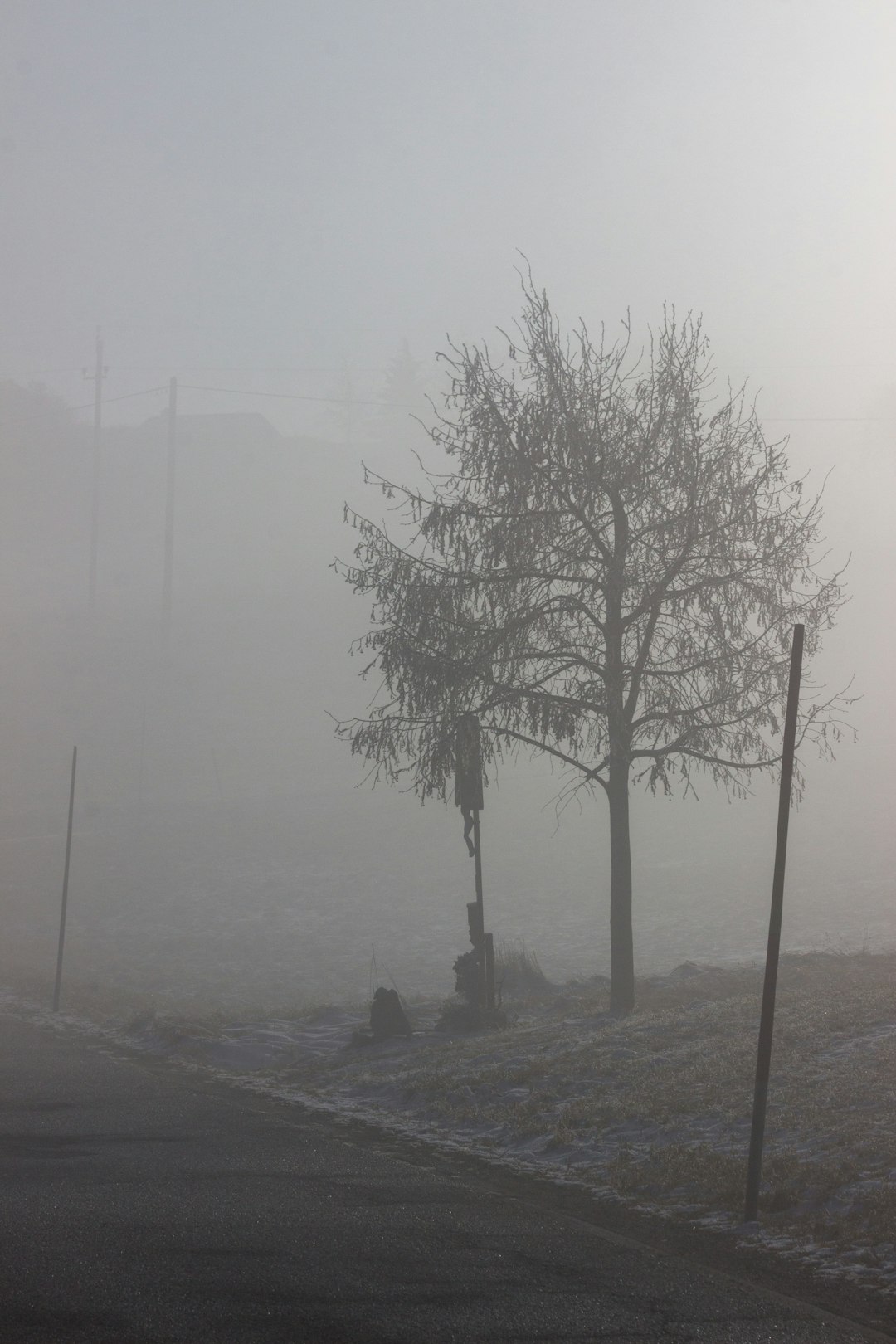
A sixty-year eruption is not just a geological concept – it is an air-quality regime and a daily decision tree for people downwind. Kīlauea’s sulfur dioxide can react in the atmosphere to form volcanic smog, or vog, a haze whose acidic droplets sting lungs and scorch leaves like a diluted version of battery acid. Under the islands’ dominant trade winds, communities to the southwest, including the Ka‘ū District and the Kona coast, often sit in the plume’s path for long stretches, while shifts in wind can push vog across the entire archipelago. Farmers have long reported damage to crops and ornamentals when emissions spike, and native plants take a hit as well, especially when fog and rain hold the acids close to the leaf surface.
The Ka‘ū Desert – an austere swath south of the summit – owes much of its barrenness to repeated ashfall and persistent vog, a stark case study in how chemistry becomes landscape. Managing exposure is now part of living with an active volcano, from monitoring dashboards to school policies on bad-vog days.
Why It Matters
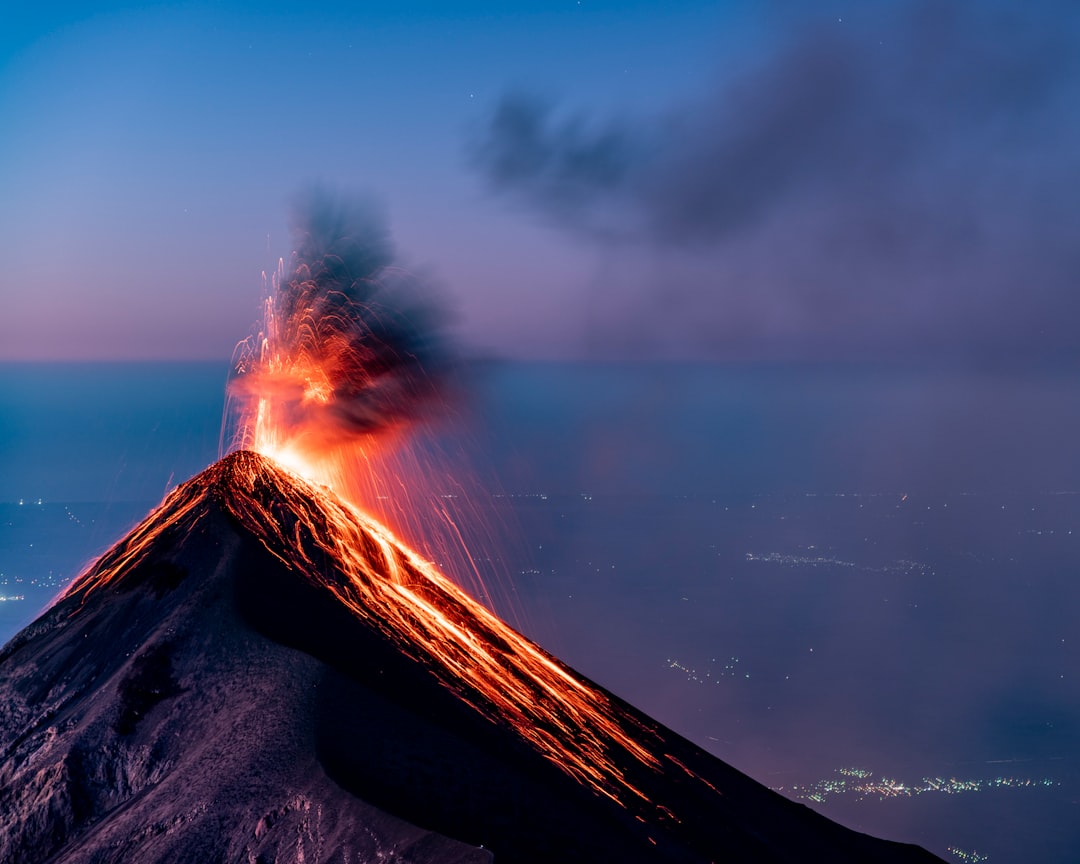
Why dwell on a medieval lava flow when today’s maps keep changing? Because a sixty-year eruption is a stress test for everything from magma budgets to ecological resilience, and it grounds our risk planning better than any short, dramatic blast. The ‘Ailā‘au episode shows how slow, steady effusion can outpace any season or election cycle, steadily transforming watersheds, soils, and habitats in ways that reverberate for centuries. It also reframes “recovery” as a relay rather than a sprint, with pioneer species building the stage for forests that anchor biodiversity and water supply.
Globally, it helps us read other persistently active volcanoes – whether gas-rich craters that puff for centuries or ash-prone cones that simmer for decades – through the lens of long-duration impact, not just hazard snapshots. Most importantly, it underscores that living with volcanoes means designing for the long haul, from community health and agriculture to conservation and cultural continuity
The Future Landscape
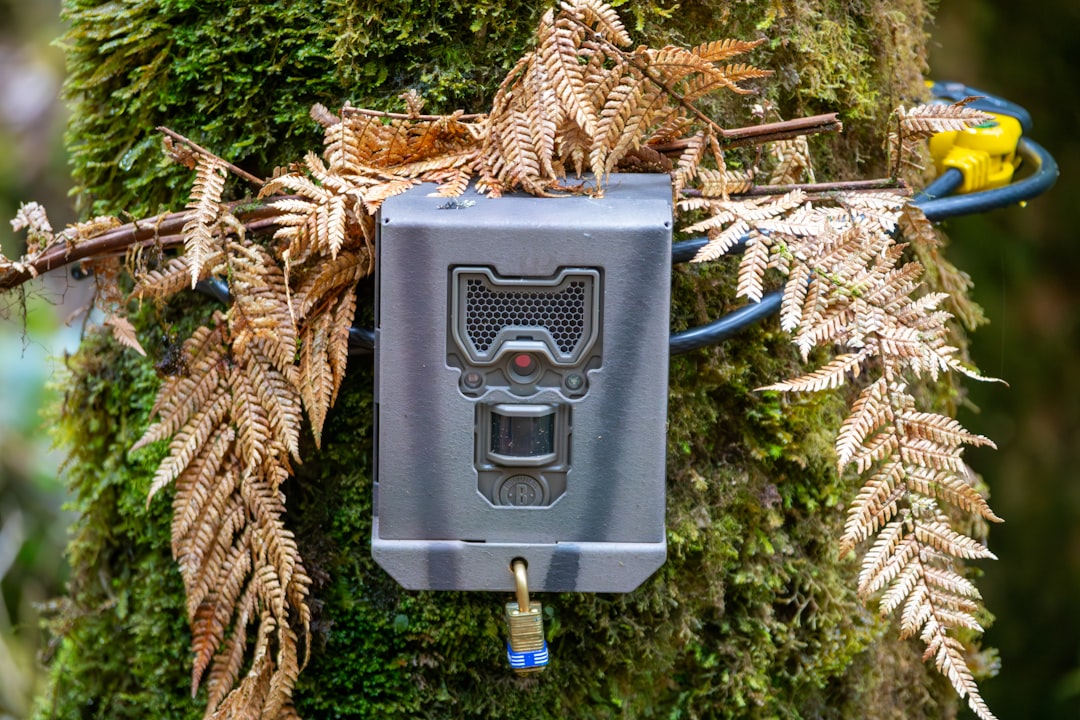
The next chapter of this story will be written by sensors, seeds, and stewardship. On the science side, drones sniff gas plumes and track SO₂ flux, satellites watch ground deformation millimeter by millimeter, and machine learning ties patterns together fast enough to matter for alerts and land management. In the forest, partners are racing to blunt Rapid ʻŌhiʻa Death, a fungal disease that threatens the very tree that reclaims lava, by fencing out hooved invaders, cleaning gear, and studying resistant ʻōhi‘a lineages.
New data show how felling and tarping infected trees can cut down beetle-driven spread, turning field experiments into practical tools for park crews. All of this sits atop a moving baseline as eruptions wax and wane, reminding us that prevention and adaptation must run in parallel with monitoring. If there’s a lesson from those sixty years, it’s that persistence wins – both for lava and for those who care for the land it remakes.
How You Can Help
Small choices add up when you live near an active volcano – or travel to one. Stay on marked trails, respect closures, and give new flows time to cool and new plants time to gain a toehold. Help keep native forests healthy by brushing mud off shoes and gear before and after hikes, and by following local guidance to prevent the spread of pathogens that harm ʻōhi‘a. If you garden or farm, check vog forecasts and adjust irrigation to rinse leaves after high-exposure days, reducing acid damage to sensitive plants. Support community groups and researchers working on restoration and disease monitoring, and share what you learn with friends who visit the islands so they travel with care. Curiosity, patience, and a clean pair of boots can be part of the solution.
Suhail Ahmed is a passionate digital professional and nature enthusiast with over 8 years of experience in content strategy, SEO, web development, and digital operations. Alongside his freelance journey, Suhail actively contributes to nature and wildlife platforms like Discover Wildlife, where he channels his curiosity for the planet into engaging, educational storytelling.
With a strong background in managing digital ecosystems — from ecommerce stores and WordPress websites to social media and automation — Suhail merges technical precision with creative insight. His content reflects a rare balance: SEO-friendly yet deeply human, data-informed yet emotionally resonant.
Driven by a love for discovery and storytelling, Suhail believes in using digital platforms to amplify causes that matter — especially those protecting Earth’s biodiversity and inspiring sustainable living. Whether he’s managing online projects or crafting wildlife content, his goal remains the same: to inform, inspire, and leave a positive digital footprint.