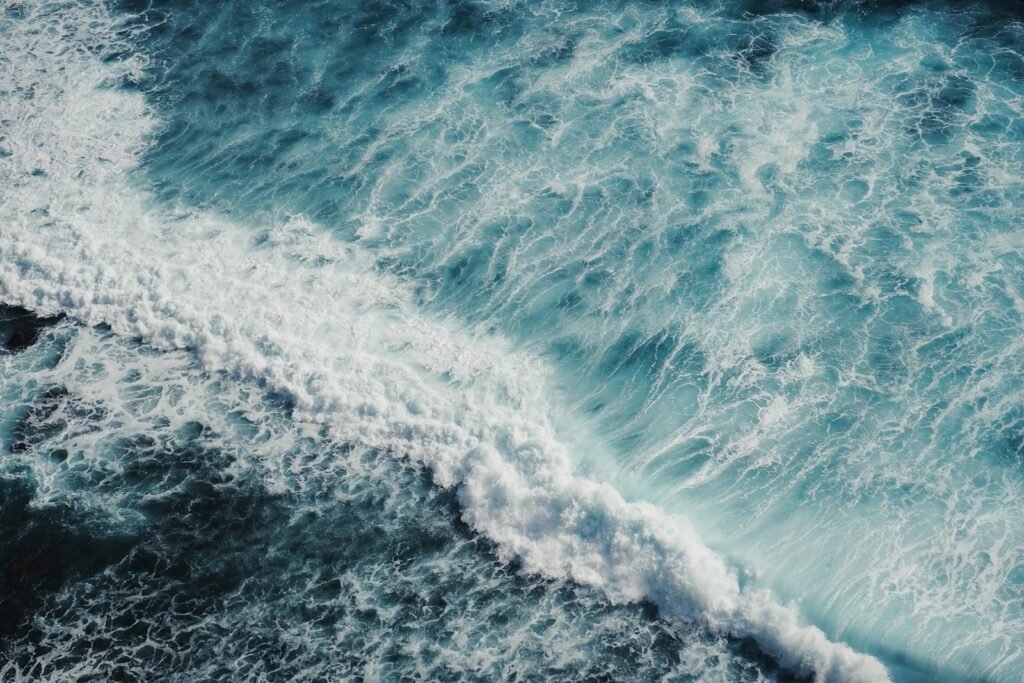

Scientists map the sea to forecast storms; we map our moods to navigate the day. The surprise is how often those maps rhyme. Ocean currents move heat, salt, and nutrients through a restless planet, while emotions shift energy, attention, and connection through a restless mind. Put them side by side and patterns emerge: surges, lulls, pulses, and long, quiet drifts. This isn’t a parlor game – it’s a fresh lens that blends oceanography and psychology to decode why some of us feel like a quick, warm rush, and others like a deep, steady flow.
The Hidden Clues
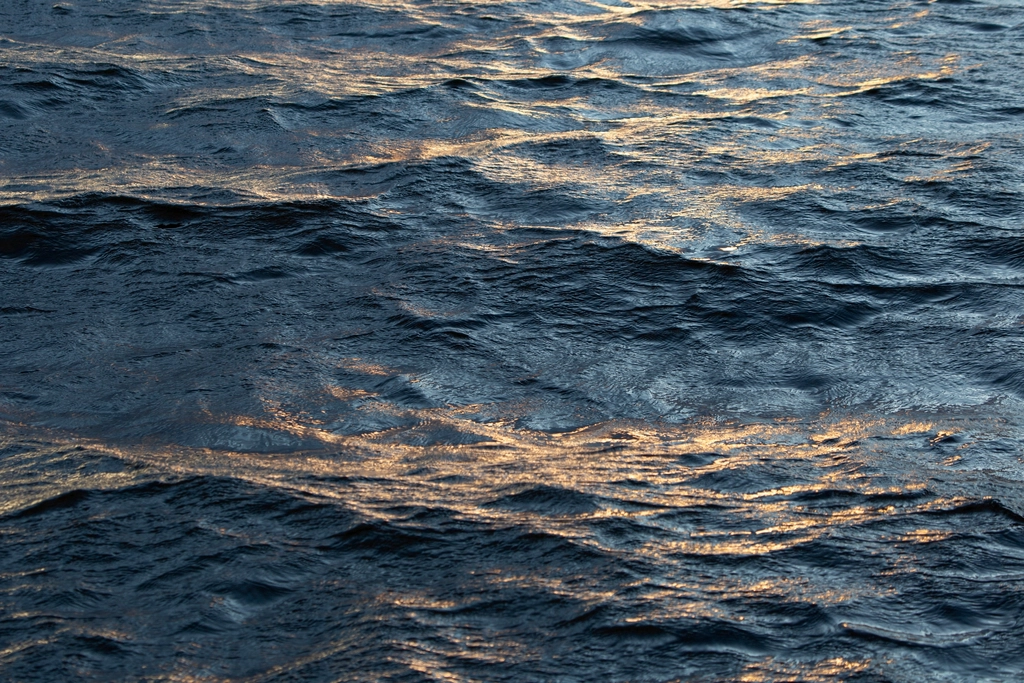
What if your mood rides a current as real as the Gulf Stream, only the shoreline is your daily routine? In the ocean, currents are the bloodstream of the climate system, redistributing heat and shaping weather far from their source. In our lives, emotions redistribute attention and motivation, shaping choices far from the spark that triggered them. Both systems depend on gradients – of temperature and salinity for water, of expectations and experiences for people.
Oceanographers track signal and noise, filtering out waves to see the flow beneath; psychologists do something similar when they look past fleeting reactions to longer emotional baselines. Variability matters in both arenas: a current with sharp meanders can upend coastlines, just as moods with big swings can reorganize plans and relationships. The clue is continuity – how a pattern holds together, even as its edges dance.
From Ancient Tools to Modern Science
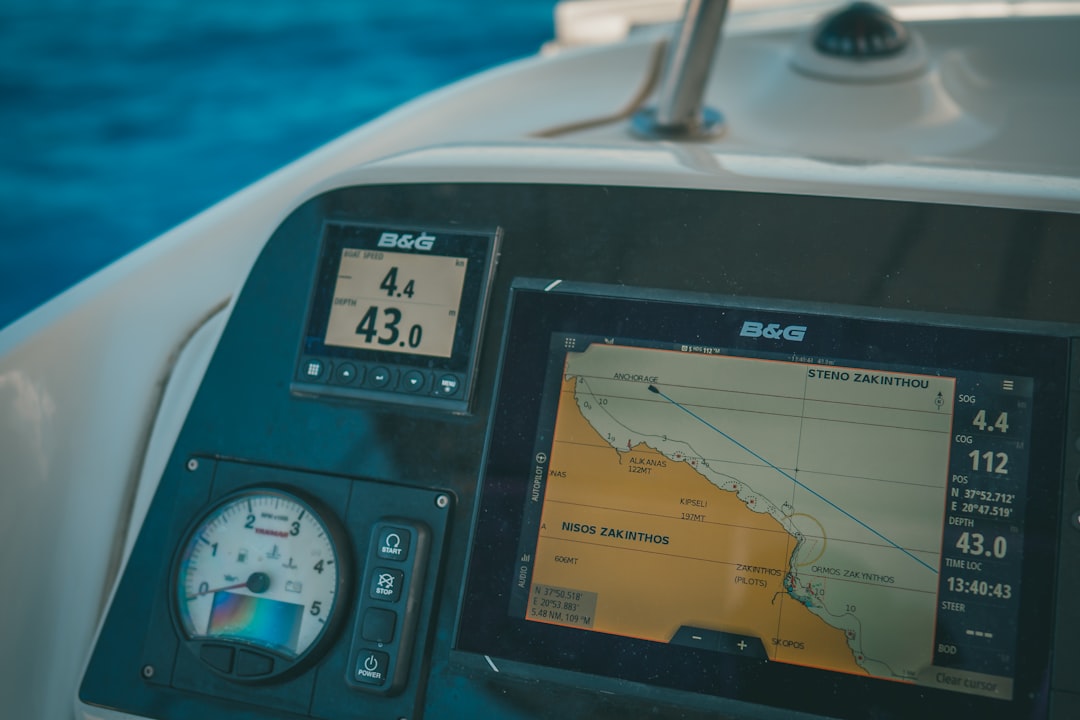
Navigators once read currents by eye – slicks on the water, drifting weed, the tilt of a vessel – much as we read our own tone from posture and breath. Today, satellites track sea-surface height and temperature, while autonomous floats profile water columns from the surface to the deep. In psychology, wearable sensors and daily check-ins trace heart rate variability, sleep quality, and mood notes across weeks and seasons. Both fields moved from occasional snapshots to continuous time series, and that’s when rhythms jump out.
I learned this on a ship off the Azores, watching instrument data scroll like a living EKG; later, a month of mood tracking on my phone looked eerily similar. The lesson wasn’t that we are the ocean, but that complex systems rhyme. When you see the rhyme, forecasts get better – whether predicting an eddy or anticipating a stressful week before it crests.
Warm Western Boundary Currents: Gulf Stream and Kuroshio
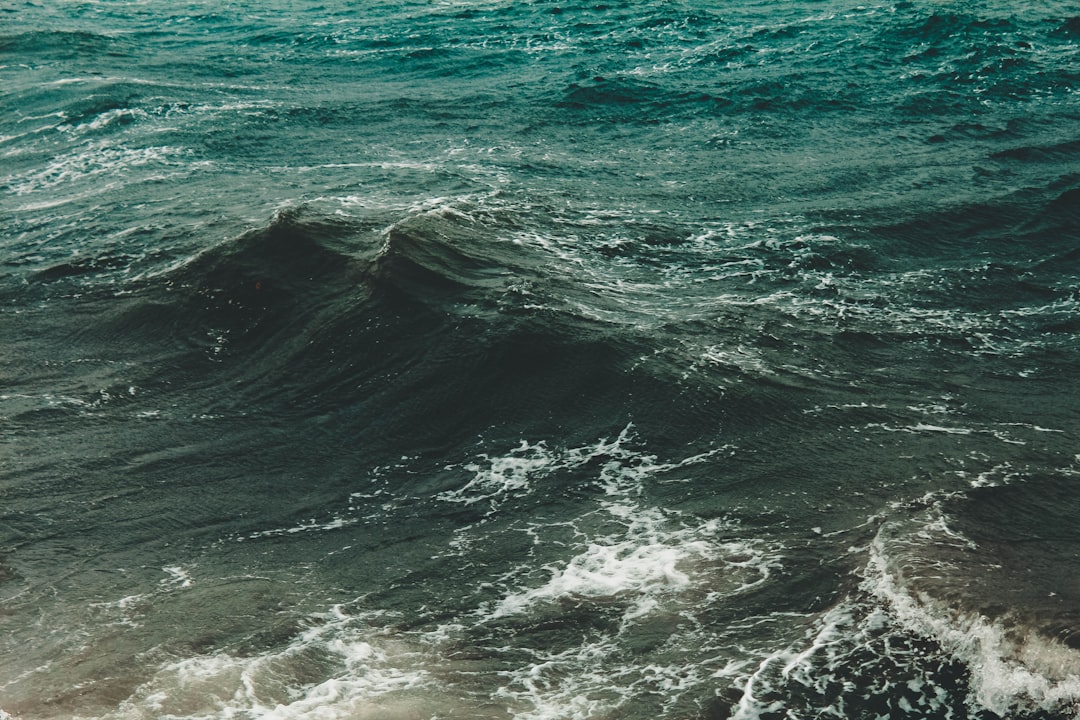
Western boundary currents are the speedsters, narrow and fast, funneling tropical warmth poleward with astonishing efficiency. The Gulf Stream and Kuroshio are prone to meanders and eddies, quick changes that can fling warm water far offshore or pull cold tongues toward the coast. Emotionally, that looks like people who respond rapidly – energized by novelty, agile under pressure, but sometimes tossed by their own momentum. The upside is creativity and swift recovery; the challenge is avoiding burnout when the meanders stack up.
These currents also feed productivity by lighting up food webs along their edges, not unlike how moments of intense focus can trigger bursts of insight. If this is your emotional current, build buffer zones the way coasts build dunes: short recovery rituals that catch the spray before it floods the day. Think brisk walks after sprints of work, and clear handoffs between tasks to keep eddies from merging into a storm.
The Global Conveyor and the Southern Ocean
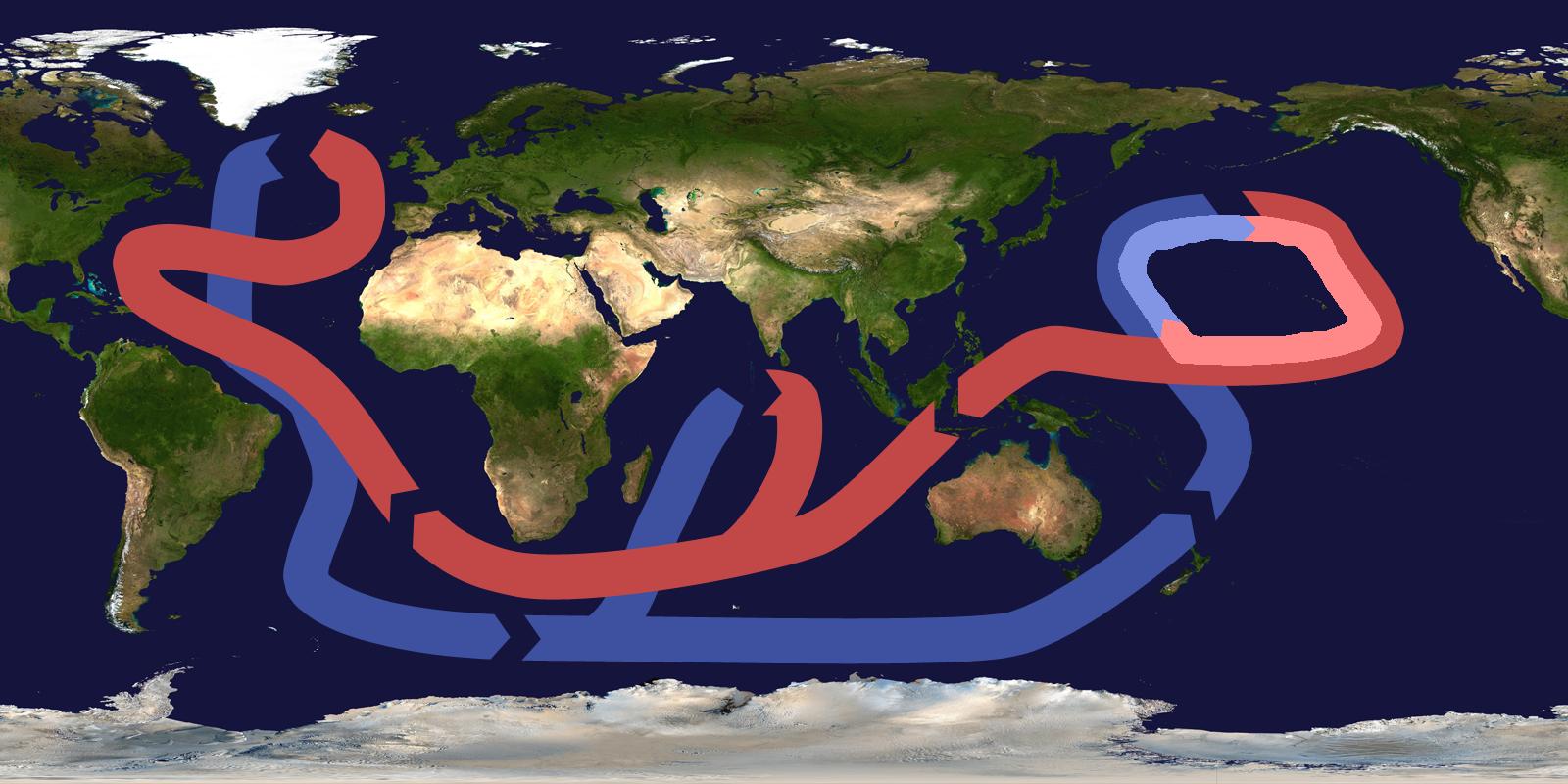
Far from the headlines, a deep choreography moves water around the world: the overturning circulation often called the global conveyor. Cold, salty water sinks in the North Atlantic, joins deep flows, and ultimately rises elsewhere, while the Antarctic Circumpolar Current stitches the basins together like a belt. This is slow power – immense, persistent, and easy to overlook until it shifts. Some studies indicate that parts of this circulation are sensitive to freshwater pulses and wind changes, reminding us that steady does not mean unbreakable.
Emotional analogs here are the unflappable types whose baseline carries them through noise. They seem calm because they are, but their system still responds to subtle, cumulative inputs – sleep debt, chronic stress, or the long shadow of winter light. If this is you, protect your deep water: consistent routines, daylight exposure, and gently varied challenges keep the conveyor humming. Small adjustments, compounded over time, move continents.
ENSO’s Flip: When the Pacific Sets the Tone
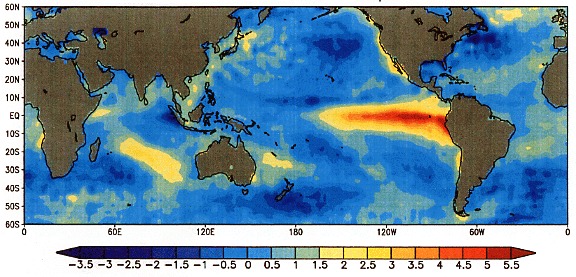
Every few years, the tropical Pacific shifts gears between El Niño and La Niña, reorganizing rainfall, storm tracks, and fisheries across oceans. This is teleconnection in action: a local temperature pattern with global consequences. Emotionally, ENSO feels like life’s phase shifts – new jobs, relocations, or caregiving roles that alter the whole weather map of a year. You’re still you, but your context rewrites what’s easy and what’s hard.
In the Pacific, scientists monitor sea-surface anomalies and wind patterns to catch the flip early; in daily life, noticing precursors helps too. Watch for the small drifts – later bedtimes, skipped meals, crowded calendars – that signal a regime change before it lands. Plan like a coastal city: upgrade drainage, shore up supports, and accept that some seasons bring rain you can use if you’re ready to capture it.
Why It Matters
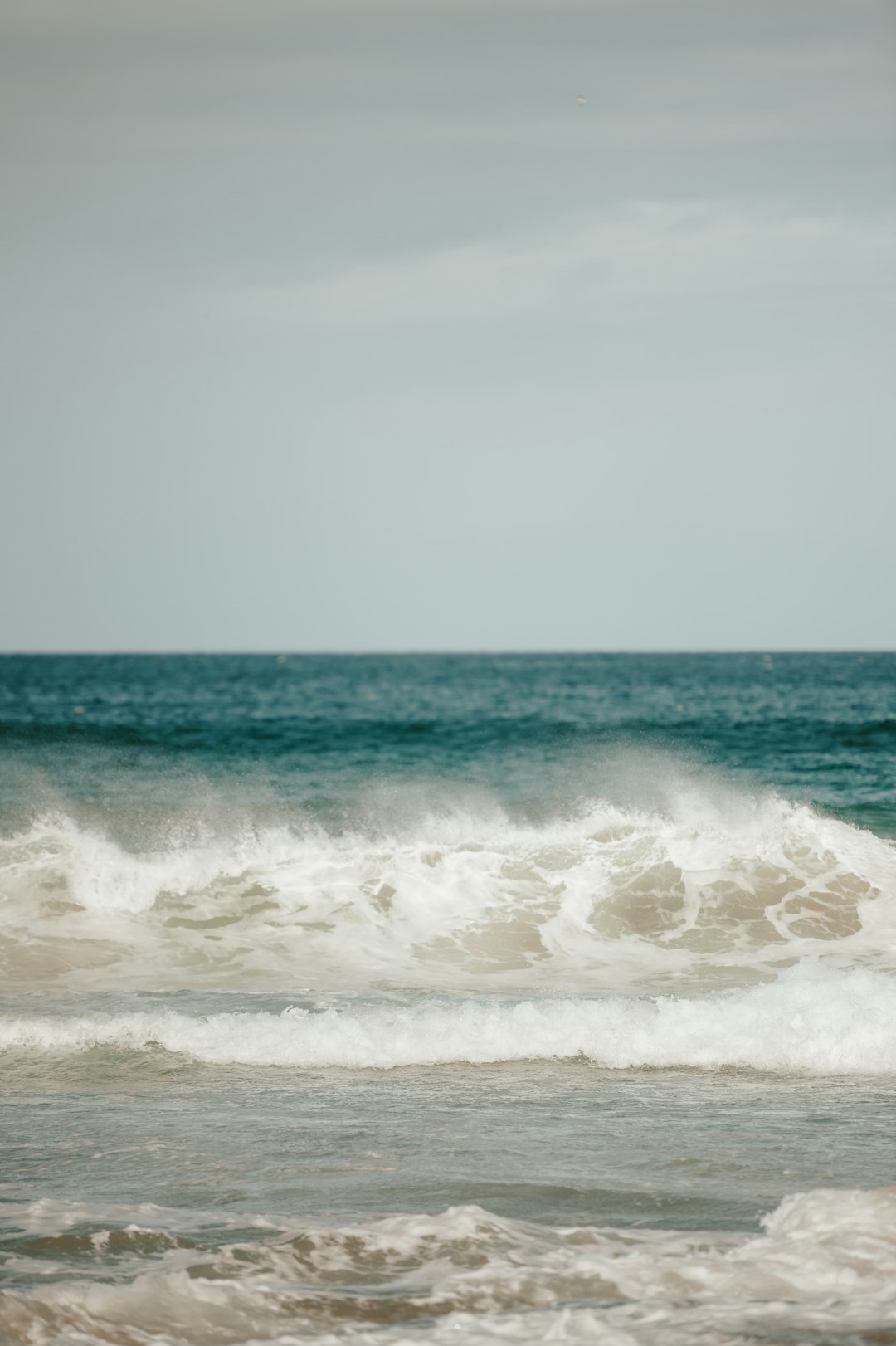
Translating currents into emotional metaphors isn’t whimsy; it’s a science-guided way to navigate complexity. Traditional mental-health advice can be static – tips that work in calm water might fail in a meander or a flip. Oceanography teaches us to ask what pattern we’re in and what feedbacks sustain it, then act accordingly. That reframes self-care from a checklist into adaptive management, more like a harbor master than a self-help script.
The scientific value runs both ways. Ocean systems highlight thresholds and lag times that psychology also wrestles with: change often arrives slowly, then all at once. Thinking in currents normalizes variability, reduces self-blame, and promotes earlier, targeted interventions. In a world where climate and mental health are linked through heat, smoke, and displacement, this dual literacy isn’t a luxury; it’s toolkit and compass.
The Future Landscape
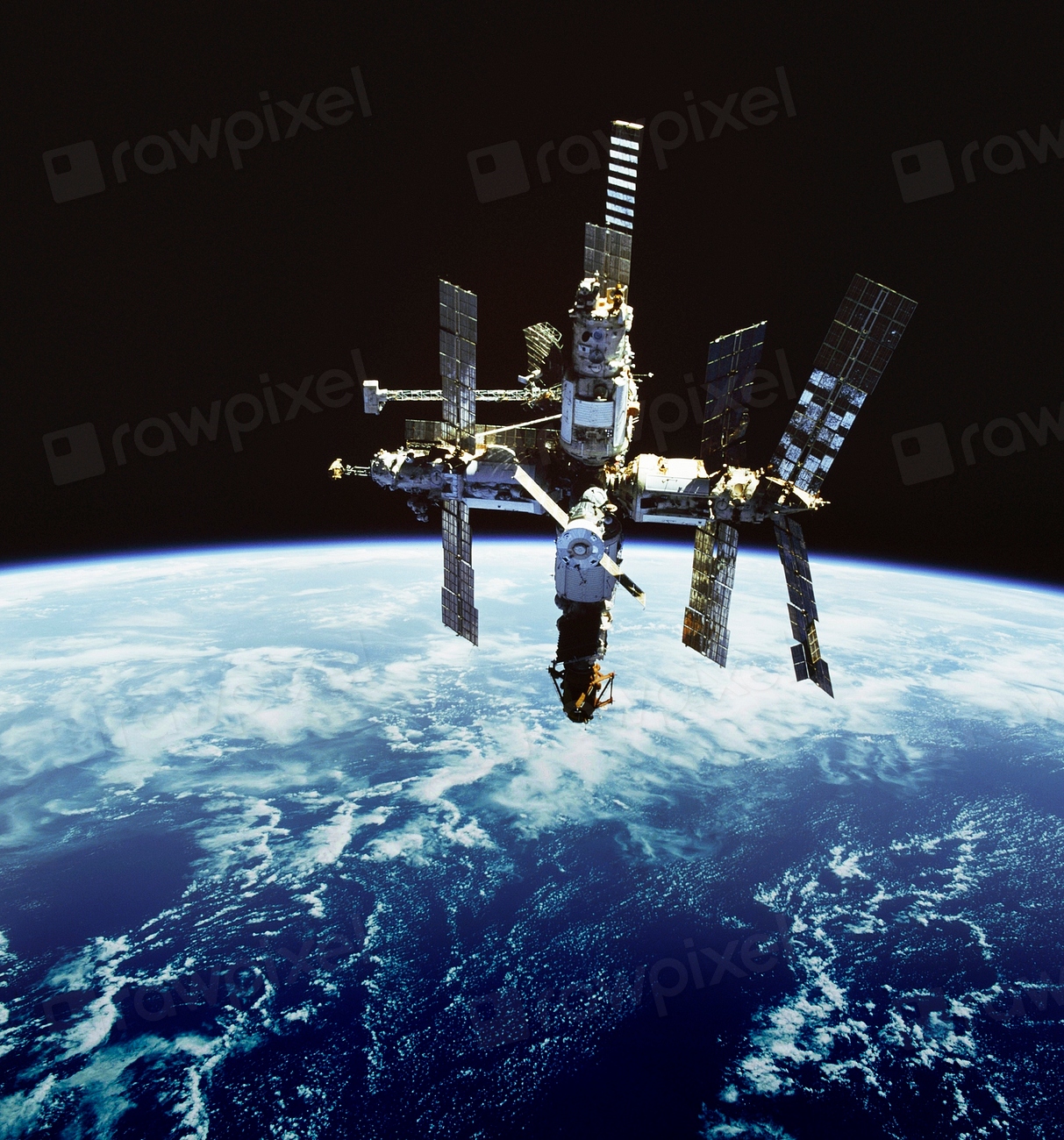
New satellites, finer ocean models, and swarms of profiling floats are giving us a near-real-time atlas of the sea. On land, multimodal wearables and privacy-first analytics are beginning to forecast stress the way meteorologists forecast rain. The frontier is coupling: studying how marine heatwaves, humidity spikes, and air-quality swings interact with attention, sleep, and mood over weeks, not just days. That demands careful data ethics so insights serve people without surveilling them.
Expect more personalized “flow forecasts” that blend local environmental data with your baseline rhythms, nudging you to shift meetings, hydrate early, or choose shade on a hard day. Just as ports plan for higher seas, workplaces and schools can design schedules resilient to heat and disruption. The challenge is equity: these tools must reach the communities most exposed to climate extremes, not just the already buffered. Done right, adaptation can feel less like bracing and more like learning to steer.
Conclusion
Start by naming your water: are you a quick western boundary surge, a deep conveyor, or in the midst of an ENSO-style flip? Track a week of simple signals – sleep timing, screen drift, movement, and one honest mood note per day – and look for the rhyme. Align your routines with the flow you find: sprints with deliberate cooldowns for the speedsters, steady anchors for the deep currents, and flexible plans for flip seasons. Share the language with a friend or team so you can forecast together instead of paddling alone.
Support the science that supports you. Community groups and coastal labs rely on small donations and volunteers to keep sensors in the water and data open to all. Advocate for cooling centers, tree shade, and clean-air shelters; these are local current buffers with global benefits. Most of all, be kind to your baseline – no current is constant, and resilience is less about never drifting than about learning how to come back.
Suhail Ahmed is a passionate digital professional and nature enthusiast with over 8 years of experience in content strategy, SEO, web development, and digital operations. Alongside his freelance journey, Suhail actively contributes to nature and wildlife platforms like Discover Wildlife, where he channels his curiosity for the planet into engaging, educational storytelling.
With a strong background in managing digital ecosystems — from ecommerce stores and WordPress websites to social media and automation — Suhail merges technical precision with creative insight. His content reflects a rare balance: SEO-friendly yet deeply human, data-informed yet emotionally resonant.
Driven by a love for discovery and storytelling, Suhail believes in using digital platforms to amplify causes that matter — especially those protecting Earth’s biodiversity and inspiring sustainable living. Whether he’s managing online projects or crafting wildlife content, his goal remains the same: to inform, inspire, and leave a positive digital footprint.