
Have you ever heard of a body of water that seems to follow its own mysterious schedule, disappearing completely only to return years later as if nothing happened? In the vast expanse of Nevada’s high desert, such phenomena aren’t just folklore or ancient legends. They represent one of nature’s most puzzling displays, where lakes appear and vanish in cycles that continue to baffle scientists and captivate photographers from around the world.
At its peak around 13,000-15,000 years ago, ancient Lake Lahontan was so vast that a person could have sailed a boat from Hawthorne to Winnemucca without ever touching dry land. This fact gives some perspective of how much water we had, and just how different our modern landscapes and ecosystems are from those of ancient Nevada. The desert state’s relationship with water has always been complex, marked by dramatic cycles of abundance and scarcity that continue to this day.
The Great Basin’s Water Mystery
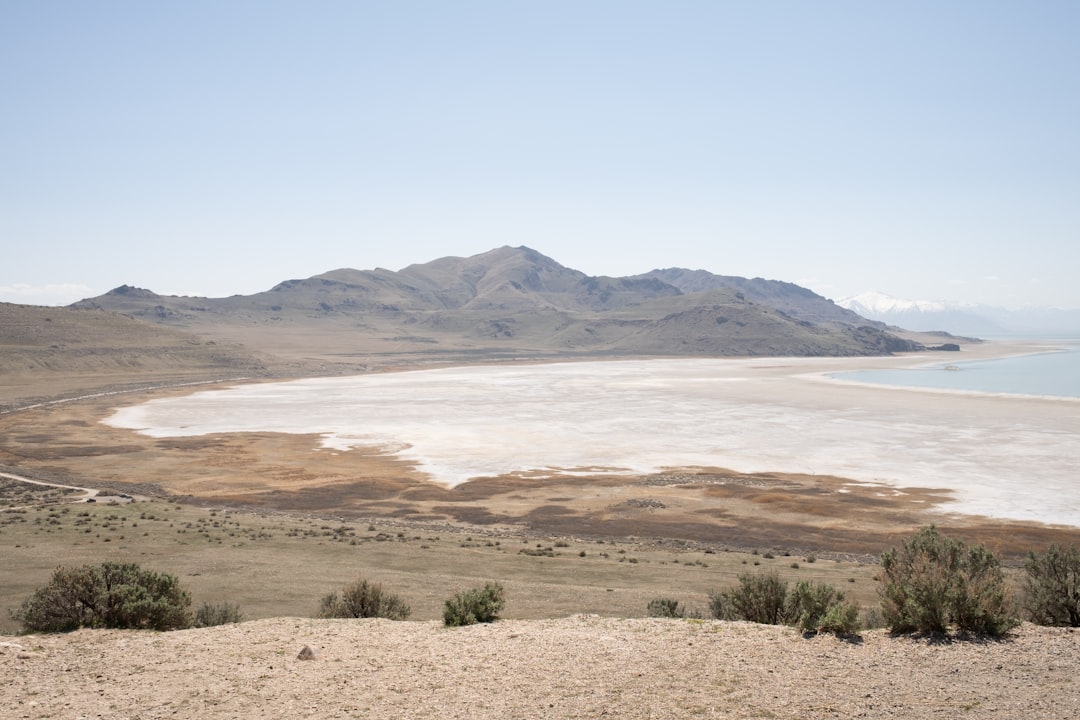
As the surface elevation dropped, the lake broke up into series of smaller lakes, most of which rapidly dried up, leaving only a playa. These playas include the Black Rock Desert, the Carson Sink, and the Humboldt Sink. The only modern remnants existing as true lakes are Pyramid Lake and Walker Lake. Yet within this seemingly barren landscape, water bodies continue to appear and disappear in patterns that follow no predictable human timeline.
What makes these vanishing lakes so remarkable isn’t just their cyclical nature, but how they completely transform the ecosystem around them. When water returns after years of absence, it brings life exploding back in ways that seem almost miraculous. Over time, in the same places that trillions of gallons of water once stood, now there is none. Because water that settled in these places years ago had no place to drain, it simply evaporated, leaving a layer of salt on the surface. The Black Rock Desert, for example, was once submerged beneath Lake Lahontan, but is now a vast expanse of alkali nothingness.
Walker Lake’s Decades-Long Struggle
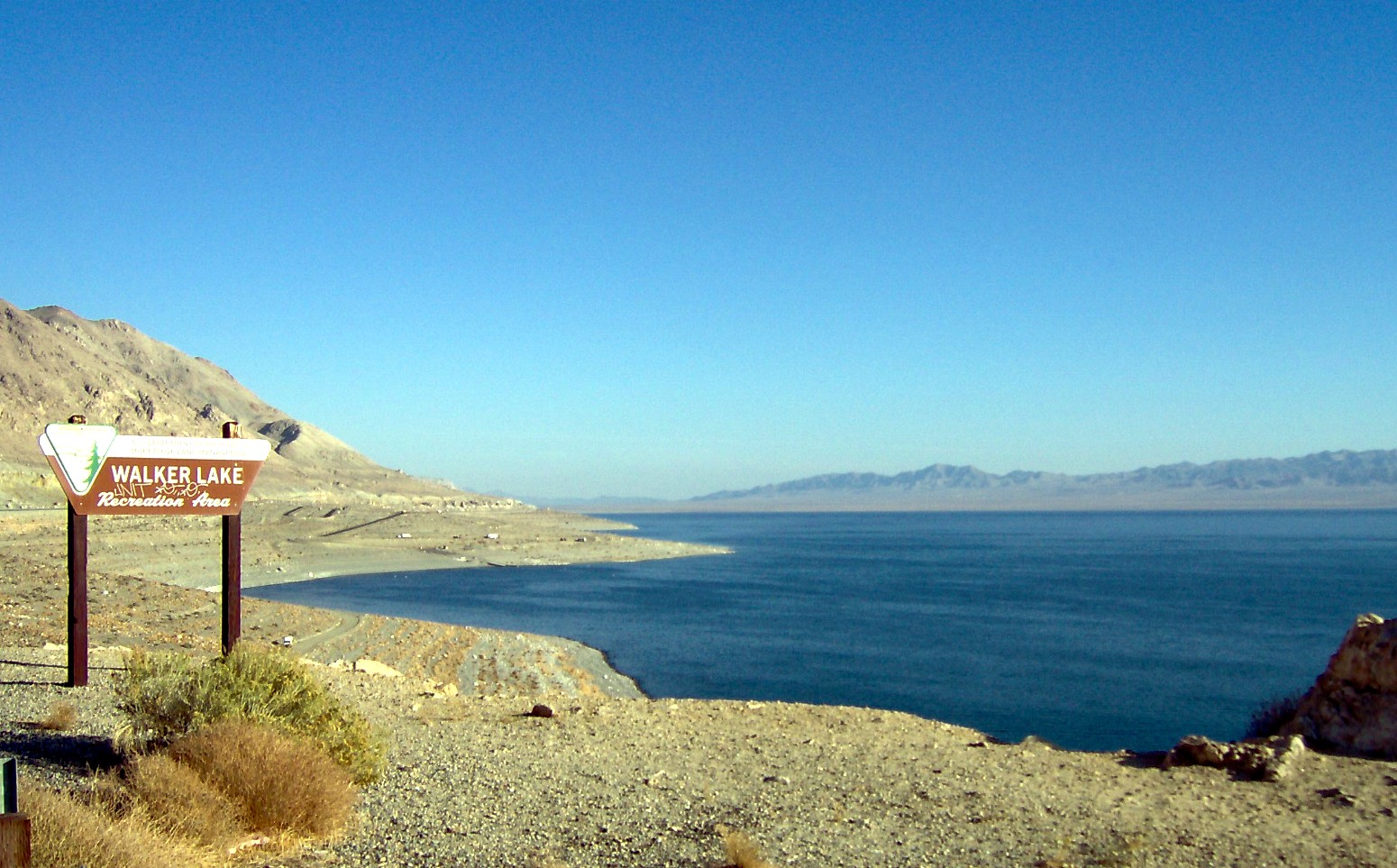
Walker Lake has been drying up for decades due largely to agricultural and ranching diversions. With drastically reduced water levels, Walker Lake is on the brink of collapse. This northwestern Nevada lake represents one of the most dramatic examples of cyclical water level changes in the region. Though not vanishing completely every decade, its water levels fluctuate so dramatically that entire ecosystems hang in the balance.
Of the 17 fish species that historically lived in Walker Lake, only 3 were still present in 1979. The Lahontan cutthroat trout is listed as a threatened species and only survives in the lake because of stocking. The story of Walker Lake illustrates how these cyclical changes affect more than just the physical landscape. They reshape entire food webs and determine which species can survive in this harsh environment.
The Science Behind Disappearing Waters
Understanding why these lakes vanish requires looking at the unique geography of Nevada’s Great Basin region. Walker Lake is located in a “basin” – meaning that it doesn’t have an outlet to another body of water. This means that all of the inflowing water has nowhere to go but evaporate. This creates what scientists call a closed basin system, where water accumulation depends entirely on the delicate balance between inflow and evaporation.
Nevada’s climate during the Pleistocene and early Holocene Epochs was characterized by a pluvial climate, causing increased precipitation and reduced evaporation. The excess moisture and eventual temperature increase contributed to Nevada’s extensive lakes and rivers systems. The most notable of these mammoth lakes was ancient Lake Lahontan. Modern cyclical lake behavior represents echoes of these ancient patterns, compressed into much shorter timeframes.
Climate Patterns and Precipitation Cycles
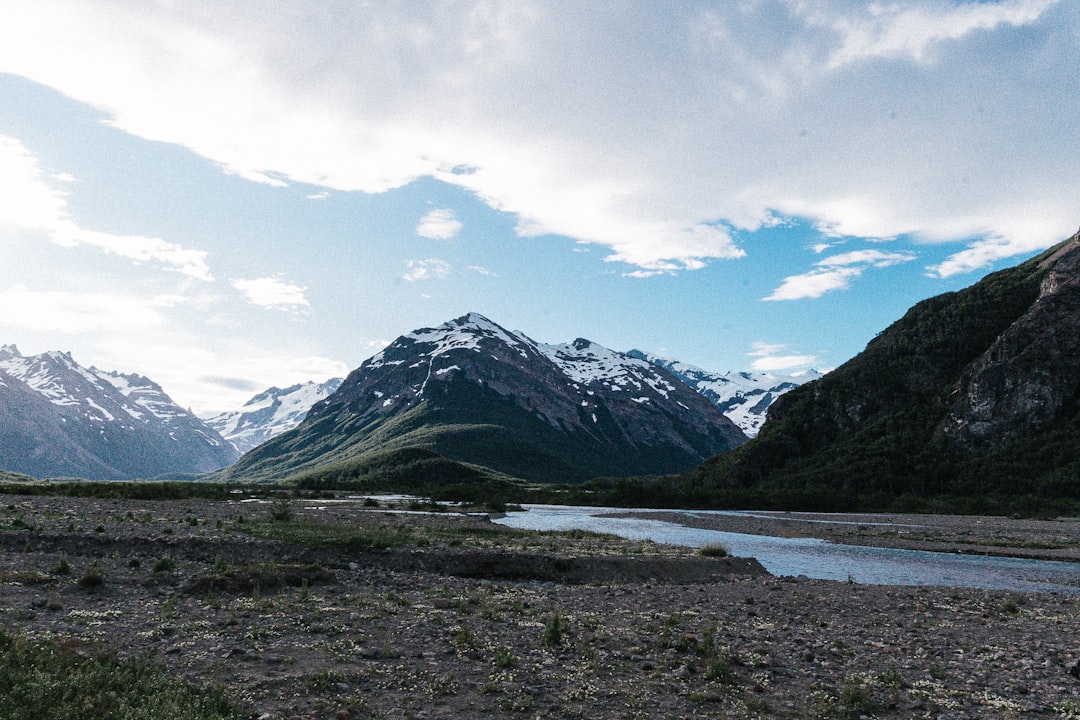
Its water comes mostly from spring snowmelt running down from the Sierra Nevada, but much of that water is diverted before it reaches the lake; it is used to irrigate alfalfa fields and pasture grass in the Antelope, Bridgeport, Smith, and Mason valleys. The cyclical nature of these disappearing lakes often depends on snowpack accumulation in distant mountains, creating a complex system where weather patterns hundreds of miles away determine whether a lake exists or not.
These precipitation cycles can span several years or even decades. During wet periods, mountain snowpack builds up dramatically, leading to spring runoff that can fill dry lake beds within weeks. Conversely, during extended drought periods, these same basins can remain bone dry for years on end. Scientists have observed that these cycles don’t follow predictable patterns, making each reappearance a surprising event that captures widespread attention.
The Tulare Lake Phenomenon
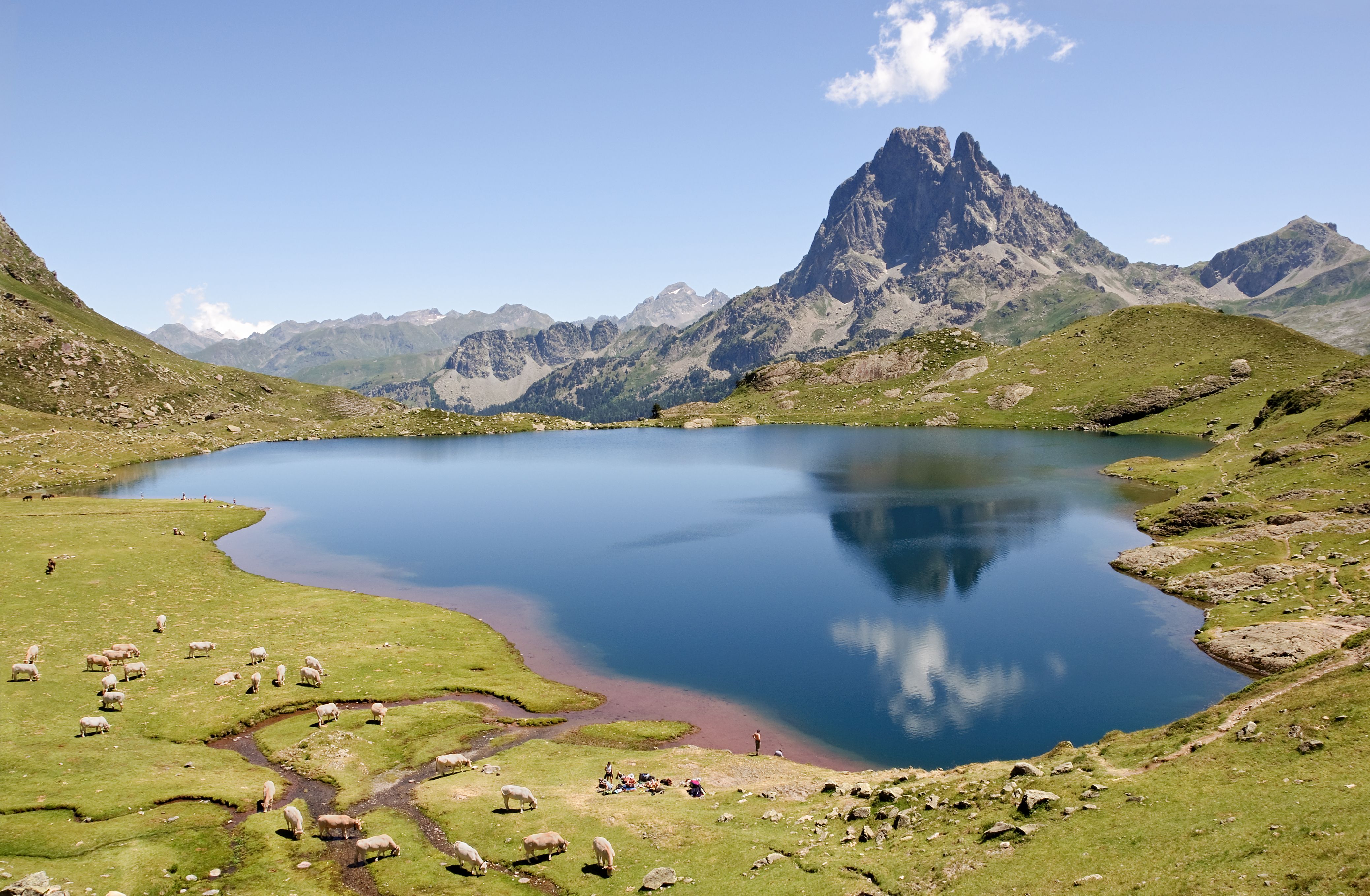
Its waters briefly reappeared a handful of times over the past century, gaining a reputation of being a “ghost lake”, but Tulare Lake was effectively considered done and dusted. Then, in early spring 2023, it returned once again in the wake of weather events in southern California. The body of water is fed by the Sierra Nevada mountains, which were struck by several snowstorms in the winter of 2023, causing a flood of water to pour into the San Joaquin Valley.
Until the late 19th century, the San Joaquin Valley held a lake over 100 miles long and over 30 miles wide. Tulare Lake “was the largest body of fresh water west of the Mississippi River.” Though technically located in California, Tulare Lake’s dramatic reappearances demonstrate the type of cyclical lake behavior that characterizes the broader Great Basin region extending into Nevada.
Ancient Lake Lahontan’s Legacy
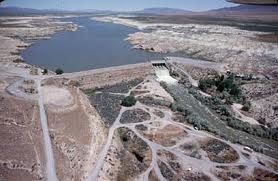
Climate change around the end of the Pleistocene epoch led to a gradual desiccation of ancient Lake Lahontan. The lake had largely disappeared in its extended form by about 9,000 years ago. This massive prehistoric lake once covered much of northern Nevada, and its remnants continue to influence modern water patterns throughout the region.
Today, remnants of Lake Lahontan still exist, though the size pales in comparison to the massive prehistoric water source that once covered much of northwest Nevada and a part of eastern California. Lahontan was created over several millennia, the result of several major river systems. Walker, Carson, Truckee, and Humboldt Rivers are responsible for filling basin after basin, causing many lakes to spill over into new areas. Modern cyclical lakes often occupy the same basins that held Lahontan’s waters thousands of years ago.
Wildlife and Ecosystem Adaptation
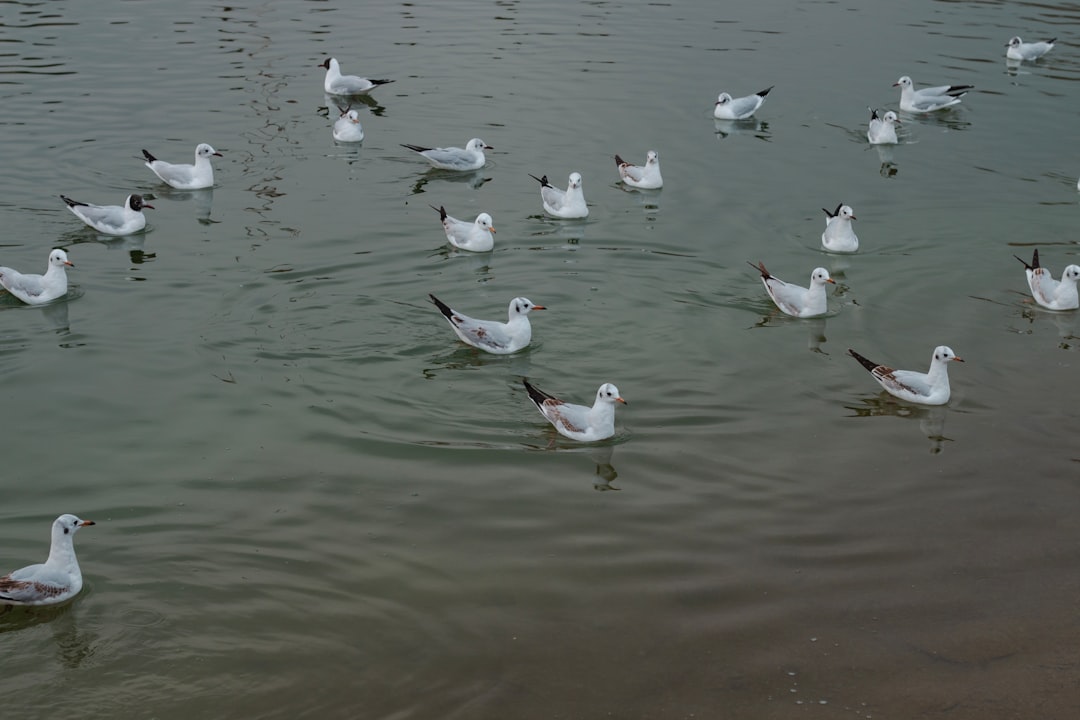
The decline of the lake’s fishery is having a dramatic impact on the species of birds using the lake. By 2009, the town of Hawthorne canceled its Loon Festival because the lake, once a major stopover point for migratory loons, could no longer provide enough chub and other small fish to attract many loons. The cyclical nature of these disappearing lakes creates unique challenges for wildlife populations.
However, some species have evolved remarkable adaptations to survive these dramatic changes. Desert pupfish, for example, can survive in water so salty it would kill most other fish species. Migratory birds have learned to adjust their routes based on which lakes currently hold water. These adaptations showcase nature’s incredible resilience in the face of seemingly impossible conditions.
Modern Monitoring and Documentation
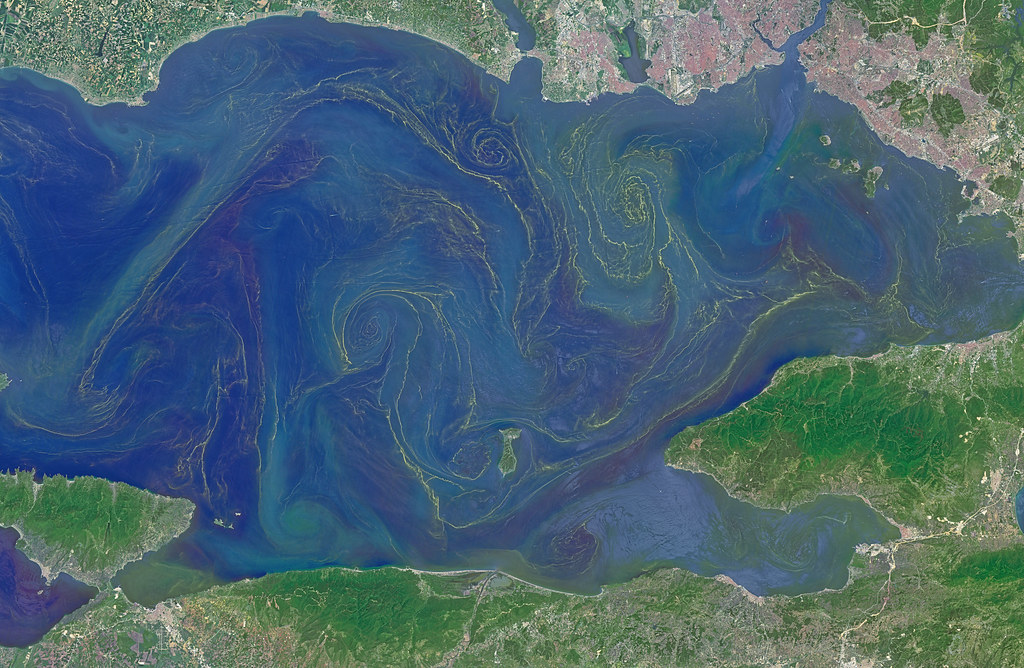
Over several decades, Landsat satellites have observed the water level change at Walker Lake. Today’s scientists have tools previous generations could only dream of. Satellite imagery allows researchers to track water levels with unprecedented precision, documenting the exact timing and extent of each lake’s appearance and disappearance.
Photography enthusiasts and citizen scientists also play crucial roles in documenting these phenomena. Social media has enabled rapid sharing of images showing dramatic before-and-after comparisons, helping scientists better understand the timeline and patterns of these cyclical events. This crowdsourced documentation provides valuable data that supplements official scientific monitoring efforts.
The Future of Nevada’s Vanishing Lakes
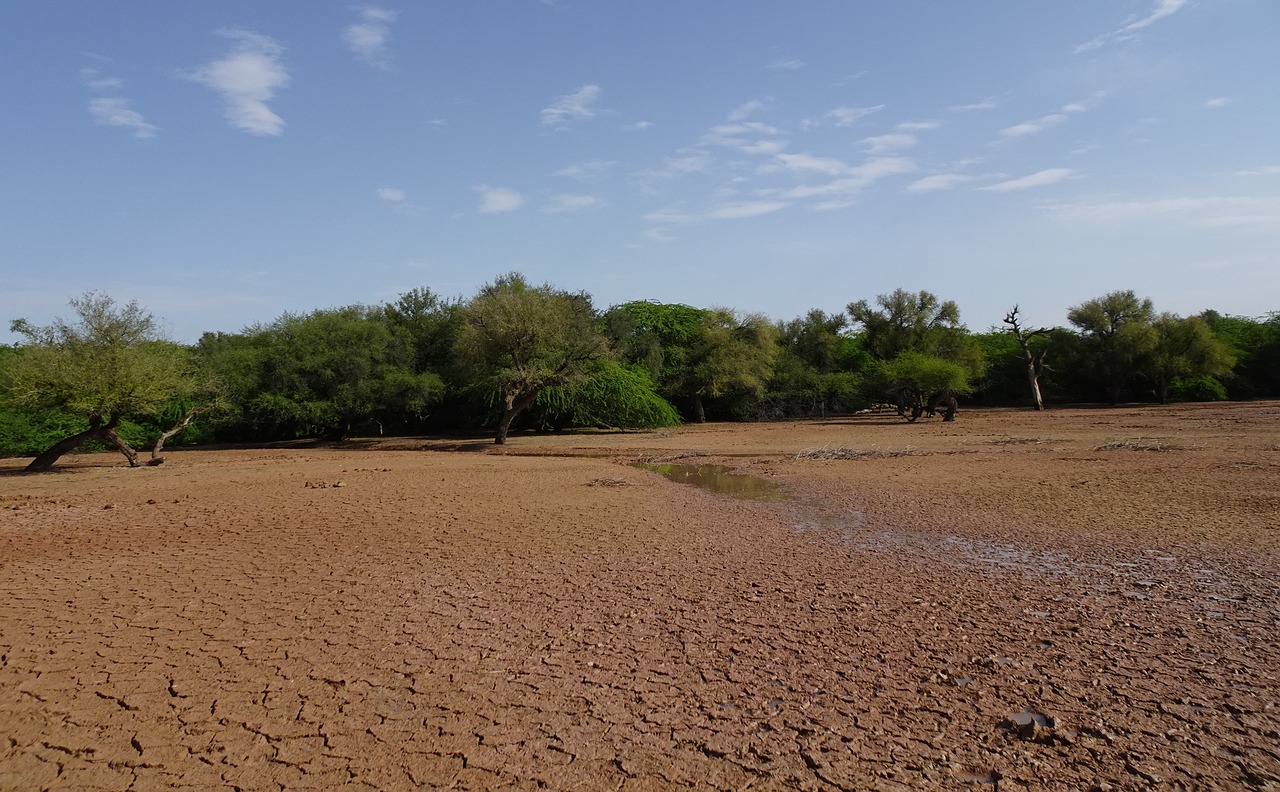
We have certainly seen declines in lake water level in Lake Mead in the last few decades in response to the long drought in the region. Last year was an exception, but it’s not enough to fully refill the lake. So it’s similar to the Aral Sea in that human water withdrawals and climate change are affecting its water levels substantially. Climate change adds new uncertainty to already unpredictable patterns.
Scientists at Northeastern University believe the lake is likely to make more reappearances in the future as climate change will continue to drive intense weather over the Sierra Nevada mountains and fuel flooding in the downstream region. Paradoxically, while overall conditions become drier, the intensity of wet periods may increase, potentially making the cycles of lake disappearance and return even more dramatic than they are today.
Conclusion
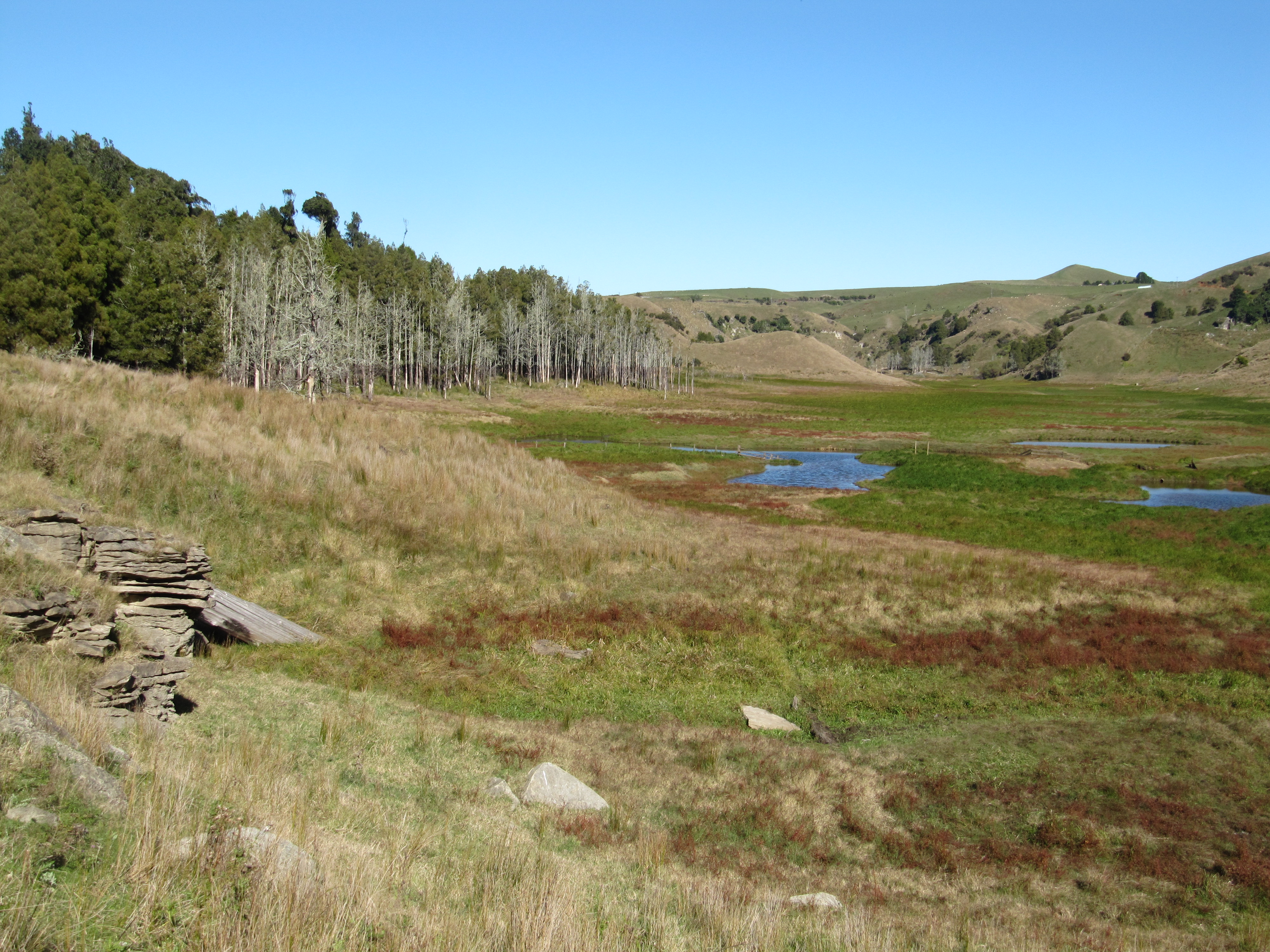
Nevada’s vanishing lakes represent one of nature’s most fascinating phenomena, where water bodies appear and disappear according to cycles that challenge our understanding of permanence in the natural world. These mysterious lakes serve as reminders that our planet’s water systems operate on scales far beyond human experience, following patterns established over millennia.
The story of these cyclical lakes continues to unfold with each passing season, offering new insights into climate patterns, ecosystem resilience, and the delicate balance between human activity and natural systems. As scientists develop better monitoring techniques and climate models, we’re beginning to understand these phenomena more clearly. Still, each time a long-dry lake bed suddenly fills with water, it brings a sense of wonder that no amount of scientific explanation can diminish. What do you think drives your fascination with these mysterious disappearing waters? Tell us in the comments.
Jan loves Wildlife and Animals and is one of the founders of Animals Around The Globe. He holds an MSc in Finance & Economics and is a passionate PADI Open Water Diver. His favorite animals are Mountain Gorillas, Tigers, and Great White Sharks. He lived in South Africa, Germany, the USA, Ireland, Italy, China, and Australia. Before AATG, Jan worked for Google, Axel Springer, BMW and others.