Every era has its explorers, and today’s frontier isn’t just a polar shelf or a deep ocean trench – it’s the human drive to ask better questions. Curiosity can look like a late-night telescope on a cold balcony or a lab bench glowing with instrument readouts. Astrology, for all its poetry, isn’t science, yet its archetypes endure because they speak to familiar motivations. The real investigation here is how stories about zodiac signs mirror the psychology of people who love puzzles, patterns, and big unknowns. That mirror – part myth, part measurement – can help us understand why some of us feel pulled toward the next discovery while others prefer to perfect what we already know.
The Hidden Clues
Why do some people chase eclipses or spend weekends combing through old code and rock strata for anomalies? The instinct is older than calendars, but the language we use to describe it keeps changing. Zodiac archetypes offer a cultural shorthand for traits like restlessness, depth seeking, or analytical grit, even if the stars themselves don’t assign those qualities.
In labs and field sites, researchers map curiosity to measurable traits like openness to experience and need for cognition. These traits predict how eagerly someone explores new ideas, tolerates ambiguity, or delights in surprise. That hunger for the unknown feels mystical to some and methodical to others, yet it tracks with real patterns in how explorers and scientists approach their work.
From Ancient Tools to Modern Science
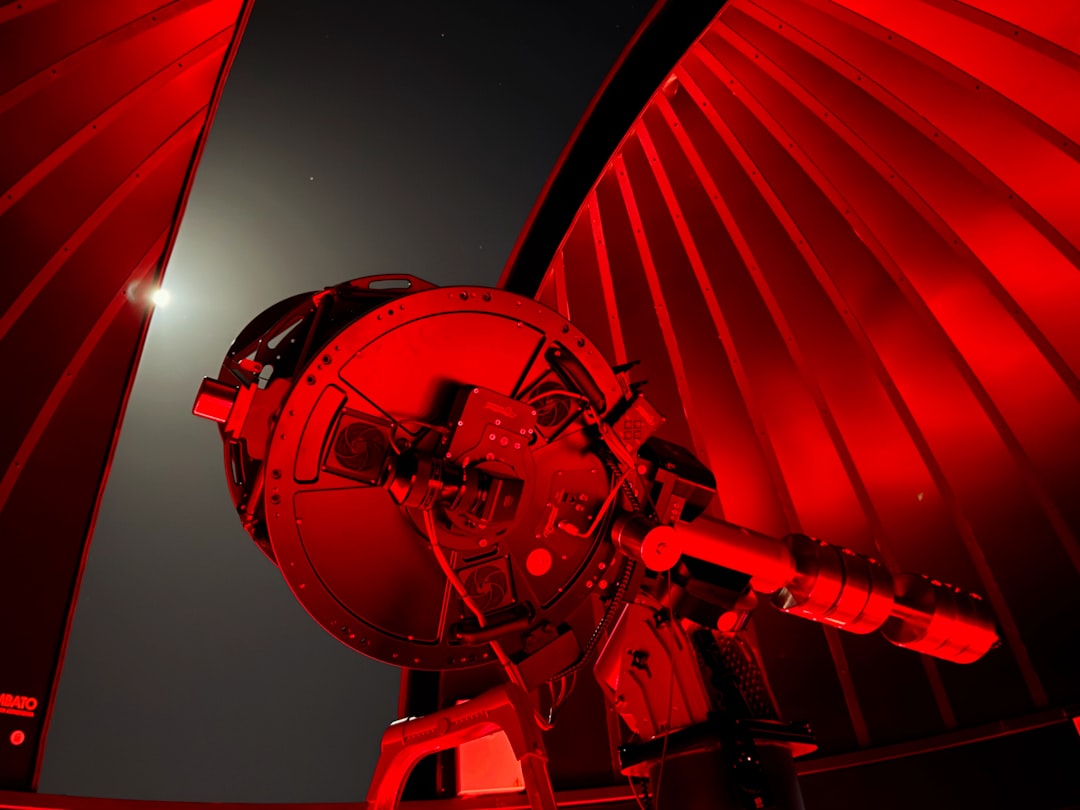
Astrological systems were among humanity’s earliest dashboards for noticing patterns, blending sky watching with seasonal survival. Modern science replaced celestial symbolism with instruments, statistics, and peer review, but the human impulse underneath – sense-making – survived the transition. The continuity explains why old archetypes still feel relevant, even when we know constellations can’t determine character.
Psychology’s Big Five framework quantifies the curiosity axis as openness to experience, often linked with creativity, abstract thinking, and tolerance for uncertainty. Twin and longitudinal studies suggest this trait has both environmental and heritable components, a reminder that nature and nurture co-author our appetite for novelty. In other words, mystery-seeking isn’t assigned by a birth chart; it’s cultivated by experience and nudged by biology.
The Curious Archetypes: Signs Often Drawn to the Unknown
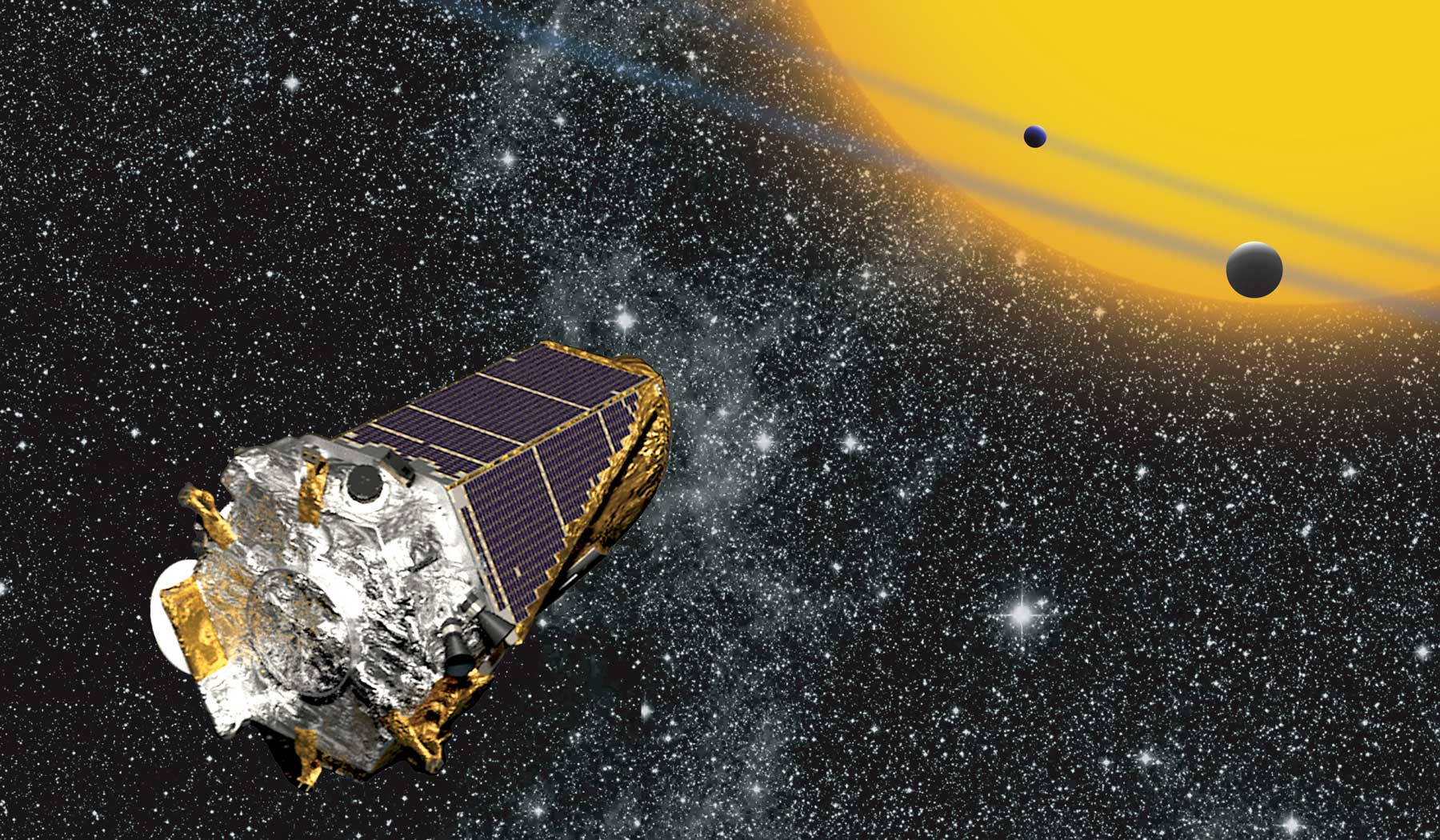
When people talk about zodiac signs and mystery, the same archetypes surface again and again. Scorpio gets cast as the deep diver who won’t stop until the hidden mechanism clicks; Aquarius shows up as the rule-breaker who reframes the whole problem; Sagittarius leans toward bold journeys that stitch together far-flung clues. Gemini’s restless questions cover ground quickly, while Virgo’s precision digs in where details hold secrets.
Pisces is painted as the imaginative empath, catching subtle signals others miss; Capricorn channels disciplined endurance, crucial for long missions and multi-year studies; Aries is the spark that kicks off risky hunts others might avoid. None of this is causal, and it certainly isn’t predictive, but it does capture familiar styles of curiosity. Those styles appear every day in science – field naturalists trekking for one more sample, computational biologists iterating until a pattern resolves, engineers revising prototypes long past midnight.
What the Evidence Actually Says

Large datasets have looked for links between birth timing and stable personality traits and find no robust, reproducible effects that would validate astrological predictions. Season-of-birth studies show small influences on health or life outcomes in specific contexts, but these reflect environmental factors such as daylight, pathogens, or school entry cutoffs, not constellations. The scientific consensus is straightforward: zodiac signs do not determine who becomes an explorer or a scientist.
What the evidence does support is the power of psychological traits and environments. Openness to experience correlates with scientific and creative endeavors, and the need for cognition tracks with persistence through complex problems. Mentorship, access to education, and early exposure to puzzles or nature stoke the furnace of discovery far more reliably than any horoscope ever could.
Why It Matters

Framing curiosity with familiar narratives can be a gateway, not a diagnosis. When educators translate the drama of a Scorpio-style deep dive into a lesson about hypothesis testing, they make scientific thinking feel personal and alive. When they recast Aquarius-like contrarianism as rigorous skepticism, they show how challenging assumptions advances knowledge.
Traditional outreach often leans on career checklists and standardized tests, which can feel distant or static. Archetypal storytelling opens a different door by speaking to motivation and identity, then steering that energy toward methods that work. The payoff is practical: more students lingering after class to ask hard questions, more community scientists logging data, and a wider pipeline into fields that thrive on fresh eyes and stubborn hearts.
Global Perspectives

Curiosity wears local costumes. In some regions, Western zodiac archetypes carry the story; elsewhere, indigenous star lore, the Chinese zodiac, or human–nature philosophies set the stage for wonder. What endures across cultures is the pattern: people use symbolic systems to name the tug they feel toward secrecy, risk, and revelation.
Science benefits when that diversity of motivation shows up at the bench and in the field. Field stations staffed by multilingual teams connect different ways of noticing; urban astronomy clubs mix cultural star stories with rigorous observation; citizen-science platforms translate local curiosity into global datasets. The map of mystery seekers is far larger than any one tradition’s sky.
The Future Landscape
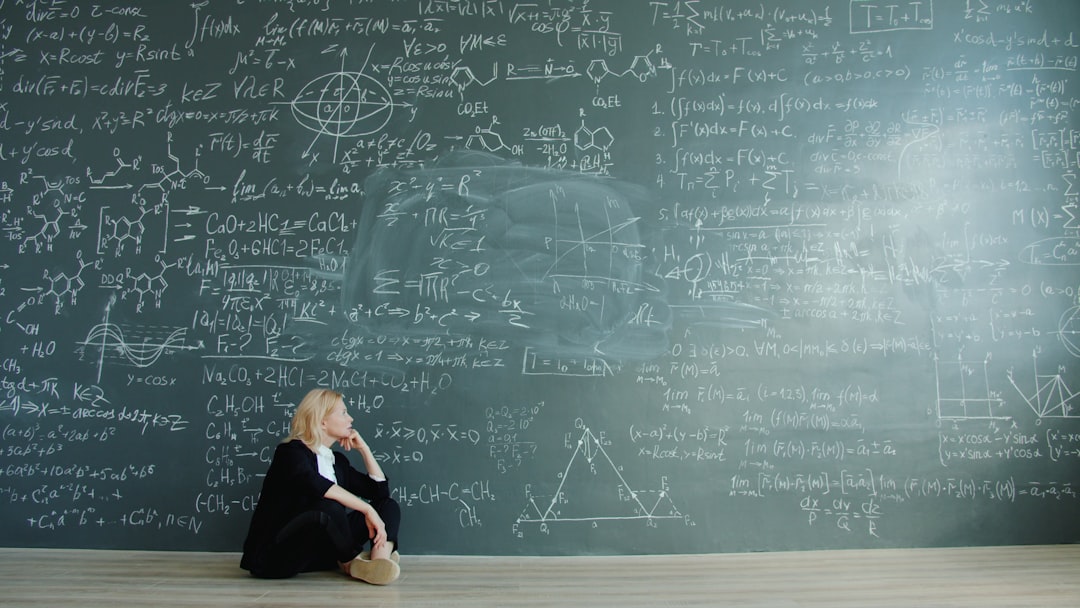
Neuroscience is tracing curiosity through brain circuits that regulate anticipation and reward, offering clues about why unanswered questions feel irresistible. Data science is building tools to model exploratory behavior, from how researchers pivot between ideas to how students persist through failure. In parallel, new space missions and deep-sea observatories will shower us with puzzles that require both patience and imaginative leaps.
The challenges are real. Algorithmic echo chambers can flatten curiosity into confirmation, while misinformation dresses up as intrigue and steals attention. The next decade will test whether we can design education, media, and technology that reward open-ended inquiry instead of easy answers, keeping the flame of discovery both bright and trustworthy.
From Archetype to Action: Training the Explorer’s Mind

If you see yourself in a sign’s curiosity style, treat it as a starting sketch and then sharpen it with practice. Keep a living notebook of questions, not just answers, and revisit the ones that still haunt you after a week. Build stamina by tackling problems one level harder than comfortable, and learn to love the moment when the method forces you to change your mind.
Pair romance with rigor. Join communities where wonder is welcome but claims meet evidence, whether that’s a local makerspace, an astronomy night, or a bioinformatics forum. Over time, the habits you build will matter far more than the archetype that first sparked your interest.
Conclusion
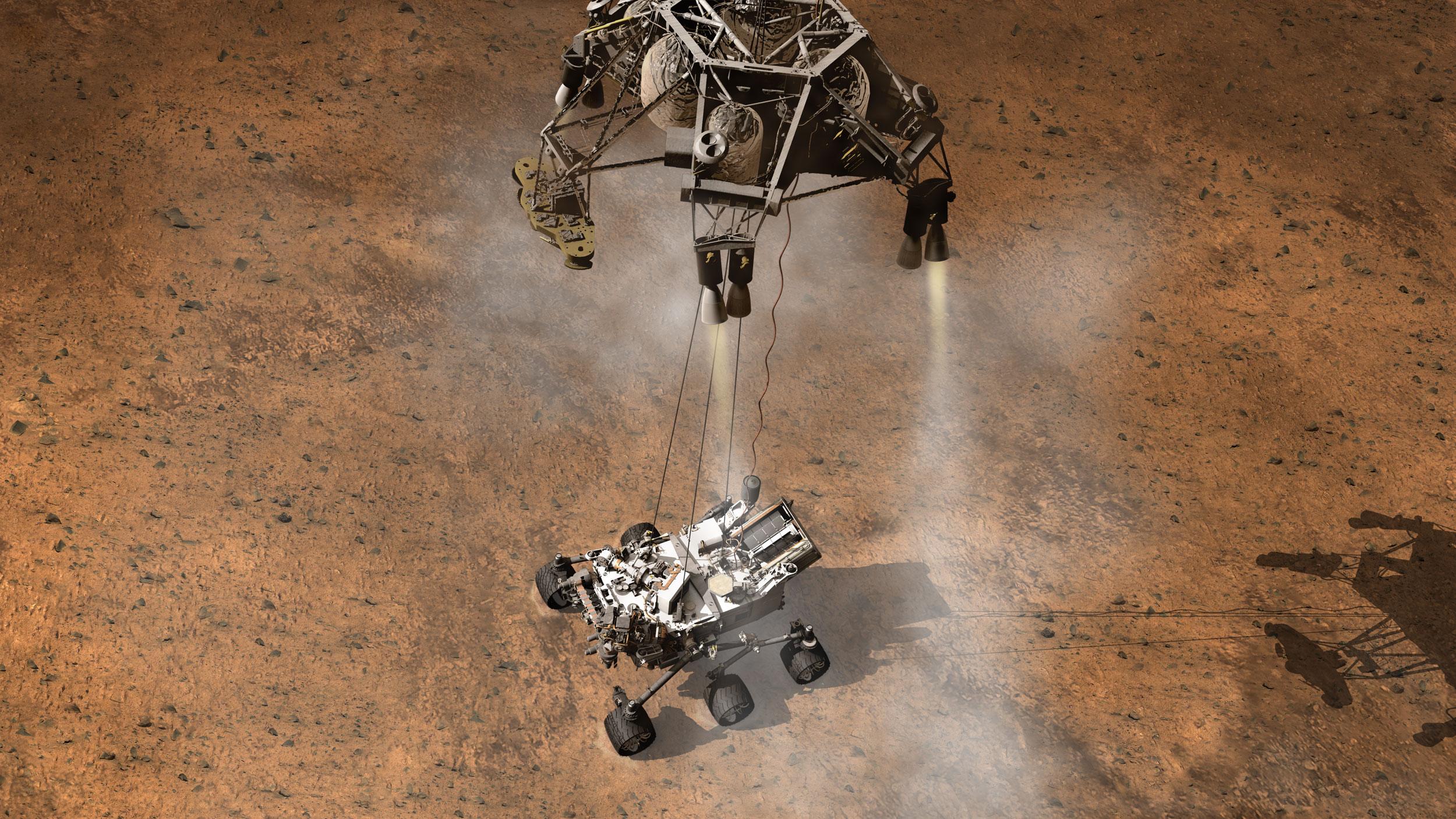
Zodiac archetypes are compelling because they dramatize familiar research personalities, but the real compass for discovery lives in measurable traits, nurtured skills, and supportive ecosystems. Let the symbolism nudge you toward a trailhead, then switch to maps that work: good methods, healthy skepticism, and patient iteration. Curiosity thrives when it’s fed regularly and tested gently against the world.
Start small this week: attend a public star party, log a wildlife observation, replicate a simple experiment, or read a preprint with a friend and score the evidence together. Keep a daily question list, practice changing your mind gracefully, and celebrate the moment a mystery becomes a method. In the end, what will you explore next?