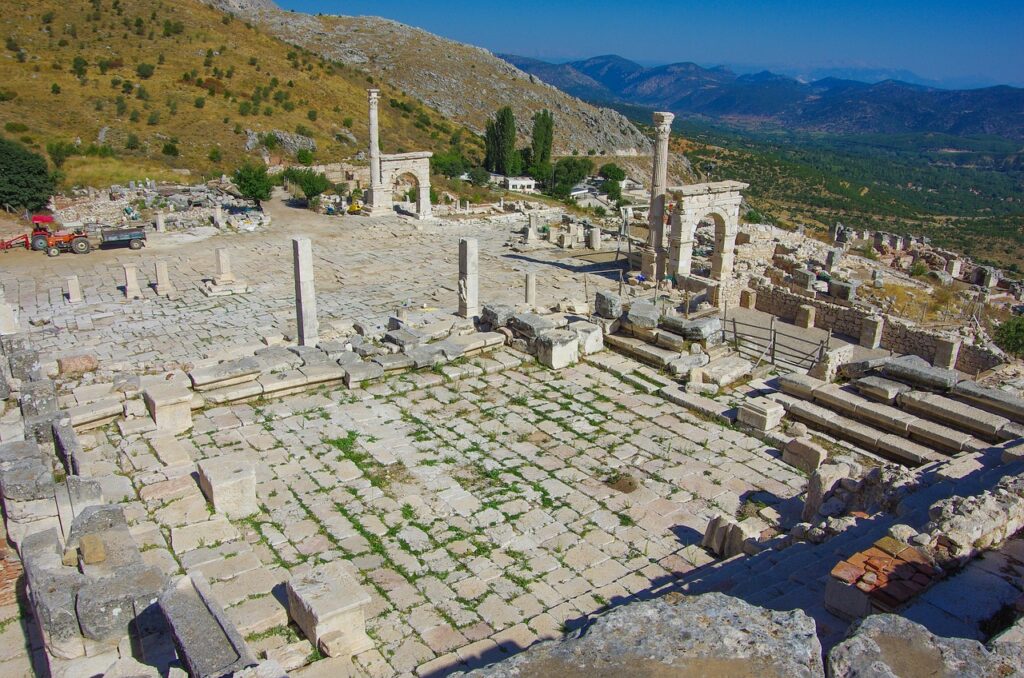
Across the world and far back in time, people watched the same stars and told wildly different stories about what they meant. Today, as researchers decode ancient calendars, trade routes, and monuments with new tools, a curious pattern emerges: certain civilizations express personalities that feel uncannily similar to the zodiac’s archetypes. It’s not about horoscopes predicting your commute; it’s about cultural fingerprints that rhyme across eras. In the collision of myth and measurement, we can hold both wonder and evidence in the same hand. That’s the sweet spot where science gets interesting – and where your sign might just find its ancient twin.
From Ancient Tools to Modern Science
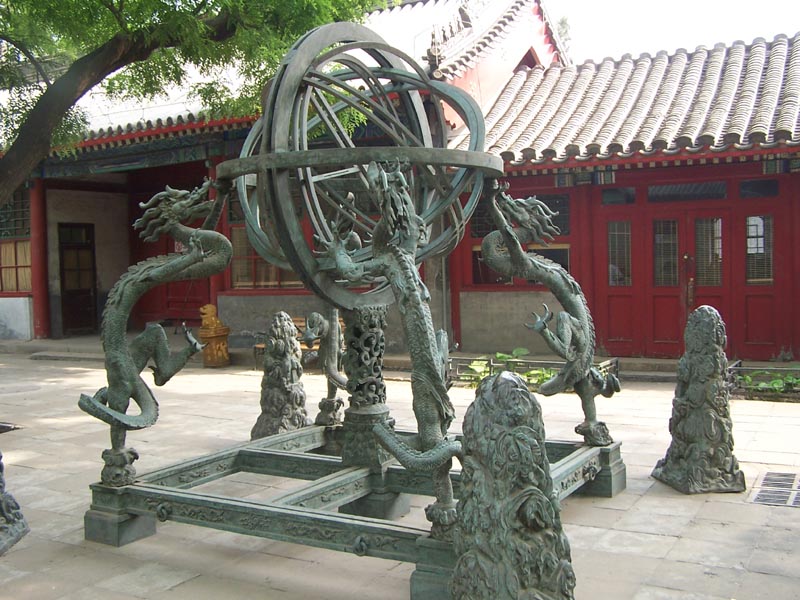
Here’s the surprising part: the zodiac’s personalities aren’t just poetic – many echo social behaviors that archaeologists can measure. Using methods like radiocarbon chronologies, climate records in lake mud and ice, and network analysis of trade goods, scientists map how societies rose, specialized, and spread ideas. Archaeoastronomers now model sightlines at temples and pyramids to test whether structures aligned with solstices or star clusters by design. When those lines cross with written records and material culture, we get a richer portrait than myth alone can paint.
I still remember standing at the base of a desert observatory ruin, watching the sun snap into a stone notch at sunset like a key in a lock. In that instant, ritual, engineering, and sky knowledge fused – an ancient mind’s blueprint suddenly legible. That’s the spirit of this investigation: matching archetype to evidence, symbolism to social pattern, without pretending correlation is destiny.
Fire Signs: The Conquerors and Pathfinders
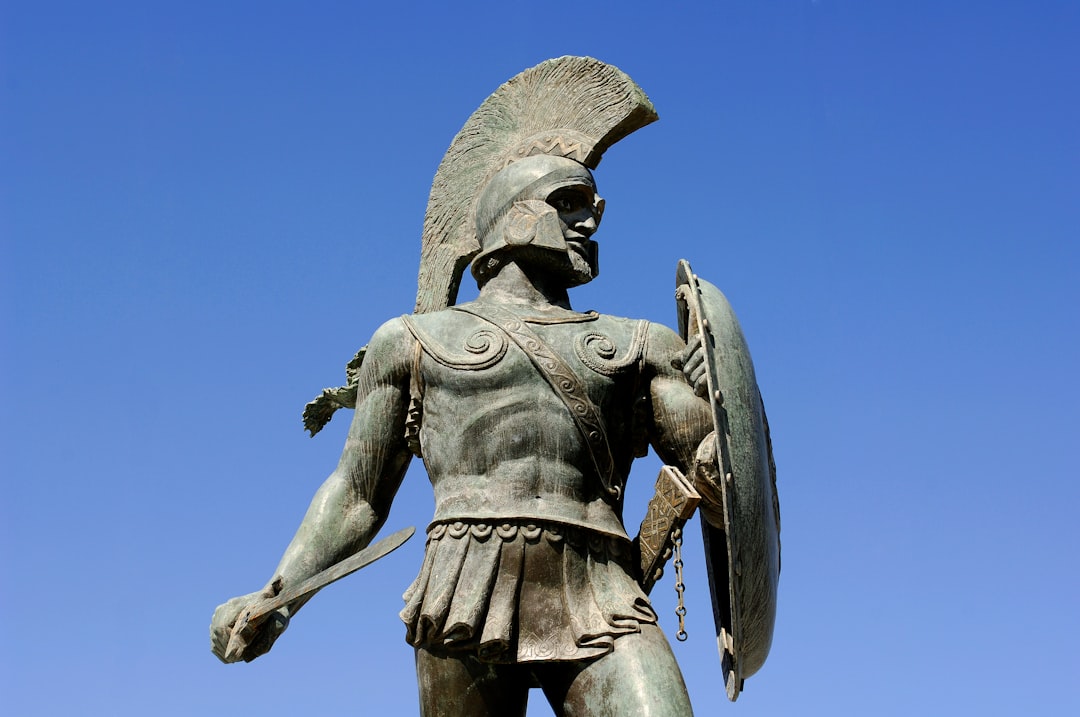
Aries, Leo, and Sagittarius thrive on ignition – initiative, courage, and audacious reach – which aligns with cultures that took bold leaps into the unknown. Think Assyria’s relentless campaigns and administrative prowess, projecting power across the Near East, or Rome’s explosive expansion coupled with infrastructure that cemented control. Sagittarius, the archer with eyes over the horizon, pairs naturally with steppe confederations and long-range navigators who redrew maps and mental worlds.
These societies didn’t just win battles; they standardized roads, scripts, and calendars that scaled identity beyond village walls. Their signature is momentum: rapid adoption of new tools, decisive leadership in crisis, and a flair for spectacle that stitched loyalty. If your chart burns bright, your civilizational counterpart likely built empires on speed and vision.
Earth Signs: The Builders and Coders of Order
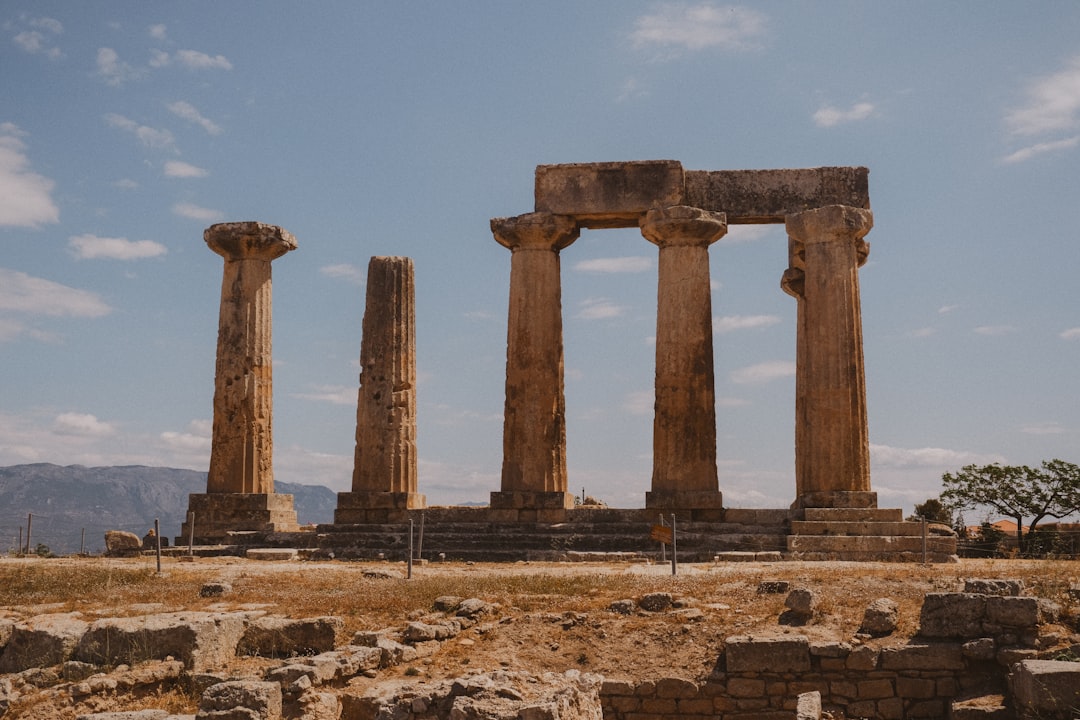
Taurus, Virgo, and Capricorn speak the language of patience, craft, and structure – the hallmarks of agrarian and administrative sophistication. Minoan Crete, with its bull iconography, maritime granaries, and careful accounting, channels Taurean steadiness and sensual artistry. The Indus or Harappan cities push Virgo’s precision: standardized brick sizes, meticulous sanitation, and seals that hint at an orderly, data-minded economy.
Capricorn’s mountain-goat tenacity finds kinship with the Inca, whose road networks, terrace agriculture, and storehouses bound a vertiginous empire. These cultures measure time in harvests and dynasties rather than campaigns. If your sign is Earth, your ancient mirror likely chose durability over drama and left beauty in the joints of stone.
Air Signs: The Diplomats and Inventors of Ideas
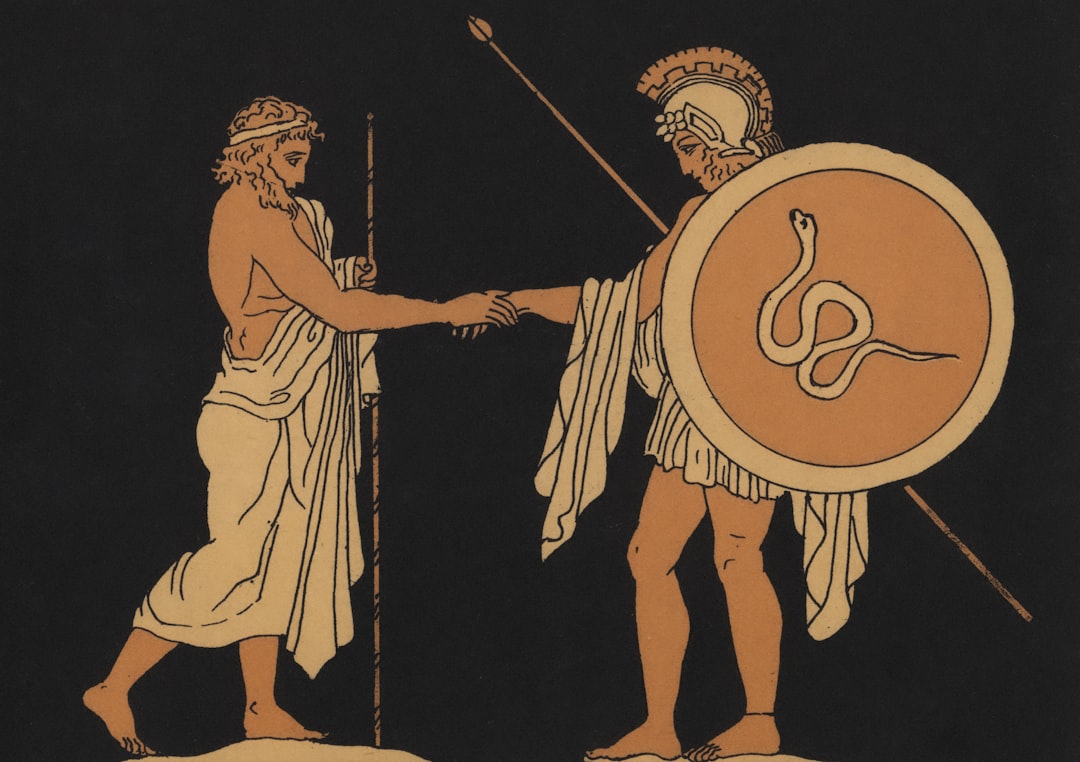
Gemini, Libra, and Aquarius tick in the register of language, law, and leapfrogging innovation. The Phoenicians embody Gemini’s mercurial genius, ferrying alphabets and purple dye across the Mediterranean, turning exchange into a technology. Libra, tuned to fairness and balance, resonates with Classical Athens, where courts, debates, and civic rituals wrestled chaos into consensus even as art and philosophy sharpened the public mind.
Aquarius lives where knowledge goes public, pairing with centers like Hellenistic Alexandria and later cosmopolitan hubs that organized libraries, observatories, and engineering for the common good. Their superpower is diffusion: ideas moving faster than armies, norms replacing edicts, infrastructure weaving strangers into citizens. If your sign is Air, your civilizational twin wrote the rulebook and then taught the neighbors to read it.
Water Signs: The Dreamers and Keepers of the Sacred
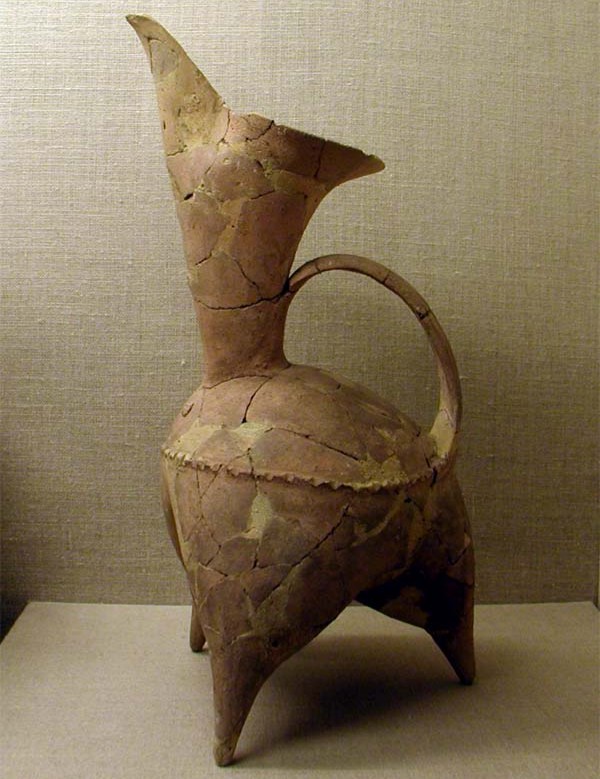
Cancer, Scorpio, and Pisces flow toward memory, ritual, and the pull of unseen forces – fitting the riverine and rain-making civilizations that made time itself a ceremony. Ancient Egypt’s domestic and state rhythms rose with the Nile flood, nurturing Cancer’s protective, lineage-minded ethos in tomb art and household shrines. In Mesopotamia, scorpion figures and underworld journeys mirror Scorpio’s intimacy with danger, healing, and transformation, where incantations and medical recipes coexisted on the same clay.
Pisces swims through cosmologies that blur sea and sky, calling to maritime and cenote-keeping peoples who saw portals in water and mapped the heavens in temples. Their pattern is resilience through meaning: when harvests failed, stories held the line. If you’re Water, your historical kin guarded the threshold between the measurable and the mystical.
Why It Matters
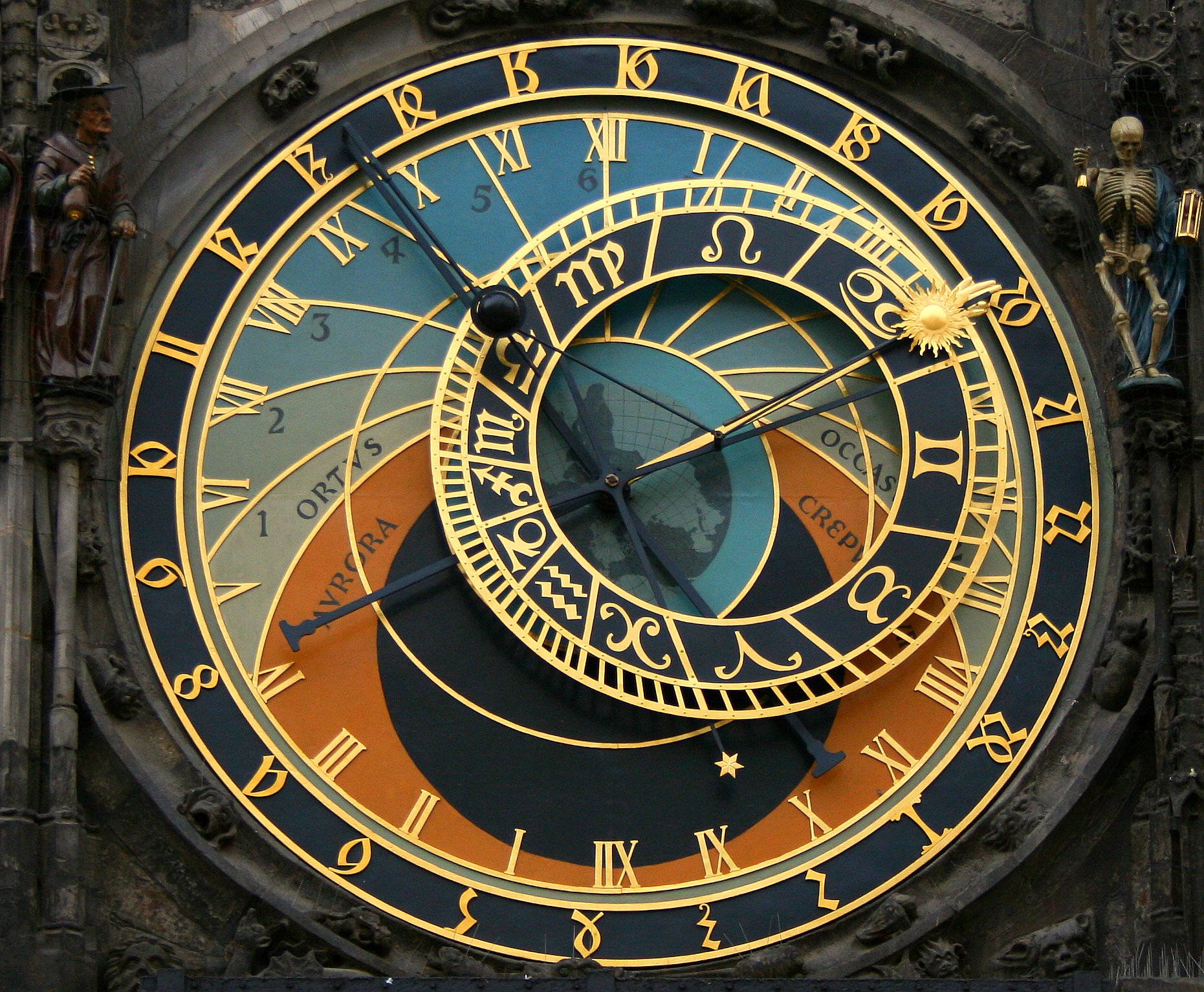
Astrology isn’t a lab test, but archetypes are powerful compression tools for complex behavior – especially across cultures separated by deserts and centuries. Social scientists use categories all the time to compare patterns, from kinship systems to trade ecologies; zodiac archetypes can function as a narrative scaffold, as long as we keep our skepticism switched on. The goal isn’t to retrofit prophecies but to spark better questions: which environments produce bold expansion, meticulous standardization, or legal innovation – and when do those strategies fail?
Compared with traditional, siloed histories, an archetype-informed view makes parallels visible faster and can flag hypotheses worth testing with real data. It invites readers who love myth to meet method halfway, and it nudges empiricists to respect the staying power of stories. In a world awash with information, metaphors that don’t mislead can be bridges, not detours.
The Future Landscape

New technologies are turning hunches into testable claims. High-resolution climate archives are letting researchers align political shifts with droughts or monsoon pulses, while LiDAR reveals forgotten road grids that expose how ideas and goods actually flowed. Machine learning can sift epigraphic corpora for semantic clusters – say, justice, piety, or ambition – and compare them with settlement patterns and trade diversity.
Expect richer maps that stack sky alignments over supply chains, ritual calendars over crop genetics, and legal inscriptions over migration DNA. The challenge is humility: avoiding just-so stories while using archetypes as hypotheses, not conclusions. The payoff could be a global atlas of cultural strategies, searchable by behavior rather than borders.
From Playful Lens to Practical Insight

There’s a practical side to this cultural matching game. Urban planners, for example, study ancient water regimes and disaster memory to design neighborhoods that absorb shocks without losing cohesion, a very Cancer-to-Egypt lesson. Public-health campaigns borrow Libra-like rulemaking and Athenian-style deliberation to build trust, while innovators channel Aquarian networks to spread lifesaving tactics faster than rumors.
Meanwhile, conservation teams weigh Capricorn-like infrastructure against Taurus-like landscape stewardship to protect heritage sites under climate stress. The point isn’t to force-fit a horoscope onto history; it’s to harvest durable strategies from civilizations that already pressure-tested them. Archetypes make those strategies easier to remember – and easier to deploy when minutes matter.
Conclusion
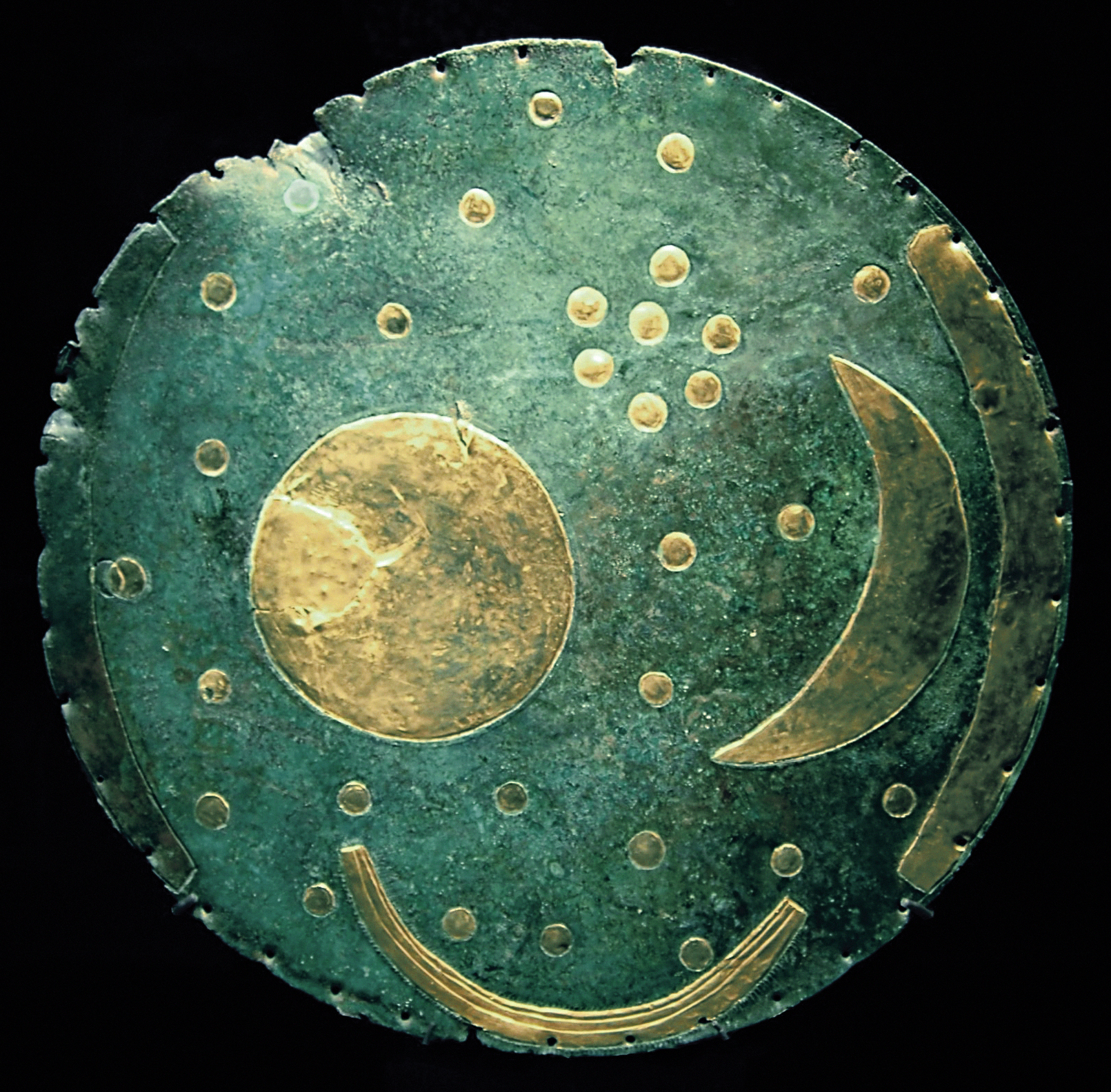
You don’t need a lab badge to join this inquiry. Start by learning the sky above your home – mark the solstices, watch a lunar standstill, and visit a local site with documented alignments to feel how architecture frames the heavens. Read a translation of an ancient law code or hymn next to a modern city charter and note what still clicks; shared values often travel farther than armies.
Support museums, field schools, and community-led heritage projects that protect sites and stories before they vanish to erosion or looting. If you’re a data-minded reader, explore open archaeological datasets and contribute to citizen transcription projects that turn fragments into findings. And then ask yourself, as you trace your sign across the map: which ancient strategy would you borrow for the future you want – did you expect that?
Suhail Ahmed is a passionate digital professional and nature enthusiast with over 8 years of experience in content strategy, SEO, web development, and digital operations. Alongside his freelance journey, Suhail actively contributes to nature and wildlife platforms like Discover Wildlife, where he channels his curiosity for the planet into engaging, educational storytelling.
With a strong background in managing digital ecosystems — from ecommerce stores and WordPress websites to social media and automation — Suhail merges technical precision with creative insight. His content reflects a rare balance: SEO-friendly yet deeply human, data-informed yet emotionally resonant.
Driven by a love for discovery and storytelling, Suhail believes in using digital platforms to amplify causes that matter — especially those protecting Earth’s biodiversity and inspiring sustainable living. Whether he’s managing online projects or crafting wildlife content, his goal remains the same: to inform, inspire, and leave a positive digital footprint.